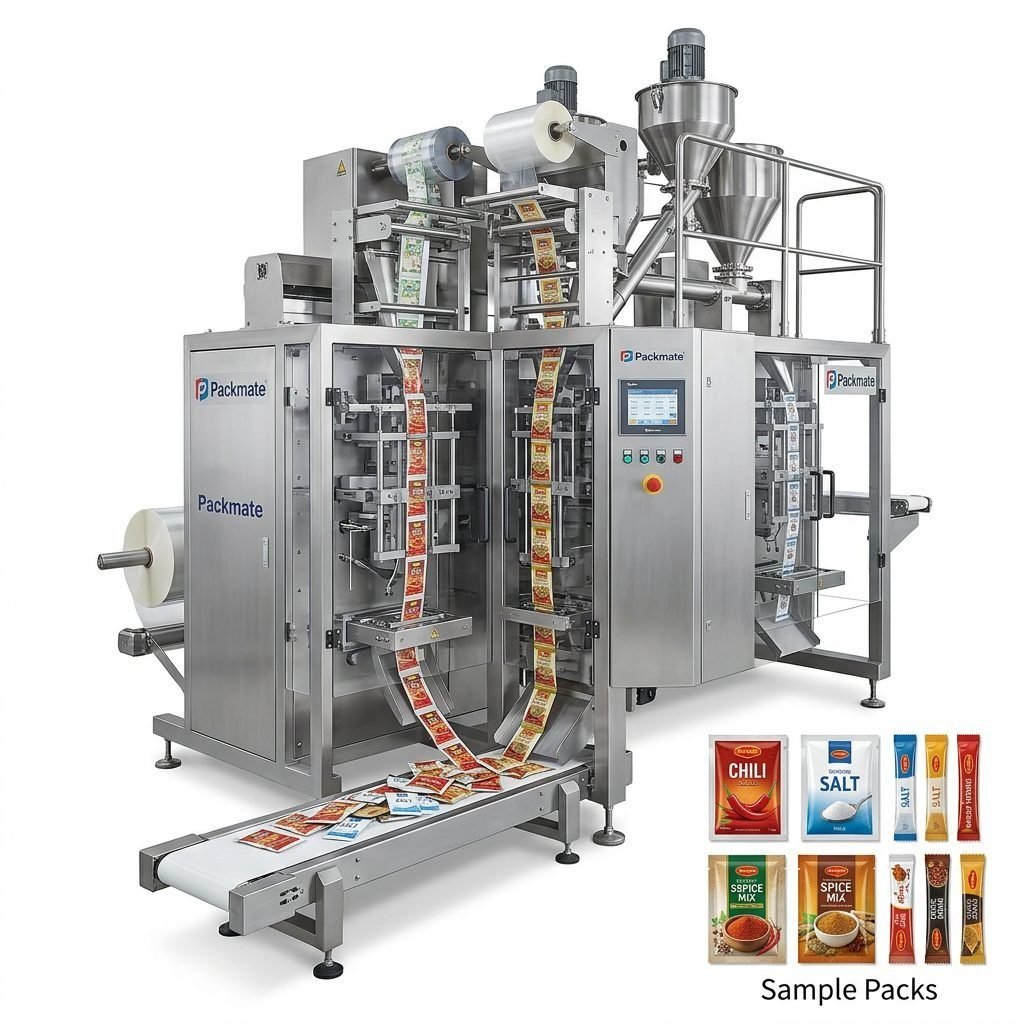
Selecting the right chips packaging machine is a critical investment for any snack food manufacturer. The efficiency, reliability, and output quality of your packaging line directly impact your bottom line and brand reputation. This comprehensive guide will walk you through the different types of machines available, factors affecting costs, and a detailed framework to help you make the best choice for your specific production needs.
Understanding the Core Types of Chips Packaging Machines
The packaging process for chips typically involves weighing, filling, and sealing. Machines are categorized based on their automation level, packaging style, and integration capabilities.
Vertical Form Fill Seal (VFFS) Machines
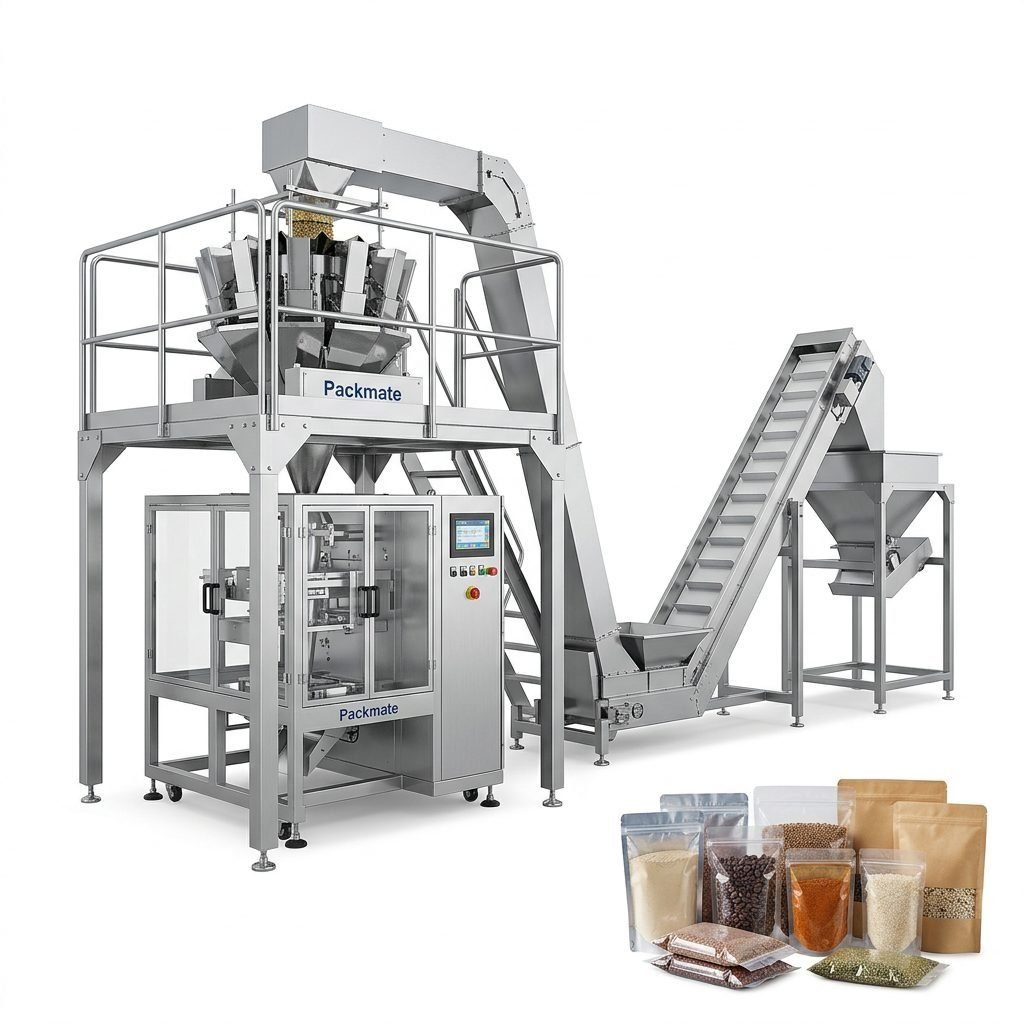
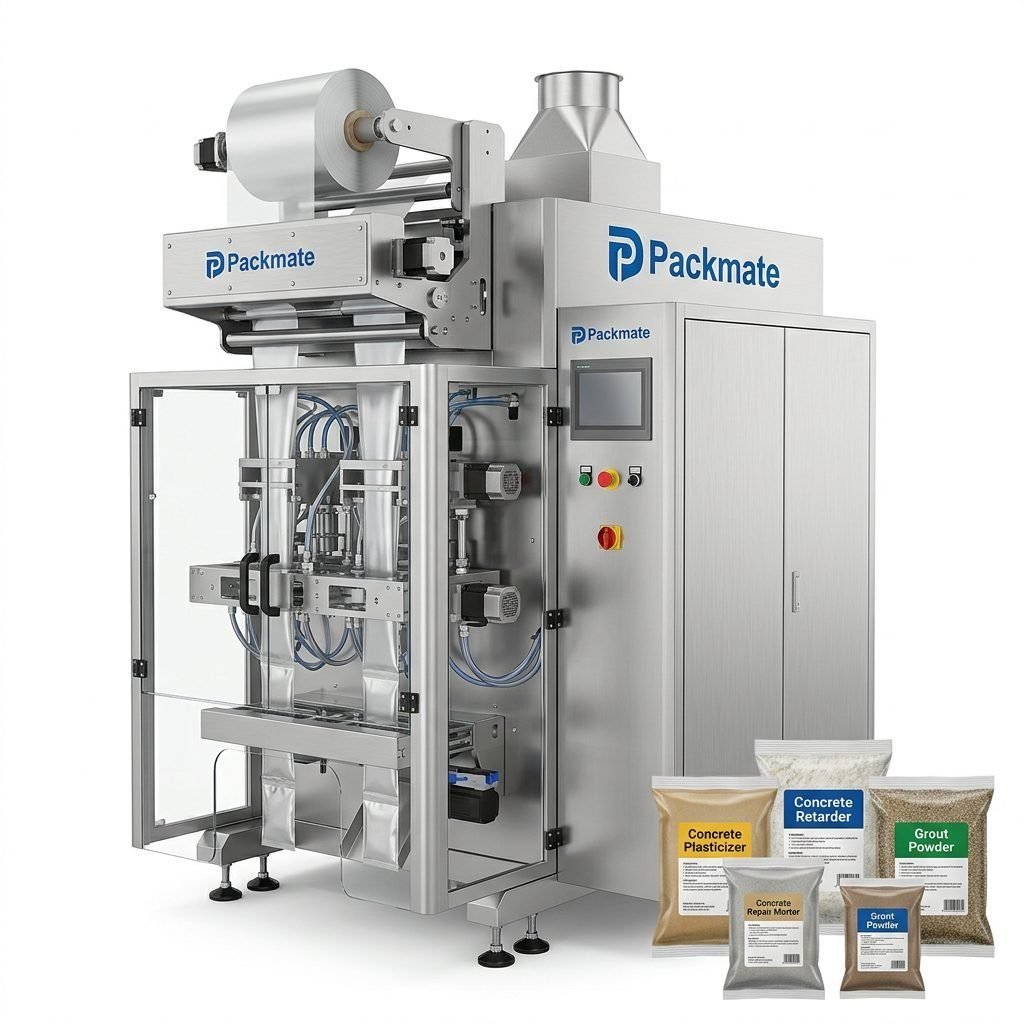
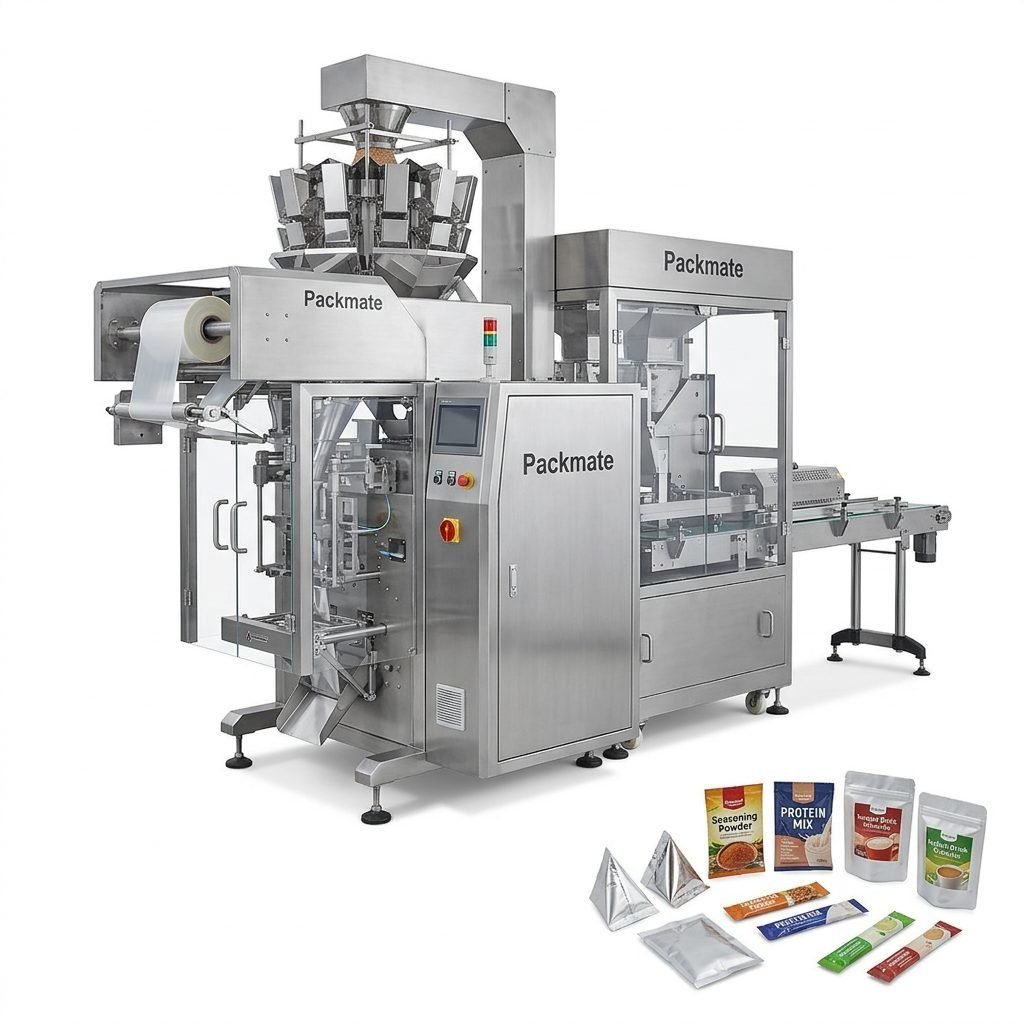
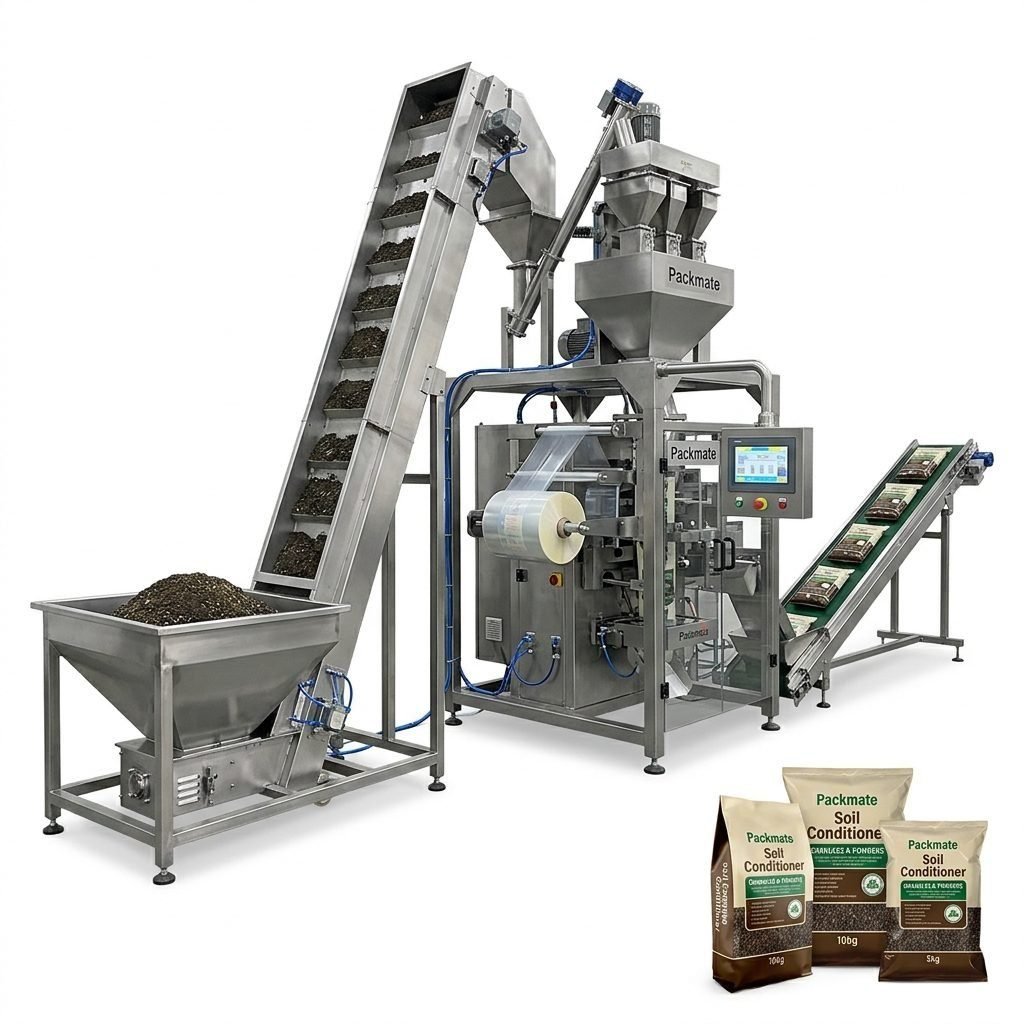
These are the most common and versatile machines for packaging chips. They form a bag from a roll of film, fill it with a pre-weighed product, and then seal it. VFFS machines are ideal for high-speed production of pillow bags, gusseted bags, and stand-up pouches. They offer excellent flexibility for bag size changes and are a cornerstone of modern snack packaging lines.
Pre-Made Bag Packaging Machines
This system uses bags that are already formed and often printed. The machine opens the bag, fills it with product, and then seals it. This method is often chosen for its superior print quality and rigid bag structure, which can enhance shelf appeal and better protect fragile chips. It’s generally used for premium product lines.
Multi-Lane Weighing and Packaging Systems
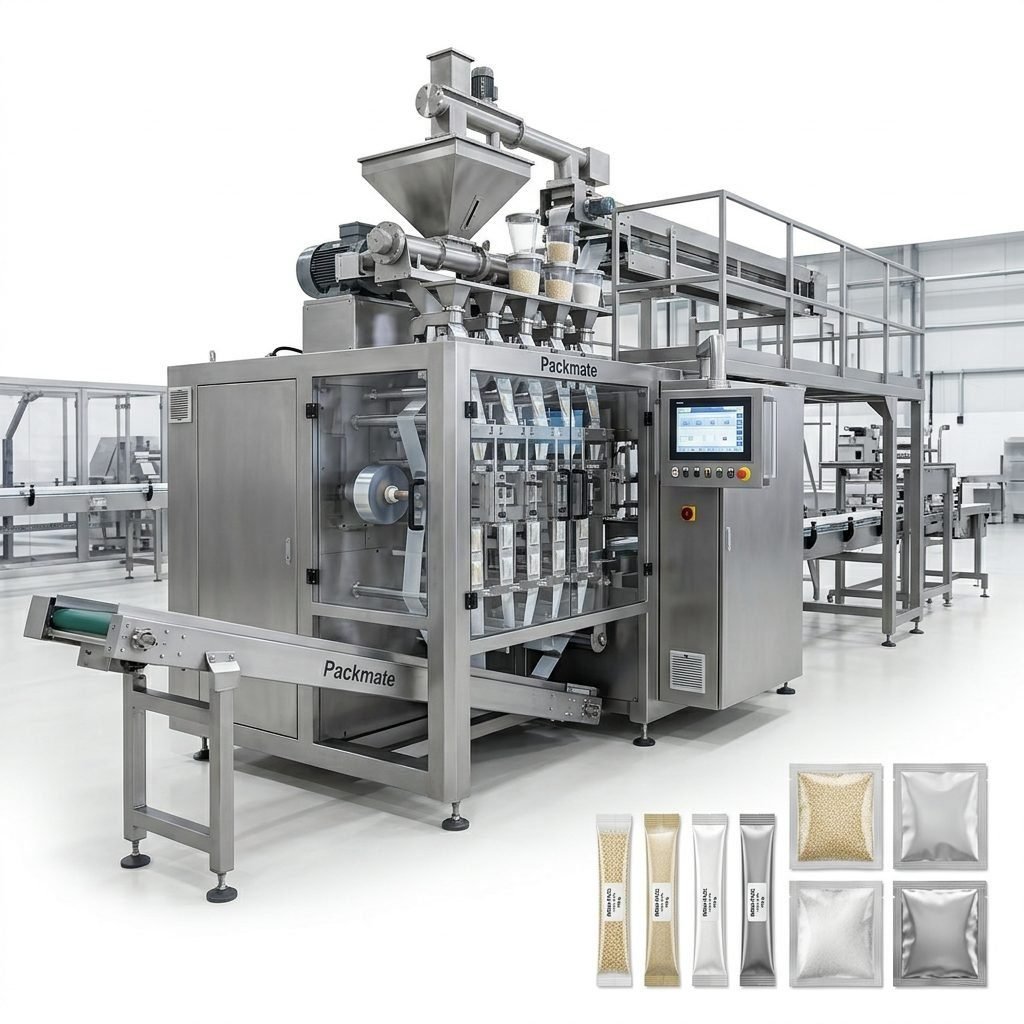
For ultra-high-speed production, multi-lane systems are essential. These involve multiple weighing heads (like 14 or 16 heads) feeding into several parallel VFFS machines. This configuration dramatically increases output, making it suitable for large-scale manufacturers supplying major retail chains. Integrating a multi-head weigher is key to this setup’s accuracy and speed.
Complete Turnkey Packaging Lines
Beyond a single machine, a full line integrates all components: product feeding, weighing, metal detection, bag making, filling, sealing, coding, and cartoning. Opting for a complete packaging line from a single supplier like Packmate ensures compatibility, simplifies maintenance, and provides a single point of responsibility for performance.
Breaking Down the Cost Factors
The price of a chips packaging machine is not a single figure. It’s a sum influenced by several variables. Understanding these will help you budget accurately and avoid unexpected expenses.
1. Machine Type and Automation Level
A basic, semi-automatic machine will cost significantly less than a fully automated, servo-driven VFFS machine with integrated checkweighers and robotic palletizers. The level of automation you need depends entirely on your target production volume and labor cost structure.
2. Production Speed and Output Requirements
Speed is a primary cost driver. A machine capable of 60 bags per minute will have a different price point than one designed for 200 bags per minute. Higher speeds require more precise engineering, better components, and often a multi-lane configuration.
3. Packaging Material Compatibility
Can the machine handle the specific film you plan to use? Machines designed for complex laminates (like metalized films for better barrier properties) or recyclable mono-material films may require specialized sealing jaws, film tension controls, and drives, which add to the cost.
4. Special Features and Customization
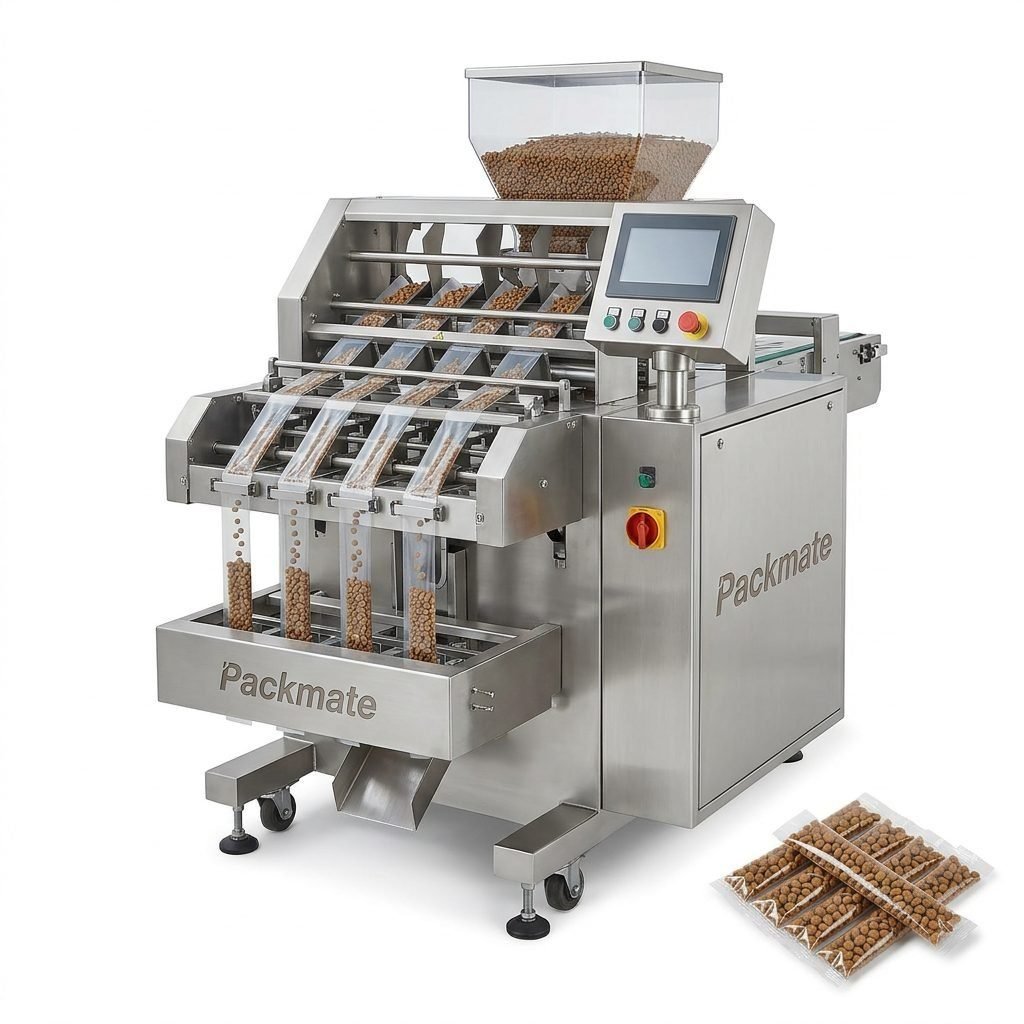
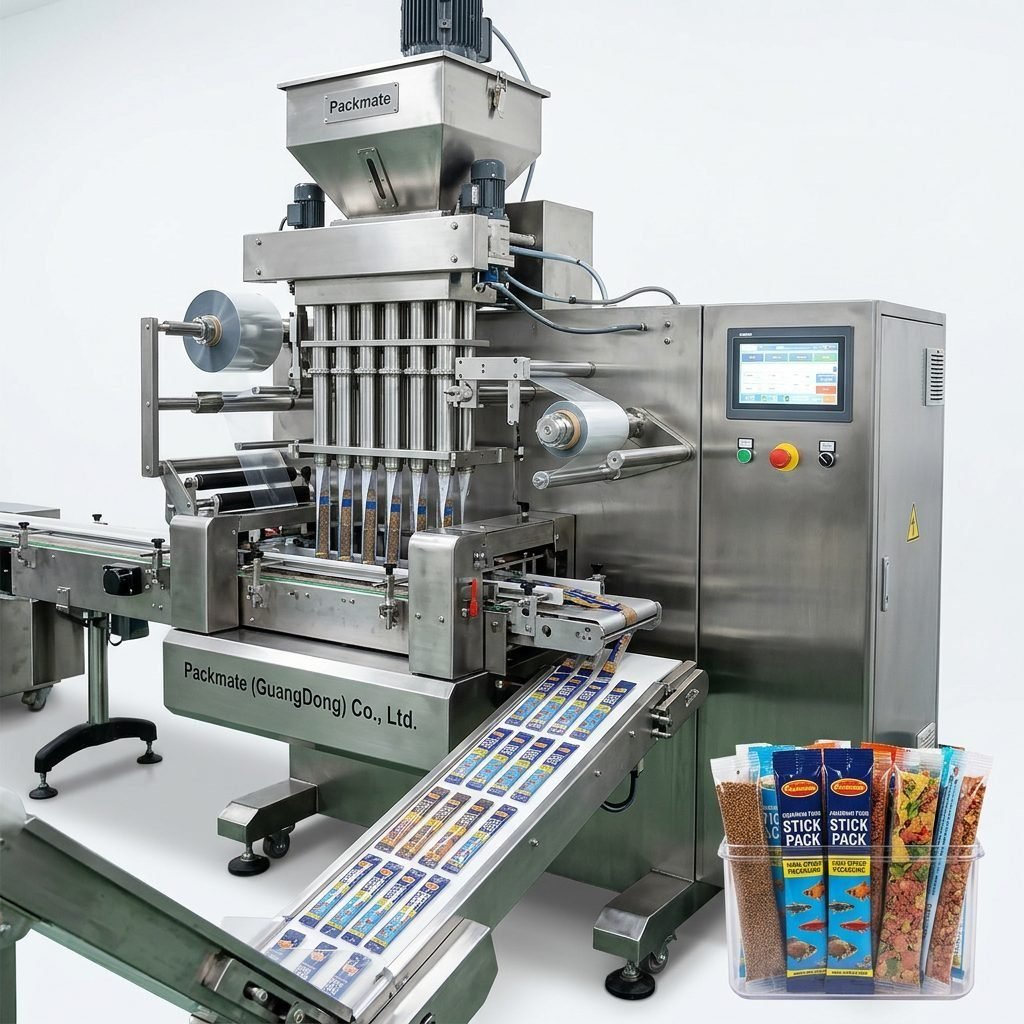
Requirements such as nitrogen flushing (for extended shelf life), auger filling for seasoning, integrated vision systems for print registration, or specific bag styles (like stick packs for sample sizes) will increase the investment. Customization to fit an existing factory layout also factors in.
5. Brand, Quality, and After-Sales Service
Established brands with a proven track record of reliability, like those with decades of experience, often command a premium. This cost is frequently justified by lower lifetime operating costs, minimal downtime, and comprehensive service and support. Always consider the total cost of ownership, not just the purchase price.
A Step-by-Step Guide to Choosing Your Machine
Making the right choice requires a systematic evaluation of your business needs against the available technology.
Step 1: Define Your Product and Packaging Specs
Start with the basics: chip type (potato, tortilla, puffed), size, shape, and fragility. Then, detail your packaging: bag dimensions, material type (OPP, METPET, PE), and required seals. Will you need a re-closable zipper? What is the target gram weight and required accuracy (±1g or ±0.5g)?
Step 2: Calculate Your Required Production Capacity
Be realistic about your current and near-future (3-5 year) needs. Calculate your required output in bags per minute, shift, and day. Remember to account for efficiency losses; a machine rated for 120 bags/minute might sustainably run at 85-90% of that rate. This will determine whether you need a single machine or a multi-lane system.
Step 3: Assess Your Factory Environment
Do you have the necessary space, power supply (voltage, phase), and compressed air for the machine? What about the ambient temperature and humidity? Ensure the machine’s footprint and utility requirements align with your facility. Don’t forget to plan for material handling (film rolls, finished cases).
Step 4: Evaluate Machine Build Quality and Technology
Look beyond the brochure. Request videos of the machine running a product similar to yours. Inquire about the frame construction (stainless steel grade), the type of drives (servo vs. stepper), the brand of PLC and sensors, and the quality of the sealing jaws. A robust, well-engineered machine minimizes wear and tear, reducing long-term maintenance costs.
Step 5: Scrutinize Supplier Credentials and Support
Choose a partner, not just a vendor. How long has the company been in business? Do they have a portfolio of successful case studies in the snack industry? What does their after-sales support include? Key points are: availability of spare parts, on-site installation and training, remote diagnostic support, and warranty terms. A supplier with a 20,000㎡ modern facility and over 30 years of expertise is likely to offer more reliable, innovative solutions.
Step 6: Request a Live Demonstration or Trial
Whenever possible, send your product and packaging materials to the supplier for a factory test run. This is the best way to verify speed, accuracy, seal integrity, and overall performance. It also reveals how user-friendly the HMI (Human-Machine Interface) is for your operators.
Common Questions (FAQ)
What is the typical speed range for a standard chips packaging machine?
Speeds vary widely. A single-tube VFFS machine for standard pillow bags typically ranges from 40 to 120 bags per minute. High-speed multi-lane systems can achieve outputs of 300+ bags per minute. The right speed depends entirely on your volume requirements.
Can one machine handle different bag sizes and chip varieties?
Yes, most modern VFFS machines are designed for quick changeover. This involves changing the forming tube, sealing jaws, and sometimes the film reel. The time for changeover can range from 15 minutes to an hour, depending on the machine’s design and operator skill. This flexibility is crucial for producers with multiple SKUs.
How important is nitrogen flushing for chip packaging?
Nitrogen flushing (or gas flushing) is critical for extending shelf life and maintaining product crispness. It displaces oxygen inside the bag, which prevents oxidation (rancidity) and slows down staleness. If you are targeting a long shelf life (e.g., 6-12 months) or distributing over long distances, a machine with integrated gas flushing is a necessary investment.
What are the most common maintenance requirements?
Regular daily cleaning of product contact parts (funnels, buckets) and sealing jaws is essential. Periodic lubrication of chains and guides, inspection of seals and gaskets, and calibration of the weighing system are standard weekly/monthly tasks. Following the manufacturer’s preventive maintenance schedule is key to avoiding unplanned downtime.
What training is usually provided with a new machine?
A reputable supplier should provide comprehensive on-site training for your machine operators, maintenance technicians, and line supervisors. This should cover safe operation, daily setup and changeover procedures, routine maintenance, basic troubleshooting, and how to interpret error codes on the control panel. Proper training is the first step to maximizing machine uptime and efficiency.