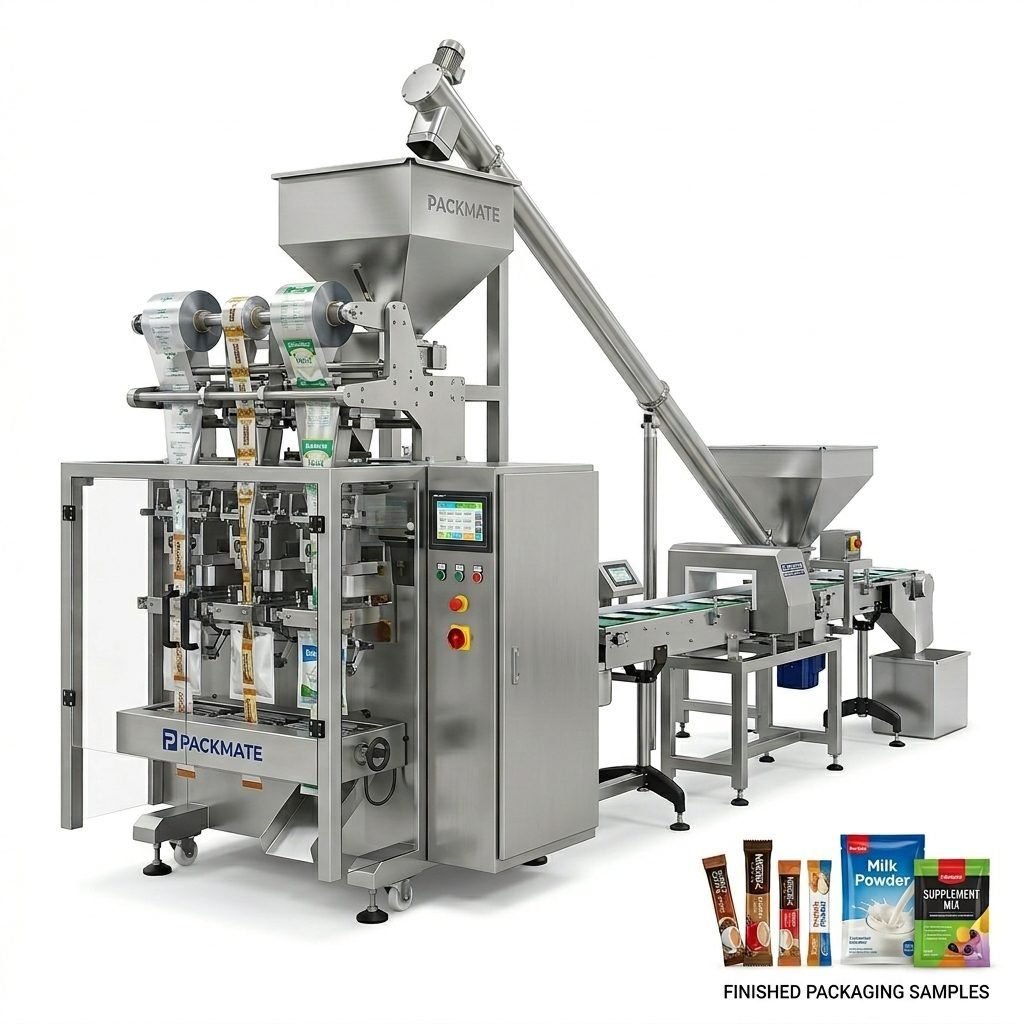
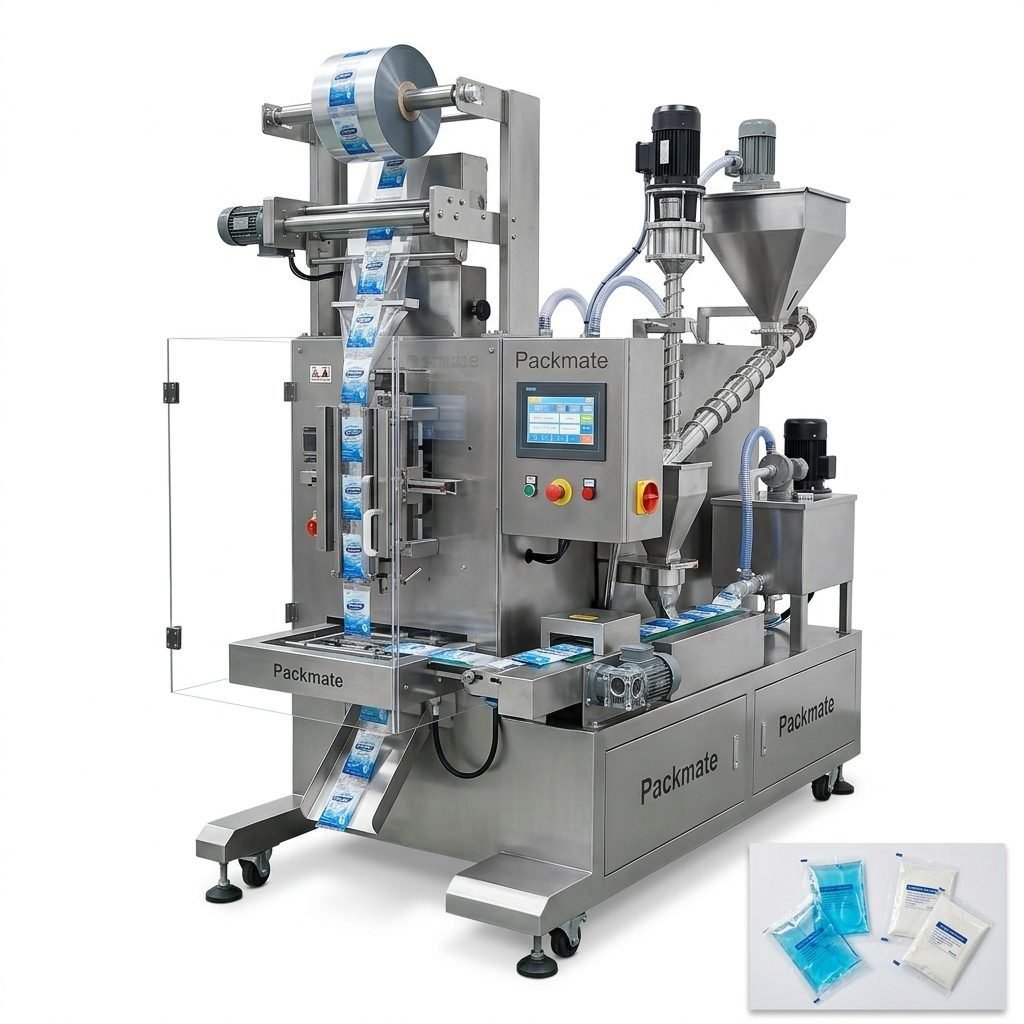
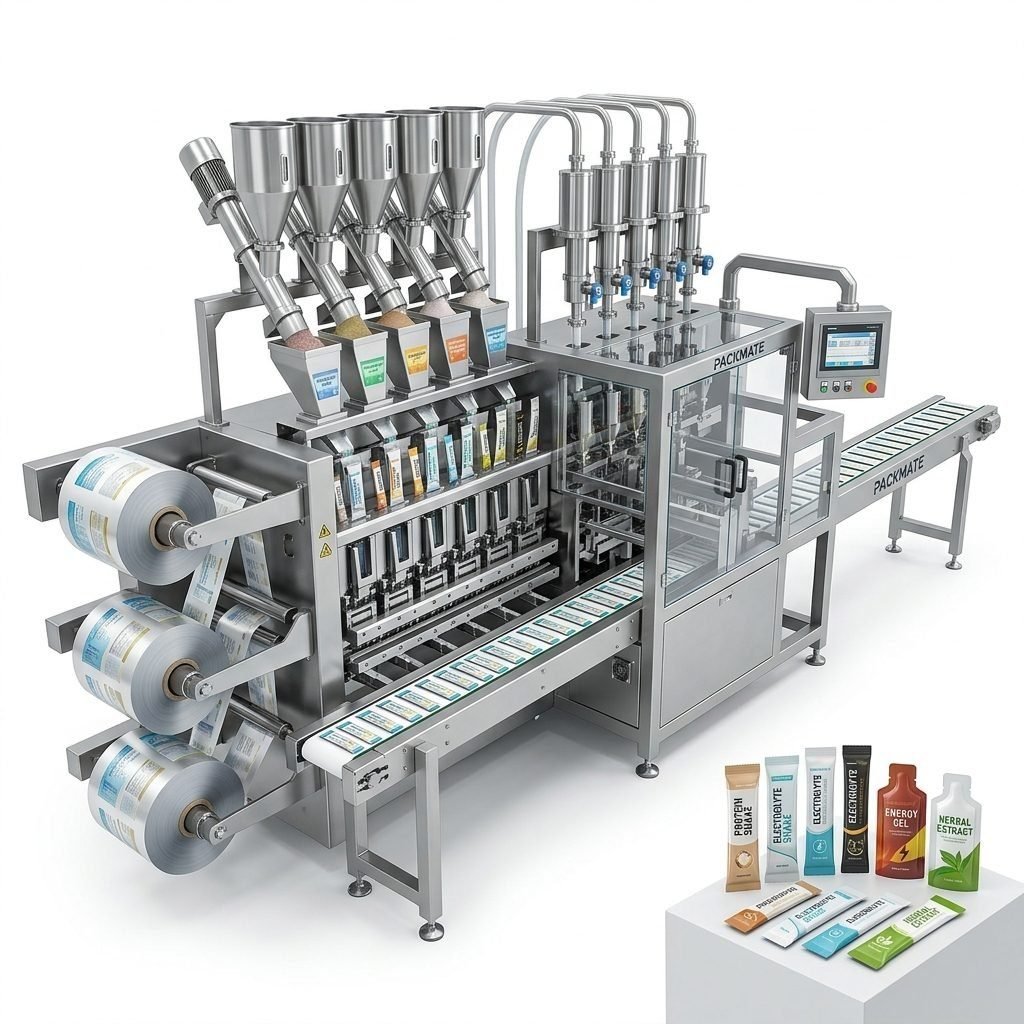
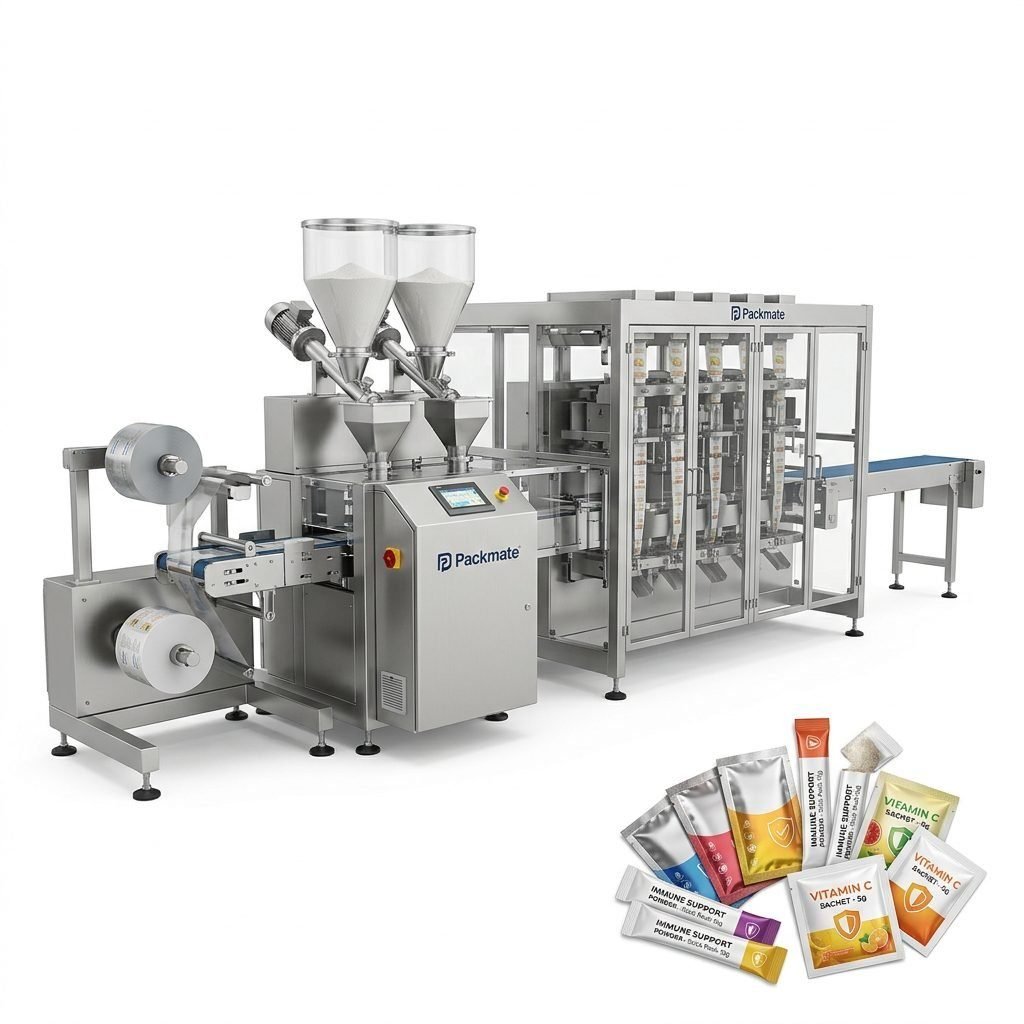
In the fast-paced world of manufacturing, efficiency at the final stage of production is not just an advantage—it’s a necessity. End-of-line packaging represents the crucial final step where products are prepared for distribution, storage, and sale. This comprehensive guide delves into the solutions and systems that define modern end-of-line packaging, exploring how the right equipment can streamline operations, reduce costs, and enhance product presentation.
The Critical Role of End-of-Line Packaging
End-of-line packaging encompasses all the processes that occur after a product is manufactured and filled. This includes cartoning, case packing, palletizing, bundling, and labeling. The primary goal is to protect the product, facilitate efficient logistics, and provide the final consumer-facing presentation. A robust end-of-line system ensures products arrive at their destination in perfect condition, while also optimizing warehouse space and shipping costs.
For businesses in sectors like food, pharmaceuticals, and consumer goods, the stakes are exceptionally high. Inconsistent packaging can lead to product damage, spoilage, and significant financial loss. Moreover, an inefficient line can become a major bottleneck, throttling overall production capacity. Therefore, investing in reliable, automated end-of-line solutions is an investment in the entire supply chain’s integrity and profitability.
Core Components of an End-of-Line System
A complete end-of-line packaging system is an orchestra of synchronized machines. Understanding each component’s function is key to designing an effective line.
Cartoners and Case Packers
These machines form the first major step in secondary packaging. Automatic cartoners erect, load, and seal folded cartons at high speeds. They are often paired with case packing machines that neatly arrange and insert multiple primary packages (like bottles, pouches, or sachets) into shipping cases or trays. Modern machines offer incredible flexibility, handling various carton sizes and styles with quick changeovers.
Palletizing and Bundling Solutions
Once cases are sealed, they must be consolidated for shipment. Automatic palletizers stack cases or bags onto pallets in stable, interlocking patterns. Robotic palletizers offer supreme flexibility for mixed-SKU pallets. For smaller bundles, shrink-wrapping or stretch-hooding systems unitize multiple cases into a single, secure load. This not only protects the goods but also dramatically speeds up the loading and unloading process.
Choosing the Right Solution: Key Considerations
Selecting end-of-line equipment is not a one-size-fits-all decision. Several critical factors must guide the investment.
Production Speed and Volume: Your equipment must match your line’s output. A machine that is too slow creates a bottleneck, while an overly complex, high-speed system for low-volume production offers a poor return on investment. Calculate your required cycles per minute (CPM) for both current and projected future needs.
Product Characteristics: The size, weight, shape, and fragility of your product dictate the machine type. Delicate items require gentle handling systems, while uniform, sturdy products can be handled by high-speed pick-and-place or robotic systems. The material of your primary packaging (flexible pouch, rigid bottle, etc.) also influences the downstream equipment design.
Integration and Flexibility: In today’s market, the ability to run multiple SKUs on a single line is paramount. Look for equipment with easy changeover features, programmable logic controllers (PLCs), and compatibility with upstream machines like filling and packaging lines. A system that can communicate data (OEE, downtime, counts) to your factory’s central network is a hallmark of Industry 4.0 readiness.
The Value of a Turnkey Systems Provider
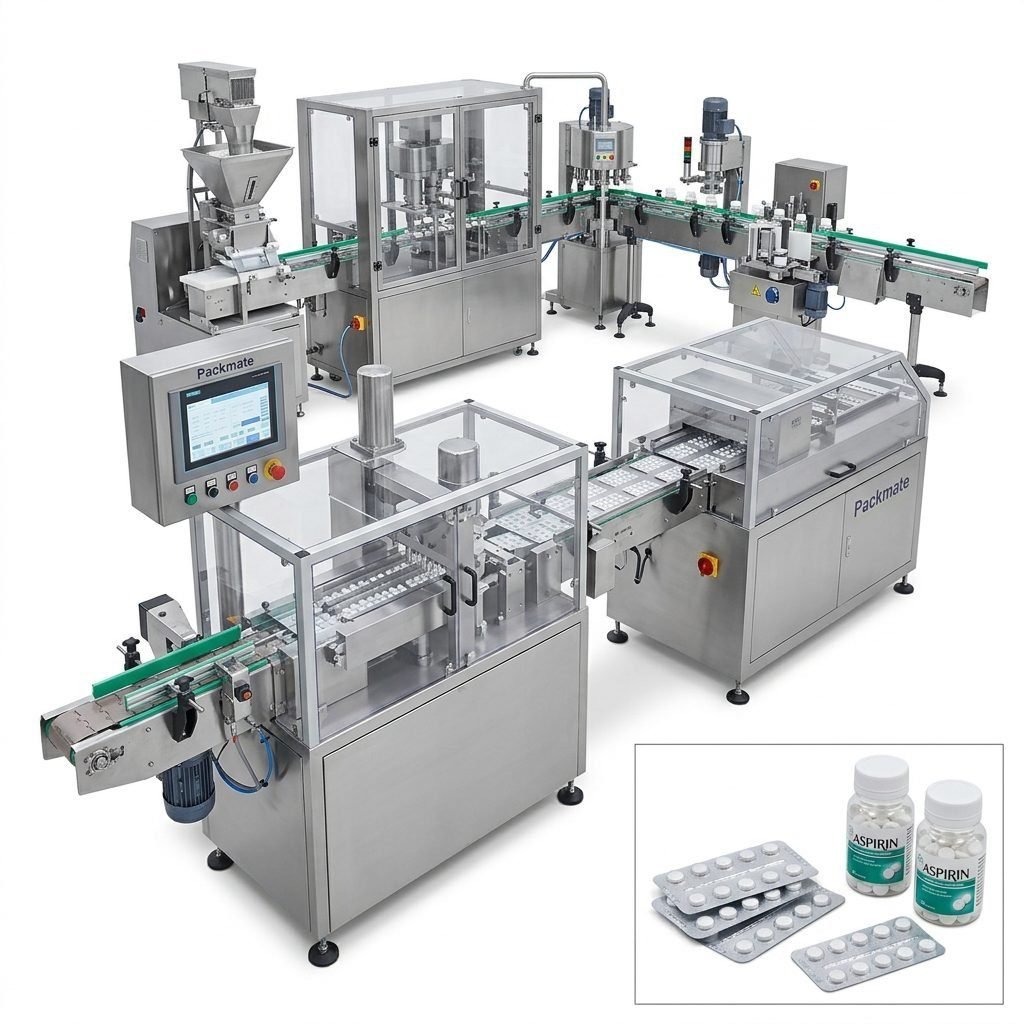
While individual machines can be sourced from different vendors, there is immense value in partnering with a provider who can deliver a complete, integrated turnkey solution. A single-source provider assumes responsibility for the entire system’s design, integration, installation, and commissioning. This eliminates finger-pointing between vendors if issues arise and ensures seamless communication between all line components.
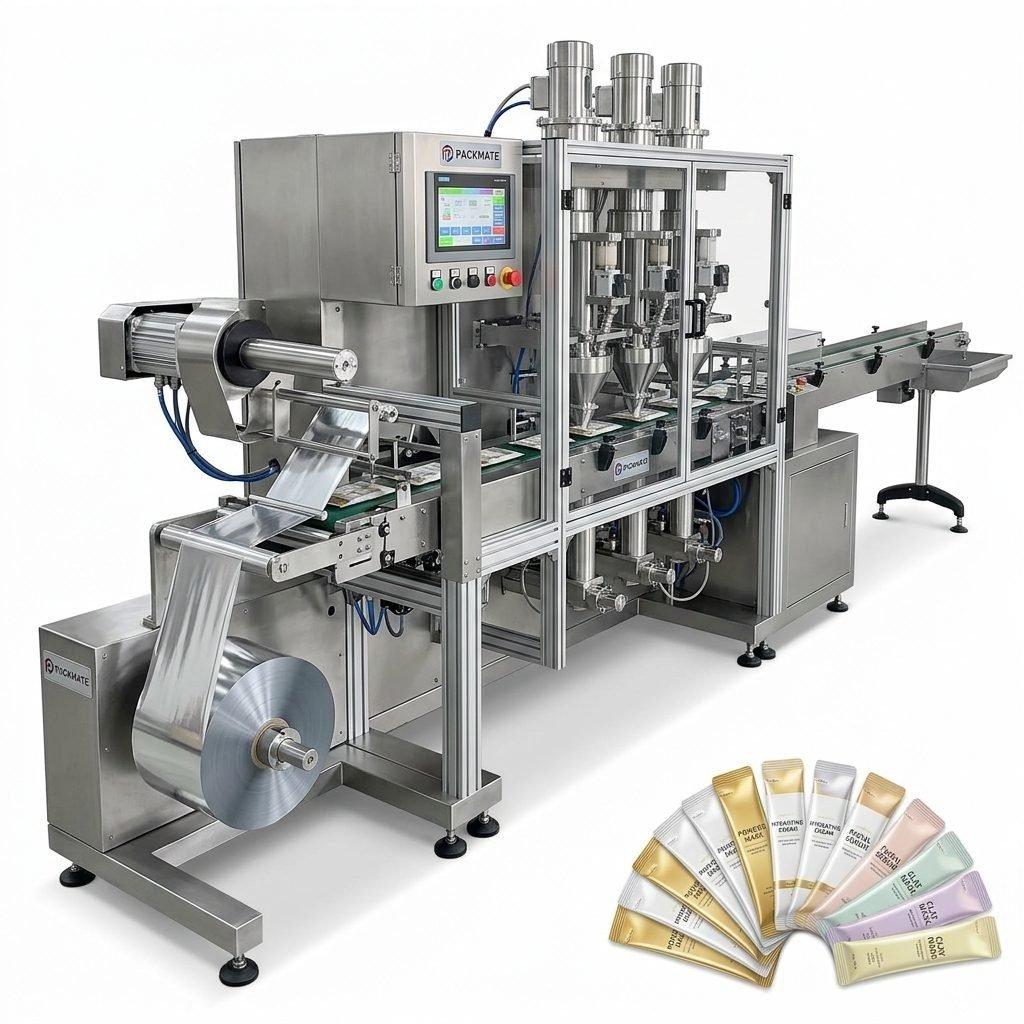
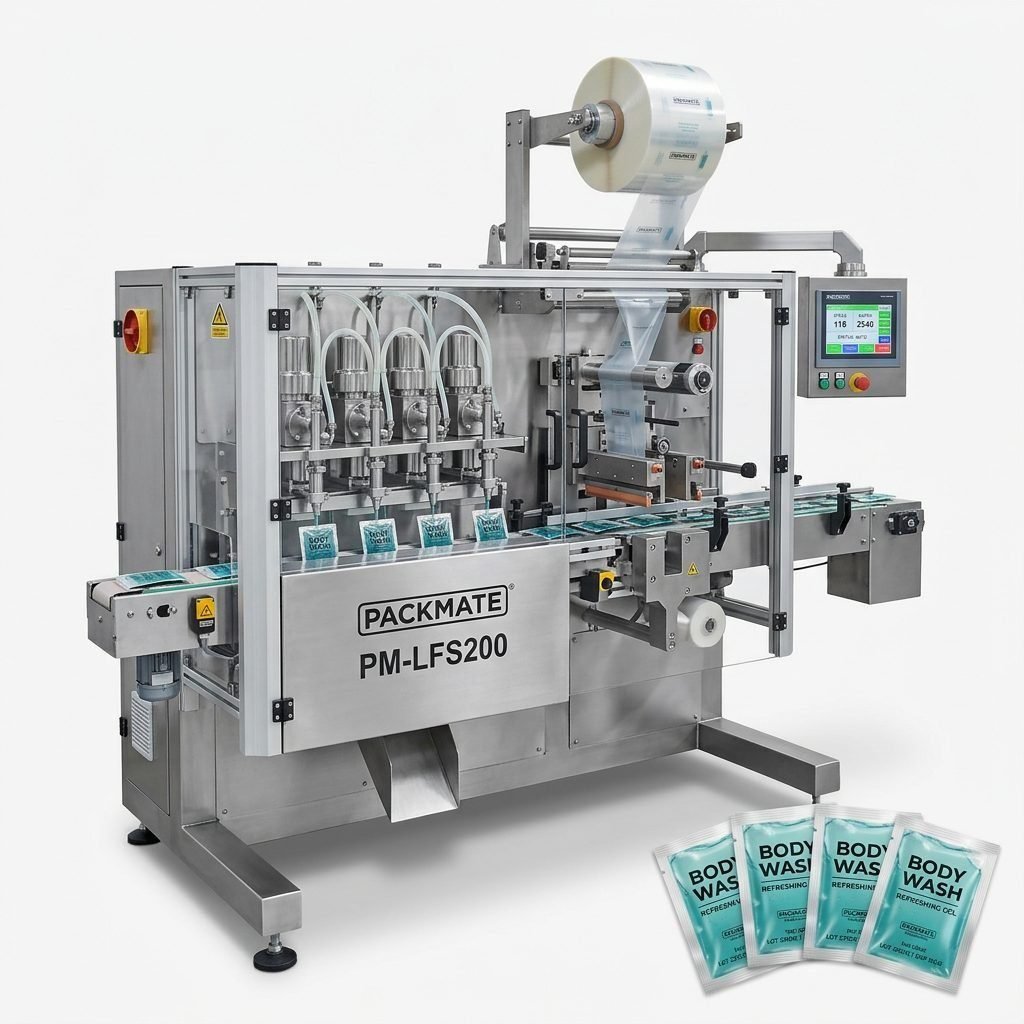
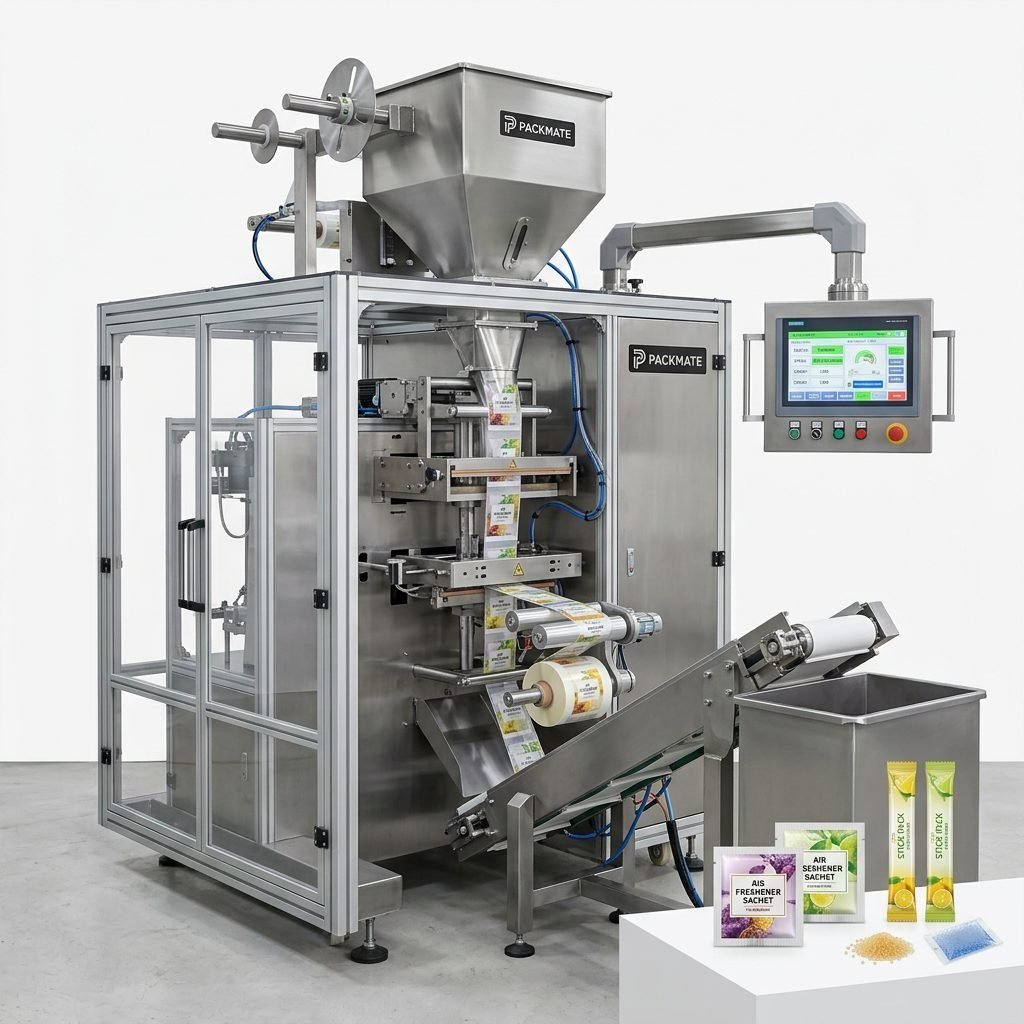
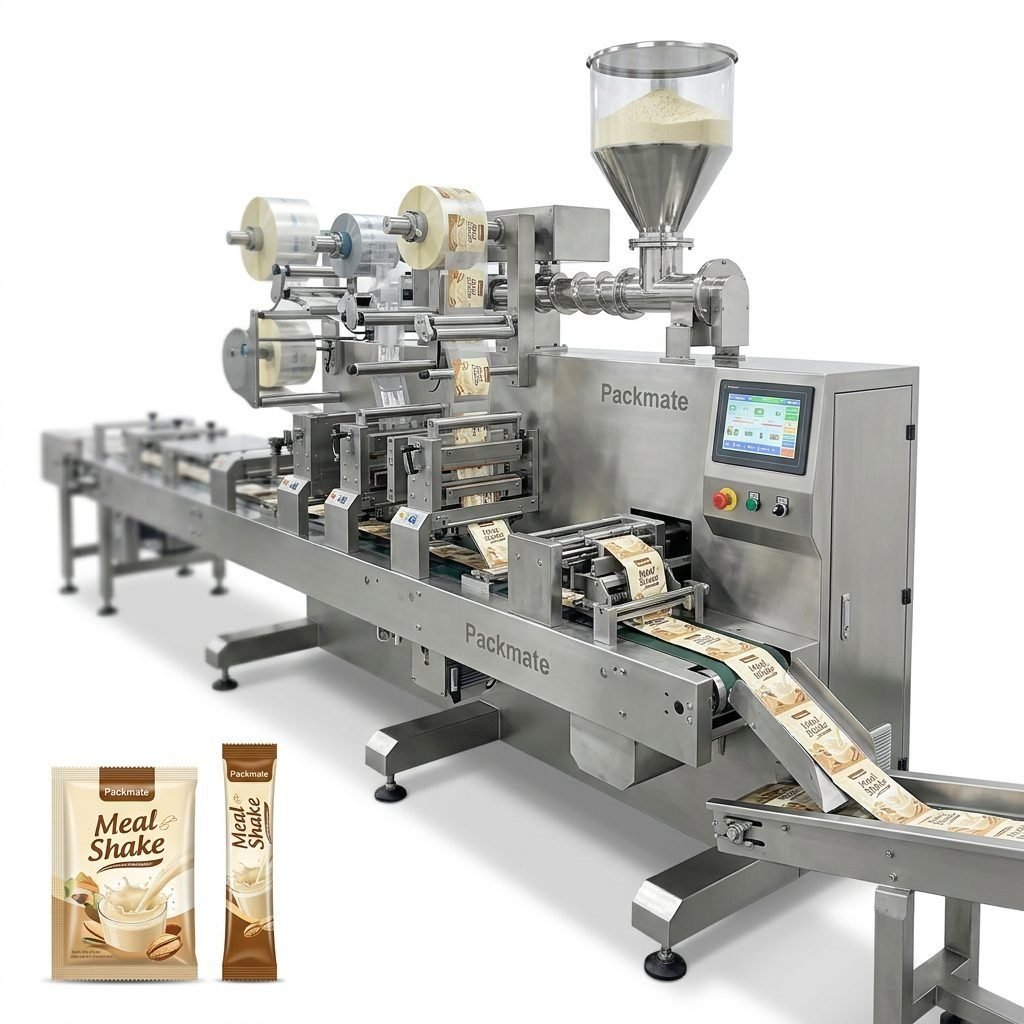
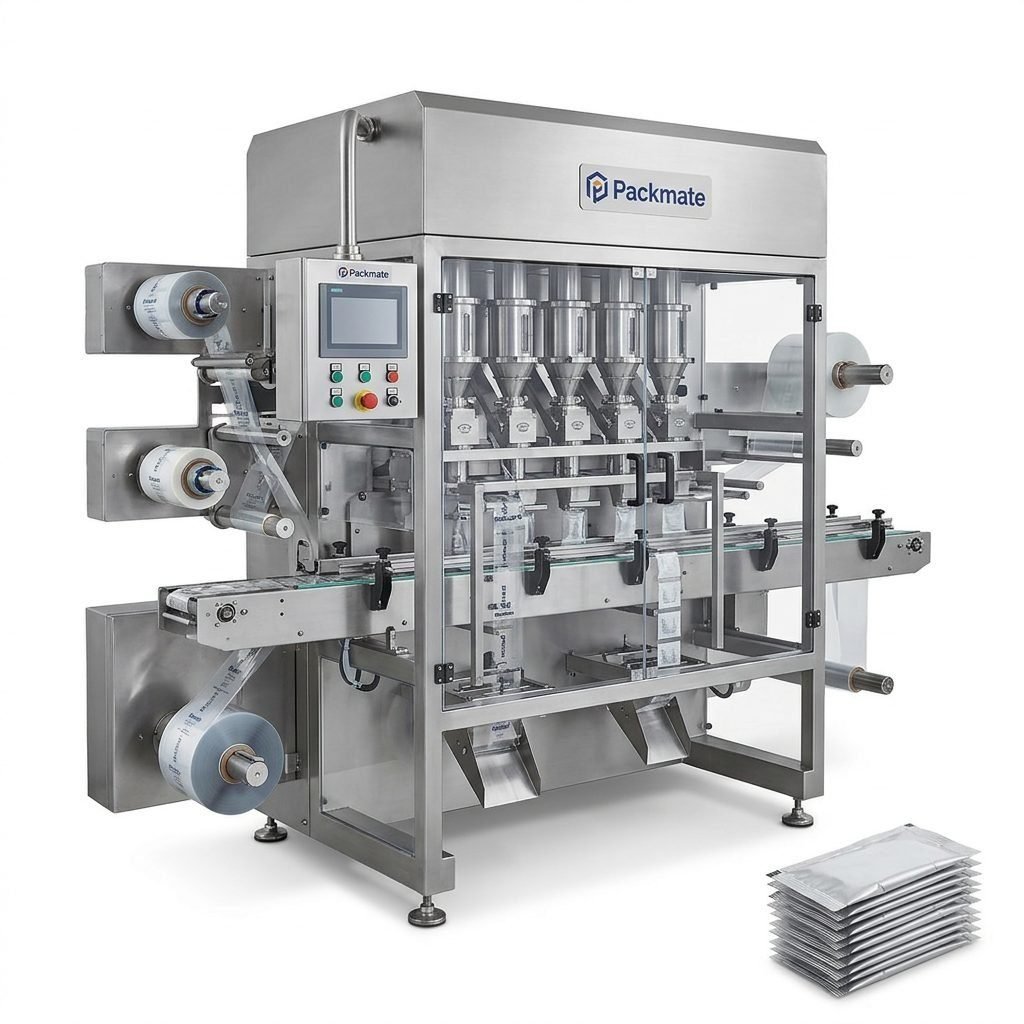
Companies like Packmate Machinery exemplify this approach. With over two decades of experience, they leverage deep expertise not just in building individual machines, but in engineering how those machines work together as a cohesive unit. From the initial sachet packaging to final case sealing and palletizing, a synchronized system maximizes uptime and efficiency.
Trends Shaping the Future of End-of-Line Packaging
The landscape of end-of-line packaging is continuously evolving, driven by technology and market demands.
Robotics and Cobots: The use of articulated robots and collaborative robots (cobots) is exploding. They offer unmatched flexibility for tasks like mixed-case palletizing, gentle product handling, and performing multiple functions (like packing and labeling) within a single cell. Their programming adaptability makes them ideal for high-mix, low-volume production environments.
Sustainability-Driven Design: There is a growing push to reduce material waste and energy consumption. Modern systems are designed to work with lighter-weight, recyclable, or biodegradable corrugate and films. Machines themselves are becoming more energy-efficient, and systems that optimize pack patterns can significantly reduce the amount of cardboard and plastic used per shipment.
Smart Packaging Lines: Integration of IoT sensors and data analytics is transforming end-of-line operations. Real-time monitoring of machine performance, predictive maintenance alerts, and track-and-trace capabilities for every case or pallet are becoming standard expectations. This data-driven approach minimizes unplanned downtime and provides complete supply chain visibility.
Conclusion
End-of-line packaging is the critical bridge between production and the customer. An optimized system, built from reliable, flexible, and intelligent equipment, is a powerful competitive tool. It safeguards product quality, reduces operational costs, and enables a business to respond agilely to market changes. Whether you are upgrading an existing line or designing a new facility, a strategic focus on your end-of-line solutions will yield significant returns in efficiency, reliability, and overall business performance.
Frequently Asked Questions (FAQs)
1. What is the main benefit of automating end-of-line packaging?
The primary benefit is dramatically increased efficiency and consistency. Automation reduces labor costs, minimizes human error and product damage, increases line speed, and allows for continuous operation. It also improves worker safety by handling heavy or repetitive tasks.
2. How do I know if my operation needs a robotic palletizer versus a conventional one?
Conventional layer palletizers are excellent for high-volume, single-SKU lines. Robotic palletizers excel in flexibility. Choose robotics if you have frequent SKU changes, mixed-SKU pallets, limited floor space (robots have a smaller footprint), or need to handle non-uniform package shapes.
3. Can new end-of-line equipment be integrated with my older upstream machines?
Yes, in most cases, skilled systems integrators can design interfaces and conveyance systems to connect new end-of-line equipment with existing machinery. The key is to choose a provider, like Packmate, with strong integration experience who can assess compatibility and design the necessary bridging solutions.
4. What are the most important factors for minimizing downtime during changeovers?
Look for equipment with tool-less changeover features, digital recipes that store settings for each SKU, and quick-release mechanisms for parts like carton magazines and forming tools. Proper operator training on changeover procedures is equally critical.
5. Where can I see examples of successful end-of-line systems in action?
Reviewing real-world case studies from equipment providers is an excellent way to see applied solutions. Additionally, attending industry trade shows or requesting a live demonstration from a manufacturer can provide invaluable insight into machine performance and capabilities.