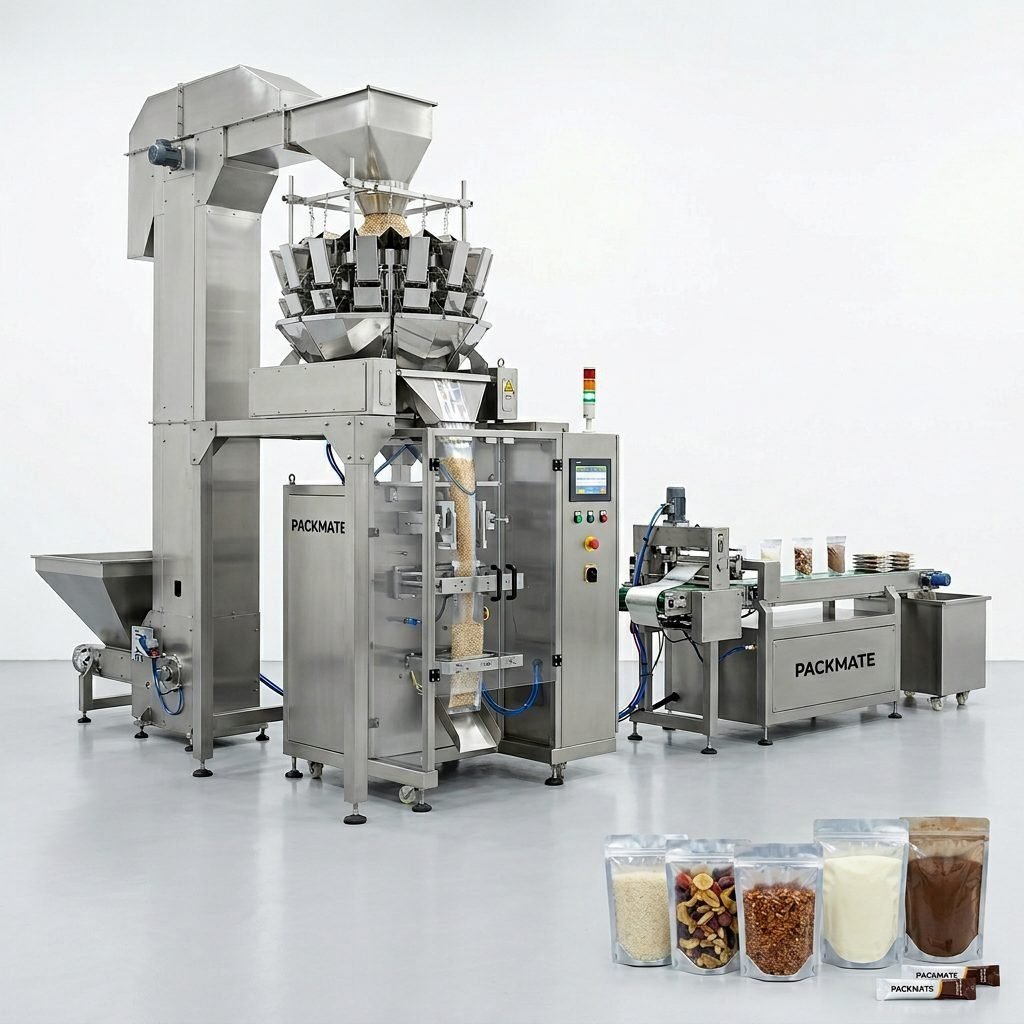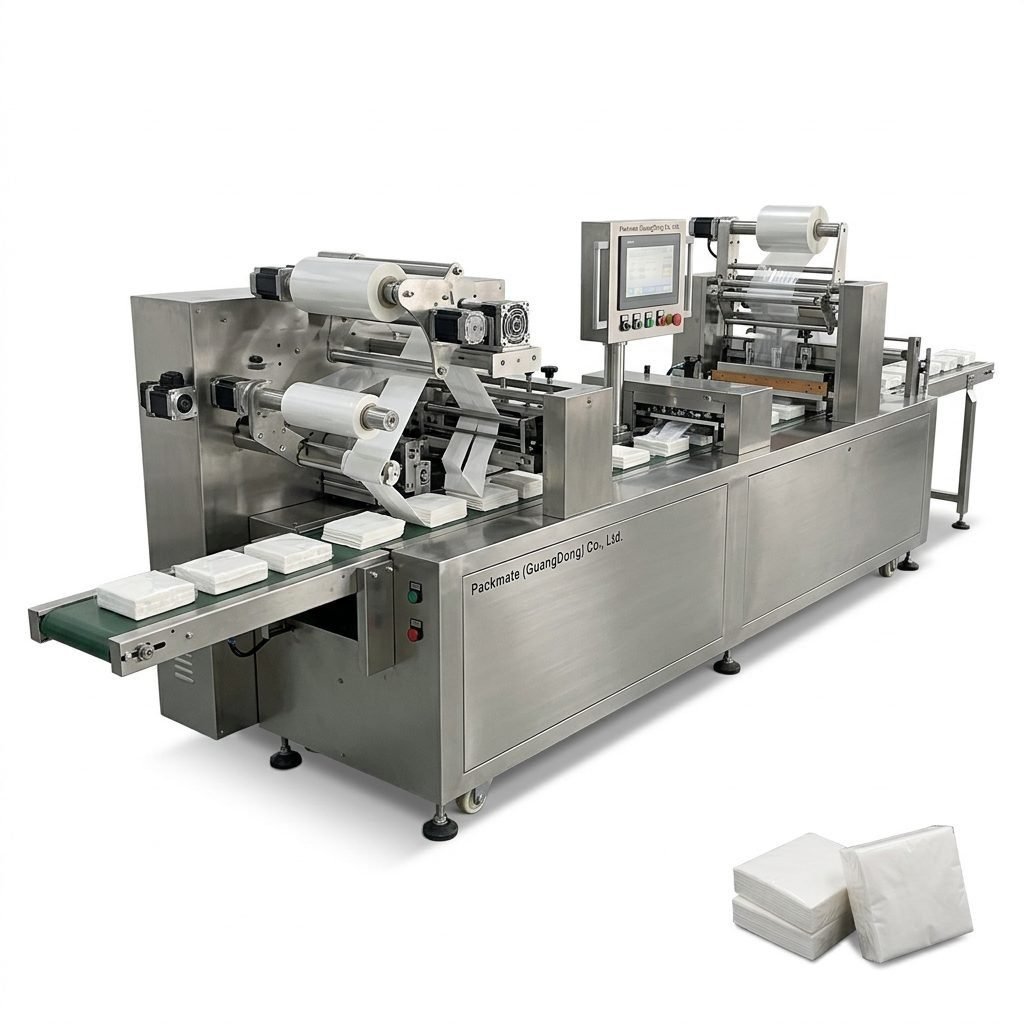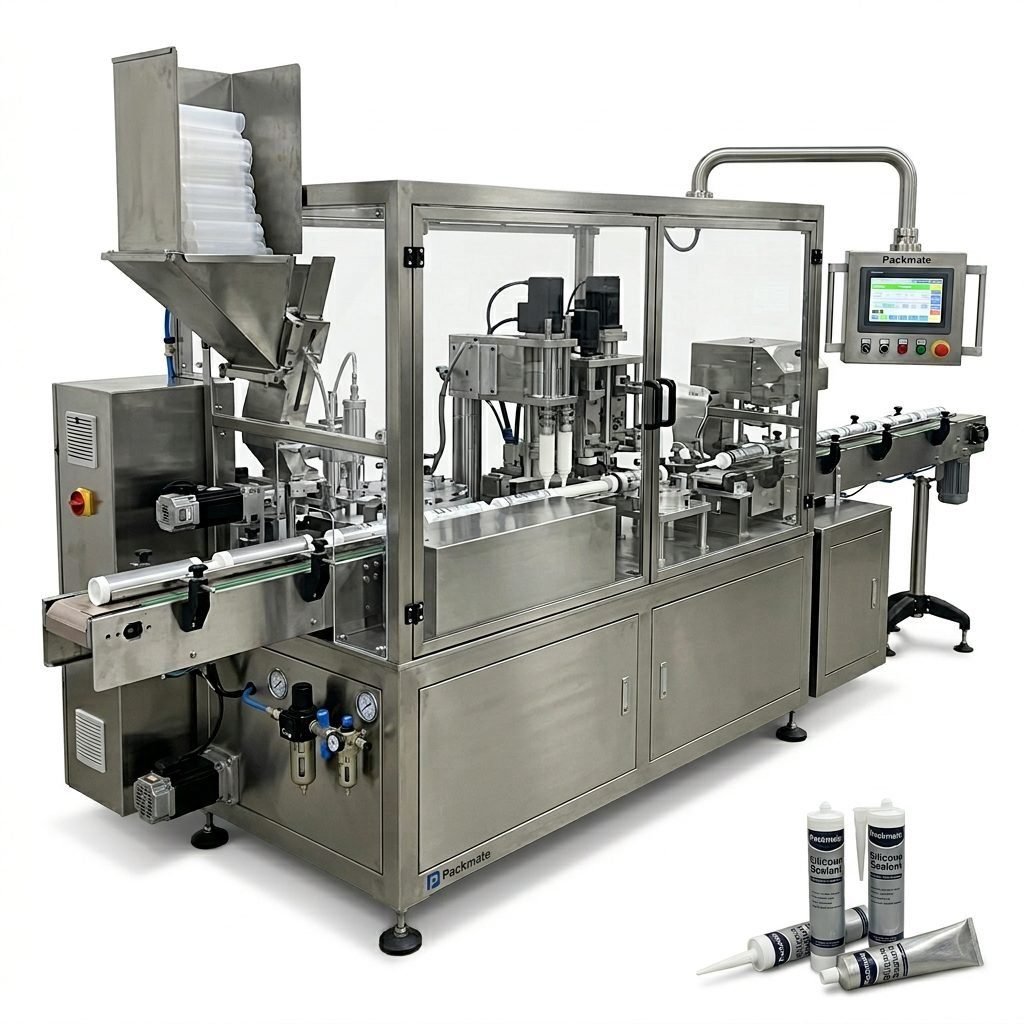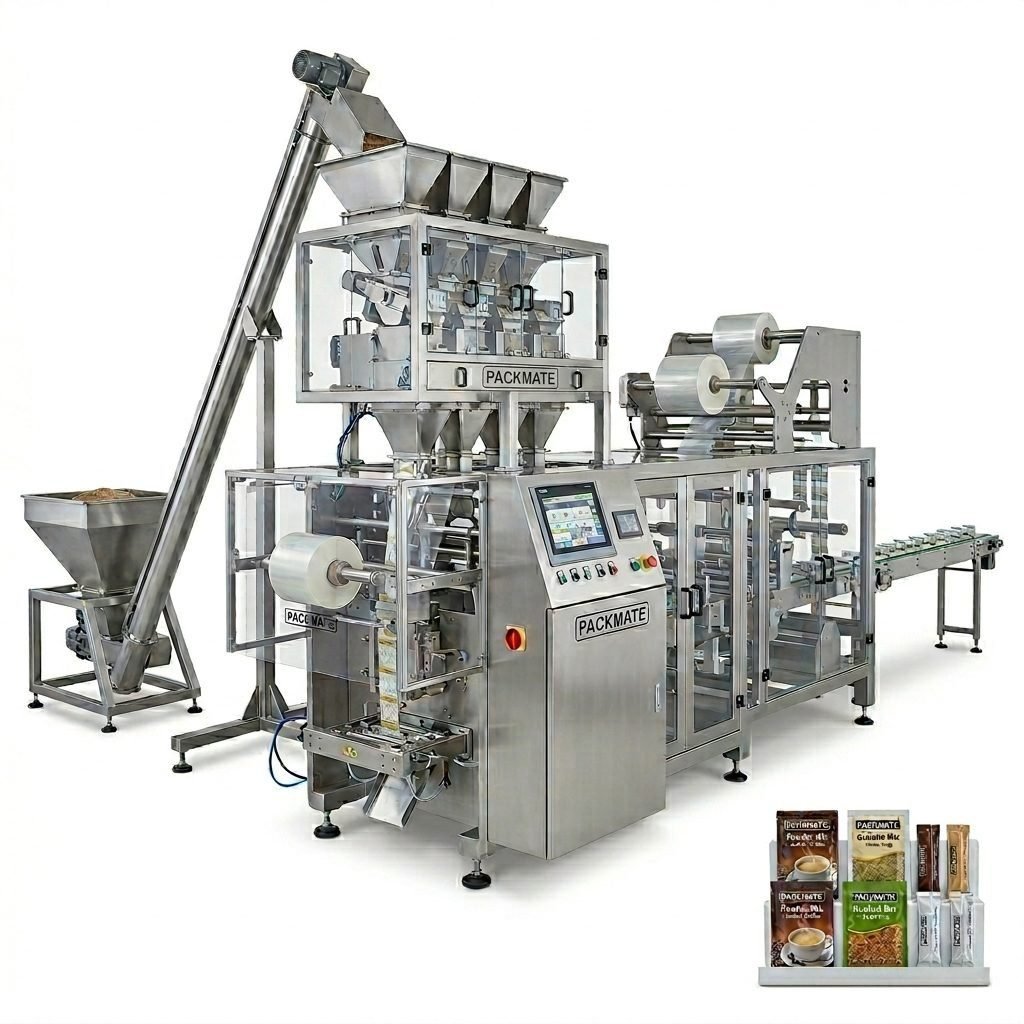
In the competitive world of cosmetics, where first impressions are paramount, the final presentation of a product is as crucial as its formulation. Efficient and precise product filling is the cornerstone of this presentation, directly impacting production speed, product consistency, and ultimately, brand reputation and profitability. Selecting the best cosmetic packaging equipment is not merely a purchase; it’s a strategic investment in your brand’s operational excellence and market appeal. This guide delves into the essential machinery that forms the backbone of an efficient cosmetic filling line, helping you make informed decisions to streamline your production.
The Core of Cosmetic Filling: Precision and Speed
The primary goal of any filling operation is to accurately dispense a predetermined amount of product into its container—be it a bottle, jar, tube, or sachet—at the highest possible speed without compromising accuracy. Modern cosmetic packaging equipment achieves this through a combination of advanced mechanics, programmable logic controllers (PLCs), and, increasingly, smart sensor technology. The right equipment ensures that every unit leaving your production line meets the exact weight or volume specifications, minimizing giveaway and maximizing yield.
For businesses looking to scale, moving from manual or semi-automatic filling to a fully integrated automated line is a game-changer. Automation not only boosts output but also enhances hygiene standards—a non-negotiable in cosmetics—and reduces labor costs and human error. When evaluating equipment, key performance indicators include fill accuracy (typically within ±0.5%), filling speed (cycles per minute), and changeover time between different product types or container sizes.
Key Equipment for an Efficient Filling Line
A complete and efficient cosmetic packaging line is a symphony of interconnected machines, each performing a specific task. Here are the fundamental components:
1. Filling Machines
This is the heart of the operation. The type of filler chosen depends heavily on the product’s viscosity.
- Piston Fillers: Ideal for creams, lotions, gels, and pastes. They use a precision cylinder and piston to draw and dispense product, offering excellent accuracy for thick, non-free-flowing substances.
- Gravity/Pressure Fillers: Best suited for thin, free-flowing liquids like toners, serums, and perfumes. They rely on product weight or pressure to fill containers quickly.
- Volumetric Cup Fillers: Excellent for powders, such as loose foundation or setting powder. They use rotating cups of a fixed volume to measure product.
- Auger Fillers: The go-to choice for fine powders and granular products. A rotating auger screw dispenses a highly precise volume based on the number of screw revolutions.
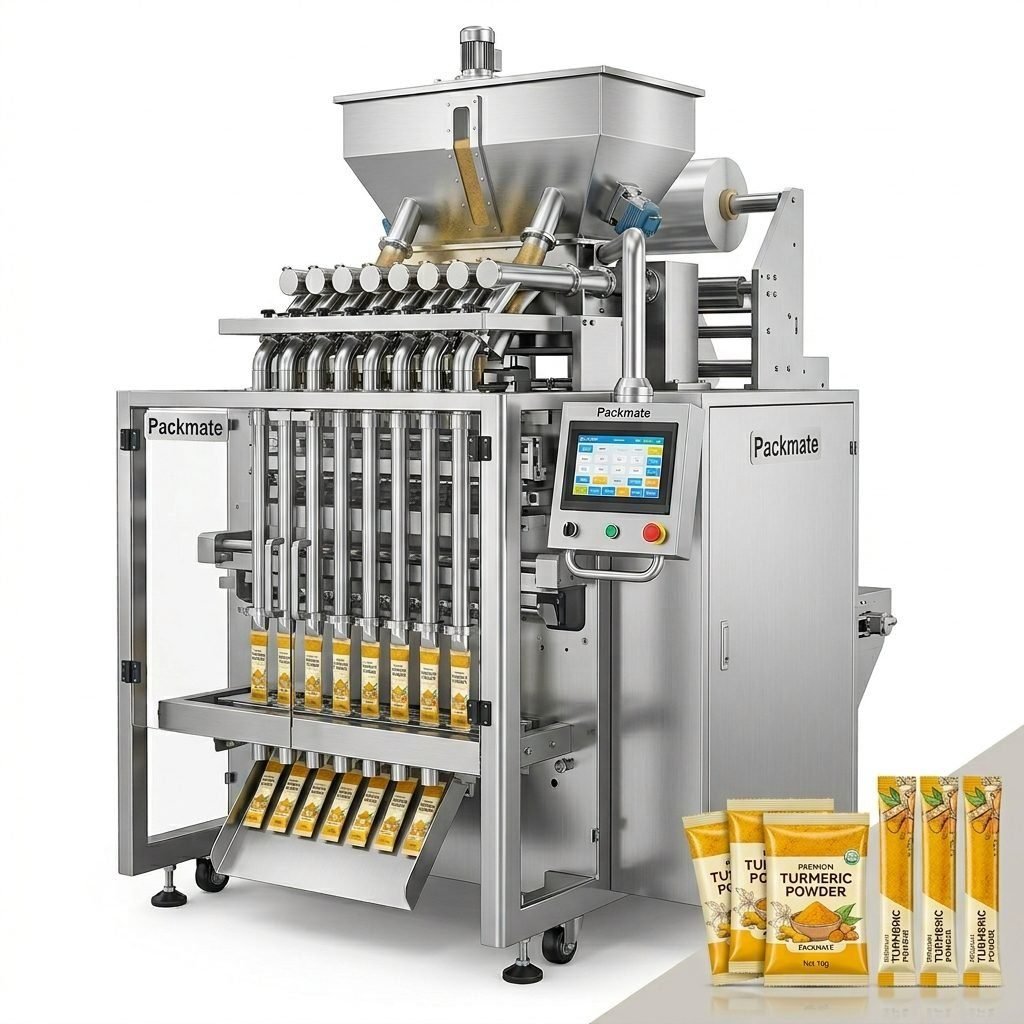
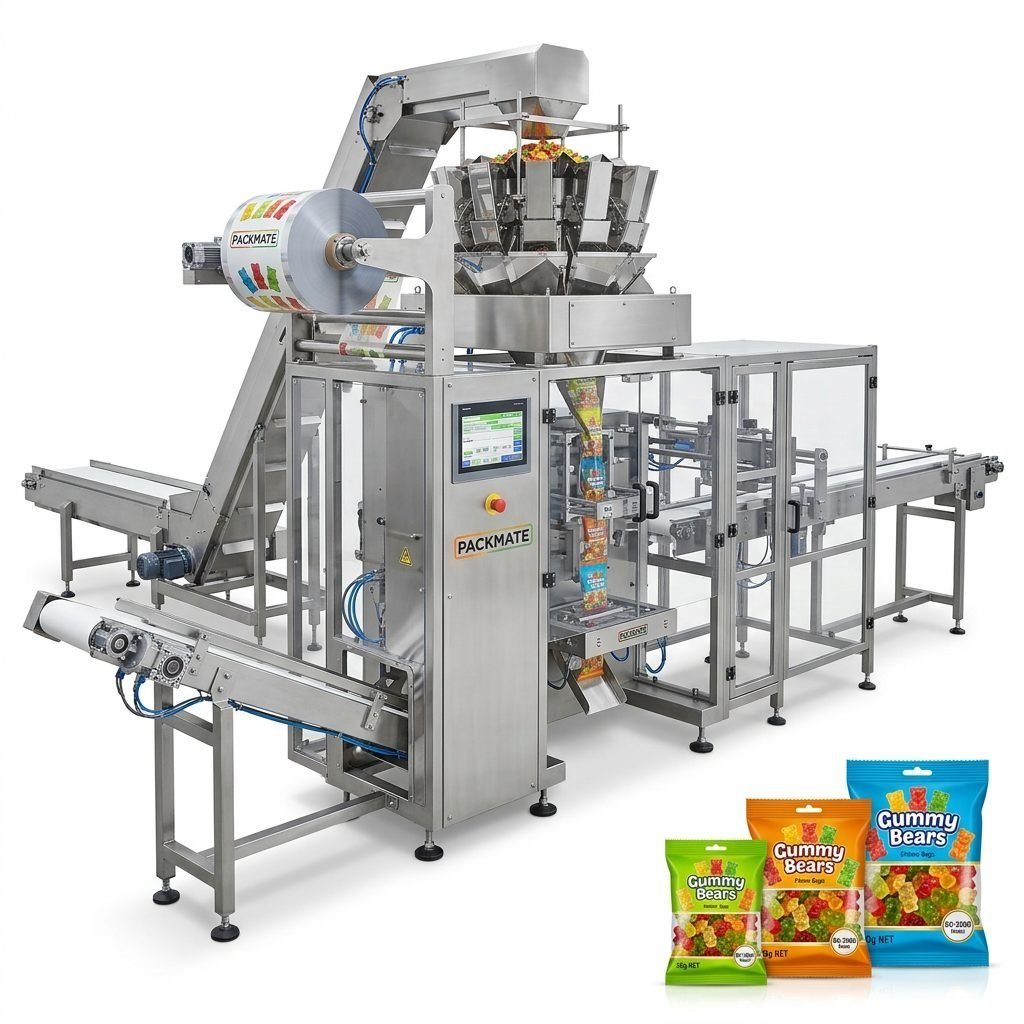
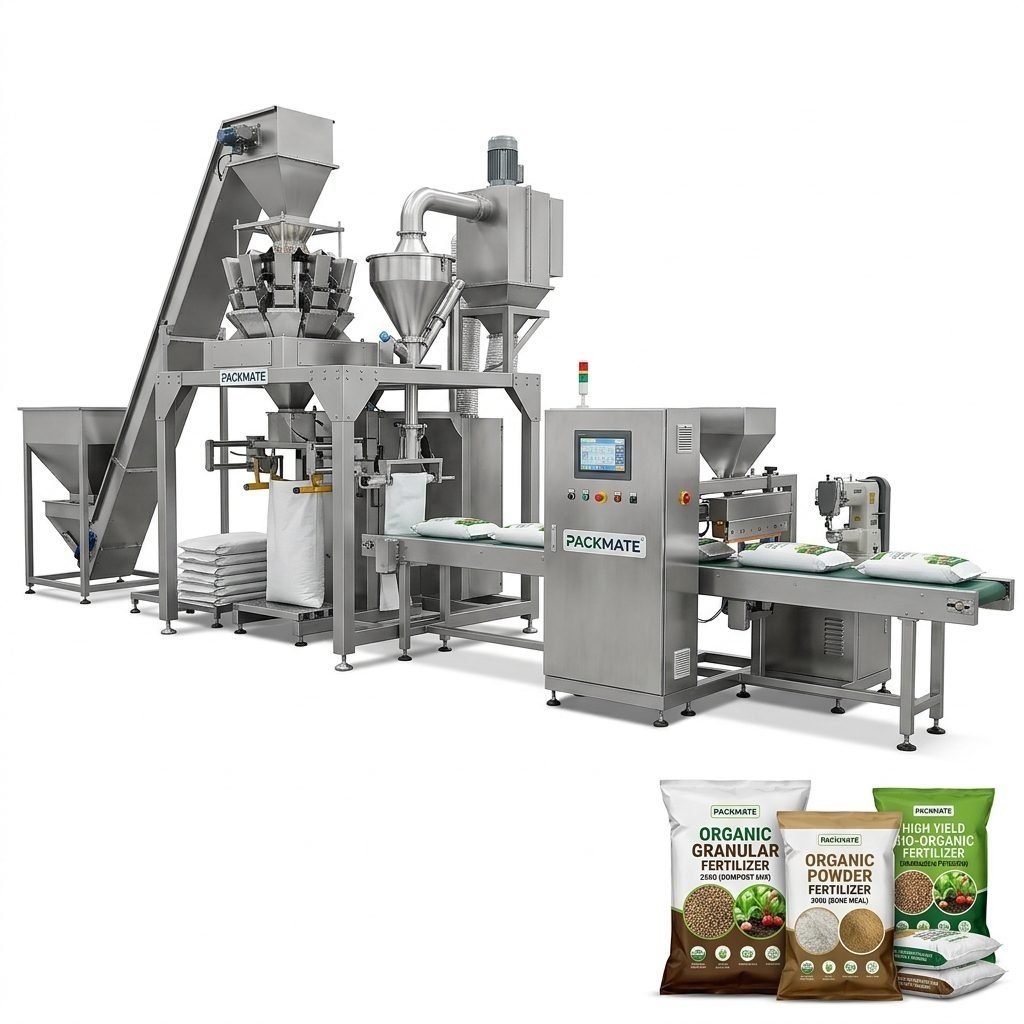
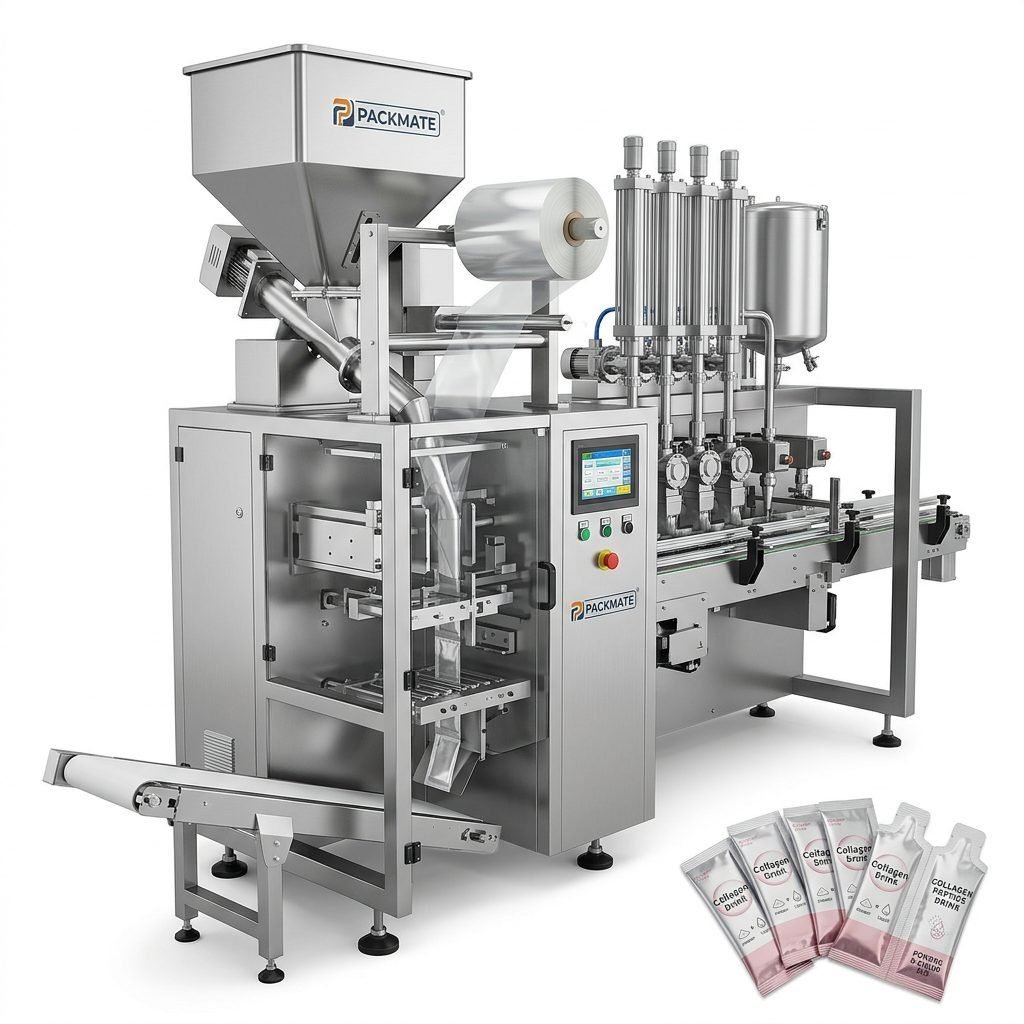
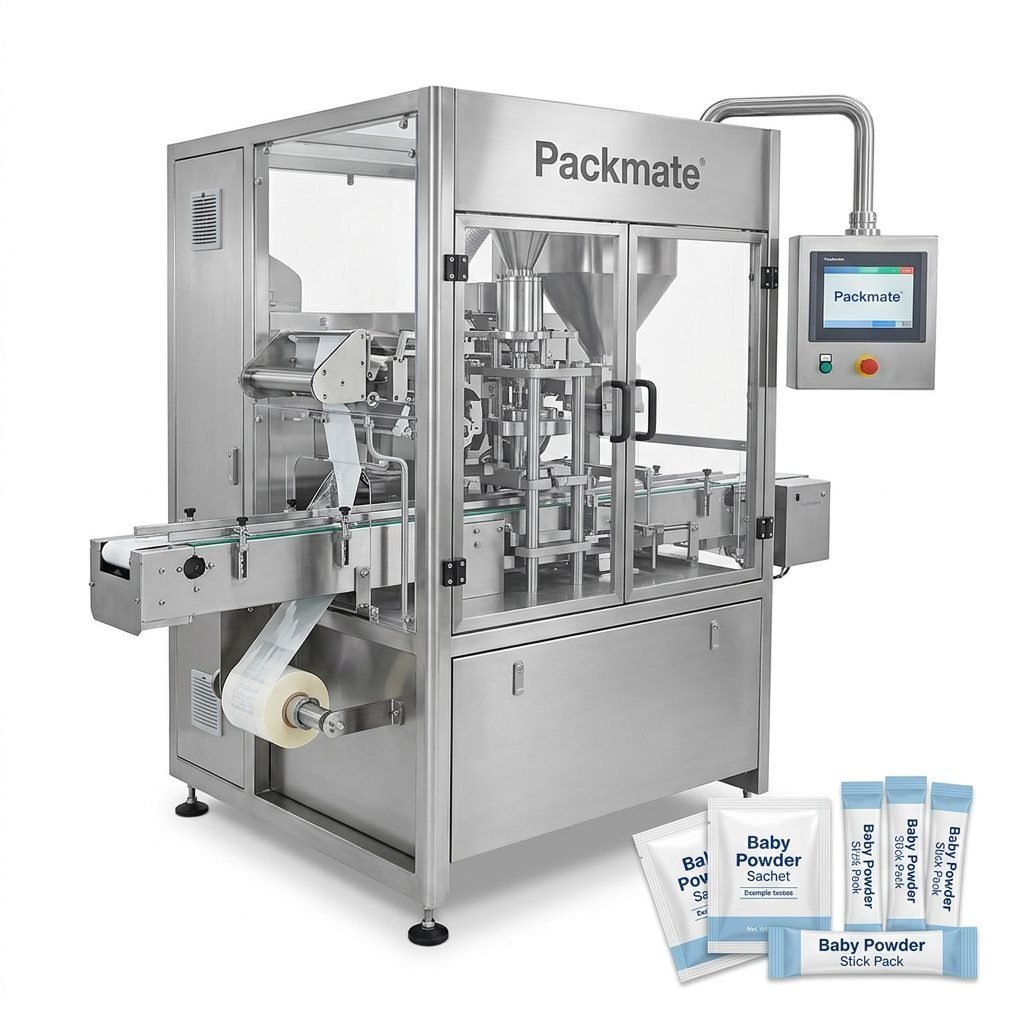
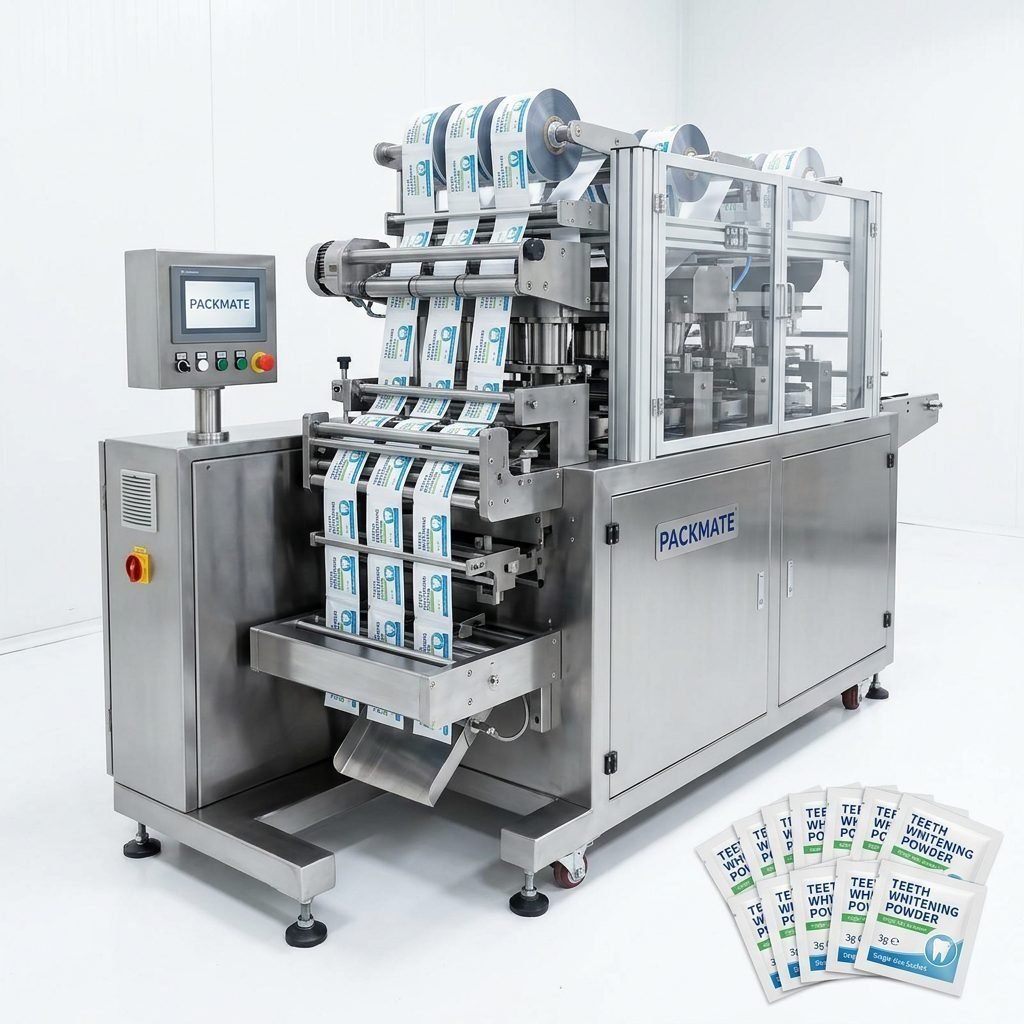
Leading manufacturers like Packmate Machinery often integrate these technologies into versatile machines that can handle a range of product types, providing a one-stop solution for diverse production needs.
2. Capping and Sealing Equipment
Once filled, containers must be securely closed. This includes screw cappers for bottles and jars, snap cappers, induction sealers for tamper-evident inner seals, and tube closers. Synchronizing the capper’s speed with the filler is critical for line efficiency.
3. Labeling Machines
Applying front, back, and wrap-around labels with perfect registration is essential for brand image. Modern labelers use servo motors for high precision and can handle various label materials, including paper, plastic, and metallic foils.
4. Conveying and Handling Systems
This is the “circulatory system” of your packaging line. A well-designed conveyor system with guides, dividers, and accumulation tables ensures smooth, uninterrupted container flow between stations, preventing jams and bottlenecks.
For a comprehensive look at integrated systems, exploring a manufacturer’s range of Filling & Packaging Lines can provide valuable insights into how these components work in harmony.
Advantages of Investing in High-Quality Packaging Equipment
Beyond basic functionality, superior cosmetic packaging equipment delivers tangible returns on investment.
- Enhanced Product Integrity: Precise filling and sealing protect product consistency and prevent leakage or contamination.
- Significant Cost Savings: Reduced material waste (overfilling), lower labor requirements, and fewer production stoppages directly improve the bottom line.
- Scalability and Flexibility: Modular equipment allows you to start with a core system and add modules (like labeling or cartoning) as demand grows. Quick-change parts facilitate easy switches between products, supporting small-batch or custom production runs.
- Compliance and Traceability: Advanced machines often feature data logging and reporting capabilities, aiding in quality control and regulatory compliance for markets with strict cosmetic guidelines.
Choosing the Right Partner: More Than Just a Machine
Selecting equipment is also about choosing a manufacturer. A partner with deep industry expertise, like Packmate, brings invaluable benefits. With over 30 years of experience, such companies understand the nuanced challenges of cosmetic packaging. They offer more than just hardware; they provide complete turnkey solutions—from initial line design and machine fabrication to installation, training, and ongoing technical support. Their extensive portfolio, often featuring over 50 machine models, ensures you find a solution tailored to your specific product format, whether it’s luxury creams in jars or sample-sized serums in sachets.
Future-Proofing Your Operation: The trend in cosmetic packaging is moving towards greater smart automation and sustainability. When investing, consider equipment that is compatible with the Internet of Things (IoT) for predictive maintenance and real-time monitoring. Also, look for machines designed to handle eco-friendly packaging materials like mono-material plastics or recyclable composites, aligning your production with growing consumer demand for sustainable practices.
Frequently Asked Questions (FAQs)
1. What type of filling machine is best for a viscous cosmetic cream?
For viscous products like creams, lotions, and thick gels, a piston filler is typically the best choice. It provides the highest level of accuracy and consistency for non-free-flowing products by mechanically displacing a set volume with each cycle.
2. How can I minimize product waste during the filling process?
Minimizing waste starts with choosing a high-precision filler (auger for powders, piston for creams). Additionally, opt for equipment with a “drip-free” nozzle design and integrated catch-pans or recycling systems for any overflow. Proper calibration and regular maintenance are also crucial to maintain accuracy over time.
3. Is it difficult to switch between different product types on the same machine?
Modern equipment is designed for flexibility. Look for machines with quick-change parts, such as interchangeable filling heads, nozzles, and container holders. Some advanced models feature recipe storage in their PLCs, allowing operators to recall settings for different products with a few button presses, drastically reducing changeover time.
4. What should I look for in a reliable equipment manufacturer?
Prioritize manufacturers with a proven track record, in-house engineering and manufacturing capabilities, and a strong portfolio of case studies or client references in the cosmetics industry. Comprehensive after-sales service, availability of spare parts, and operator training programs are equally important indicators of a reliable partner.
5. Can automated equipment handle delicate or unusually shaped cosmetic containers?
Yes, with proper customization. Reputable manufacturers can design and fabricate specialized handling grips, guides, and conveyor sections to accommodate delicate glass bottles, irregularly shaped jars, or flexible tubes without causing damage or misalignment during the filling and capping process.