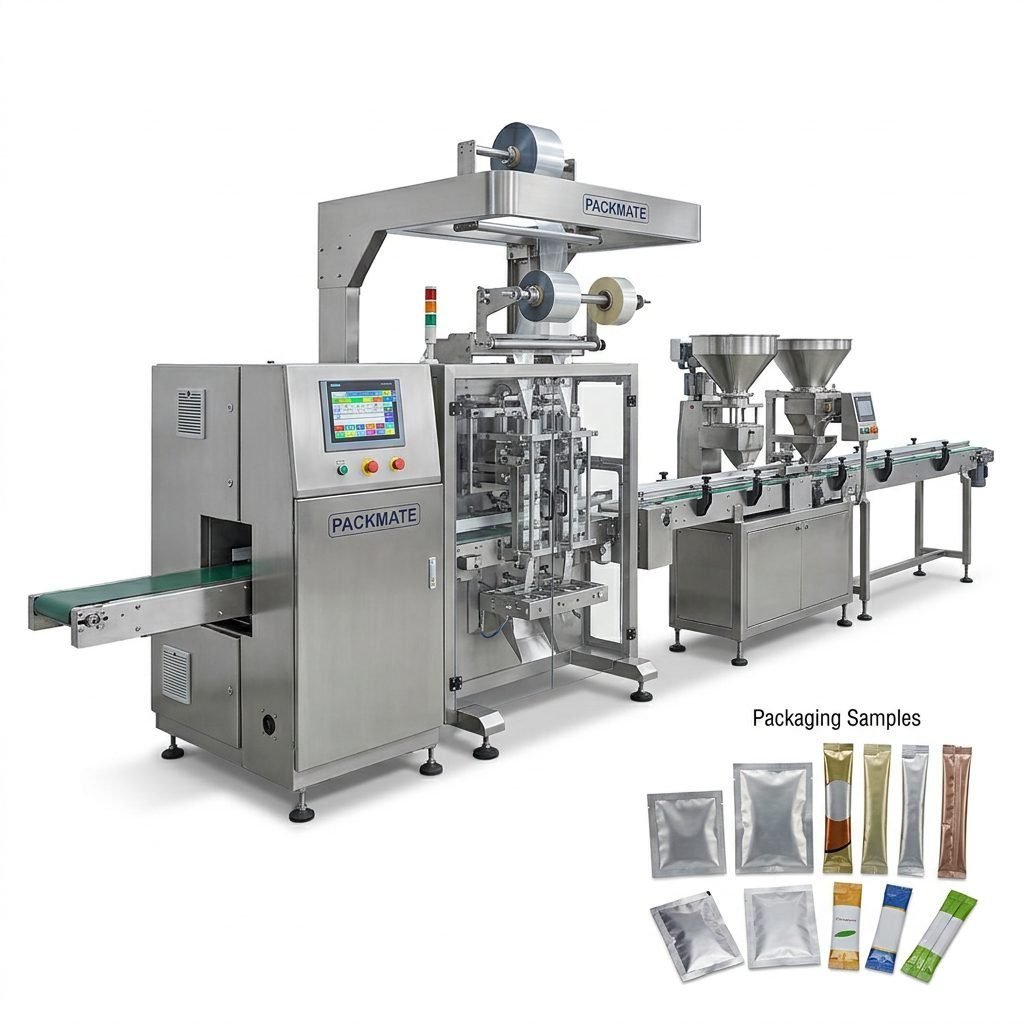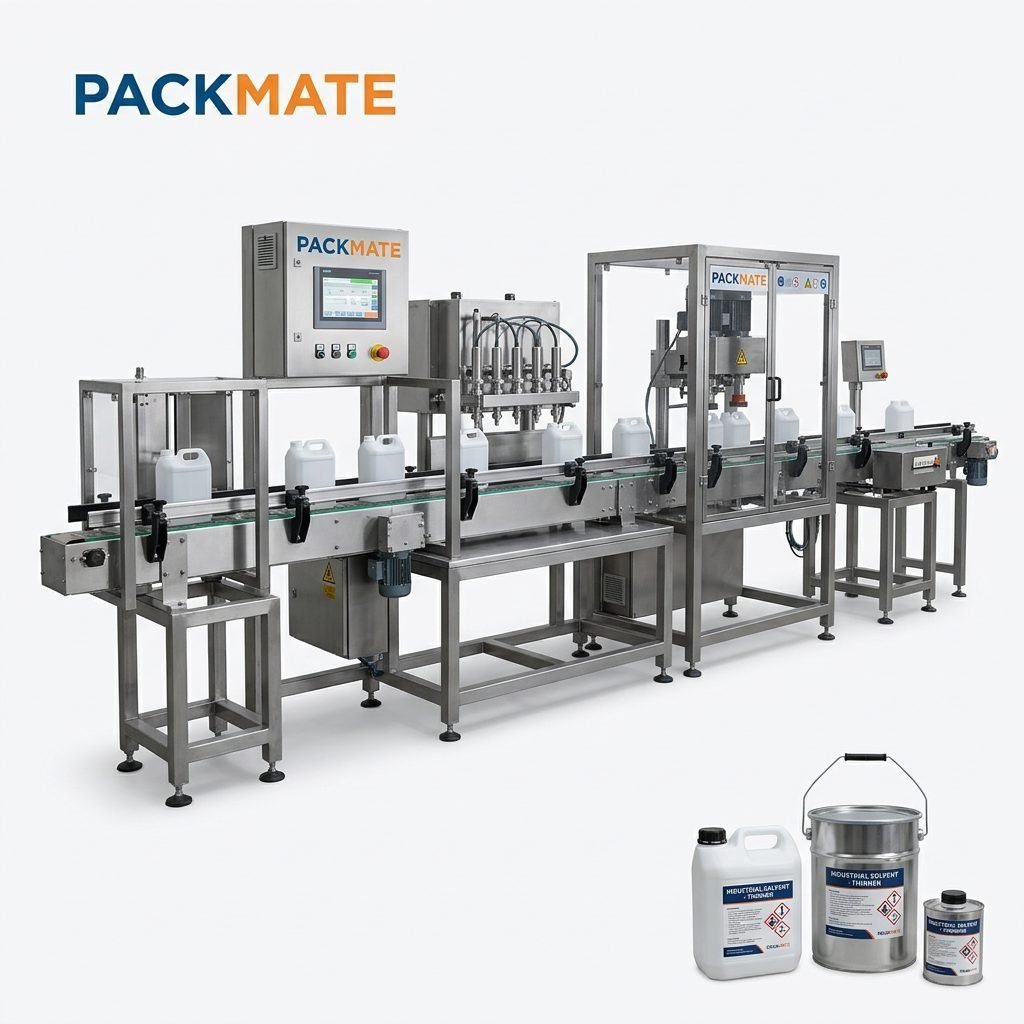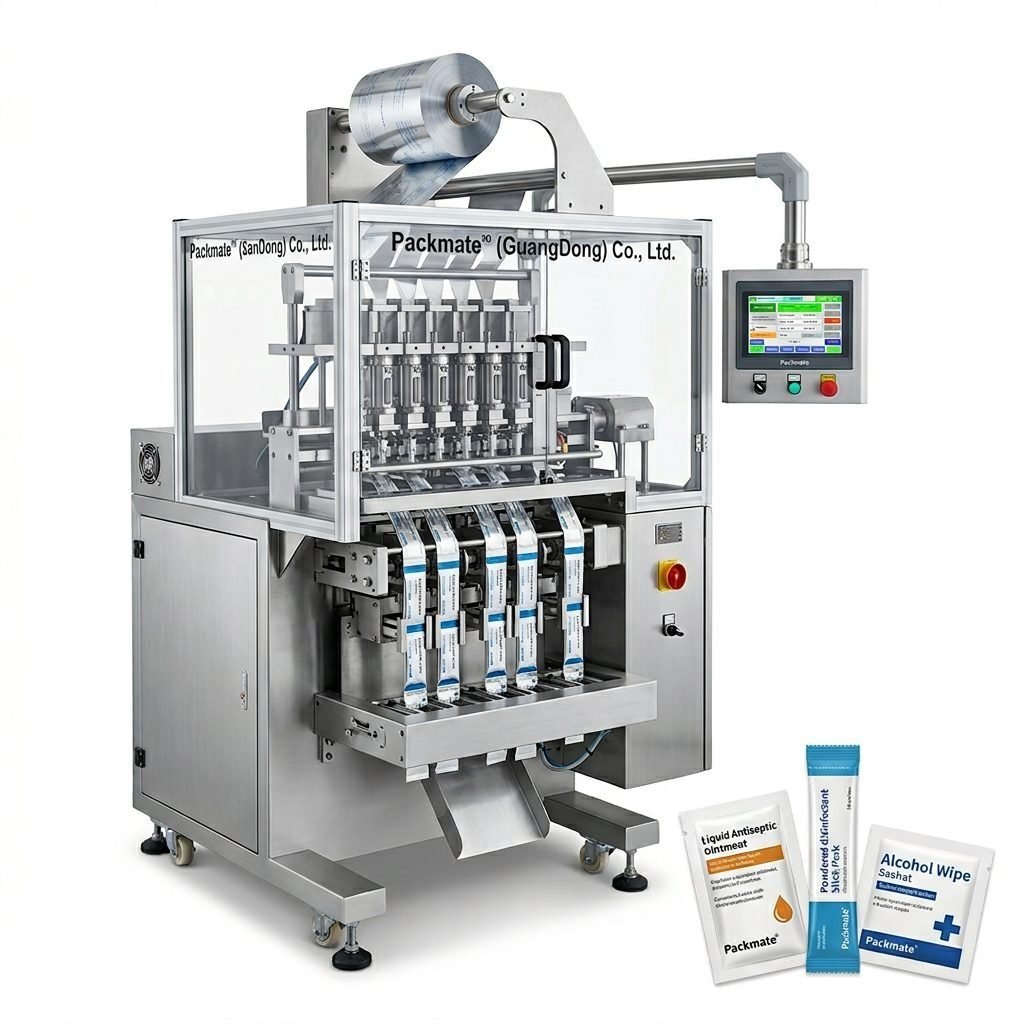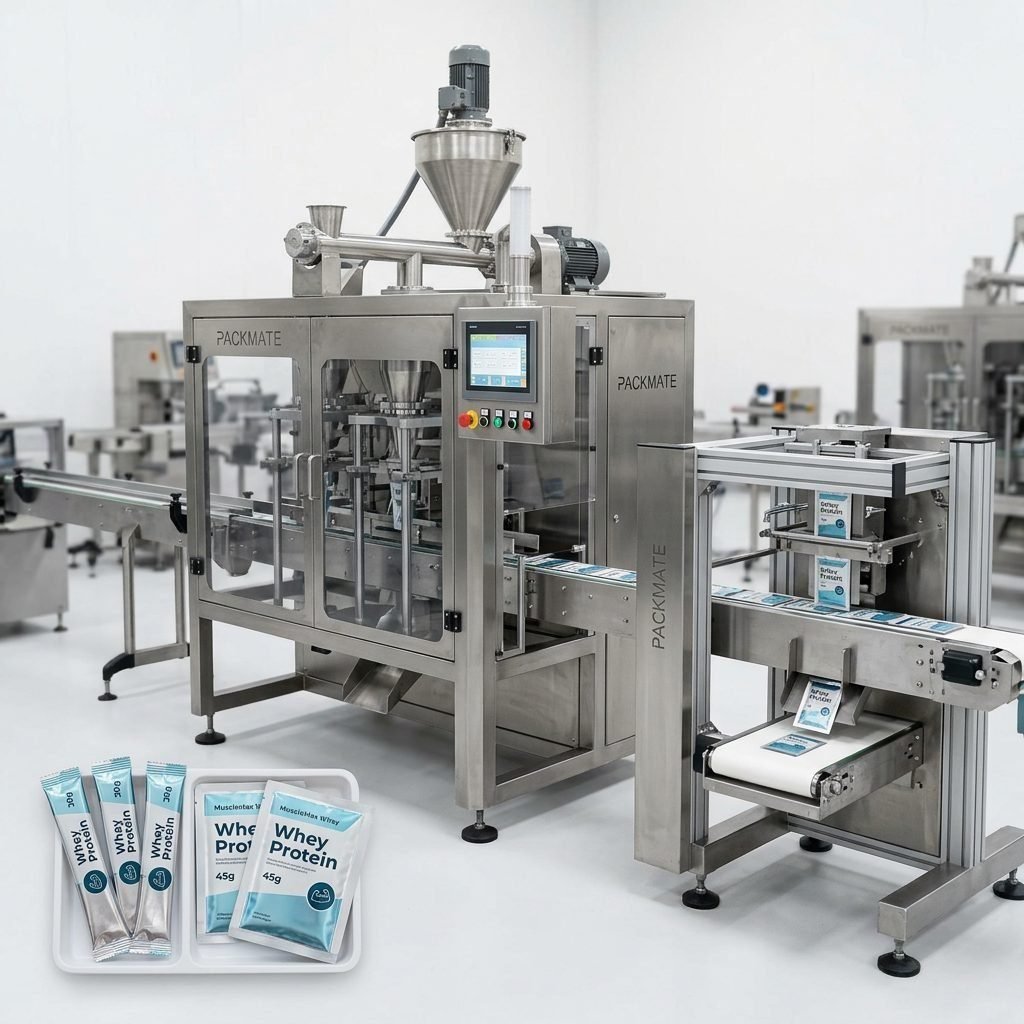
In the fast-paced world of pharmacy and healthcare, precision, safety, and efficiency are not just goals—they are absolute necessities. Every medication dispensed carries a patient’s trust and well-being. This is where unit dose packaging machines step in as transformative tools, moving beyond traditional bulk packaging to deliver individual, pre-measured doses. For pharmacies, hospitals, and long-term care facilities, adopting this technology is a strategic leap toward minimizing errors, optimizing workflow, and enhancing patient safety.
What is Unit Dose Packaging?
Unit dose packaging refers to the method of packaging a single dose of medication—be it a tablet, capsule, powder, or liquid—in a sealed, ready-to-administer format. Each package is clearly labeled with the drug name, strength, expiration date, and often a barcode. This system stands in stark contrast to traditional multi-dose bottles, where manual counting and transfer increase the risk of contamination and dosage mistakes.
Core Advantage: The primary benefit is accuracy. By eliminating manual handling and counting for each prescription fill, unit dose packaging virtually eradicates one of the most common sources of dispensing errors.
Key Drivers for Pharmacy Adoption
The shift towards unit dose systems is driven by several critical factors:
- Patient Safety Mandates: Regulatory bodies and accreditation standards increasingly emphasize error-reduction protocols. Unit dose packaging provides a tangible, auditable trail for each medication.
- Operational Efficiency: Streamlining the dispensing process saves valuable pharmacist and technician time, allowing staff to focus on patient consultation and clinical services.
- Inventory Control: With individually packaged and tracked doses, inventory management becomes more precise, reducing waste from expired or unsold multi-dose containers.
- Dose Accountability: In institutional settings like hospitals, it simplifies medication administration records (MAR) and enhances accountability from pharmacy to bedside.
How Unit Dose Packaging Machines Enhance Efficiency
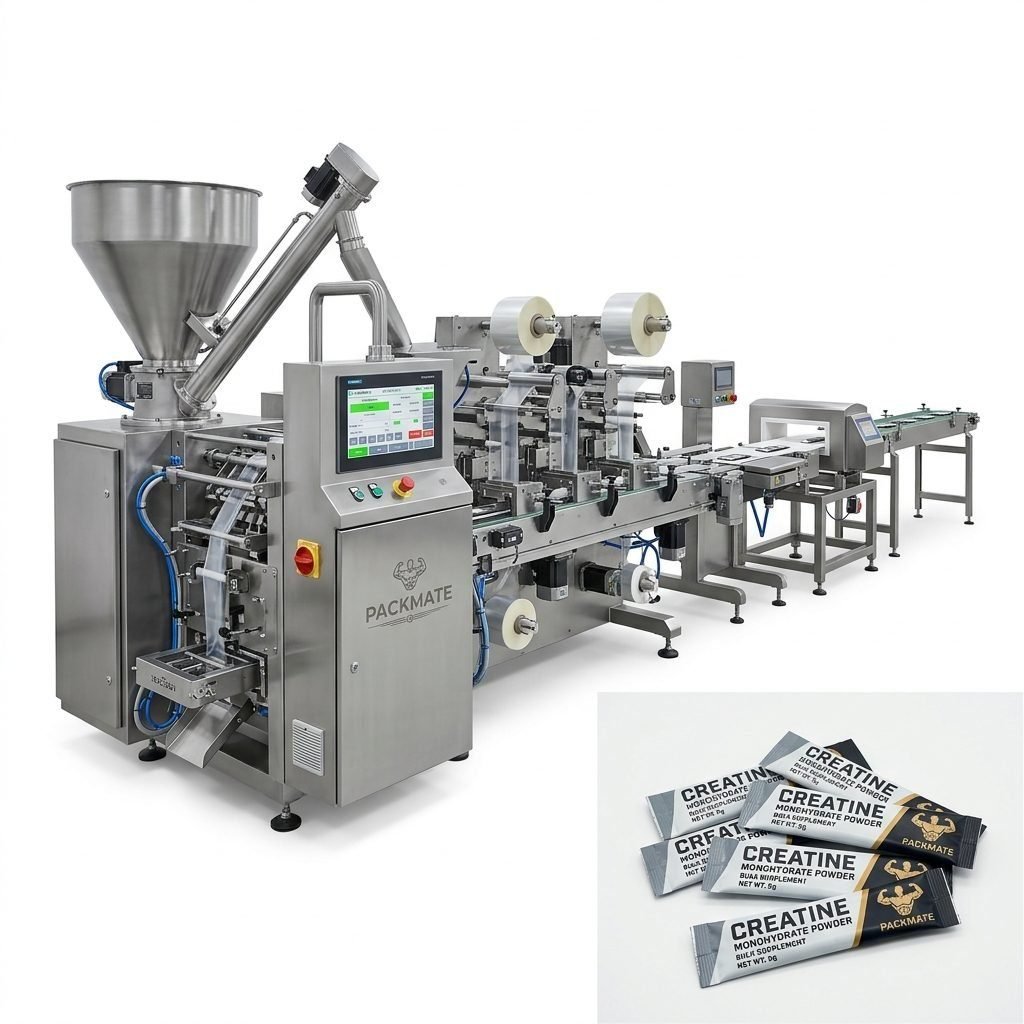
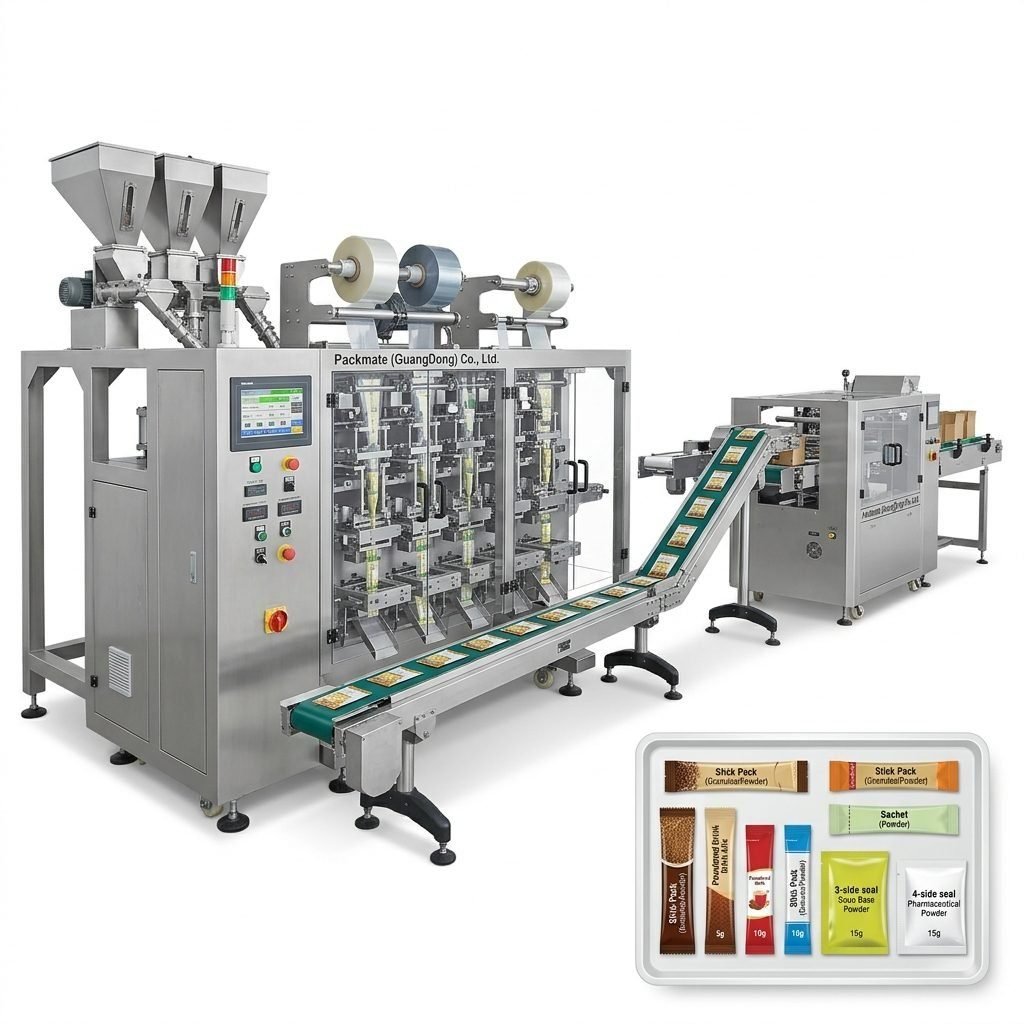
Modern packaging machines are engineered to automate the entire unit dose process. Here’s how they transform pharmacy back-end operations:
1. Automated Counting and Feeding
High-speed vision systems and precision feeders accurately count and orient tablets or capsules, feeding them directly into the packaging film. This replaces slow, error-prone manual counting.
2. Integrated Printing and Labeling
Machines often incorporate on-demand printing, embossing the crucial drug information directly onto each pouch or blister cavity as it is formed. This ensures label integrity and compliance.
3. High-Speed Sealing and Cutting
Using advanced thermal or ultrasonic sealing technologies, machines create a tamper-evident, hermetic seal for each dose. This protects medication from moisture, light, and contamination, extending shelf life.
The Result: A Seamless Workflow
From bulk container to finished, labeled unit dose pack, the process is continuous and automated. This significantly increases output while reducing labor costs and physical space required for manual packaging stations. Pharmacies can repurpose staff for higher-value tasks, directly impacting service quality and profitability.
Achieving Unmatched Accuracy
Accuracy in pharmacy dispensing is paramount. Unit dose packaging machines contribute to near-zero error rates through:
- Barcode Verification: Many systems include barcode scanners that verify the medication being packaged against the intended product, catching potential mix-ups before sealing.
- Weight Check Systems: Integrated checkweighers can detect missing or incorrect tablets in each pouch, rejecting any faulty packs automatically.
- Lot and Expiry Tracking: The automated system can log lot numbers and expiration dates for each batch packaged, simplifying recall processes if necessary.
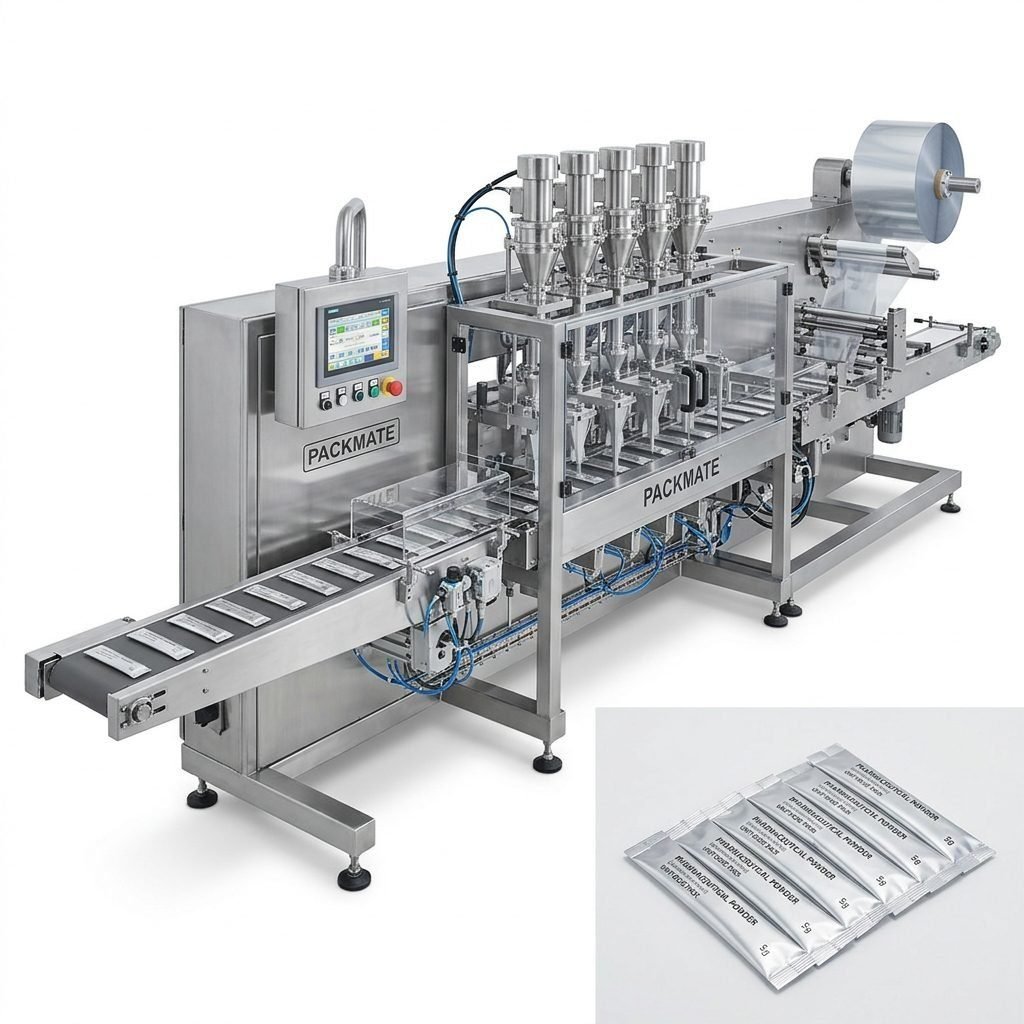
This multi-layered verification creates a robust safety net, ensuring that the right drug in the right strength reaches the right patient. For specialized applications, such as packaging sensitive powders or granules, weighing and packaging systems offer even greater precision.
Choosing the Right Machine for Your Pharmacy
Not all unit dose packaging machines are created equal. Selection depends on your specific needs:
Volume & Speed: Assess your average daily prescription volume. High-throughput pharmacies or central fill facilities require multi-lane machines with speeds of thousands of doses per hour.
Product Form: Will you be packaging primarily solid oral doses (tablets/capsules), powders, or liquids? Machines are specialized for different product types.
Packaging Format: Decide between blister packs, strip packs, or pouches. Pouches are highly versatile and common for institutional use.
Integration Needs: Consider if the machine needs to integrate with your existing pharmacy management software for data exchange and labeling.
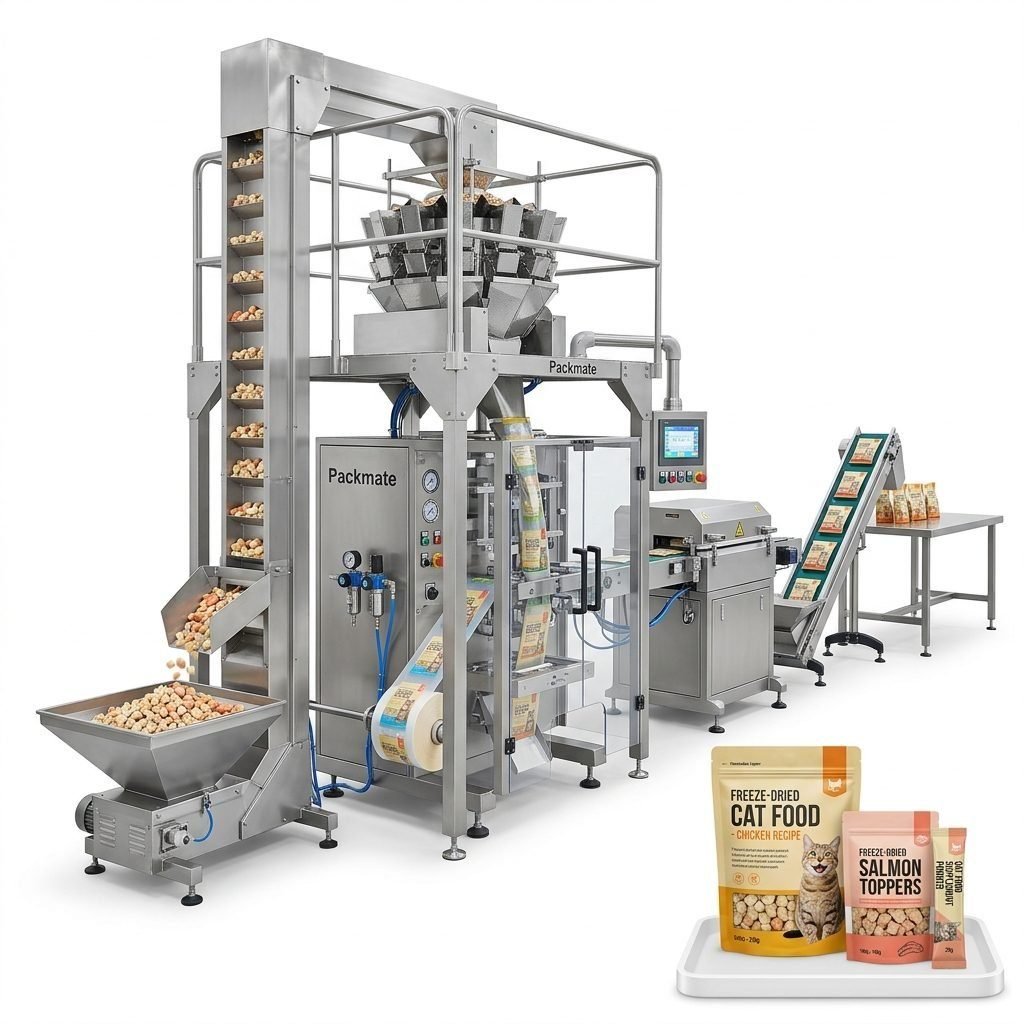
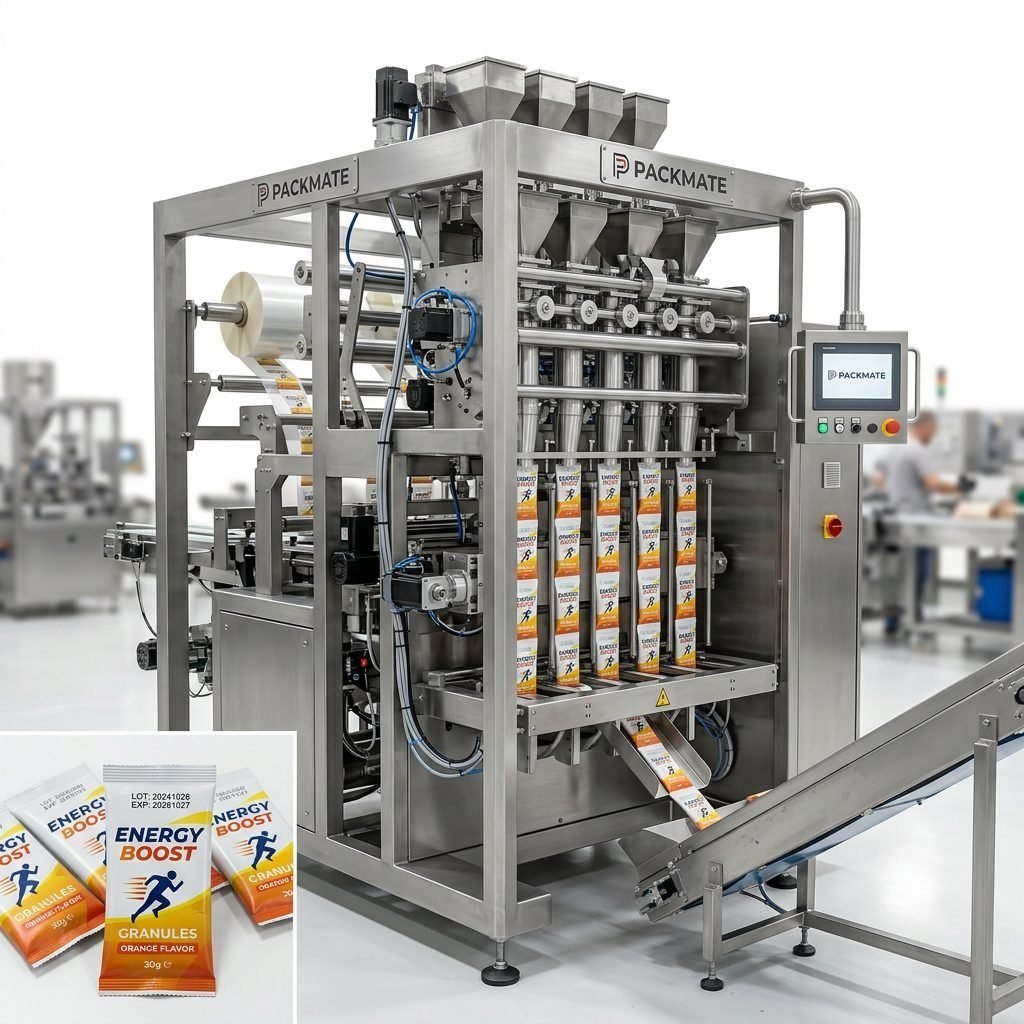
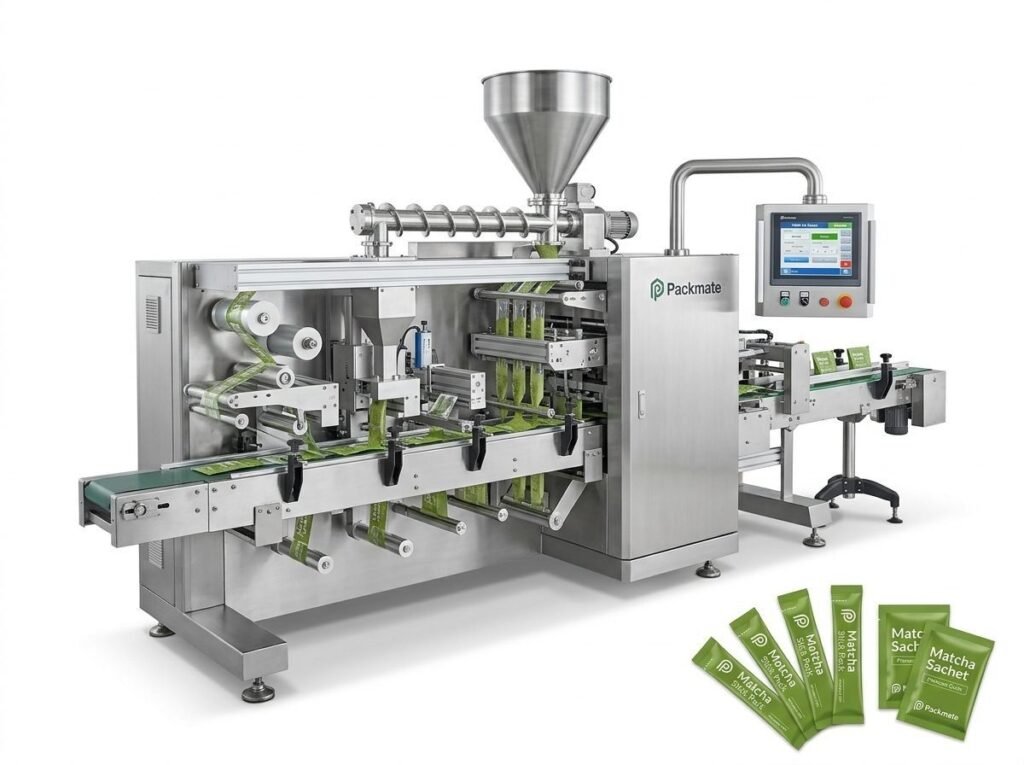
Partnering with an experienced manufacturer is crucial. A company like Packmate Machinery, with decades of expertise in pharmaceutical-grade equipment, can provide not just a machine, but a complete turnkey solution. Their deep understanding of material science, GMP (Good Manufacturing Practice) requirements, and machine reliability ensures the investment supports your pharmacy’s operations for years to come. Their range of filling and packaging lines showcases this integrated approach.
The Future: Smart Packaging and Beyond
The evolution of unit dose packaging is intertwined with digital health. Future-ready machines are equipped with IoT (Internet of Things) capabilities for remote monitoring, predictive maintenance, and data analytics. Furthermore, the packaging itself is becoming “smarter,” with QR codes or NFC tags that can link patients to educational videos, adherence reminders, or refill information, fostering a more connected healthcare experience.
Final Thought: Investing in a unit dose packaging machine is an investment in the core mission of every pharmacy: safe, accurate, and efficient patient care. It modernizes operations, reduces risk, and positions your pharmacy at the forefront of healthcare delivery.
Frequently Asked Questions (FAQs)
1. What is the typical return on investment (ROI) for a unit dose packaging machine?
ROI varies based on pharmacy volume and labor costs. Typically, savings from reduced medication waste, lower labor requirements for dispensing, and decreased error-related costs allow the machine to pay for itself within 1-3 years. The intangible ROI in enhanced patient safety and staff satisfaction is significant.
2. Can these machines handle different pill shapes and sizes?
Yes, modern machines are highly adaptable. They use customizable feeding tracks, changeable forming dies, and adjustable sealing heads to accommodate a wide variety of tablet and capsule sizes and shapes. It’s essential to discuss your specific product range with the equipment supplier during the selection process.
3. How do unit dose machines ensure child safety?
While the primary seal is for stability, many pouch materials can be designed to be child-resistant. Furthermore, the machine can package medications in sequential order, allowing for easy bundling into daily or weekly compliance packs that are organized but remain in individual, labeled doses.
4. Is the packaging material environmentally friendly?
The industry is actively developing more sustainable solutions. Many suppliers now offer packaging films with reduced plastic content, recyclable materials, or compostable layers. When evaluating machines, inquire about the availability of eco-friendly film options to align with your pharmacy’s sustainability goals.
5. What kind of training and support is required after purchase?
Reputable manufacturers provide comprehensive on-site installation, operator training, and detailed manuals. Look for suppliers who offer robust after-sales service, readily available spare parts, and remote technical support to ensure minimal downtime and long-term machine reliability.