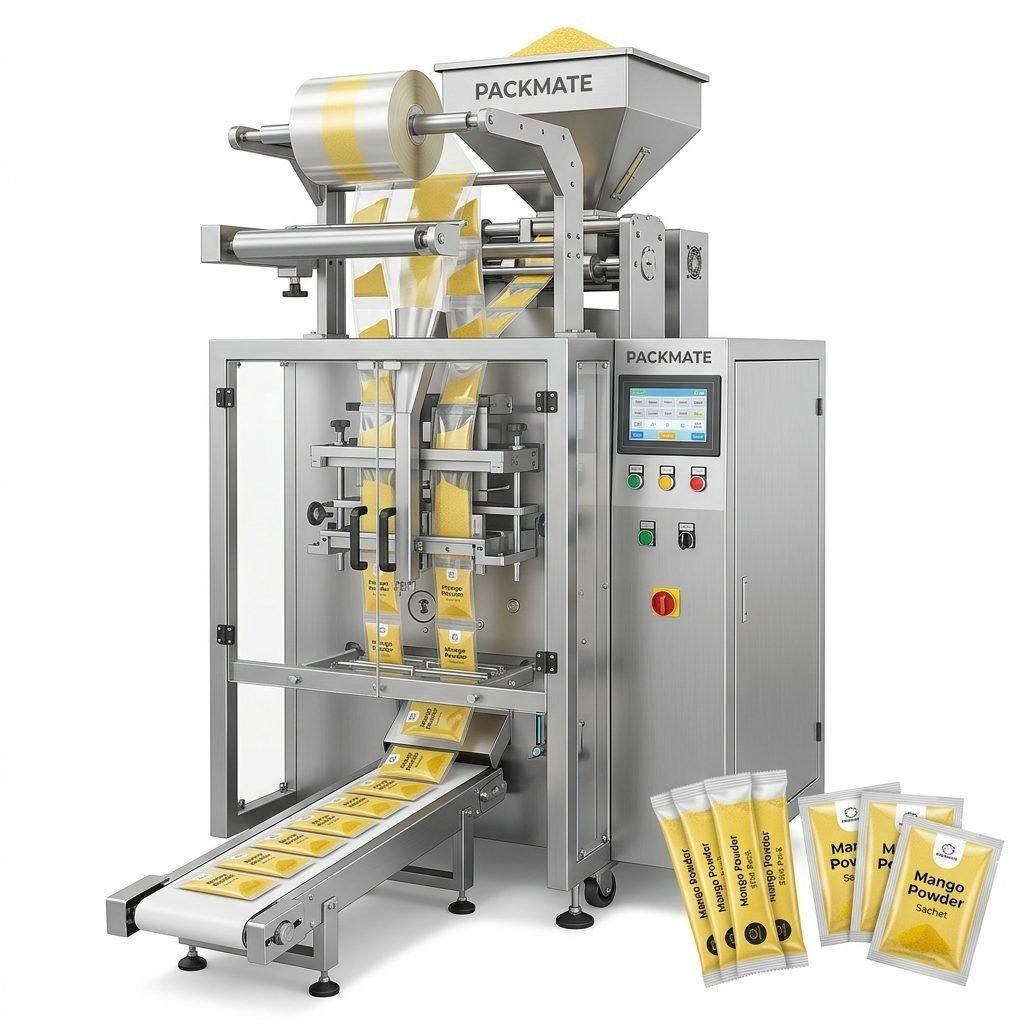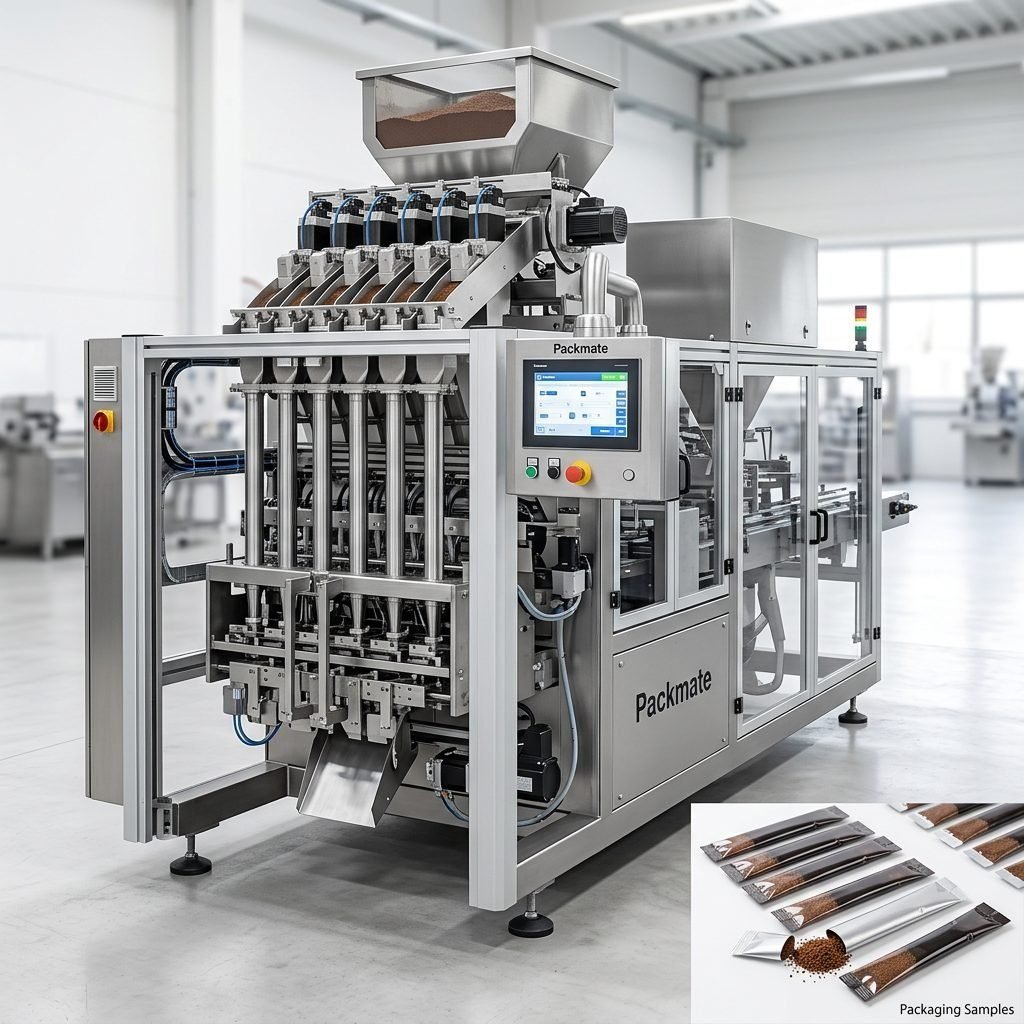
In today’s fast-paced production environments, ensuring products reach consumers in pristine condition is a critical challenge for businesses across food, pharmaceutical, and health sectors. Efficient product protection is not merely about containment; it’s about preserving quality, extending shelf life, and reinforcing brand trust. The cornerstone of achieving this lies in deploying easy-to-operate, reliable, and intelligent packaging machinery. These solutions streamline operations, minimize waste, and provide a robust defense against contamination, moisture, and physical damage throughout the supply chain.
The Core Principles of Efficient Product Protection
Effective protection begins with understanding the specific vulnerabilities of your product. Is it a hygroscopic powder that clumps with moisture? A delicate granule prone to breakage? Or a liquid sensitive to oxidation? Each requires a tailored approach. Modern packaging machinery addresses these needs through precision, adaptability, and consistency.
Key Protection Functions: A superior packaging system integrates several protective layers. It creates a hermetic or secure seal to act as a primary barrier. It allows for the integration of modified atmosphere packaging (MAP) to displace oxygen for fresh food. It ensures accurate dosing to prevent underfilling or overfilling, which can compromise package integrity. Finally, it maintains speed and hygiene to prevent bottlenecks and contamination risks during the packaging process itself.
Streamlining Operations with User-Centric Machinery
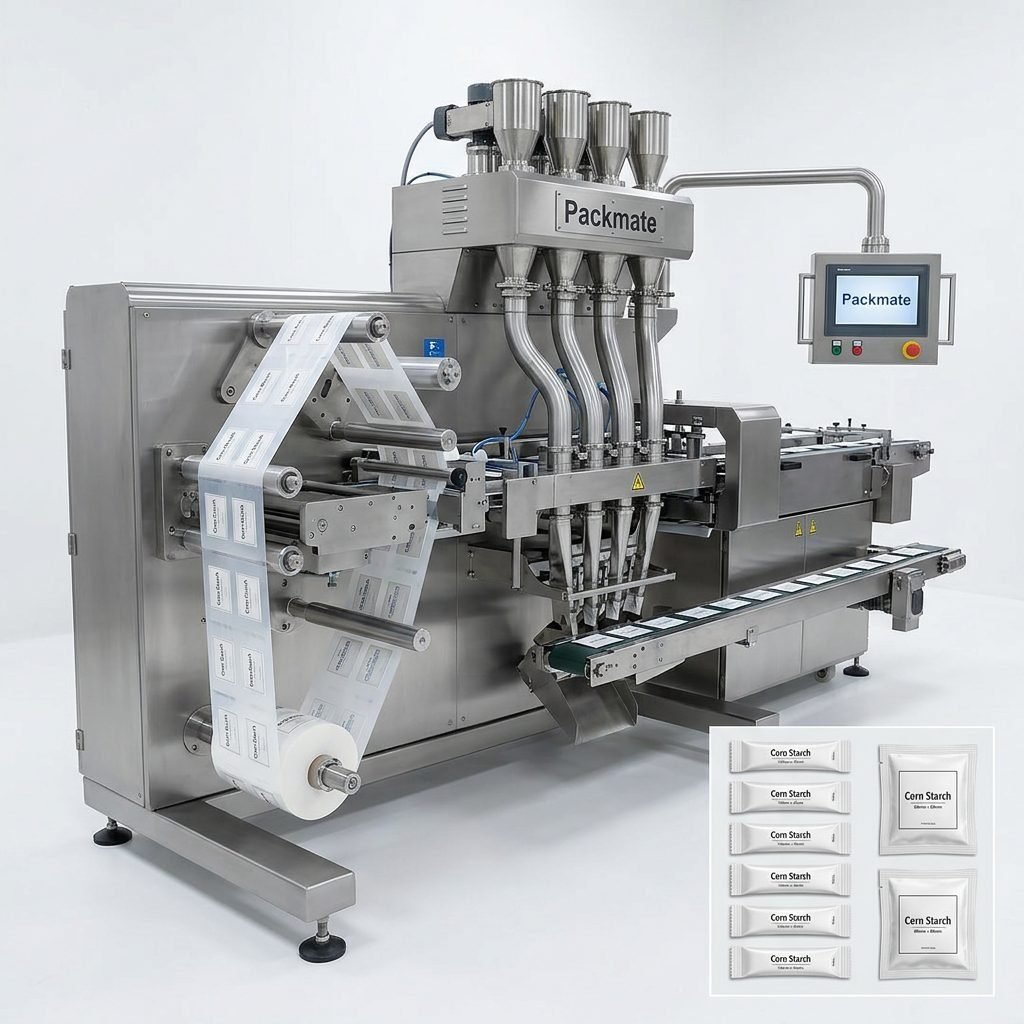
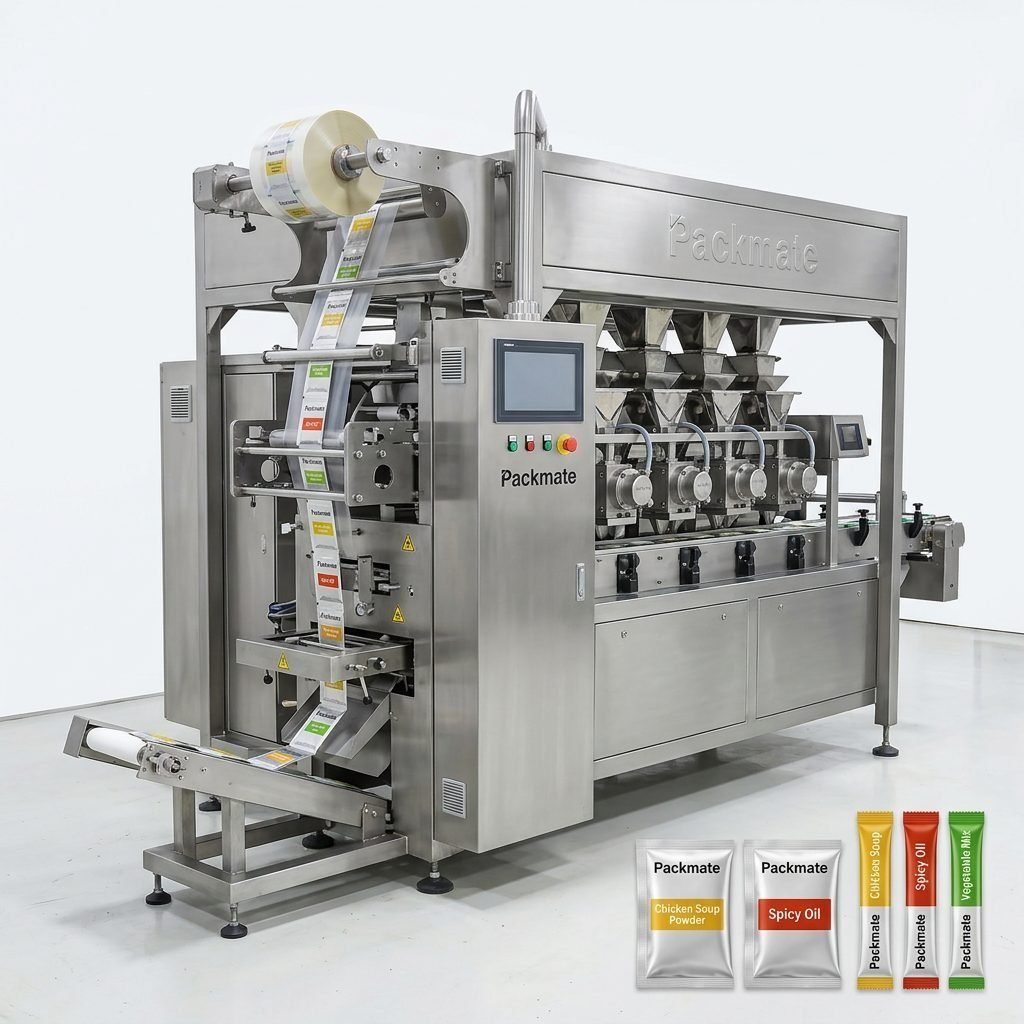
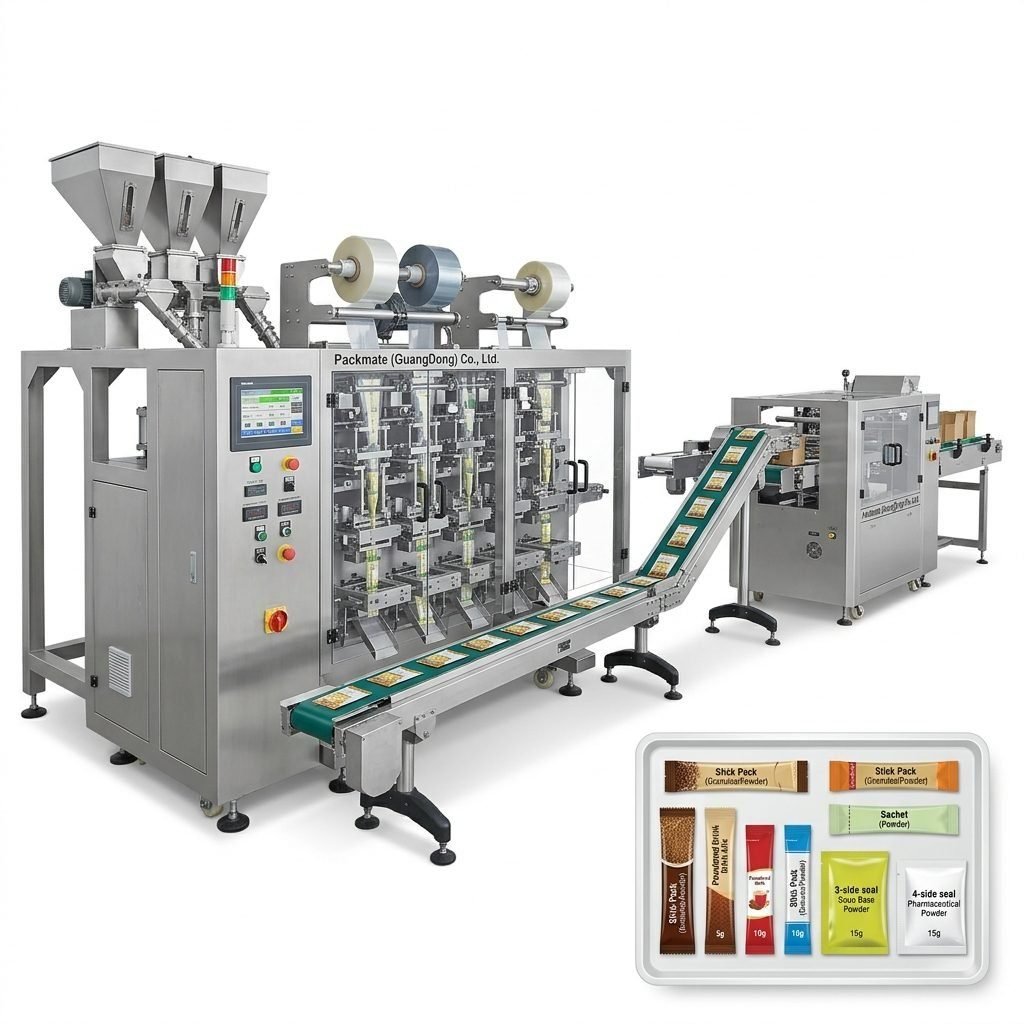
The term “easy” in packaging solutions transcends basic operation. It encompasses quick changeover between product formats, intuitive touchscreen controls for parameter setting, and minimal manual intervention. For instance, a multi-lane stick pack machine designed with tool-less change parts allows a production line to switch from packaging sugar sticks to instant coffee sticks within minutes, drastically reducing downtime and maximizing output. This ease of use directly translates to lower labor costs and reduced training time for operators.
Furthermore, advanced diagnostics and remote monitoring capabilities make machinery “easy” to maintain. Potential issues can be flagged before they cause stoppages, and service can be planned proactively. This predictive approach is a hallmark of intelligent equipment from experienced manufacturers like Packmate Machinery, who leverage over three decades of engineering expertise to build reliability into every system.
Material Compatibility and Versatility
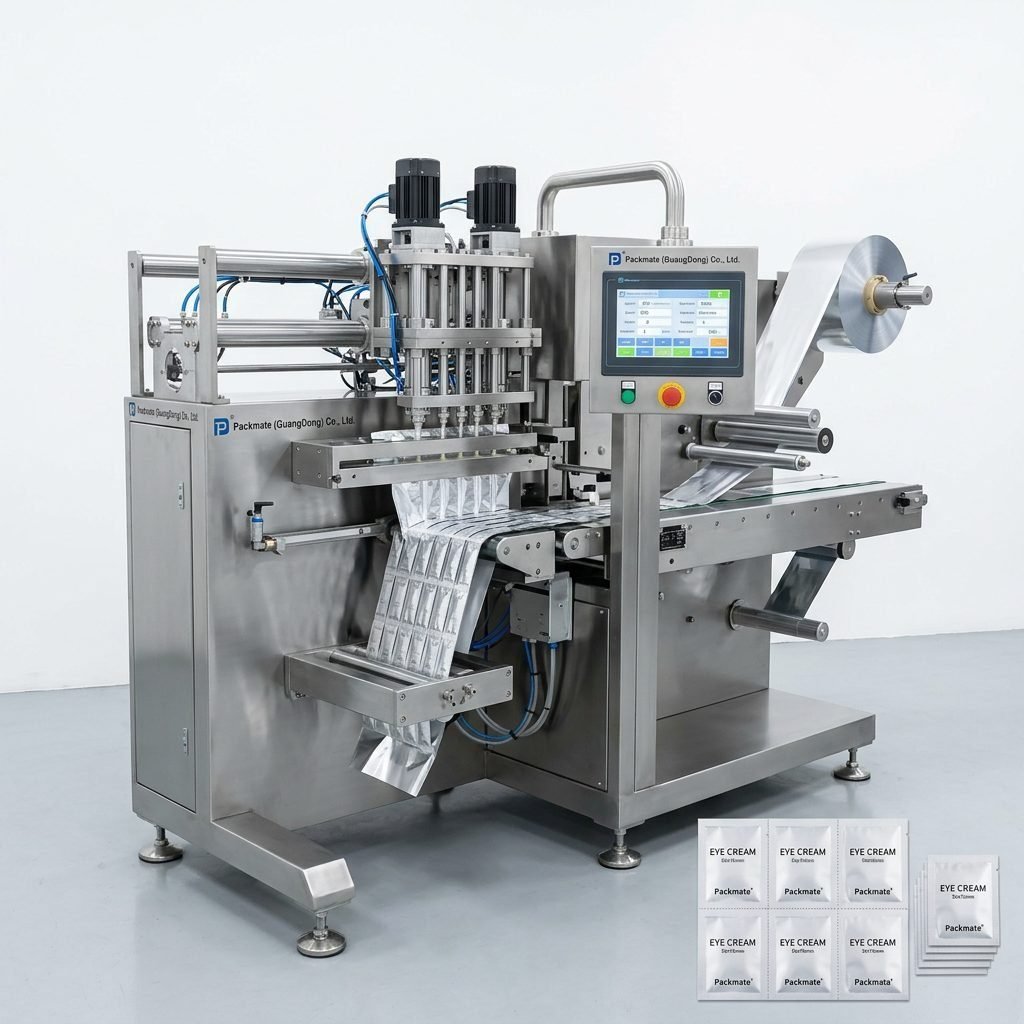
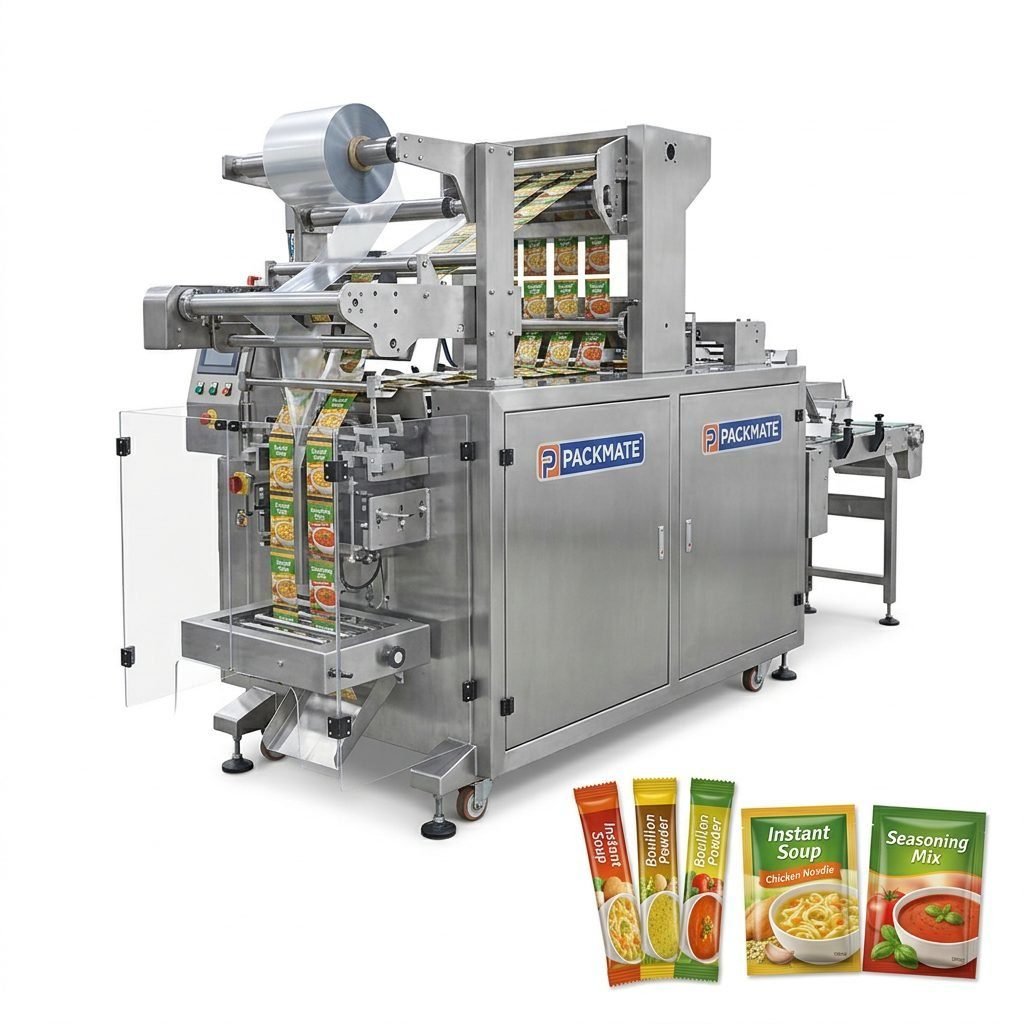
An efficient protection solution is also defined by its compatibility with a wide range of packaging materials—from standard laminates to sustainable, compostable films. The right machinery should handle these materials gently but firmly, forming consistent seals without wrinkling or stressing the film. This versatility future-proofs your investment against evolving market demands and sustainability regulations. Whether you need equipment for stand-up pouches, sachets, or stick packs, exploring a comprehensive range of bag and pouch packaging machines is essential to find the perfect match for your product form and material choice.
The Role of Integrated Systems
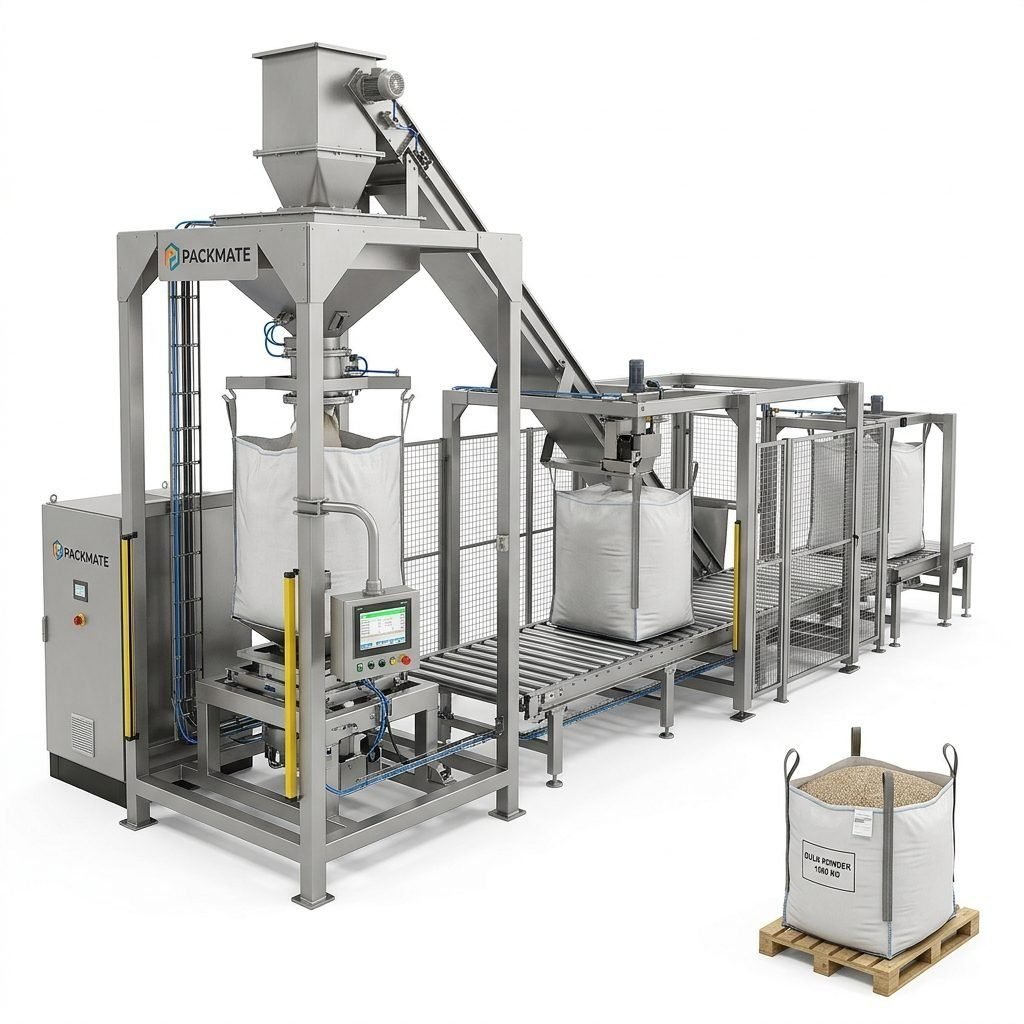
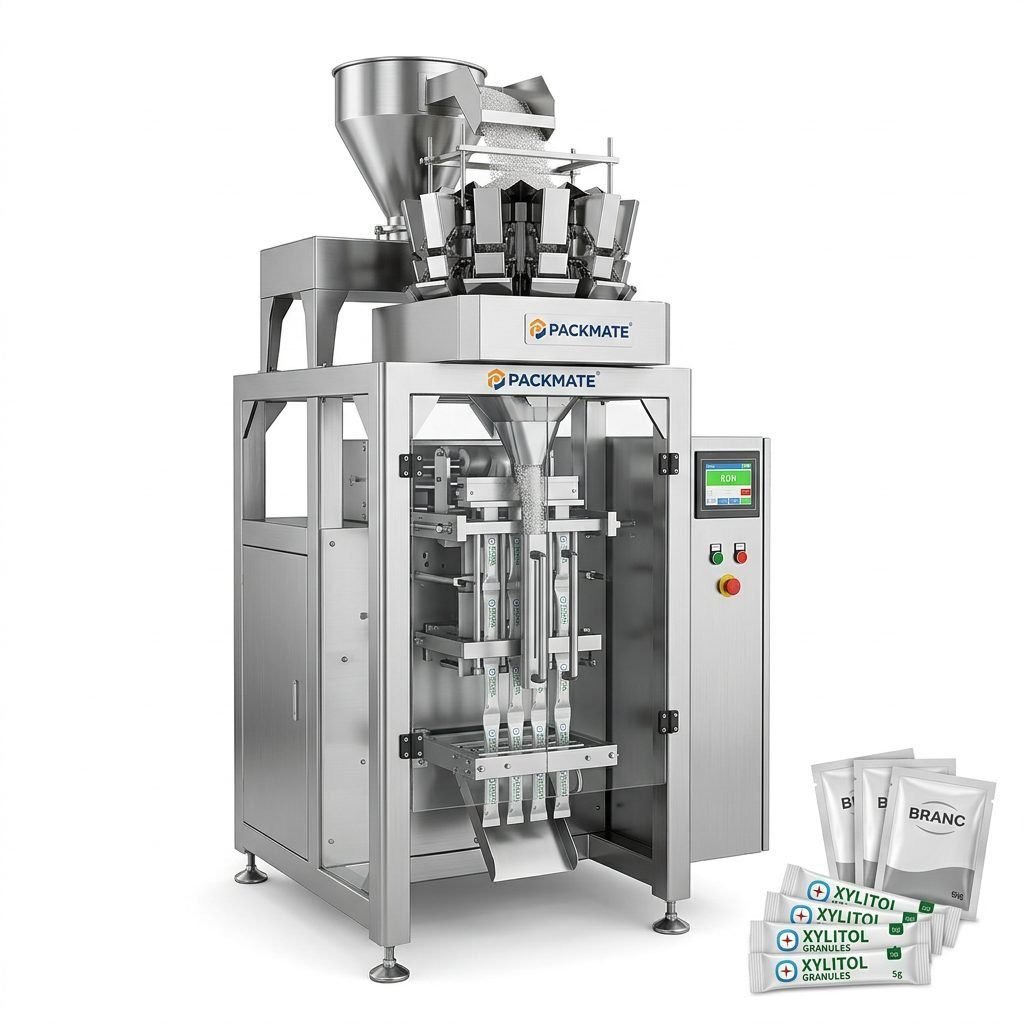
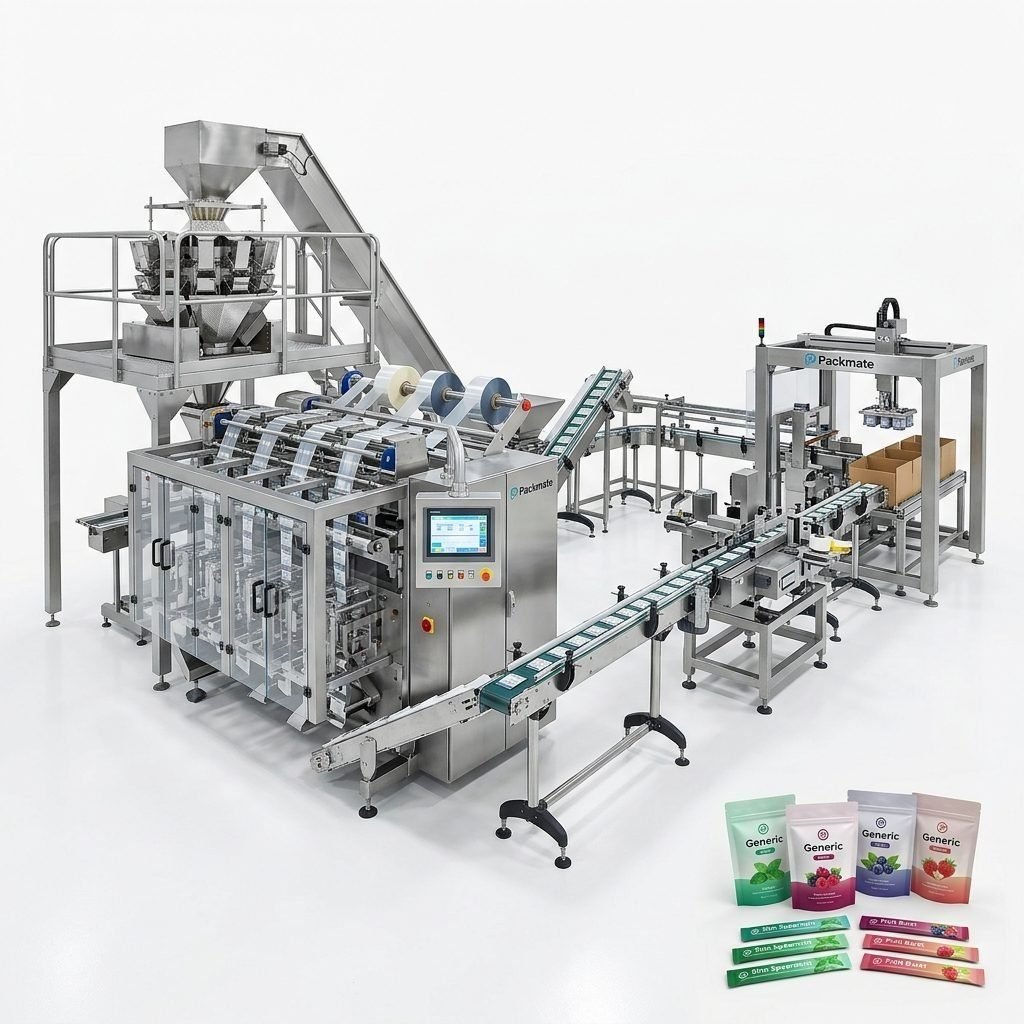
True efficiency is achieved not by standalone machines, but by seamlessly integrated packaging lines. A complete line might integrate a precision weigher, a bag maker, a gas flushing system for MAP, and a final cartoning unit. This end-to-end automation minimizes human handling, a significant source of potential contamination, and ensures a uniform, high-quality package every time. For complex powder or granule products, integrating a weighing and packaging system ensures portion control accuracy down to the milligram, which is critical for pharmaceutical applications or premium food products.
Economic and Brand Benefits of Optimized Packaging
Investing in the right packaging machinery solution delivers a compelling return on investment (ROI). The most direct savings come from reduced material waste through precise sealing and filling, and lower energy consumption from efficient machine design. Indirectly, the reduction in product damage and spoilage protects your bottom line and enhances sustainability by minimizing waste.
From a brand perspective, a perfectly sealed, professionally presented package speaks volumes. It conveys a message of quality, care, and professionalism to the end-consumer. In competitive markets like health supplements or gourmet foods, the unboxing experience and package integrity can be a decisive factor in customer loyalty and repeat purchases. A reliable filling and packaging line ensures that every unit that leaves your facility upholds your brand’s reputation.
Choosing the Right Partner for Your Packaging Needs
Selecting machinery is a strategic decision. It requires a partner who understands your industry’s specific challenges and compliance standards (like FDA or GMP for pharmaceuticals). Look for a manufacturer with a proven track record, a portfolio of successful case studies, and the capability to provide complete turnkey solutions—from initial design and factory layout to installation, training, and ongoing service support. A partner with a strong R&D focus will also help you adapt to future packaging trends and technological advancements.
The journey from a product concept to a securely packaged item ready for distribution is complex. By prioritizing easy, efficient, and intelligent packaging machinery solutions, businesses can transform this process into a competitive advantage. The result is not just protected products, but also optimized operations, strengthened brands, and improved profitability.
Frequently Asked Questions (FAQs)
1. What makes packaging machinery “easy” to operate?
“Easy” operation typically refers to features like user-friendly graphical interfaces (HMI touchscreens), recipe storage for quick product changeovers, tool-less adjustments for format changes, and comprehensive automation that reduces manual tasks. It also includes clear documentation and accessible training from the supplier.
2. How can packaging machinery improve product protection?
Advanced machinery ensures consistent, hermetic seals that block moisture, oxygen, and contaminants. It allows for precise filling to avoid under/overfills that can compromise seals. Integrated systems like weigh-fill-seal and MAP (Modified Atmosphere Packaging) units provide an additional, controlled protective environment inside the package.
3. What should I consider when upgrading my packaging line?
Key considerations include: your current and future production speed (CPM), the types of products and materials you use, required accuracy (e.g., filling precision), available factory floor space, compliance with industry regulations, and the level of after-sales support and service offered by the machinery manufacturer.
4. Can one machine handle different packaging formats?
Many modern machines are designed for versatility. For example, a multi-lane vertical form-fill-seal (VFFS) machine can often produce different pouch styles (e.g., pillow, gusseted, stand-up) by changing the forming tube and sealing jaws. However, significant format changes (e.g., from sachets to stick packs) usually require a different machine type or a modular system designed for quick changeover.
5. Why is partner selection as important as the machine selection?
The manufacturer or supplier is your long-term partner for technical support, spare parts, potential upgrades, and service. A reliable partner with deep industry expertise ensures you get the right solution for your needs, helps with smooth integration and training, and minimizes costly downtime throughout the machine’s lifecycle.