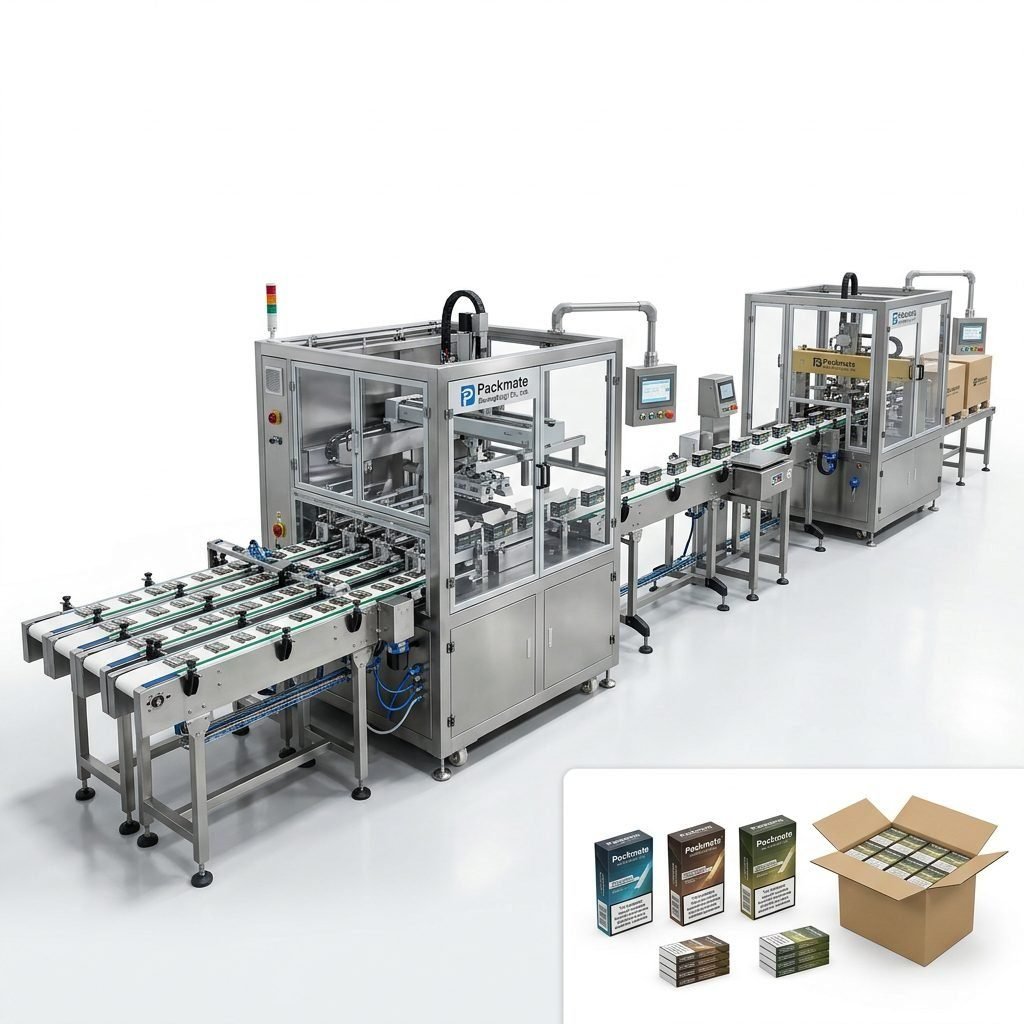
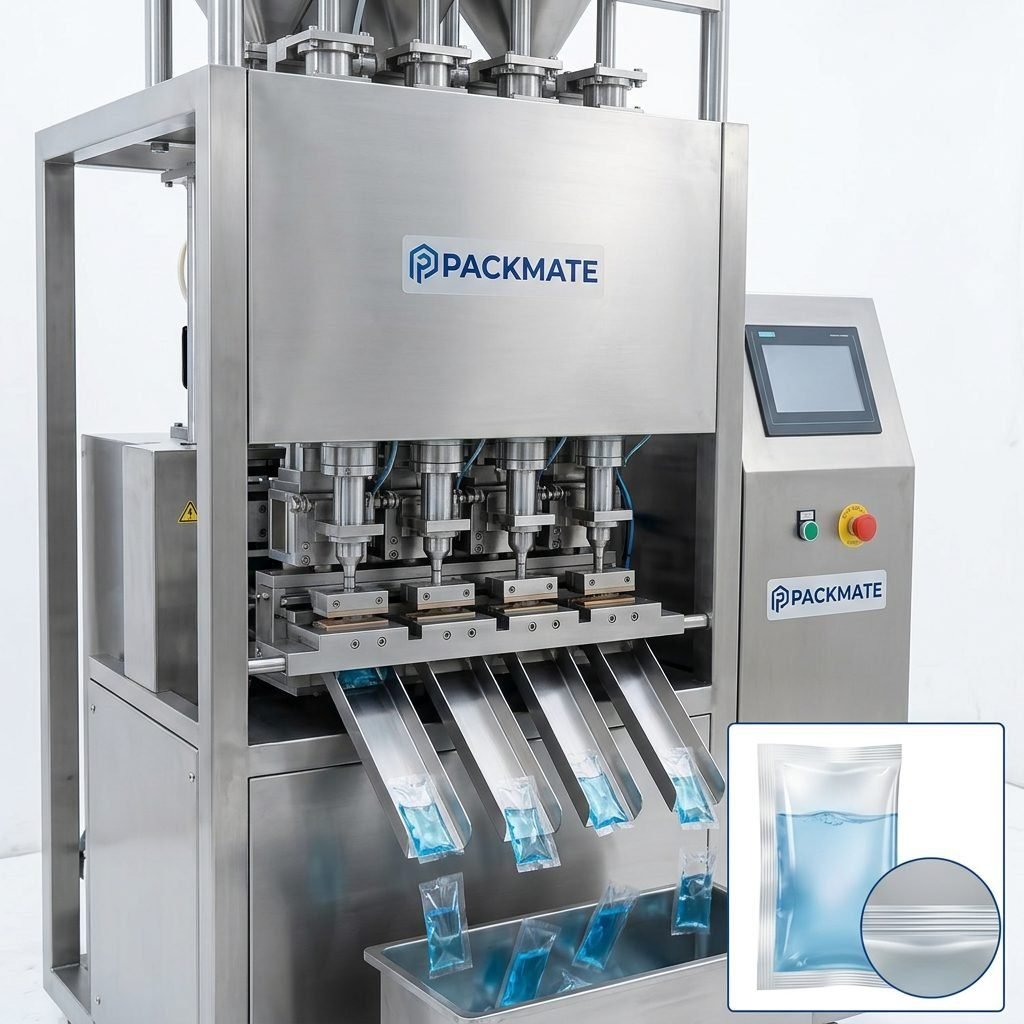
In the dynamic world of food production and confectionery, the efficiency and appeal of the final product often hinge on the packaging process. For cookies, which range from delicate, ornate holiday treats to robust, everyday snacks, selecting the right packaging machine is a critical business decision. This guide delves into the types of cookie packaging machines, their specific uses, and essential tips for making a smart purchase, ensuring your products are protected, presented beautifully, and produced profitably.
Understanding Cookie Packaging Machines
Cookie packaging machines are specialized forms of packing machinery designed to automate the process of placing cookies into protective bags, pouches, trays, or boxes. The primary goals are to increase production speed, ensure consistency, maintain product freshness, and enhance shelf appeal. Manual packaging is not only slow and labor-intensive but also prone to inconsistencies that can affect product quality and brand perception. Automation solves these challenges, offering scalability and precision.
Core Functions of a Packaging Line
A complete cookie packaging line typically integrates several functions:
Product Feeding & Orientation: Cookies are conveyed and correctly aligned for packaging.
Counting or Weighing: Ensures each package contains the exact number or weight of cookies.
Film Feeding & Forming: For bagging machines, a roll of packaging film is shaped into a bag.
Loading: The cookies are gently placed into the formed pouch, tray, or box.
Sealing: The package is securely closed via heat sealing, adhesive, or other methods.
Date Coding & Inspection: Adds batch/expiry information and checks for sealing integrity.
Primary Types of Cookie Packaging Machines
The ideal machine type depends heavily on your cookie’s characteristics (fragility, size, shape) and your desired package style.
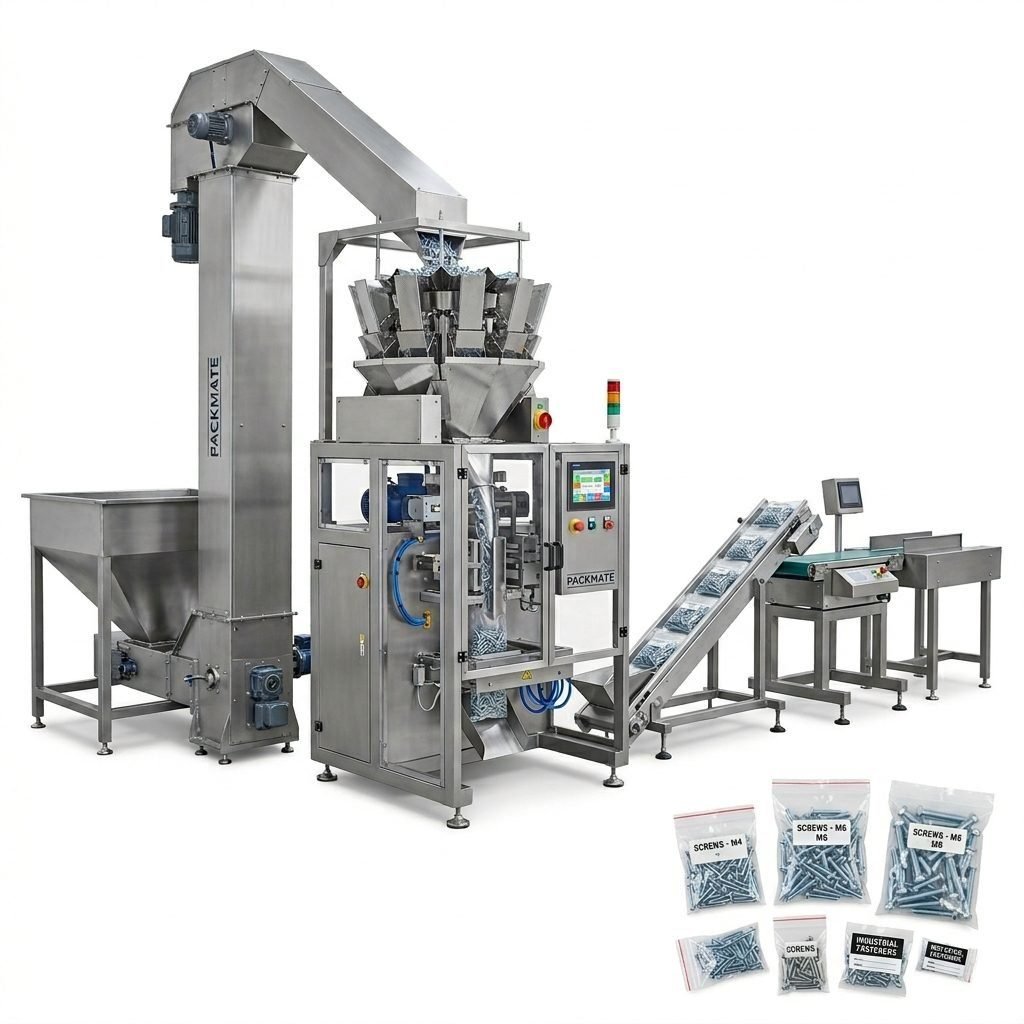
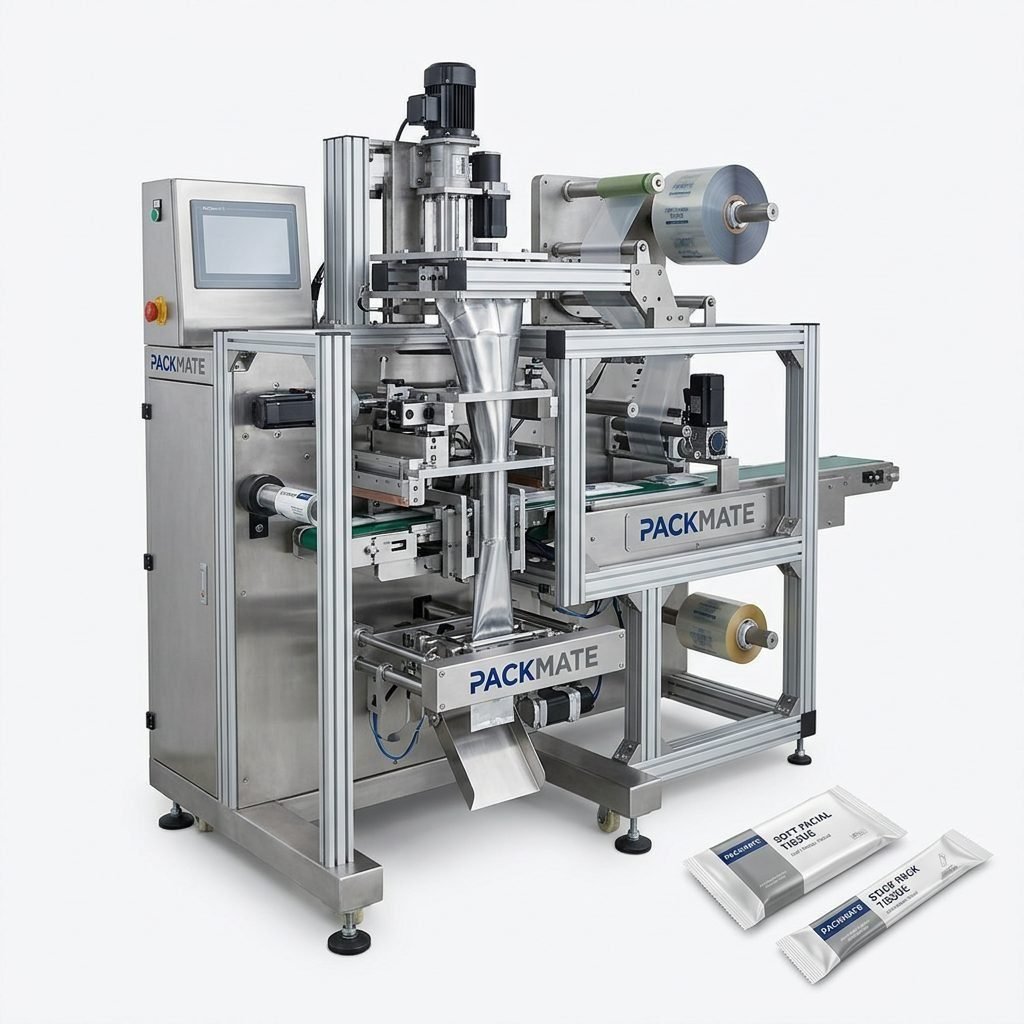
1. Vertical Form-Fill-Seal (VFFS) Machines
These are among the most common and versatile machines for packaging loose, free-flowing products. A roll of flat film is formed into a tube around a vertical filling tube. Cookies are dropped into this tube, and the machine then creates the bottom seal, fills the bag, and creates the top seal, all in a continuous motion. They are excellent for packaging individual cookies or small counts into pillow bags or gusseted bags.
Best For: Loose, non-fragile cookies (e.g., biscotti, certain biscuits), high-speed production of single-serve packs.
2. Horizontal Flow Wrappers
This type of machine is perfect for wrapping individual cookies or stacks of cookies. The product is placed on a sheet of film, which is then folded around it and sealed along the back and ends. This creates a tight, snug wrap that is classic for many cookie brands, offering excellent product visibility and protection.
Best For: Individually wrapped cookies, stacks of cookies, products where a tight, branded sleeve is desired.
3. Tray Sealing Machines
For premium, delicate, or oddly-shaped cookies that require extra protection, tray sealing is ideal. Pre-formed plastic or paperboard trays are automatically filled with cookies. A lidding film (often clear) is then heat-sealed over the tray, creating a secure, tamper-evident, and visually appealing package that is common in gift boxes and supermarket shelves.
Best For: Frosted cookies, soft-baked cookies, artisan cookies, and gift packaging where presentation is paramount.
4. Cartoning Machines
These machines automate the process of loading cookies into pre-glued cartons or boxes. They can be integrated with baggers or flow wrappers to first create an inner bag, which is then placed into the outer carton. This is essential for multi-packs, family-size boxes, and products requiring robust secondary packaging for shipping and retail display.
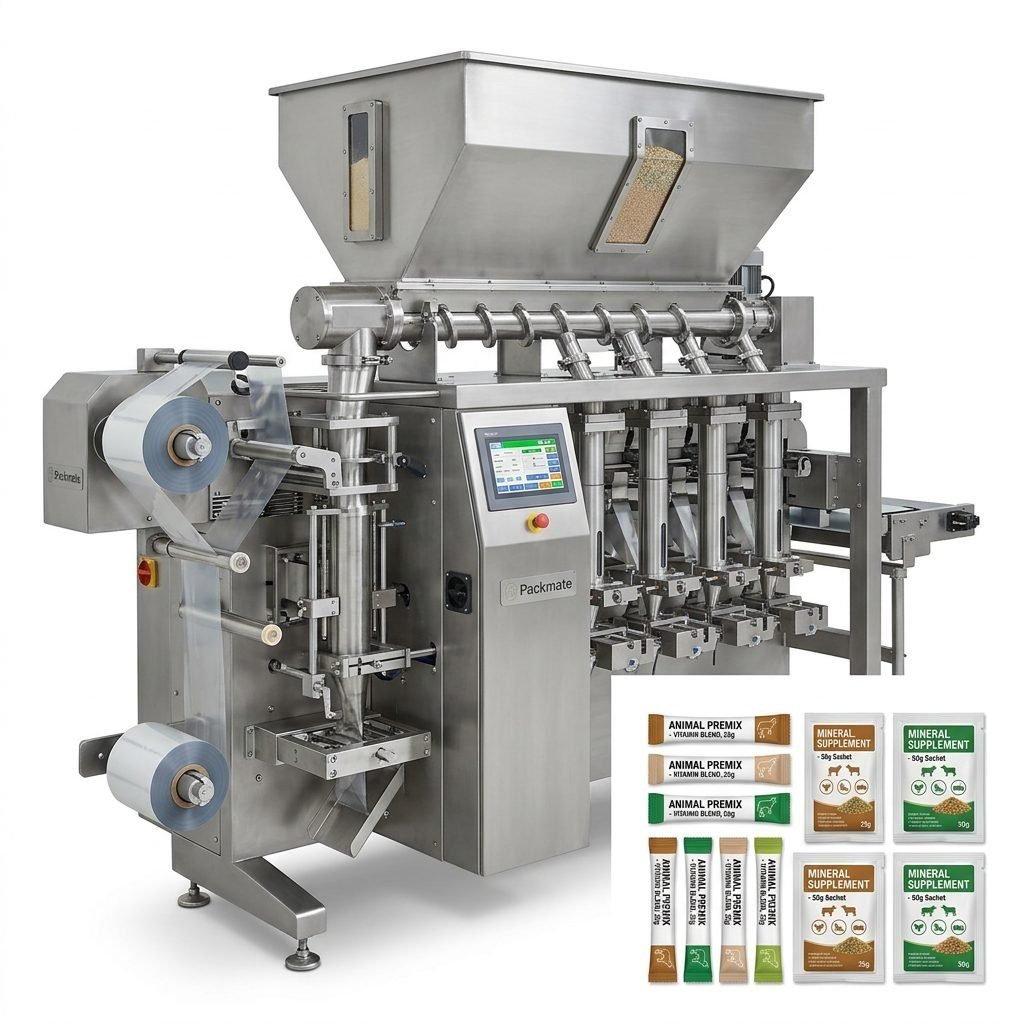
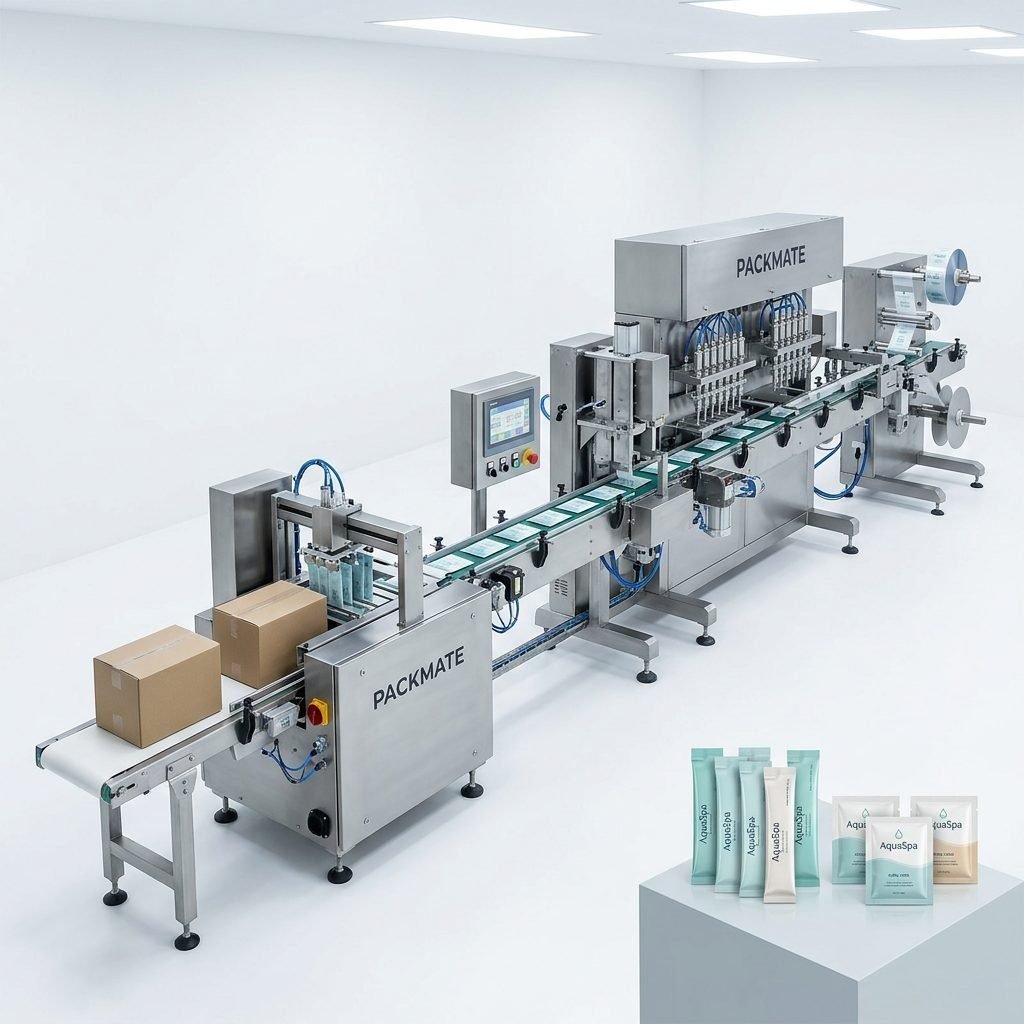
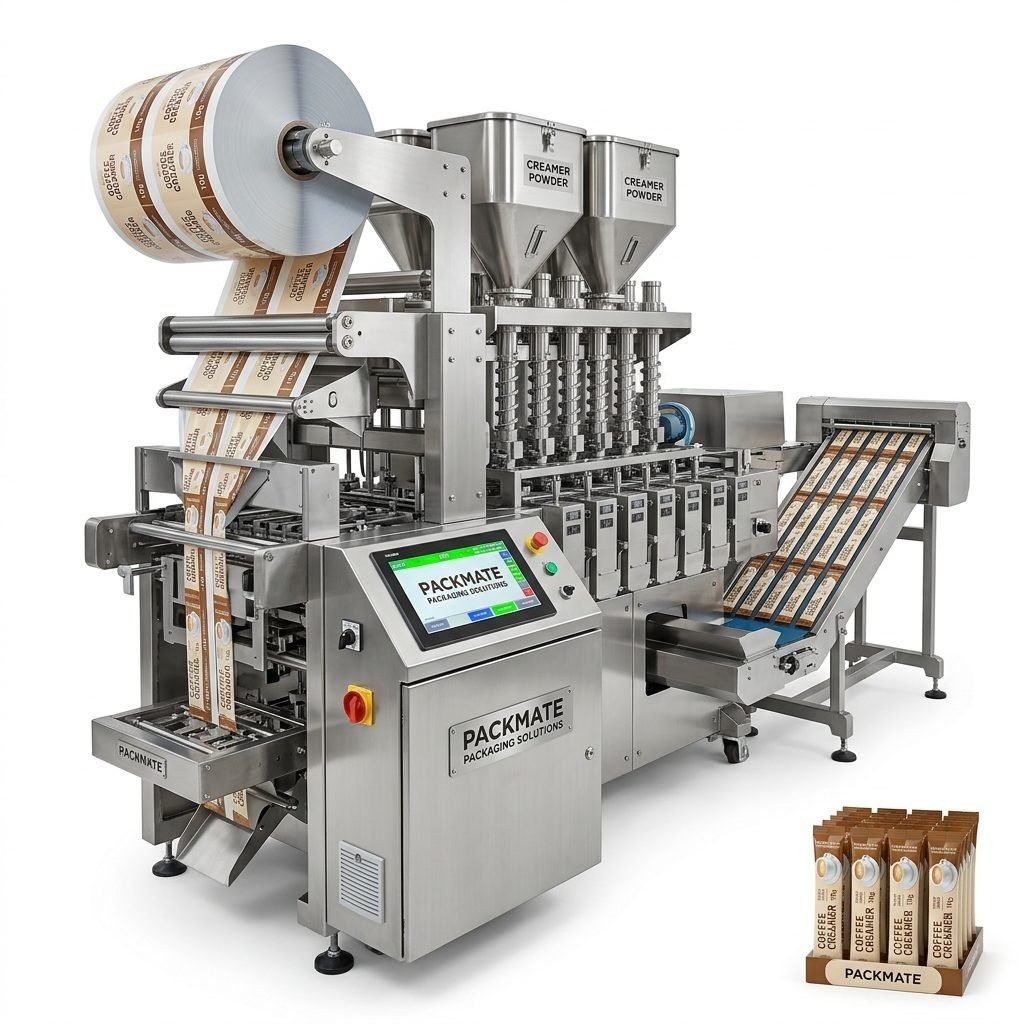
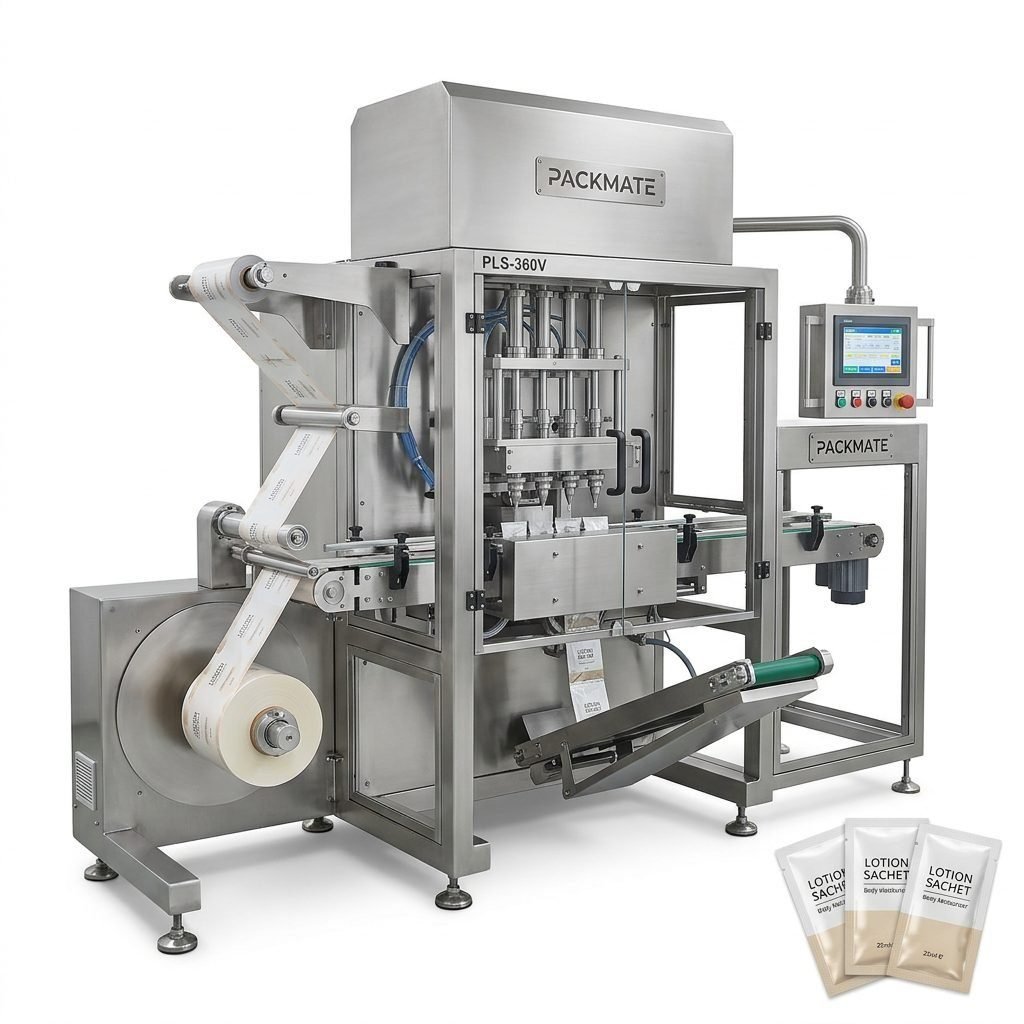
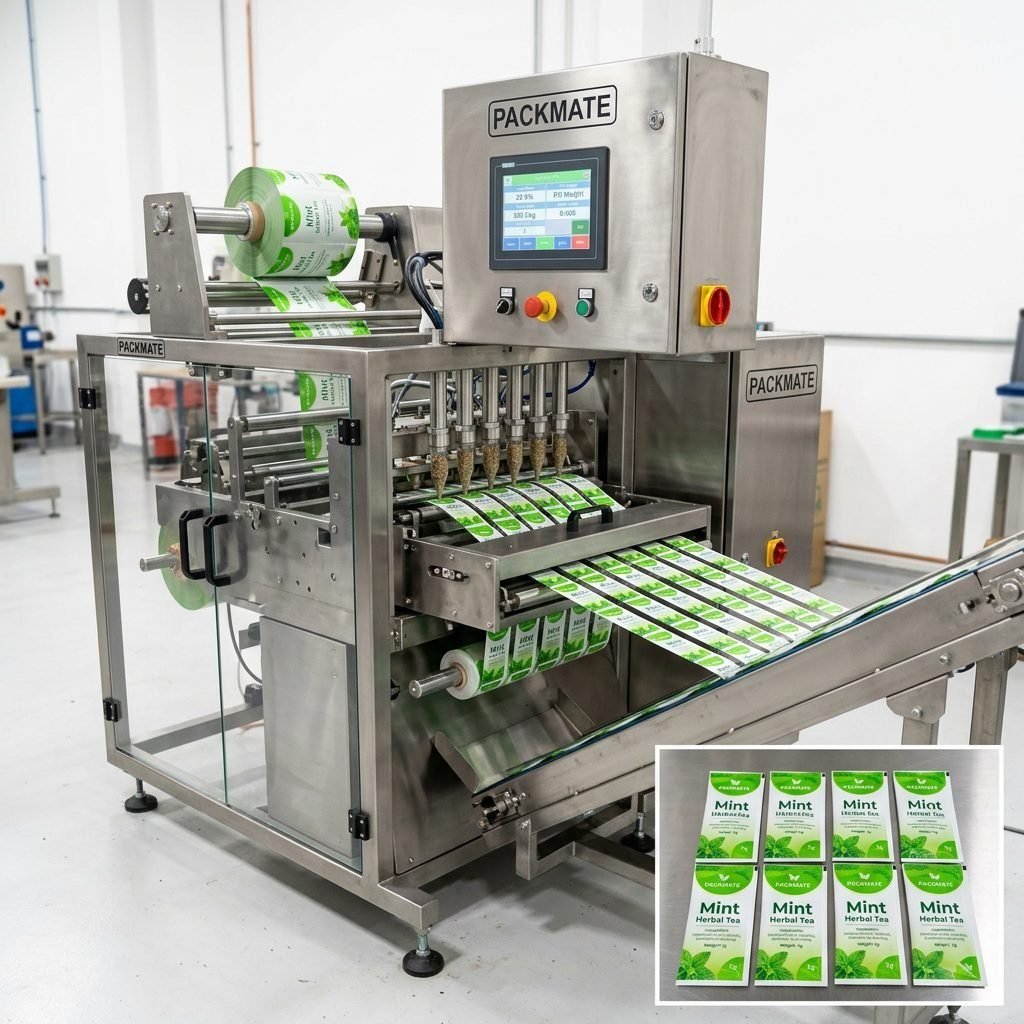
5. Specialized Stick Pack & Sachet Machines
For unique applications like cookie crumbles for yogurt toppings or instant cookie mix powders, sachet and stick pack machines are used. These create small, sealed packets from roll film, ideal for portion-controlled dry ingredients or toppings.
Key Uses and Industry Applications
Cookie packaging machinery serves a wide spectrum of businesses:
Large-Scale Commercial Bakeries: Rely on high-speed VFFS or horizontal wrappers integrated into full filling and packaging lines for mass production of branded cookies.
Artisan and Specialty Bakers: Often use semi-automatic tray sealers or cartoners to maintain a handcrafted feel while ensuring hygiene and extending shelf life for local distribution.
Contract Packagers (Co-packers): Invest in flexible machinery that can handle various cookie shapes and sizes for different client brands, making versatility a top priority.
Export-Oriented Manufacturers: Require robust packaging that can withstand long-distance logistics. Tray sealing and rigid cartoning provide the necessary protection against breakage and environmental factors.
Essential Buying Tips for Your Business
Investing in a cookie packaging machine is significant. Here are crucial factors to consider:
1. Define Your Product and Output Needs
Be specific about your cookie’s size, fragility, and shape. What package style (bag, box, tray) aligns with your brand? Most importantly, calculate your required production speed (packs per minute/hour) not just for today, but for your projected growth over the next 3-5 years.
2. Prioritize Flexibility and Changeover
If you plan to produce multiple cookie varieties or package sizes, quick changeover capability is non-negotiable. Look for machines with easy-to-adjust parts and digital settings recall to minimize downtime between production runs.
3. Evaluate Machine Construction and Support
The machine’s frame should be robust (stainless steel contact parts are industry standard for food safety). Beyond the hardware, assess the supplier’s reputation. A manufacturer with deep expertise, like Packmate Machinery, which has over 22 years in developing intelligent packaging solutions, offers invaluable peace of mind. Review their service network, availability of spare parts, and technical support.
4. Consider Integration and Future-Proofing
Will the machine need to connect with existing conveyors, checkweighers, or weighing systems? Ensure compatibility. Consider features like IoT connectivity for predictive maintenance and production data tracking, which are becoming standard in modern, efficient factories.
5. Analyze Total Cost of Ownership (TCO)
Look beyond the initial purchase price. Factor in installation, training, maintenance costs, energy consumption, and the cost of packaging materials the machine is designed to use. A slightly more expensive but more efficient and reliable machine often has a lower TCO.
6. Request a Live Demonstration or Trial
Always ask to see the machine run with a product similar to yours. A live demo or product trial at the manufacturer’s facility is the best way to verify performance, speed, and gentle handling of your delicate cookies.
Frequently Asked Questions (FAQs)
Q1: What is the average speed of a cookie packaging machine?
Speed varies dramatically by type. A vertical bagger can run from 30 to over 200 bags per minute for small items, while a horizontal flow wrapper might handle 100-400 wraps per minute. Tray sealers and cartoners are generally slower, in the range of 20-120 packages per minute, depending on complexity.
Q2: How do I prevent fragile cookies from breaking during packaging?
Choose a machine with gentle handling features: soft-drop mechanisms, padded flights, and vibration-dampening conveyors. Tray packaging, where the cookie rests in a cavity, is often the safest method for very delicate products.
Q3: Can one machine handle different cookie shapes and sizes?
Yes, but it requires a flexible machine designed for quick changeover. You will typically need to change forming tools, buckets, or molds, and adjust settings. Discuss your product range with the supplier to ensure the machine can accommodate it efficiently.
Q4: What maintenance does a cookie packaging machine require?
Daily cleaning of product contact areas is essential. Regular maintenance includes lubricating moving parts, inspecting and replacing worn seals (especially on heat sealers), and checking electrical components. A schedule provided by the manufacturer should be followed strictly.
Q5: Where can I find a reliable supplier for cookie packaging machines?
Look for established manufacturers with a proven track record in food packaging, particularly with bakery or confectionery products. Review their case studies, client testimonials, and after-sales service offerings. Companies with extensive experience, such as those with a global service footprint and a wide range of bag and pouch packaging machines, are often a reliable choice for long-term partnership.