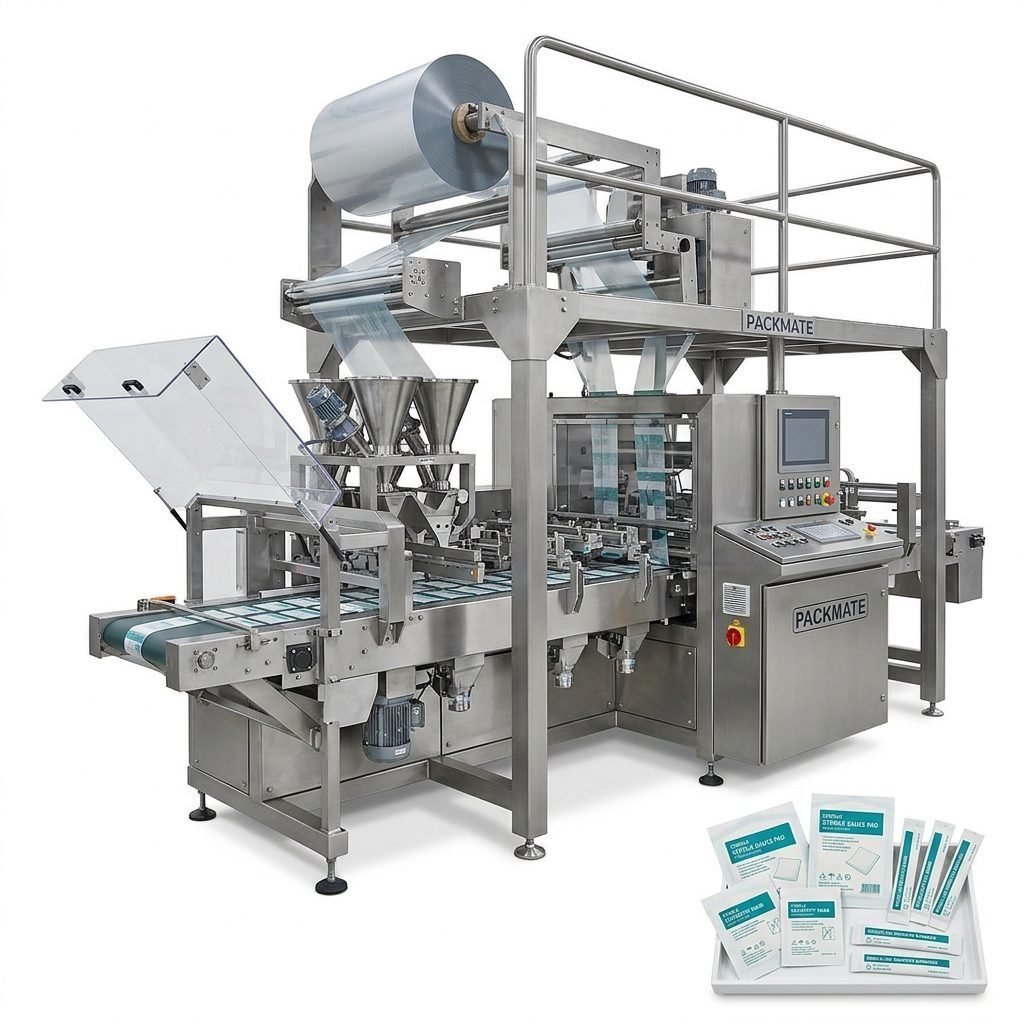
Choosing the right coffee packaging machinery is a critical decision for any roaster or producer. The right equipment not only protects your product’s freshness and flavor but also enhances your brand’s appeal on the shelf. This guide will walk you through the different types of machinery available, key cost factors, and essential tips for making a smart purchase.
Understanding the Core Types of Coffee Packaging Machinery
The world of coffee packaging is diverse, catering to different formats from whole beans to instant granules. Your primary choice will depend on your product type and target market.
1. Bag & Pouch Packaging Machines
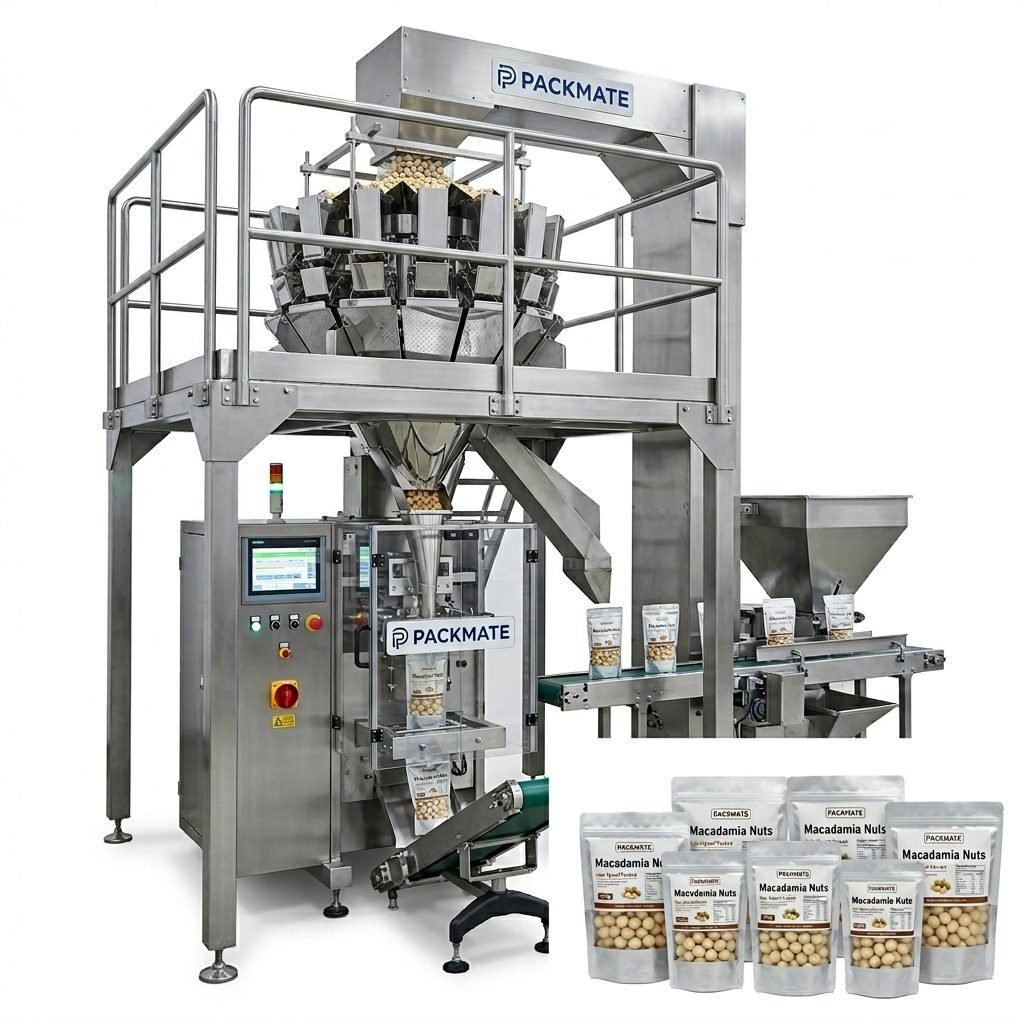
These are the workhorses for retail coffee bags, ideal for whole bean or ground coffee. They typically form, fill, and seal bags from a roll of packaging film. Options range from simple vertical form-fill-seal (VFFS) machines for stand-up pouches to more complex systems that include degassing valves and zipper applicators. For businesses looking to package coffee in flexible pouches, exploring dedicated Bag & Pouch Packaging Machines is a logical first step.
Best for: Retail bags of whole bean or ground coffee, often ranging from 250g to 1kg. They offer excellent barrier properties against oxygen and moisture when using multi-layer laminates.
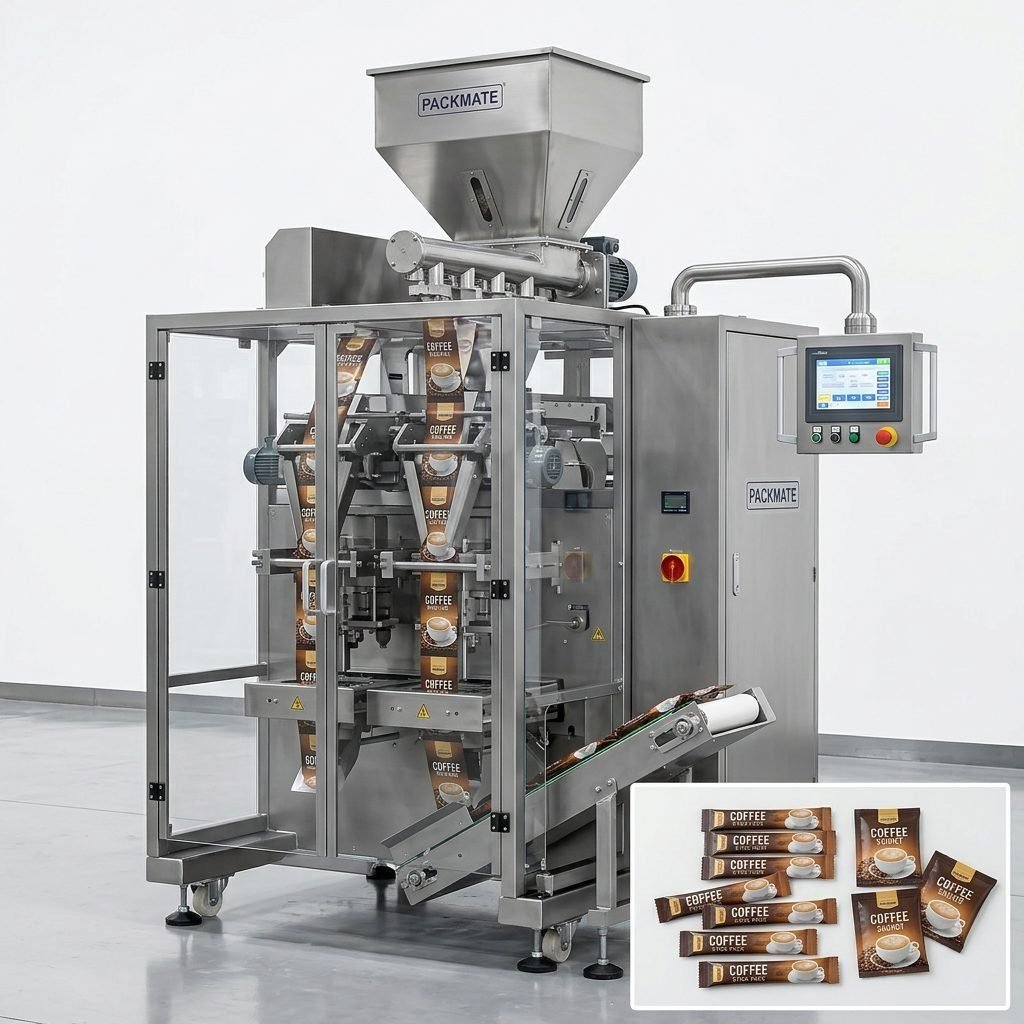
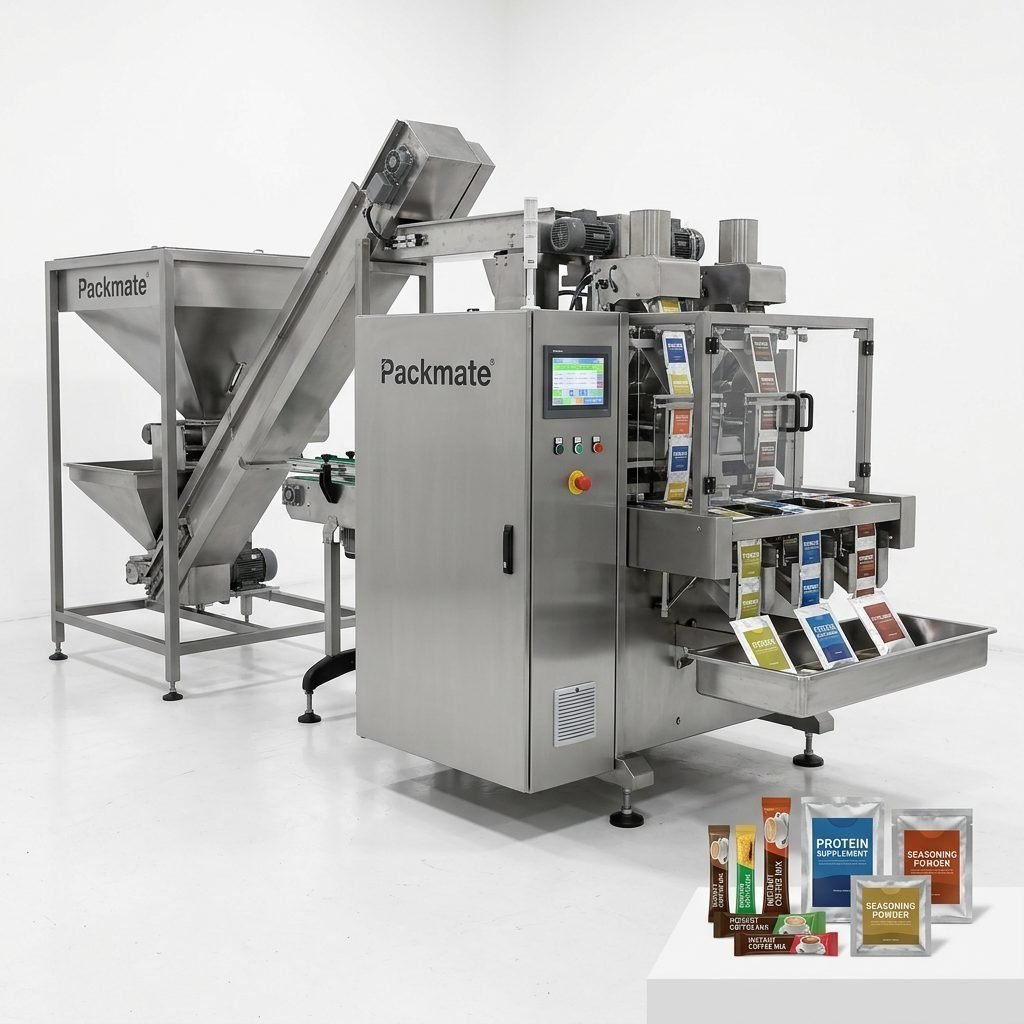
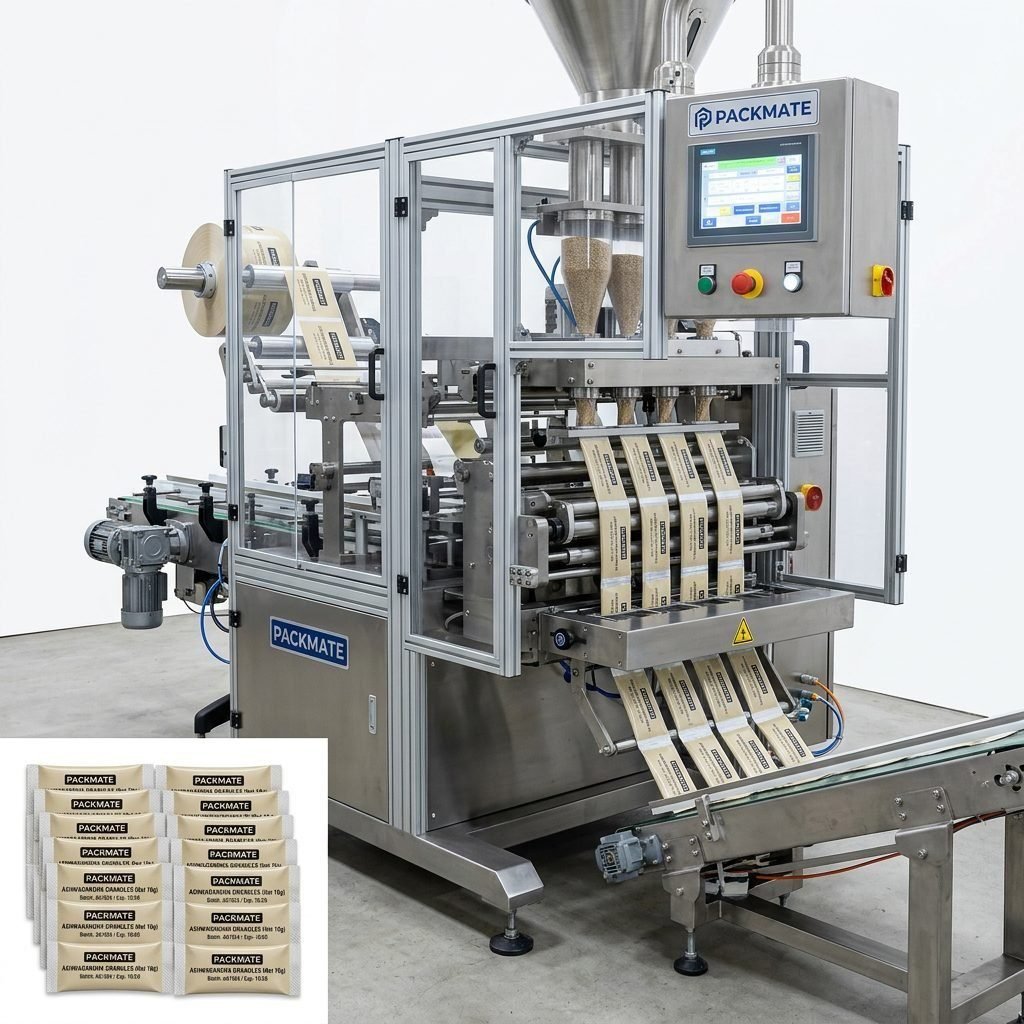
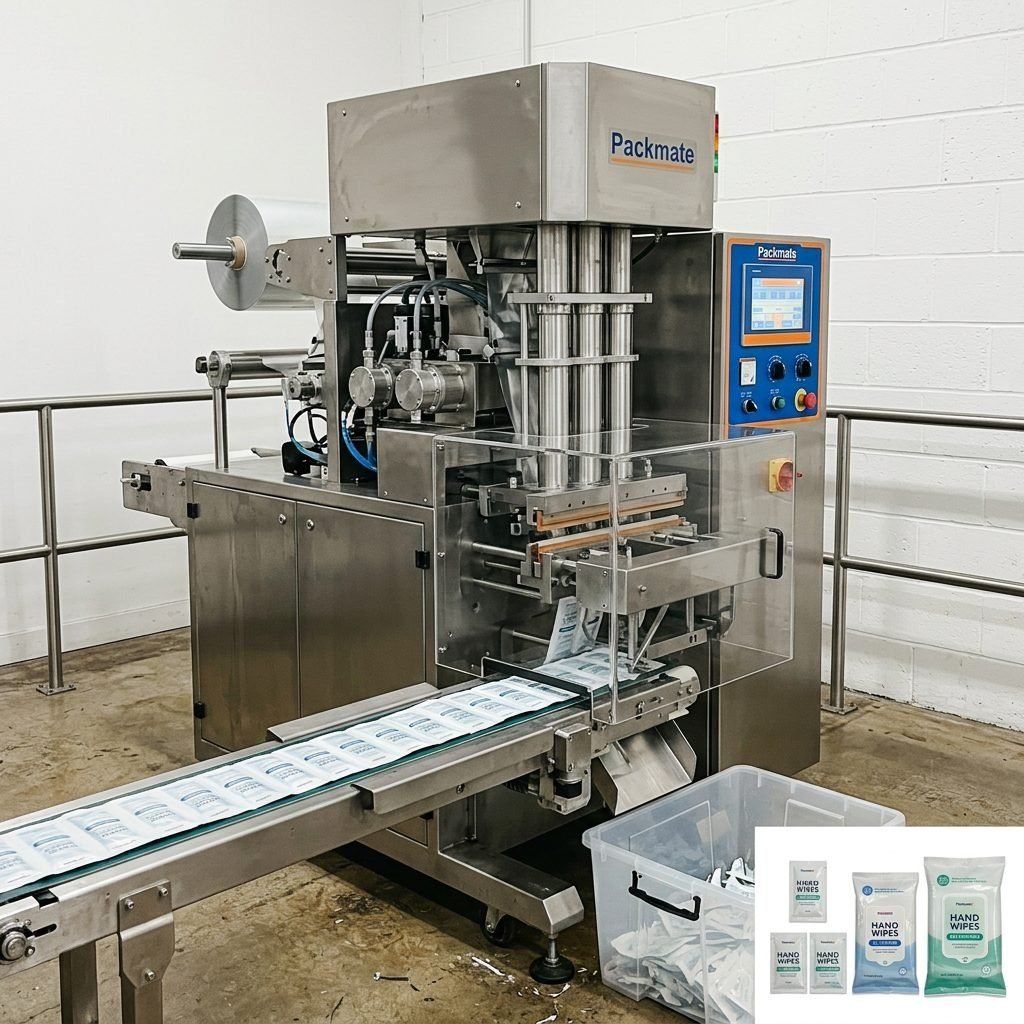
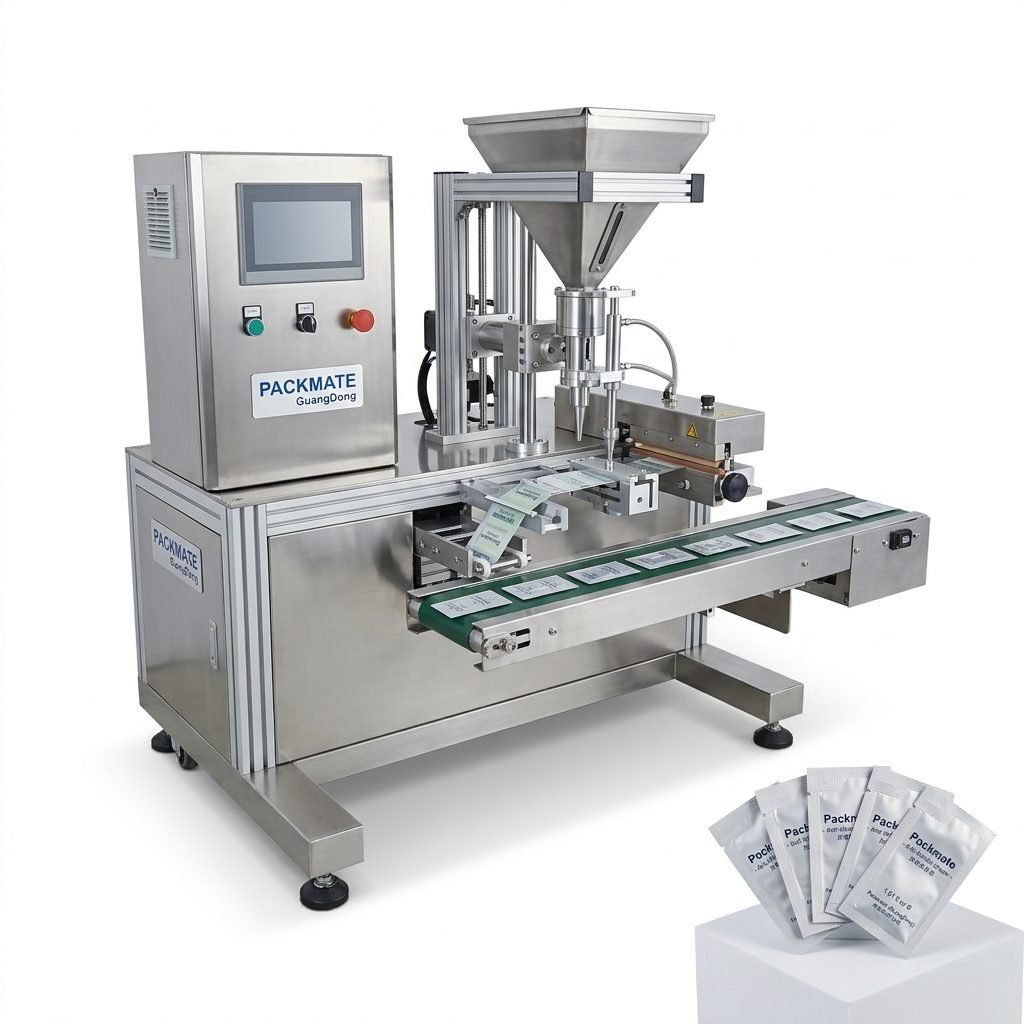
2. Sachet & Stick Pack Machines
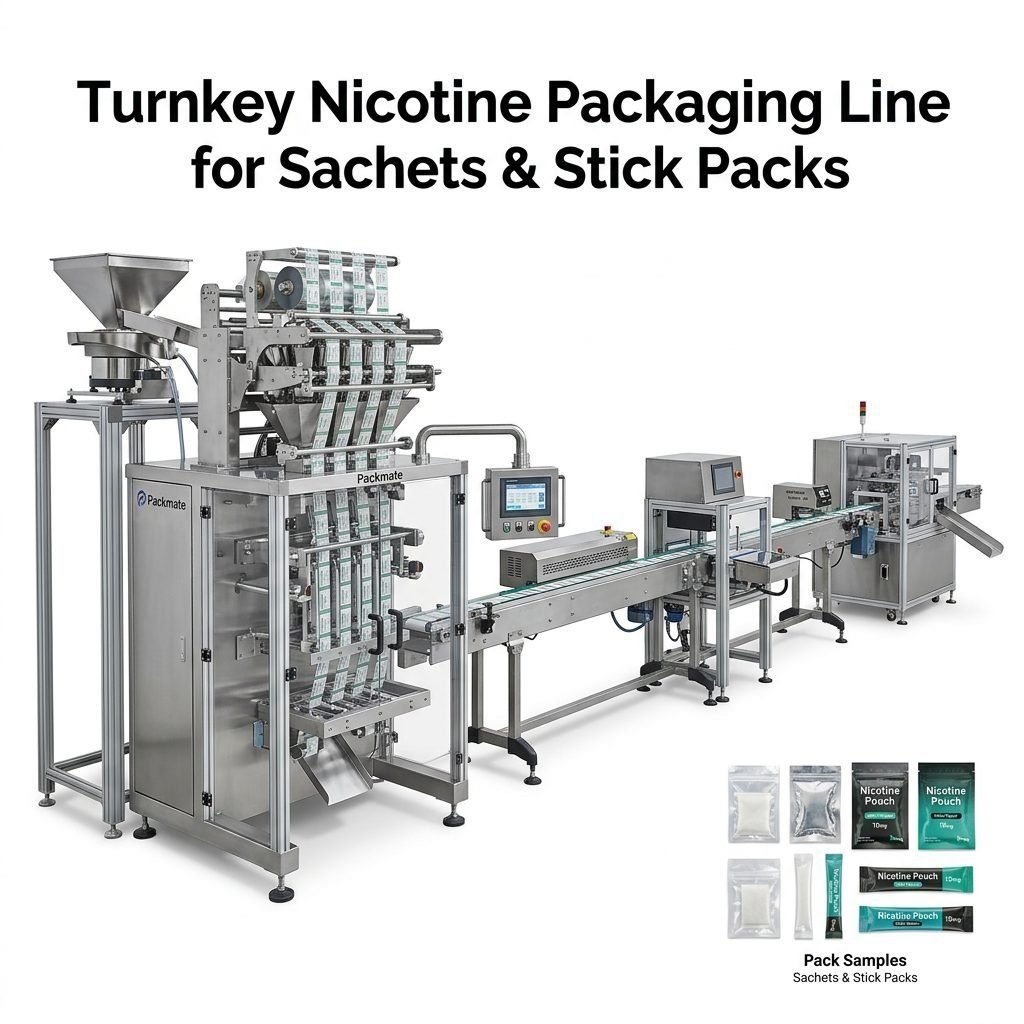
This category is essential for single-serve products like instant coffee, coffee mixes, or premium ground coffee for pour-over. Machines in this category are designed for high-speed, precise filling of small quantities. Multi-lane machines can produce dozens of sachets per minute, making them highly efficient for volume production. Manufacturers like Packmate Machinery specialize in such high-speed, intelligent systems for granular and powdered products.
Key Feature: Precision dosing is non-negotiable here. Even a slight variation in fill weight across thousands of sachets can lead to significant product giveaway and customer dissatisfaction.
3. Weighing and Filling Systems
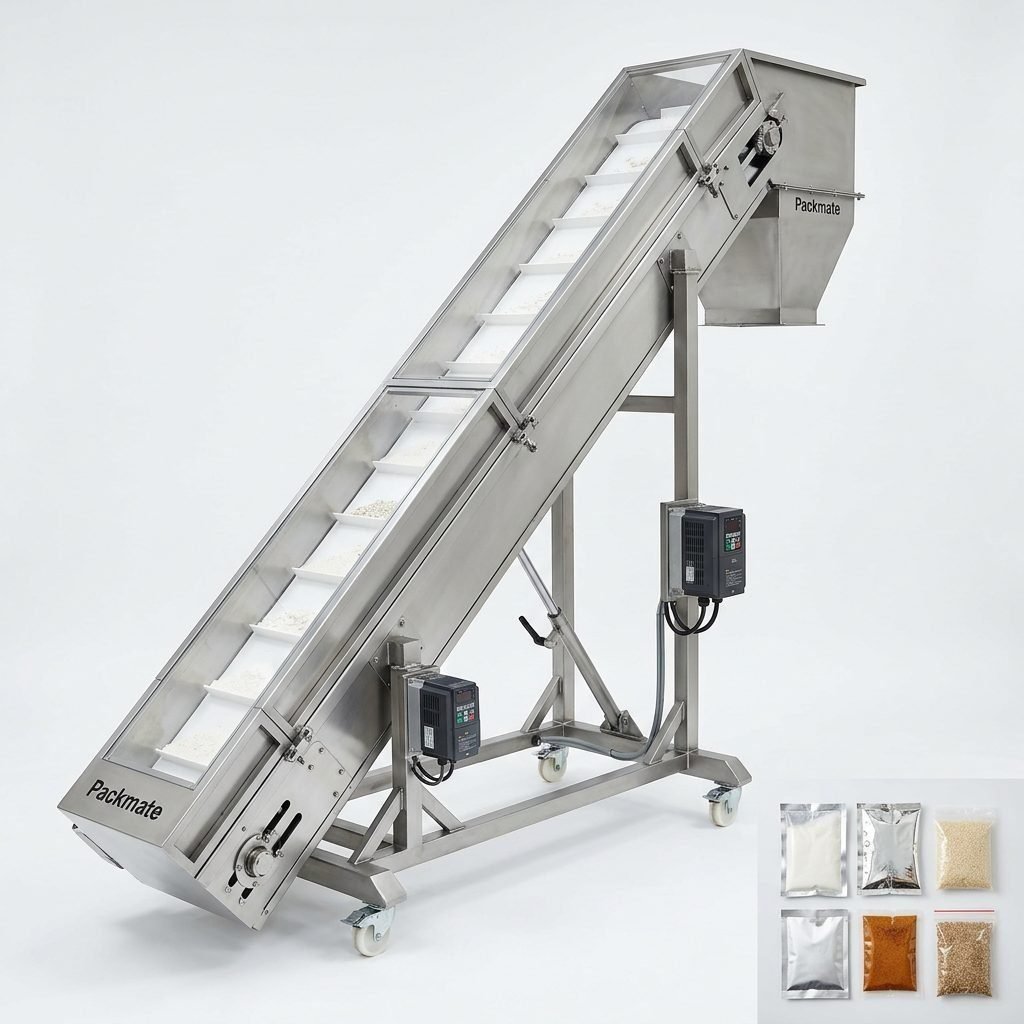
Accurate weight is crucial for compliance and cost control. These systems are often integrated upstream of the packaging machine. Volumetric fillers are common for ground coffee, while auger fillers offer precision for finer powders. For whole beans, multi-head weighers provide incredible speed and accuracy. A robust Weighing & Packaging System ensures every bag meets the stated weight, protecting your bottom line.
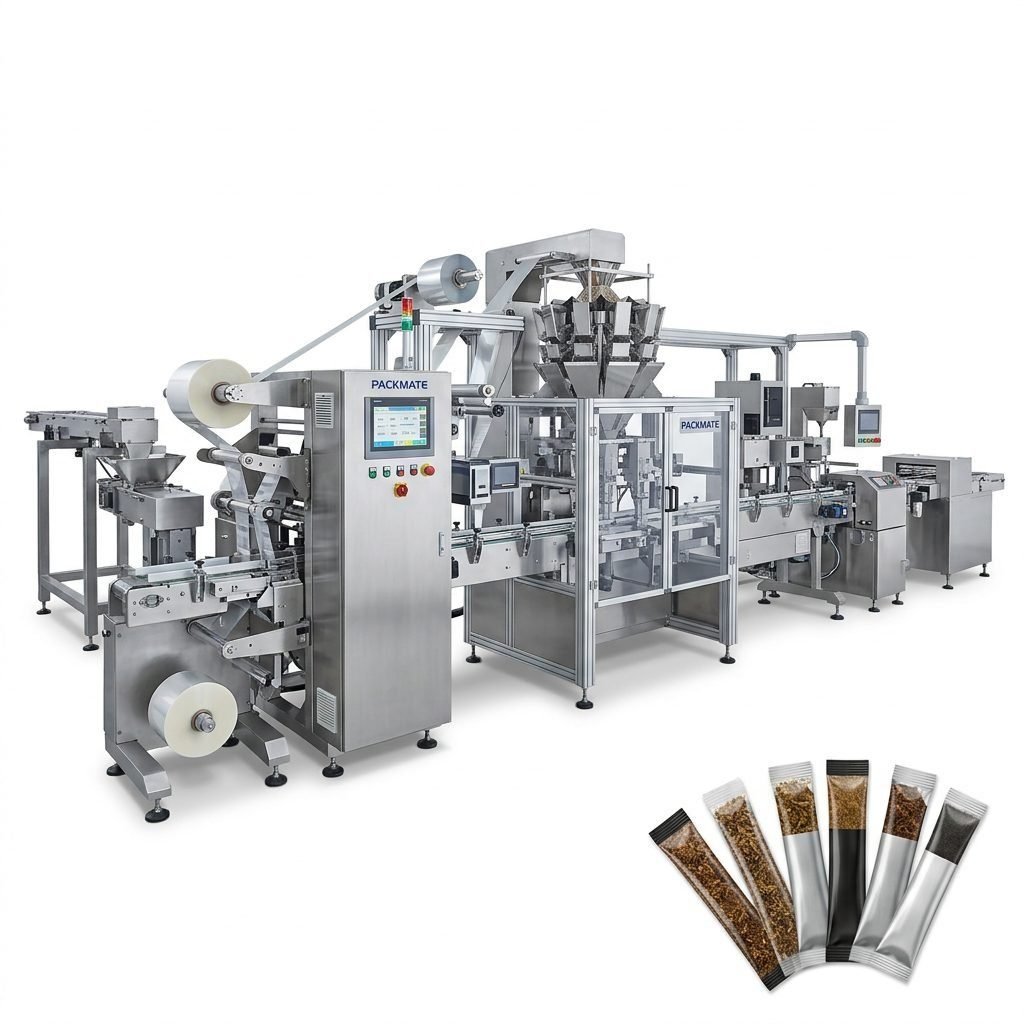
4. Complete Filling & Packaging Lines
For large-scale operations, a fully integrated line automates the entire process from filling to cartoning. This may include a bagging machine, a checkweigher to reject under/overweight bags, a metal detector, and a case packer. Investing in a complete Filling & Packaging Line maximizes throughput and minimizes labor while ensuring consistent quality.
Breaking Down the Costs: Investment and Beyond
The price of coffee packaging equipment varies dramatically. Understanding what you’re paying for helps in budgeting and ROI calculation.
Machine Price Factors
Automation Level: A fully automatic line costs significantly more than a semi-automatic machine but reduces long-term labor costs.
Speed (Output): Machines with higher bags-per-minute (BPM) capabilities command a premium.
Flexibility: Equipment that can handle multiple bag sizes, shapes, and materials (like flat bottom bags vs. stick packs) will be more expensive than a dedicated single-format machine.
Brand & Origin: Established brands with proven reliability and strong after-sales support, such as those with over 30 years of expertise in intelligent packaging, often have higher initial costs but lower lifetime cost of ownership.
Hidden and Ongoing Costs
Installation & Training: Factor in costs for technicians to install and commission the machine, and to train your operators.
Maintenance & Spare Parts: Regular servicing and a stock of common wear parts (like sealing jaws, film pull belts, and augers) are essential for uptime.
Packaging Materials: The machine will be designed for specific film types. Test your desired packaging material with the machine before purchase.
Utilities: Consider power consumption and compressed air requirements.
Essential Buying Tips for Your Coffee Packaging Machine
Making the right purchase requires more than just comparing price tags. Follow these steps to ensure a successful investment.
1. Define Your Requirements Precisely
Before talking to suppliers, document your needs: target output (bags/hour), bag size range, product form (whole bean, fine powder), required features (degassing valve, nitrogen flushing), and available factory space. Clarity here prevents you from buying an over- or under-specified machine.
2. Prioritize Reliability and Support
Downtime is lost revenue. Investigate the manufacturer’s reputation for build quality and reliability. A company with a modern 20,000㎡ manufacturing facility and advanced production equipment is often a good indicator of industrial-grade quality. Crucially, assess their after-sales service: Is there local technical support? What is the spare parts availability and lead time?
3. Request a Live Product Test
Never buy based on specifications alone. Send your actual coffee product and packaging material to the supplier for a factory test run. This “proof of concept” demonstrates the machine’s performance with your specific materials, showing filling accuracy, seal integrity, and actual speed.
4. Consider Future-Proofing
Plan for business growth. Can the machine handle a 20-30% increase in speed with minor modifications? Is it relatively easy to change over to a new bag size? A slightly more flexible machine may have a higher upfront cost but can save you from a premature upgrade.
Pro Tip: Ask for client references, especially from businesses with a similar profile to yours. Speaking directly to existing users provides invaluable insights into real-world performance and service experience.
5. Understand the Total Solution
Look for suppliers who offer more than just a machine. The best partners provide complete turnkey packaging solutions, including assistance with packaging material specification, line layout design, and integration with upstream/downstream equipment. This holistic approach ensures all components work seamlessly together.
Frequently Asked Questions (FAQs)
What is the typical price range for a coffee packaging machine?
Prices can range from $10,000 for a basic, semi-automatic tabletop machine to over $200,000 for a high-speed, fully automatic integrated packaging line. The final cost depends entirely on your required speed, automation, and features.
Can one machine package both whole bean coffee and fine instant coffee powder?
It is challenging. Whole bean packaging typically uses a scale weigher and a different bag type, while fine powders require an auger filler and often a different film for static control. Some advanced lines are modular, but it’s usually more efficient to have dedicated machines for vastly different product forms.
How important is nitrogen flushing in coffee packaging?
For whole bean and ground coffee, it is highly recommended. Nitrogen flushing removes oxygen from the bag, drastically slowing down oxidation and staling. It is essential for preserving freshness and extending shelf life, especially for premium products.
What maintenance does a packaging machine require?
Daily cleaning of product contact parts, weekly lubrication of moving parts, and periodic inspection/replacement of wear components like sealing jaws and cutting blades are standard. Always follow the manufacturer’s maintenance schedule to ensure optimal performance and longevity.
Where can I find reliable suppliers and more information?
Research industry-leading trade shows, professional B2B platforms, and manufacturers with strong track records. Reviewing a company’s Company Profile and history can provide confidence in their experience and stability. For specific technical queries, visiting the manufacturer’s FAQ page or contacting them directly is always best.