Stand up pouch packaging has revolutionized product presentation and preservation across industries. These versatile, self-supporting bags offer superior shelf presence, enhanced barrier properties, and consumer convenience. To leverage these benefits effectively, selecting the right stand up pouch packaging machine is critical. This guide explores the best machines and comprehensive solutions, helping you make an informed investment for your production line.
Understanding Stand Up Pouch Packaging Machines
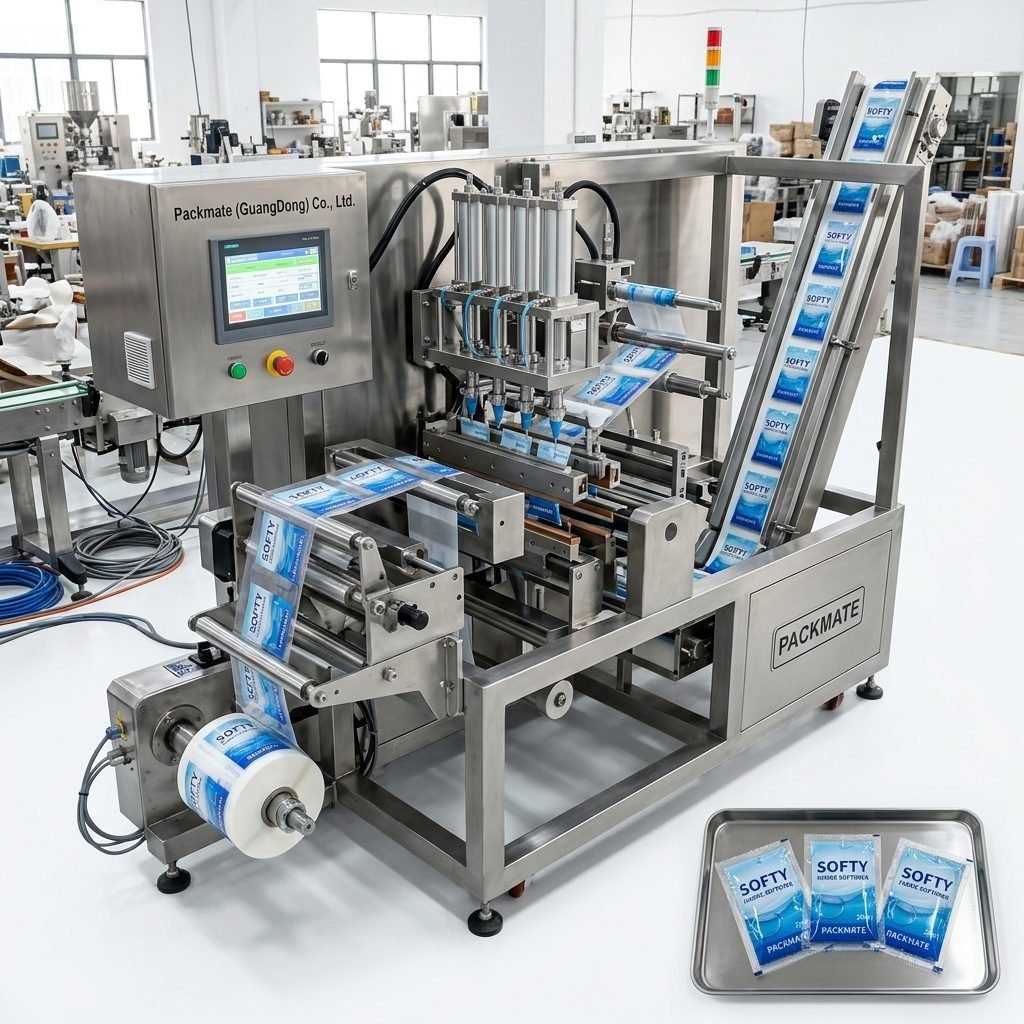
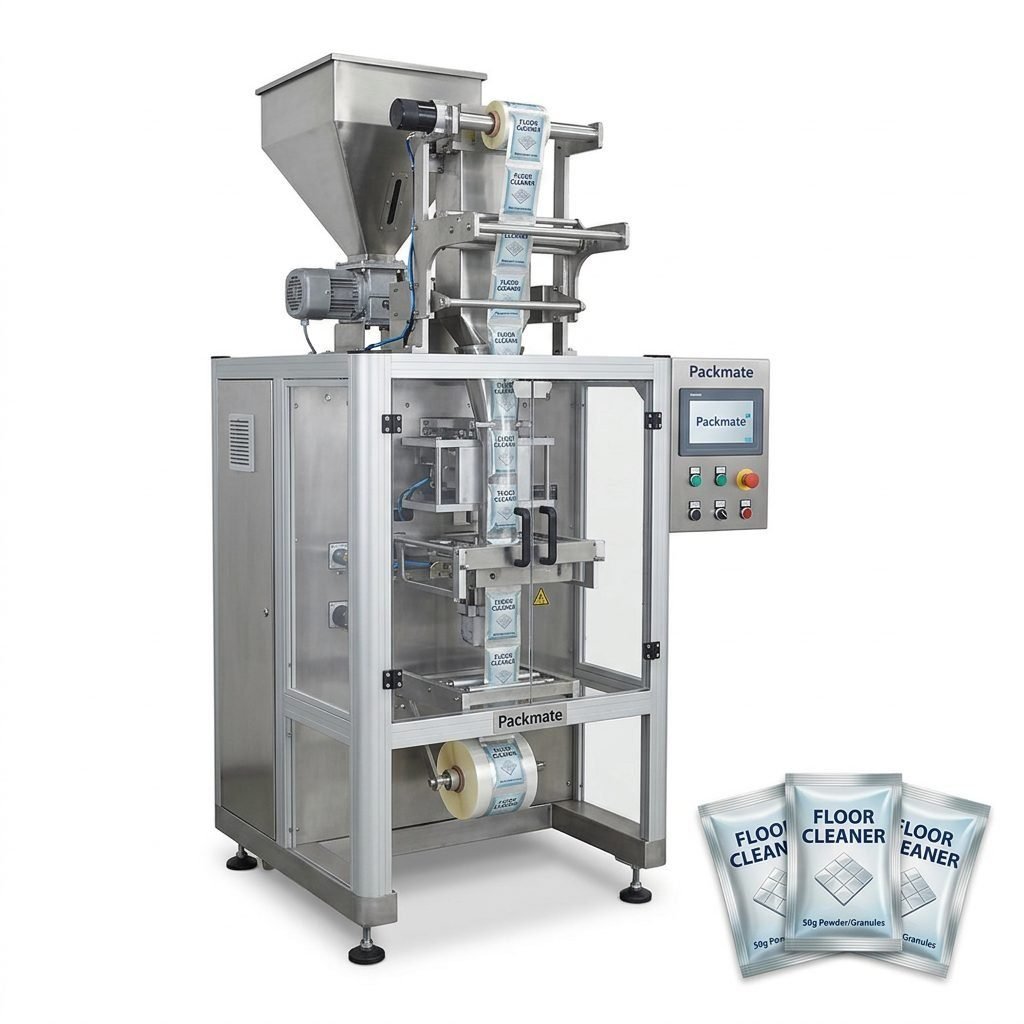
Stand up pouch machines are specialized equipment designed to form, fill, and seal pouches that can stand upright on shelves. They handle a variety of materials, including laminates with foil, PET, PE, and CPP, to create pouches with features like zippers, spouts, and tear notches. The core process involves unwinding the packaging film, forming it into a pouch shape, filling it with the product—be it granules, powders, or liquids—and then sealing it securely.
Key Takeaway: Modern machines integrate advanced technologies such as servo motors for precision, touch-screen PLC controls for ease of operation, and vision systems for quality inspection. This ensures high-speed production with minimal waste and consistent seal integrity.
Types of Stand Up Pouch Packaging Solutions
The market offers several configurations, each suited to different production scales and pouch styles.
Vertical Form Fill Seal (VFFS) Machines
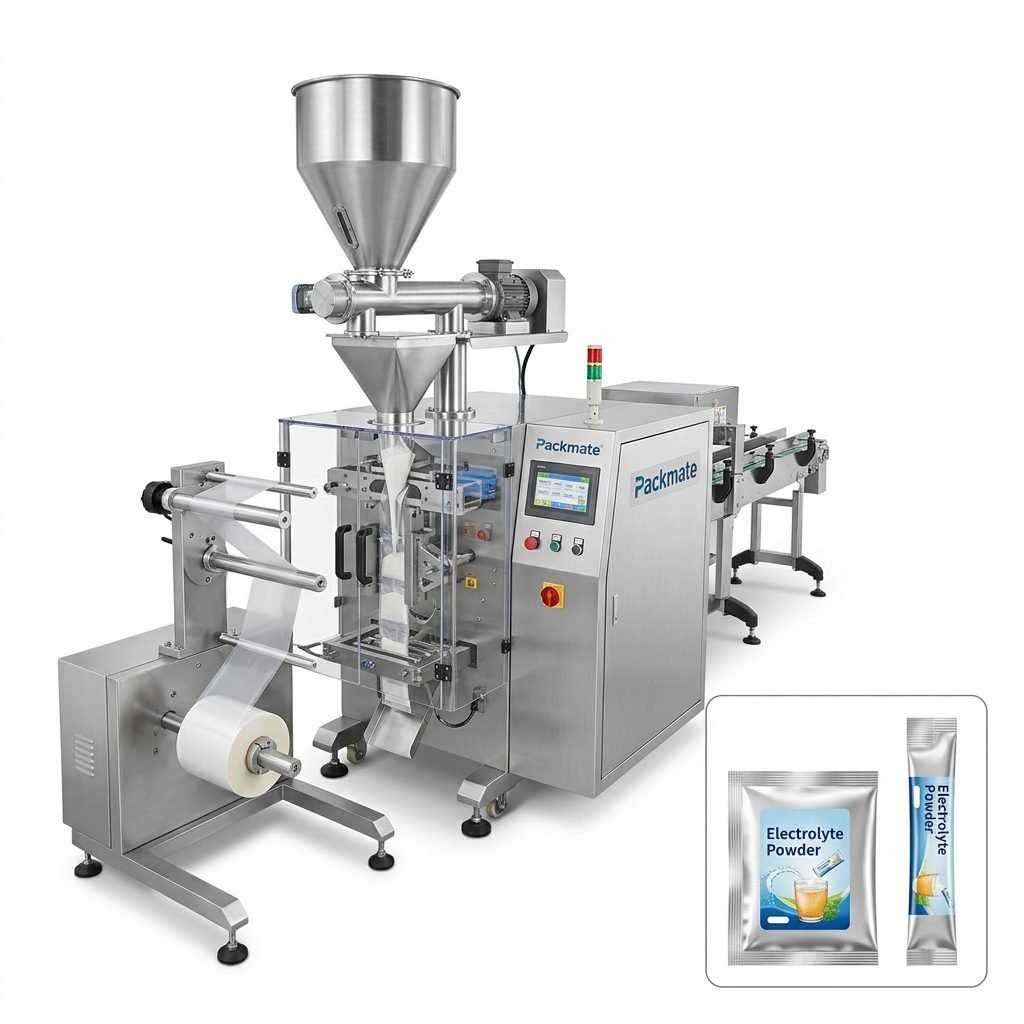
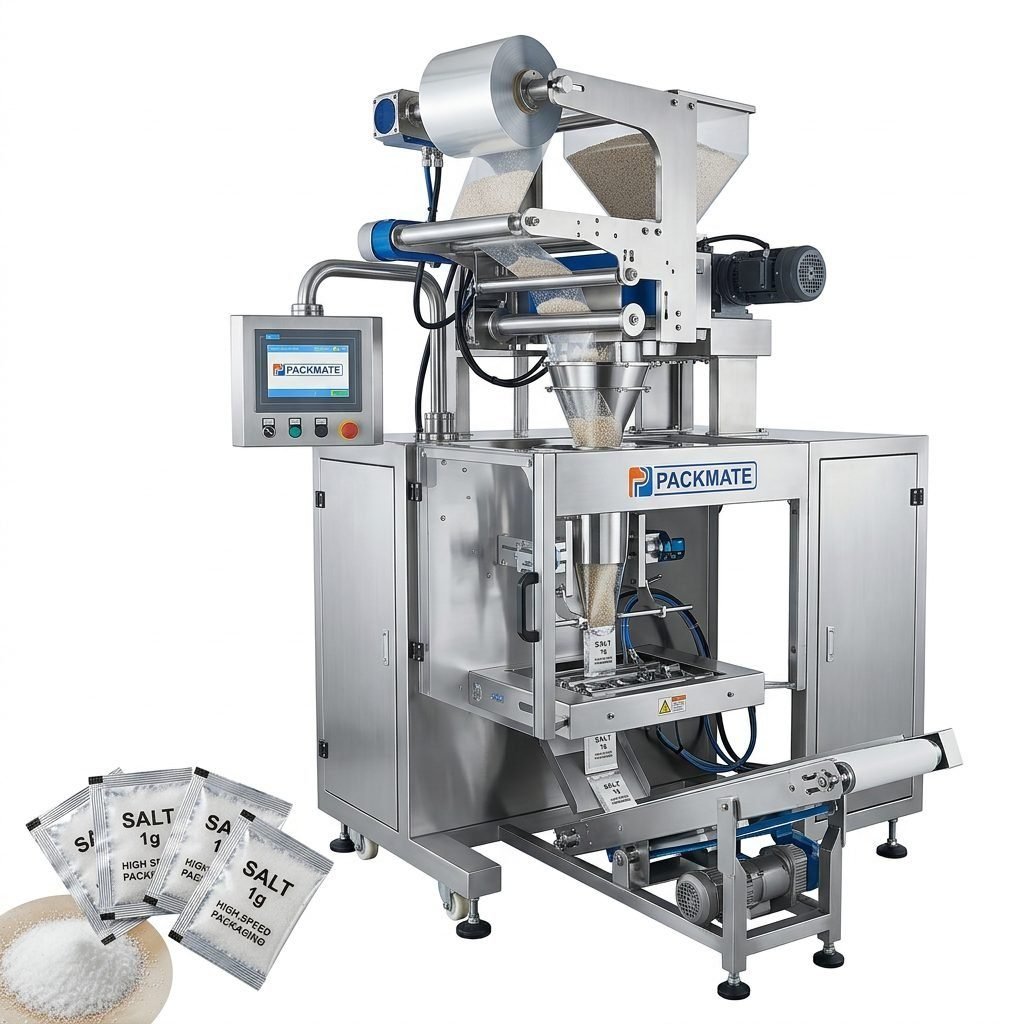
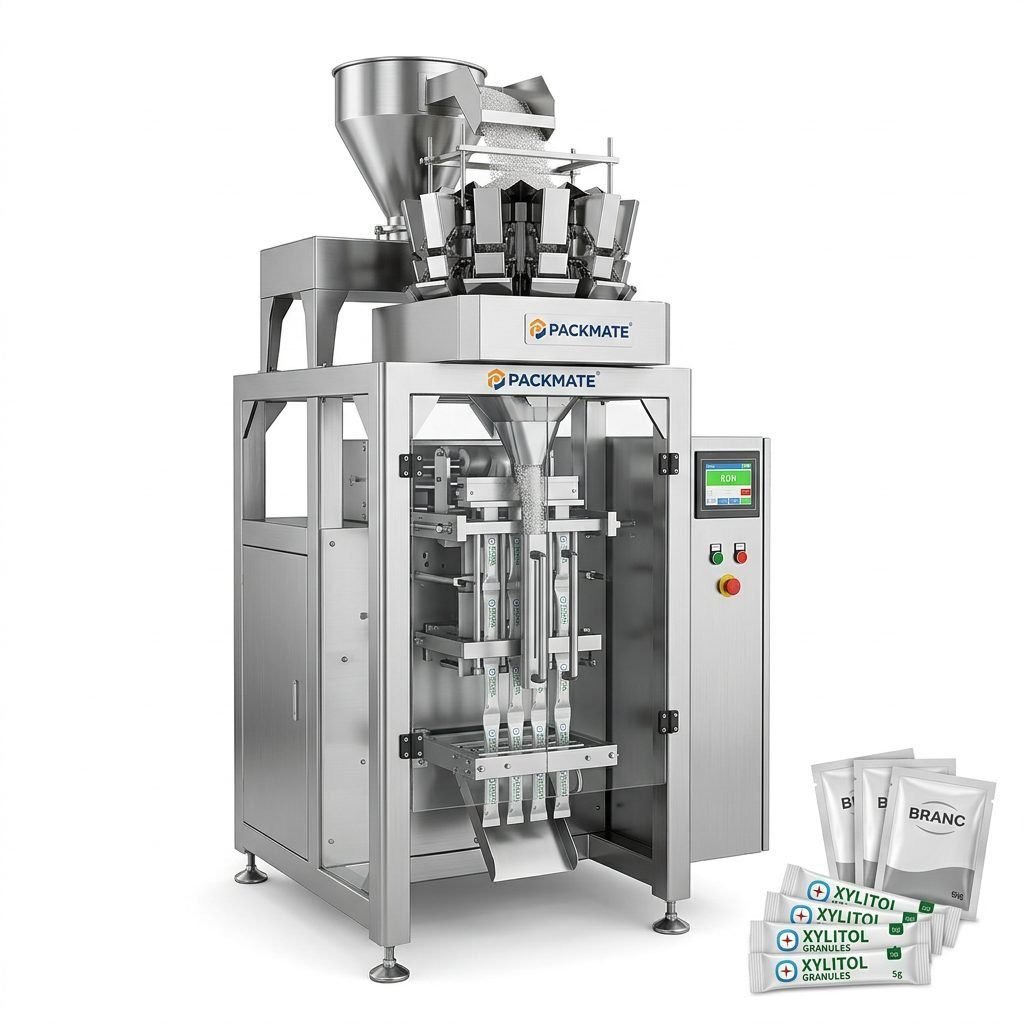
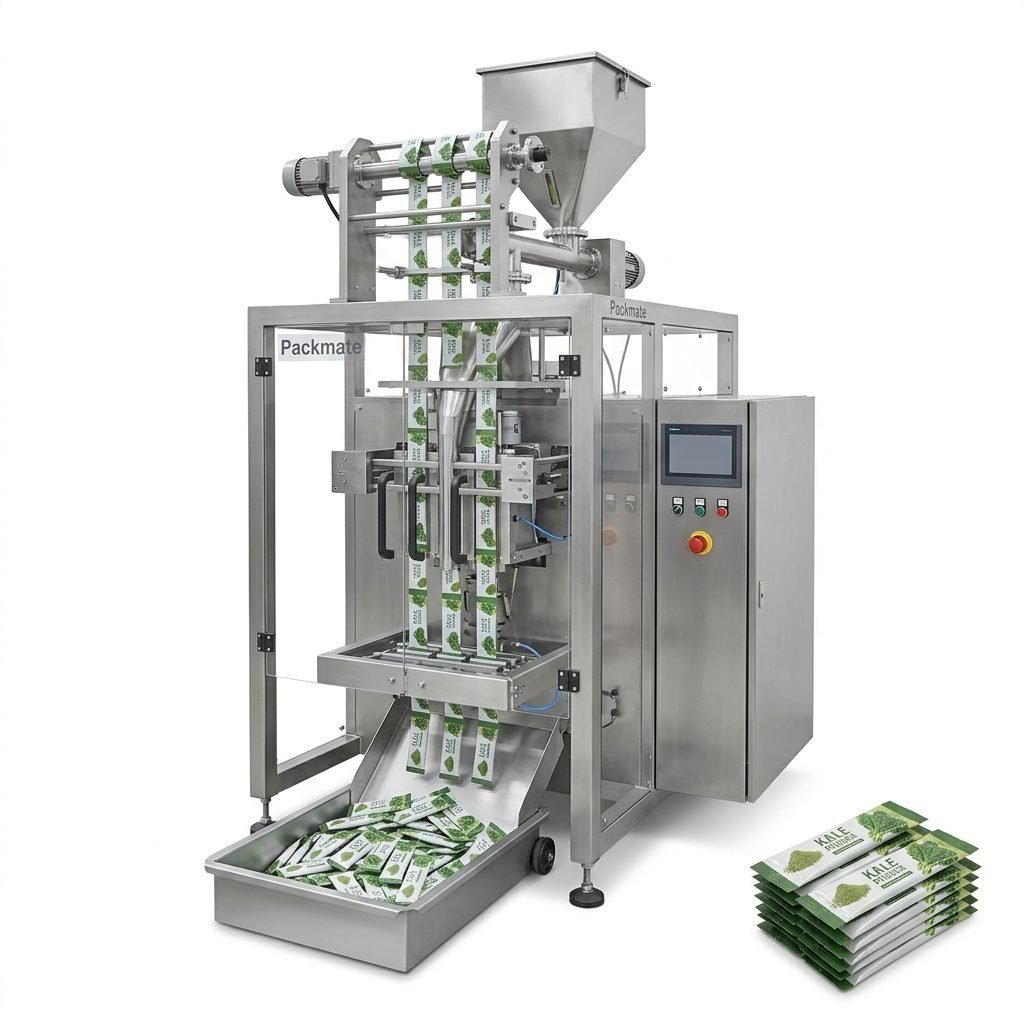
These are the most common for high-volume production. Film is fed vertically from a roll, formed into a tube, filled, and then sealed horizontally and vertically. They are ideal for creating simple stand up pouches from roll stock and are highly efficient for weighing and packaging systems integrated with auger or volumetric fillers.
Pre-Made Pouch Fill & Seal Machines
This system uses pre-manufactured, flat pouches. The machine opens the pouch, fills it, and then seals it. It is perfect for complex pouch designs with premade spouts or zippers and offers greater flexibility for short runs or premium products. Explore our range of bag & pouch packaging machines for such solutions.
Integrated Packaging Lines
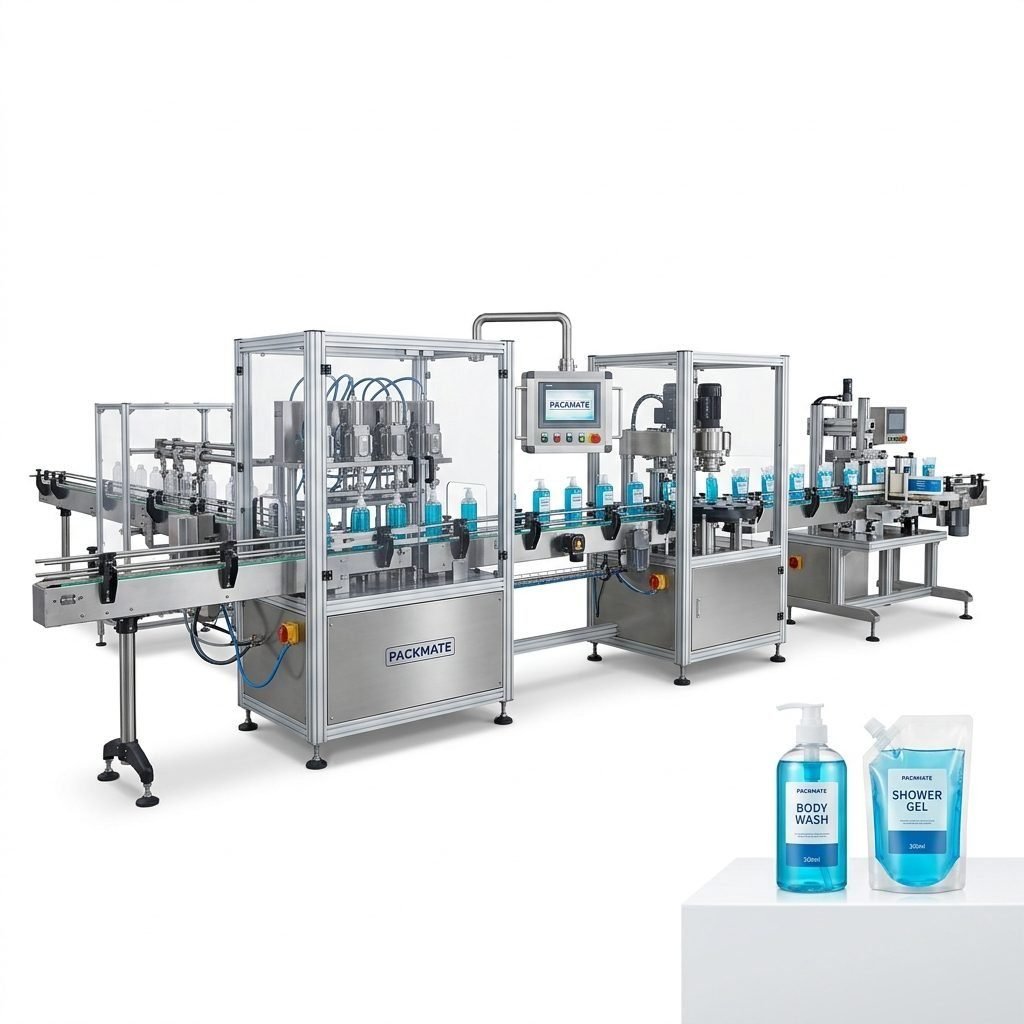
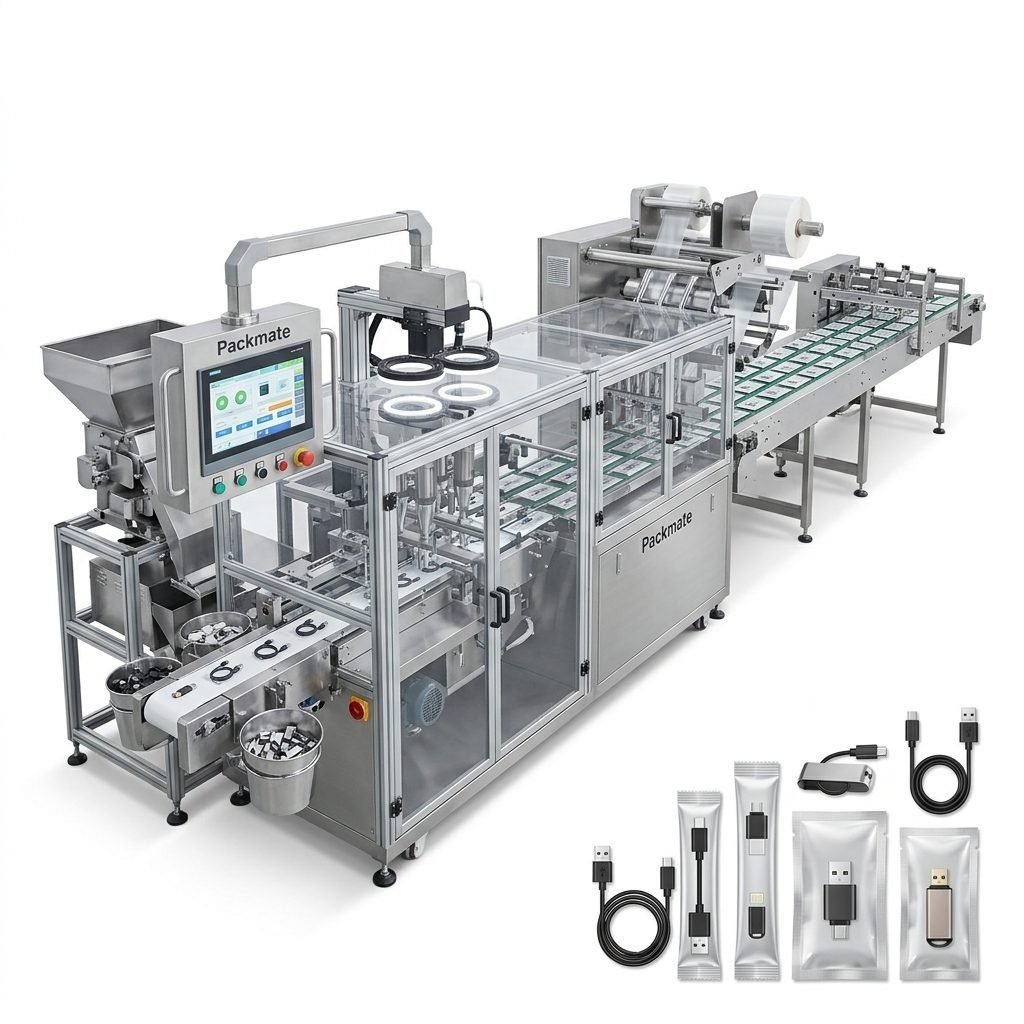
For a complete turnkey solution, machines are integrated with upstream and downstream equipment. This can include bag-in-box systems, cartoning machines, case packers, and palletizers. A fully integrated filling & packaging line maximizes throughput and minimizes manual handling.
Selecting the Best Machine: Key Considerations
Choosing the right equipment requires a thorough analysis of your specific needs.
Product Characteristics: The nature of your product is paramount. Fine powders require auger fillers with dust extraction, while granules work well with cup or weigh fillers. Liquids need precise liquid pumps. Abrasive or oily products demand specific film handling and sealing technologies.
Production Speed & Output: Determine your required output in pouches per minute (PPM). Speeds can range from 30 PPM for complex, large pouches to over 200 PPM for simple, small sachets. Match the machine’s capability to your current and projected future demand.
Pouch Specifications: Define the pouch size (length, width, gusset), material structure, and required features (zipper, spout, hang hole, tear notch). The machine must be capable of forming and sealing these specifications reliably.
Operational Efficiency & Changeover: Look for machines with quick-change parts and recipe storage on the HMI. This minimizes downtime when switching between different pouch sizes or products, a crucial factor for manufacturers with diverse SKUs.
Hygiene and Construction: For food, pharmaceutical, or nutraceutical applications, machines should have a stainless steel contact frame, easy-clean design, and comply with relevant safety standards like CE or UL. The robustness of the machine frame ensures long-term stability and precision.
The Role of a Trusted Manufacturer
Partnering with an experienced manufacturer like Packmate Machinery provides significant advantages. With over 30 years of expertise, such a partner offers more than just a machine; they provide a solution. This includes in-depth application testing, custom engineering for unique challenges, comprehensive training, and reliable after-sales support. Their deep knowledge, gained from serving global clients across the food, pharmaceutical, and health industries, ensures the machine is optimized for real-world performance and durability.
Innovations in Stand Up Pouch Packaging
The industry is continuously evolving, driven by sustainability and smart technology.
Sustainable Materials: There is a growing shift towards mono-material and recyclable film structures. Modern machines are being adapted to handle these often more challenging materials without compromising seal strength or production speed.
Smart Factory Integration: Industry 4.0 features are becoming standard. Machines equipped with IoT sensors can provide real-time data on output, efficiency (OEE), maintenance alerts, and energy consumption, enabling predictive maintenance and data-driven decision-making.
Enhanced Flexibility: Modular machine designs allow for easier upgrades and reconfiguration. A single platform might be adapted to run both stand up pouches and flat pouches, or to easily add a gas flushing module for modified atmosphere packaging (MAP).
Implementation and Best Practices
Successfully integrating a new stand up pouch machine involves careful planning.
Site Preparation: Ensure your facility has the correct power supply, compressed air, and sufficient space for the machine, film rolls, and material infeed. Proper foundation leveling is critical for high-speed operation.
Material Compatibility Testing: Always test your exact packaging film with the chosen machine before finalizing the purchase. This validates seal parameters, film tracking, and overall runnability.
Operator Training: Comprehensive training for operators and maintenance technicians is essential. Understanding daily operation, routine maintenance, and basic troubleshooting reduces downtime and extends machine life. Manufacturers often provide this as part of their service package.
Conclusion
Investing in the best stand up pouch packaging machine is a strategic decision that impacts product quality, brand perception, and operational profitability. By carefully evaluating your product needs, production goals, and partnering with a reputable manufacturer who offers robust solutions—from single machines to complete packaging lines—you can achieve a seamless, efficient, and future-proof packaging operation. The right machine is not just an expense; it’s a tool for growth and market differentiation.
Frequently Asked Questions (FAQs)
What is the typical speed range for a stand up pouch machine?
Speeds vary widely based on pouch size and complexity. For standard medium-sized pouches, speeds of 40-80 pouches per minute (PPM) are common. High-speed models for small sachets can exceed 200 PPM, while large, complex pouches with spouts may run at 20-40 PPM.
Can one machine handle different pouch sizes and materials?
Yes, most modern machines are designed for quick changeover. By changing the forming shoulder, sealing jaws, and filler attachments, and loading different film rolls, a single machine can run multiple pouch sizes. However, switching between vastly different materials (e.g., from a laminate to a recyclable mono-material) may require parameter adjustments and potentially different jaw temperatures.
How important is after-sales service when purchasing a packaging machine?
It is critically important. Reliable technical support, availability of spare parts, and access to service engineers ensure minimal production downtime. Always choose a manufacturer with a proven global service network and a commitment to long-term support, as this protects your investment for years to come.
What are the main differences between VFFS and pre-made pouch machines?
VFFS machines create the pouch from roll stock, offering lower cost-per-pouch and higher speeds for standard designs. Pre-made pouch machines use finished pouches, allowing for more complex pre-applied features (like sturdy zippers or shaped spouts) and are better for shorter runs or when pouch decoration is done offline prior to filling.
What safety certifications should I look for?
Key certifications include CE (for the European market), which ensures the machine meets EU health, safety, and environmental standards. Other important standards may include UL for electrical safety (common in North America) and potentially food-grade certifications for machine construction materials in contact with product.