Selecting the right shrink wrap machine is a critical decision for any business involved in packaging and distribution. The correct equipment can dramatically enhance product presentation, improve packaging speed, ensure secure transit, and ultimately protect your brand reputation. This comprehensive guide will walk you through the different types of shrink wrap machines, their primary uses, and the key factors you must consider to make an informed purchase that aligns with your operational needs and budget.
Understanding the Core Types of Shrink Wrap Machines
Shrink wrap machines are categorized based on their automation level and sealing method. Knowing these categories is the first step to narrowing down your options.
L-Bar Sealers (Manual & Semi-Automatic)
These are among the most common and cost-effective entry points into shrink wrapping. An L-Bar sealer uses a heated bar in an “L” shape to seal the top and one side of the film draped over a product. The operator manually places the product and film, triggers the seal, and then transfers the bagged item to a shrink tunnel or uses a heat gun. They are ideal for low to medium volume production, large or irregularly shaped items, and businesses with varied product sizes.
Sleeve Wrappers
Sleeve wrappers create a sealed tube or sleeve of film around a product. The product is conveyed through the machine, where film is wrapped around it and a longitudinal seal is made. The ends remain open until they pass through a shrink tunnel, where heat causes the film to tighten. This type is excellent for bundling multiple items together (like beverage cans or software boxes) and providing a tamper-evident seal.
Full-Body Sleeve Labelers
A specialized form of sleeve wrapping, these machines apply a printed shrink film that conforms tightly to the entire contour of a container, such as a bottle. This is primarily used for high-impact, 360-degree product labeling and decoration in the food, beverage, and cosmetic industries, offering superior graphics compared to traditional labels.
Automatic Shrink Wrapping Systems
These are integrated, high-speed systems that combine film dispensing, product conveying, sealing, and shrinking into one continuous automated line. They require minimal operator intervention and are designed for high-volume, uniform production environments. Investing in a system from an experienced manufacturer like Packmate Machinery ensures reliability and can include customized integration with other packaging lines.
Primary Applications and Industry Uses
Shrink wrapping is versatile. Its applications span numerous sectors, each with specific requirements.
Food & Beverage
Shrink wrapping secures multi-packs, provides tamper evidence, and protects against moisture and contaminants. It’s used for bundling cans, bottles, and wrapping bakery items or frozen foods.
Pharmaceutical & Healthcare
Here, hygiene and tamper evidence are paramount. Shrink wrap seals medicine boxes, sterilized kits, and bundles promotional samples, ensuring product integrity from manufacturer to end-user.
Consumer Goods & Retail
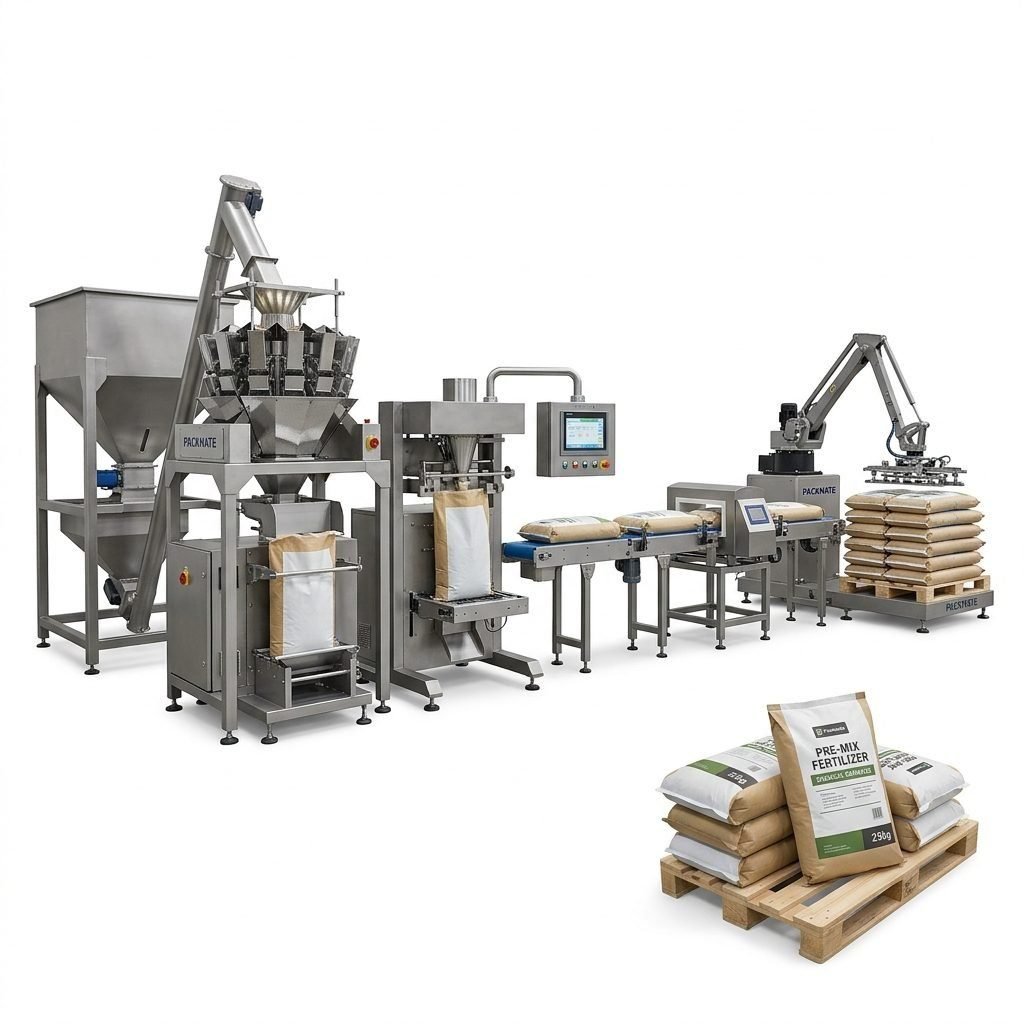
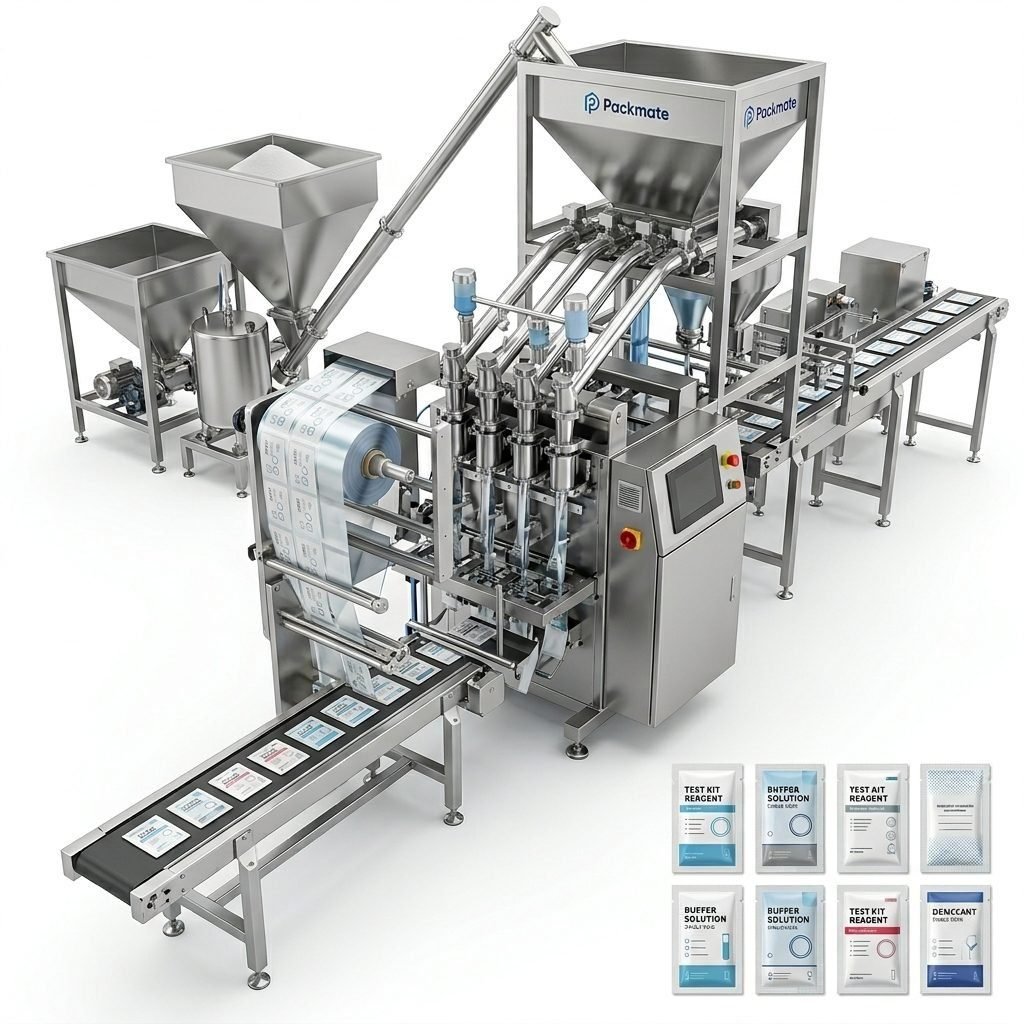
From software and books to toys and hardware, shrink wrap provides a clean, professional finish, protects products on shelves, and can bundle items with promotional materials. For businesses looking to scale, exploring integrated filling and packaging lines can streamline the entire process.
Logistics & Shipping
Shrink wrapping pallet loads stabilizes the items, protects them from dust and moisture during transit, and deters pilferage. This is often done with large, industrial-grade stretch wrap machines.
How to Choose the Right Machine: A Step-by-Step Guide
Making the right choice involves a careful analysis of your products, output, and operational environment.
1. Analyze Your Product Profile
Start by listing every item you need to wrap. Consider their dimensions (length, width, height), weight, shape (regular or irregular), and material sensitivity (can it withstand heat?). The size and variability of your products will directly determine the machine chamber size and film width requirements.
2. Determine Your Production Volume & Speed
Be realistic about your current and projected output. How many packages do you need to wrap per hour, shift, or day? A manual L-bar sealer might suffice for a few hundred units, but for thousands, a semi-automatic or fully automatic system is necessary to maintain efficiency and reduce labor costs.
3. Select the Appropriate Automation Level
- Manual/Semi-Automatic: Best for low volume, high-mix, or large items. Lower initial investment but higher per-unit labor cost.
- Fully Automatic: Essential for high-volume, consistent product lines. Higher upfront cost but significantly lower operating cost and higher consistency.
4. Consider the Film Type and Sealing Method
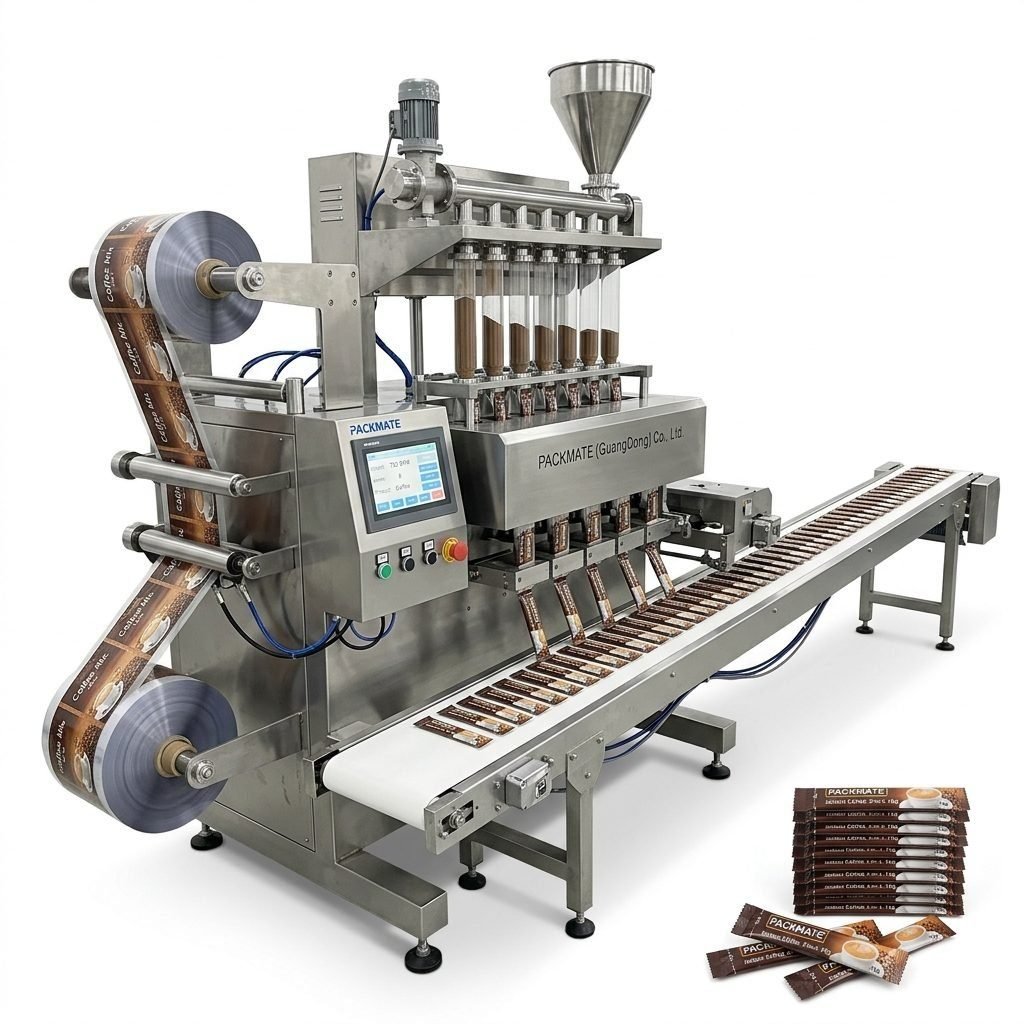
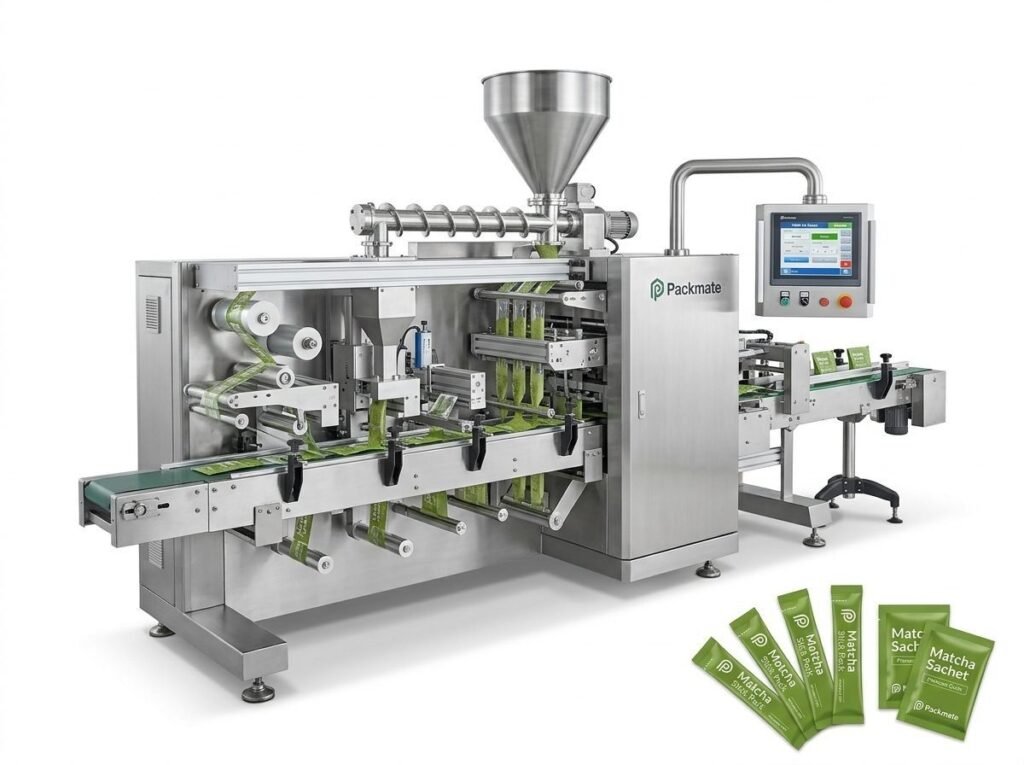
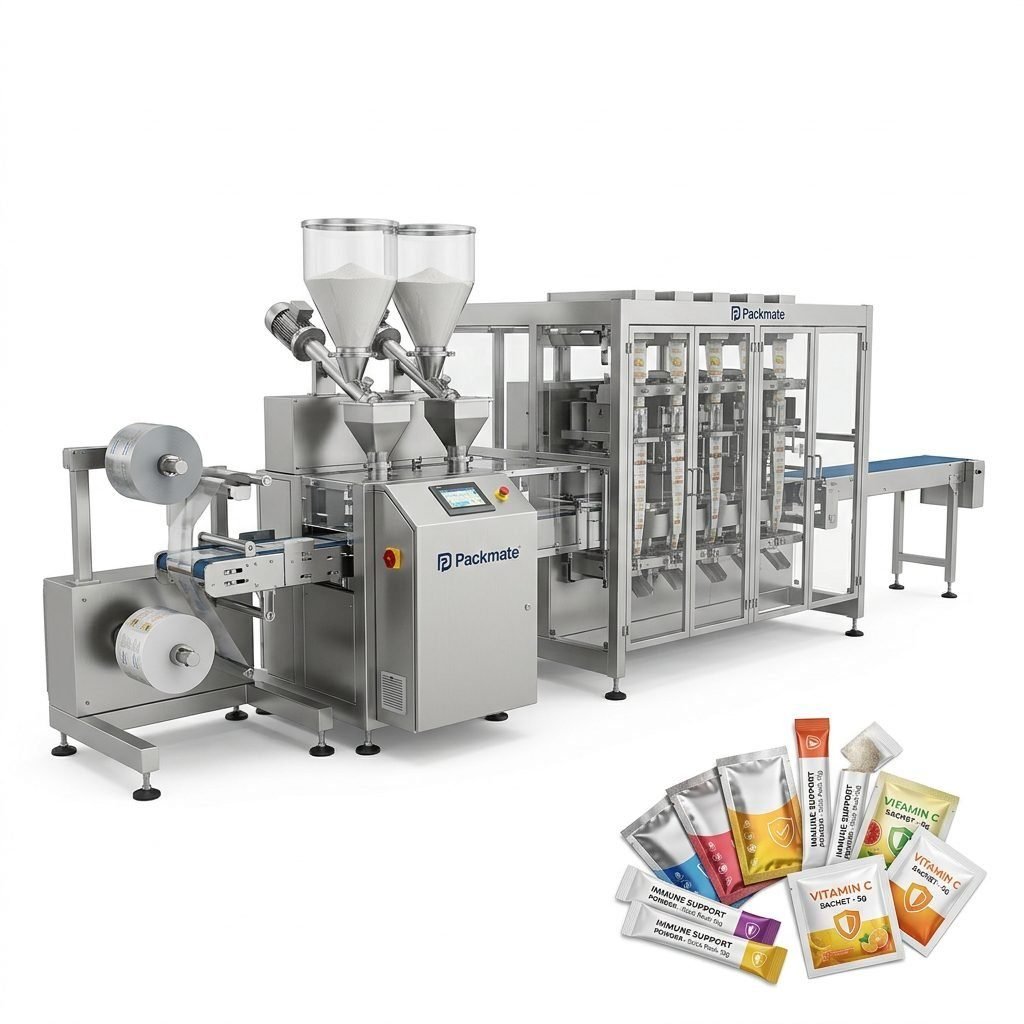
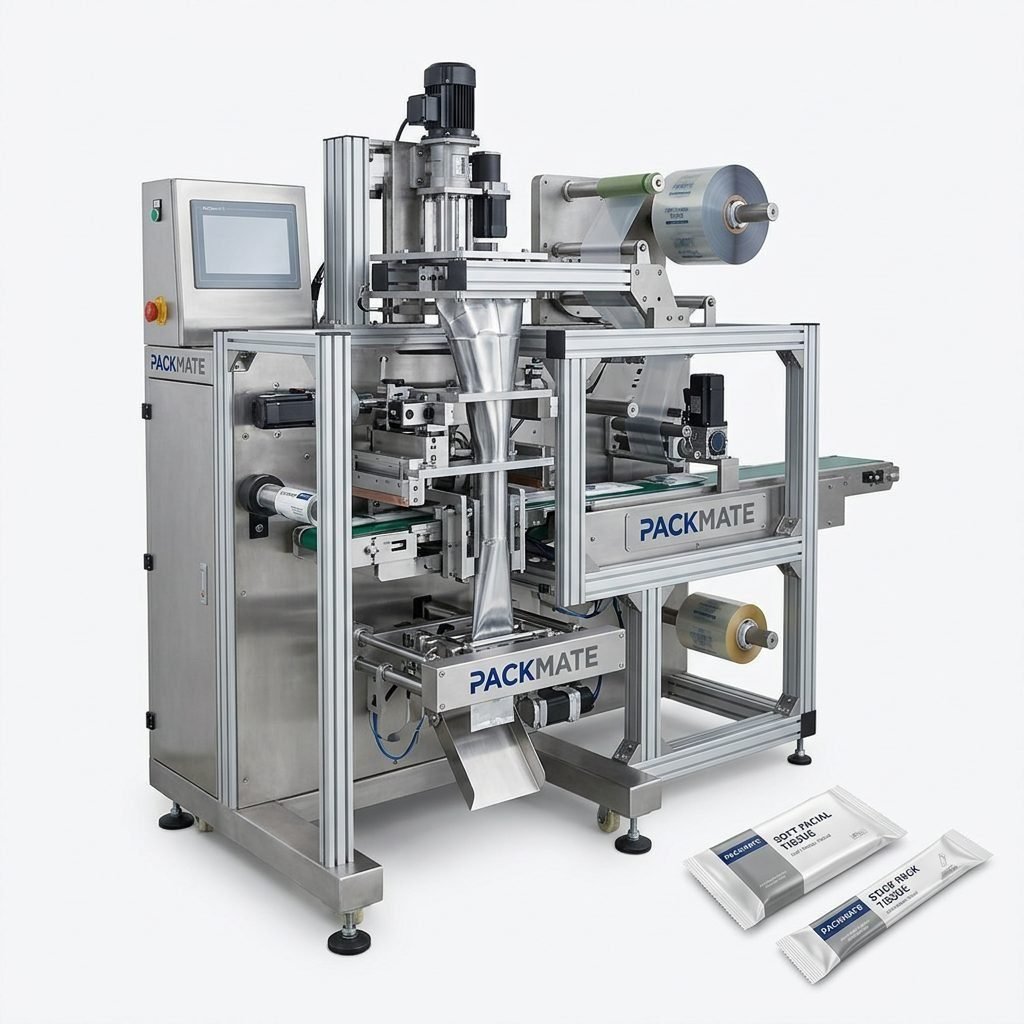
The machine must be compatible with your chosen shrink film (e.g., Polyolefin, PVC, Polyethylene). Also, understand the sealing mechanism—impulse sealers, constant heat sealers, or hot wire cutters—as this affects seal strength and appearance. For specialized needs like small-format packaging, you might also investigate complementary equipment such as sachet and stick pack machines.
5. Evaluate Machine Features and Build Quality
Look for durable construction (stainless steel contact parts are preferred for food/pharma), adjustable temperature and speed controls, safety features (emergency stops, thermal overload protection), and ease of maintenance. A machine built to last from a reputable manufacturer with a strong track record, like Packmate with its over 30 years of expertise and 20,000㎡ modern facility, is a wiser long-term investment.
6. Plan for Space, Utilities, and Budget
Measure your available floor space. Machines require room for operation, film loading, and product in-feed/out-feed. Check utility requirements (electrical specs, compressed air). Finally, establish a total budget that includes the machine, any necessary accessories (conveyors, tunnels), installation, and training.
7. Prioritize Supplier Support and Service
The relationship with your supplier doesn’t end at purchase. Ensure they offer comprehensive warranty, readily available spare parts, technical support, and operator training. A supplier with a global service network can be invaluable. Reviewing a supplier’s case studies and project portfolio can provide confidence in their capability to deliver and support your solution.
Conclusion
Choosing a shrink wrap machine is a strategic investment in your packaging operations. By thoroughly understanding the different machine types, clearly defining your product and output requirements, and carefully evaluating potential suppliers based on quality, features, and support, you can select a system that boosts your efficiency, enhances your product presentation, and grows with your business. Partnering with an established and innovative manufacturer provides the foundation for a successful and reliable packaging process.
Frequently Asked Questions (FAQs)
What is the main difference between a sealer and a shrink tunnel?
A sealer (like an L-Bar sealer) creates the sealed plastic bag around the product. A shrink tunnel is a separate heated chamber that the sealed bag passes through; the heat causes the film to contract tightly around the product. Some systems integrate both functions.
Can one machine handle many different product sizes?
Yes, but with limitations. Manual and semi-automatic L-Bar sealers are very adaptable to size changes. Automatic machines often require tooling adjustments or changeover parts to switch between significantly different product dimensions efficiently.
What type of shrink film should I use?
The most common types are Polyolefin (POF), which is strong, clear, and eco-friendlier; Polyvinyl Chloride (PVC), which is cost-effective and has good clarity; and Polyethylene (PE), which is very durable and used for heavy items. Your machine supplier can recommend the best film for your product and machine.
How do I maintain my shrink wrap machine?
Regular maintenance includes cleaning the sealing elements to remove film residue, checking and tightening loose components, lubricating moving parts as per the manual, and inspecting heating elements and wiring for wear. Always follow the manufacturer’s specific maintenance schedule.
Is it worth investing in a fully automatic machine for a new business?
It depends on your projected growth and capital. For a new business with uncertain volume, starting with a reliable semi-automatic machine is often a prudent choice. It allows you to establish your process with a lower investment. You can then upgrade to an automatic system as your demand solidifies and increases.