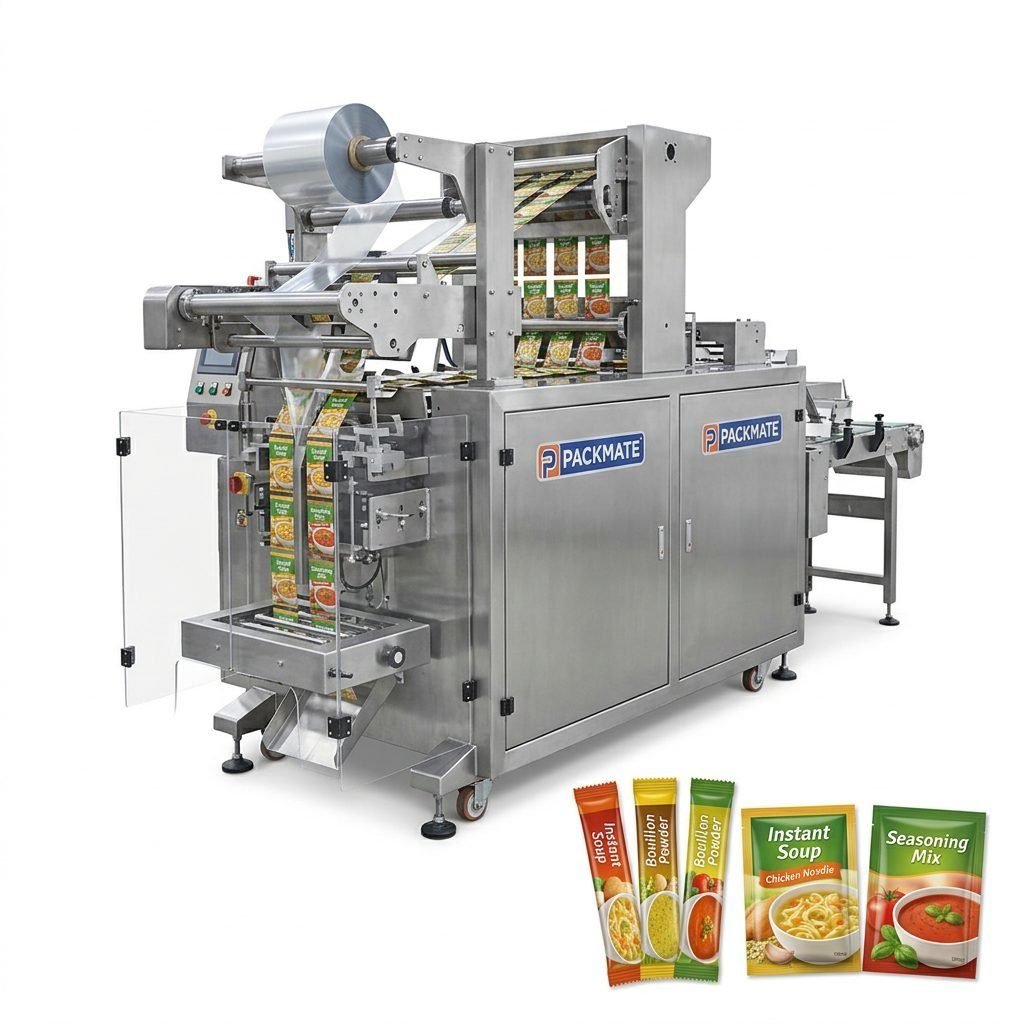
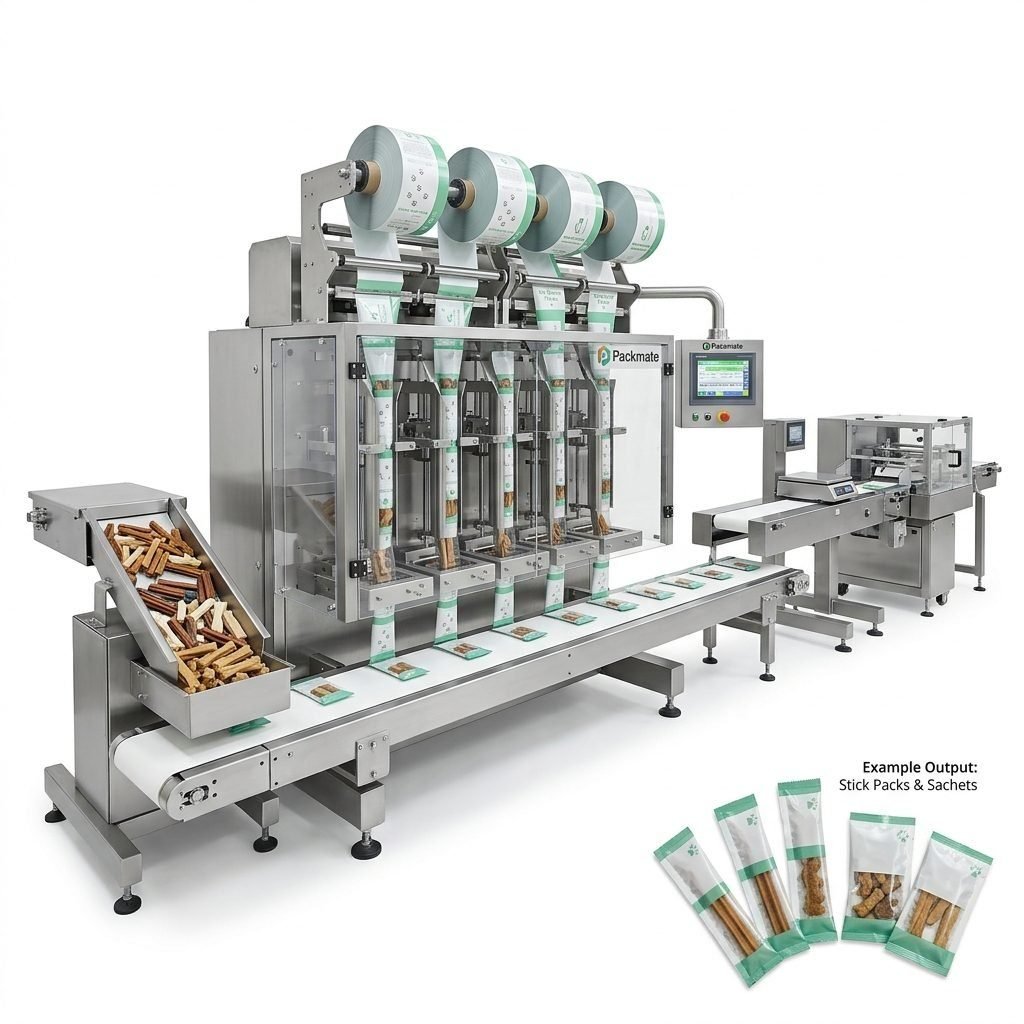
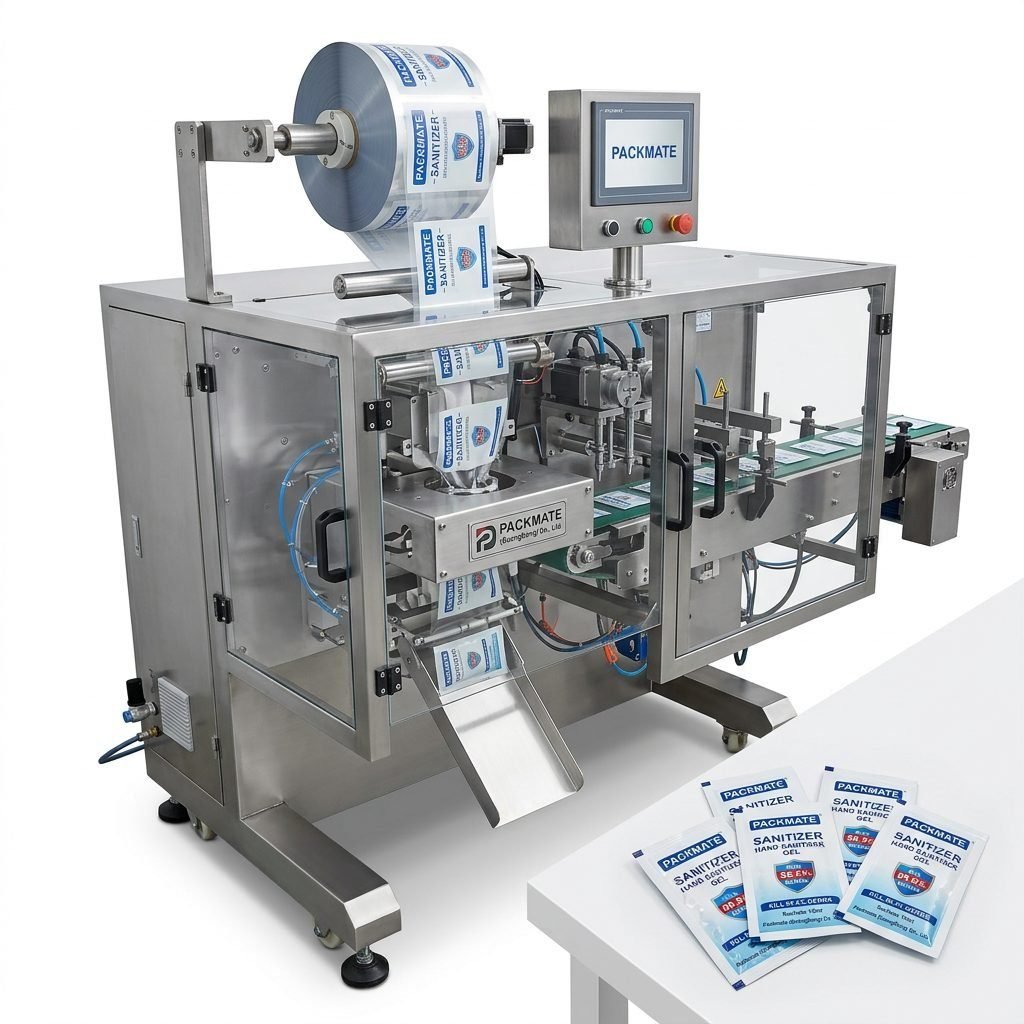
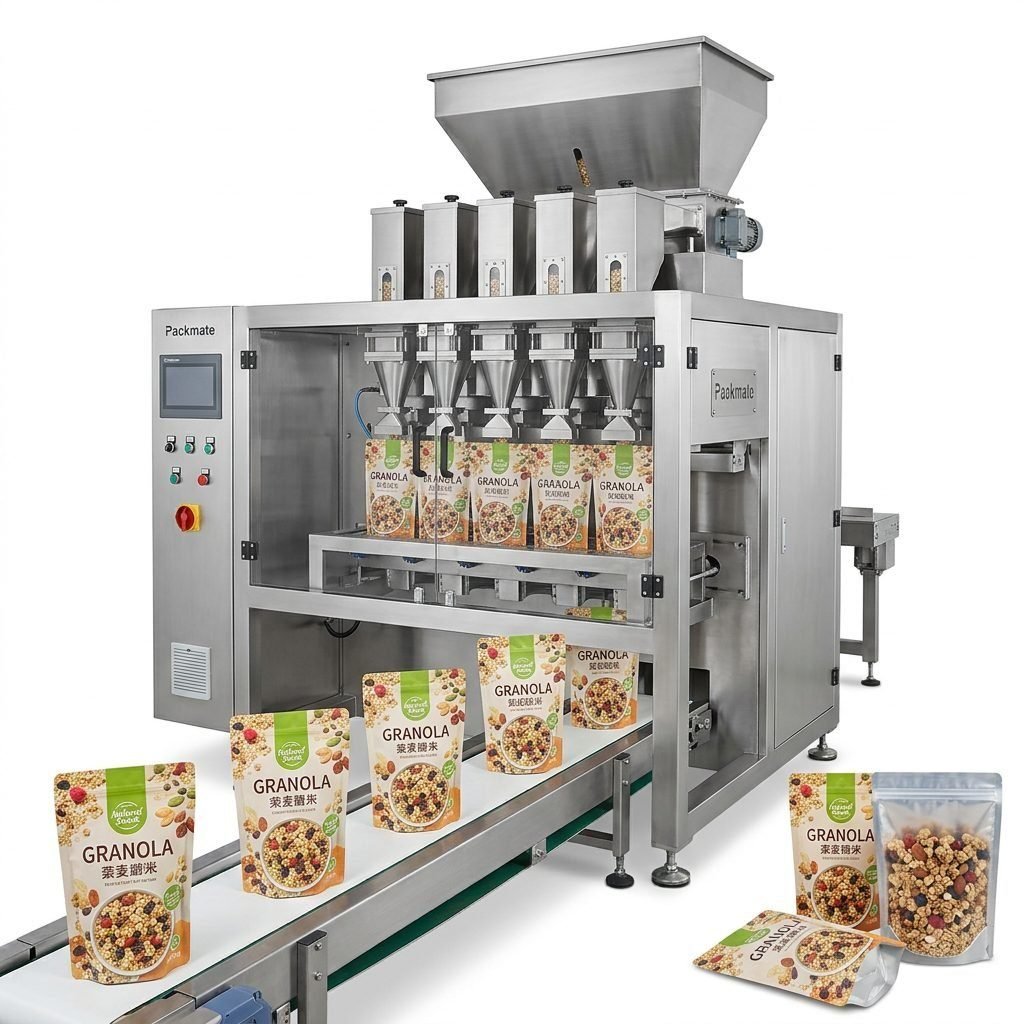
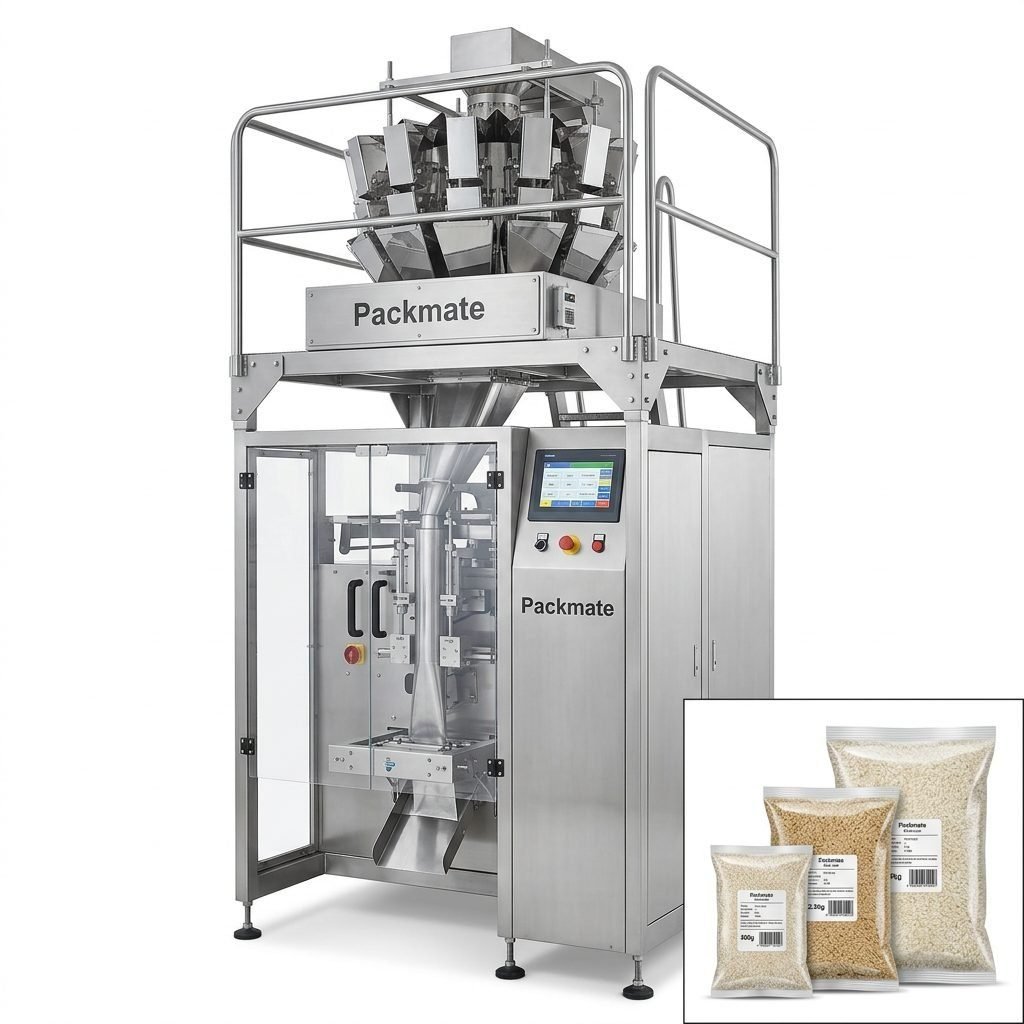
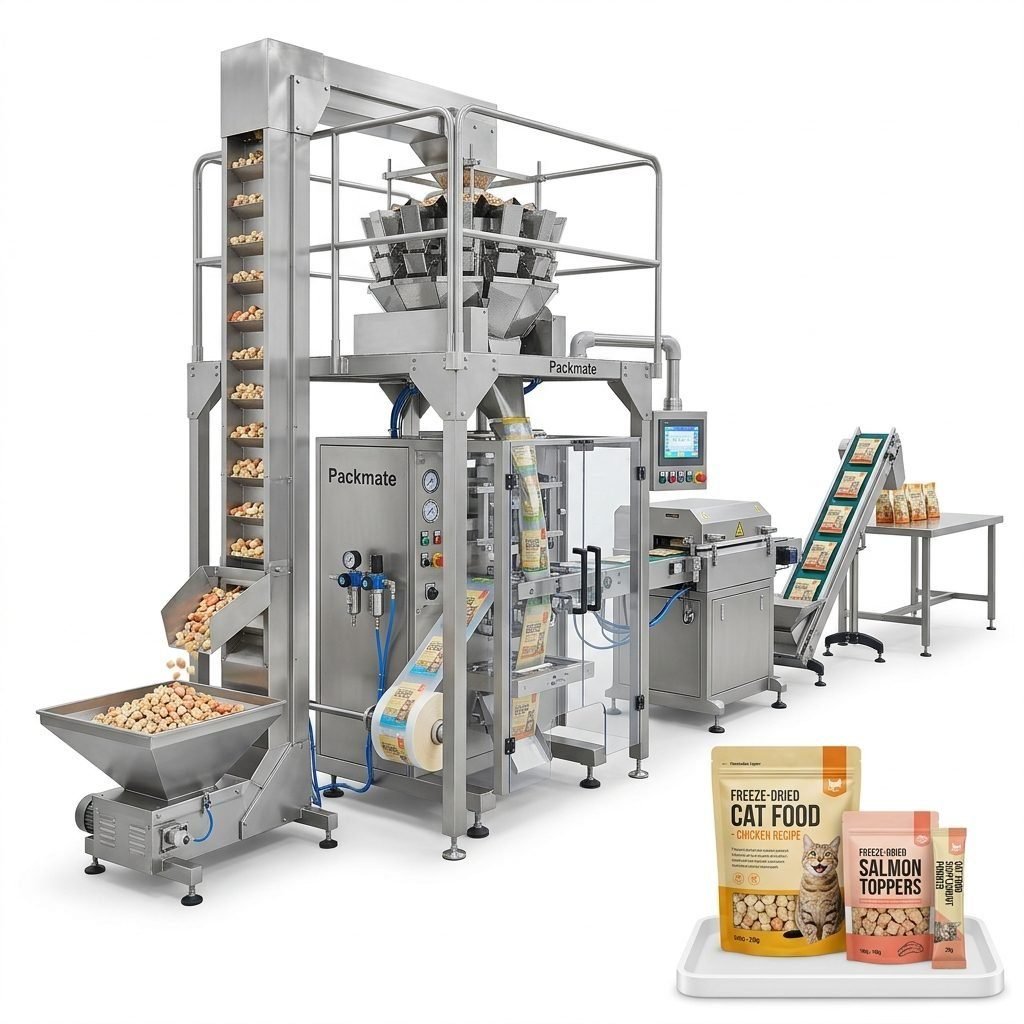
Selecting the right hand load bag packaging machine is a critical decision for any production line, impacting efficiency, product quality, and overall operational costs. This guide provides essential selection criteria and practical operation tips to help you make an informed choice and optimize your packaging process.
Key Factors for Machine Selection
Before investing in a hand load bag packaging machine, several core factors must be evaluated to ensure it aligns with your specific needs.
1. Product Characteristics
The nature of your product dictates the machine’s requirements. Consider the product’s form (granules, powders, solids), its flow characteristics, and any special handling needs, such as protection from moisture or fragility. For granular products like snacks or coffee, a machine with a reliable weighing system is paramount. For powders prone to dusting, look for models with effective dust containment features.
2. Bag Type and Specifications
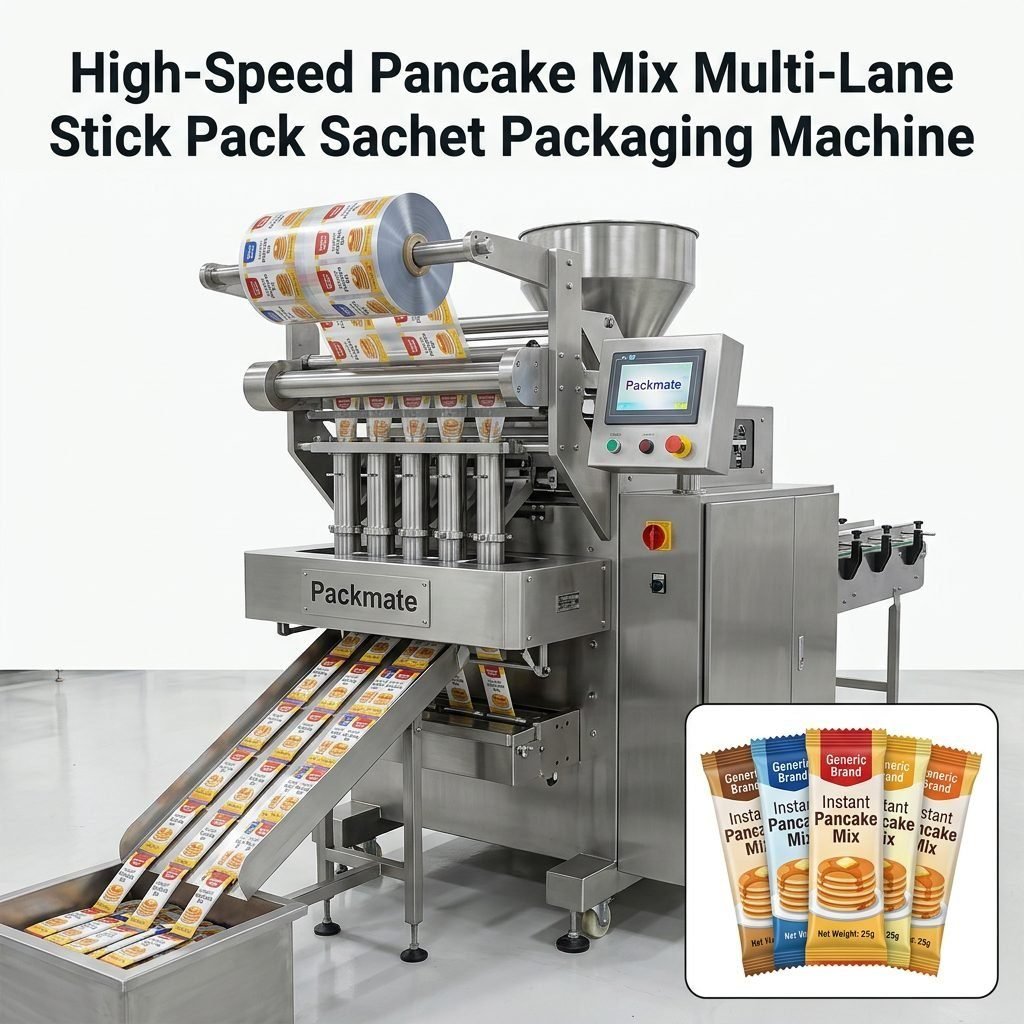
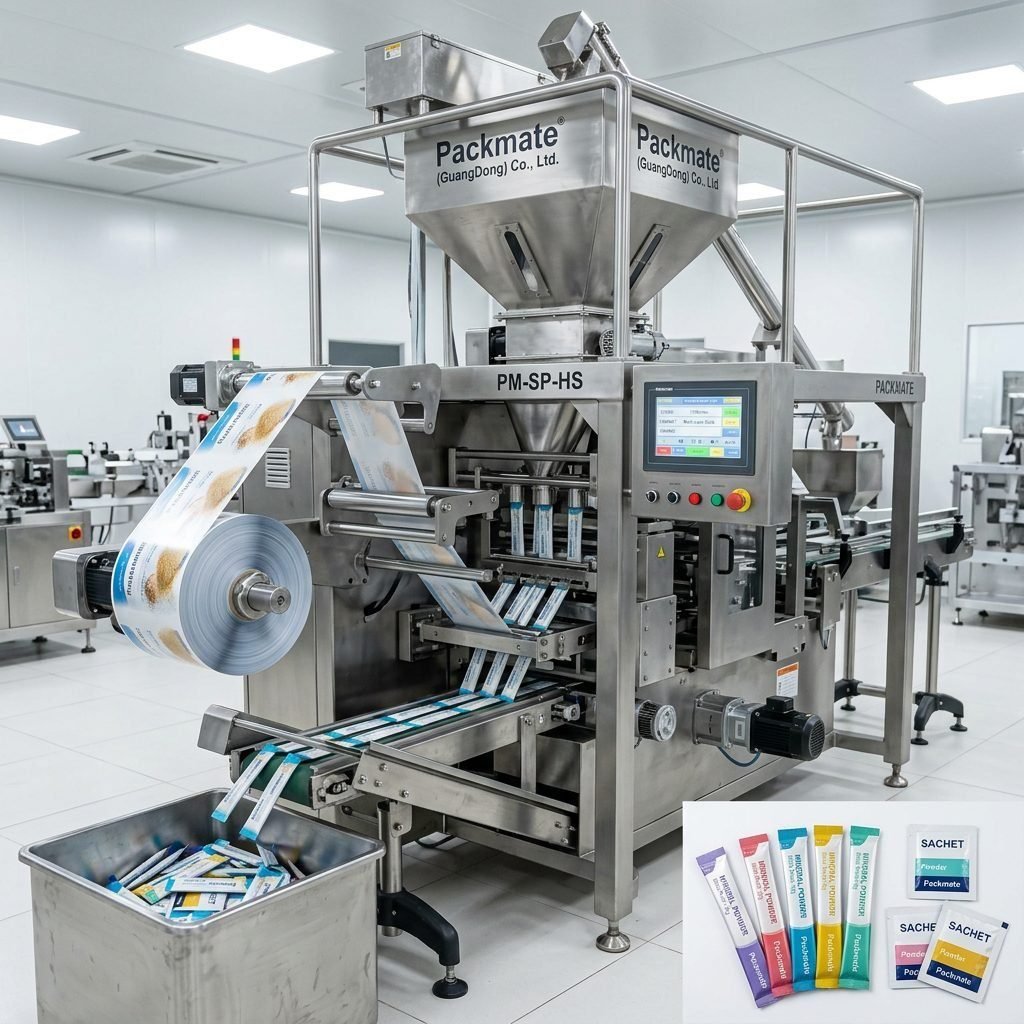
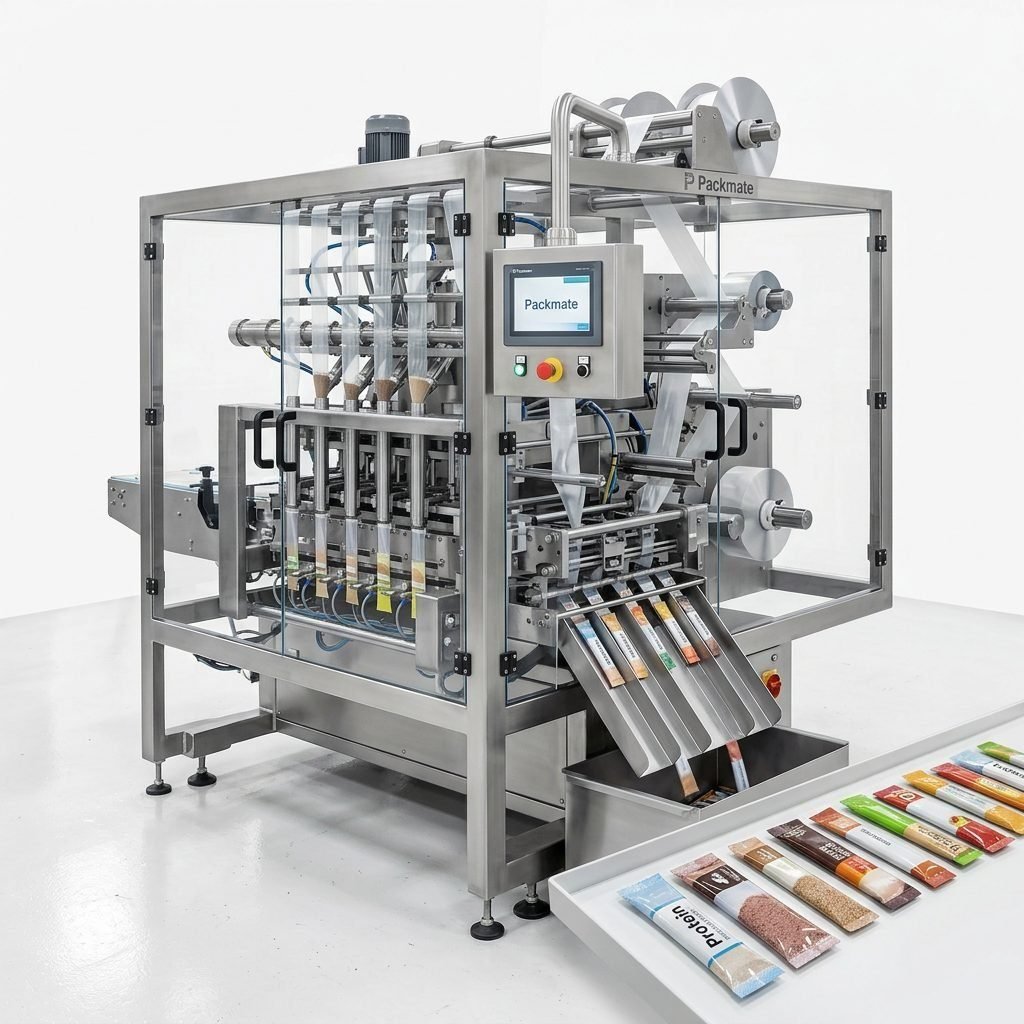
Define your bag requirements: material (polyethylene, laminated films, etc.), size range, and style (stand-up pouch, flat pouch, gusseted bag). The machine must be capable of handling your desired bag dimensions and material thickness. If you plan to use pre-made bags, ensure the machine’s loading mechanism is compatible. For operations requiring high-speed output, exploring multi-lane systems for sachet and stick pack machines might be a logical progression.
Pro Tip: Future-Proofing Your Investment
Choose a machine with some flexibility in bag size and product type. This allows for future product line expansions without requiring a completely new equipment purchase. Modular designs offered by leading manufacturers can be particularly advantageous.
3. Desired Production Speed (Output)
Calculate your required output in bags per minute (BPM) or per hour. Match this with the machine’s rated speed, but be realistic about “hand load” operations. The limiting factor is often the operator’s speed in placing the product. A machine that is too fast for comfortable manual loading will not run at its maximum capacity and may cause operator fatigue.
4. Level of Automation
Hand load machines sit on a spectrum of automation. Basic models may require manual bag opening, product placement, and initiation of the sealing cycle. More advanced models feature automatic bag opening (via suction cups or air jets) and may only require the operator to place the product before an automatic sealing cycle begins. Assess your labor costs and desired throughput to determine the optimal level.
Essential Operation and Maintenance Tips
Proper operation and maintenance are crucial for longevity, safety, and consistent performance.
1. Comprehensive Operator Training
Never underestimate the importance of training. Operators must understand:
• Machine Controls & Safety Features: Location of emergency stops, proper start/stop procedures.
• Correct Loading Technique: How to place product consistently to ensure proper sealing and bag appearance.
• Basic Troubleshooting: Identifying common issues like sealing problems or bag misfeeds.
2. Sealing System Maintenance
The sealing jaws are the heart of the machine. Regularly clean them to remove any product residue or film buildup that can cause weak seals. Check the heating elements and temperature controllers for accuracy. A poor seal is the most common cause of packaging failure and product waste.
Daily & Weekly Checklist
Daily: Visual inspection for loose parts, cleaning of sealing jaws and product contact areas, lubrication of designated points (if manual).
Weekly: Check belt tensions, verify sensor alignments, inspect electrical connections for security. Adhering to a schedule prevents minor issues from becoming major downtime events.
3. Bag Feeding and Alignment
Ensure the bag magazine or feeder is correctly adjusted for your bag size. Misaligned bags will cause jams and misfeeds. If using a bag opener, check the suction cups or air nozzles for wear and proper function. Consistent, smooth bag presentation is key to maintaining rhythm and speed.
4. Environmental Considerations
Keep the work area around the machine clean and organized. Spilled product or debris can interfere with mechanical parts or sensors. Ensure the power supply is stable and grounded. For machines with heat sealing, adequate ventilation in the workspace is recommended.
Partnering with a Reliable Manufacturer
The manufacturer’s reputation and support are integral to your success. A company with a long history, like Packmate Machinery, brings decades of expertise in building reliable equipment. Look for providers that offer clear technical documentation, readily available spare parts, and responsive after-sales service. The ability to provide a complete turnkey solution, from single machines to integrated filling and packaging lines, indicates deep industry knowledge and can simplify future expansion.
Frequently Asked Questions (FAQs)
1. What is the typical speed range for a hand load bag packaging machine?
Speeds vary widely based on bag size, product, and automation level. A basic manual-load machine might achieve 15-30 bags per minute (BPM), while a model with automatic bag opening and sealing, requiring only product placement, can reach 40-70 BPM. The practical speed is often limited by the operator’s consistent pace.
2. Can one machine handle different bag sizes and materials?
Most machines are designed to handle a range of sizes with changeover parts or adjustments. However, switching between vastly different materials (e.g., from a thin polyethylene to a thick laminated film) usually requires changing the sealing jaw temperature profiles and potentially the jaws themselves. Consult the manufacturer for the machine’s specific flexibility.
3. How do I troubleshoot a weak or inconsistent seal?
First, check and clean the sealing jaws. Then, verify the sealing temperature and timer settings are correct for your bag material. Ensure the jaws are aligned and applying even pressure. Worn or damaged Teflon coatings on the jaws are a common cause and should be replaced.
4. What safety features should I look for?
Essential safety features include emergency stop buttons at accessible points, protective guards on moving parts (like chains and sealing jaws), and thermal protection on heating elements. Proper safety training for all operators is non-negotiable.
5. Is operator training provided by the manufacturer?
Reputable manufacturers typically provide training, either at installation (on-site) or at their facility. This should cover operation, basic maintenance, and safety procedures. Ensure this is included in your purchase agreement. Comprehensive resources, including manuals and FAQ sections on the manufacturer’s website, are also valuable for ongoing support.