For distributors in the B2B packaging industry, selecting the right machinery supplier is a critical decision that impacts operational efficiency, product quality, and long-term profitability. The ideal partner offers more than just equipment; they provide reliability, technological innovation, and comprehensive support. This guide explores the key attributes of top-tier B2B packaging machinery suppliers, helping distributors make an informed choice for their business needs.
Core Capabilities of Leading Suppliers
Top suppliers distinguish themselves through a robust foundation of engineering expertise, manufacturing scale, and a deep understanding of market demands. They invest heavily in research and development to stay ahead of technological curves.
Industry Specialization: Leading manufacturers often focus on specific sectors, such as food, pharmaceuticals, or health products. This focus allows them to develop machines that meet stringent hygiene standards, regulatory compliance, and the unique handling requirements of products like granules, powders, and liquids. A supplier with over 30 years of expertise in these areas brings invaluable problem-solving experience to the table.
Furthermore, a substantial physical footprint is a strong indicator of capability. A modern manufacturing facility spanning 20,000㎡, equipped with over 100 advanced production and testing units, demonstrates a commitment to quality control and the capacity for large-scale, consistent production. This scale is essential for distributors who require reliable supply chains and timely delivery of both machines and spare parts.
Product Range and Technological Innovation
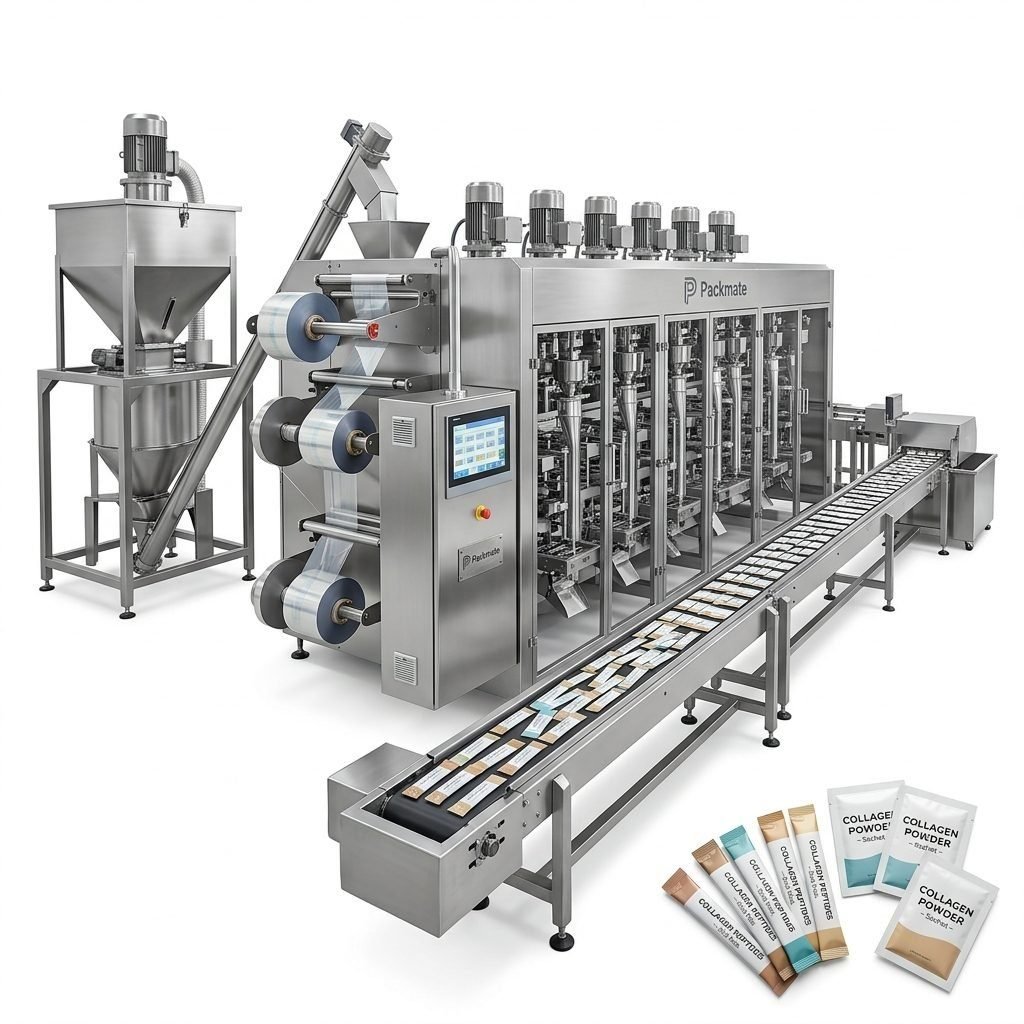
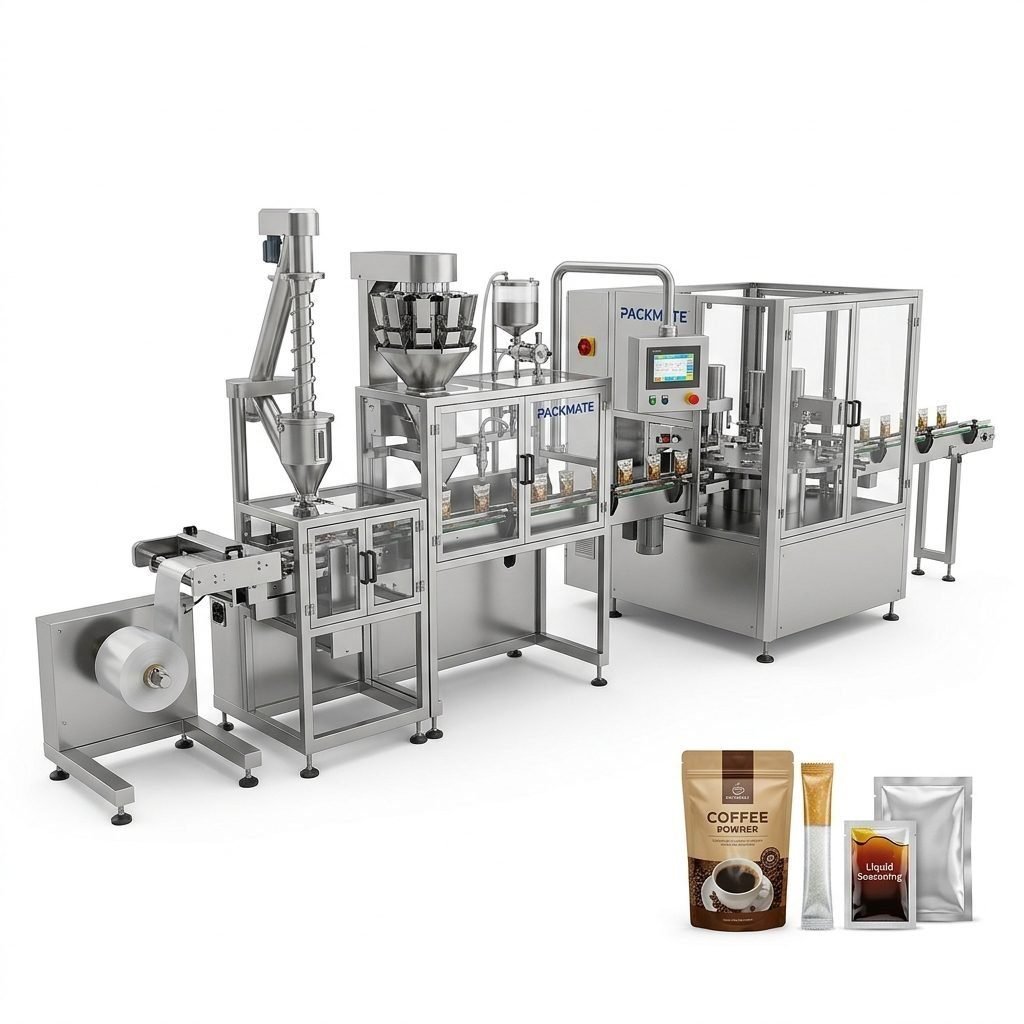
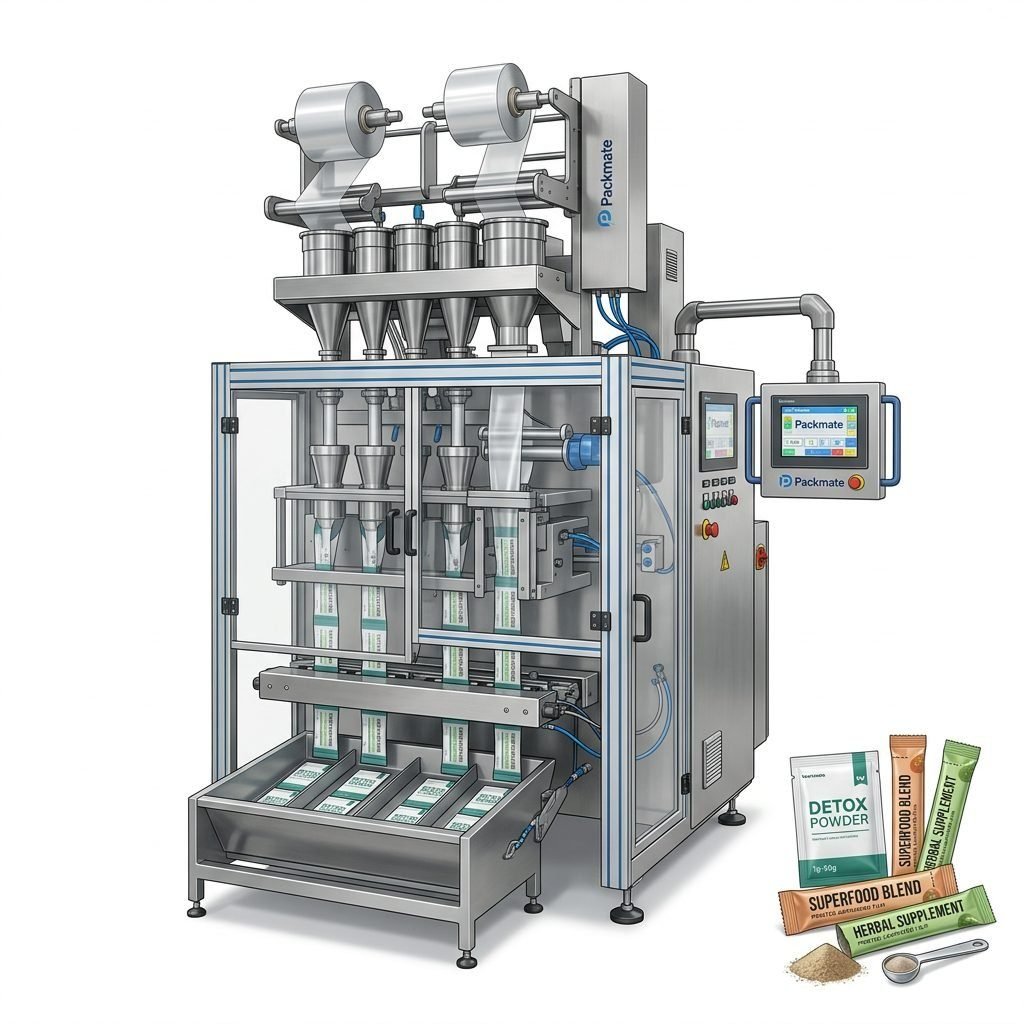
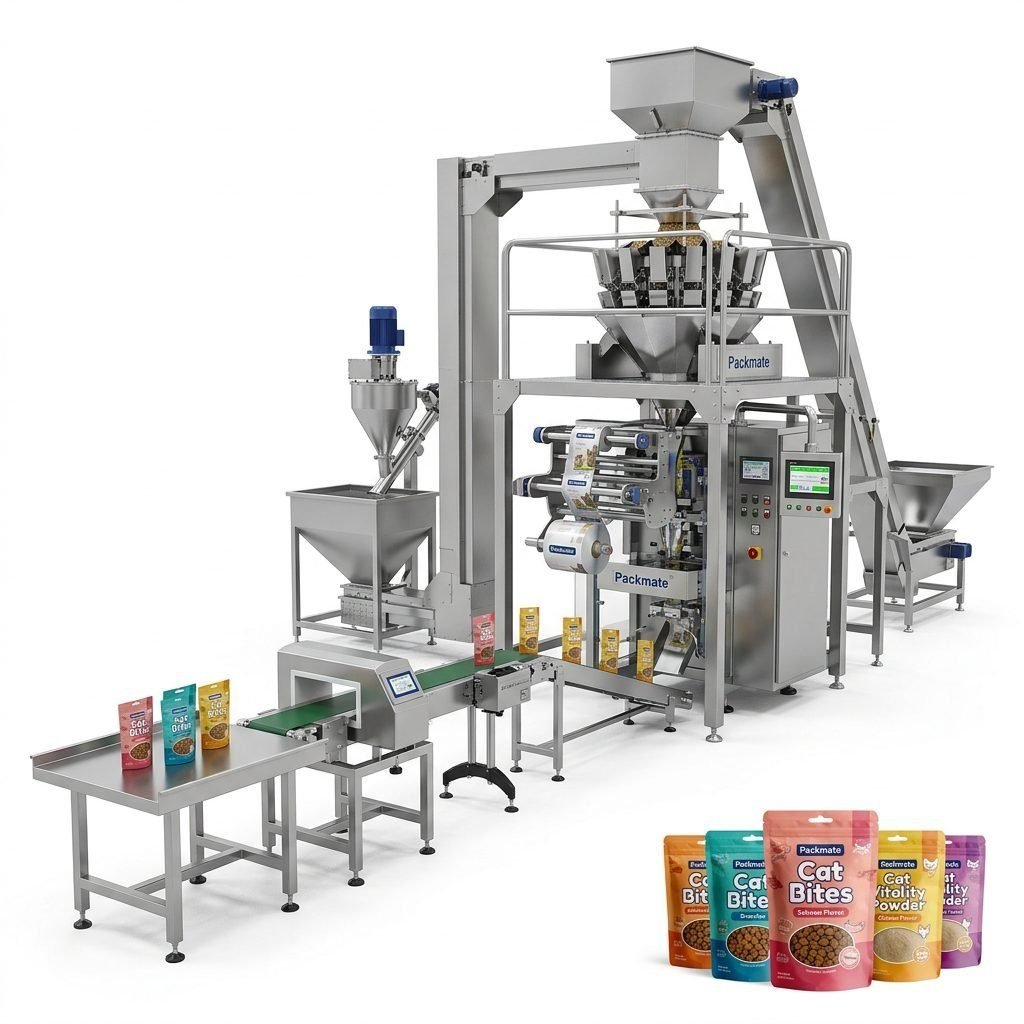
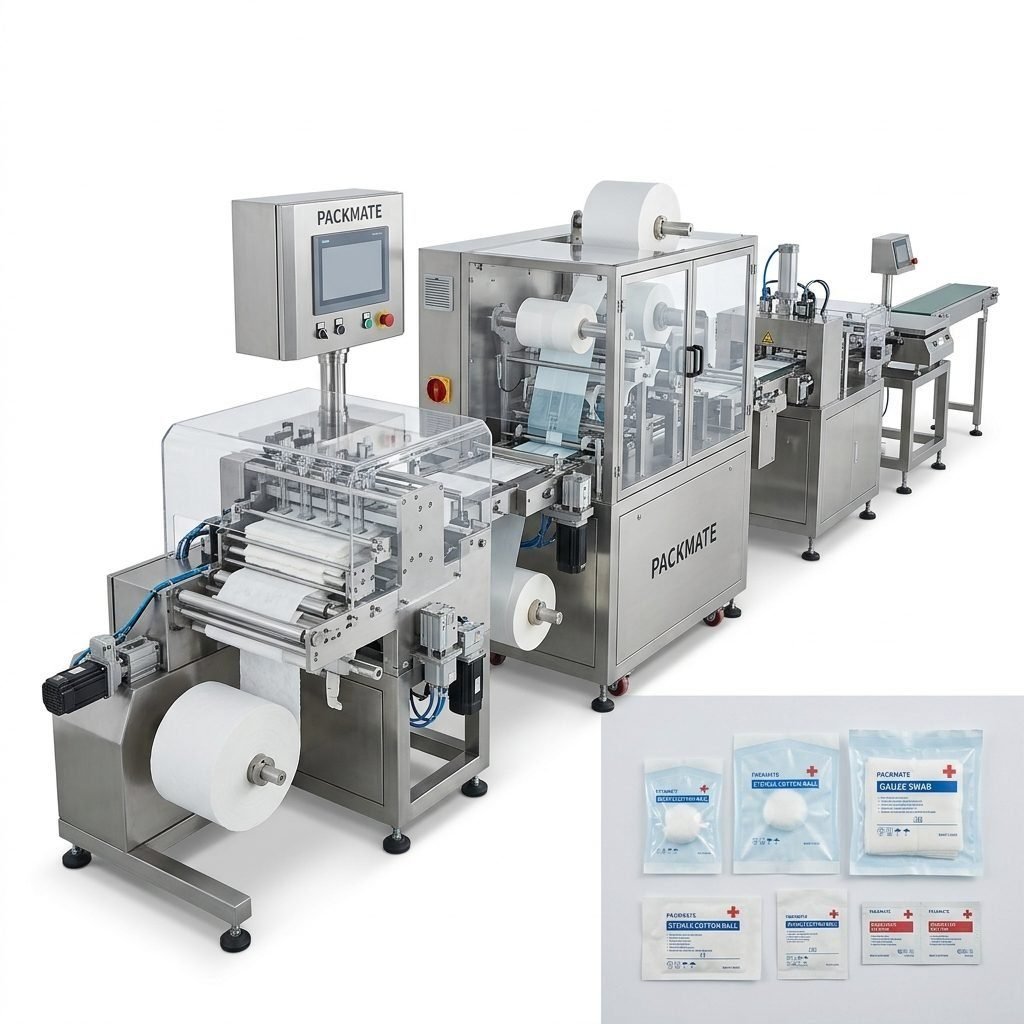
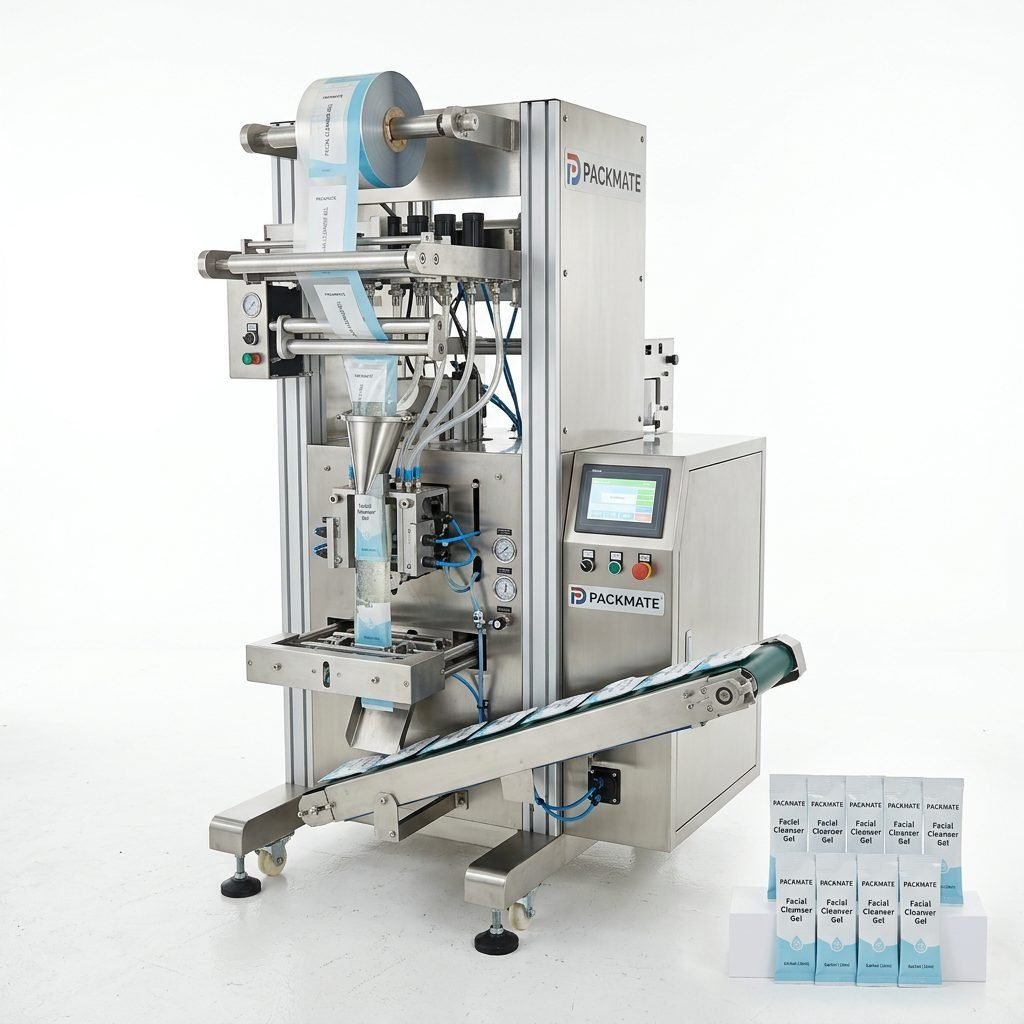
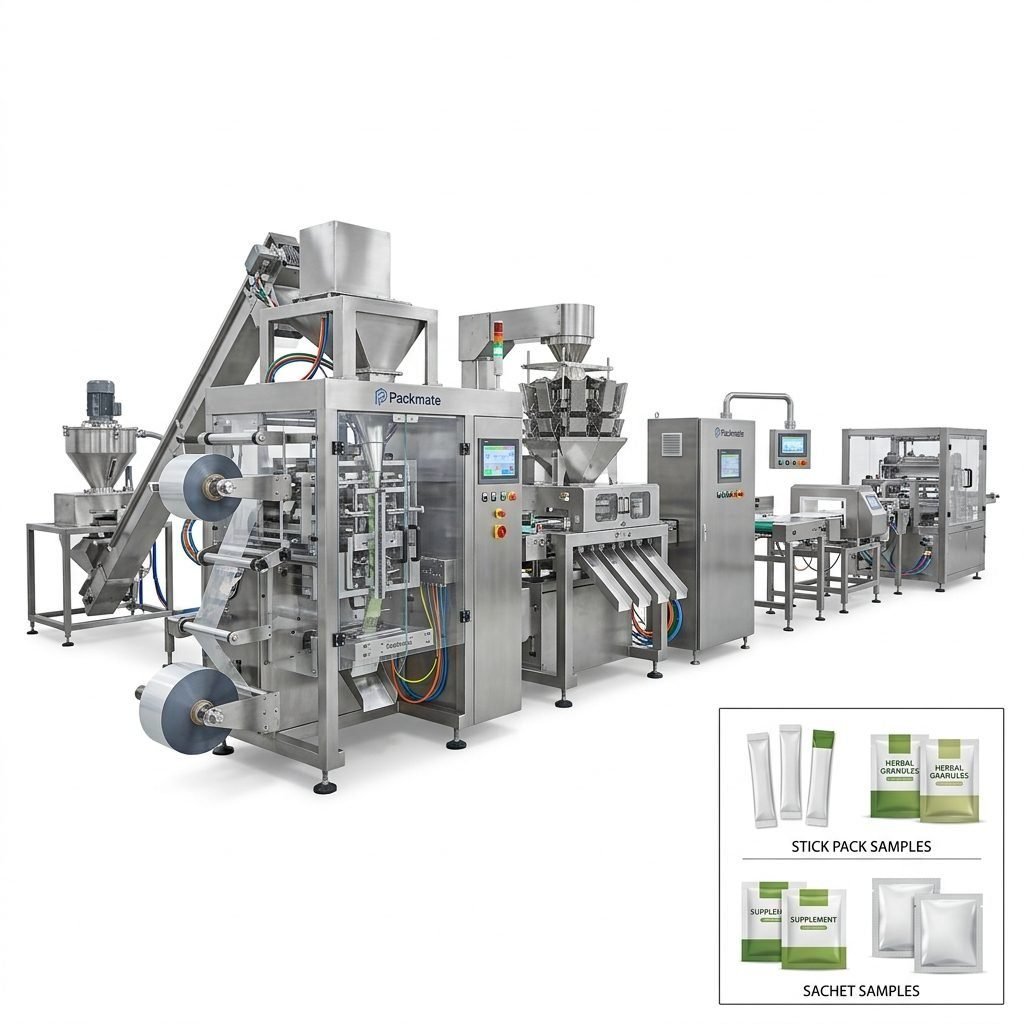
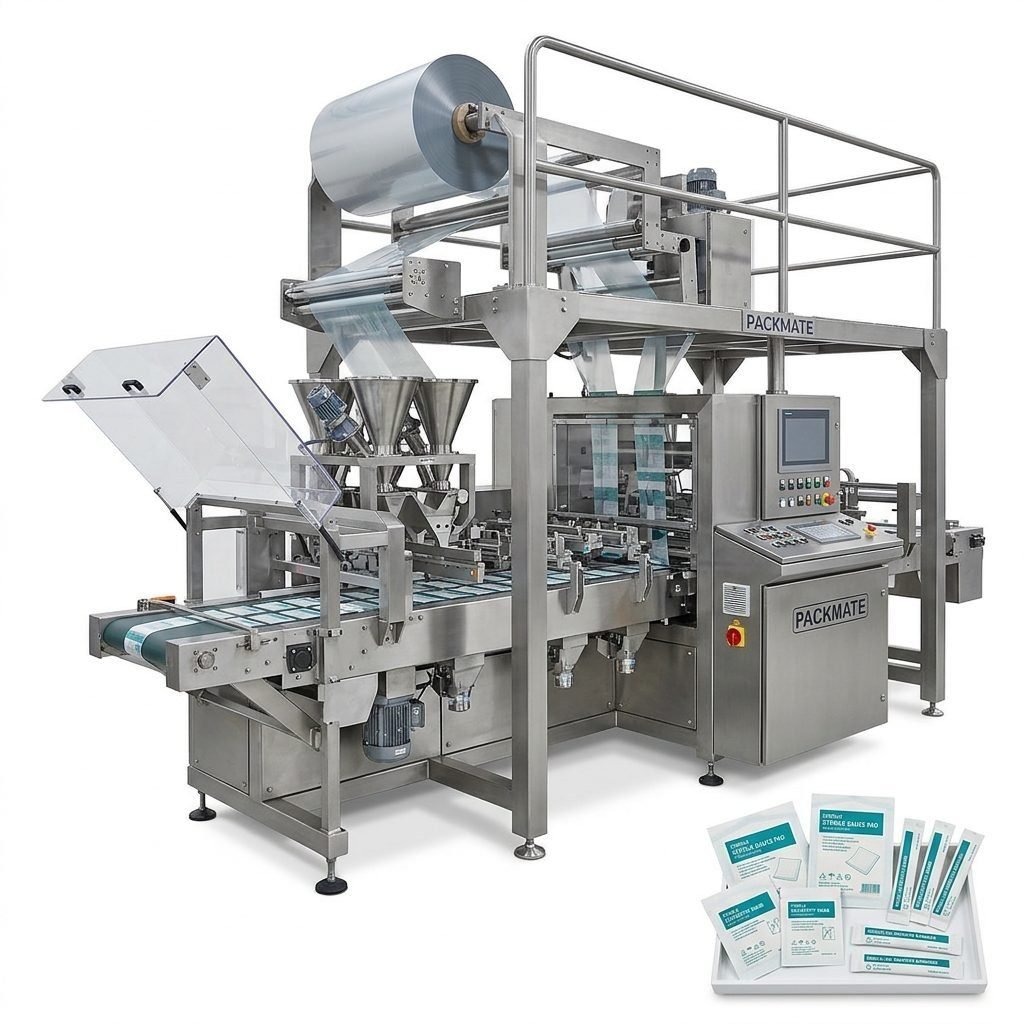
A diverse and innovative product portfolio is non-negotiable. Distributors serve clients with varied needs, so a supplier must offer solutions ranging from simple sachet machines to complex, integrated filling & packaging lines. The ability to provide complete turnkey solutions—from single machines to fully automated production lines—adds tremendous value, simplifying the procurement process for the distributor and their end clients.
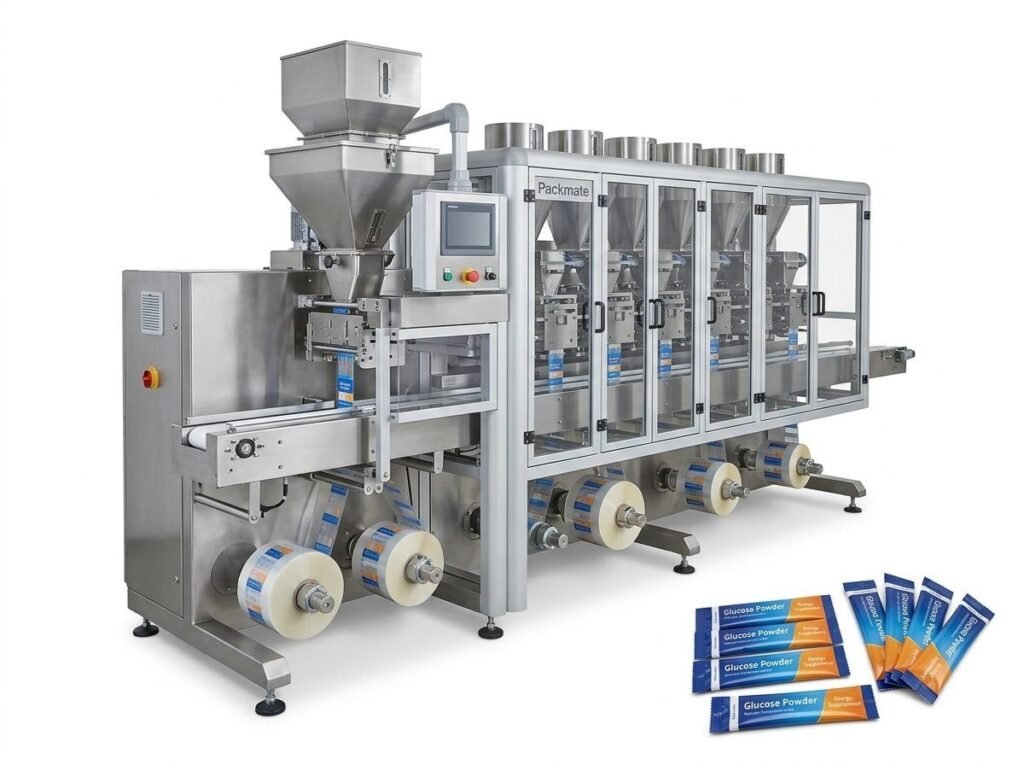
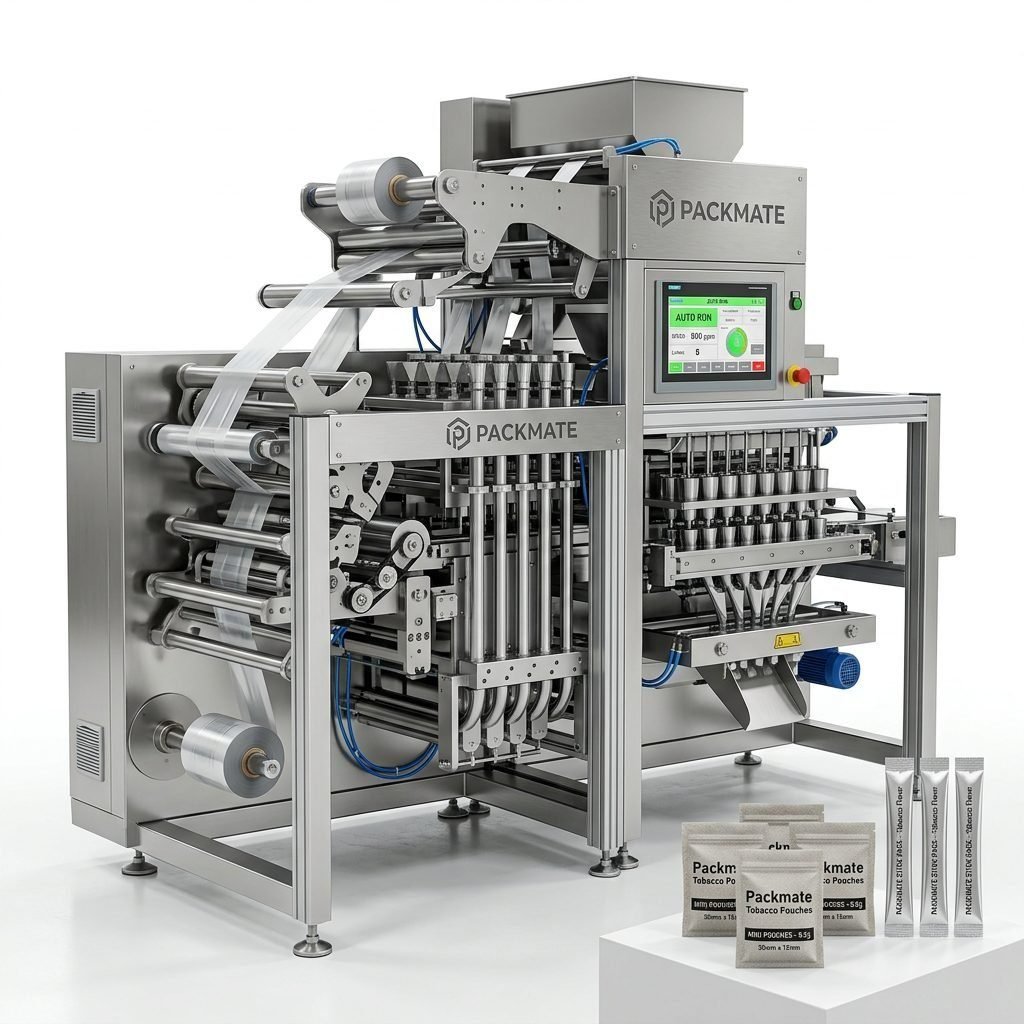
Innovation is driven by a dedicated team. A company supported by 125+ professional team members in engineering and technical roles can continuously refine existing models and pioneer new ones. For instance, the evolution from basic sachet machines to high-speed, multi-lane stick pack machines showcases how suppliers adapt to market demands for higher output and efficiency.
Evaluating Reliability and Company Heritage
Long-term partnerships are built on trust and proven performance. A supplier’s history offers a window into its resilience, values, and commitment to the industry.
The Foundation of Trust
Consider a company that began in a small workshop in 1993, driven by a founder’s passion for automation. Overcoming early technical challenges to build machines that improved reliability laid a foundation of perseverance. This ethos often becomes embedded in the company culture, translating into durable machinery and steadfast customer support. The formal establishment of the company, such as in 2003, marks the point where passion met professional structure, uniting skilled individuals under a common mission and vision.
Strategic growth milestones are telling. A supplier that expanded its product line to meet market demand (like adding multi-lane machines by 2012) and later restructured to align with regional economic initiatives (e.g., the Greater Bay Area) demonstrates strategic agility. Over 22+ years of development, such a company would have refined over 50 machine models, proving its ability to evolve and sustain relevance.
Global Perspective and Local Support
For distributors operating internationally, a supplier’s global reach is crucial. Top suppliers serve a worldwide clientele, which means their machines are designed to meet diverse international standards. Participation in global exhibitions is a positive sign, indicating active engagement with the latest industry trends and a commitment to maintaining a global presence.
However, global capability must be paired with accessible local support. Distributors need assurance that technical assistance, training, and maintenance services are readily available. A comprehensive service framework, including detailed documentation, remote diagnostics, and a responsive parts supply chain, is a key differentiator for a top supplier.
Making the Strategic Choice for Your Distribution Business
Choosing a machinery supplier is a strategic investment. Distributors should look beyond the initial price and evaluate the total cost of ownership, which includes machine longevity, energy efficiency, maintenance costs, and the supplier’s support ecosystem.
Assess Technical Compatibility: Ensure the supplier’s machinery, such as their bag & pouch packaging machines or weighing systems, integrates seamlessly with your clients’ existing or planned production environments. Request references or review detailed case studies from similar applications.
Verify Certifications and Quality Controls: Reputable suppliers openly share their certificates for quality management and safety standards. These are non-negotiable for ensuring equipment reliability and regulatory compliance, especially in sensitive industries like pharmaceuticals.
Prioritize Partnership and Communication: The best supplier relationships are partnerships. Choose a company that values collaboration, understands your distribution challenges, and is proactive in communicating. Their ability to provide a complete turnkey packaging solution reflects a partnership mindset, handling complexity so you can focus on your core business of distribution.
Frequently Asked Questions (FAQs)
What is the typical lead time for a standard packaging machine from a reputable supplier?
Lead times vary based on machine complexity and customization. For standard models from an established supplier with a large production facility, it can range from 8 to 16 weeks. It’s always best to discuss specific timelines during the quotation process.
Do top suppliers offer training for our technicians and operators?
Yes, comprehensive training is a hallmark of a leading supplier. This usually includes on-site installation support, operational training, and basic maintenance instruction. Some also offer training programs at their facility or via detailed manuals and video guides.
How important is after-sales service, and what should it include?
Extremely important. Robust after-sales service should include a clear warranty period, access to a readily available inventory of spare parts, remote technical support, and the availability of service engineers for on-site repairs when necessary.
Can these suppliers customize machines for specific product types or packaging materials?
Top-tier suppliers with strong R&D teams often provide a high degree of customization. This can include adjustments for unique product characteristics (e.g., very fine powders or viscous liquids), specific dosing needs, or compatibility with specialized packaging films.
What are the key indicators of a supplier’s commitment to quality?
Key indicators include international quality certifications (like ISO), in-house testing facilities for every machine, the use of high-grade components, transparent company profiles showcasing their manufacturing process, and a history of reliable performance documented in client testimonials.