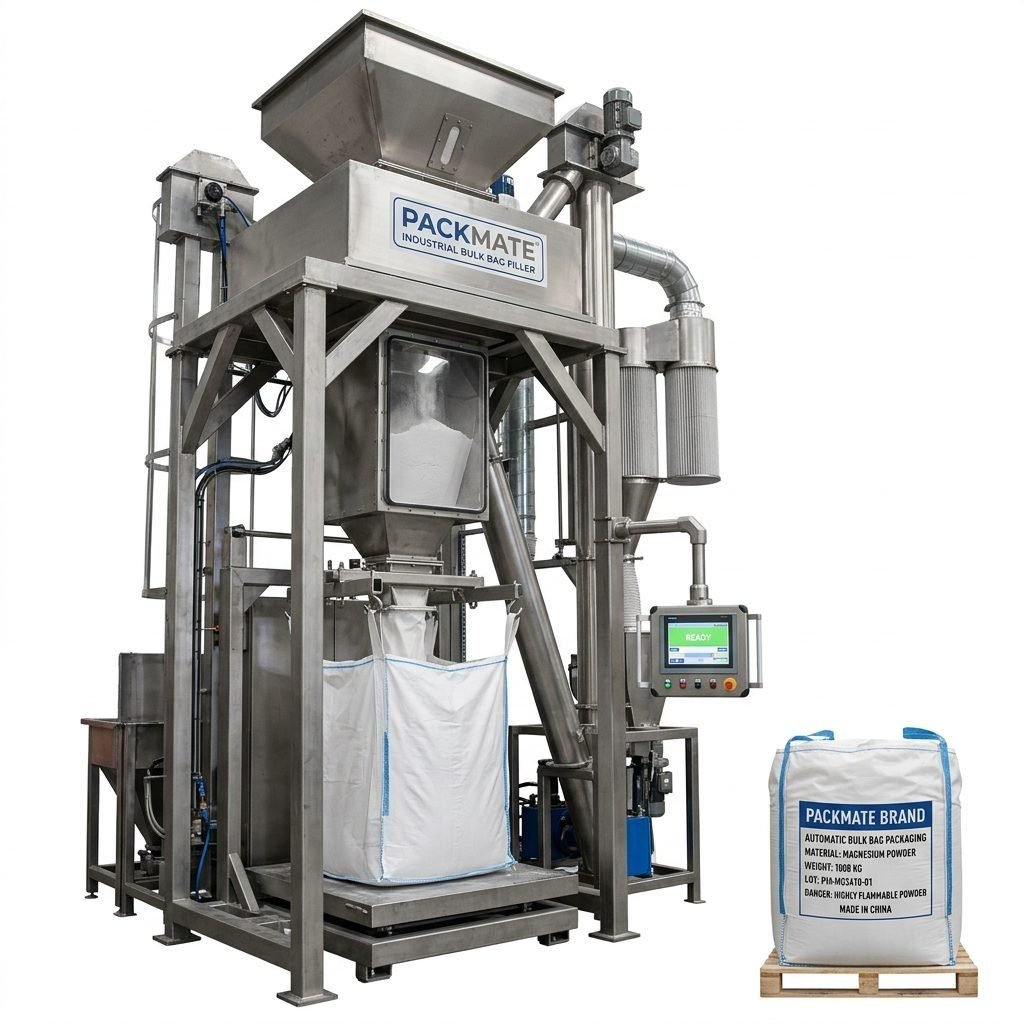
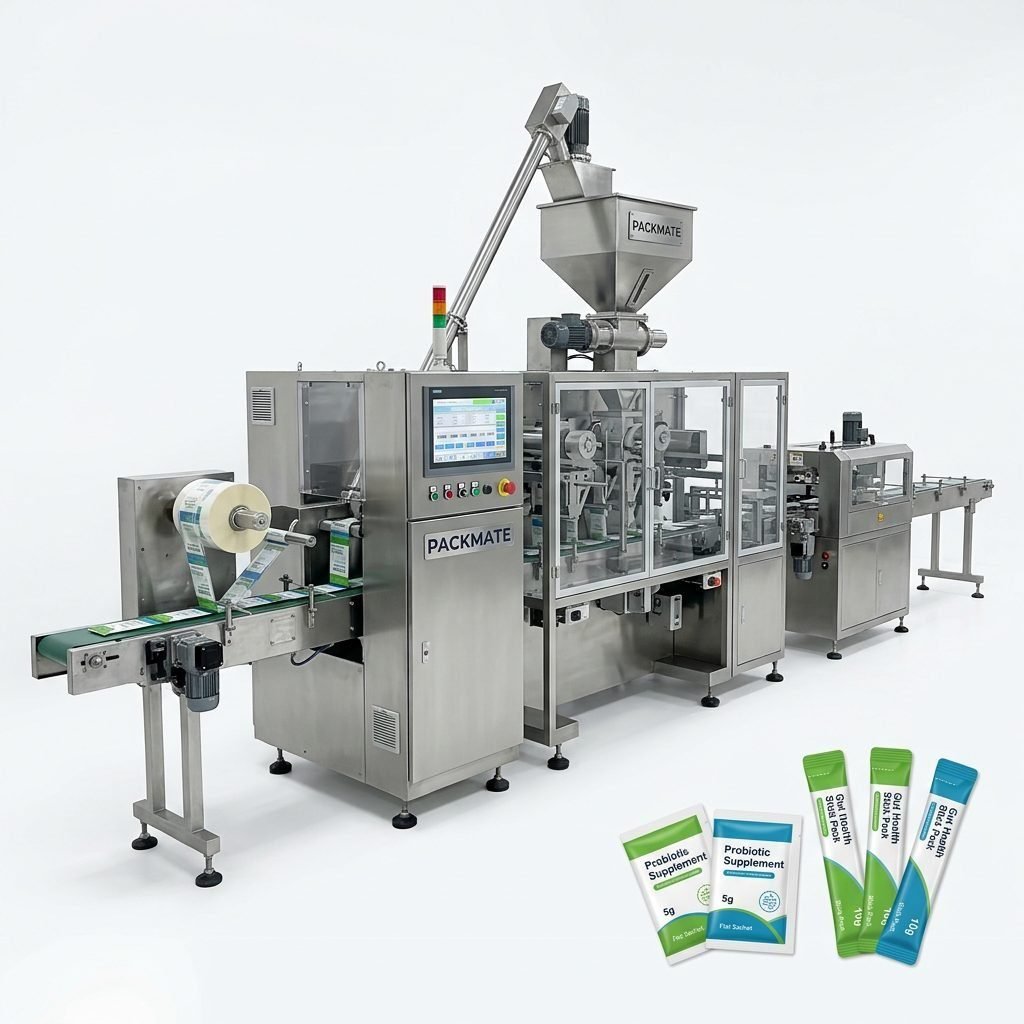
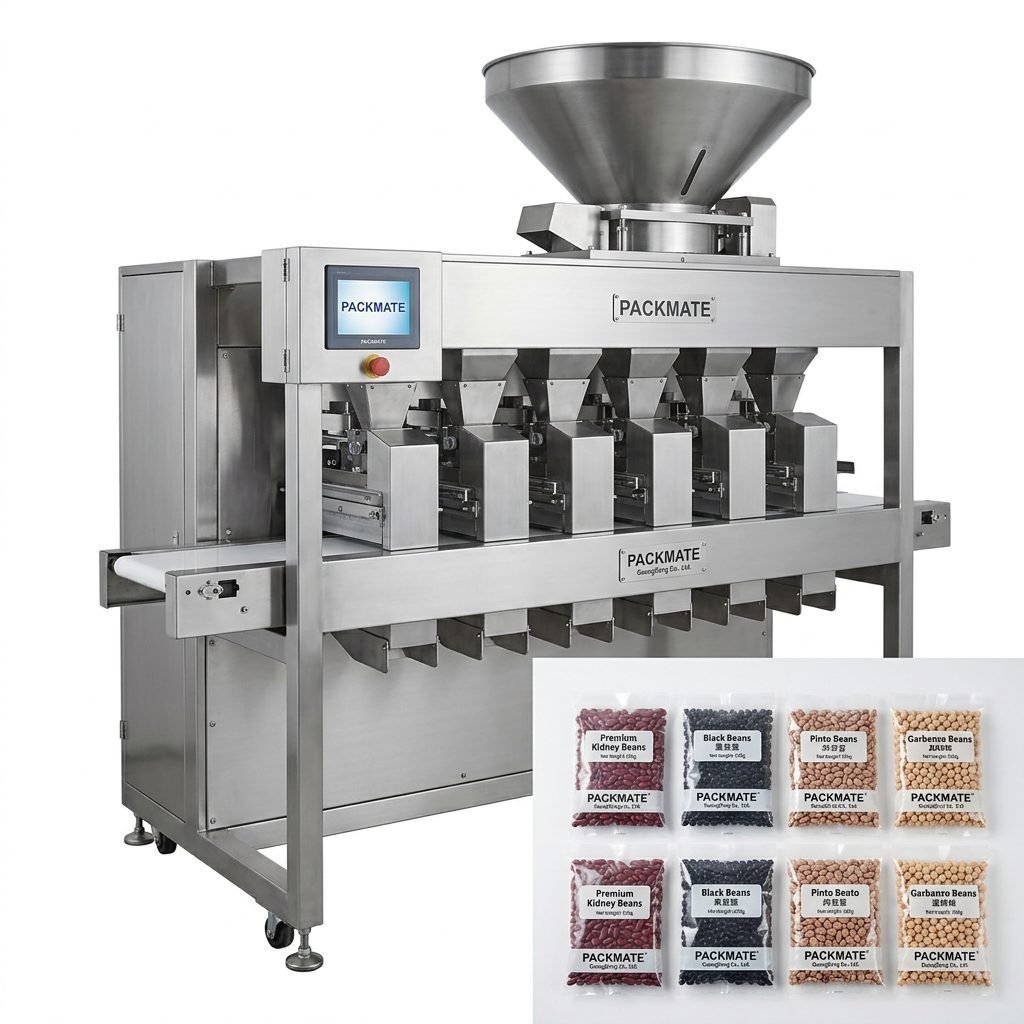
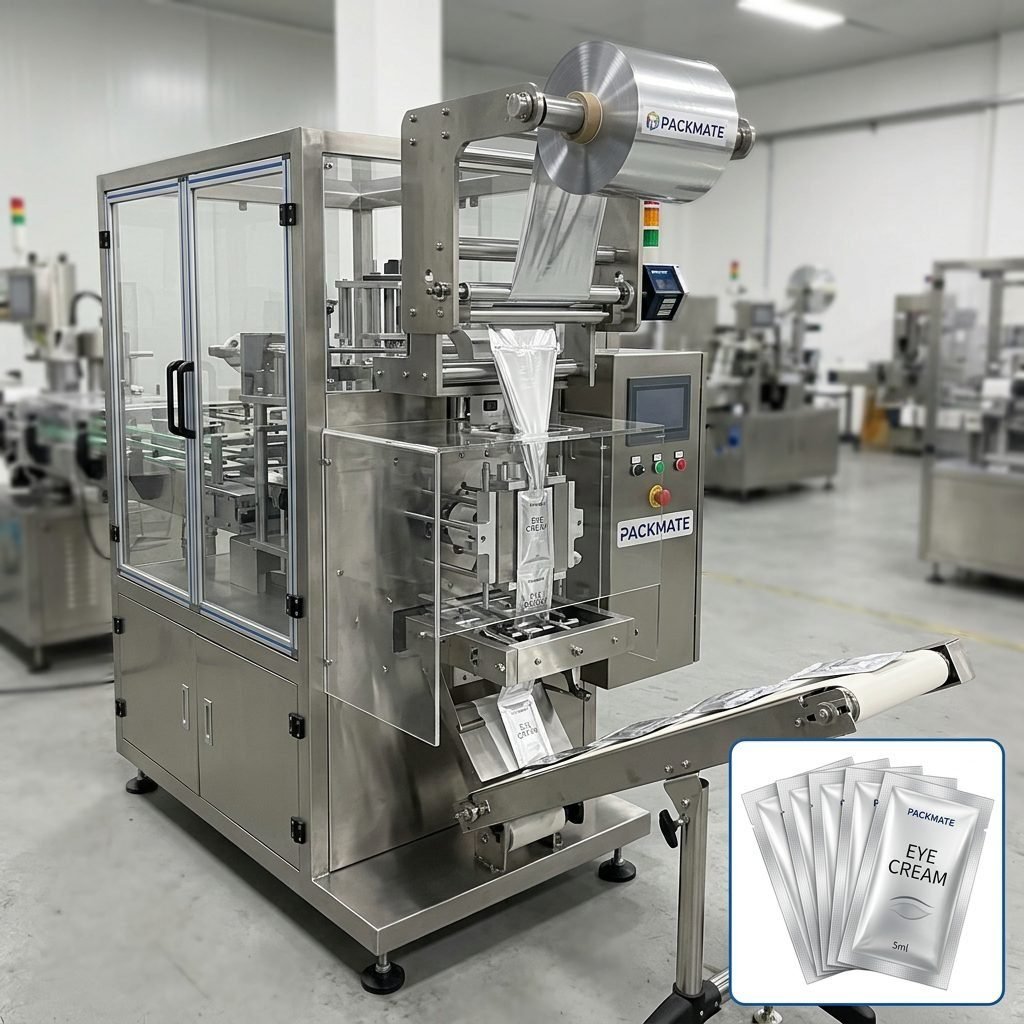
Selecting the right pillow packaging machine manufacturer is a critical decision for any business in the food, pharmaceutical, or health industries. The right equipment can dramatically enhance your production efficiency, product consistency, and overall operational reliability. This guide is designed to help you navigate the market and identify the best suppliers who combine technological innovation with proven manufacturing excellence and robust after-sales support.
Key Criteria for Evaluating Top Manufacturers
When searching for the best pillow packaging machine suppliers, several non-negotiable factors must be considered to ensure a worthwhile investment.
1. Proven Industry Experience and Technical Expertise
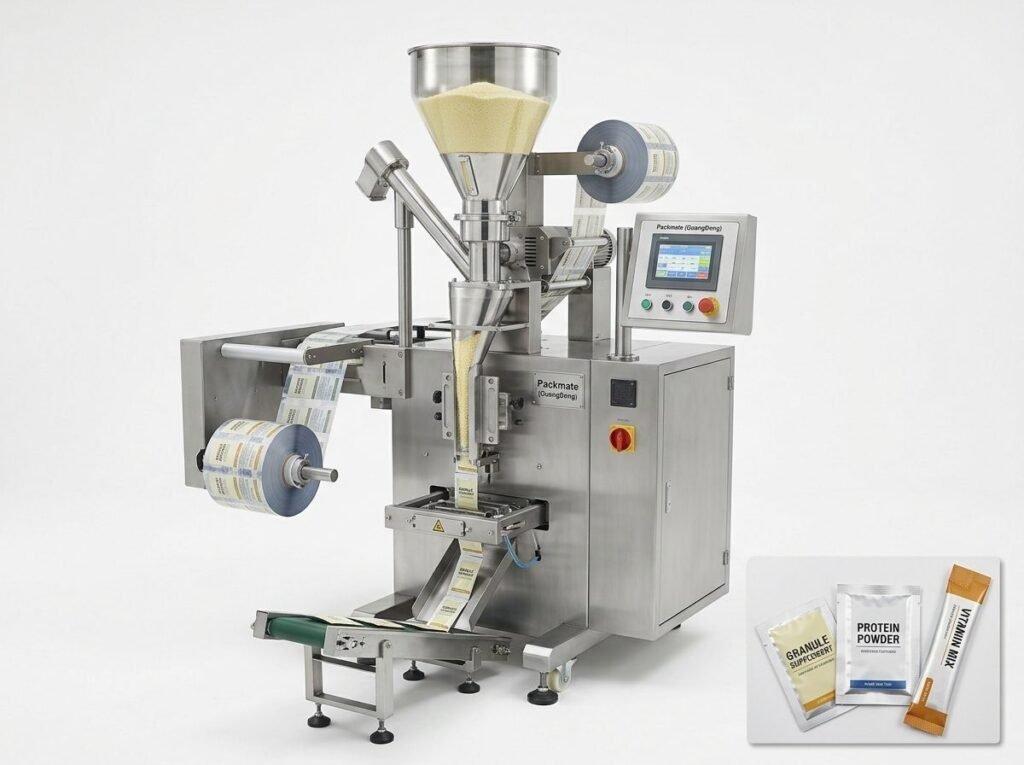
A manufacturer’s history is a testament to its stability and capability. Companies with decades of experience, like Packmate Machinery, have navigated market shifts and technological evolutions, refining their designs based on real-world feedback. Look for a supplier with a deep understanding of different product formats—whether you need a machine for granular snacks, powdered supplements, or liquid condiments. This expertise directly translates into machines that handle your specific materials with precision and minimal waste.
Pro Tip: Don’t just ask for a company’s age. Inquire about their engineering team’s background and their process for R&D and customizing solutions for unique client challenges. A strong technical foundation is crucial for long-term machine performance.
2. Manufacturing Scale and Quality Control Infrastructure
The scale and modernity of a factory are strong indicators of reliability and production capacity. A large, well-equipped manufacturing facility, such as Packmate’s 20,000㎡ plant, suggests the ability to maintain consistent quality, manage large order volumes, and invest in advanced production and testing equipment. Before committing, investigate the supplier’s quality assurance protocols. Do they conduct rigorous in-house testing on every machine? What international standards (like CE) do their machines comply with? This scrutiny ensures you receive a durable, safe, and reliable piece of equipment.
3. Comprehensive Product Range and Innovation
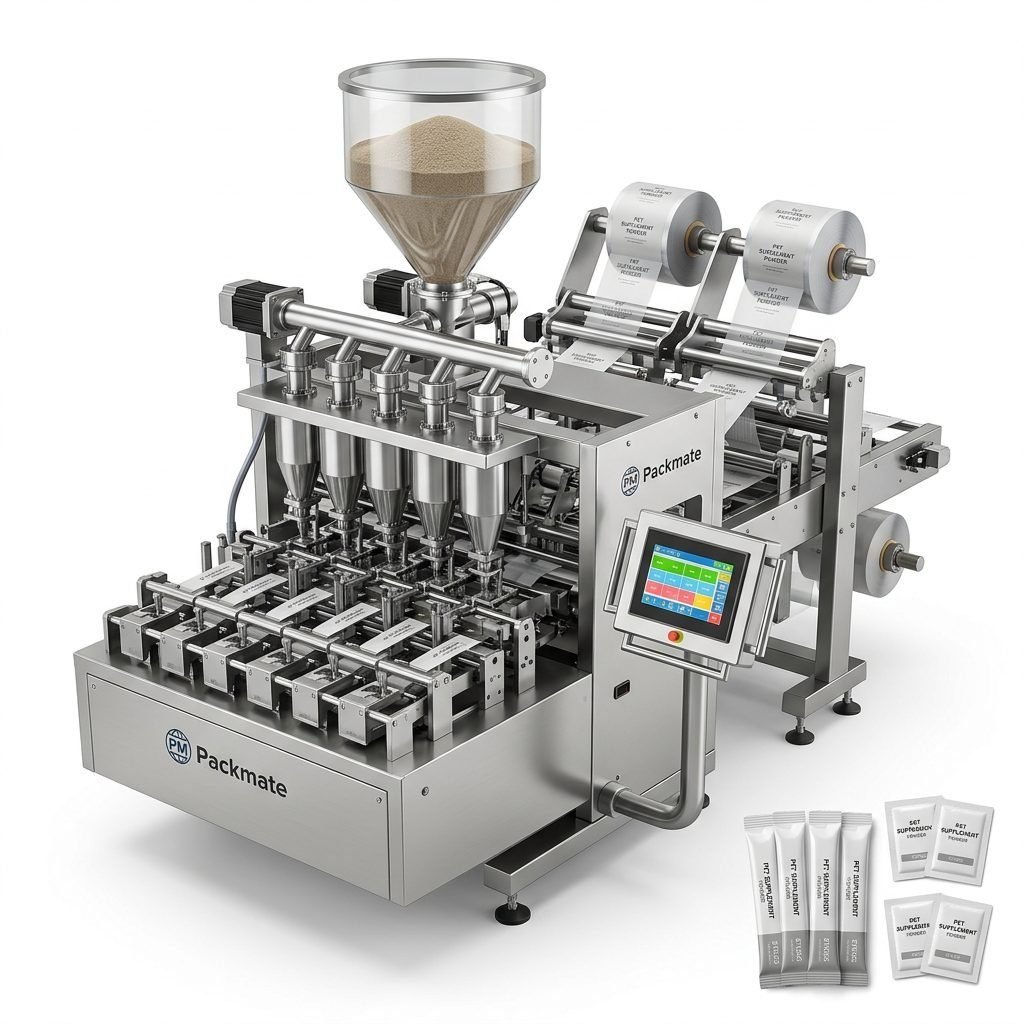
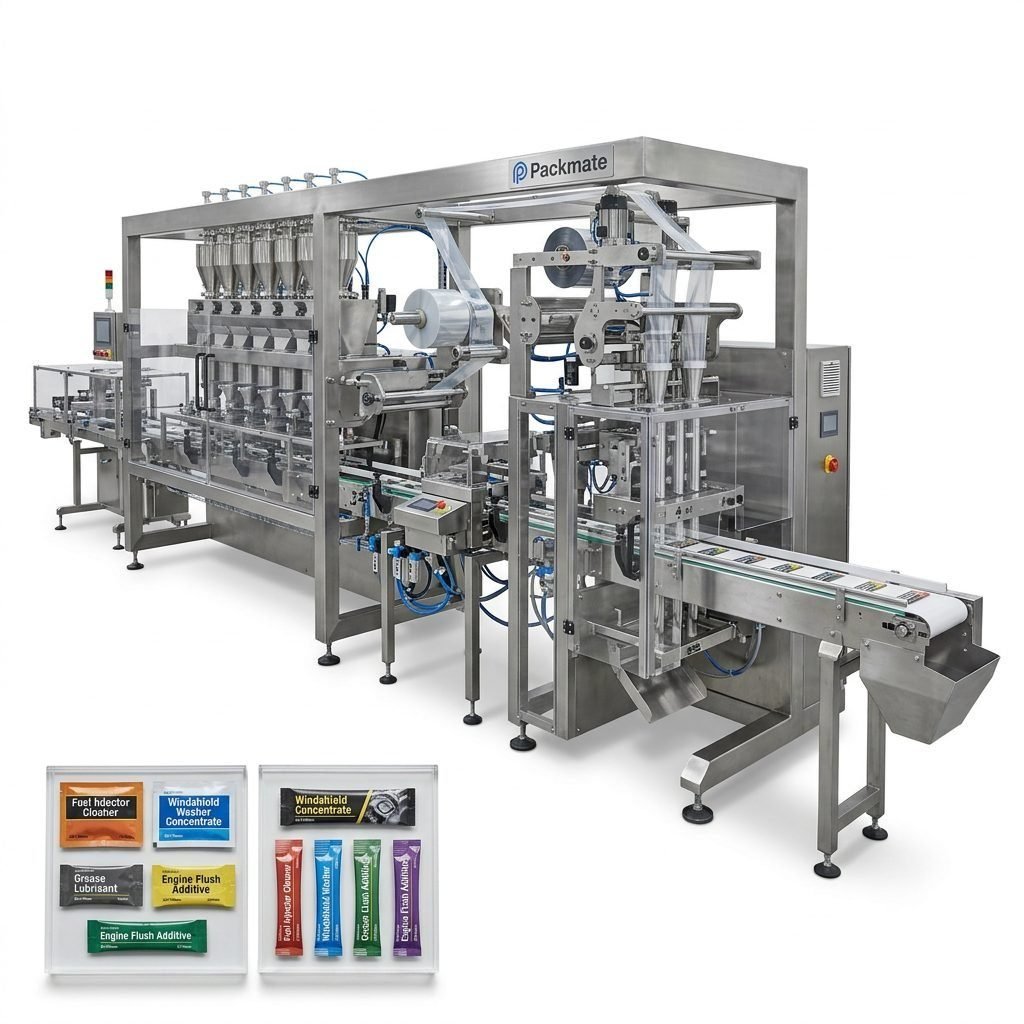
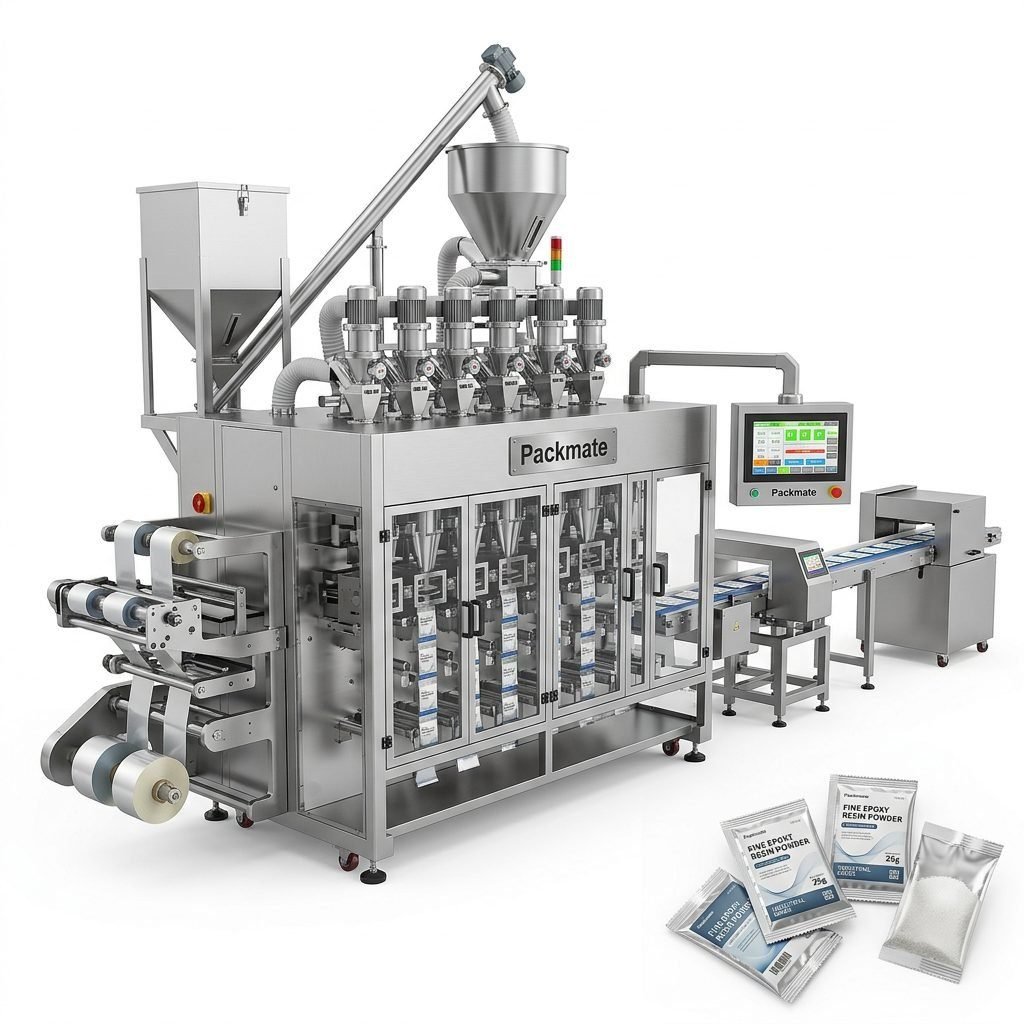
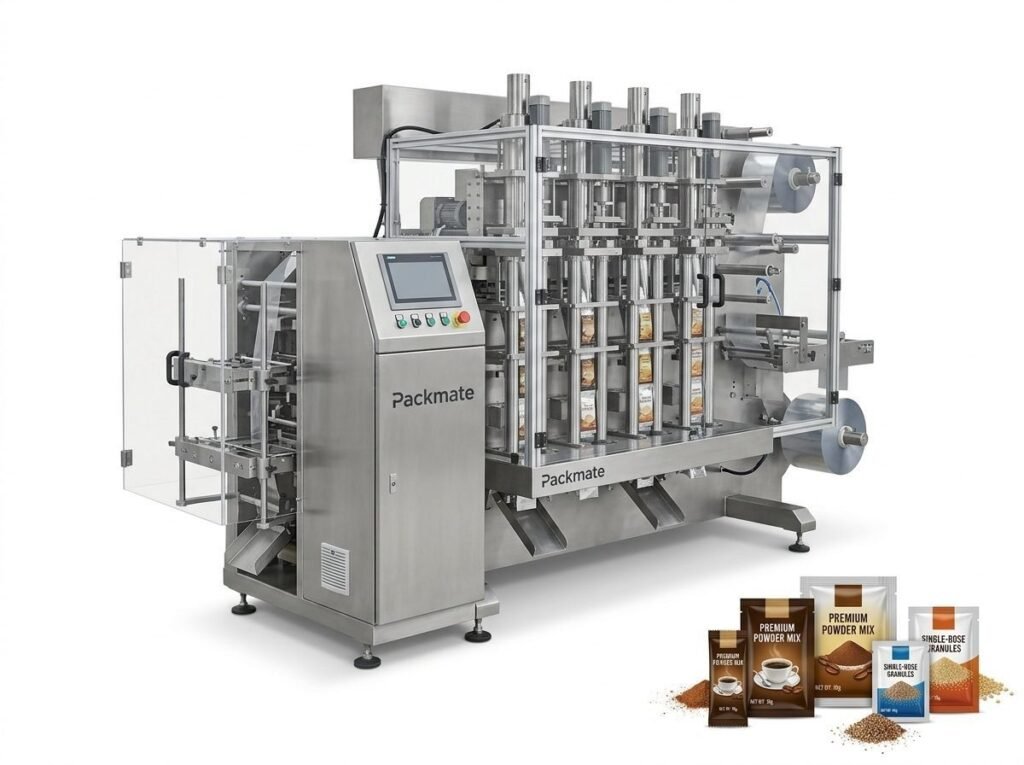
Your needs may evolve. A top-tier manufacturer offers a broad portfolio, from basic single-lane machines to high-speed multi-lane stick pack and sachet packaging lines. This variety allows for scalable solutions. Furthermore, assess their commitment to innovation. Are they integrating smart features like IoT for predictive maintenance, touch-screen HMI controls, or energy-saving mechanisms? A supplier focused on innovation helps future-proof your investment.
Spotlight on a Leading Manufacturer: Packmate Machinery
To illustrate what a top supplier embodies, let’s examine the journey and offerings of Packmate (GuangDong) Co., Ltd., a prominent player based in China’s major industrial hub.
From Humble Workshop to Global Provider
The company’s story began in 1993 with founder Mr. Jiang Sha’s passion for automation, operating from a small workshop. This hands-on, problem-solving origin fostered a deep-rooted culture of practical innovation and resilience. Officially established in 2003 in Zhongshan, Guangdong, the company has grown exponentially, mirroring the rapid development of the Pearl River Delta region—an area synonymous with manufacturing prowess and export excellence.
By 2012, responding to market demand, they expanded into multi-lane stick pack machines. A major restructuring in 2020 as Packmate (GuangDong) Co., Ltd. positioned the company to better leverage opportunities within the Guangdong-Hong Kong-Macao Greater Bay Area, a national economic strategy aiming to create a world-class innovation and manufacturing cluster.
Why Packmate Stands Out
Packmate’s evolution demonstrates key traits of a leading supplier:
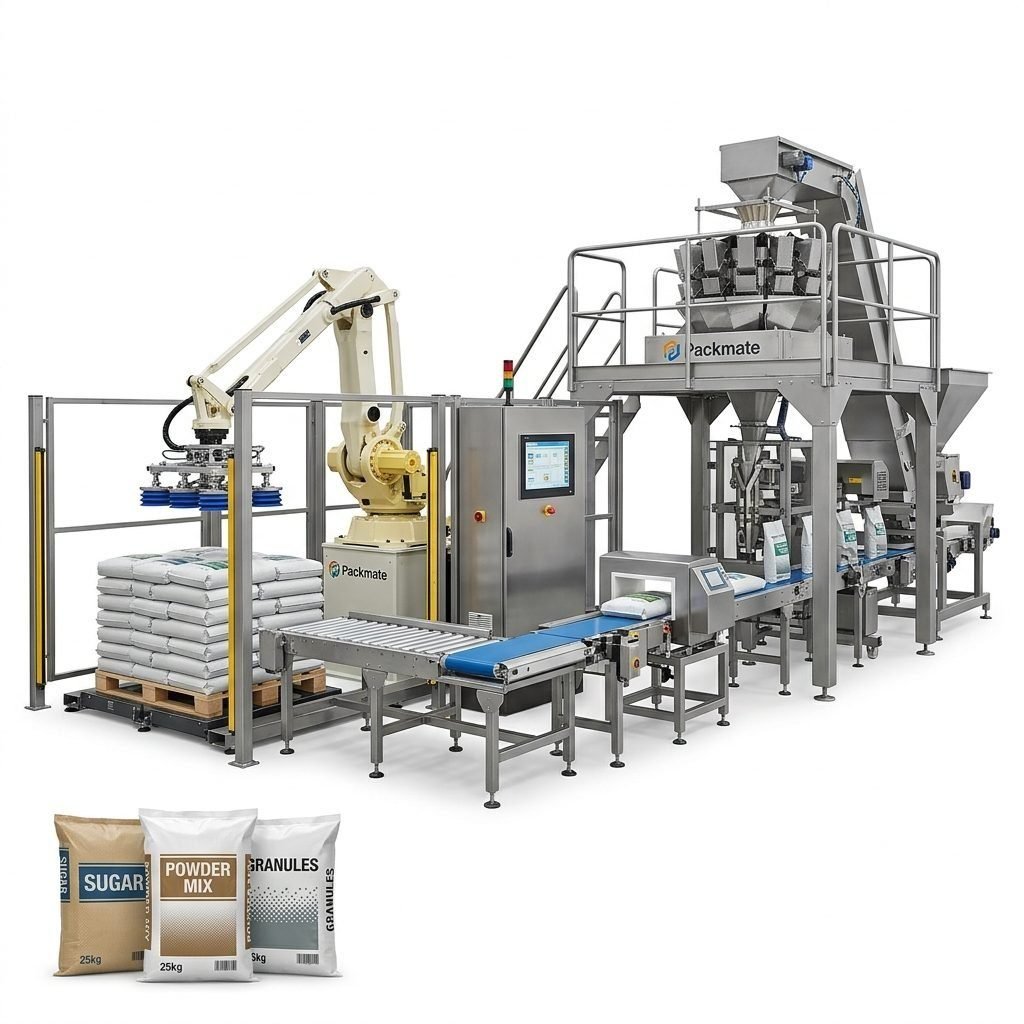
- Turnkey Solutions: They provide more than just a machine; they offer complete packaging lines, including weighing systems and auxiliary equipment, ensuring seamless integration.
- Extensive Model Portfolio: With over 50 machine models, they can cater to a wide array of packaging needs for granules, powders, and liquids.
- Global Service Mindset: Serving an international clientele requires robust support networks. Their global footprint ensures clients receive timely technical assistance and spare parts.
- Commitment to Core Values: The founding principles of quality, innovation, and collaboration remain central, guiding their partnerships with clients worldwide.
Making Your Final Decision and Next Steps
After shortlisting potential manufacturers based on the above criteria, take these concrete steps:
- Request Detailed Proposals: Ask for a full quotation that includes machine specifications, delivery timelines, warranty terms, and training.
- Ask for Client References and Case Studies: A reputable company will gladly share success stories. Review their project cases to see machines in action for products similar to yours.
- Arrange a Factory Visit or Live Video Tour: Seeing the production facility firsthand is invaluable. It builds trust and confirms their operational scale and quality processes.
- Discuss After-Sales Service in Detail: Clarify the terms of installation, operator training, maintenance support, and spare parts availability. A reliable partner stands by their product long after the sale.
Frequently Asked Questions (FAQs)
What is the typical lead time for a pillow packaging machine?
Lead times vary based on machine complexity and customization. For standard models from established suppliers, it typically ranges from 30 to 90 days after order confirmation. Always confirm this timeline during the quotation process.
Can these machines handle different packaging materials?
Yes, most modern pillow packaging machines are designed to work with a variety of heat-sealable laminates, such as PET/PE, OPP/CPP, and aluminum foil composites. The supplier should help you determine the optimal material for your product’s barrier and shelf-life requirements.
How important is after-sales support, and what should it include?
It is critically important. Comprehensive after-sales support should include detailed installation guidance (or on-site installation), thorough operator training, a clear warranty (often 12-18 months), readily available spare parts, and access to remote or on-call technical support for troubleshooting.
What are the key maintenance requirements?
Regular daily cleaning, periodic lubrication of moving parts as per the manual, and inspection of critical components like sealing jaws, cutters, and film guides are essential. A good supplier provides a clear maintenance schedule and training.
Is operator training provided with the machine purchase?
Reputable manufacturers almost always include basic operator and maintenance training, either at their facility, via video, or on-site at your factory. This is crucial for safe operation and achieving optimal machine performance and longevity.