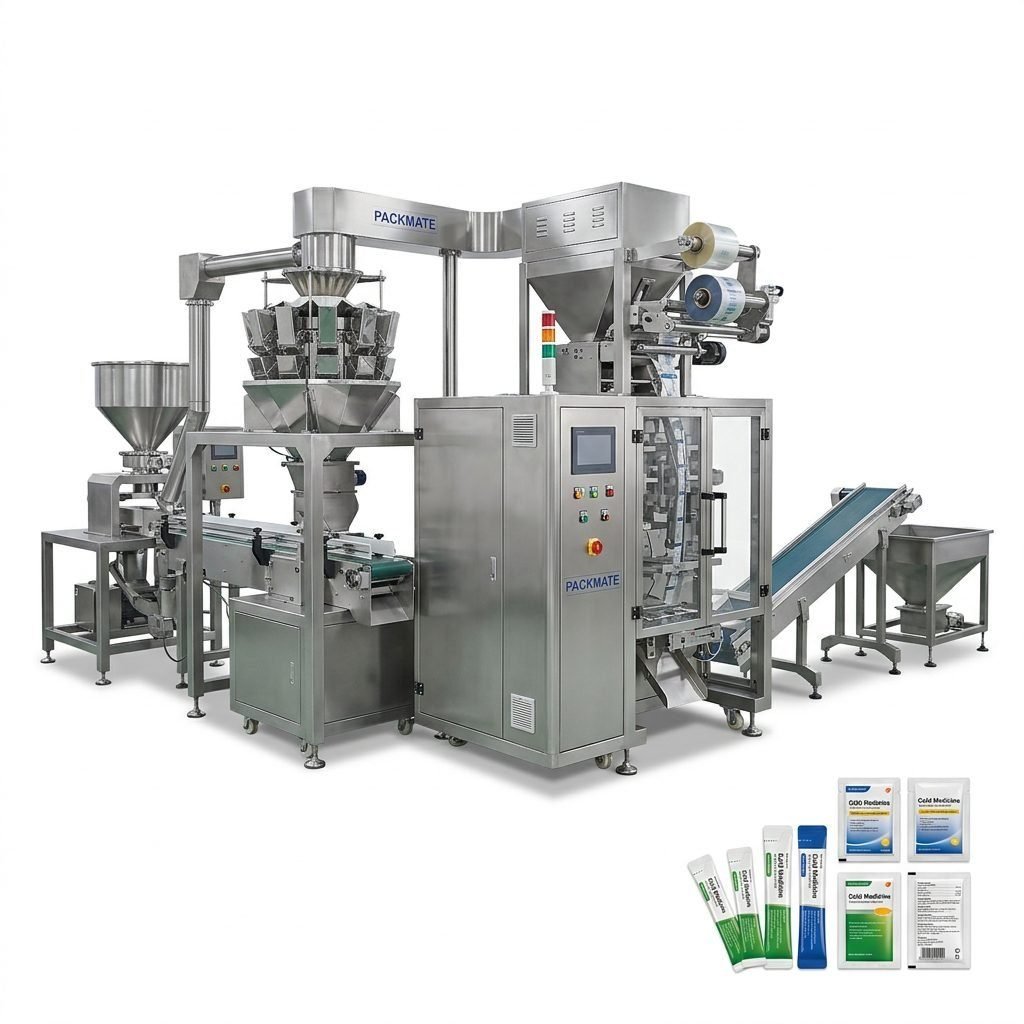
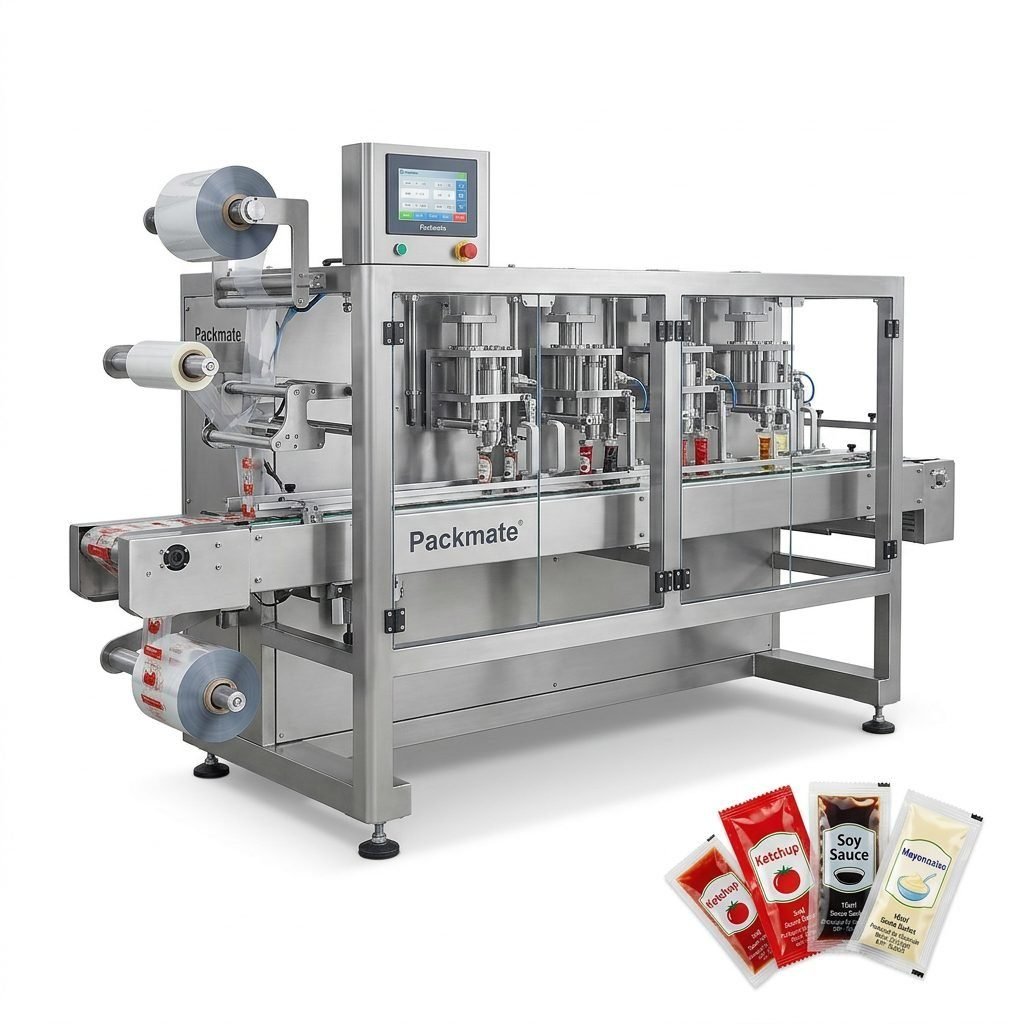
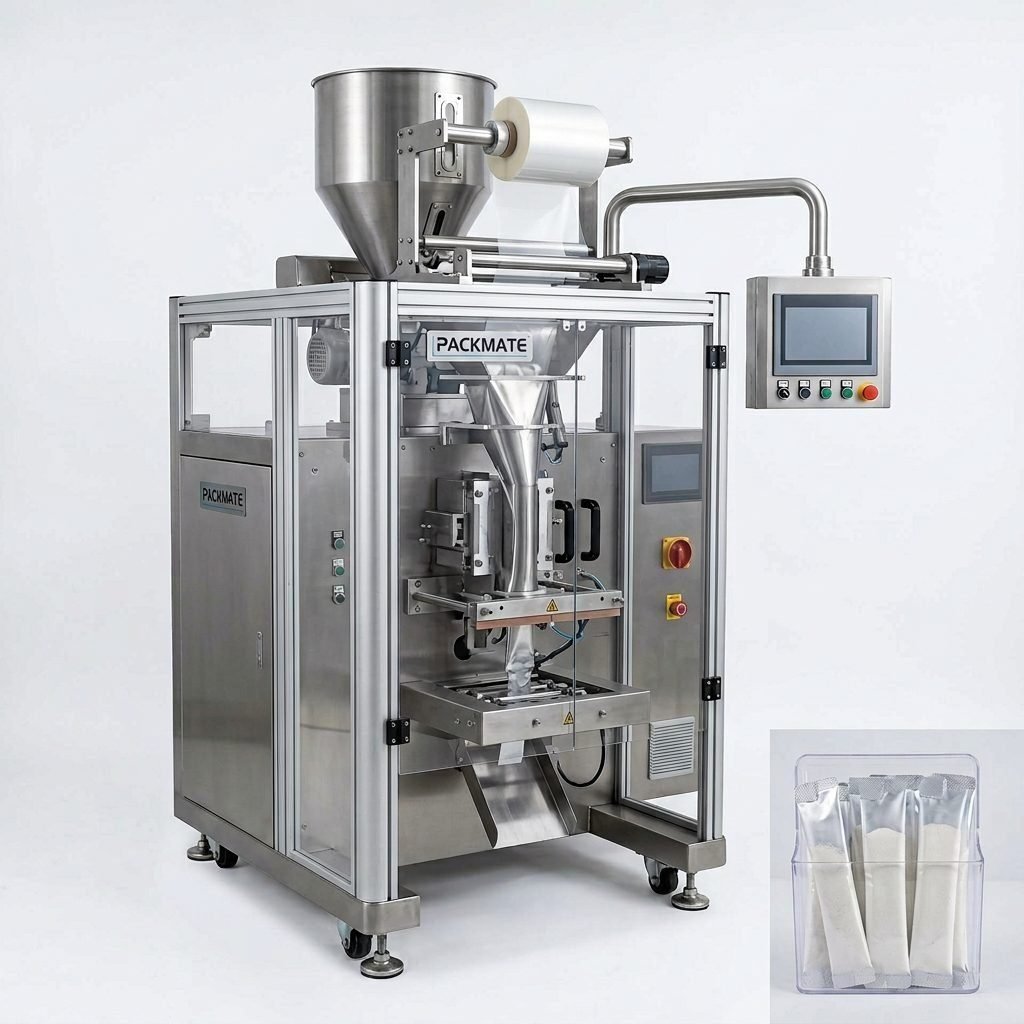
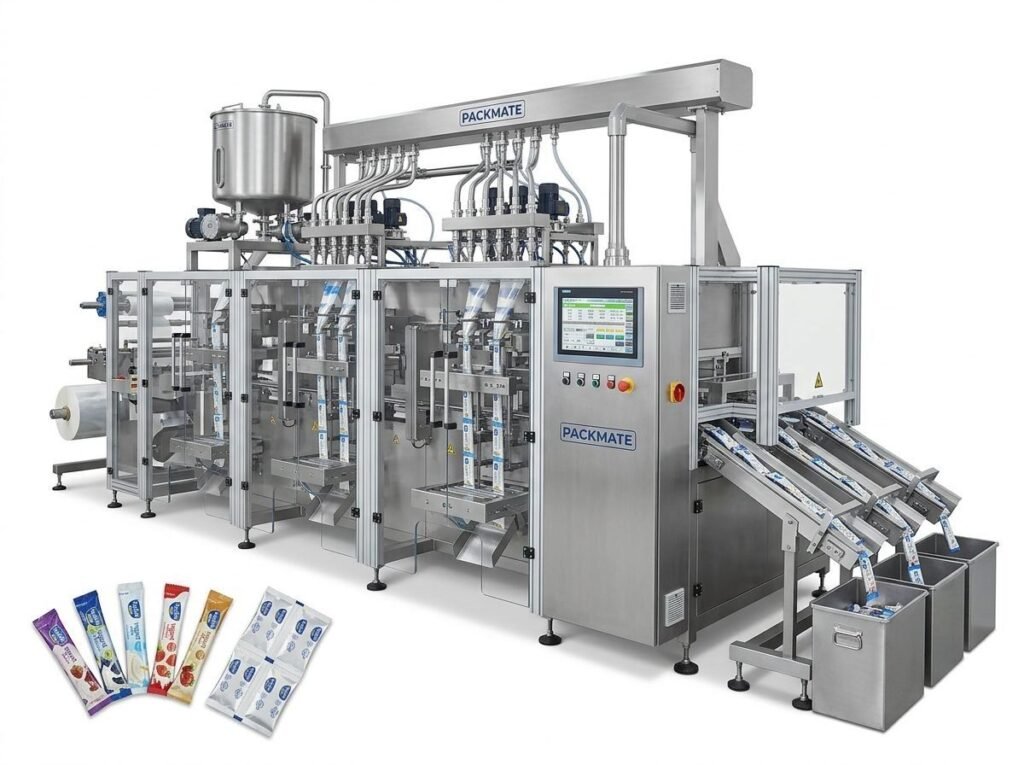
In the competitive landscape of modern manufacturing, efficiency is not just a goal—it’s a necessity. For industries that rely on blister card packaging, from pharmaceuticals and electronics to consumer goods and hardware, the right machinery can be the difference between meeting demand and falling behind. This article delves into the world of blister card packaging machines, highlighting top solutions designed to streamline your production line, enhance product protection, and boost your bottom line. Whether you are scaling up operations or optimizing an existing setup, understanding the capabilities of advanced packaging equipment is crucial.
Understanding Blister Card Packaging Machines
Blister card packaging, also known as clamshell packaging, involves sealing a product between a pre-formed plastic cavity (the blister) and a rigid backing card. This method is prized for its product visibility, tamper evidence, and retail-ready appeal. A blister card packaging machine automates the process of forming the plastic blister, placing the product, and sealing it to the card. Modern machines integrate precision engineering with smart controls to handle various materials, product sizes, and sealing techniques with remarkable speed and consistency.
Key Takeaway: The core function of these machines is to automate the forming, filling, and sealing process, which significantly reduces labor costs, minimizes human error, and ensures a uniform, high-quality package every time.
Critical Features of Top-Tier Machines
When evaluating blister card packaging machines for efficient production, several features stand out as non-negotiable for top performance:
High-Speed Operation: Leading machines can achieve impressive cycle rates, often ranging from 40 to 120+ cards per minute, depending on complexity. This throughput is essential for meeting large-volume orders.
Versatility and Quick Changeover: The best machines offer easy adjustment mechanisms for different card and blister sizes. Quick changeover capabilities minimize downtime when switching between product lines, a vital factor for manufacturers with diverse SKUs.
Precision Thermoforming & Sealing: Consistent heat control for forming the blister and a reliable sealing station are paramount. Advanced machines provide precise temperature management to ensure a perfect seal without damaging the product or packaging materials.
Integrated Quality Control: Look for machines with vision inspection systems or checkweighers that can detect missing products, misaligned blisters, or imperfect seals, automatically rejecting faulty packages.
User-Friendly HMI (Human-Machine Interface): An intuitive touchscreen control panel allows operators to monitor production data, adjust parameters, and troubleshoot with ease, reducing the learning curve and operational errors.
Benefits of Automating with Advanced Machinery
Investing in a state-of-the-art blister card packaging system delivers tangible returns across your operation. The primary benefit is a dramatic increase in production efficiency. Automation handles repetitive tasks faster and with unwavering consistency, freeing up skilled labor for more value-added activities. This leads directly to reduced operational costs over time, as you save on labor and minimize material waste from packaging errors.
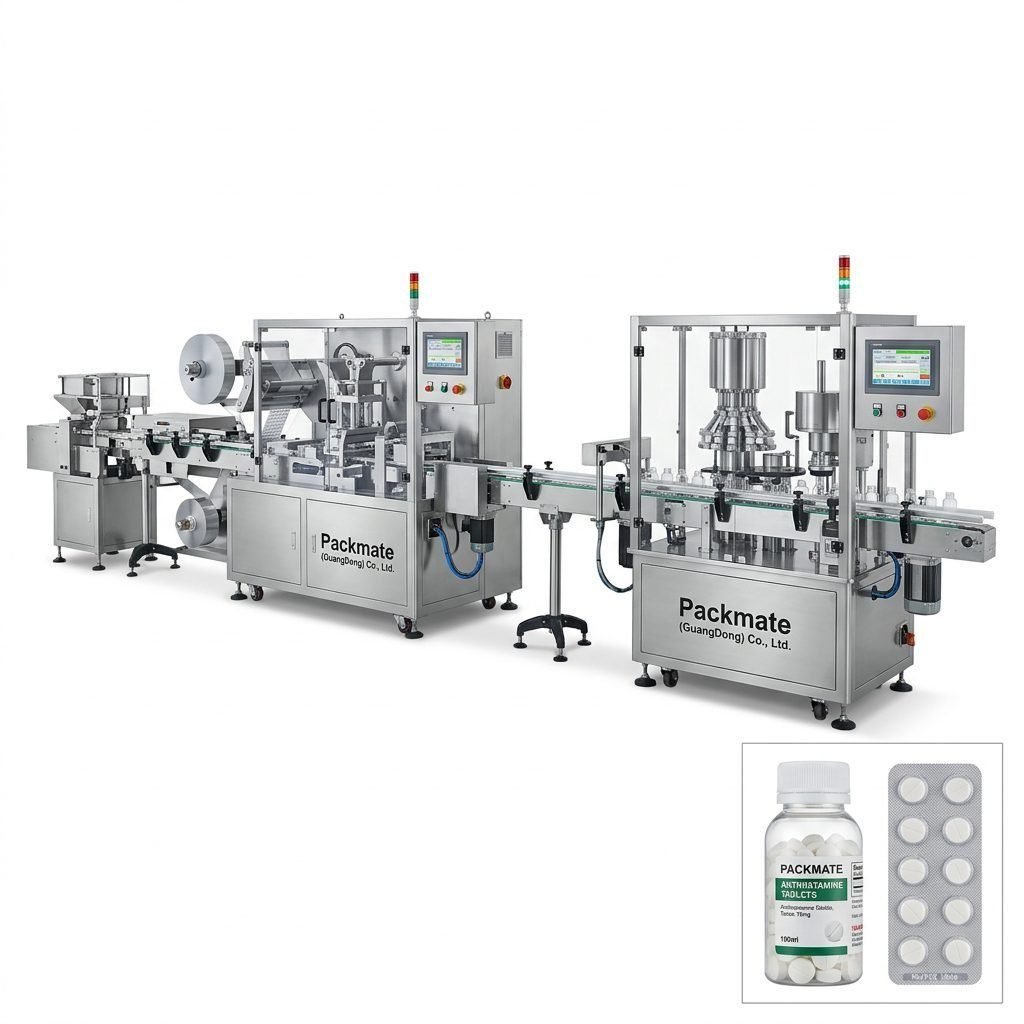
Furthermore, automated systems enhance product safety and compliance, especially critical in regulated industries like pharmaceuticals. Precise, repeatable sealing ensures product integrity and hygiene. Finally, the professional, uniform appearance of machine-produced packaging strengthens brand perception on retail shelves, building consumer trust. For a comprehensive look at automated packaging solutions, explore our range of Filling & Packaging Lines.
Selecting the Right Machine for Your Needs
Choosing the ideal blister card packaging machine requires a careful assessment of your specific requirements. Start by analyzing your product characteristics—size, shape, and fragility. Next, define your required production output (units per minute/shift) to match the machine’s capacity. The type of packaging materials (PVC, PET, APET, etc.) and card stock you plan to use must be compatible with the machine’s forming and sealing technology.
Consider future growth; a modular machine that can be upgraded or integrated with other Auxiliary Packaging Equipment offers better long-term value. Lastly, partner with a manufacturer known for robust after-sales Service and support, ensuring minimal disruption during installation and throughout the machine’s lifecycle.
The Role of Innovation and Reliability
The blister packaging sector is driven by continuous innovation. Modern machines incorporate IoT (Internet of Things) capabilities for predictive maintenance and real-time production monitoring from a dashboard. This connectivity allows for data-driven decisions to optimize efficiency further. However, innovation must be built on a foundation of reliability. A machine that frequently breaks down negates all efficiency gains.
This is where the heritage and expertise of the manufacturer become critical. Companies with decades of experience, like Packmate Machinery, understand the rigorous demands of production environments. Their machines are engineered not just for peak performance but for sustained, dependable operation, backed by a global support network. This blend of cutting-edge technology and proven durability is what defines a top machine for efficient production.
Conclusion: Investing in Production Efficiency
Upgrading to a high-performance blister card packaging machine is a strategic investment that pays dividends in productivity, cost savings, and product quality. By automating a critical stage of your packaging process, you gain a competitive edge through faster time-to-market, reduced waste, and enhanced brand presentation. The key is to select a machine that aligns precisely with your current output goals and future growth plans, from a partner committed to quality and innovation. In today’s fast-paced market, efficient packaging isn’t just about enclosing a product—it’s about securing your operational success.
Frequently Asked Questions (FAQs)
Q1: What is the typical production speed of a blister card packaging machine?
Production speeds vary widely based on machine model and package complexity. Standard machines range from 40 to 80 cards per minute, while high-speed models can exceed 120 cards per minute. The specific speed for your application depends on product size, material, and the level of automation.
Q2: Can one machine handle different sizes of blister cards?
Yes, most modern machines are designed for versatility. They feature adjustable forming molds, sealing plates, and feeding systems that allow for relatively quick changeovers between different card and blister dimensions, minimizing downtime during product switches.
Q3: What materials can be used for the blister and the card?
Common blister materials include PVC, PET, RPET, APET, and PP. The backing card is typically paperboard or cardboard, often coated for better sealability. It’s essential to confirm that your chosen machine is compatible with your specific material choices, as sealing temperatures and pressures differ.
Q4: How important is after-sales service when purchasing this equipment?
Extremely important. Reliable technical support, availability of spare parts, and operator training are crucial for maintaining high uptime and production efficiency. Always choose a supplier with a strong global service network and a proven track record of customer support.
Q5: Are these machines suitable for pharmaceutical packaging?
Absolutely. Many blister card packaging machines are built to meet stringent pharmaceutical standards. Features like clean design, validation support, and integrated quality inspection systems (e.g., vision checks for missing tablets) make them ideal for ensuring the safety and integrity of medical products.