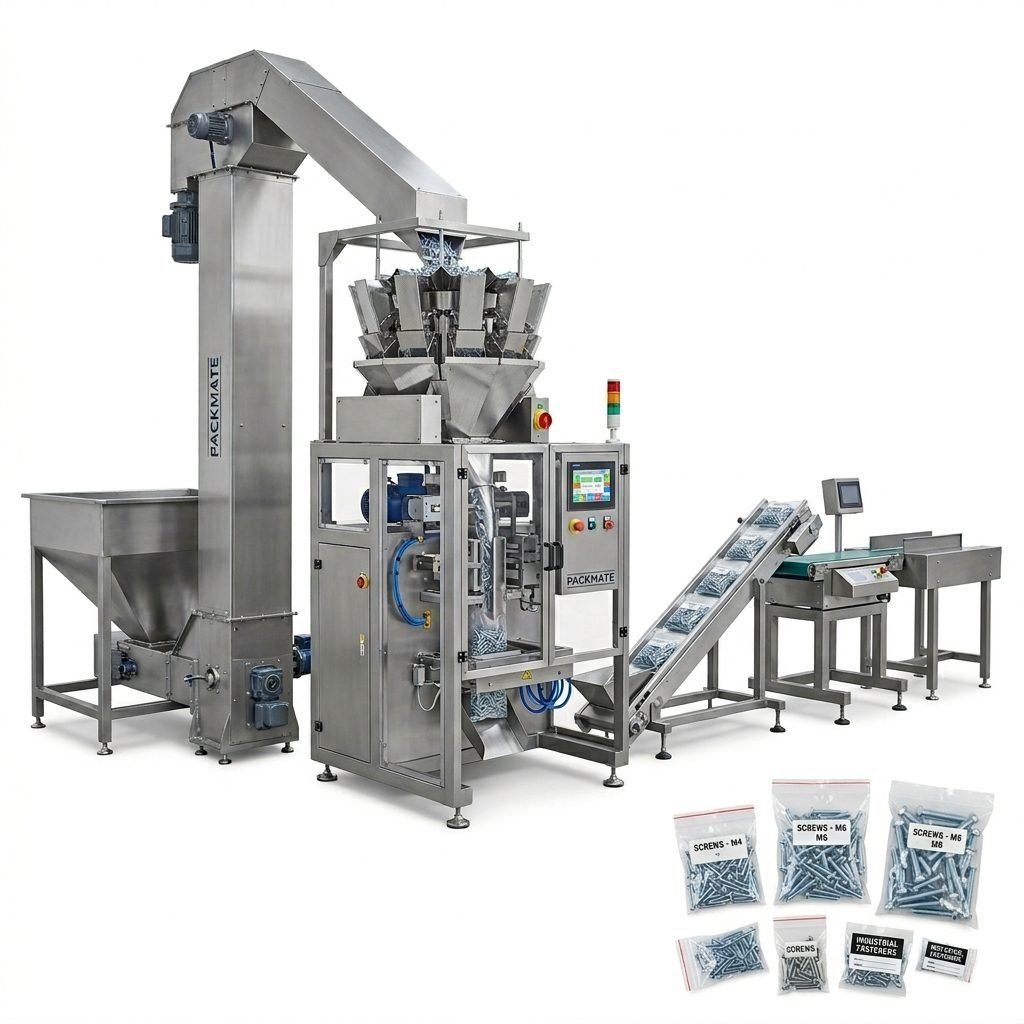
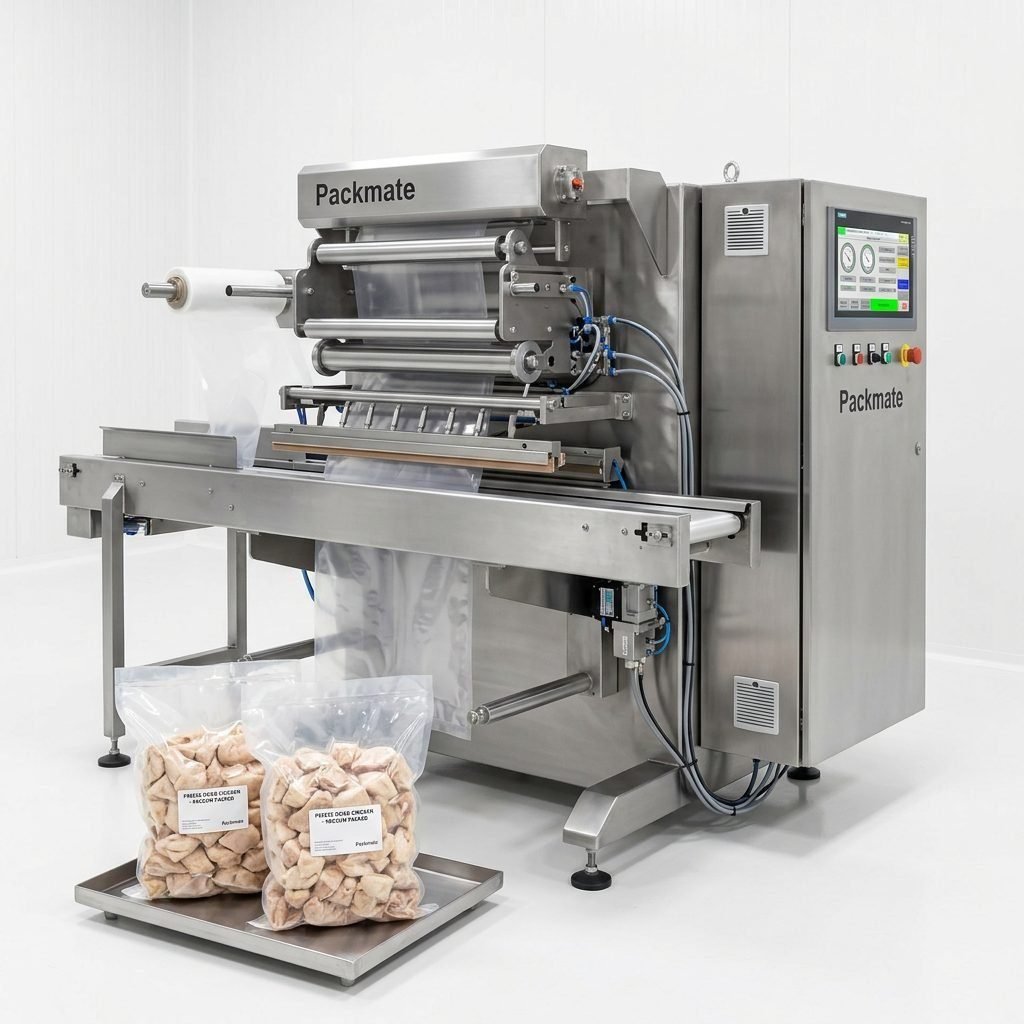
Secondary packaging machinery plays a crucial role in the modern supply chain, acting as the bridge between primary packaged products and their final distribution. This equipment is responsible for grouping, protecting, and preparing individual items for shipping, storage, and retail display. Understanding the different types, their specific uses, and key selection criteria is essential for any operation looking to optimize efficiency, reduce costs, and ensure product integrity from the production line to the end consumer.
Understanding Secondary Packaging and Its Core Functions
Secondary packaging refers to the outer layer that holds together one or more primary packages (like bottles, cans, or sachets). Its primary functions are consolidation, protection, and information. By grouping products into cartons, trays, or multipacks, it streamlines handling, improves logistics, and enhances brand presentation on the shelf. The right secondary packaging system not only safeguards products against damage during transit but also communicates vital information through labeling and barcoding.
For manufacturers, investing in the appropriate machinery is a strategic decision. It directly impacts operational speed, labor costs, material waste, and the overall resilience of the packaged goods. Companies like Packmate Machinery, with decades of experience, understand that this stage is critical for maintaining the quality established during primary packaging.
Key Objectives of Secondary Packaging Systems
- Unitization: Combining multiple primary packages into a single, manageable unit.
- Protection: Providing structural support and cushioning against shock, vibration, and compression.
- Efficiency: Enabling faster palletizing, warehousing, and transportation.
- Branding & Compliance: Offering space for branding, instructional text, and regulatory labels or barcodes.
Major Types of Secondary Packaging Machinery
The landscape of secondary packaging equipment is diverse, with machines designed for specific tasks and package forms. Selecting the right type depends on your product characteristics, volume, and desired pack style.
1. Case and Carton Erectors & Packers
These are workhorses for shipping operations. Case erectors automatically take flat corrugated cases, form them into boxes, and bottom-seal them. Case packers then carefully load the primary products into the erected cases. They can be vertical or horizontal, depending on how the product is loaded. This machinery is ideal for high-volume production of items like food cans, beverage bottles, or pharmaceutical boxes.
2. Tray Forming and Packaging Systems
Trayformers create trays from flat corrugated or paperboard blanks, which are then used to hold products. A common application is for grouping beverage cans or jars. Some systems combine tray forming with shrink wrapping, where a plastic film is applied and shrunk with heat to create a stable, see-through multipack. This method is popular for its cost-effectiveness and excellent product visibility.
3. Shrink Wrapping & Bundling Machines
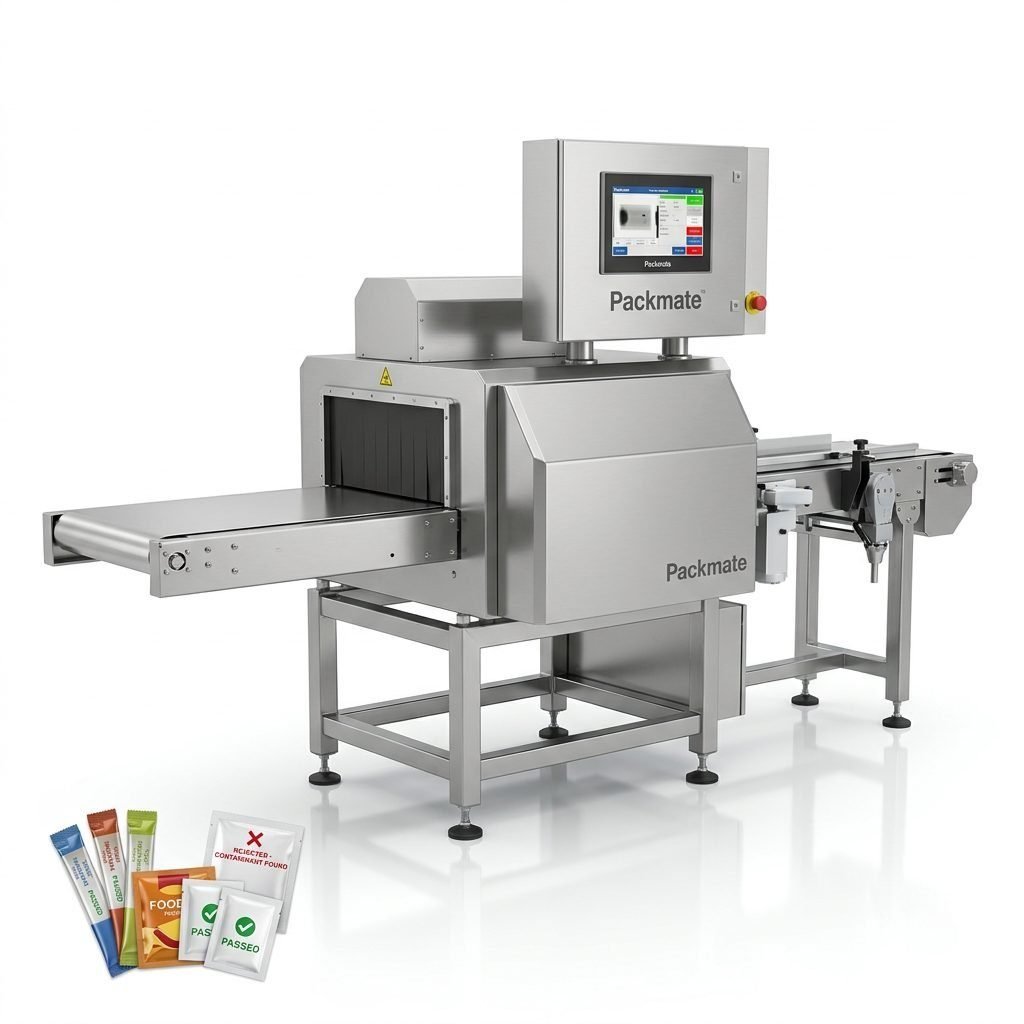
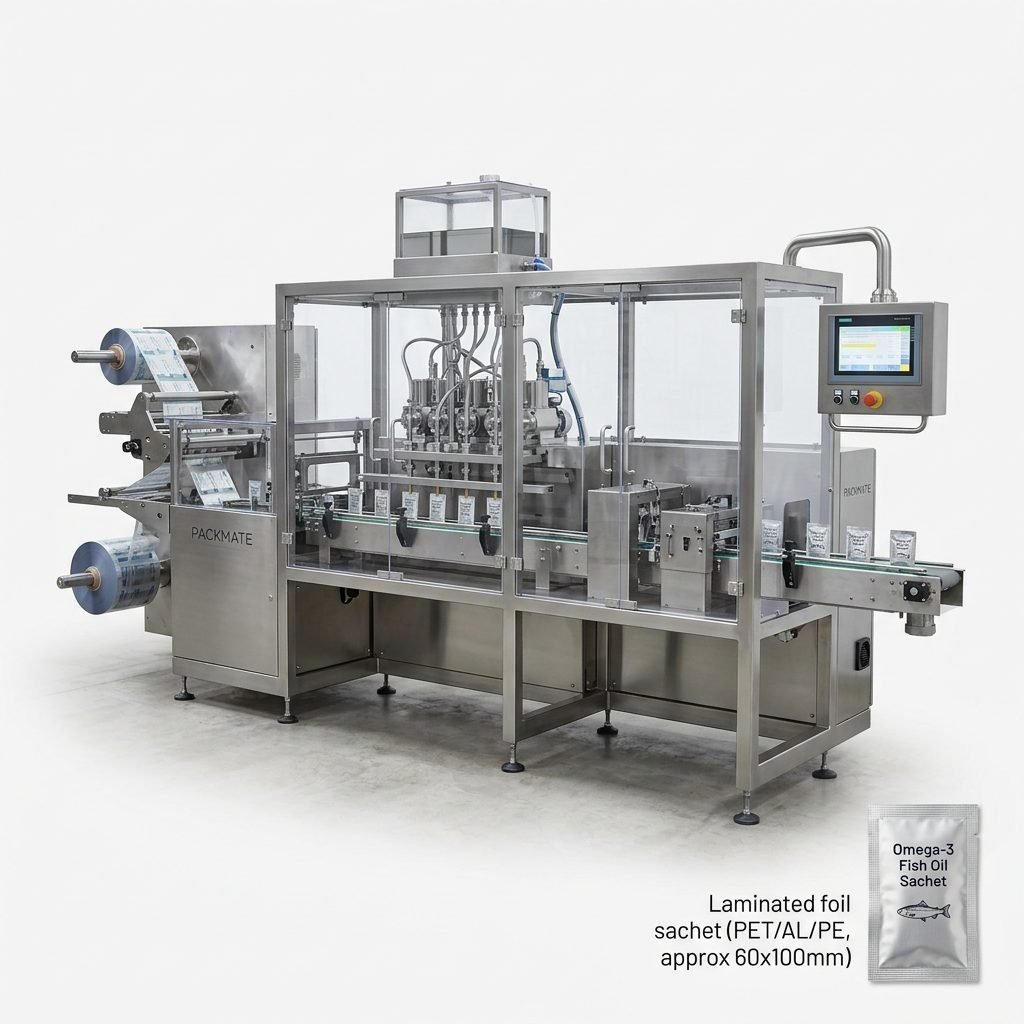
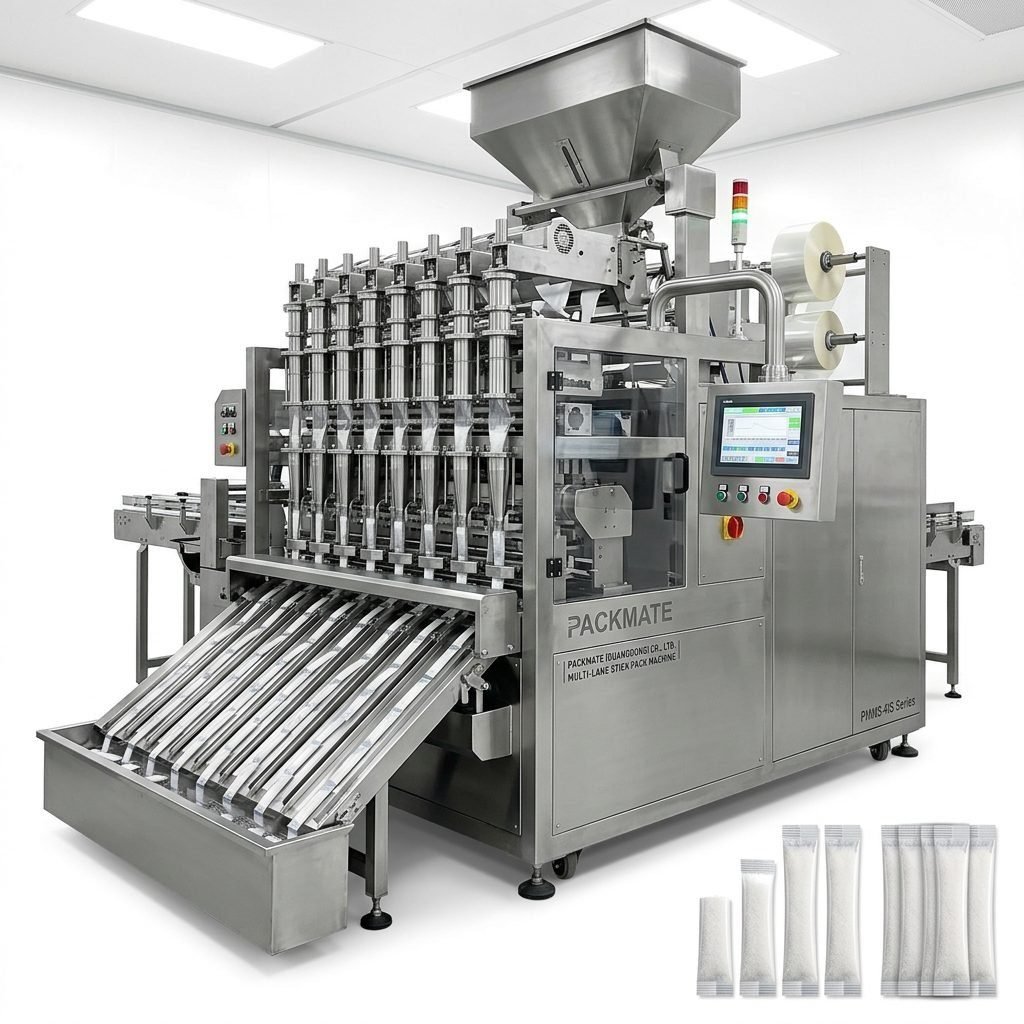
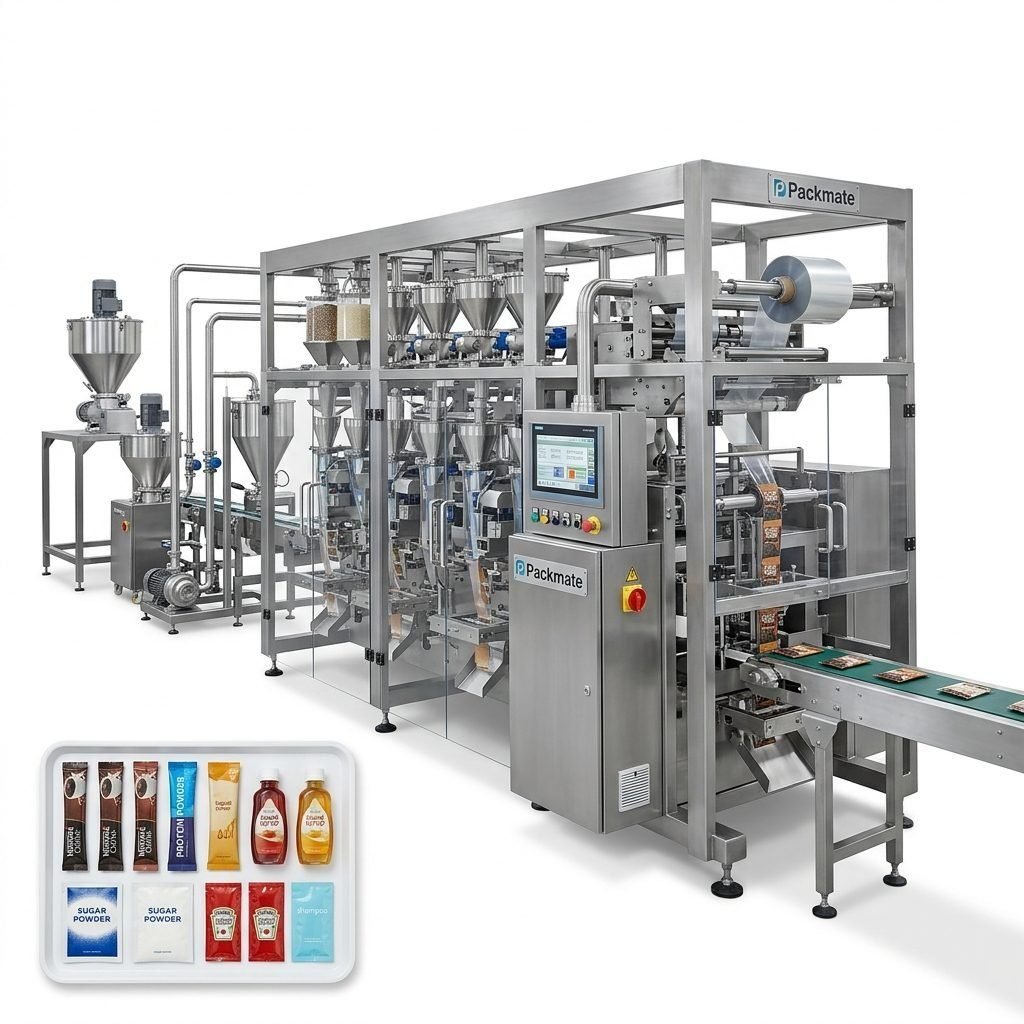
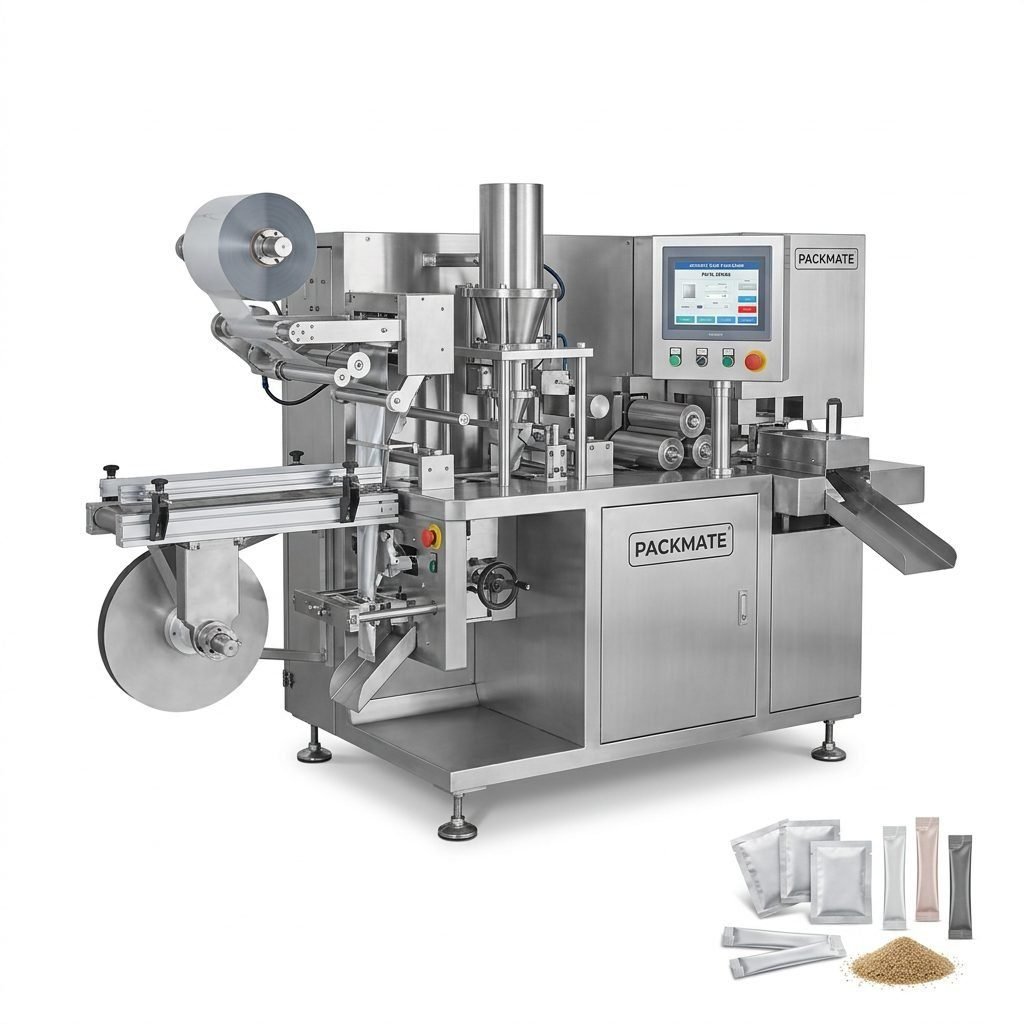
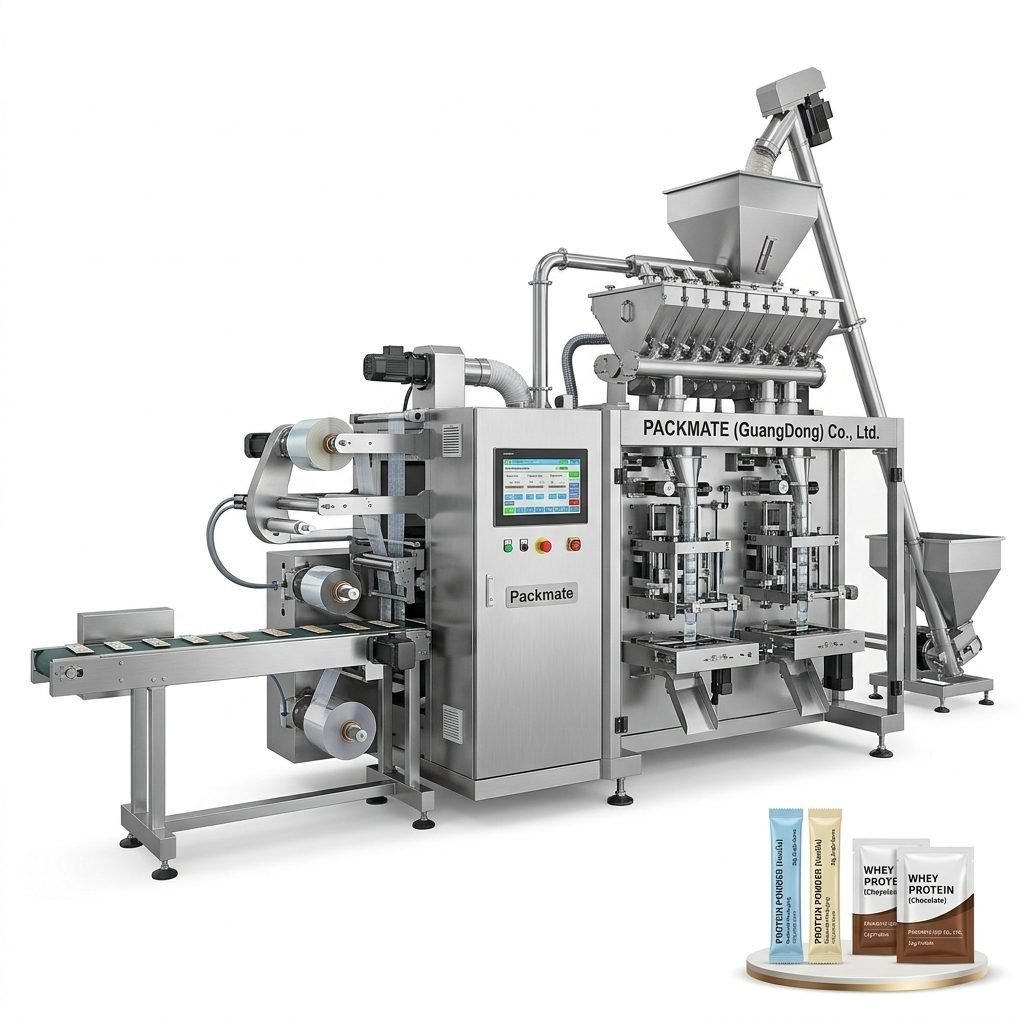
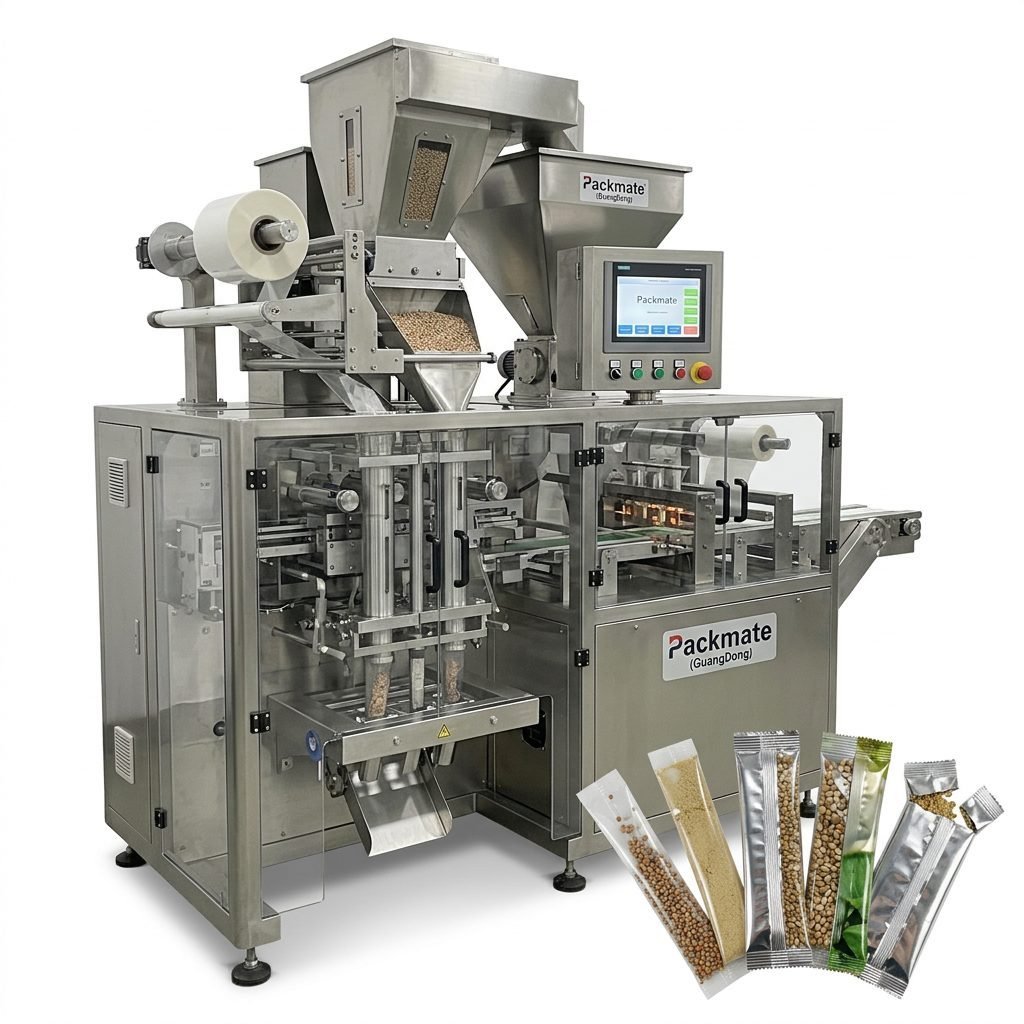
Shrink wrapping machines use a loose sleeve of plastic film to bundle products together. The bundle then passes through a heat tunnel, causing the film to shrink tightly around the products. This is excellent for securing irregular shapes, creating multi-packs, or providing a tamper-evident seal. Bundlers are often used for grouping magazines, software boxes, or canned goods. For operations dealing with sachets or stick packs, integrating with a reliable sachet packaging line before bundling is a common workflow.
4. Stretch Wrapping Equipment
Primarily used for securing loads onto pallets for storage and shipping, stretch wrappers apply layers of stretchable plastic film. This stabilizes the pallet load, preventing movement and damage. They range from manual turntables to fully automatic high-speed systems with rotating arms or conveyor-fed platforms.
5. Labeling and Coding Systems
While not always classified solely as secondary packaging, labeling and coding are integral to the process. These systems apply shipping labels, barcodes, expiry dates, or batch codes directly onto the secondary package (carton, tray, or shrink film). Accurate labeling is critical for traceability and supply chain management.
Critical Uses and Industry Applications
Secondary packaging machinery is ubiquitous across manufacturing sectors. Its application ensures products reach their destination in saleable condition.
Food & Beverage: This industry heavily relies on case packing, trayforming, and shrink wrapping for bottles, cans, snack bags, and frozen food boxes. Efficiency and hygiene are paramount.
Pharmaceutical & Healthcare: Here, precision and traceability are key. Secondary packaging often involves bundling blister packs into cartons with precise labeling, ensuring patient safety and regulatory compliance.
Consumer Goods: Items from cosmetics to hardware are grouped into attractive retail-ready packs or secure shipping cases. Machinery must handle diverse shapes and sizes gently.
E-commerce Fulfillment: With the rise of online shopping, secondary packaging (often right-sized cartons or mailers) is the final protective step before direct-to-consumer shipping, requiring adaptable and efficient systems.
Essential Selection Tips for Your Operation
Choosing the right secondary packaging machine requires a careful analysis of your needs. A poor choice can lead to bottlenecks, product damage, and wasted materials.
1. Analyze Your Product and Primary Package
Start with the basics: the size, weight, shape, and fragility of your primary product and its package. Is it a rigid bottle, a flexible pouch, or a delicate vial? The machinery must handle your product gently but securely. Consider future product changes to ensure the machine has some adaptability.
2. Determine Required Speed and Output
Match the machine’s speed (cases or bundles per minute) to your production line’s output. A machine that is too slow creates a bottleneck; one that is excessively fast for your needs is an unnecessary capital expense. Calculate your peak and average production requirements.
3. Evaluate Packaging Materials
The machine must be compatible with your chosen secondary packaging materials—corrugated grade, tray board, shrink film type, or stretch film gauge. Some machines offer features that reduce material consumption, which can lead to significant long-term savings. Partnering with a manufacturer that provides complete packaging line solutions can ensure seamless material compatibility from start to finish.
4. Consider Footprint and Integration
Measure your available floor space. How will the new machine integrate with your existing upstream (filling, primary packaging) and downstream (palletizing) equipment? Look for machines designed for easy connectivity and minimal changeover time between different pack patterns or product runs.
5. Prioritize Reliability and Supplier Support
Downtime is costly. Investigate the machine’s build quality, reliability history, and the manufacturer’s reputation. A supplier with a strong track record, like Packmate Machinery with its over 30 years of expertise, offers more than just a machine; they offer peace of mind. Ensure they provide comprehensive after-sales service, technical support, and readily available spare parts.
6. Factor in Total Cost of Ownership (TCO)
Look beyond the initial purchase price. Consider energy consumption, required operator skill level, maintenance costs, and the machine’s expected lifespan. A slightly higher initial investment in a robust, efficient machine often yields a lower TCO through years of reliable, low-maintenance operation.
Conclusion
Selecting the ideal secondary packaging machinery is a strategic investment that directly impacts your bottom line and brand reputation. By thoroughly understanding the different machine types—from case packers and trayformers to shrink wrappers—and meticulously evaluating your product needs, output goals, and operational constraints, you can make an informed decision. Remember, the goal is to achieve a seamless, efficient, and protective packaging process that ensures your products are presented perfectly and arrive safely, wherever they are destined. For businesses seeking integrated solutions, exploring a full range of packaging machinery options from a trusted supplier is a recommended first step.
Frequently Asked Questions (FAQs)
What is the main difference between primary and secondary packaging?
Primary packaging is in direct contact with the product (e.g., a bottle, can, or sachet). Its main role is to contain, protect, and preserve the product itself. Secondary packaging is the outer layer that groups primary packages together (e.g., a carton holding 12 soda cans). It focuses on logistics, handling, and additional protection for distribution.
Can one machine handle different sizes of secondary packages?
Many modern secondary packaging machines are designed with quick-changeover capabilities. They use adjustable guides, programmable logic controllers (PLCs), and modular tooling to switch between different carton sizes, tray formats, or bundle configurations with minimal downtime, making them suitable for production lines with multiple stock-keeping units (SKUs).
How does secondary packaging impact sustainability?
Secondary packaging has a significant sustainability footprint. Choosing machinery that enables right-sized packaging (minimizing void space), uses recyclable materials (like corrugated board), and reduces film waste through precise cutting and sealing can greatly lessen environmental impact. Manufacturers are increasingly developing equipment optimized for sustainable material use.
Is automatic secondary packaging machinery worth the investment for a small business?
It depends on volume and labor costs. For small businesses with growing output, semi-automatic machines can offer a middle ground, boosting consistency and speed without the full cost of a fully automated line. The investment should be justified by reduced labor, lower damage rates, and increased throughput capacity.
What regular maintenance does secondary packaging machinery require?
Regular maintenance is crucial for longevity and uptime. Common tasks include lubricating moving parts, checking and replacing worn seals or belts, cleaning sensors and optical components, and ensuring all mechanical adjustments are secure. Always follow the manufacturer’s specific maintenance schedule outlined in the machine manual.