In the fast-paced world of modern manufacturing, efficiency, precision, and reliability are non-negotiable. At the heart of achieving these goals lies a critical component: the packaging machine. These sophisticated pieces of equipment are no longer simple tools for wrapping products; they are intelligent systems that integrate seamlessly into production lines, ensuring product integrity, enhancing brand presentation, and optimizing operational costs. This guide delves deep into the types, functionalities, and strategic importance of packaging machines in today’s industrial landscape.
The Evolution of Packaging Machinery
The journey from manual packing to fully automated, intelligent systems marks a significant evolution. Early packaging was labor-intensive, slow, and prone to inconsistencies. The advent of mechanical machines brought speed but limited flexibility. Today, driven by Industry 4.0 principles, modern packaging machines are marvels of engineering. They incorporate Programmable Logic Controllers (PLCs), touch-screen Human-Machine Interfaces (HMIs), and sophisticated sensors that allow for real-time monitoring, predictive maintenance, and rapid changeovers between different product formats. This technological leap has transformed packaging from a cost center into a value-adding strategic asset.
Core Types of Packaging Machines in Modern Facilities
Understanding the diverse machinery is key to selecting the right solution. The landscape can be broadly categorized by function and package type.
Primary Packaging Machines
These machines handle the direct containment of the product. Key examples include:
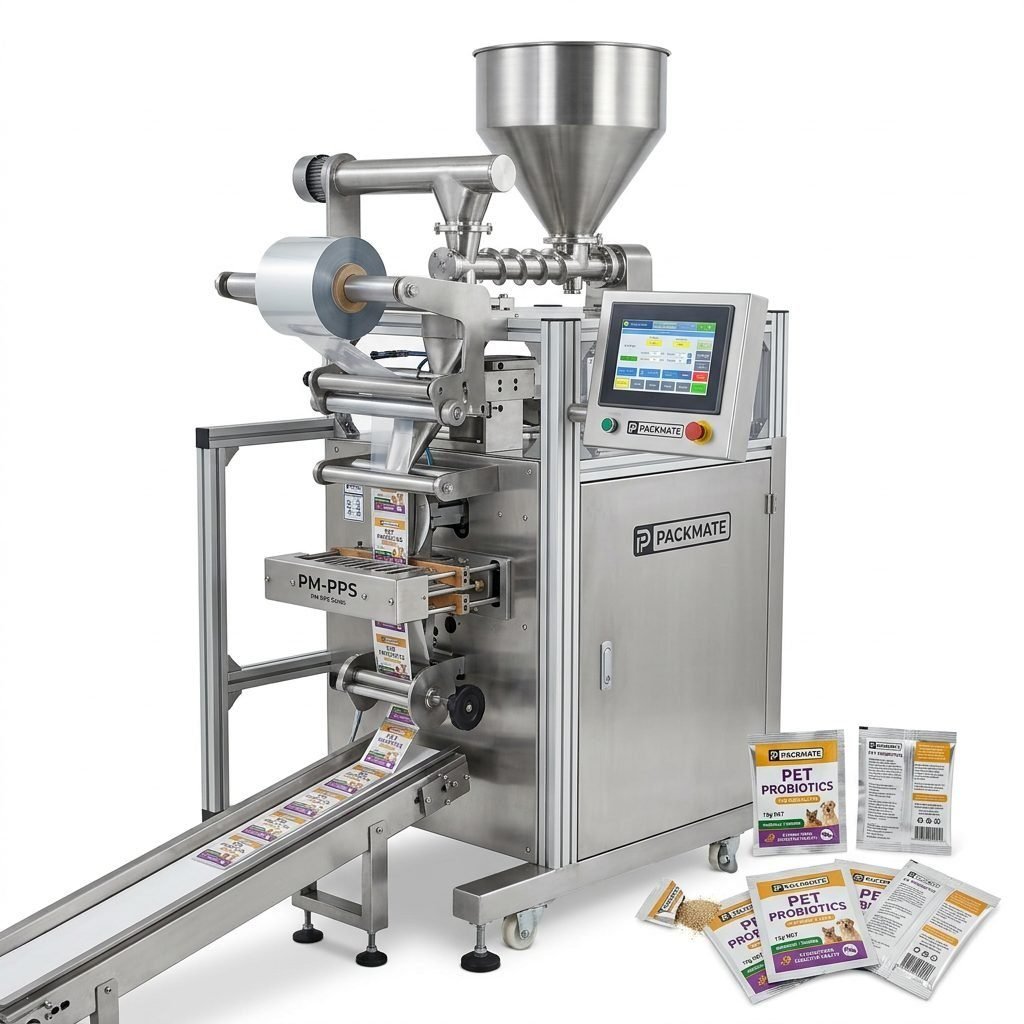
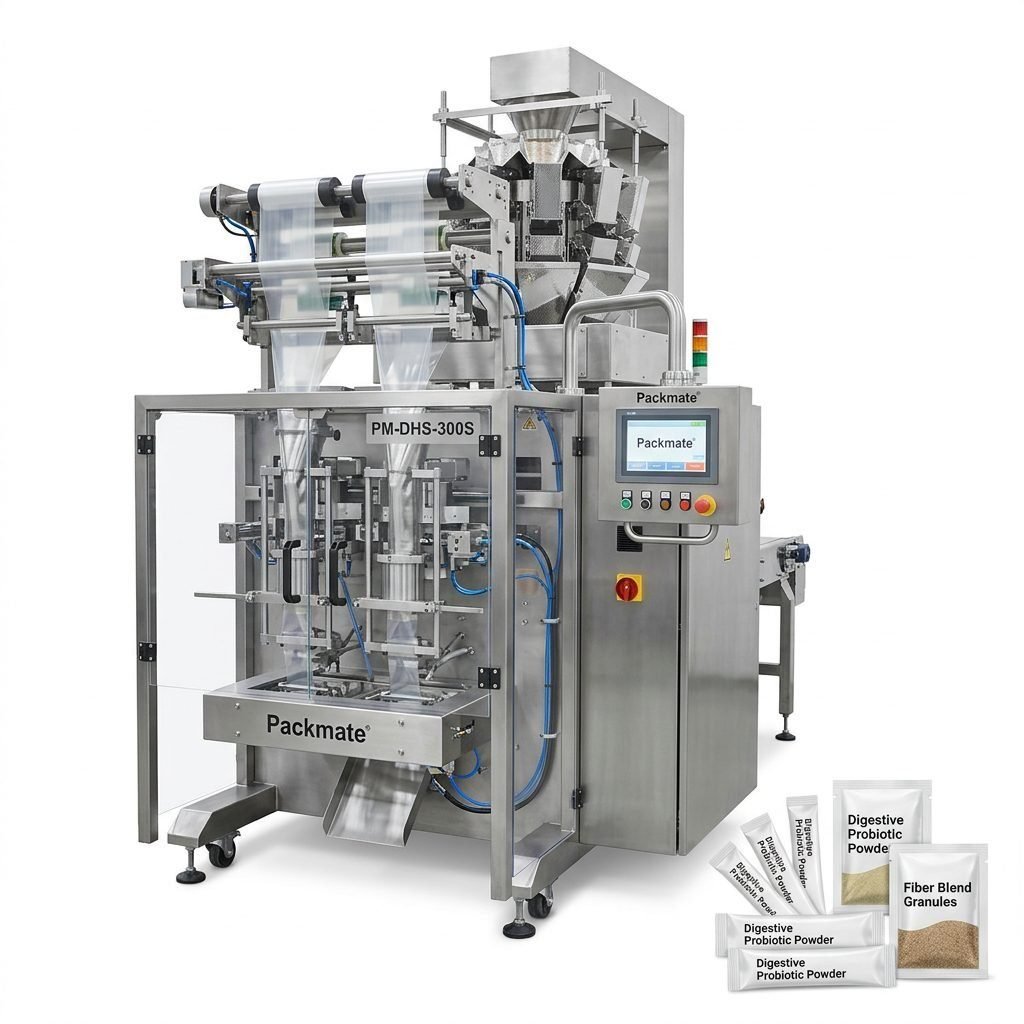
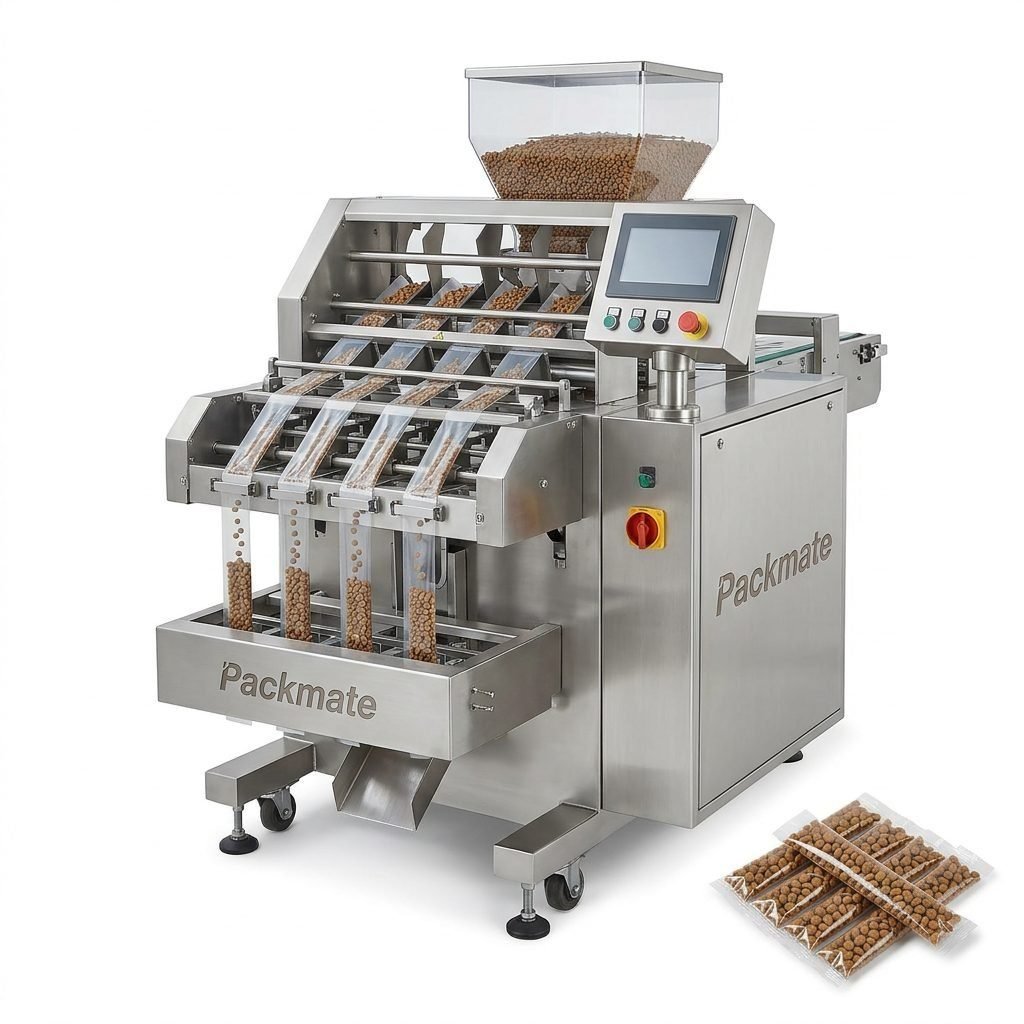
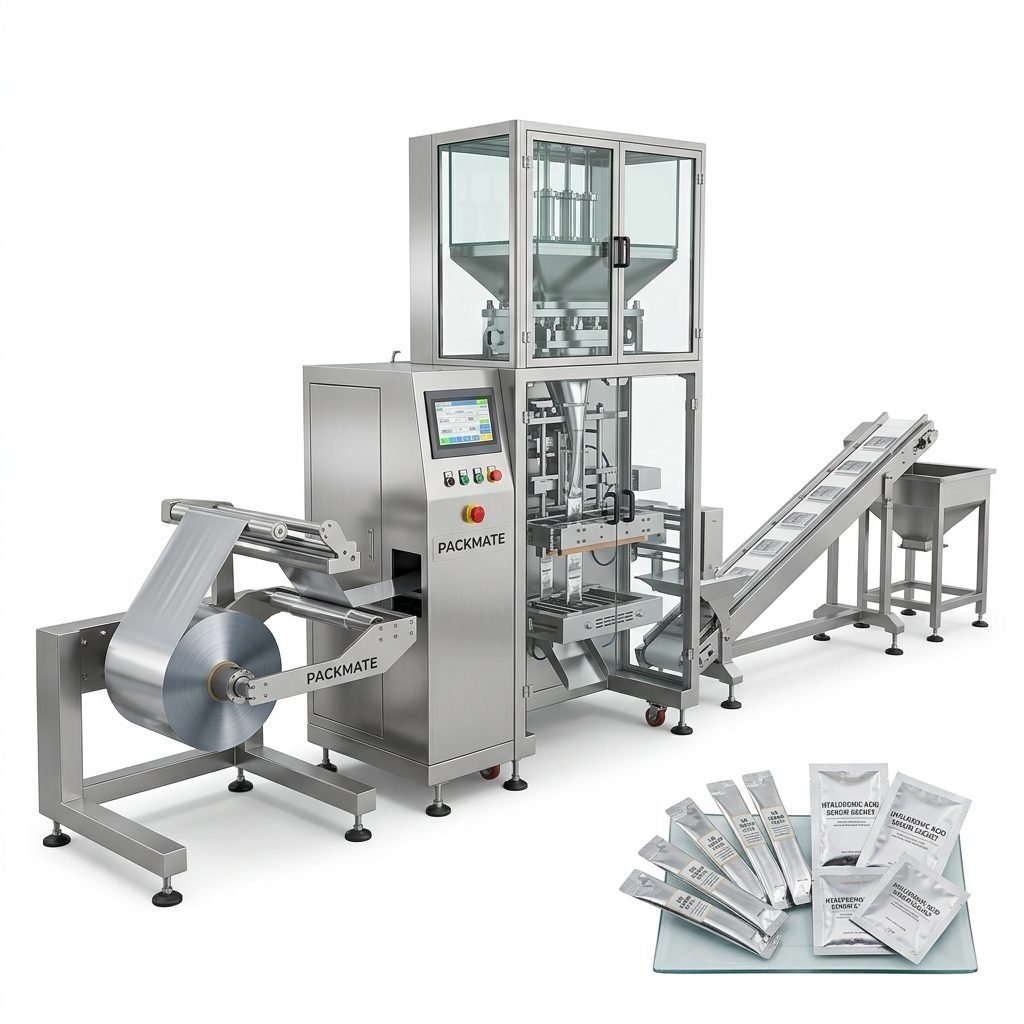
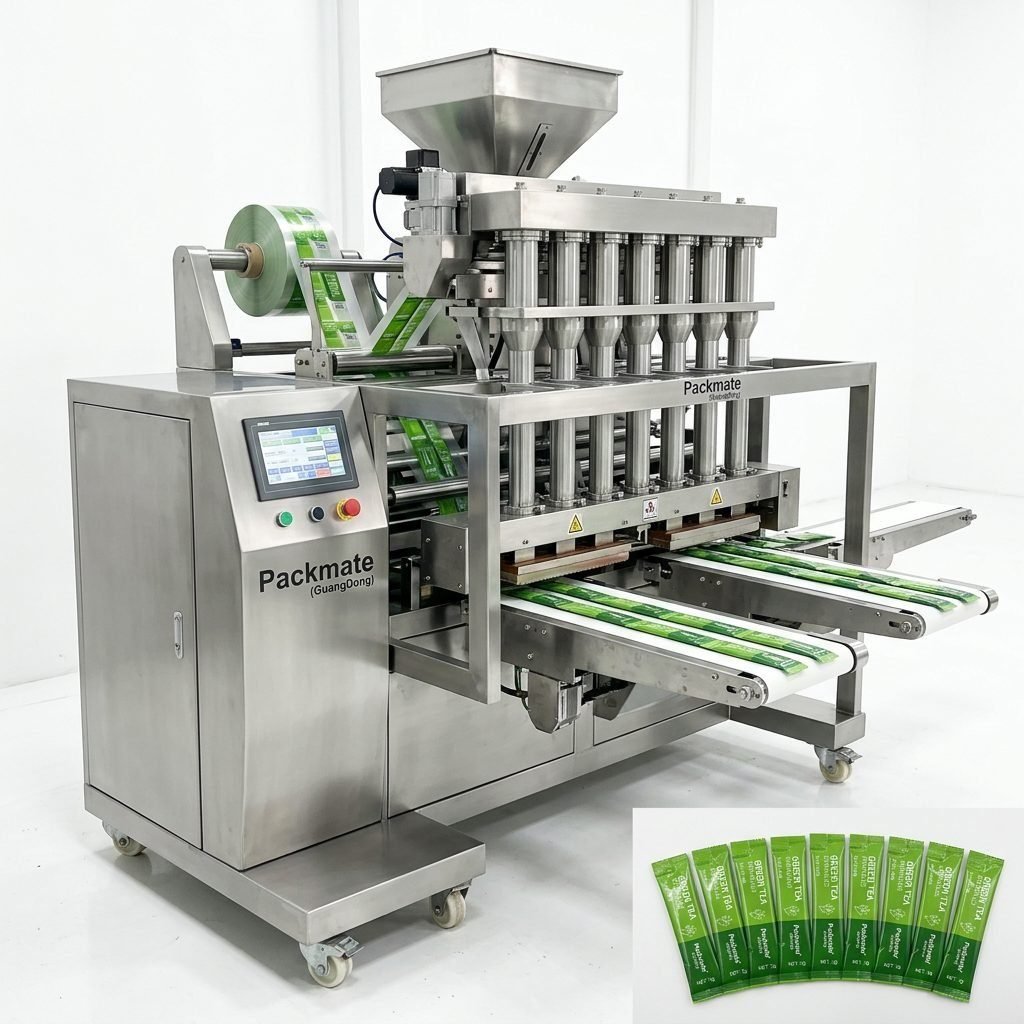
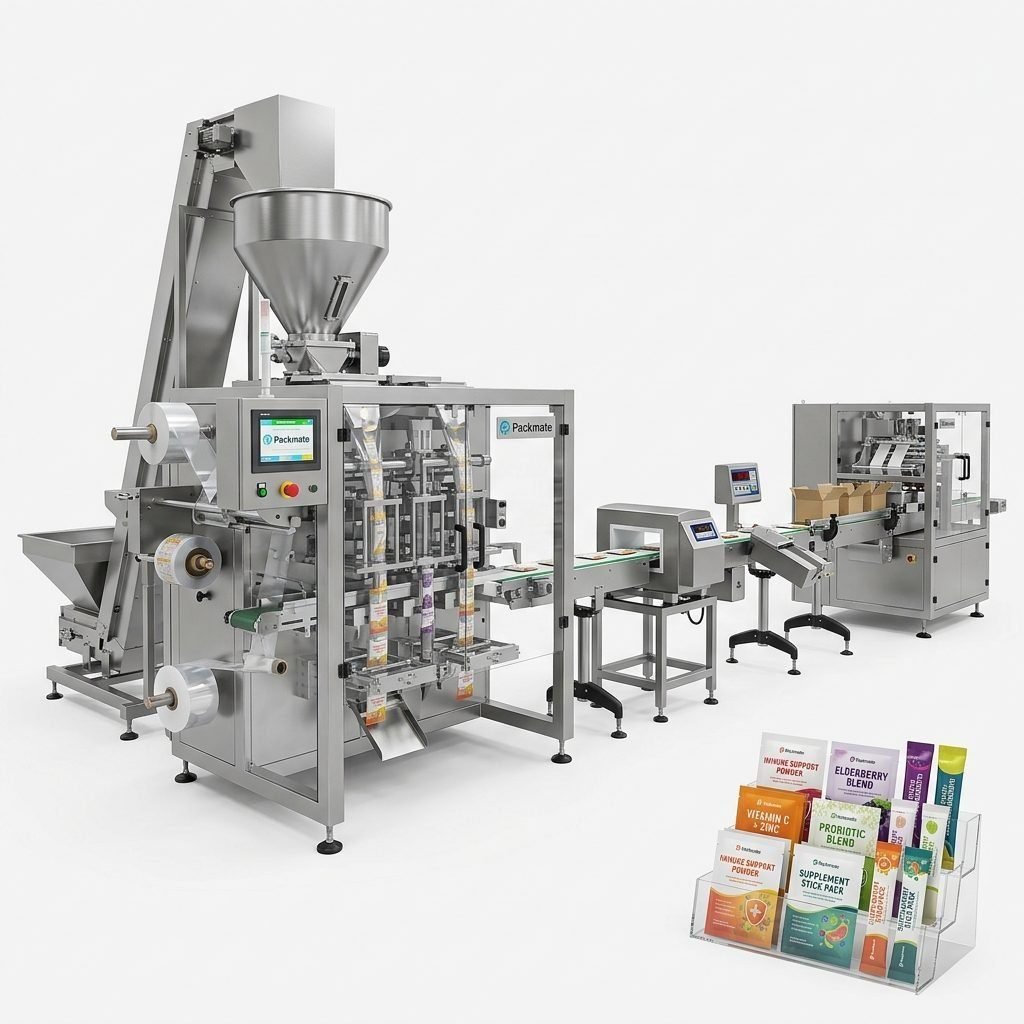
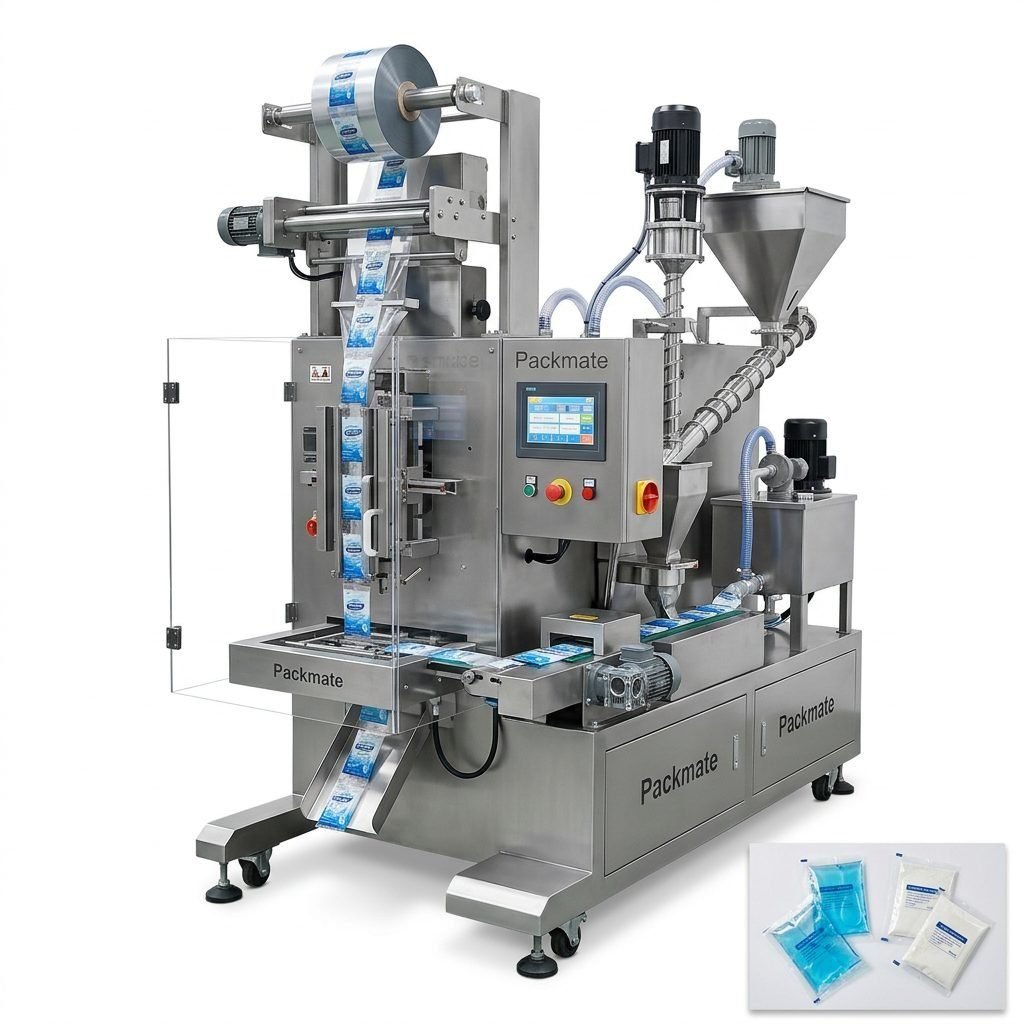
Form-Fill-Seal (FFS) Machines: The workhorses of the industry. They form packaging from a roll of film, fill it with product, and seal it—all in one continuous operation. They are ideal for producing sachets and stick packs for powders, granules, and liquids.
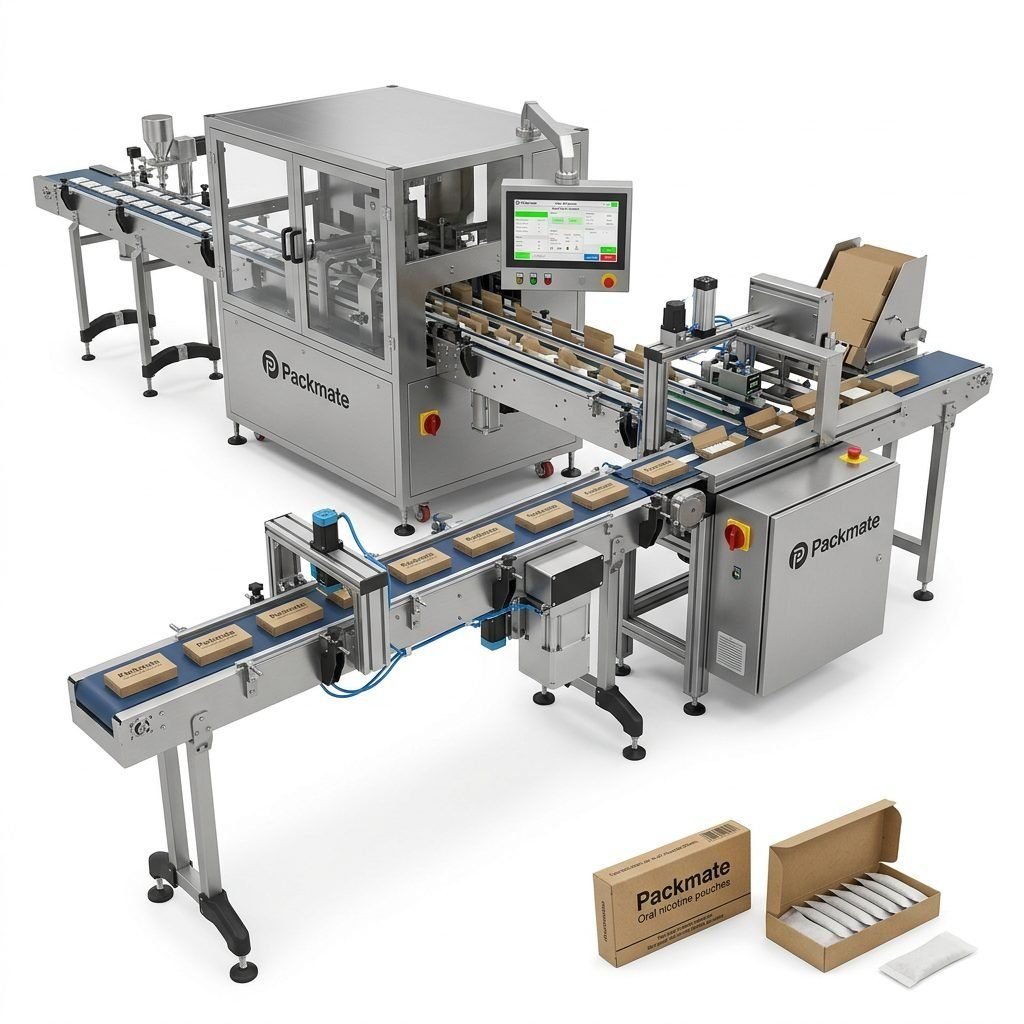
Vertical and Horizontal Cartoners: These machines erect, load, and seal carton boxes. Vertical cartoners are perfect for free-flowing products like tea bags or snack bars, while horizontal cartoners are often used for bundling multiple primary packages.
Bottling and Capping Lines: A synchronized series of machines for cleaning, filling, capping, and labeling bottles, crucial for the beverage, pharmaceutical, and cosmetic industries.
Secondary and Tertiary Packaging Machines
This equipment handles the grouping and shipping of primary packages.
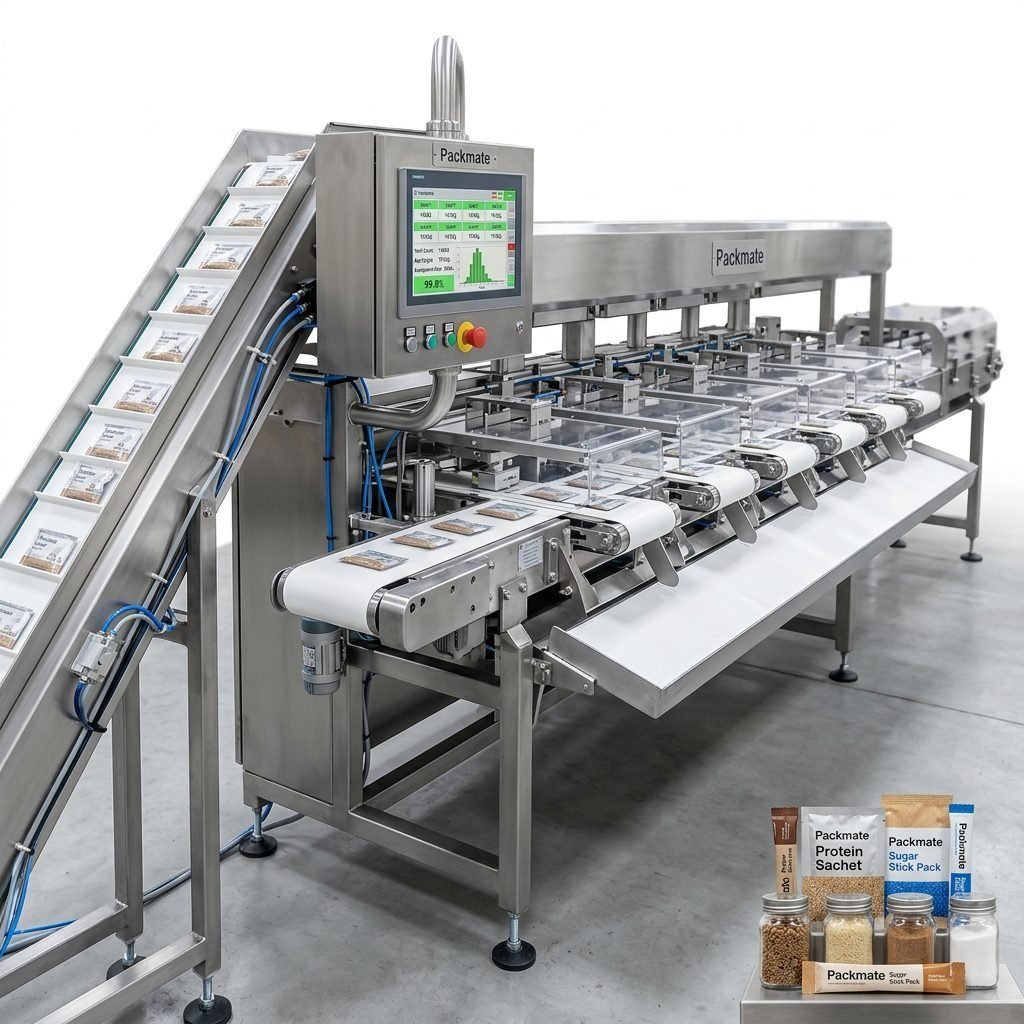
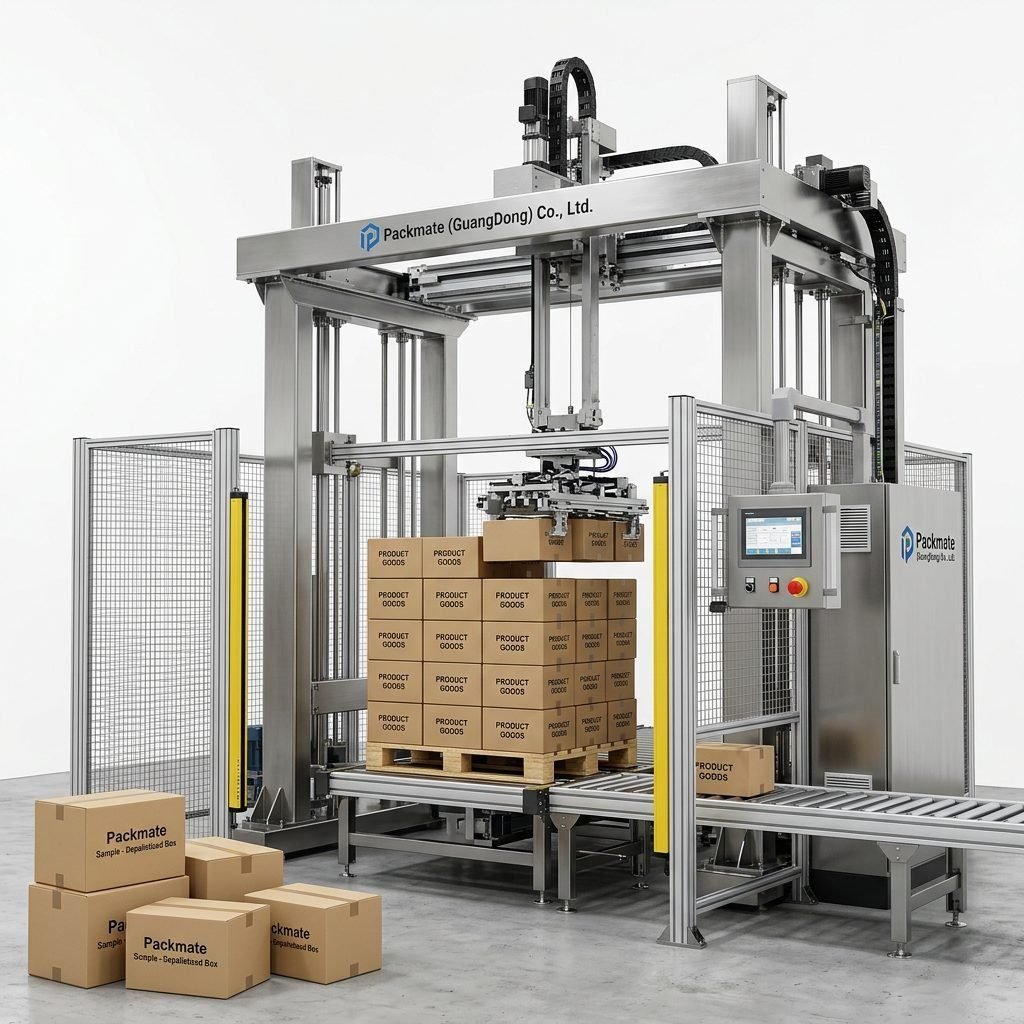
Case Packers and Palletizers: Case packers automatically load products into shipping cases, which are then stacked onto pallets by robotic or conventional palletizers. This automation drastically reduces manual handling and improves warehouse efficiency. For complex weighing and bagging needs, integrated weighing & packaging systems are essential.
Key Considerations for Selecting Packaging Machinery
Choosing the right machine is a strategic decision. Here are the critical factors to evaluate:
Product Characteristics: The physical properties of your product—whether it’s a powder, granule, liquid, paste, or solid—dictate the filling technology (auger, volumetric pump, weigh scale) and the type of packaging material required.
Production Speed and Output (CPM): Your required output in cycles per minute (CPM) must align with the machine’s capacity. Consider future growth to avoid under-specifying.
Flexibility and Changeover Time: In an era of SKU proliferation, the ability to quickly switch between package sizes, shapes, and materials with minimal downtime is a massive competitive advantage.
Integration and Connectivity: Modern machines should offer seamless integration with upstream and downstream equipment (like auxiliary packaging equipment) and provide data for Manufacturing Execution Systems (MES) for overall equipment effectiveness (OEE) tracking.
Hygiene and Safety Standards: For food, pharmaceutical, and nutraceutical applications, compliance with standards like FDA, cGMP, and EHEDG is paramount. Machines must be designed for easy cleaning and sanitization.
The Impact of Smart Technology and Sustainability
The future of packaging machinery is intelligent and green. The integration of the Internet of Things (IoT) allows for remote diagnostics and performance optimization. Machine learning algorithms can predict failures before they occur, minimizing unplanned downtime. Furthermore, sustainability is a driving force. Modern machines are engineered to minimize material waste through precise cutting and sealing, and they are increasingly compatible with mono-material and recyclable films, supporting the global shift toward a circular economy. A reliable partner like Packmate Machinery, with decades of expertise, can guide manufacturers through this technological and sustainable transition.
Implementing a Successful Packaging Line
Deploying a new packaging solution is a project that extends beyond just buying a machine. It involves careful planning, factory layout analysis, utility requirements (compressed air, electrical), and operator training. Partnering with a manufacturer that offers complete filling & packaging lines and comprehensive after-sales support ensures a smoother implementation and maximizes your return on investment.
Ultimately, the right packaging machine is a strategic partner that safeguards product quality, enhances brand value through consistent and attractive packaging, and drives manufacturing efficiency. By understanding the technology, carefully evaluating needs, and choosing a forward-thinking equipment supplier, manufacturers can build a robust, adaptable, and future-proof packaging operation that stands at the core of modern production success.
Frequently Asked Questions (FAQs)
What is the typical lead time for a custom packaging machine solution?
Lead times vary significantly based on complexity, customization, and current factory workload. For standard models, it can range from 8-12 weeks, while fully customized, high-speed integrated lines may require 16-24 weeks or more. It’s best to consult directly with the manufacturer for a precise timeline based on your specifications.
How do I ensure the packaging machine meets food-grade or pharmaceutical safety standards?
Specify your industry compliance requirements (e.g., FDA, cGMP, EHEDG) upfront. Reputable manufacturers design machines with these in mind, using appropriate stainless-steel grades, smooth surfaces without crevices, and designs that allow for clean-in-place (CIP) or easy disassembly for cleaning. Always request and review relevant certificates and material declarations.
What kind of after-sales support and training can we expect?
Comprehensive support should include detailed installation guidance (onsite or remote), thorough operator and maintenance technician training, a clear warranty period, and readily available spare parts. Many providers also offer remote diagnostic services and preventive maintenance contracts to ensure long-term machine reliability and performance.
Can a single machine handle multiple different package sizes and products?
Yes, many modern machines are built for flexibility. Look for features like servo-driven components, tool-less changeover systems, and recipe storage in the HMI. The degree of flexibility and the time required for changeover will depend on the machine’s design and the differences between the package formats.
What are the most common operational challenges with automated packaging lines, and how can they be mitigated?
Common challenges include film web breaks, inaccurate filling, and seal integrity issues. Mitigation starts with choosing high-quality, consistent packaging materials. Regular preventive maintenance, proper operator training, and utilizing machines with advanced diagnostic capabilities are crucial. Working with a supplier that provides strong technical support is key to quickly resolving any operational hiccups.