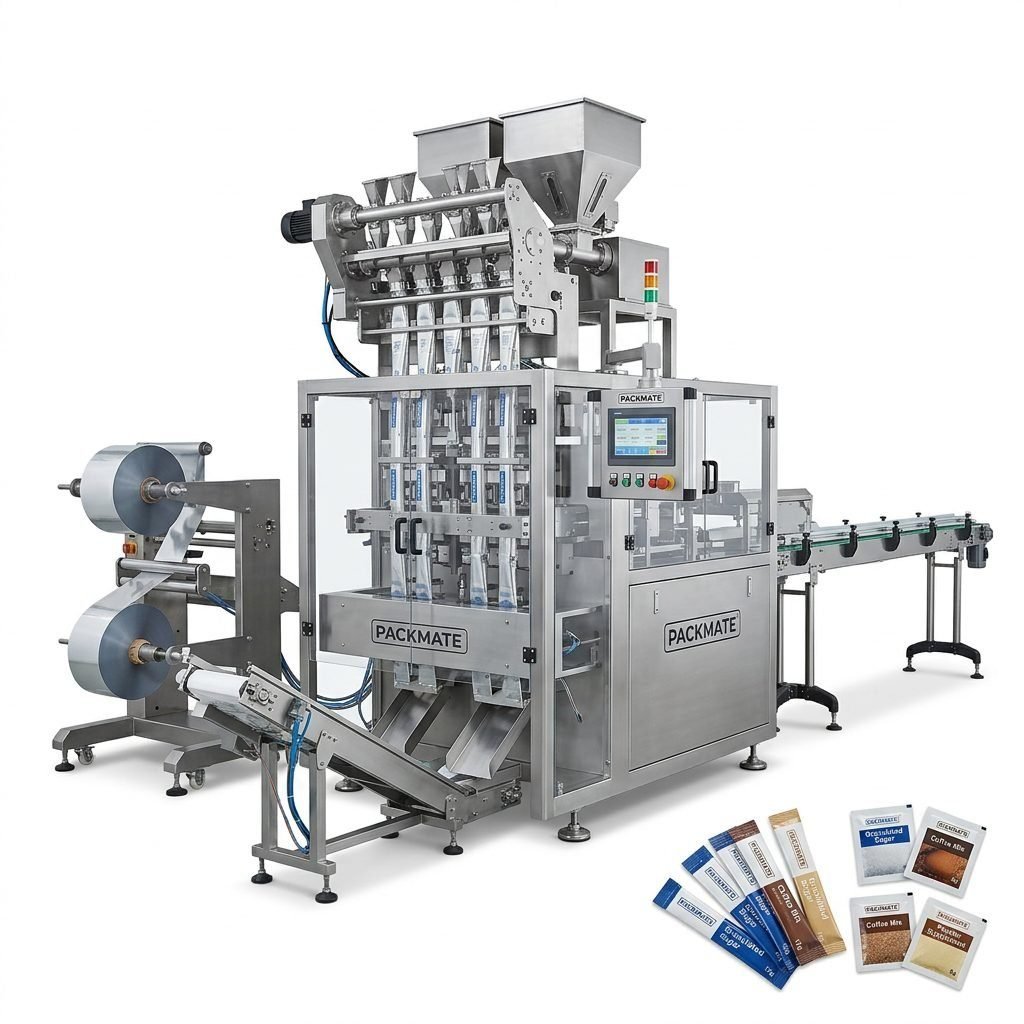
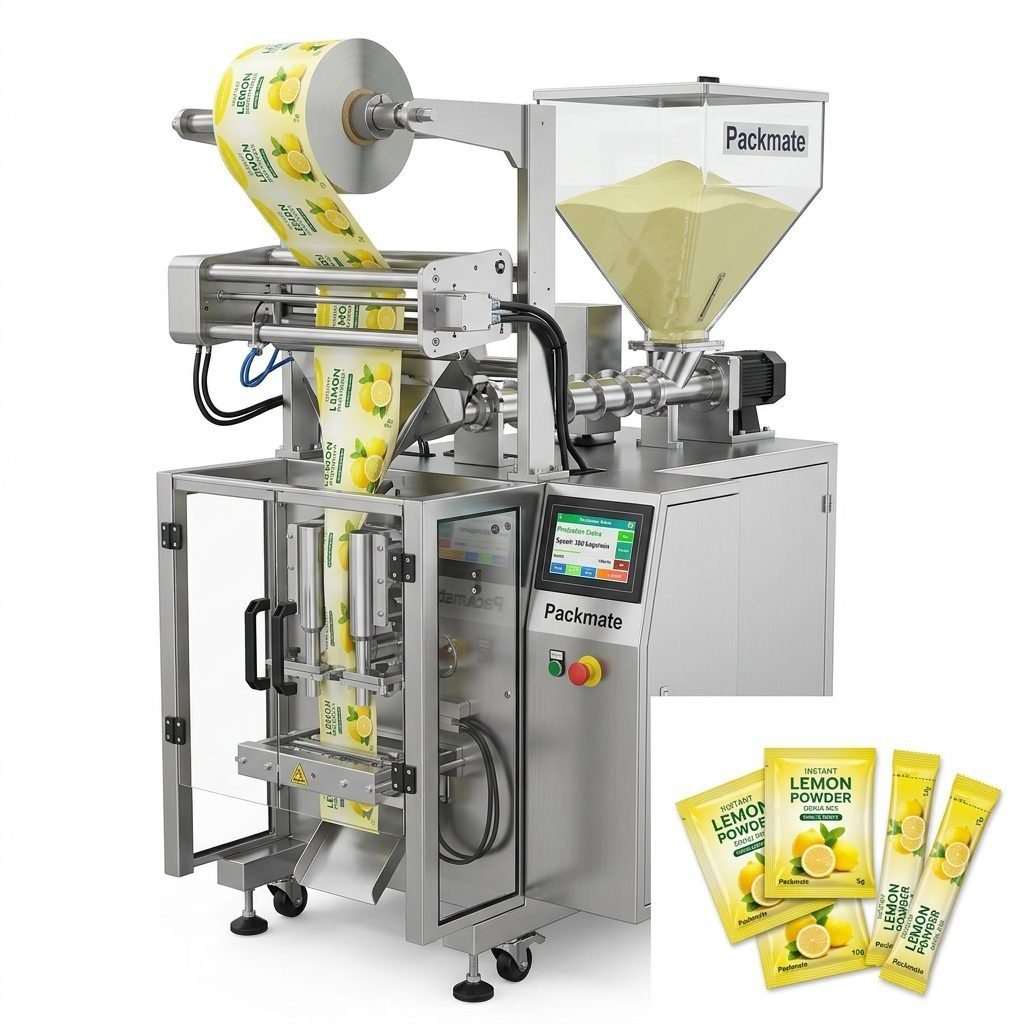
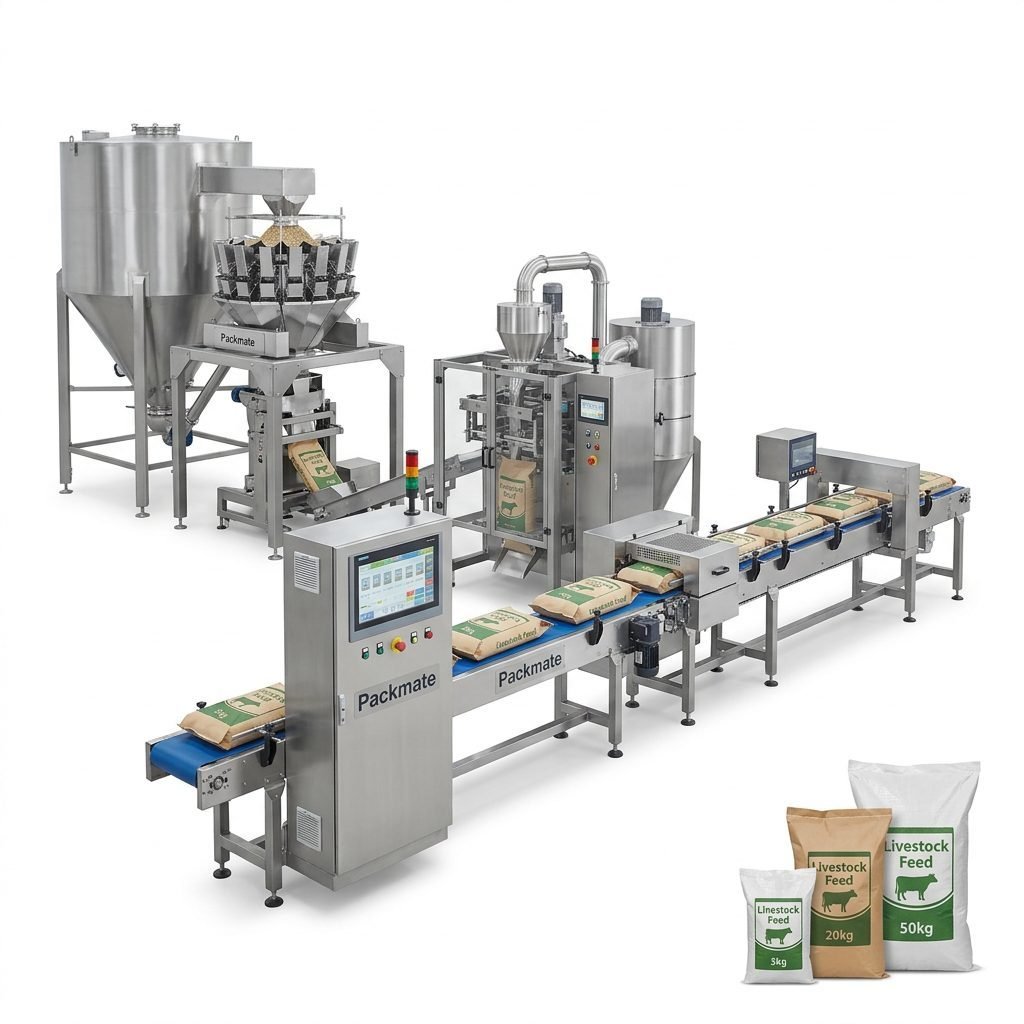
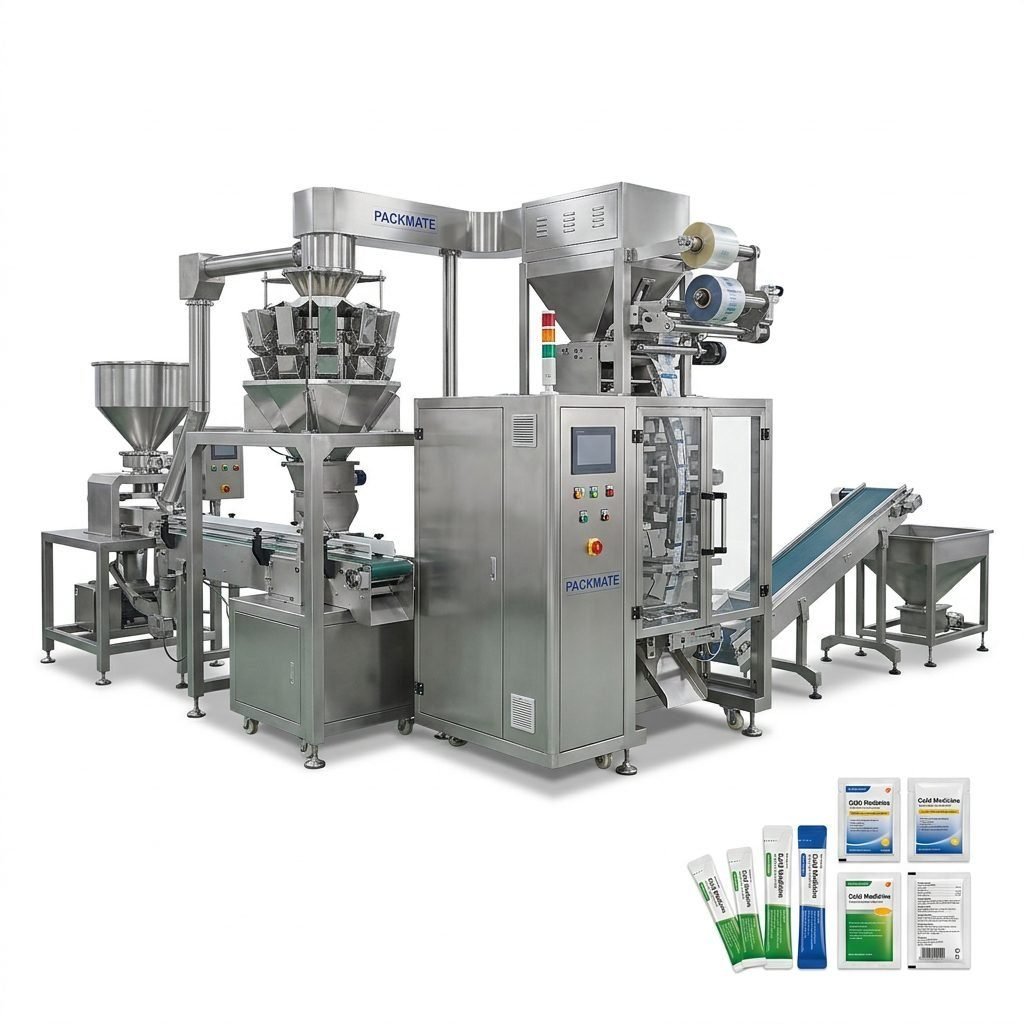
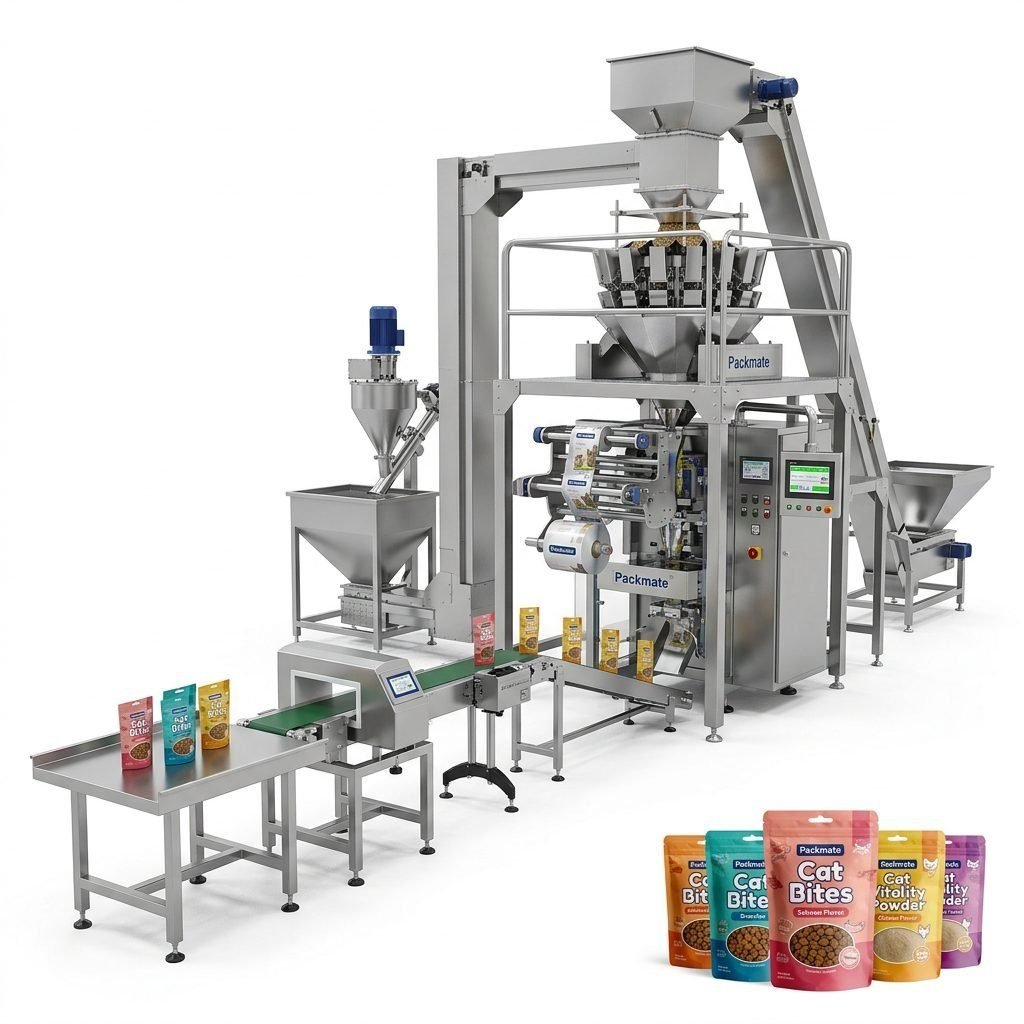
In the fast-paced world of manufacturing, selecting the right packaging equipment is not just a purchase—it’s a strategic investment in efficiency, product integrity, and brand reputation. This comprehensive guide delves into the various types of manufacturing packaging equipment, their specific uses, and crucial tips for making an informed selection that aligns with your production goals.
Understanding the Core Types of Packaging Equipment
The landscape of packaging machinery is diverse, each type designed to fulfill a specific role in the production line. Understanding these categories is the first step toward optimizing your packaging process.
Filling and Sealing Machines
These are the workhorses of packaging, responsible for accurately dispensing product into containers and securely closing them. They are further specialized based on the product form:
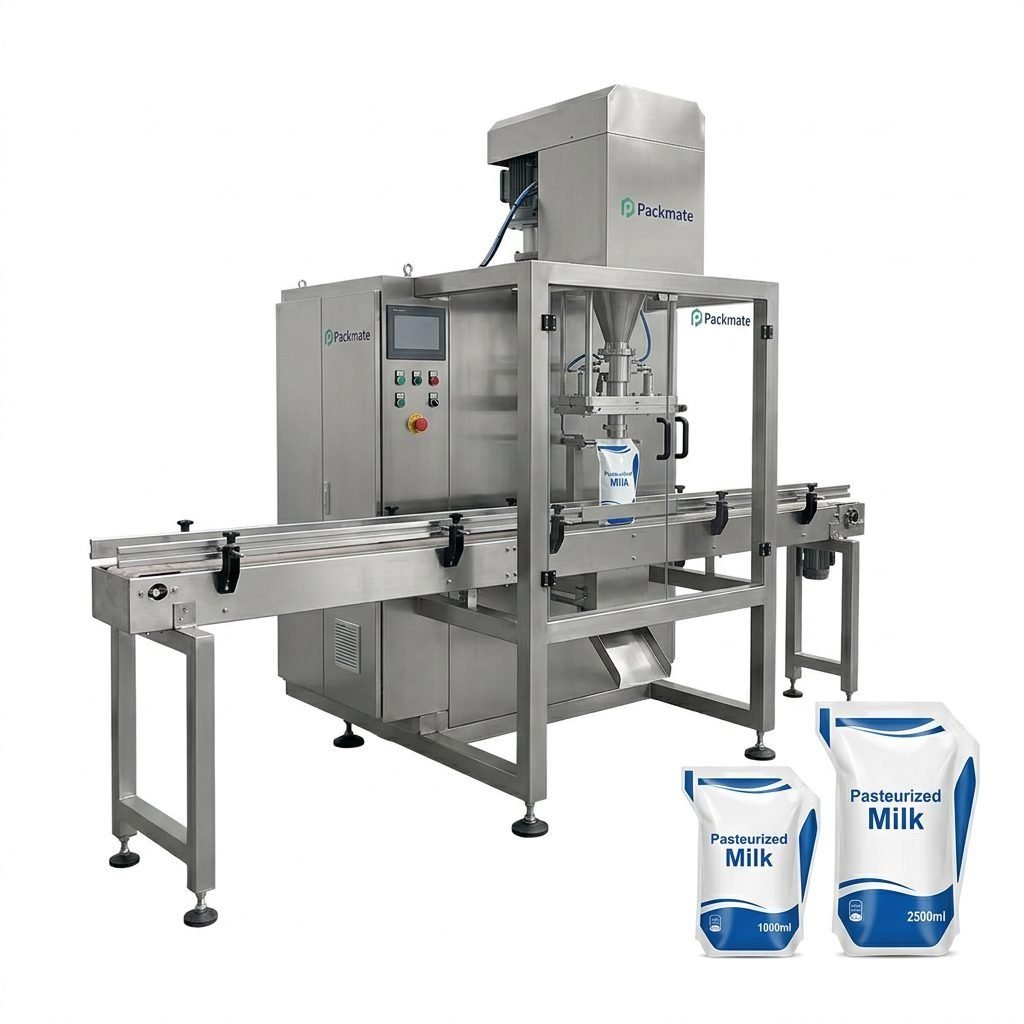
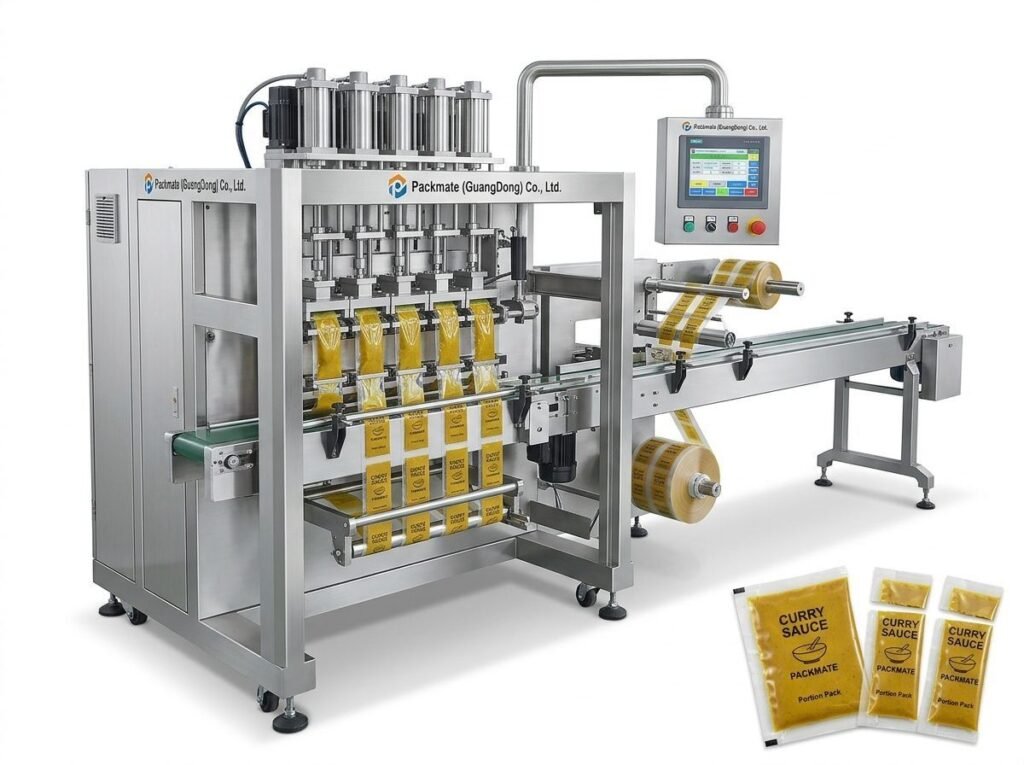
Liquid Fillers: Ideal for beverages, oils, sauces, and chemicals. They range from simple gravity fillers to sophisticated volumetric or net weight fillers for high accuracy.
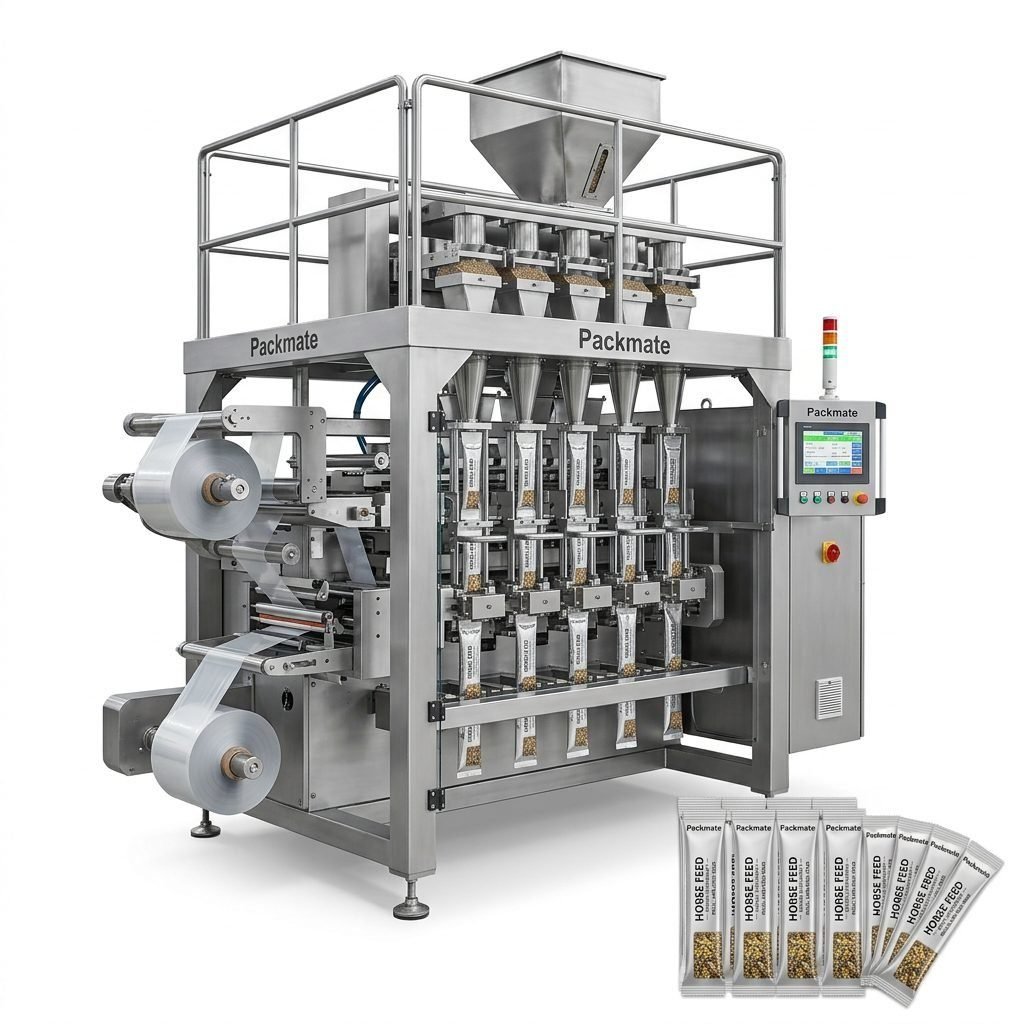
Powder & Granule Fillers: Essential for food ingredients, pharmaceuticals, and agricultural products. Auger fillers and cup fillers are common, with multi-head systems enabling high-speed filling & packaging lines.
Sealers: This includes induction sealers for tamper-evidence on bottles, heat sealers for pouches, and cappers for screw-top containers.
Form-Fill-Seal (FFS) Machines
FFS equipment is a highly efficient, integrated system. It forms packaging from a roll of film, fills it with product, and seals it—all in one continuous operation. This minimizes material handling and is perfect for high-volume outputs.
Vertical Form-Fill-Seal (VFFS): The most common type, used for packaging snacks, coffee, frozen foods, and hardware items into pillow bags or gusseted bags. It’s renowned for its versatility and speed.
Horizontal Form-Fill-Seal (HFFS): Often used for more rigid structures like blister packs for tablets or arranging multiple items into a tray, which is then lidded with film.
Labeling, Coding, and Marking Equipment
This category ensures your product carries the necessary information and branding clearly and legibly, complying with regulatory standards.
Label Applicators: Automatically apply pressure-sensitive labels to bottles, boxes, or pouches with precision.
Inkjet and Laser Coders: Print variable data like batch numbers, expiry dates, and barcodes directly onto packaging or labels. Laser coding offers a permanent, non-contact mark, ideal for industries with strict traceability requirements.
Cartoning and Case Packing Systems
These machines handle secondary packaging, grouping primary packages into cartons or cases for shipping and retail display.
Automatic Cartoners: Erect cartons, insert products (like multiple sachets or bottles), and close them securely. They can be top-load or end-load style.
Case Packers & Sealers: Automatically place filled cartons or primary packages into shipping cases and apply tape or glue. Robotic case packers offer exceptional flexibility for mixed-SKU palletizing, a feature often integrated into complete weighing & packaging systems.
Key Applications and Industry-Specific Uses
Packaging equipment is tailored to meet the unique demands of different sectors, where hygiene, accuracy, and speed are paramount.
Food and Beverage Industry
This sector demands equipment that ensures food safety, preserves freshness, and handles a wide variety of consistencies—from liquids and sauces to granules and powders. High-speed VFFS machines for snacks, aseptic fillers for dairy, and precise liquid fillers for beverages are standard. The need for easy-open features and sustainable packaging is also driving innovation here.
Pharmaceutical and Healthcare
Precision, sterility, and tamper-evidence are non-negotiable. Blister packaging machines for tablets, vial fillers for injectables, and strip packaging for capsules are critical. Equipment must often comply with stringent regulations like cGMP (Current Good Manufacturing Practice). Clean-in-Place (CIP) systems and isolator technology are common features.
Cosmetics and Personal Care
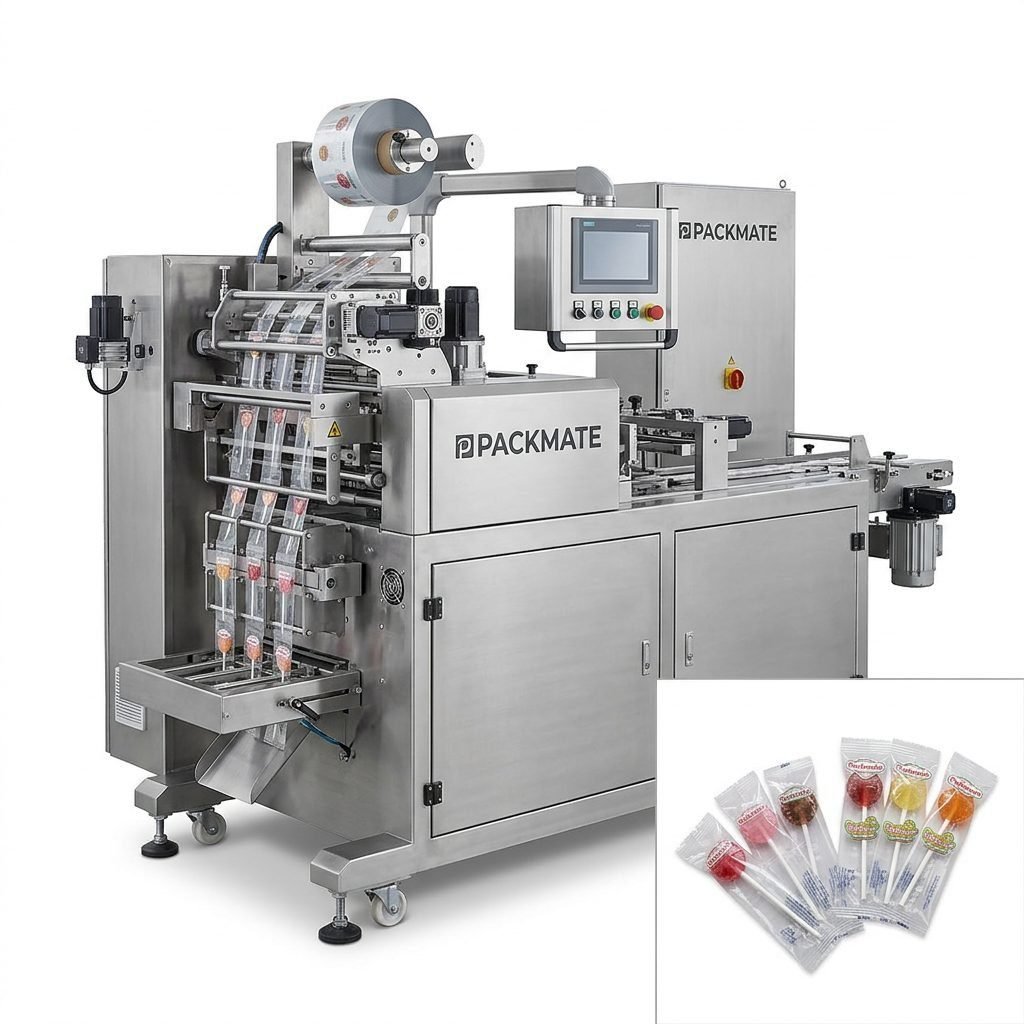
Packaging here must be aesthetically pleasing and functional. Equipment often handles unique container shapes for bottles, jars, and tubes. Precision filling of creams, gels, and lotions is essential to avoid waste and ensure consistent product presentation. For sample-sized products, high-speed sachet & stick pack machines are invaluable.
Industrial and Chemical
Durability and safety take precedence. Equipment must handle corrosive materials, heavy weights, and often require explosion-proof specifications. Robust bagging machines for fertilizers, drum fillers for industrial chemicals, and specialized sealers for hazardous materials are typical in this field.
Essential Selection Tips for Your Business
Choosing the wrong equipment can lead to bottlenecks, product waste, and lost revenue. Here are critical factors to consider before making a decision.
1. Analyze Your Product and Packaging Format
This is the foundation. Define your product’s physical characteristics (solid, liquid, powder, viscous), its sensitivity (to oxygen, moisture, light), and its flow properties. Then, determine your desired primary package: flexible pouch, stick pack, bottle, can, or carton. The machine must be compatible with both.
2. Evaluate Production Speed and Volume Requirements
Be realistic about your current output and future growth projections. Calculate your required units per minute (UPM) or packages per hour (PPH). Investing in an under-speed machine creates a bottleneck, while an over-spec machine leads to unnecessary capital expenditure and higher energy costs. Consider if you need a single machine or a fully integrated packaging line.
3. Prioritize Flexibility and Changeover Ease
If you run multiple products or package sizes, quick changeover capability is crucial. Look for machines with tool-less adjustments, digital settings recall, and interchangeable parts. This minimizes downtime when switching between production runs, maximizing overall equipment effectiveness (OEE).
4. Assess Total Cost of Ownership (TCO)
Look beyond the initial purchase price. Consider:
Operational Costs: Energy consumption, required compressed air, and consumables (like sealing jaws, coding ink).
Maintenance: Availability and cost of spare parts, ease of access for routine servicing.
Durability: Machines built with high-quality components (e.g., stainless steel frames, industrial-grade PLCs) have longer lifespans and less downtime.
5. Verify Compliance and Supplier Support
Ensure the equipment meets all relevant safety and industry standards (CE, UL, FDA, etc.). Equally important is the manufacturer’s reputation for after-sales support. Reliable technical assistance, comprehensive training for your operators, and readily available spare parts are vital for long-term, trouble-free operation. Partnering with an experienced manufacturer like Packmate Machinery, with decades of expertise, can provide this peace of mind.
6. Plan for Integration and Future-Proofing
Consider how the new machine will integrate with your existing line. Does it have standard communication protocols (e.g., Ethernet/IP, Profinet) for data collection and line control? Think about future needs—can the machine be upgraded or modified to handle new products or higher speeds? Choosing a modular or scalable system can protect your investment.
Frequently Asked Questions (FAQs)
What is the main difference between vertical and horizontal form-fill-seal machines?
Vertical Form-Fill-Seal (VFFS) machines create bags that are filled vertically, making them ideal for free-flowing products like granules, powders, and liquids that can be gravity-fed. They are typically more space-efficient and are the standard for bagged snacks, coffee, and frozen vegetables. Horizontal Form-Fill-Seal (HFFS) machines form packages on a horizontal plane, better suited for solid items, multiple-component packs, or when creating rigid structures like blister packs.
How do I determine the right speed/capacity for my packaging machine?
Start by calculating your total daily or weekly production volume in units. Divide this by your available production hours to get your required average output per hour. Then, add a buffer of 15-25% for peak demand and to account for minor stoppages. It’s better to choose a machine that can run comfortably at 80-85% of its maximum speed for sustained efficiency rather than one that must run at 100% constantly.
What are the most critical maintenance tasks for packaging equipment?
Regular daily and weekly cleaning to prevent product buildup is essential. Lubrication of moving parts as per the manufacturer’s schedule is critical to prevent wear. Regularly inspecting and replacing wear parts like sealing jaws, gaskets, and cutting blades before they fail is the best way to prevent unplanned downtime and ensure consistent package quality.
Can one machine handle multiple different package sizes or products?
Many modern machines are designed for flexibility. The key feature to look for is “quick changeover” capability. This often involves using pre-configured change parts or digital adjustment of settings. However, there are usually limits; significant changes in product format (e.g., from a liquid to a solid) or a drastic difference in package size may require a different machine or major retooling.
Why is supplier support as important as the machine itself?
Even the highest-quality machine will eventually need service, spare parts, or operator retraining. A supplier with strong technical support can provide remote diagnostics, prompt on-site service, and a reliable supply of genuine spare parts. This minimizes costly production stoppages. Their expertise can also help you optimize machine settings and troubleshoot issues you couldn’t resolve internally, ensuring you get the maximum return on your investment over the equipment’s entire lifecycle.