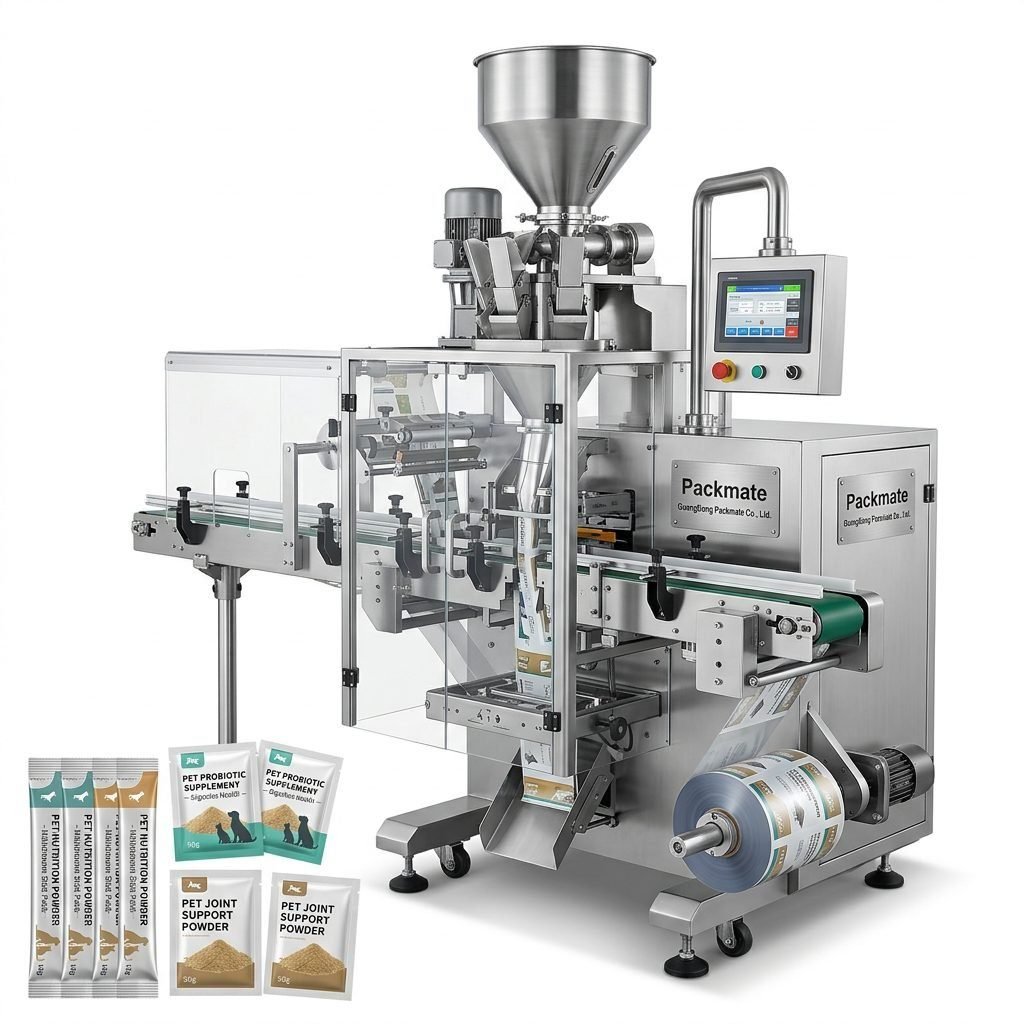
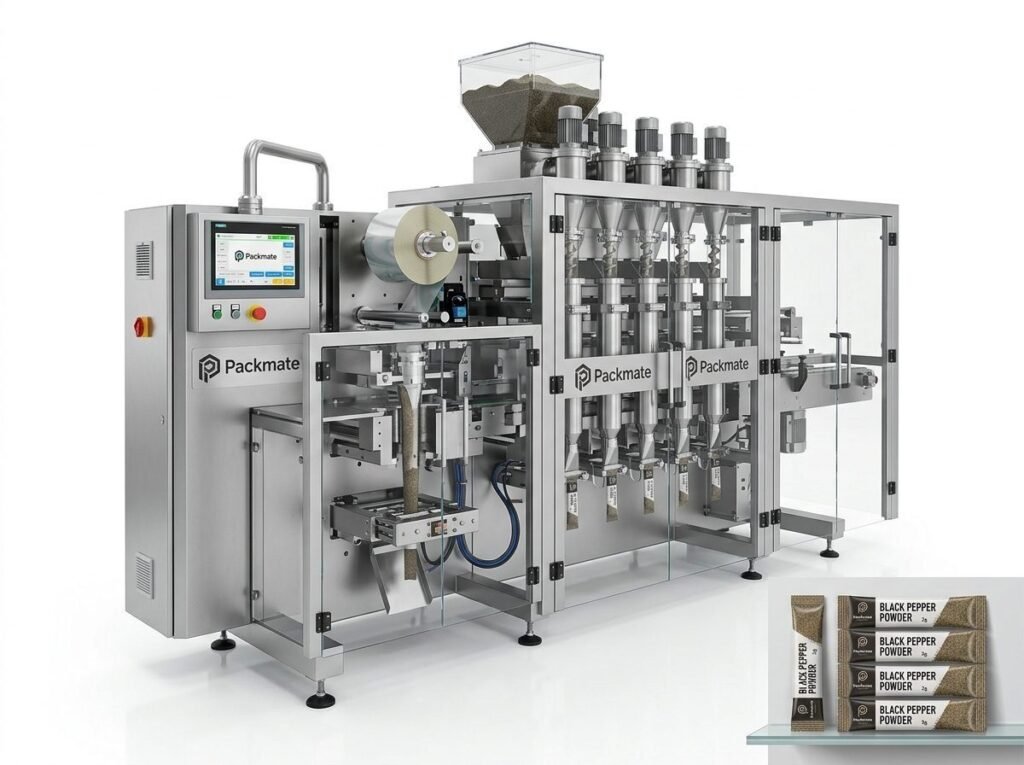
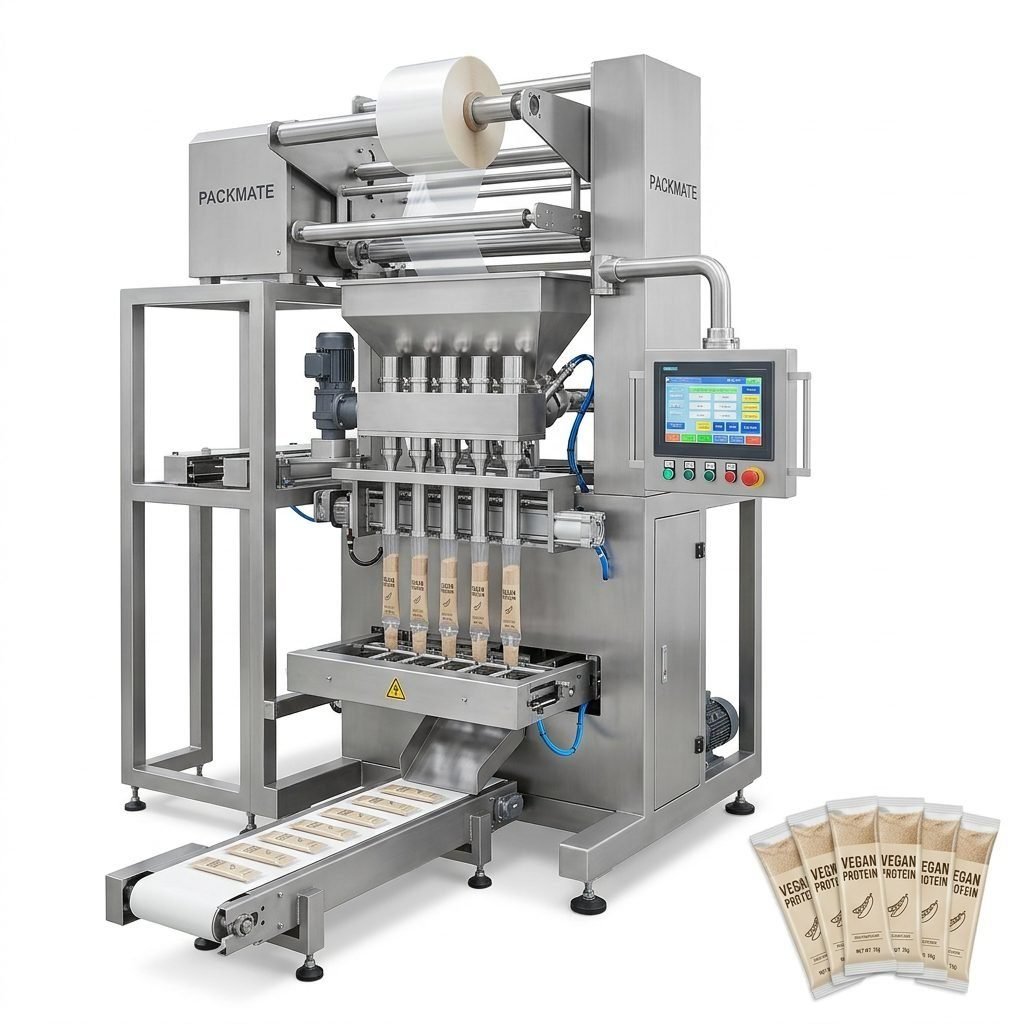
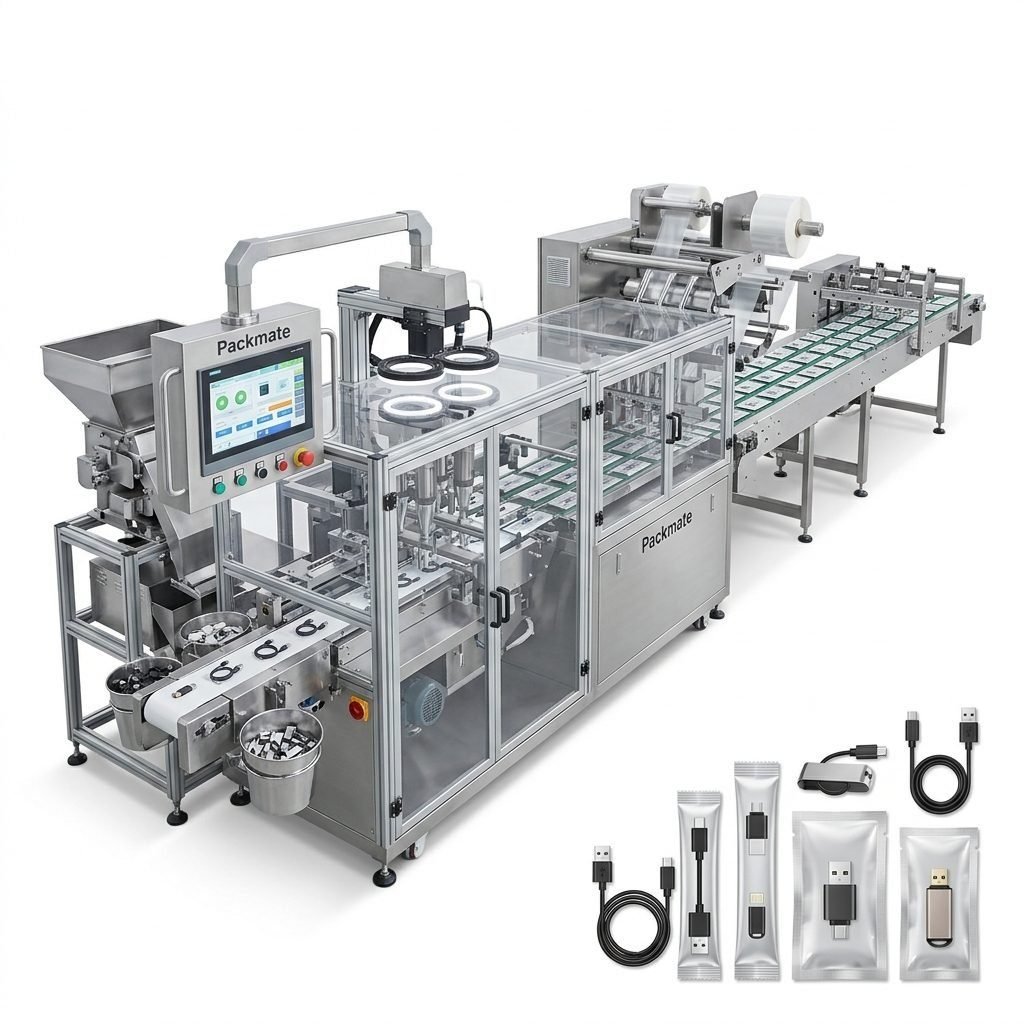
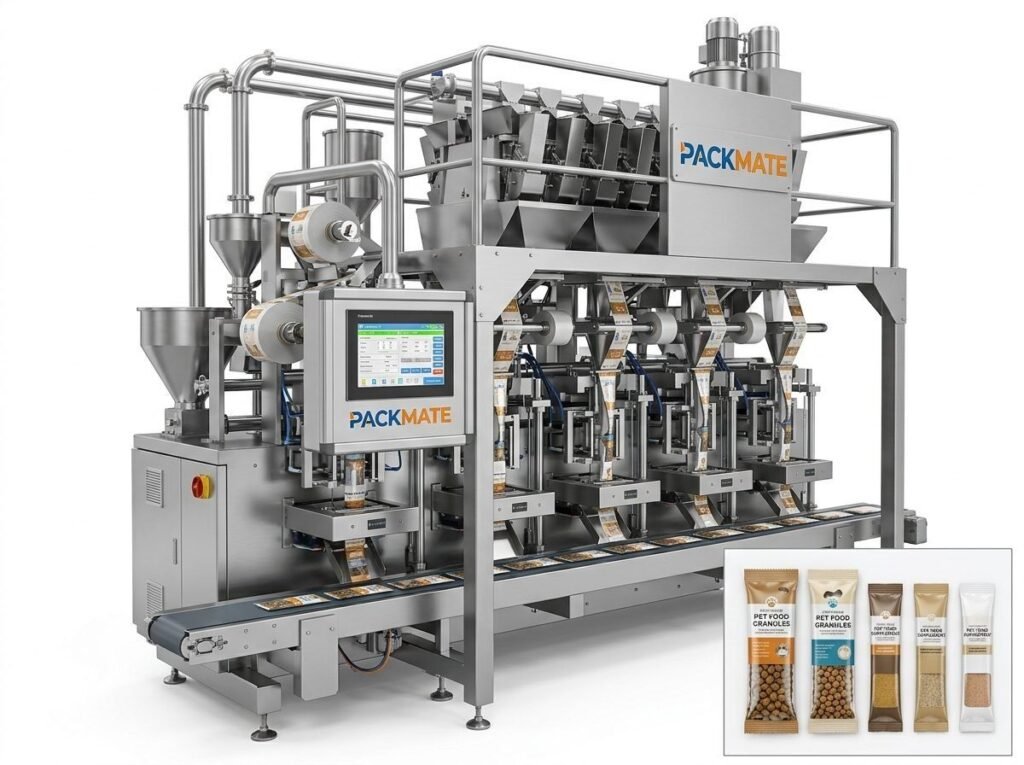
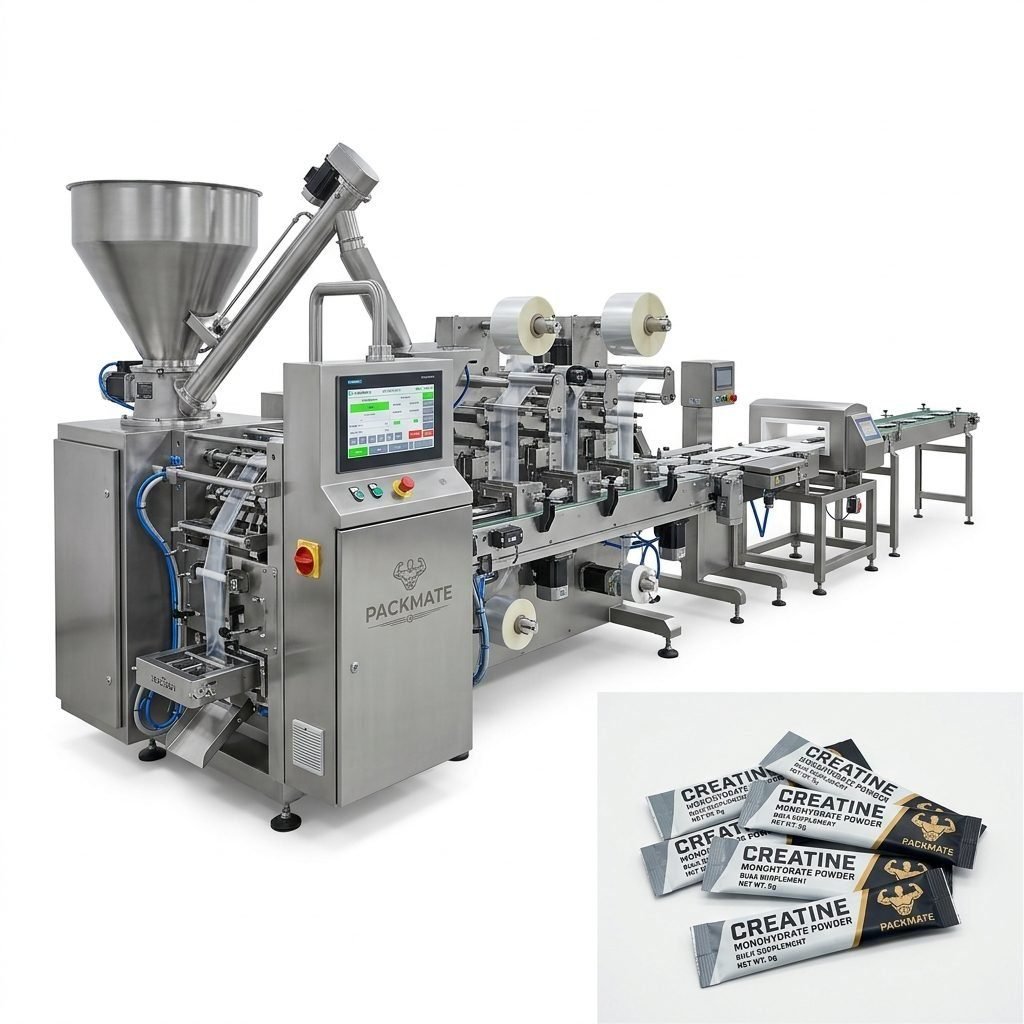
In today’s competitive market, selecting the right packaging equipment is not just an operational decision—it’s a strategic one that impacts efficiency, brand perception, and your bottom line. Whether you’re packaging food, pharmaceuticals, health supplements, or other granular, powdered, or liquid products, the machinery you choose must be reliable, precise, and adaptable to your specific business needs. This guide will navigate you through the essential considerations and solutions available, helping you make an informed investment that drives growth.
Understanding Your Core Packaging Requirements
Before diving into equipment types, a thorough analysis of your product and process is paramount. Key factors include:
Product Characteristics: Is your product a free-flowing powder, a viscous liquid, or delicate granules? The physical properties dictate the type of filling system required.
Production Volume & Speed: Are you a startup needing flexible, low-to-medium output, or an established brand requiring high-speed, continuous production lines?
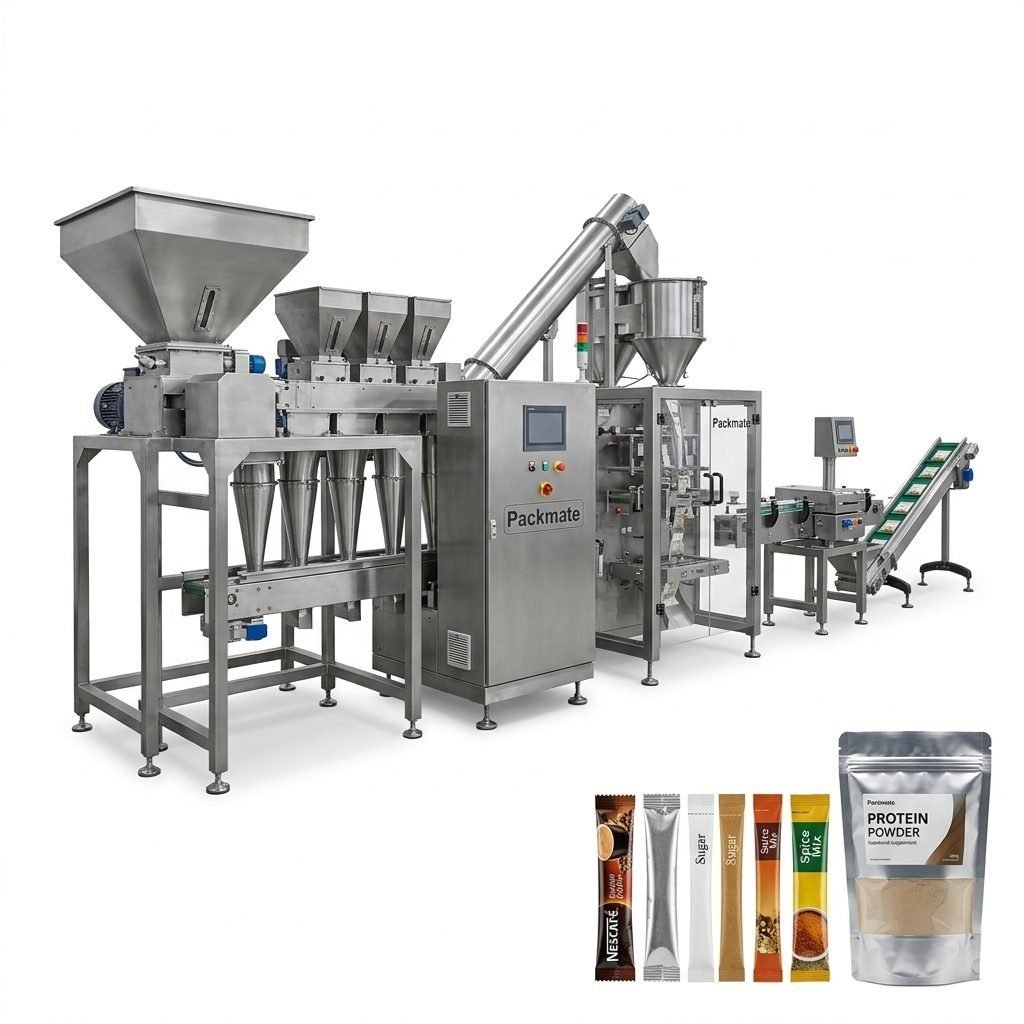
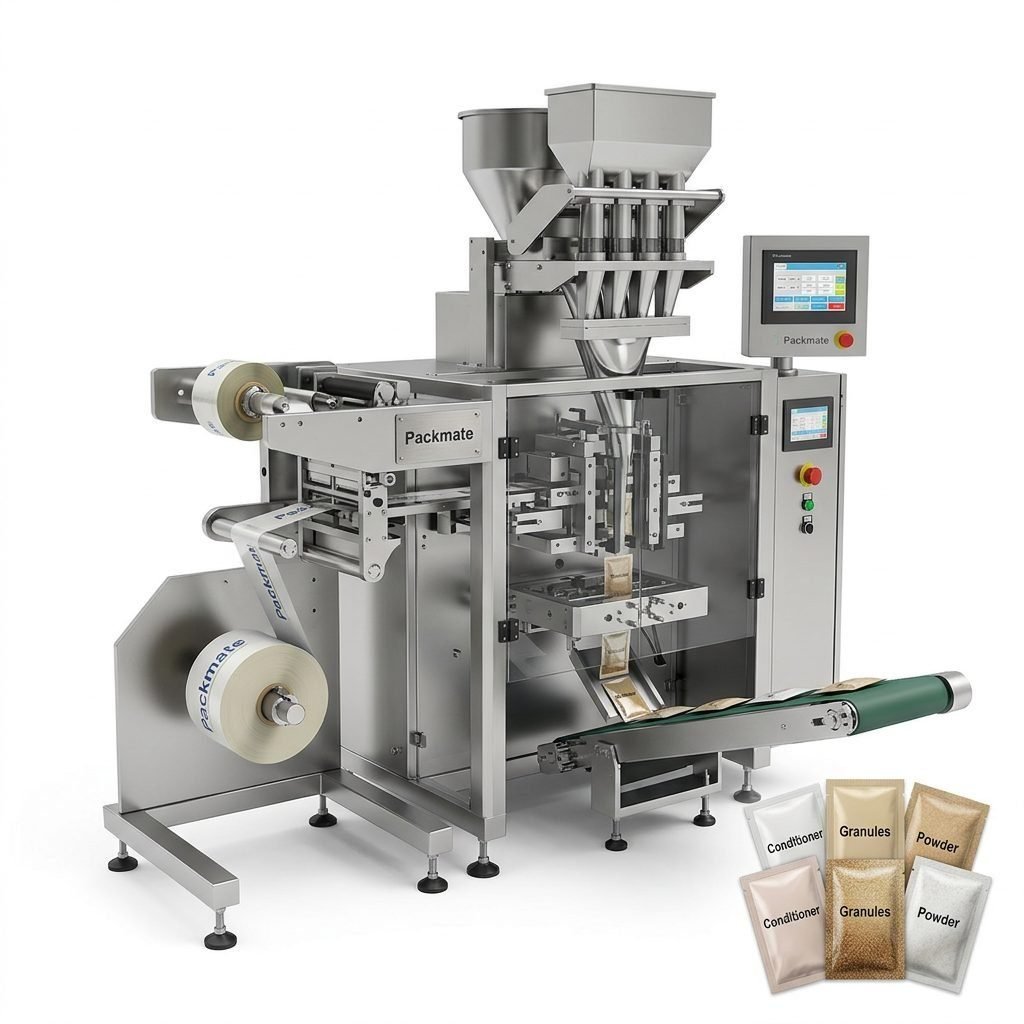
Packaging Format: The market demands variety. Do you need to produce sleek stick packs for on-the-go consumers, stand-up pouches for shelf appeal, or traditional sachets?
Aligning your machinery with these core needs from the outset prevents costly mismatches and ensures a smoother integration into your workflow.
The Spectrum of Modern Packaging Solutions
The packaging machinery landscape offers specialized solutions for every segment. Here’s a breakdown of key equipment categories:
1. Sachet & Stick Pack Machines
Ideal for single-serve portions of powders, liquids, or granules, these machines are the backbone of the food, pharmaceutical, and FMCG industries. Modern multi-lane machines can dramatically increase output. For businesses looking to enter or dominate this space, exploring advanced sachet packaging lines is a critical step.
2. Bag & Pouch Packaging Machines
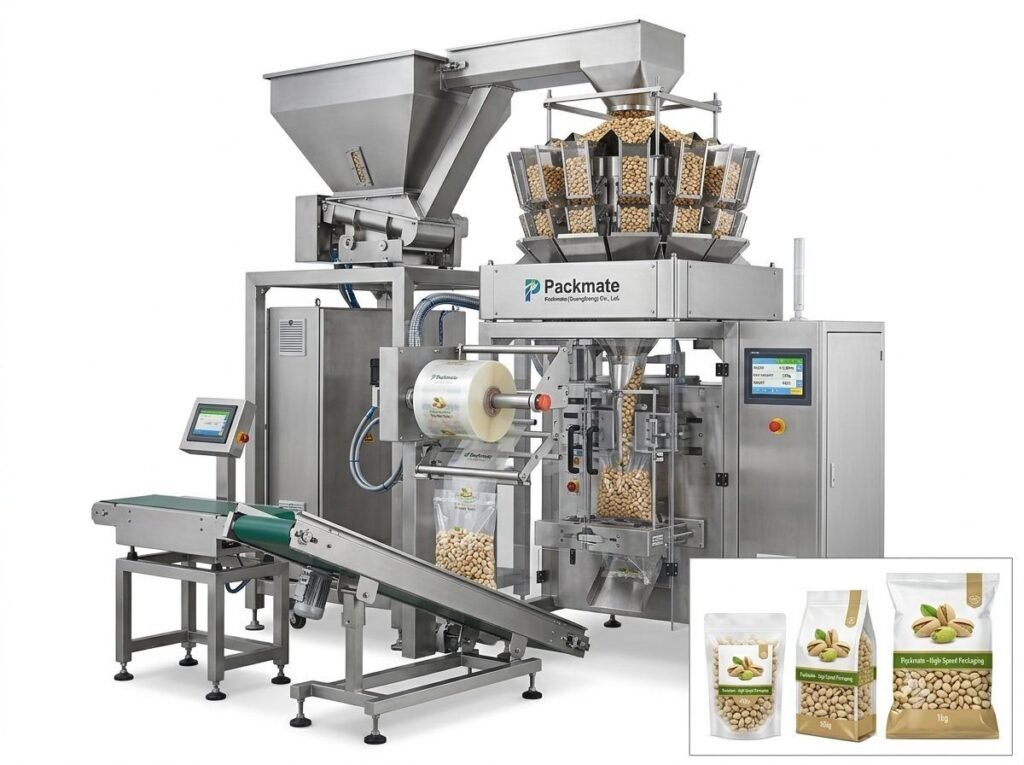
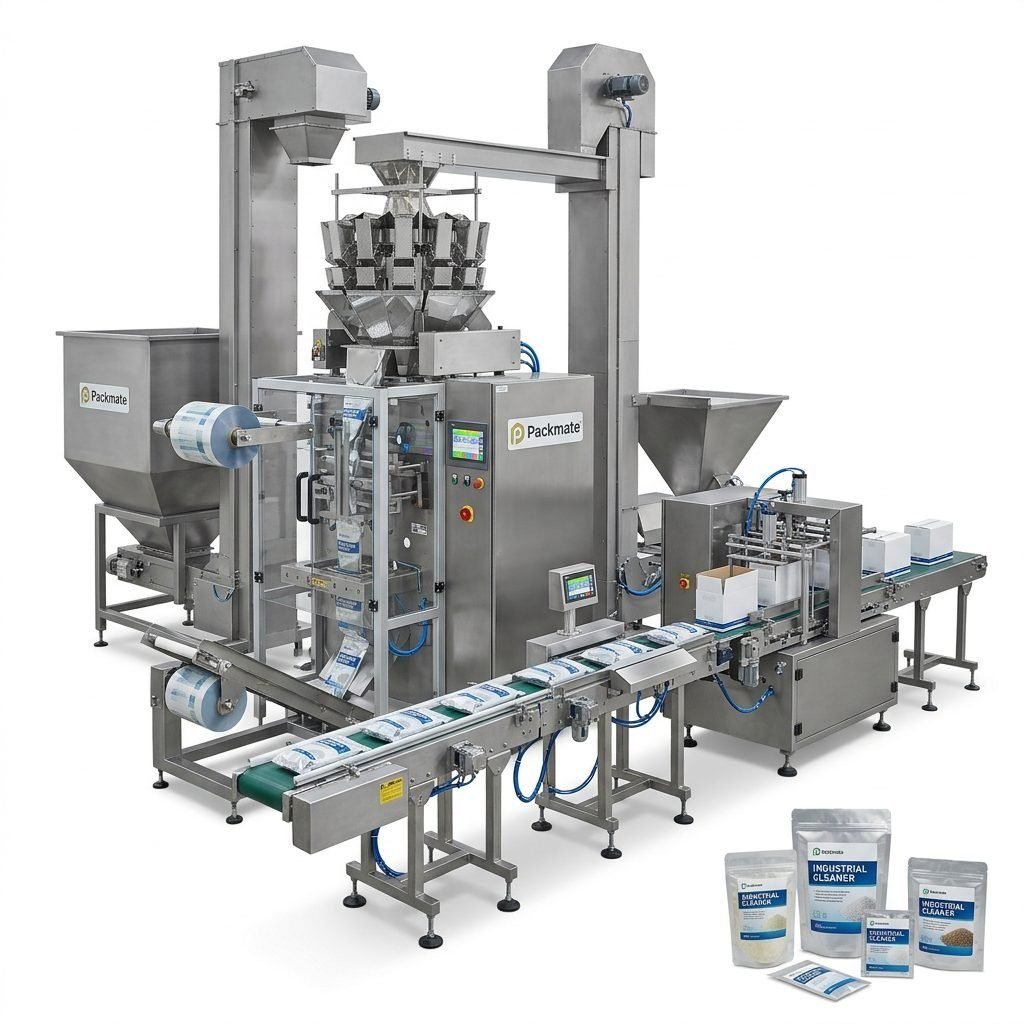
From flat bags to sophisticated stand-up zipper pouches, this category offers superior product protection and marketing real estate. These systems often integrate weighing, filling, and sealing, providing a complete packaging line solution for bulkier items or products requiring a higher barrier against moisture and air.
3. Weighing & Filling Systems: The Heart of Accuracy
Precision is non-negotiable, especially in industries with strict regulatory compliance like pharmaceuticals. Advanced weighing systems, such as multi-head weighers or auger fillers, ensure each package contains the exact specified amount, minimizing giveaway and maximizing compliance. This accuracy is a cornerstone of both quality control and cost management.
Pro Tip: Never underestimate the importance of auxiliary equipment. Equipment like cartoners, coders, and checkweighers may seem secondary, but they are vital for creating a fully automated, efficient, and traceable production line. Learn more about integrating these components from resources on auxiliary packaging equipment.
Why Partnering with an Expert Manufacturer Matters
Choosing equipment is also about choosing a partner. A manufacturer with deep industry experience brings invaluable benefits:
Proven Reliability & Innovation: Look for a partner with a long track record. For instance, a company like Packmate Machinery leverages over 30 years of expertise to build intelligent packaging solutions. Their journey from a small workshop in 1993 to a modern 20,000㎡ manufacturing facility demonstrates a commitment to evolution and quality.
Turnkey Solutions: The best partners don’t just sell machines; they provide complete turnkey solutions. This includes everything from initial consultation and factory layout planning to machine installation, staff training, and ongoing technical support, ensuring your line is optimized from day one.
Global Support & Customization: Your needs are unique. An expert manufacturer will offer customization to handle your specific product and packaging material. Furthermore, a global service network, built through years of serving international clients, ensures you have support wherever your business operates.
Implementing Your Packaging Solution: A Roadmap
Transitioning to new equipment is a process. Follow this roadmap for success:
- Audit & Planning: Document your current process, pain points, and future goals.
- Supplier Evaluation: Assess manufacturers on their technology, company history, after-sales service, and client testimonials. Reviewing a company’s profile and history can provide deep insights into their stability and vision.
- Pilot Testing: Always request a product test using your actual materials to validate machine performance.
- Training & Integration: Ensure comprehensive training for your operators and maintenance team.
- Performance Review: Continuously monitor the line’s output, efficiency, and ROI against your projections.
Frequently Asked Questions (FAQ)
1. What is the typical lead time for a new packaging line?
Lead times vary significantly based on the complexity and customization of the equipment. For standard models, it can range from 30 to 90 days. For fully customized, high-speed turnkey lines, planning for 4 to 6 months is more realistic. Always confirm timelines during the quotation process.
2. How do I ensure the machine will work with my specific product?
The most reliable method is to conduct a live product test at the manufacturer’s facility. Reputable companies, like those with extensive application experience, will offer this service. Provide them with samples of your exact product and packaging materials to evaluate filling accuracy, sealing integrity, and overall compatibility.
3. What kind of after-sales support should I expect?
Comprehensive support is crucial. Expect detailed installation guidance (either remote or on-site), thorough operator and maintenance training, a clear warranty policy, and access to spare parts. The best suppliers offer ongoing technical support via phone, email, or video call to troubleshoot any operational issues promptly.
4. Can one machine handle multiple different packaging formats?
Some machines are designed with format flexibility in mind, allowing for quick changeovers between different bag or pouch sizes. However, switching between fundamentally different formats (e.g., from stick packs to stand-up pouches) typically requires different specialized machines. Discuss your need for flexibility with your supplier early in the process.
5. How do I calculate the Return on Investment (ROI) for packaging equipment?
ROI is calculated by considering the capital cost against the savings and gains it generates. Key factors include: increased production speed (more units per hour), reduced labor costs through automation, decreased material waste from higher accuracy, and improved product quality leading to fewer rejects. A detailed analysis should project payback period over 1-3 years.