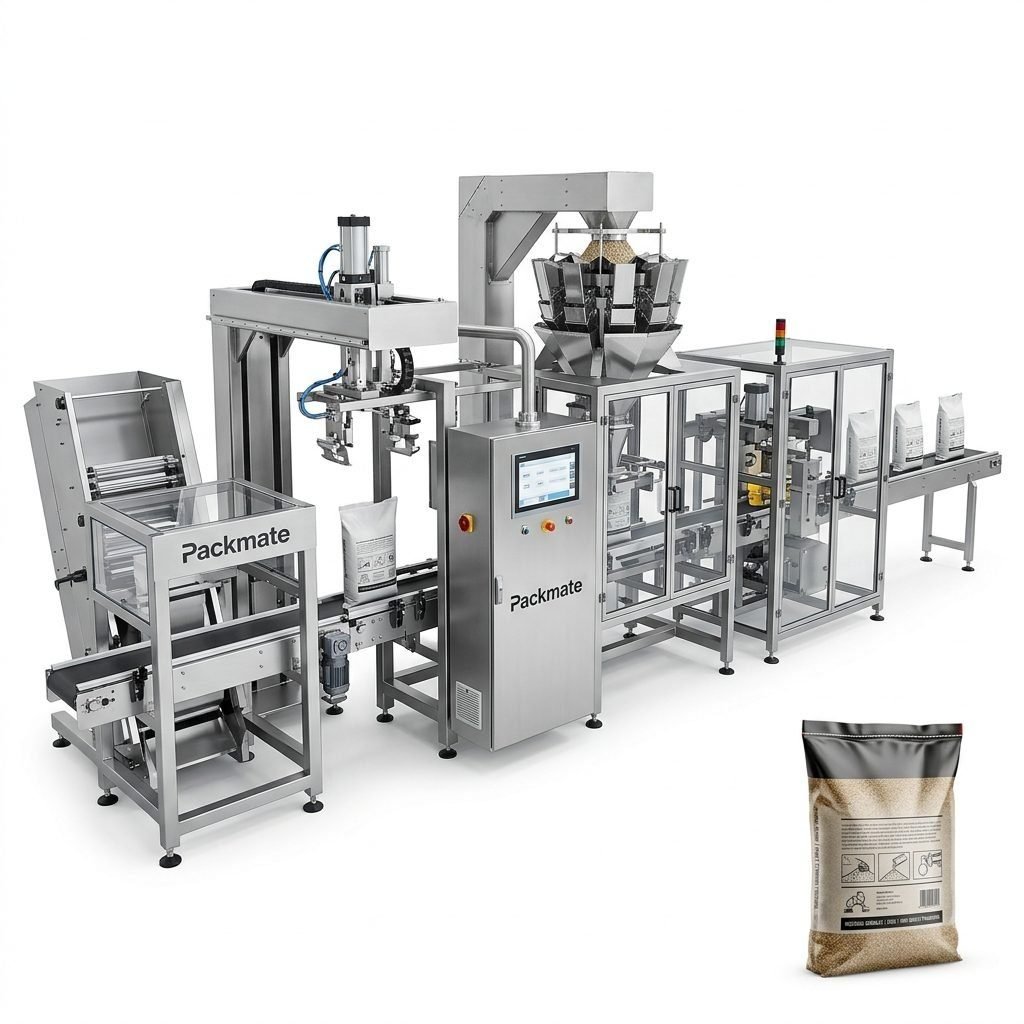
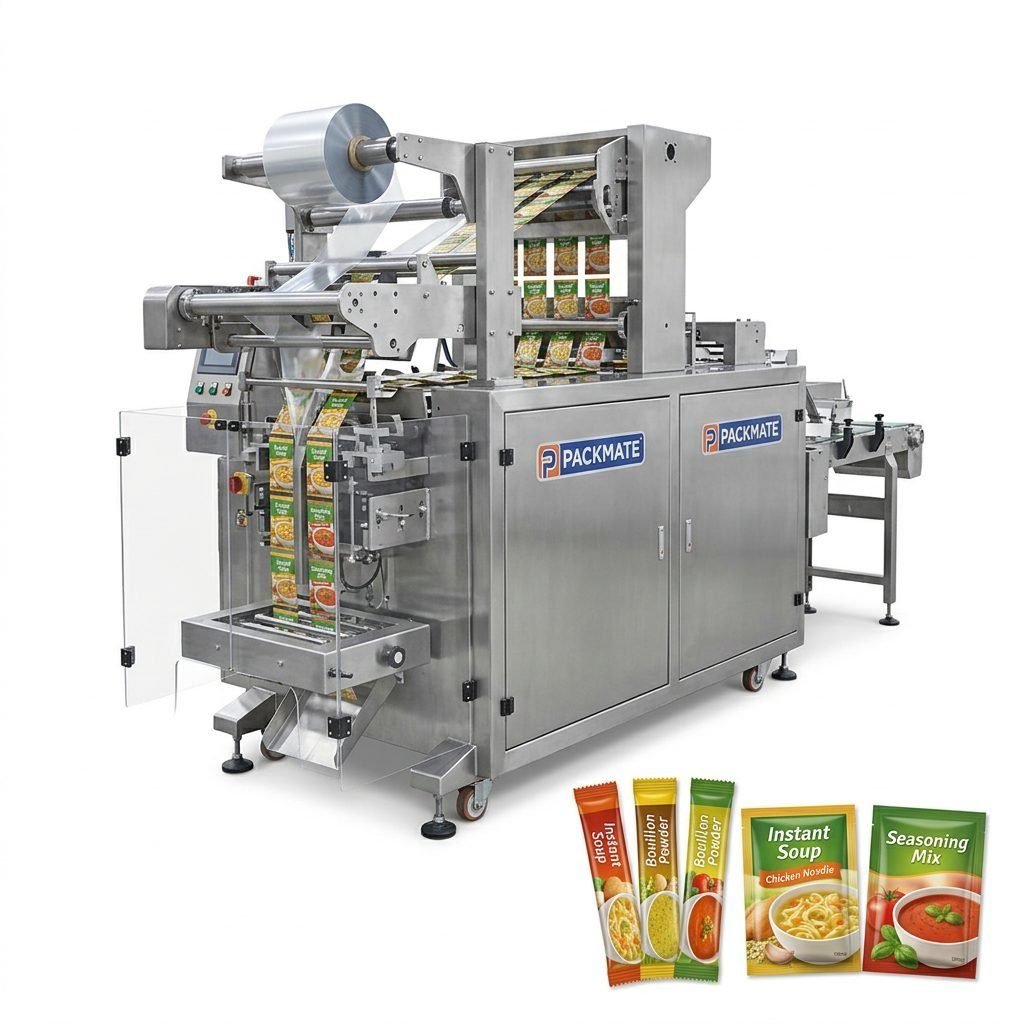
In the fast-paced world of bakery production, the final step—packaging—is often what determines product success on the shelf. Effective bakery packaging equipment is not merely about containment; it is a critical system designed to improve operational efficiency, ensure product freshness, extend shelf life, and enhance brand presentation. For bakeries of all sizes, from artisanal shops to large-scale industrial producers, investing in the right packaging solutions can be the key differentiator in a competitive market.
The Core Challenge: Balancing Efficiency with Freshness Preservation
Bakery products are inherently delicate. Their quality degrades rapidly due to moisture loss, staling, and potential microbial growth. Manual packaging is slow, inconsistent, and can compromise hygiene. The primary challenge for modern bakeries is finding equipment that automates the packaging process at high speed without crushing delicate items like croissants or cakes, while simultaneously creating a hermetic or modified atmosphere seal that locks in freshness.
Key Takeaway: The ideal bakery packaging line performs a dual function: it is a high-throughput automation system and a precision preservation tool. This dual requirement makes the choice of technology and supplier paramount.
Types of Bakery Packaging Equipment Solutions
Modern solutions are highly specialized. Common systems include:
- Flow Wrappers: Ideal for individual items like bread rolls, muffins, or wrapped pastries. They use a continuous film to form a tight seal around the product.
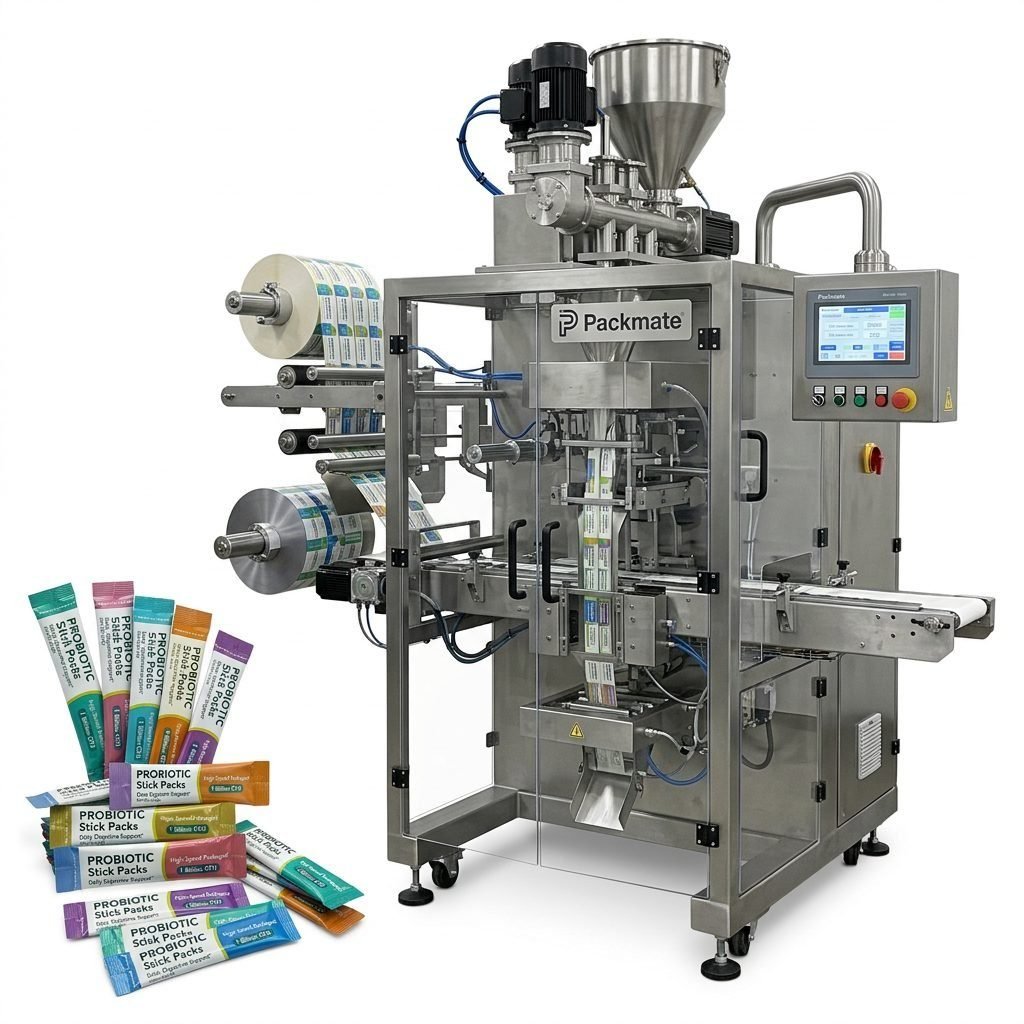
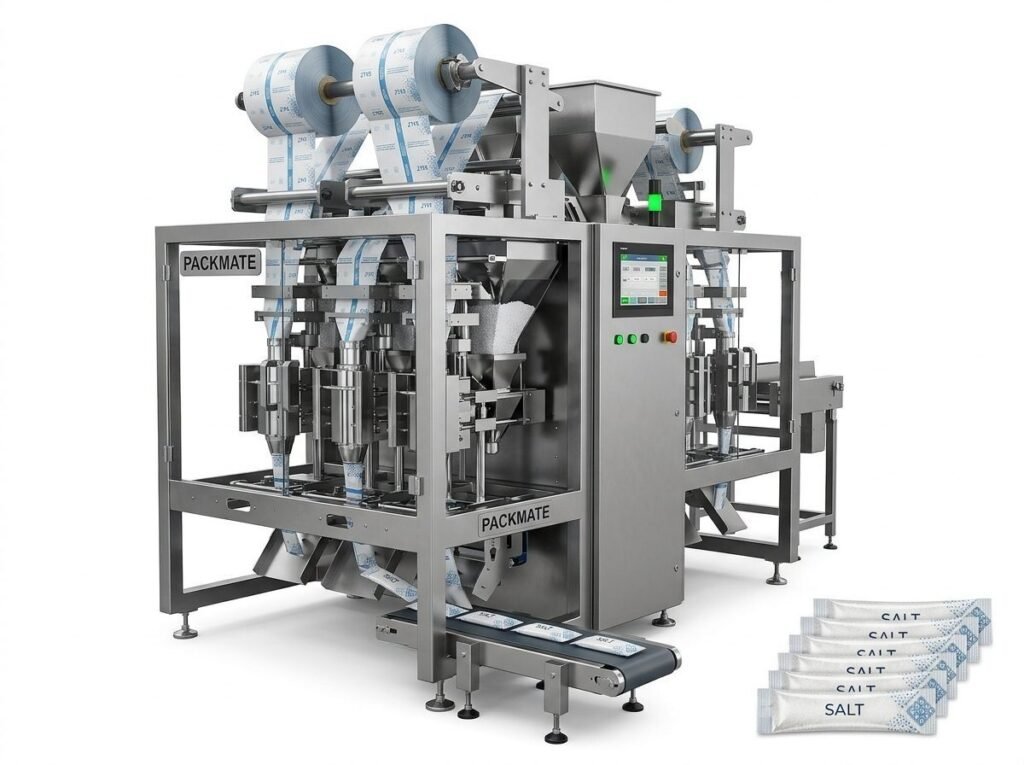
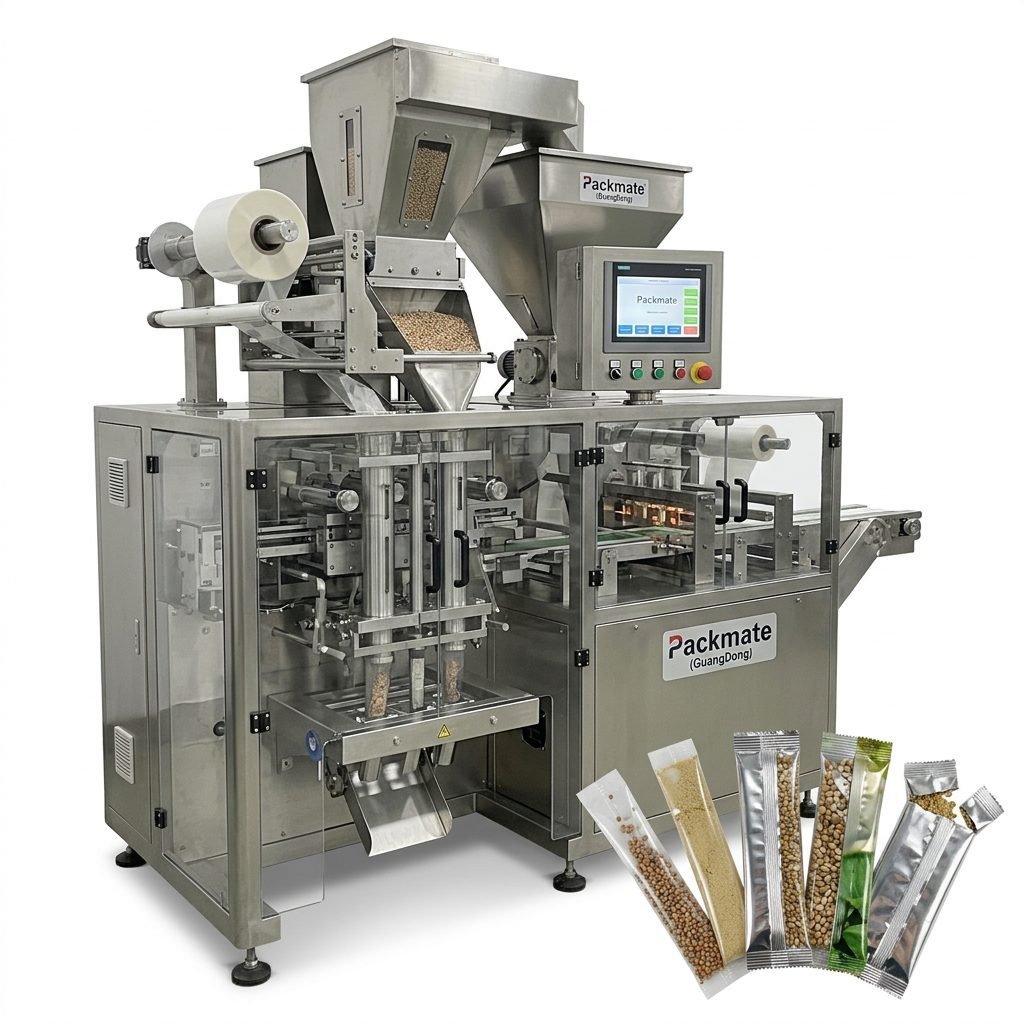
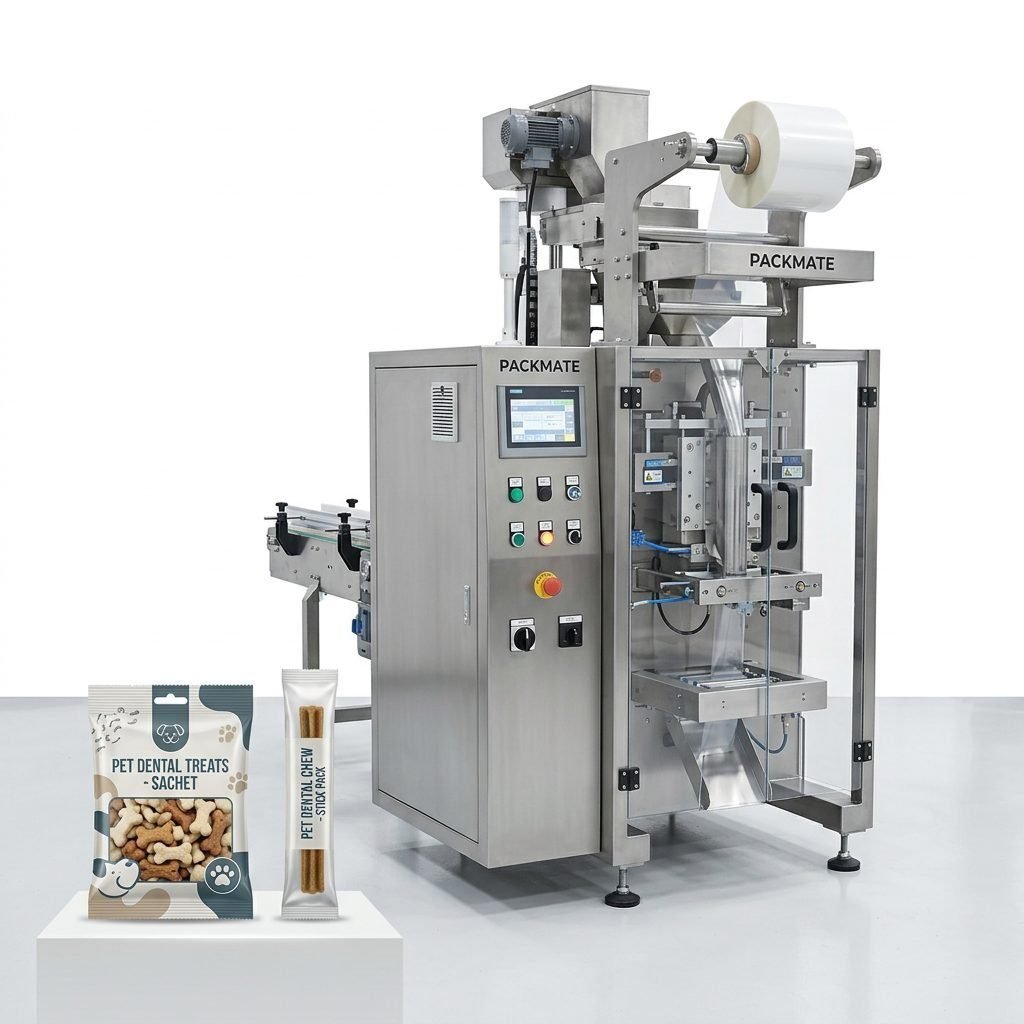
- Vertical Form-Fill-Seal (VFFS) Machines: Perfect for packaging loose items like cookies, croutons, or snack mixes into bags or pouches. These machines form the bag from a roll of film, fill it, and seal it in one continuous operation.
- Tray Sealing Machines: Used for premium products like cakes, tarts, or assorted pastries. A pre-formed tray is loaded, and a lidding film is heat-sealed on top, often with gas flushing for extended freshness.
- Bread Bagging Machines: Specifically designed to automatically load and seal loaves of bread into plastic or biodegradable bags without damaging the soft structure.
How Advanced Equipment Improves Operational Efficiency
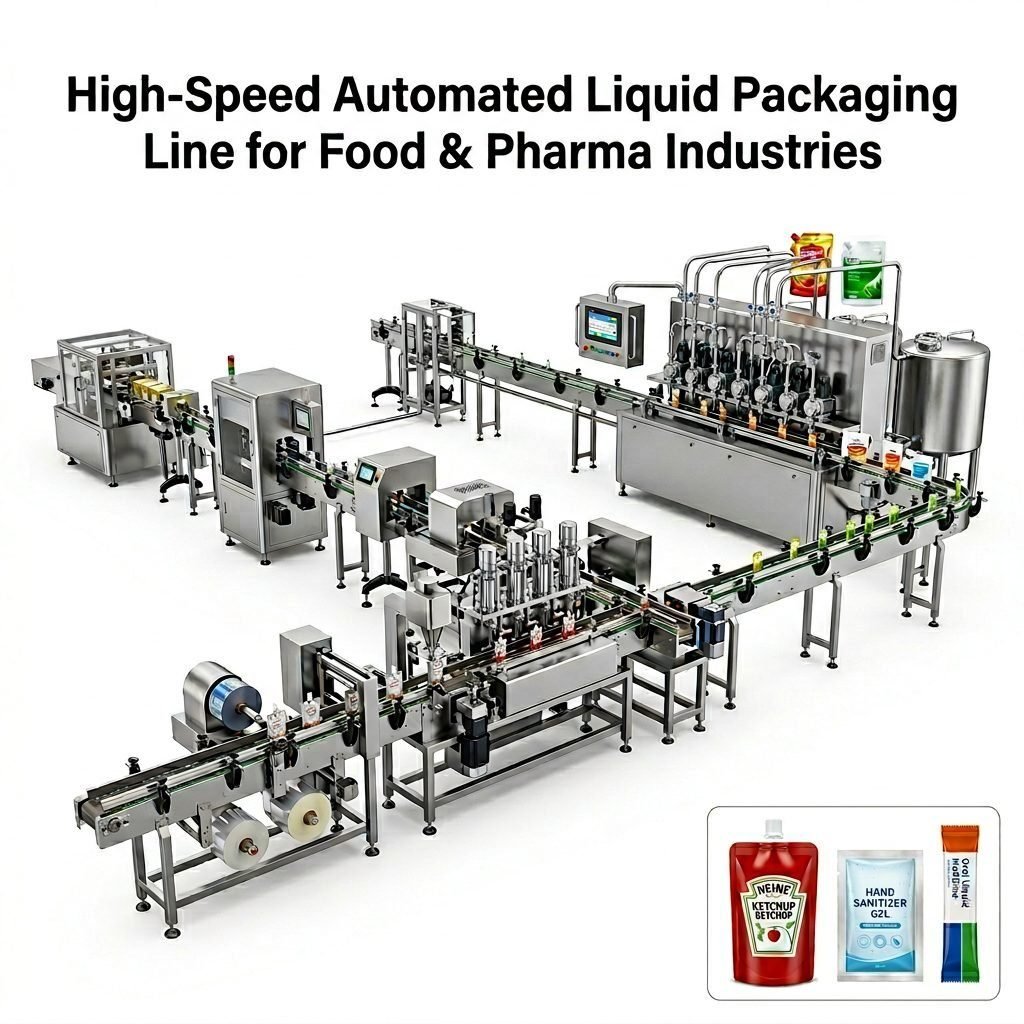
Efficiency gains are measurable and significant. Automated packaging lines drastically reduce labor costs and human error. They ensure consistent package quality, from seal integrity to accurate weight checking via integrated weighing systems. This consistency minimizes product giveaway and reduces material waste. Furthermore, high-speed machines (often capable of hundreds of packages per minute) allow bakeries to scale production to meet demand spikes without proportional increases in staffing, directly improving the bottom line.
The Science of Enhancing Freshness & Shelf Life
Beyond speed, the true value of sophisticated equipment lies in preservation technology. Many machines integrate gas flushing capabilities (Modified Atmosphere Packaging – MAP). By replacing the air inside the package with a mixture of gases like nitrogen and carbon dioxide, microbial growth is inhibited, and oxidative rancidity is slowed. This can extend the shelf life of sensitive products by days or even weeks. The precision of the heat seal is also crucial; a flawless seal prevents moisture exchange and contamination, which is fundamental for maintaining the texture and taste customers expect.
Case in Point: Packmate’s Role in Bakery Innovation
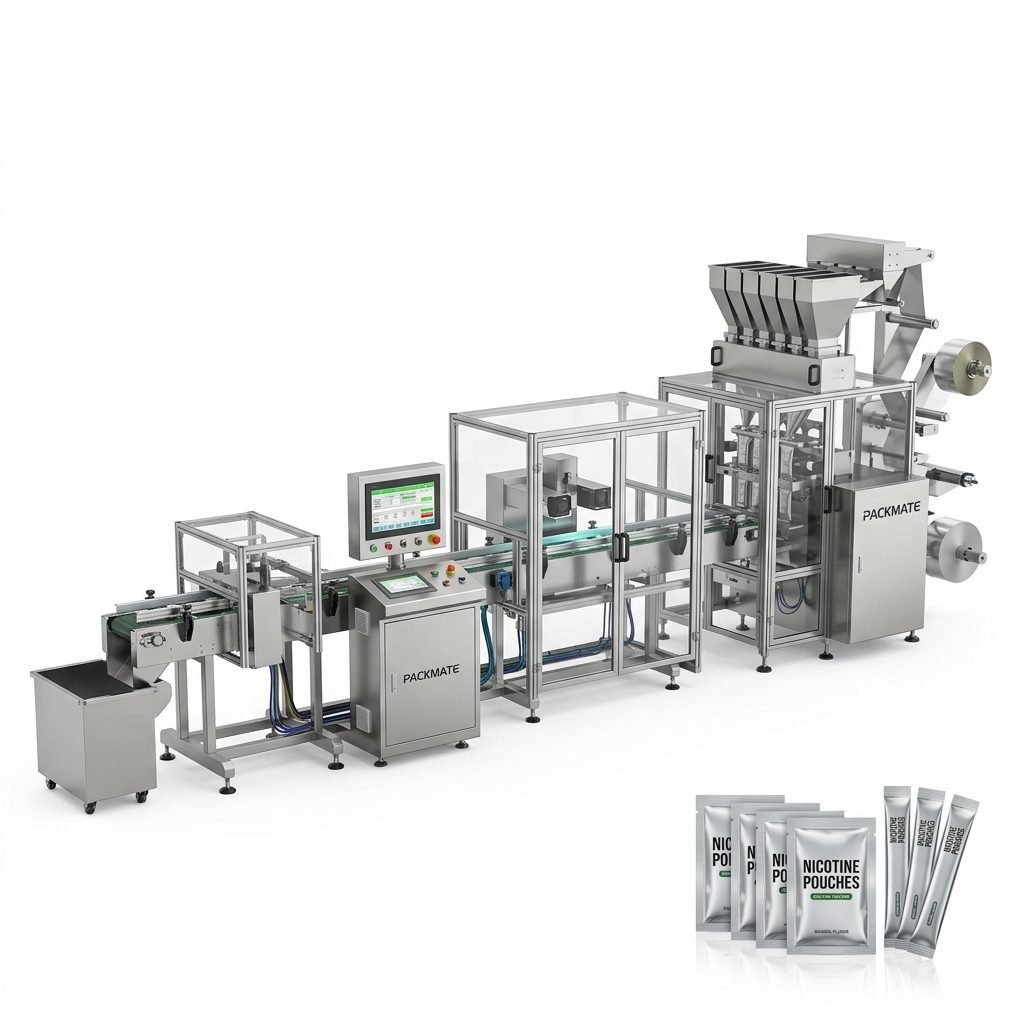
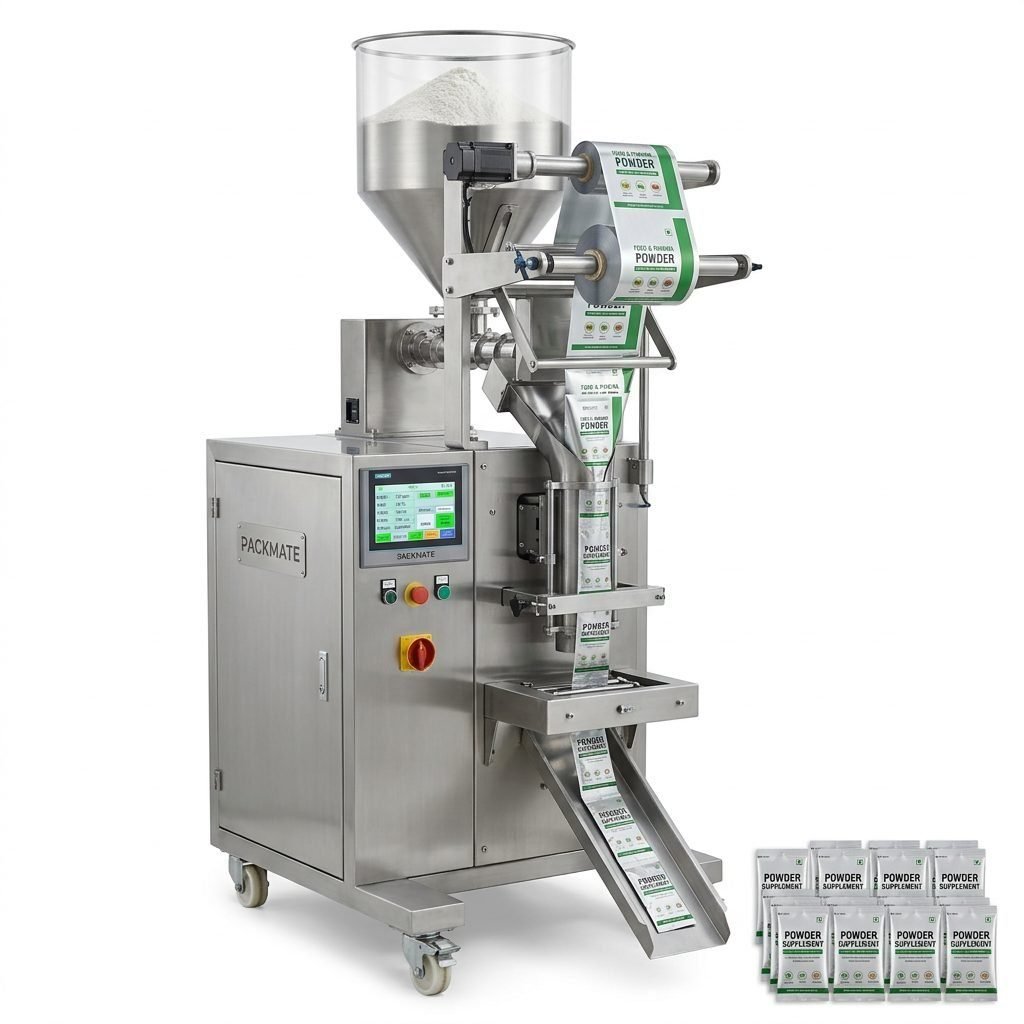
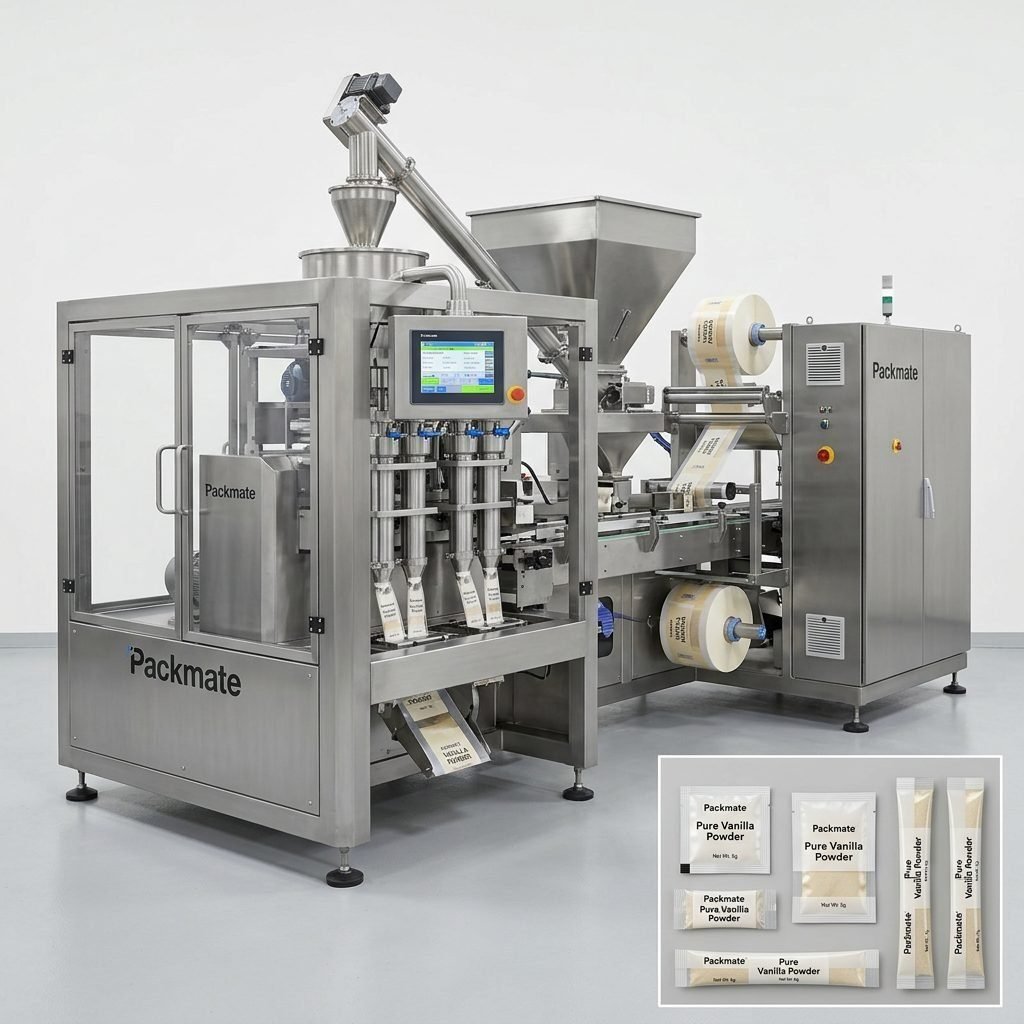
Companies with deep expertise in packaging machinery, such as Packmate Machinery, bring this theory to life. With over 30 years of experience in designing intelligent packaging solutions for the food industry, their engineering principles are directly applicable to bakery challenges. Their focus on reliable, high-speed automation for powders, granules, and other formats translates into robust systems capable of handling everything from flour mixes to finished baked goods. Their journey, from a focused workshop in 1993 to a major manufacturer with a 20,000㎡ facility today, underscores a commitment to solving real-world production problems—exactly the kind of partner a growing bakery needs to implement effective packaging equipment solutions.
Choosing the Right Solution for Your Bakery
Selecting equipment requires a careful analysis of your product portfolio, production volume, and future goals. Consider the following:
- Product Type & Fragility: Does your product require gentle handling? A bag or pouch machine with soft-touch conveyors might be necessary.
- Required Output Speed: Match the machine’s capacity (packages per minute) to your current and projected output.
- Packaging Material: Ensure the machine is compatible with your chosen film, whether standard plastic, biodegradable PLA, or high-barrier laminate for MAP.
- Footprint & Integration: Will the line fit your existing space? Can it integrate with upstream mixers or ovens and downstream labeling or case-packing equipment?
- Supplier Support: Choose a manufacturer known for quality, reliability, and strong after-sales service, as seen in the enduring 22+ years of company development and professional team behind established brands.
Ultimately, the right bakery packaging equipment is a strategic investment. It streamlines your operation, reduces waste, and most importantly, delivers a fresher, more appealing product to the consumer. By prioritizing solutions that seamlessly blend high efficiency with advanced freshness technology, bakeries can protect their product quality, strengthen their brand, and secure a lasting advantage in the marketplace.
Frequently Asked Questions (FAQ)
1. What is the most important feature to look for in bakery packaging equipment?
The ability to create a consistent, hermetic seal is paramount. This is the primary barrier against moisture loss, staling, and contamination, making it the foundational feature for preserving freshness. Speed and automation are secondary, though critical, efficiency factors.
2. Can the same machine package different types of bakery products?
Many machines are modular and adaptable with changeable parts like forming tubes, buckets, or sealing jaws. However, switching from a hard product like biscotti to a soft product like sponge cake may require significant tooling changes and adjustments. It’s best to discuss your specific product range with the equipment supplier.
3. How does Modified Atmosphere Packaging (MAP) work for baked goods?
MAP equipment flushes the air out of the package after filling and replaces it with a controlled gas mix (e.g., high nitrogen, low oxygen). This inert atmosphere slows down oxidation and inhibits the growth of mold and bacteria, significantly extending shelf life without the need for excessive preservatives.
4. Is automated packaging equipment only for large industrial bakeries?
No. The market offers a wide range of semi-automatic and compact fully automatic machines suitable for mid-sized and growing artisan bakeries. The investment is often justified by labor savings, reduced waste, and the ability to ensure consistent quality as production scales.
5. What kind of maintenance do these machines require?
Regular preventative maintenance is essential. This typically includes daily cleaning to prevent product residue buildup, periodic lubrication of moving parts, and inspection/replacement of wear items like sealing jaws, cutters, and film pull belts. A reliable supplier will provide a clear maintenance schedule and training.