In the fast-paced world of industrial manufacturing, efficiency and precision are paramount. For businesses dealing with screws, nuts, bolts, and other fasteners, the final step of packaging is not just about containment—it’s about protection, organization, presentation, and ultimately, customer satisfaction. A dedicated fastener packaging machine is the cornerstone of this critical process. This comprehensive guide delves into the various types of fastener packaging machines, their significant benefits, and provides a detailed framework to help you select the ideal system for your operation.
Understanding Fastener Packaging Machines
A fastener packaging machine is a specialized piece of equipment designed to automatically count, sort, and package loose fasteners into specific quantities. These machines replace slow, error-prone manual counting and bagging, ensuring each package contains the exact number of items promised. They handle a wide range of fastener types, from tiny electronic screws to large construction bolts, and can package them into bags, pouches, boxes, or blister packs. The core principle involves vibration feeding, precise counting (often via optical sensors or weighing systems), and automated bagging or boxing.
Key Takeaway:
These machines transform a labor-intensive, inconsistent task into a streamlined, high-speed, and flawless operation, directly impacting inventory accuracy, shipping costs, and brand reputation.
Primary Types of Fastener Packaging Machines
The market offers several configurations, each suited to different production volumes, fastener characteristics, and packaging formats. Understanding these types is the first step in making an informed choice.
1. Multi-Lane Counting & Bagging Machines
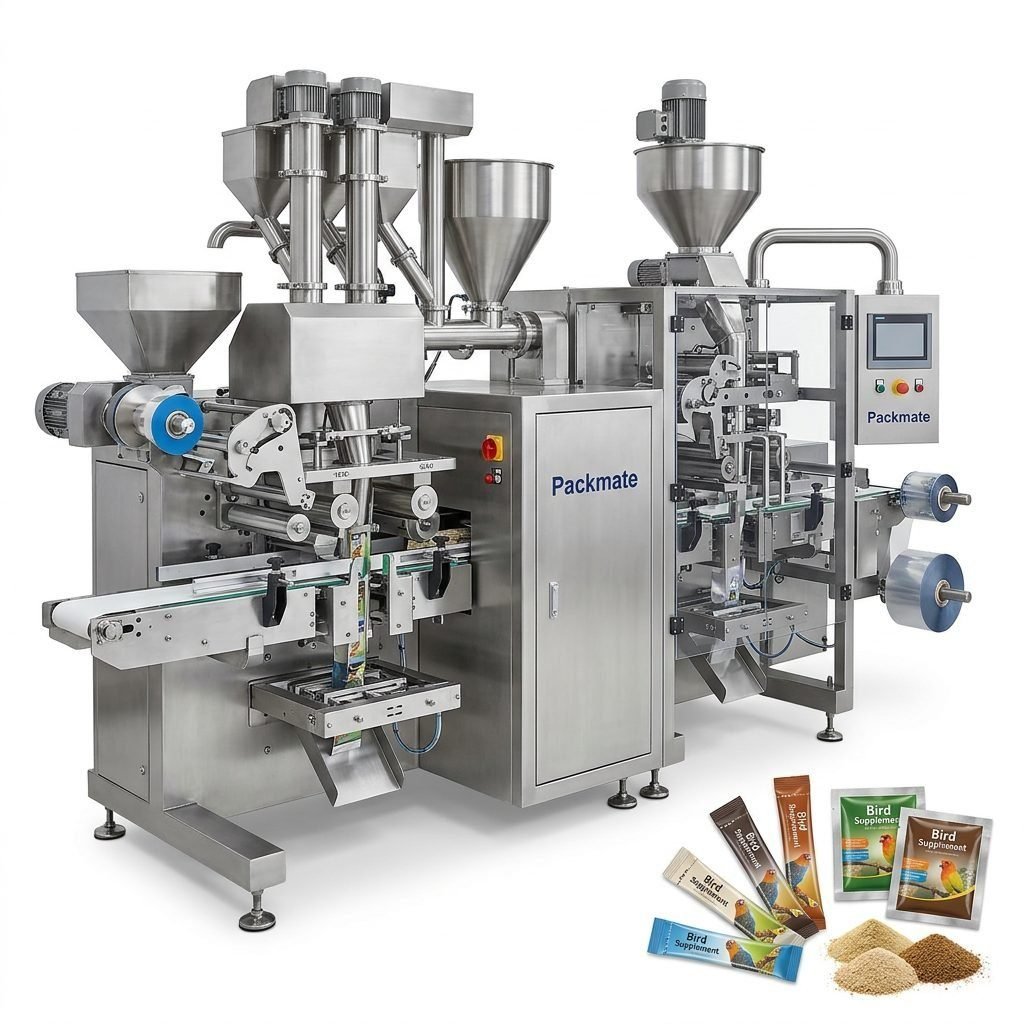
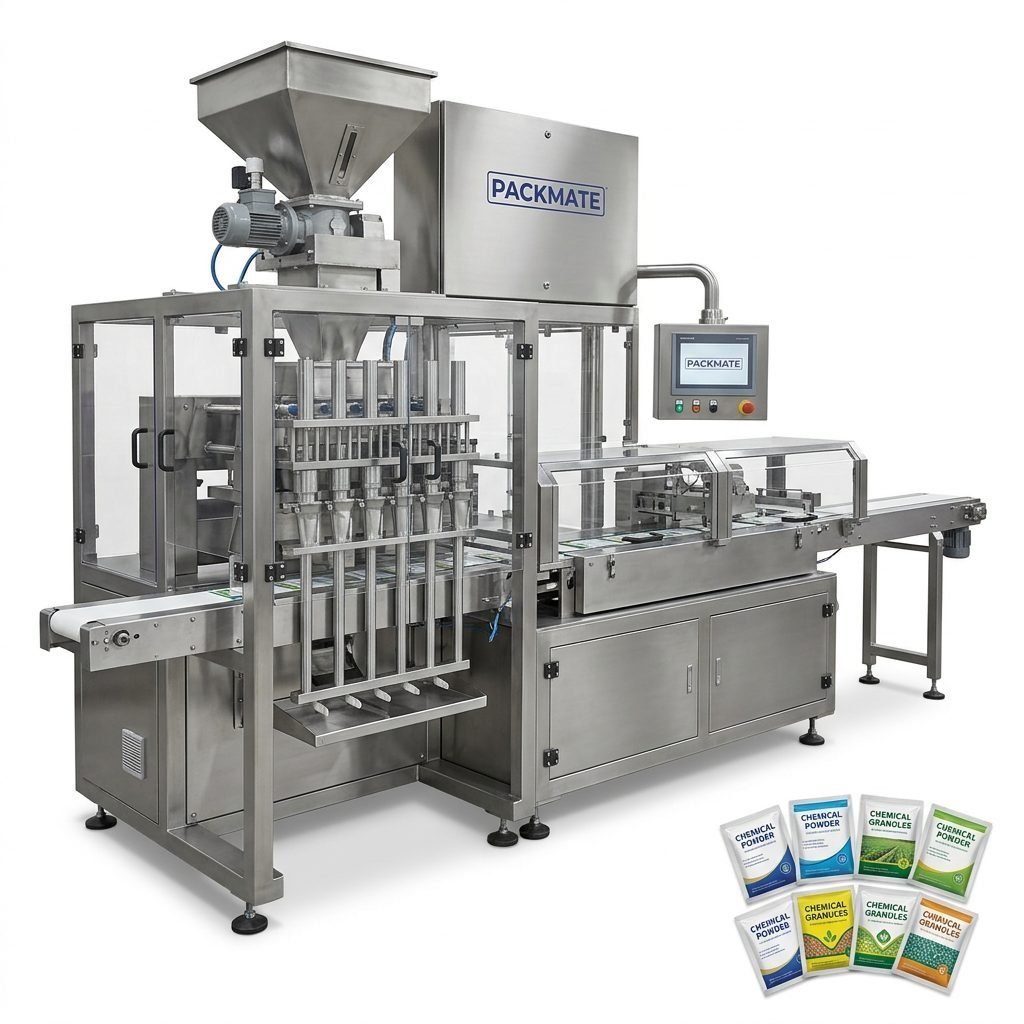
These are the workhorses for high-volume production of small to medium-sized fasteners like screws, nuts, and washers. They feature multiple vibratory feeder lanes that simultaneously count and channel fasteners into a single collating chute, which then fills pre-made bags or forms bags from roll stock. They are incredibly fast and ideal for packaging uniform batches. For businesses looking to scale their packaging of small items, exploring advanced bag & pouch packaging machines can reveal integrated solutions that combine counting with sophisticated bagging technology.
2. Combination Weighing & Packaging Systems
For fasteners that are difficult to count individually due to irregular shapes or mixed sizes (e.g., assorted kits), combination weighers are the optimal solution. These systems use multiple weigh buckets to calculate the optimal combination to reach a target weight quickly and accurately. The weighed portion is then discharged into the packaging. This method guarantees weight accuracy, which is often a critical legal and customer requirement. A robust weighing & packaging system is essential for compliance and precision in such scenarios.
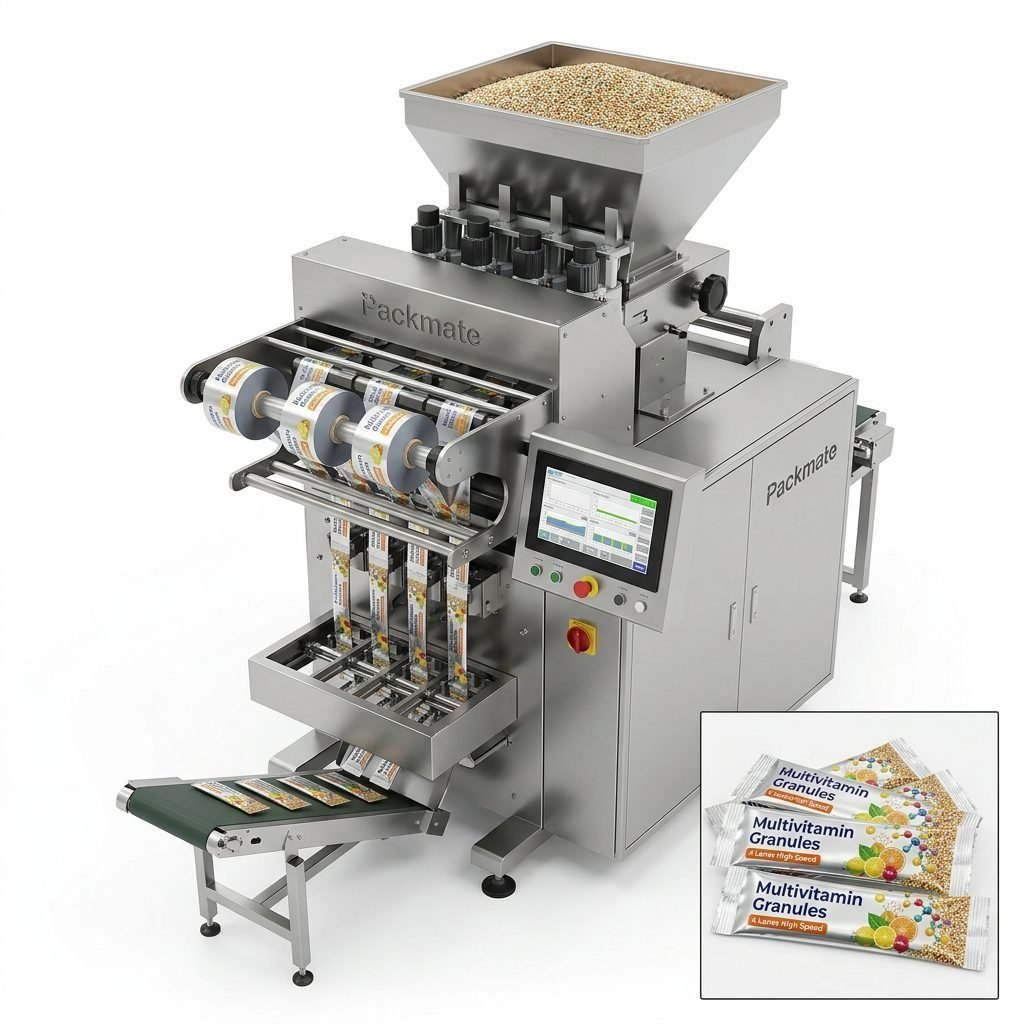
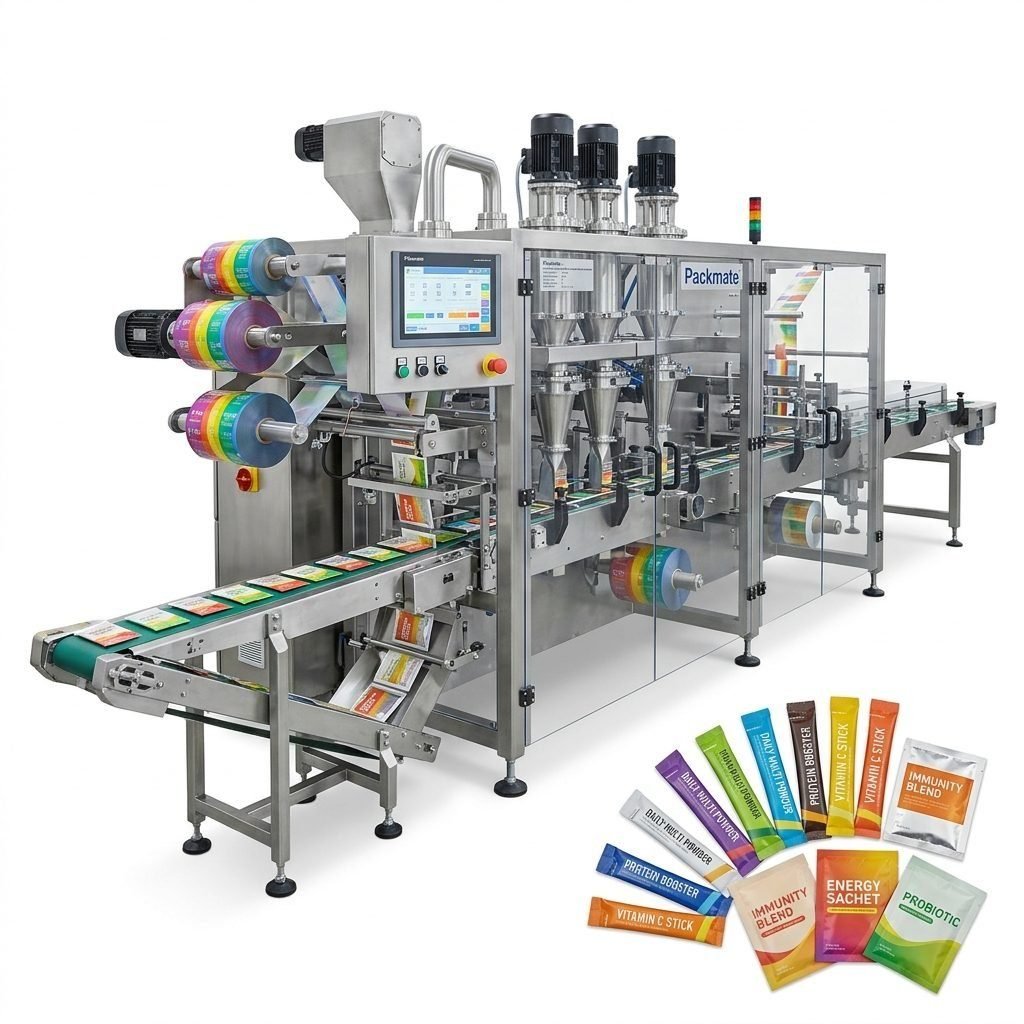
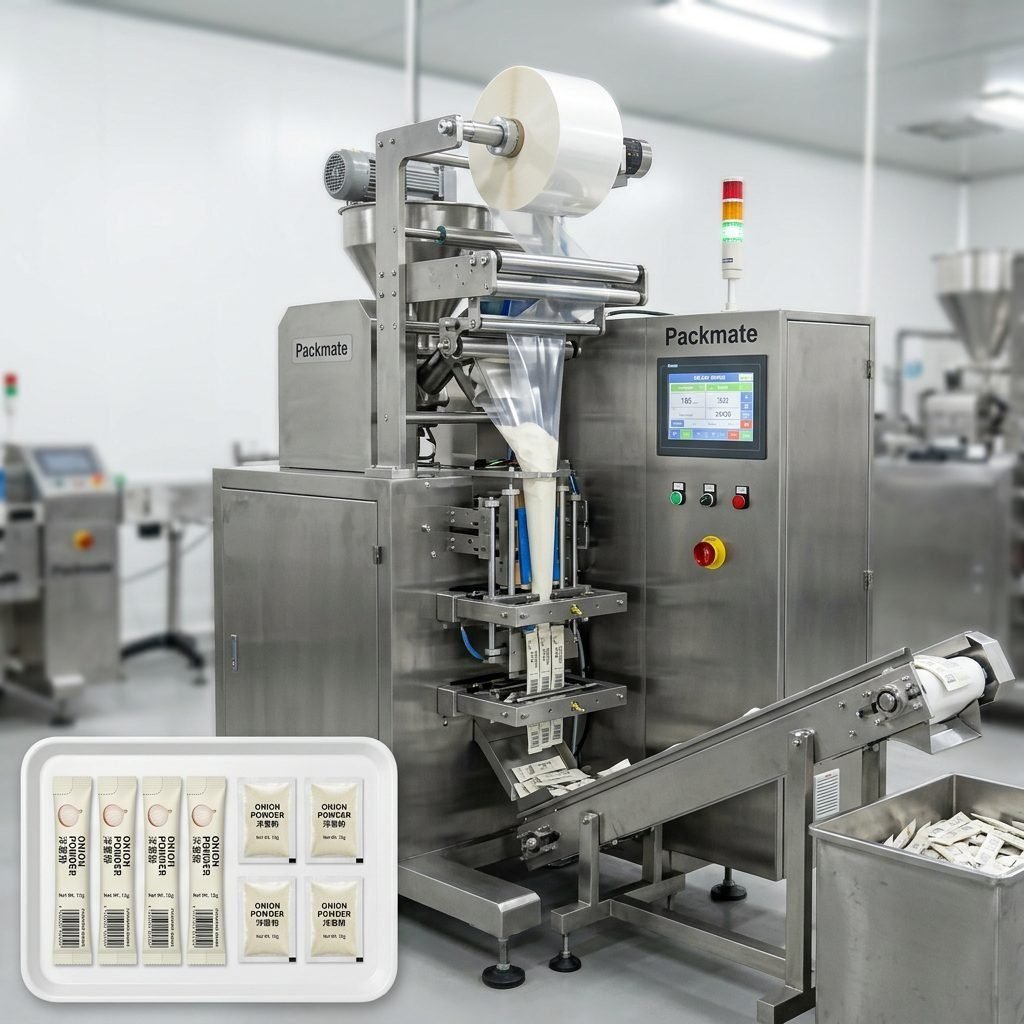
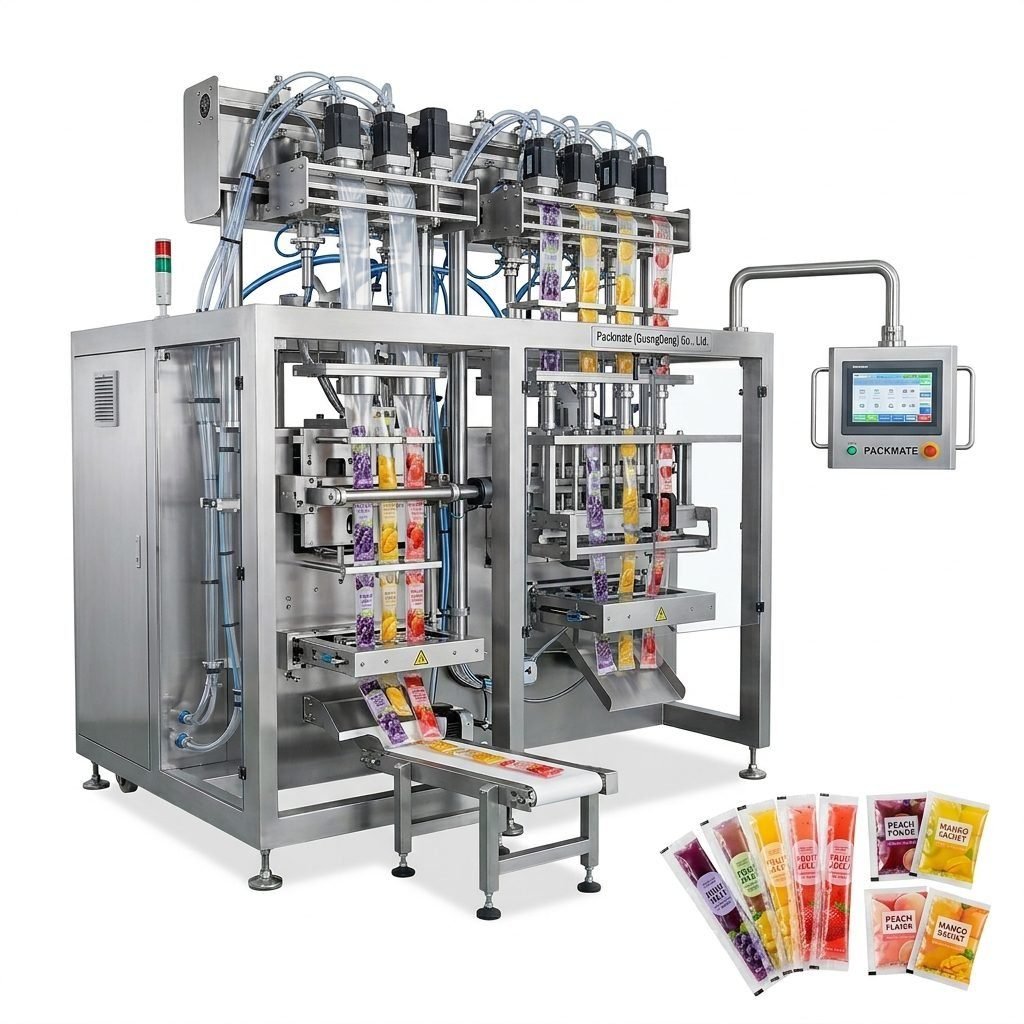
3. Stick Pack & Sachet Machines
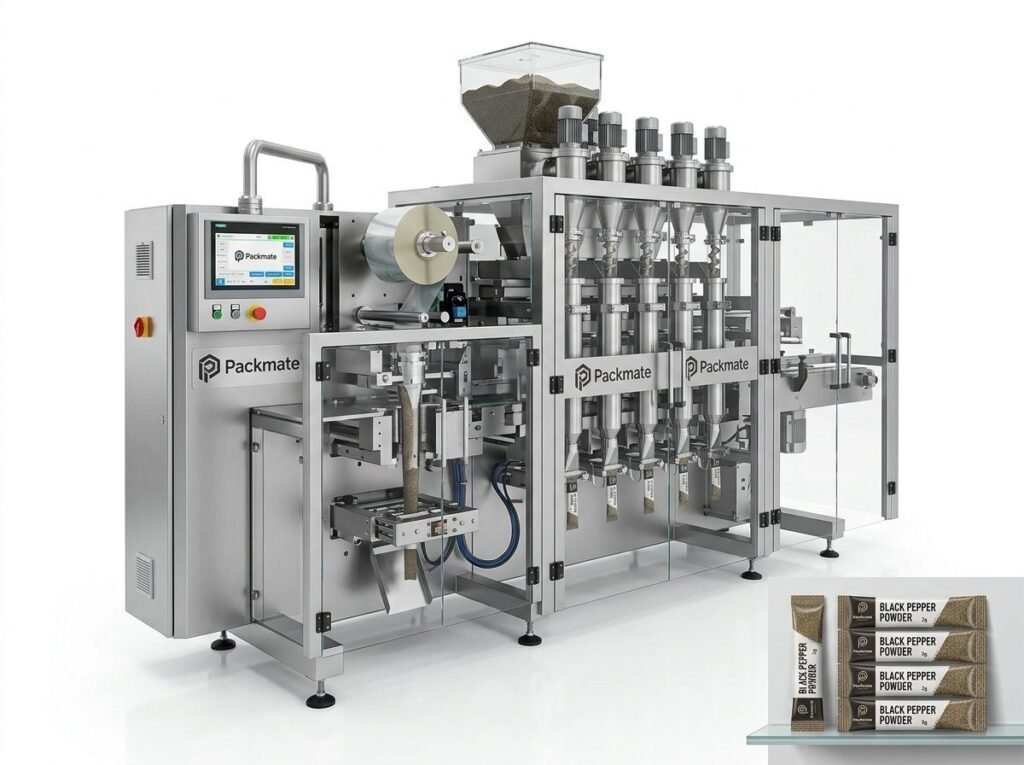
While more common for granular products, certain stick pack machines can be adapted for very small, lightweight fasteners used in electronics or jewelry. They create long, narrow packets from a roll of film, offering a compact and professional retail presentation. For manufacturers in adjacent industries or those exploring innovative packaging formats for small components, the technology behind sachet & stick pack machines provides valuable insights into precision forming, filling, and sealing.
4. Blister Card Packaging Lines
This system is designed for retail-ready presentation. It involves placing fasteners into pre-formed plastic blisters, sealing a printed cardboard backing over them, and die-cutting the individual cards. This process is more complex and typically involves several machines in a line but results in a high-value, secure, and visually appealing product perfect for point-of-sale displays.
Comparative Overview: Machine Types
Multi-Lane Baggers: Best for high-speed, uniform item counting. Output: Hundreds of bags per minute.
Combination Weighers: Best for irregular items or weight-based packaging. Output: High speed with extreme weight accuracy.
Stick Pack Machines: Best for very small items in slim, retail packs. Output: Varies based on product flow.
Blister Lines: Best for premium retail presentation. Output: Slower, but adds significant product value.
The Tangible Benefits of Automation
Investing in a fastener packaging machine yields a rapid return on investment through multiple channels, transforming a cost center into a strategic asset.
Dramatically Increased Productivity & Speed: Machines operate continuously at speeds impossible for human workers, often packaging hundreds of units per minute. This allows you to meet large orders quickly and reallocate human labor to more skilled tasks.
Unmatched Accuracy & Consistency: Eliminates costly counting errors and short fills that lead to customer complaints, returns, and regulatory non-compliance. Every package is identical, building trust with your clients.
Significant Labor Cost Reduction: Automating the repetitive counting and bagging process reduces the number of operators required, leading to substantial long-term savings on wages and associated costs.
Enhanced Product Protection & Professionalism: Automated systems handle fasteners gently and package them securely, reducing damage from manual handling. The finished, uniform packages present a professional image that commands respect in the market.
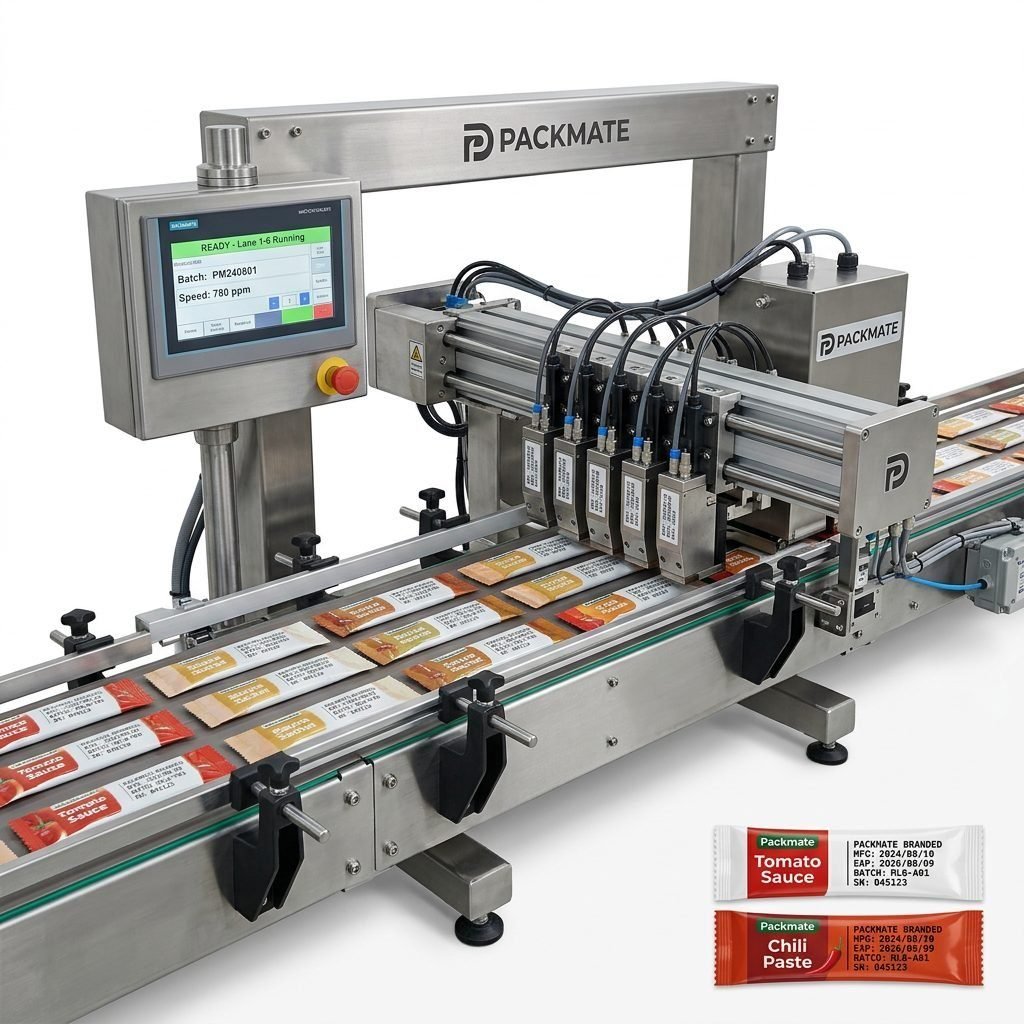
Improved Inventory Control & Traceability: Precise counting provides accurate data for inventory management. Many modern machines can integrate with software for batch tracking, expiry dating, and barcode printing, enhancing supply chain visibility.
How to Choose the Right Fastener Packaging Machine: A Step-by-Step Guide
Selecting the perfect machine requires a careful analysis of your specific needs. Rushing this decision can lead to underperformance or unnecessary expense. Follow this structured approach.
Step 1: Analyze Your Product & Materials
- Fastener Type & Size: Specify the exact range of items (e.g., M3 screws, 1/4″ nuts). Consider length, diameter, weight, and shape.
- Packaging Material: Determine your bag type (polyethylene, polypropylene), film thickness, or if you need blister cards/boxes.
- Package Size & Count: Define the target quantity per package (e.g., 100 pieces) and the final bag dimensions.
Step 2: Define Your Production Requirements
- Required Output Speed: Calculate your needed output in bags/packs per minute or hour to meet daily/weekly production goals.
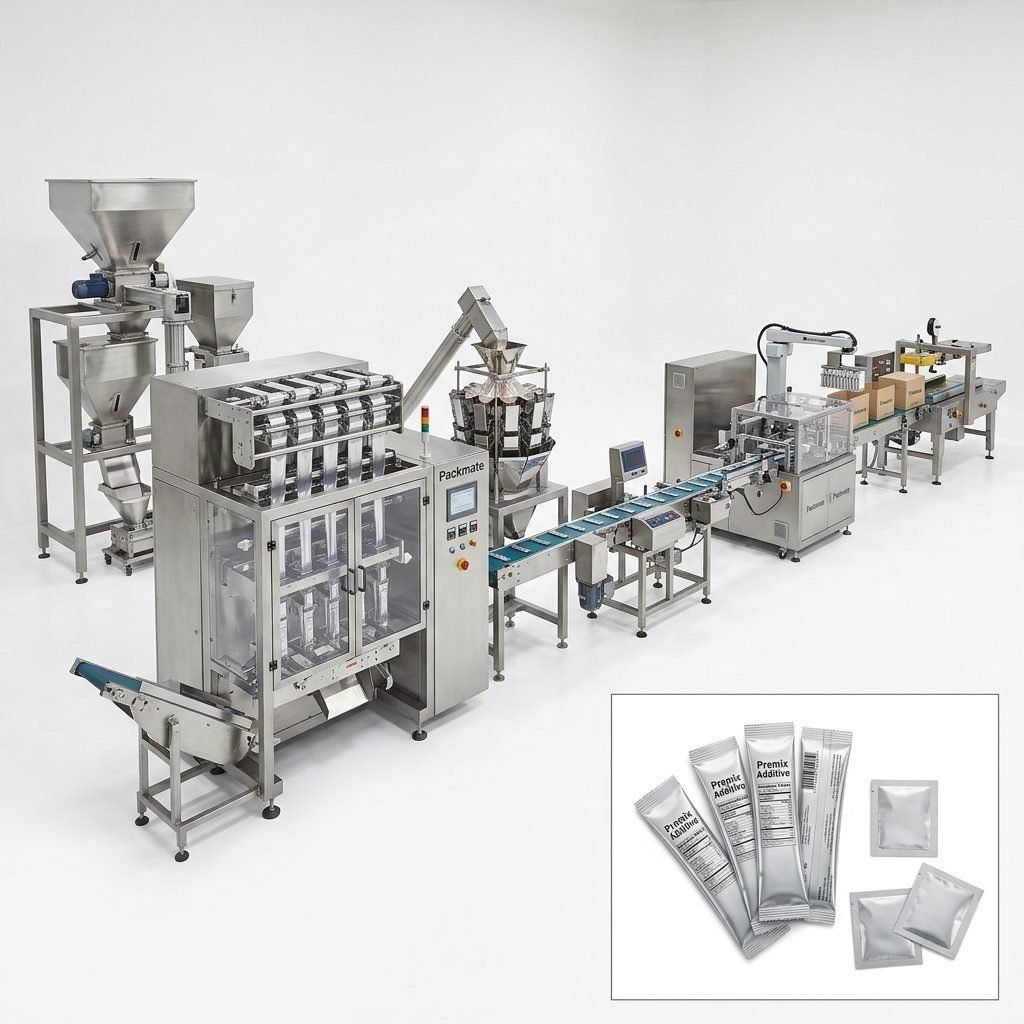
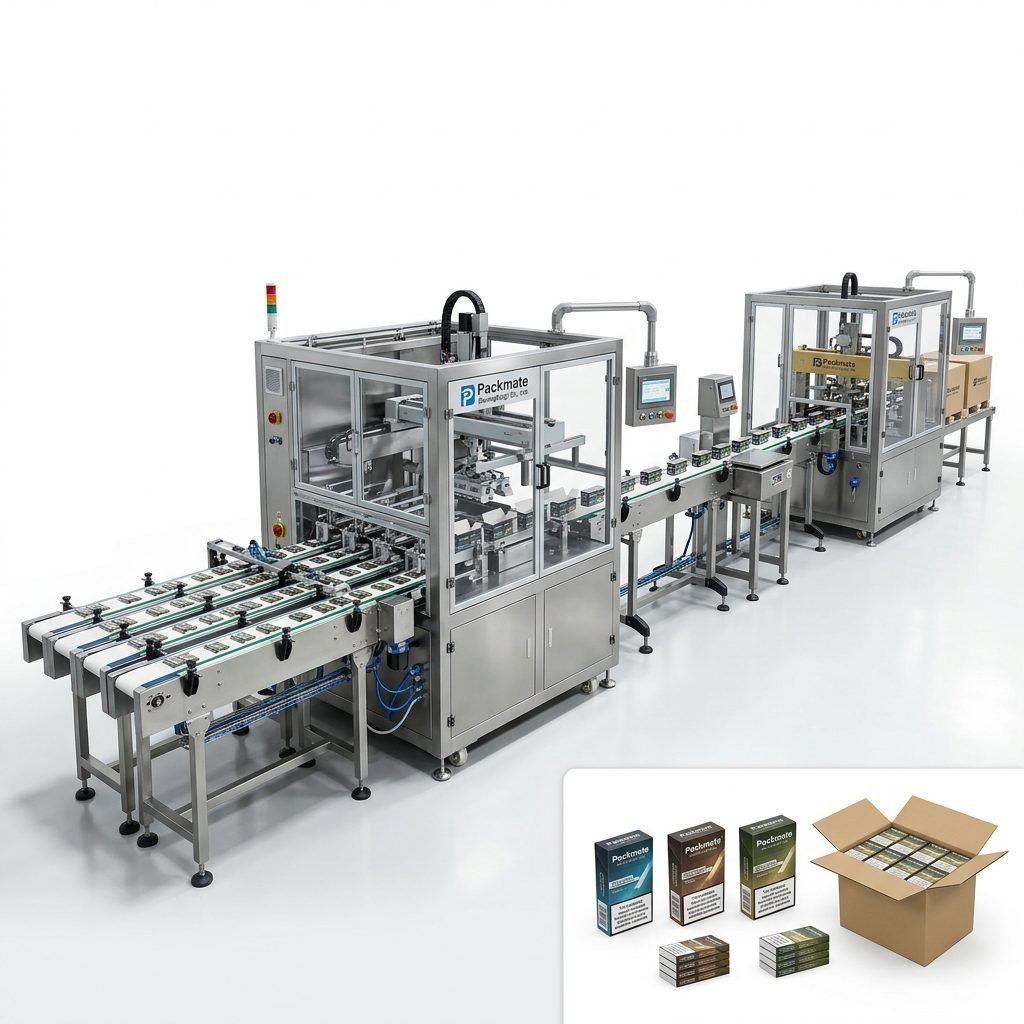
- Floor Space: Measure the available space in your facility. Some systems, like complete filling & packaging lines, are more compact than others.
- Changeover Frequency: How often will you switch between different fastener types or package sizes? Look for machines with quick-change parts and easy-to-program settings.
Step 3: Evaluate Machine Features & Supplier
- Counting Technology: Opt for optical sensors for high-speed counting of uniform items. Choose precision weighing for irregular or mixed fasteners.
- Construction & Durability: The frame should be heavy-duty steel. Critical components like feeders and servos must be from reputable brands for longevity.
- Ease of Use & Maintenance: A user-friendly touchscreen HMI (Human-Machine Interface) is crucial. Easy access for cleaning and routine maintenance reduces downtime.
- Supplier Reputation & Support: This is critical. Choose an established manufacturer with a proven track record. Review their company profile and history, like Packmate Machinery, which brings over two decades of engineering expertise. Ensure they offer comprehensive after-sales service, training, and readily available spare parts.
Pro Tip: Request a Product Test
Never buy based on specifications alone. Reputable manufacturers will offer to test your actual fasteners on their machine. This live demonstration is the only way to verify speed, accuracy, and compatibility, ensuring the machine performs as expected with your specific products.
Step 4: Consider Integration & Future Growth
Think beyond the immediate purchase. Can the machine integrate with upstream processes (like bulk feeding) or downstream systems (like case packing or labeling)? Furthermore, select a machine with some capacity headroom to accommodate future increases in your production volume without needing an immediate replacement.
Conclusion
An automated fastener packaging machine is a strategic investment that drives efficiency, accuracy, and profitability. By understanding the different machine types—from high-speed multi-lane baggers to precise combination weighers—and systematically evaluating your product needs, output goals, and supplier capabilities, you can make a confident decision. The right machine will not only solve your immediate packaging challenges but will also provide a scalable foundation for business growth, enhanced product quality, and stronger customer relationships for years to come.
Frequently Asked Questions (FAQs)
1. What is the typical accuracy rate of a fastener packaging machine?
Modern machines with optical counting systems typically achieve an accuracy rate of 99.9% or higher. Weight-based systems are accurate to within a fraction of a gram. The exact rate depends on the machine quality, proper setup, and the consistency of the fasteners being fed.
2. How difficult is it to change the machine over for a different fastener size or package count?
Changeover complexity varies. Many newer models are designed for quick changeover, featuring tool-less adjustments, digital preset recipes, and interchangeable parts like feeder bowls and funnel sizes. This process can often be completed in under 30 minutes with proper training.
3. Can one machine handle a wide variety of fastener shapes and sizes?
While versatile machines exist, there are limits. A machine optimized for tiny electronic screws may struggle with large, heavy bolts. It’s crucial to define your product range and discuss it with the supplier. Often, changing feeder bowls, tracks, and counting sensors is required to switch between vastly different product families.
4. What kind of maintenance do these machines require?
Regular maintenance is key to longevity. Daily tasks include cleaning dust and debris. Weekly or monthly maintenance involves checking and lubricating moving parts, inspecting sensors, and ensuring vibratory feeders are tuned correctly. Your supplier should provide a detailed maintenance schedule.
5. Where can I see examples of these machines in operation or get a catalog?
Reputable suppliers often have video case studies on their websites. You can also request to visit their facility or a client site for a live demonstration. To explore a range of packaging solutions and get detailed specifications, you can typically download a catalog directly from their website to review at your convenience.