Investing in a beer can packaging machine is a significant step for any brewery, beverage producer, or contract packager. The right equipment can dramatically boost your production efficiency, ensure product integrity, and enhance your brand’s market presence. This comprehensive guide will walk you through the different types of beer can packaging machines, factors affecting their prices, and crucial buying tips to help you make an informed decision for your business.
Understanding Beer Can Packaging Machines
Beer can packaging machines automate the process of filling, sealing, and preparing cans for distribution. They are a critical component in modern beverage production lines, designed to handle high volumes with precision and hygiene. The core function of these machines is to ensure that each can is filled to the exact volume, sealed airtight to preserve freshness and carbonation, and often labeled or packaged into multi-packs for retail.
The evolution from manual bottling to high-speed automated canning lines represents a major leap in beverage manufacturing. Modern machines integrate advanced technologies like programmable logic controllers (PLCs) and touch-screen interfaces, allowing for precise control over fill levels, seam integrity, and line speed. This technological sophistication directly impacts both the initial investment and the long-term operational savings.
Primary Types of Beer Can Packaging Machines
The market offers various machines, each suited to different production scales and needs. Understanding these types is the first step in selecting the right equipment.
1. Manual & Semi-Automatic Fillers
These are entry-level machines ideal for nano-breweries, pilot plants, or businesses with very low production volumes. A manual filler typically involves a single filling head operated by hand, while a semi-automatic machine may automate the filling or seaming process but requires manual loading and unloading of cans.
- Best for: Startups, small batch specialty beers, testing new recipes.
- Throughput: Up to 10-15 cans per minute.
- Key Advantage: Low initial cost and minimal floor space requirement.
2. Rotary Can Fillers & Sealers
This is the most common type for medium to large-scale production. Cans are fed onto a rotating carousel where they are simultaneously filled and then moved to a seaming station. These machines are known for their speed and efficiency.
Rotary fillers are the workhorses of the industry. They can be configured with varying numbers of filling valves (e.g., 12, 24, 40, 60 heads) to match desired output. The integration with a seamer and downstream packaging line creates a continuous, high-speed operation.
3. In-Line (Linear) Canning Systems
In these systems, cans travel in a straight line through different stations for filling, seaming, and sometimes labeling. They are often more modular and can be easier to maintain and adjust than rotary systems.
- Best for: Operations requiring flexibility for different can sizes or products.
- Throughput: Generally lower than high-speed rotary systems but highly consistent.
- Key Advantage: Simpler mechanical design and easier access for cleaning and maintenance.
4. Complete Canning Lines
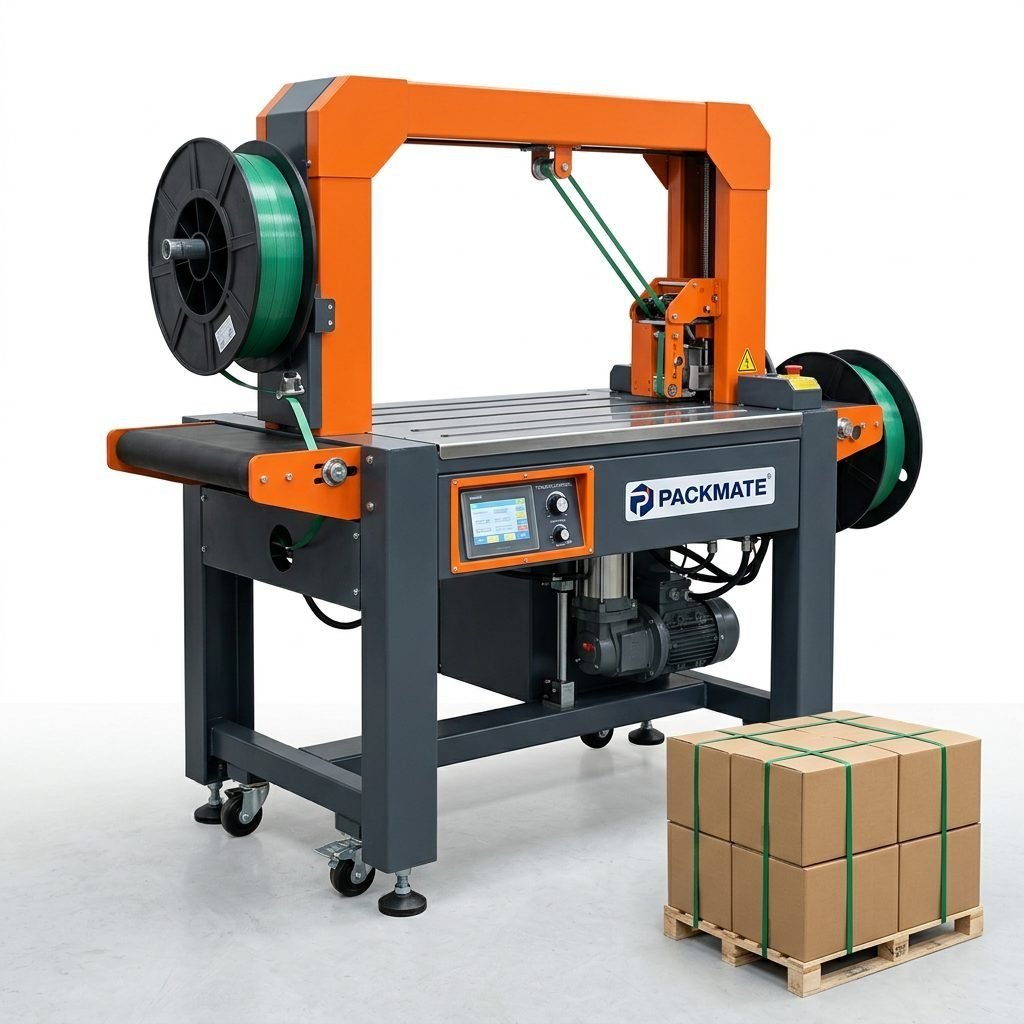
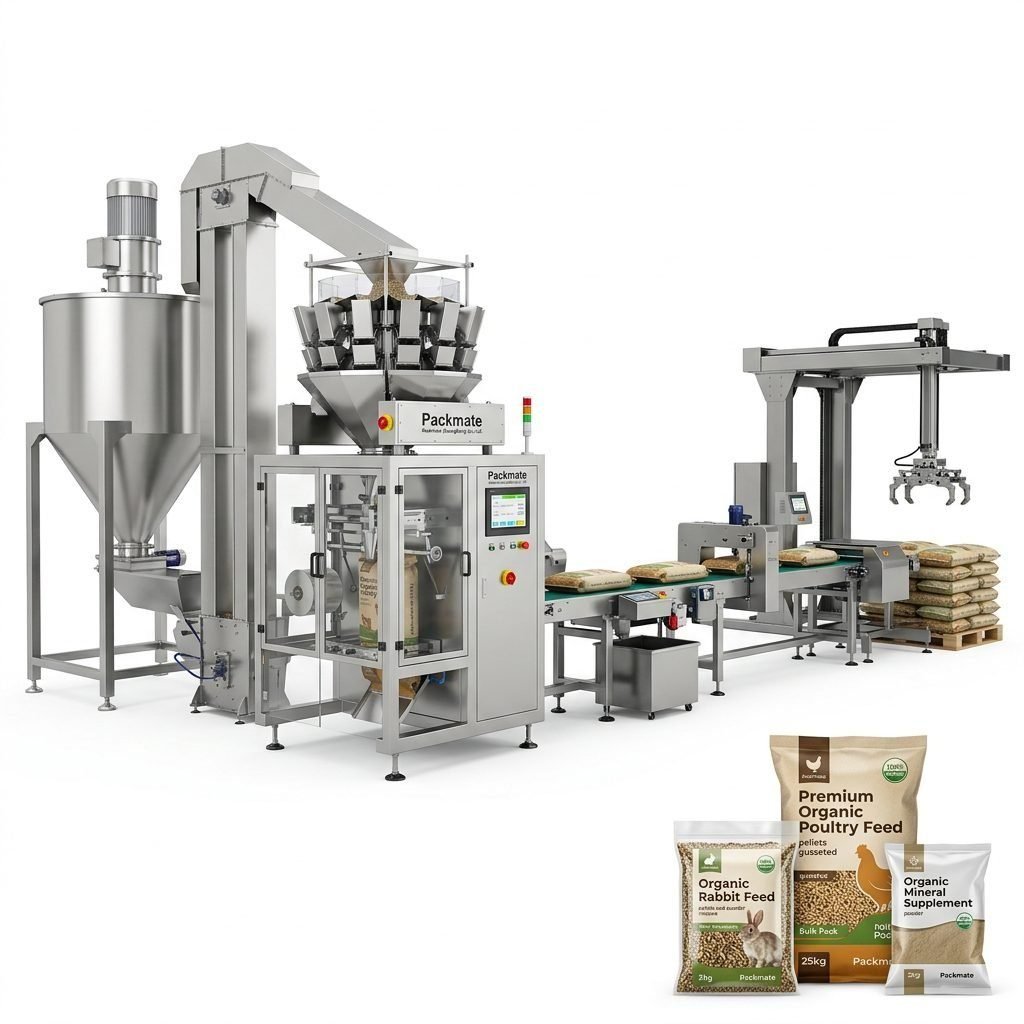
This refers to a fully integrated system that goes beyond just filling and seaming. A complete line typically includes a depalletizer, can cleaner, filler, seamer, pasteurizer or tunnel warmer, labeler, date coder, and packer (e.g., into trays, cartons, or shrink wrap). Companies like Packmate Machinery specialize in providing such turnkey packaging solutions, ensuring all components work seamlessly together.
Key Factors Influencing Machine Prices
The cost of a beer can packaging machine is not a single figure but a range influenced by several interconnected factors. A clear understanding of these will help you budget effectively.
Production Capacity (Speed)
This is the most significant price determinant. A machine capable of 50 cans per minute (CPM) will cost substantially less than one rated for 500 CPM. It’s crucial to realistically project your current and future volume needs to avoid under- or over-investing.
Level of Automation
Fully automated lines with robotic palletizing, automatic changeover systems for different can sizes, and advanced CIP (Clean-in-Place) systems command a higher price. Semi-automated or manual components reduce the upfront cost but increase labor requirements.
Machine Features and Technology
Advanced features add cost but also value:
- Precision Filling Technology: Systems that use weight, level, or flow-meter filling to minimize product giveaway.
- Seam Monitoring: Integrated sensors to check seam quality in real-time, preventing leaks.
- Touch-Screen HMI: User-friendly interface for easier operation and diagnostics.
- Material of Construction: Food-grade stainless steel (e.g., 304 or 316L) contact parts are essential for hygiene and durability but are more expensive.
Brand Reputation and Support
Established manufacturers with a proven track record, like Packmate Machinery with over 30 years of expertise, often price their machines at a premium. This cost reflects not just the hardware but also the reliability, engineering quality, and access to comprehensive after-sales service, technical support, and spare parts.
Remember, the cheapest machine is often the most expensive in the long run. Downtime, poor seam quality leading to product loss, and lack of technical support can cripple production and damage your brand reputation. Investing in quality from a reputable supplier is an investment in your business’s stability.
Essential Buying Tips for Your Investment
Purchasing a packaging machine is a major capital expenditure. Follow these tips to ensure you select the best partner and equipment for your needs.
1. Define Your Requirements Precisely
Before contacting suppliers, have clear answers to:
- Target output (cans per minute, shifts per day).
- Can sizes you will use (diameter and height).
- Product characteristics (carbonation level, viscosity, particulates).
- Available factory space (footprint and height).
- Available utilities (electrical power, compressed air, water).
2. Prioritize Hygiene and Ease of Cleaning
Beer production demands impeccable hygiene. Look for machines with a sanitary design: smooth surfaces, minimal crevices, easy disassembly of product-contact parts, and compatibility with CIP systems. This is critical for maintaining product quality and meeting food safety standards.
3. Evaluate the Total Cost of Ownership (TCO)
Look beyond the purchase price. Consider:
- Operating Costs: Energy consumption, compressed air usage, required consumables (e.g., seamer rolls).
- Maintenance Costs: Availability and cost of spare parts. Does the supplier offer a comprehensive service plan?
- Product Yield: A machine with precise filling will reduce beer giveaway, saving significant money over time.
4. Insist on a Factory Test or Site Visit
If possible, visit the manufacturer’s facility to see the machine being built or request a factory acceptance test (FAT). Run your own product (or a close substitute) through the machine to verify performance, speed, and fill accuracy. This step is non-negotiable for major purchases.
5. Scrutinize After-Sales Support
The relationship with your supplier begins after the sale. Ensure they offer:
- Detailed installation and commissioning support.
- Comprehensive operator and maintenance training.
- Readily available technical support (phone, email, remote access).
- A clear warranty policy and a reliable spare parts supply chain.
Choosing a supplier with a strong global support network, like Packmate, which serves clients internationally, can be invaluable for long-term operational peace of mind.
Conclusion
Selecting the ideal beer can packaging machine is a strategic decision that balances technical specifications, budgetary constraints, and long-term business goals. From manual fillers for craft beginnings to high-speed rotary lines for mass production, the key is to match the machine’s capabilities with your specific needs. By thoroughly understanding the types available, the factors that drive cost, and following a disciplined buying process that emphasizes hygiene, total cost of ownership, and supplier support, you can invest in equipment that will become a reliable, profit-driving asset for your brewery or beverage business for years to come.
Frequently Asked Questions (FAQs)
What is the typical price range for a beer can packaging machine?
Prices vary widely based on automation and speed. A semi-automatic system can start from $10,000 – $50,000. A mid-range rotary filler/seamer might cost $100,000 – $300,000. A complete, high-speed automated canning line can easily exceed $500,000 to over $1 million.
How do I choose between a rotary and an in-line canning system?
Rotary systems are generally preferred for higher speeds (above 150 CPM) and consistent, high-volume runs of a single can size. In-line systems offer greater flexibility for frequent size changes and are often chosen for medium-speed operations where versatility and ease of maintenance are priorities.
What maintenance does a canning machine require?
Daily cleaning and lubrication are essential. Regular maintenance includes checking and replacing wear parts like filling valve seals, seamer rolls, and gaskets. Following the manufacturer’s preventive maintenance schedule is crucial to avoid unplanned downtime.
Can one machine handle different can sizes?
Yes, most modern machines are designed with changeover capabilities. However, the time and complexity of the changeover vary. Quick-change systems are available but add to the machine’s cost. You must specify the range of can sizes you need during the purchasing process.
Why is the seamer such a critical component?
The seamer creates the double-seam that joins the can lid to the body. A perfect seam is airtight and leak-proof, preserving carbonation and preventing contamination or oxidation. A faulty seamer is a leading cause of product loss and quality issues in canning.