China’s food packaging machinery sector is a dynamic and rapidly evolving industry, driven by the nation’s vast manufacturing capabilities and its central role in global supply chains. For businesses worldwide seeking reliable, efficient, and cost-effective packaging solutions, understanding the landscape of top suppliers in China is crucial. This guide delves into the key players, technological trends, and essential considerations for sourcing food packaging machines from China, with a particular focus on how local business culture and practices influence the market.
The Chinese Packaging Machinery Landscape
The Chinese market is characterized by a blend of large-scale manufacturers and specialized, agile companies. A significant aspect of doing business here involves building long-term relationships (关系 guānxi). Trust and mutual benefit are paramount, often taking precedence over short-term transactions. This cultural nuance means that the best suppliers are those who view clients as partners, offering ongoing support and customization. Companies like Packmate Machinery exemplify this approach, having grown from a local workshop into an international provider by prioritizing deep collaboration and understanding client needs over decades.
Technological adoption is swift, with a strong emphasis on automation, precision, and hygiene standards that meet both domestic and international regulations. The drive for innovation is fueled by intense domestic competition and the demands of a sophisticated consumer market that values both convenience and presentation.
Key Considerations When Choosing a Supplier
Selecting the right partner goes beyond comparing machine specifications and price lists. Due diligence is essential.
Factory Audit and Certifications: Always verify the manufacturer’s production facilities and quality management systems. Reputable suppliers hold international certifications (like CE, ISO) and are transparent about their processes. For instance, reviewing a company’s certifications and qualifications provides concrete evidence of their commitment to standards.
After-Sales Service and Technical Support: The geographical distance makes robust after-sales service critical. Top suppliers offer comprehensive training, readily available spare parts, and remote or on-site technical support. A clear service and support structure is a non-negotiable element of a reliable partnership.
Customization Capability: The ability to tailor machinery to specific product formats, speeds, and packaging materials is a key differentiator. Whether you need a standard sachet packaging machine or a complex turnkey line, the supplier’s engineering team should demonstrate flexibility and problem-solving expertise.
Leading Segments in Food Packaging Machinery
The diversity of Chinese cuisine and food products has spurred innovation across various packaging machine types.
Vertical Form-Fill-Seal (VFFS) Machines
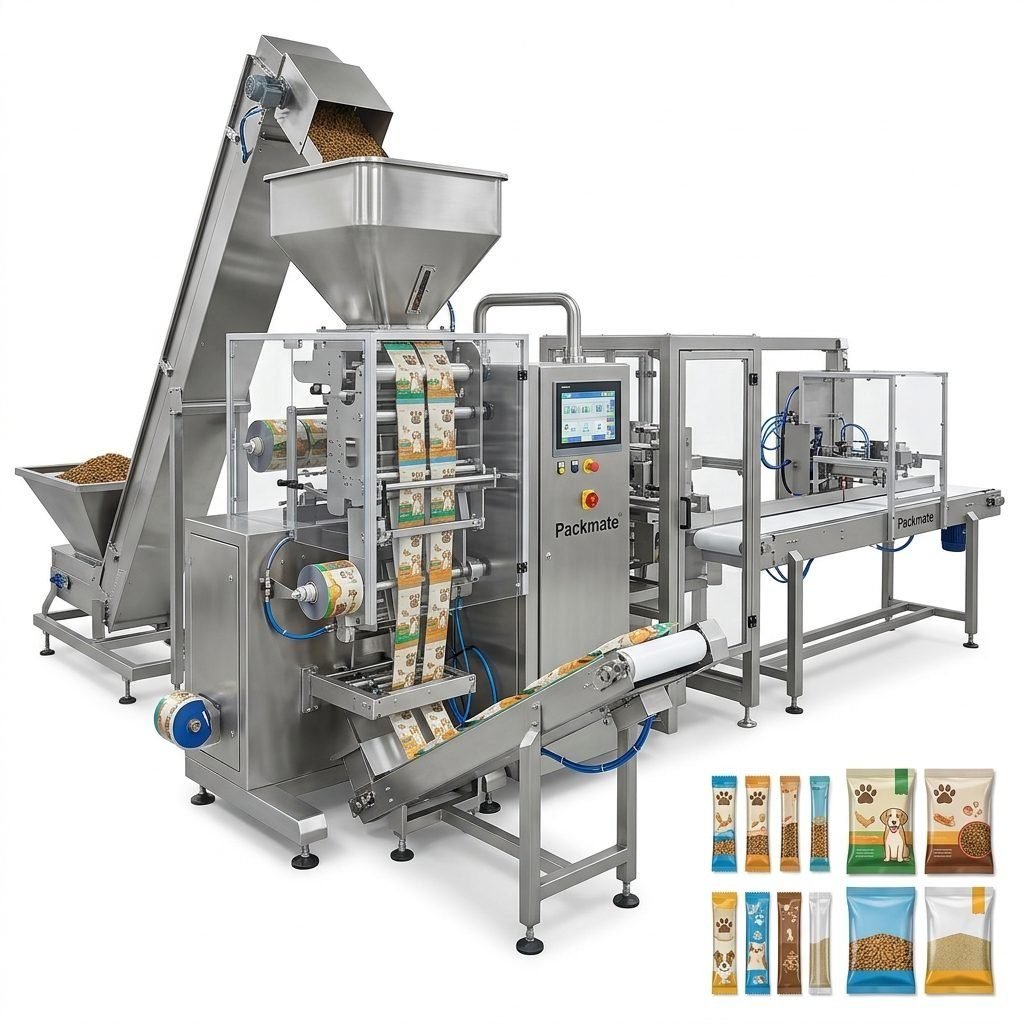
These are the workhorses of the industry, used for packaging a vast array of dry foods like snacks, grains, and powders into pillow bags or gusseted bags. Chinese manufacturers excel in producing high-speed, durable VFFS machines that offer excellent value.
Liquid & Paste Filling Machines
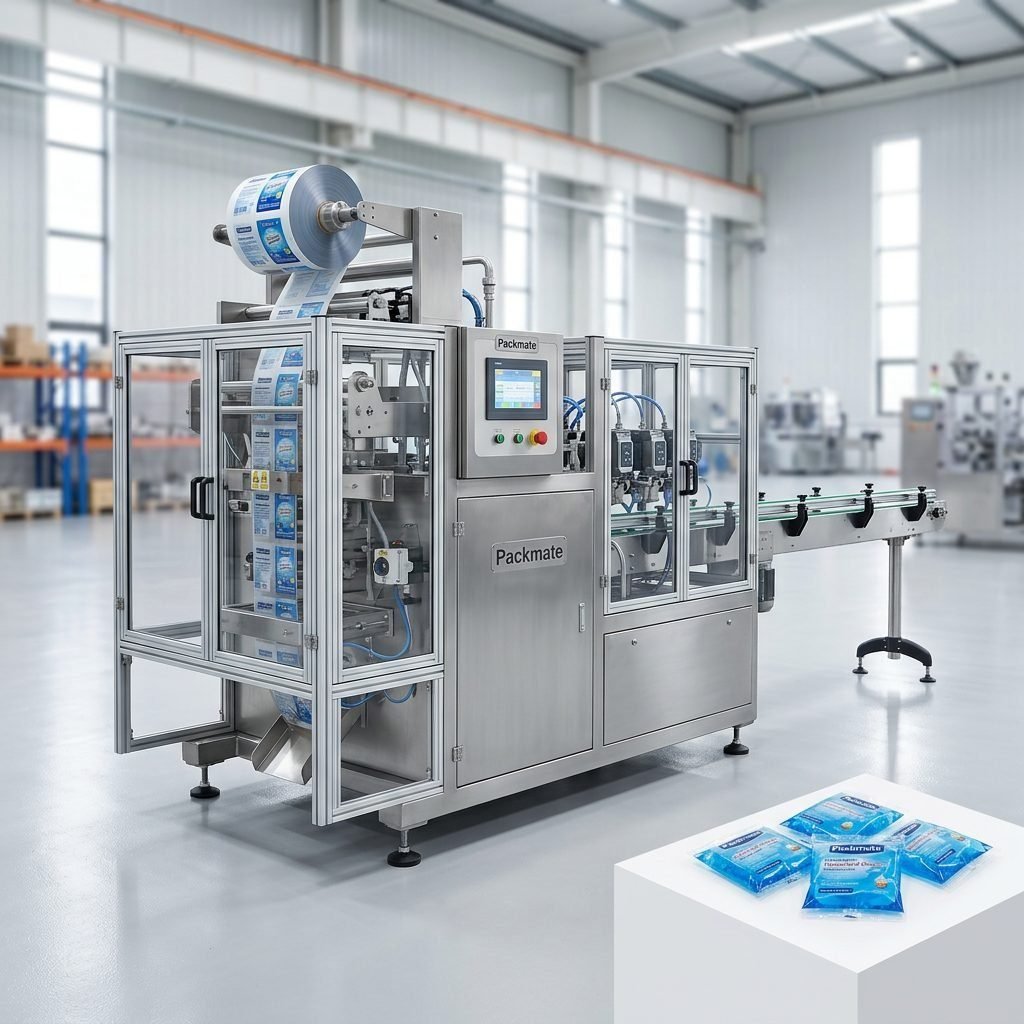
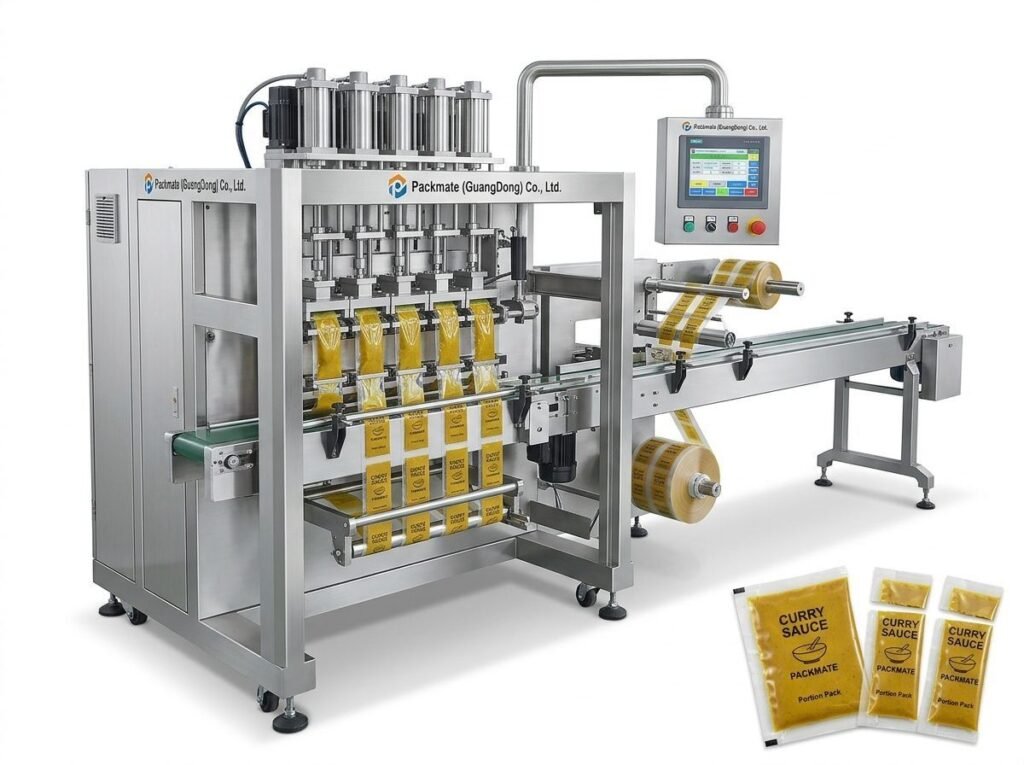
Designed for sauces, oils, dairy products, and condiments, these machines require high precision and strict hygiene. Leading Chinese suppliers integrate advanced filling technologies (such as piston, gravity, or vacuum filling) with robust sealing systems to prevent leakage and ensure shelf life.
Sachet and Stick Pack Machines
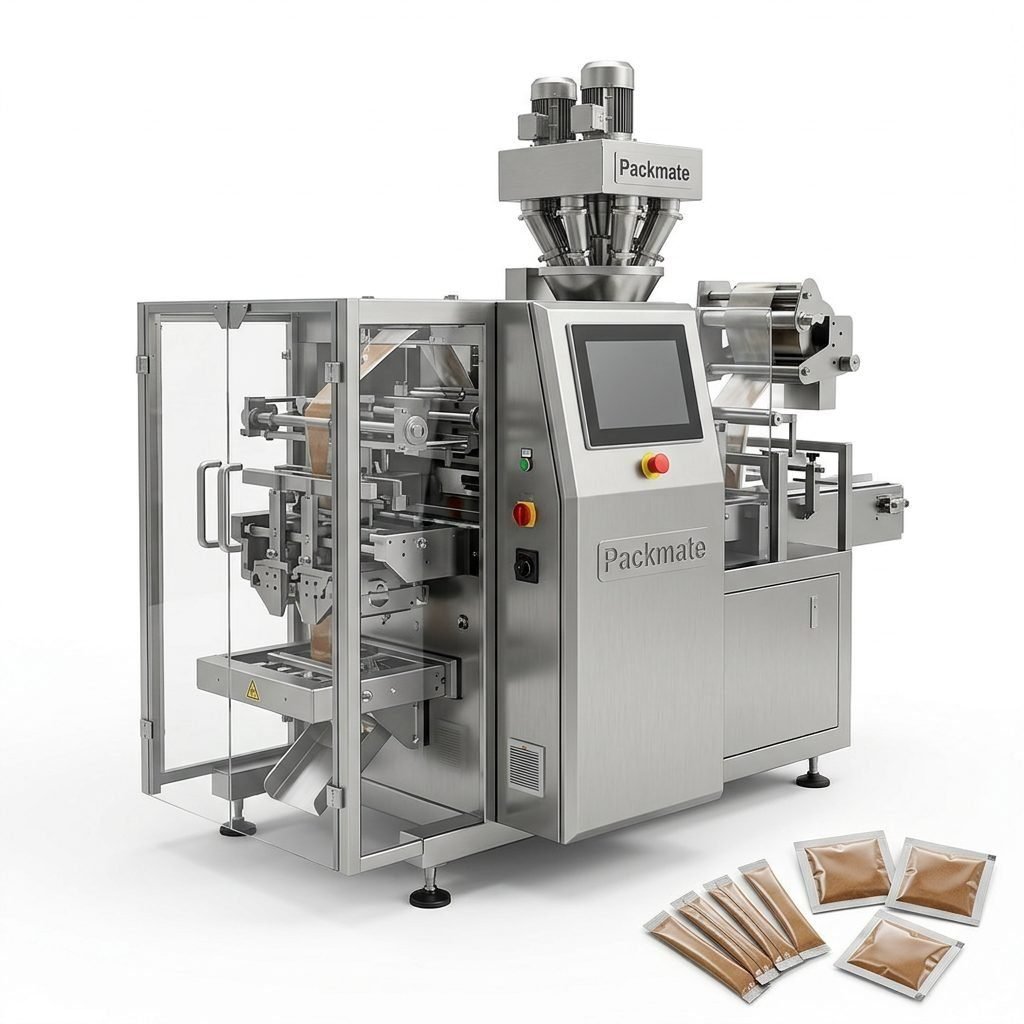
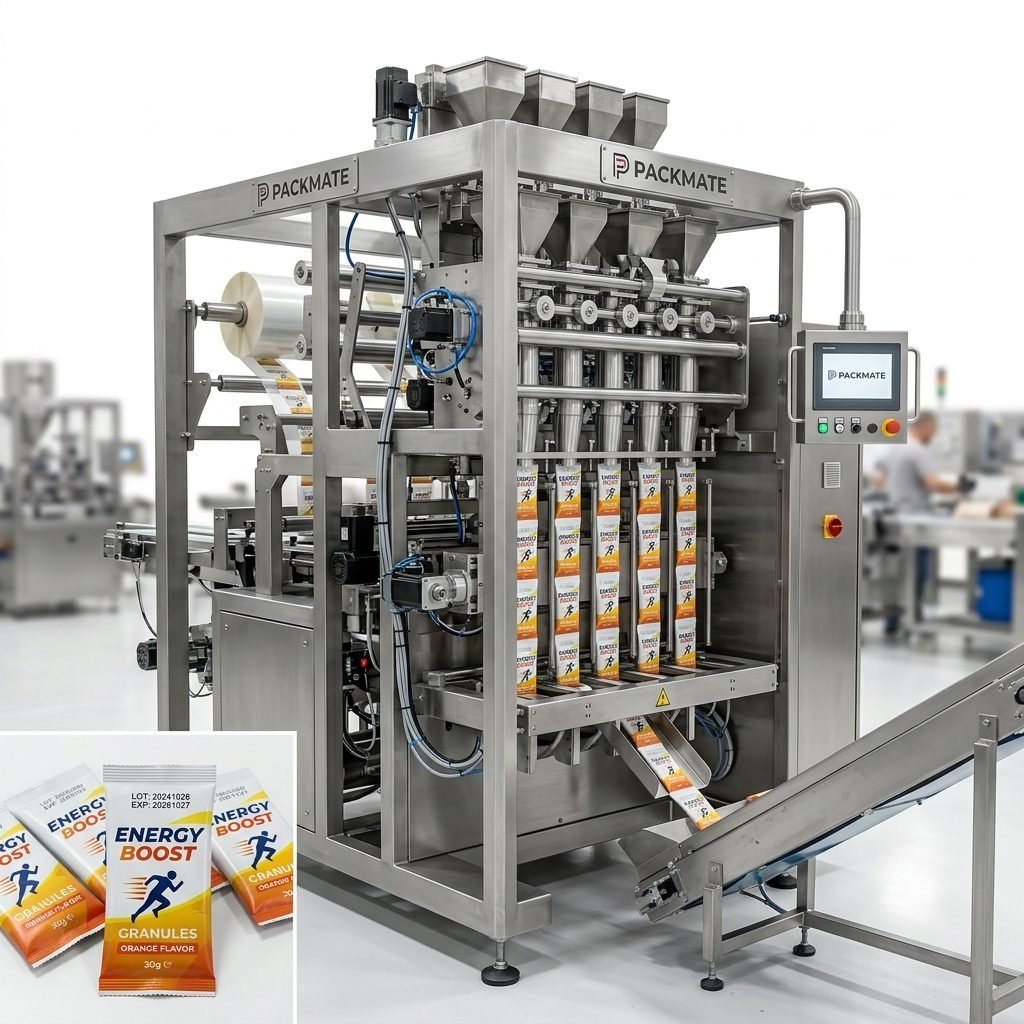
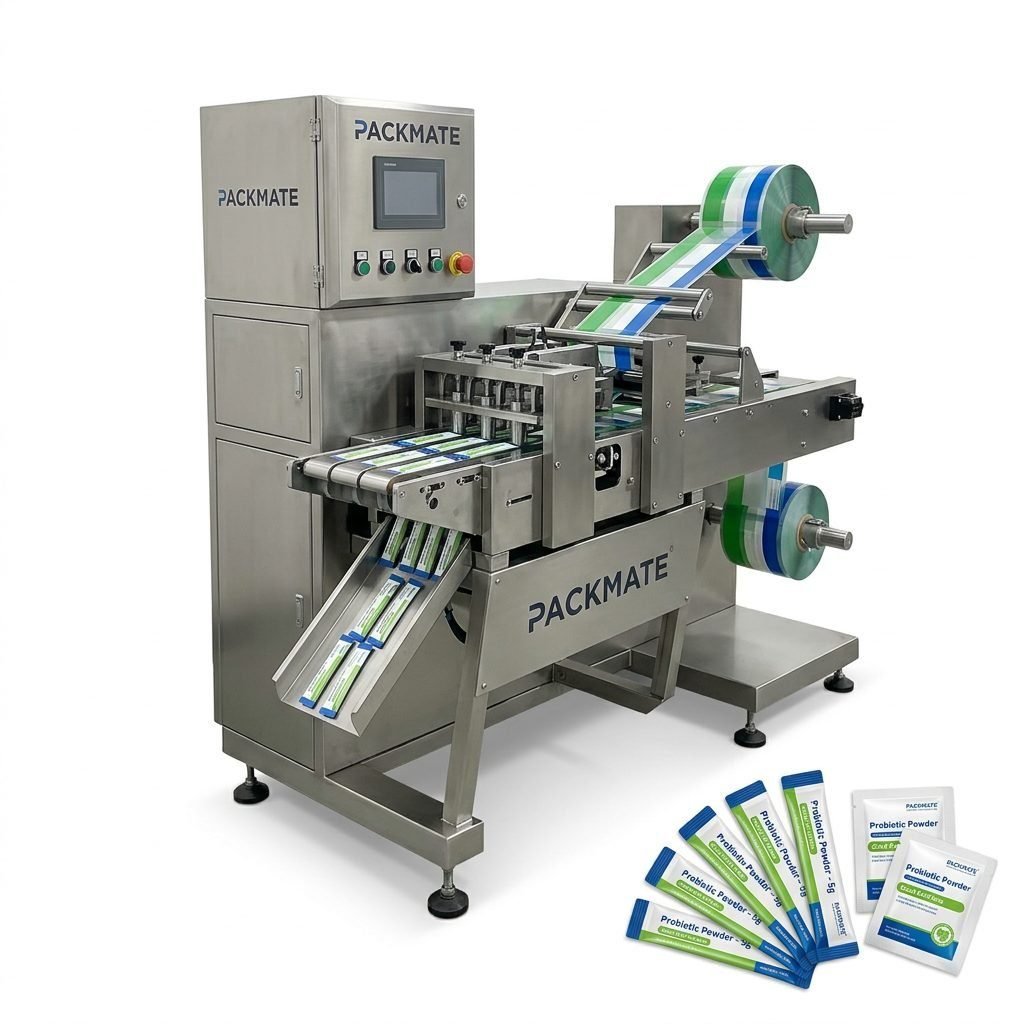
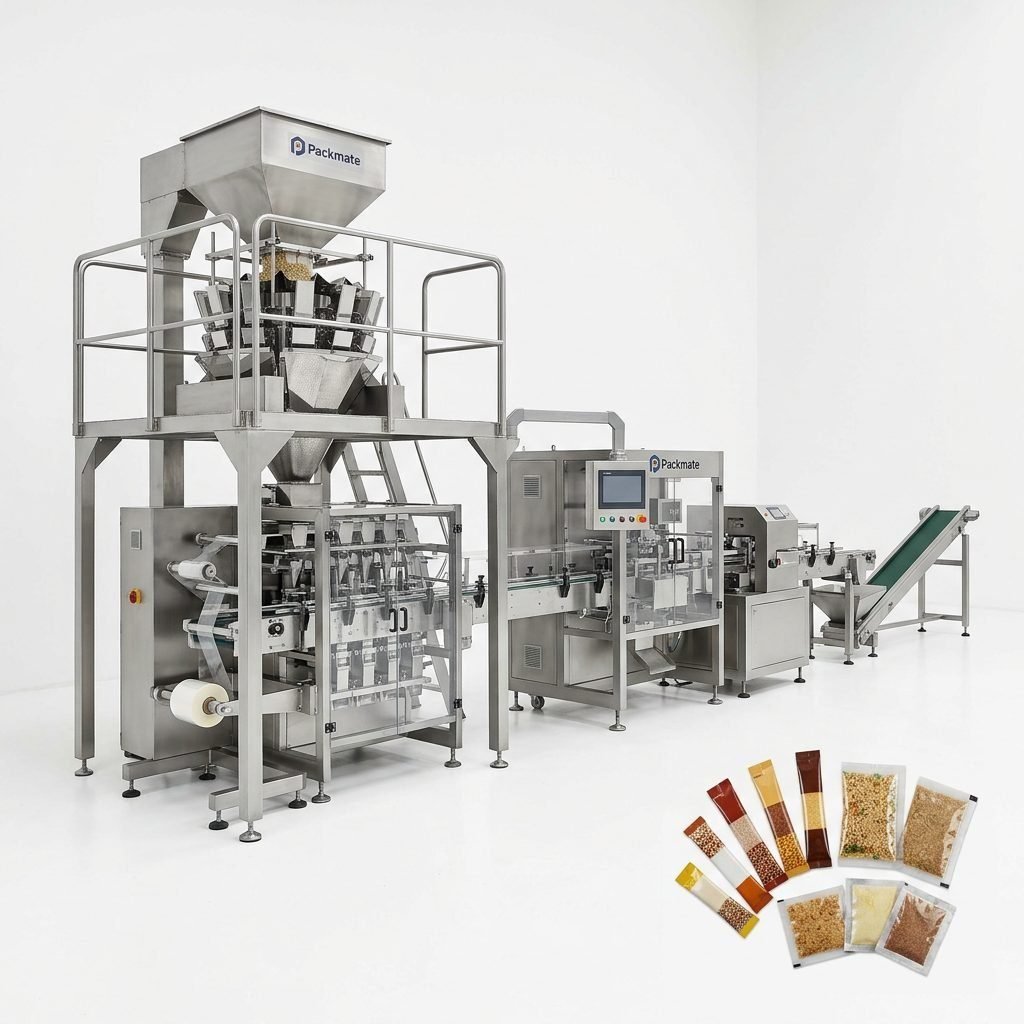
Extremely popular for single-serve portions of coffee, sugar, sauces, and instant soups, these machines are a specialty area. Companies with deep expertise, like Packmate, offer multi-lane, high-speed models that maximize output for these small-format packages, which are particularly favored in markets with growing on-the-go consumption habits.
The Role of Complete Packaging Lines
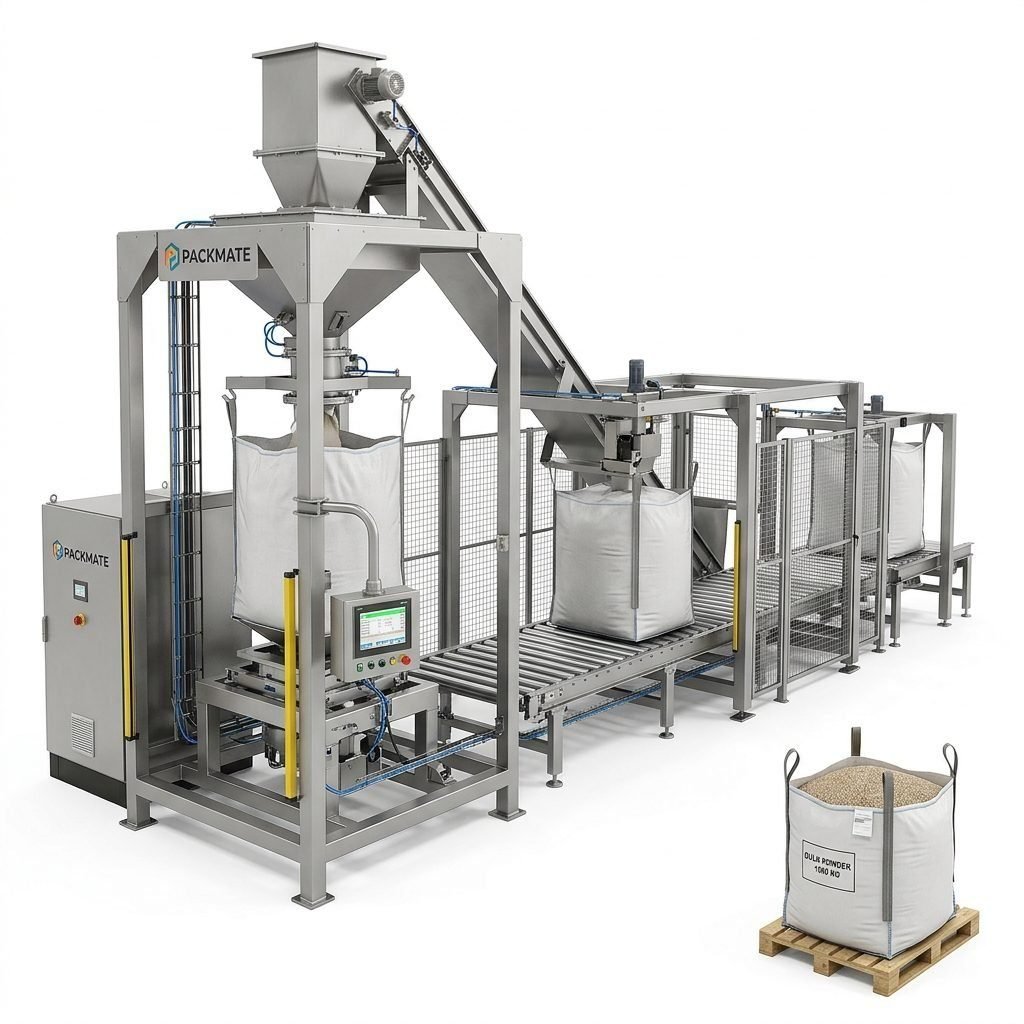
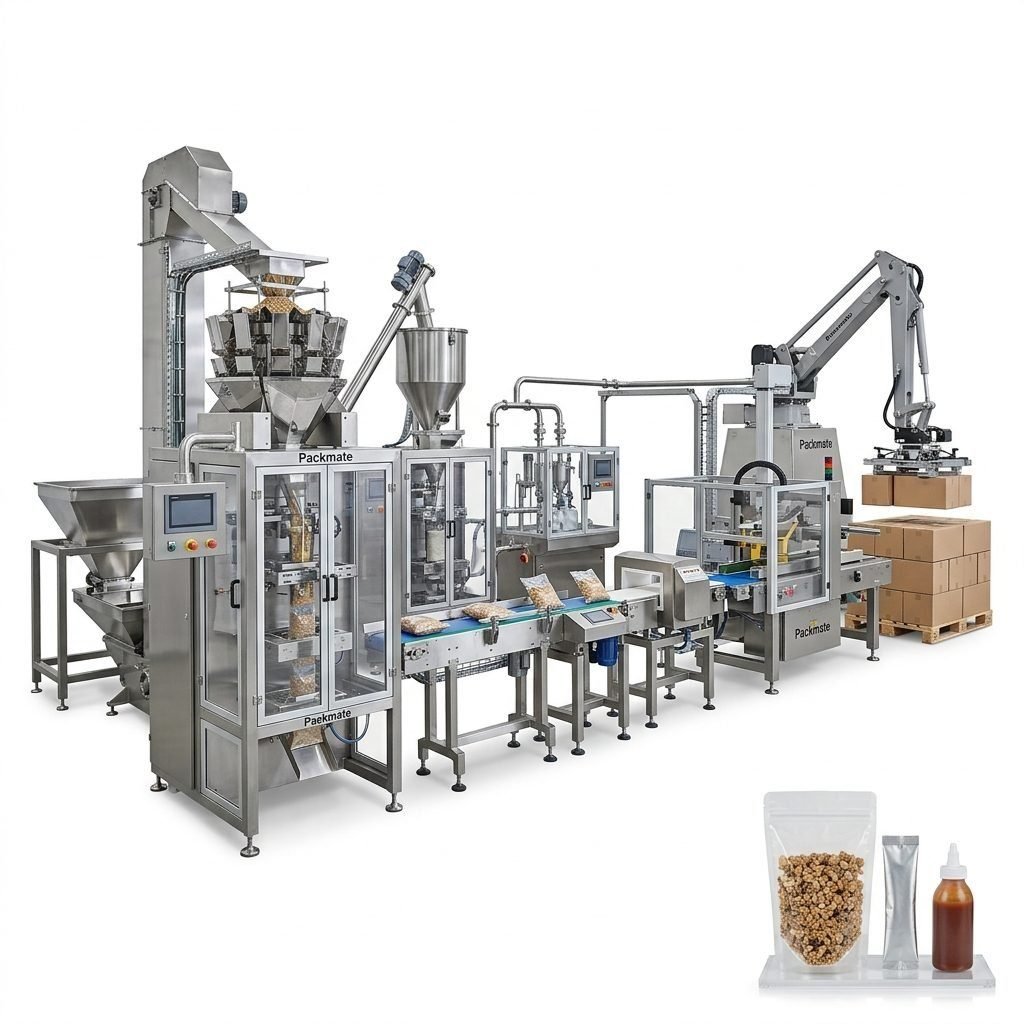
Beyond individual machines, the trend is towards integrated complete packaging lines. A full line might include automated feeding, multi-head weighing, bag forming, filling, sealing, coding, and cartoning. Sourcing a cohesive line from a single supplier, such as exploring options for a complete filling and packaging line, ensures compatibility, simplifies communication, and provides a single point of accountability for performance and service.
This integrated approach aligns with the Chinese business philosophy of providing holistic solutions. It reflects a supplier’s confidence in their overall system engineering and their commitment to delivering not just a machine, but a productivity solution.
Navigating Communication and Logistics
Effective communication is vital. While many technical staff at larger suppliers speak English, clarifying technical details and project timelines requires patience and precision. Using detailed drawings, videos, and sample products can bridge potential gaps. Furthermore, understanding Incoterms and planning for shipping, customs clearance, and local installation support are integral parts of the procurement process that a reliable supplier will help navigate.
In summary, China offers a wealth of opportunities for sourcing top-tier food packaging machinery. Success lies in partnering with established, transparent manufacturers who combine technical prowess with a customer-centric, relationship-driven business culture. By focusing on suppliers with a proven track record, robust certifications, and comprehensive service offerings, international buyers can secure the reliable, efficient packaging solutions needed to compete in today’s global market.
Frequently Asked Questions (FAQs)
What is the typical lead time for a food packaging machine from China?
Lead times vary significantly based on machine complexity and customization. For standard models, it can range from 30 to 60 days after order confirmation. For fully custom or large turnkey lines, lead times of 90 to 120 days or more are common. Always confirm the detailed production schedule with your supplier.
How do I ensure the machine meets my local safety and quality standards?
This is a critical step. Before ordering, specify the required certifications (e.g., CE for Europe, UL for North America). Reputable suppliers will design and build the machine to meet these standards and provide the necessary documentation and certification marks. Always ask for the certificate of compliance as part of the delivery.
What kind of after-sales support can I expect from a Chinese supplier?
Top-tier suppliers offer a comprehensive package: detailed installation manuals and wiring diagrams, remote video guidance for installation and troubleshooting, online operator training sessions, and a readily available inventory of common spare parts. Some also offer annual maintenance contracts and the option for on-site engineer visits, though this may incur additional costs.
Can Chinese suppliers provide machines for specific products like viscous sauces or sterile packaging?
Yes, many Chinese manufacturers have developed specialized expertise. For viscous products, look for suppliers with experience in piston filler technology and appropriate pipework. For low-acid or sterile packaging, you must work with suppliers who have specific aseptic or clean-in-place (CIP) system capabilities and can validate the process. Be prepared to provide very detailed product specifications.
Is it better to buy a single machine or a complete packaging line from China?
This depends on your project scope and in-house expertise. For a simple bagging operation, a single machine may suffice. For new product lines or high-volume production, an integrated line from one supplier reduces interface issues, improves overall efficiency, and simplifies training and service. It often provides better long-term value and reliability despite a higher initial investment.