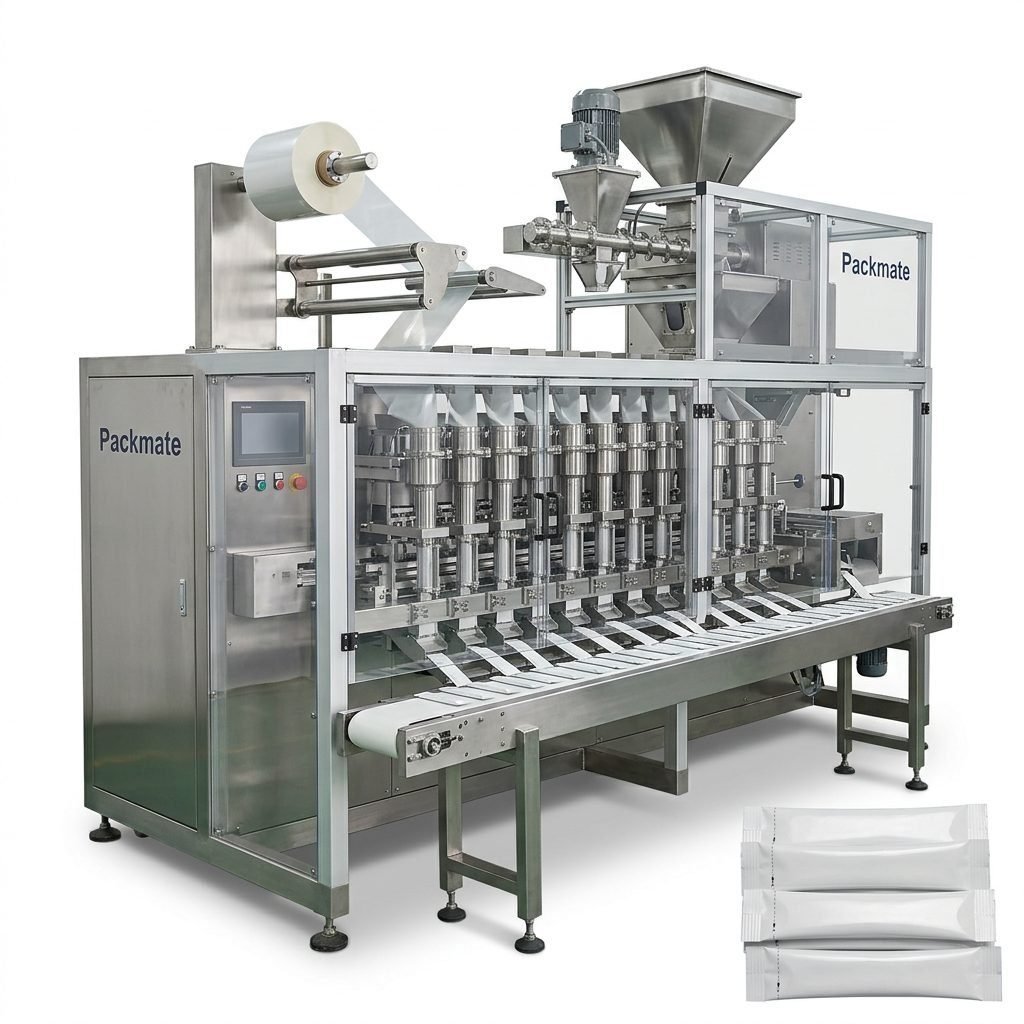
In industries where product integrity is non-negotiable, such as pharmaceuticals, medical devices, and certain high-end food sectors, sterile product safety is the paramount concern. The final barrier protecting these sensitive products is their packaging. This is where ultra clean packaging machine solutions become critical, moving beyond standard hygiene to create controlled environments that prevent contamination at the point of packaging.
The Critical Role of Packaging in Sterile Assurance
Sterility is a state that must be maintained from production through to the end-user. Any breach, no matter how minute, can compromise product efficacy and patient safety. Traditional packaging lines, while clean, often cannot meet the stringent requirements for sterile products. Ultra clean packaging machines are engineered specifically to operate within or create environments that meet classifications like ISO 14644-1 Class 5 (formerly Class 100) or better, significantly reducing the risk of airborne particulate contamination.
Key Contamination Vectors Mitigated by Ultra Clean Machines:
Airborne Particles: Integrated HEPA/ULPA filtration systems continuously clean the critical packaging zone.
Microbial Contamination: Sanitary design with smooth surfaces, minimal crevices, and compatibility with aggressive sterilization protocols (e.g., VHP, hydrogen peroxide).
Operator-Induced Contamination: Ergonomic designs with glove ports, half-suits, or full isolation barriers that separate the operator from the packaging process.
Material Transfer Contamination: Automated feeding and handling systems that minimize human contact with primary packaging materials.
Core Technologies in Ultra Clean Packaging Systems
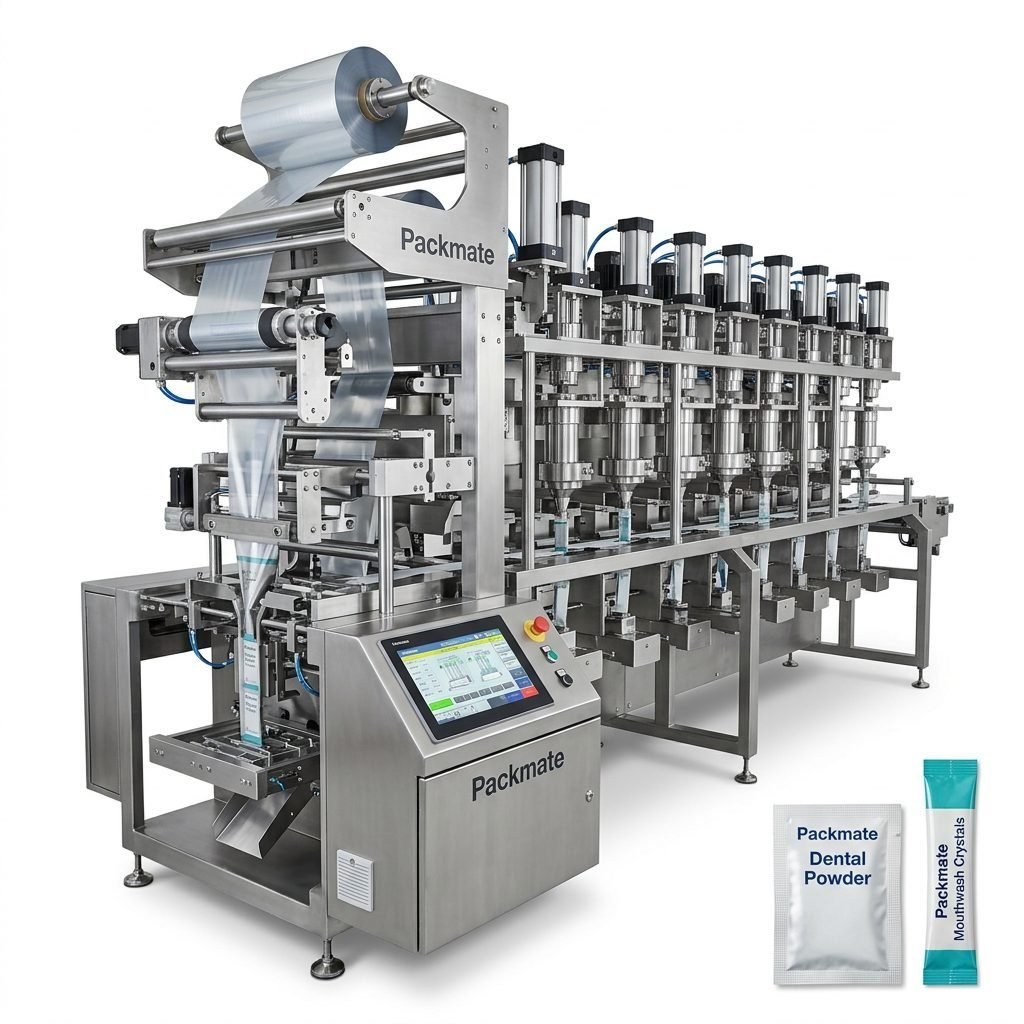
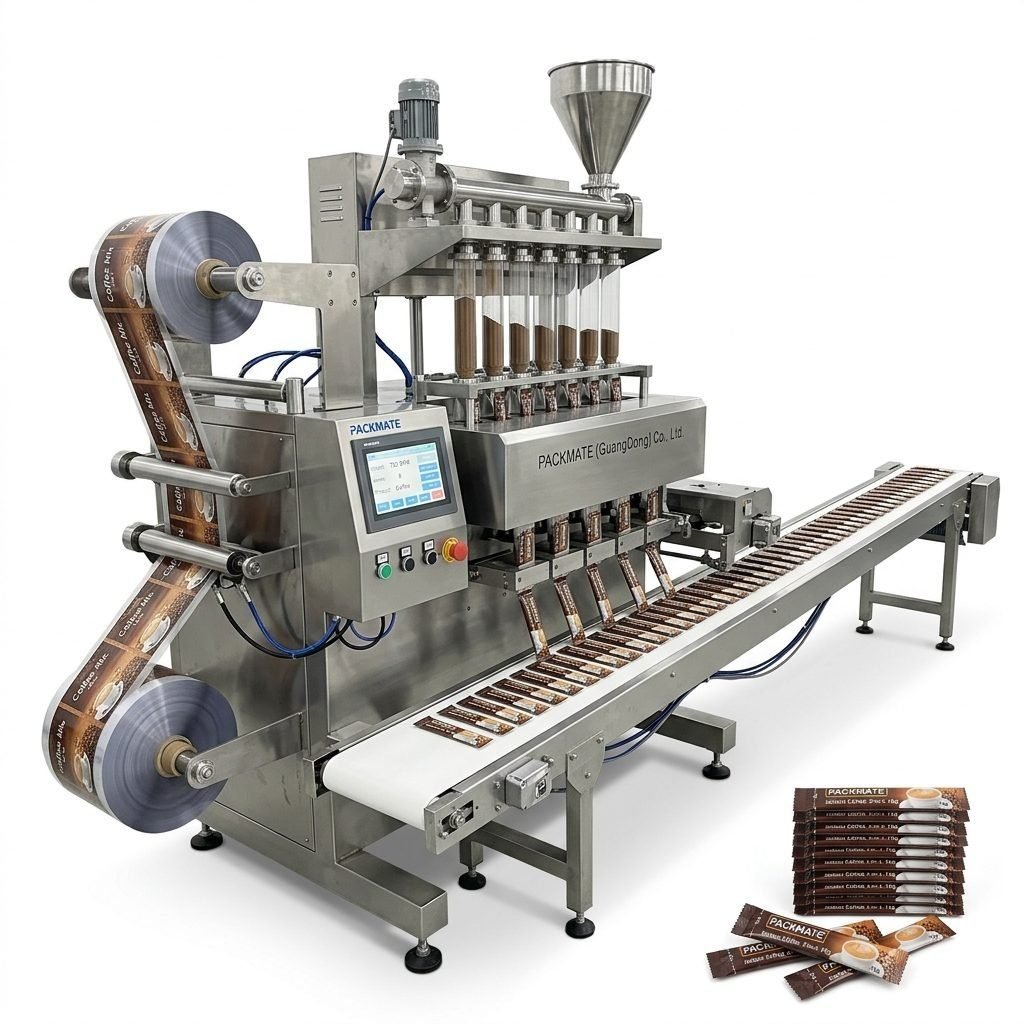
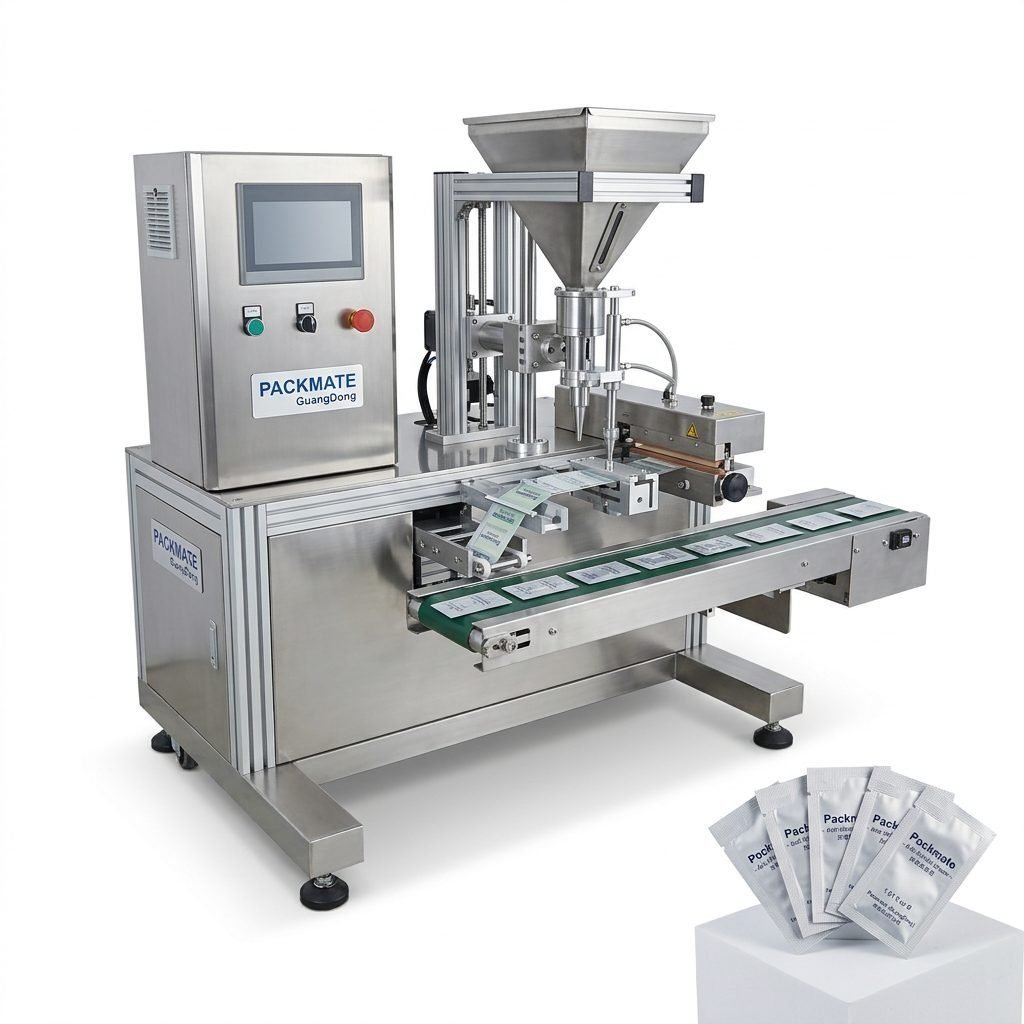
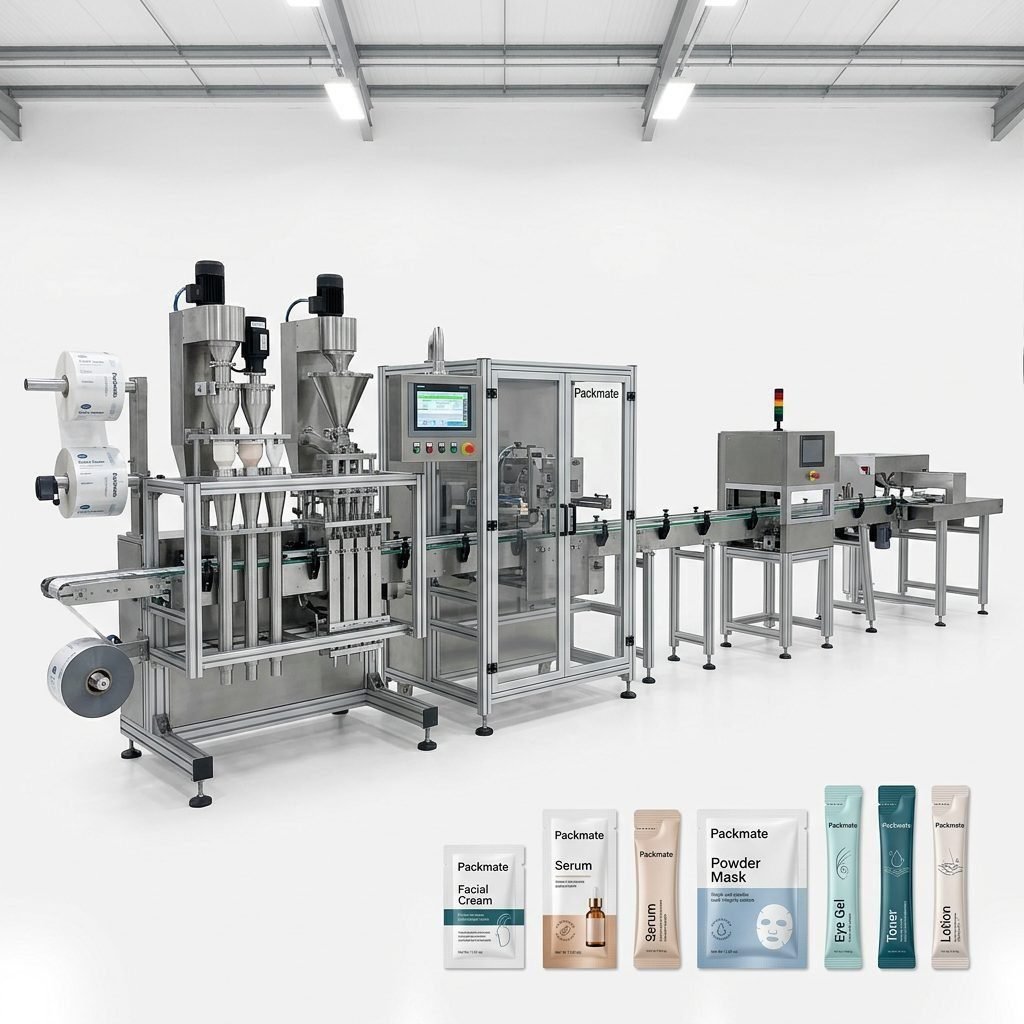
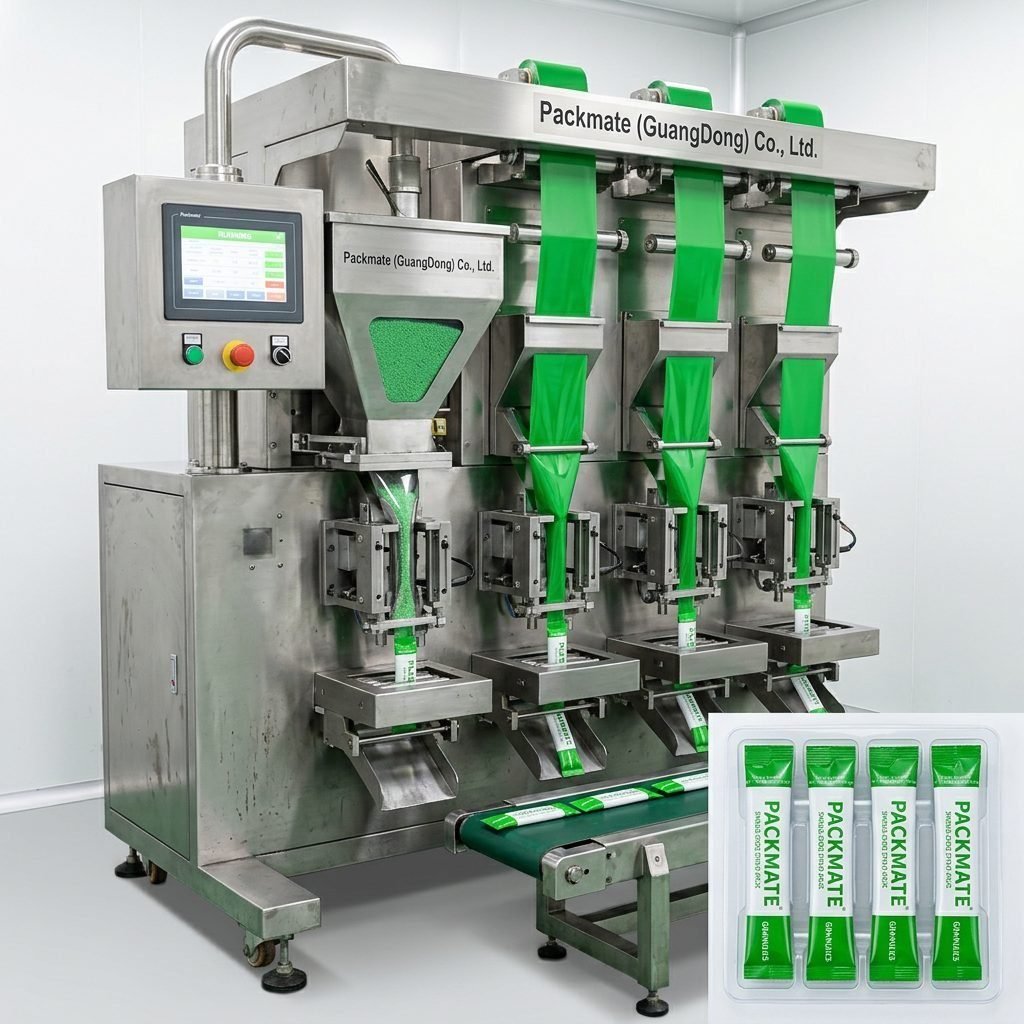
Modern ultra clean solutions are not single machines but integrated systems. For instance, a complete line for sterile sachets or stick packs might include a depalletizer, a sterilization tunnel, the filling and sealing machine within an isolator, and a final cartoner. Companies like Packmate Machinery, with decades of focus on precision packaging, develop such systems by integrating advanced technologies. Their expertise in sachet and stick pack machines forms the core of many sterile liquid and powder packaging lines.
The heart of these systems often features barrier technology (isolators or restricted access barrier systems – RABS). These physical enclosures use controlled airflow and sealed interfaces to absolutely separate the internal sterile environment from the external room environment. All maintenance and product transfer occur through specialized ports using validated sterilization-in-place (SIP) or transfer-under-sterility procedures.
Design Principles for Sterile Integrity
Every component of an ultra clean machine is scrutinized. Surfaces are electropolished stainless steel to resist corrosion and allow easy cleaning. All joints are welded and polished smooth to eliminate particle traps. Lubricants are food-grade or pharmaceutical-grade, and any motors or drives are placed outside the critical zone with magnetic or sanitary shaft seals. The goal is a machine that not only performs its function but does so in a way that is inherently cleanable and validatable.
Validation and Compliance: Proving Sterility
An ultra clean machine is only as good as its validation dossier. Compliance with global standards like FDA 21 CFR Part 211, EU GMP Annex 1, and ISO standards is mandatory. This involves rigorous testing:
Airflow Visualization (Smoke Studies): To demonstrate unidirectional airflow and the absence of turbulence or dead zones within the critical area.
Particulate and Microbial Monitoring: Continuous or periodic monitoring to prove the environment consistently meets the required cleanliness class.
Media Fill Trials: Simulating the packaging process with a microbial growth medium instead of the actual product to challenge the sterility of the entire operation.
Partnering with a manufacturer experienced in these protocols, such as Packmate, ensures the equipment is designed from the ground up to facilitate rather than hinder this critical validation process.
Applications Across Sensitive Industries
The demand for ultra clean packaging spans several critical fields. In pharmaceuticals, it is used for sterile powders for injection, ophthalmics, and lyophilized products. The medical device industry relies on it for packaging implants, surgical kits, and diagnostic components. Even within food and nutraceuticals, probiotic cultures, baby formula, and certain sports nutrition products require this level of protection to ensure shelf-stability and prevent spoilage from microbial ingress.
For specialized applications like snus or nicotine pouches, where product consistency and moisture control are vital, the principles of a clean, controlled environment are equally important to prevent contamination and ensure precise filling, as seen in dedicated snus packaging machines.
Implementing an Ultra Clean Packaging Line
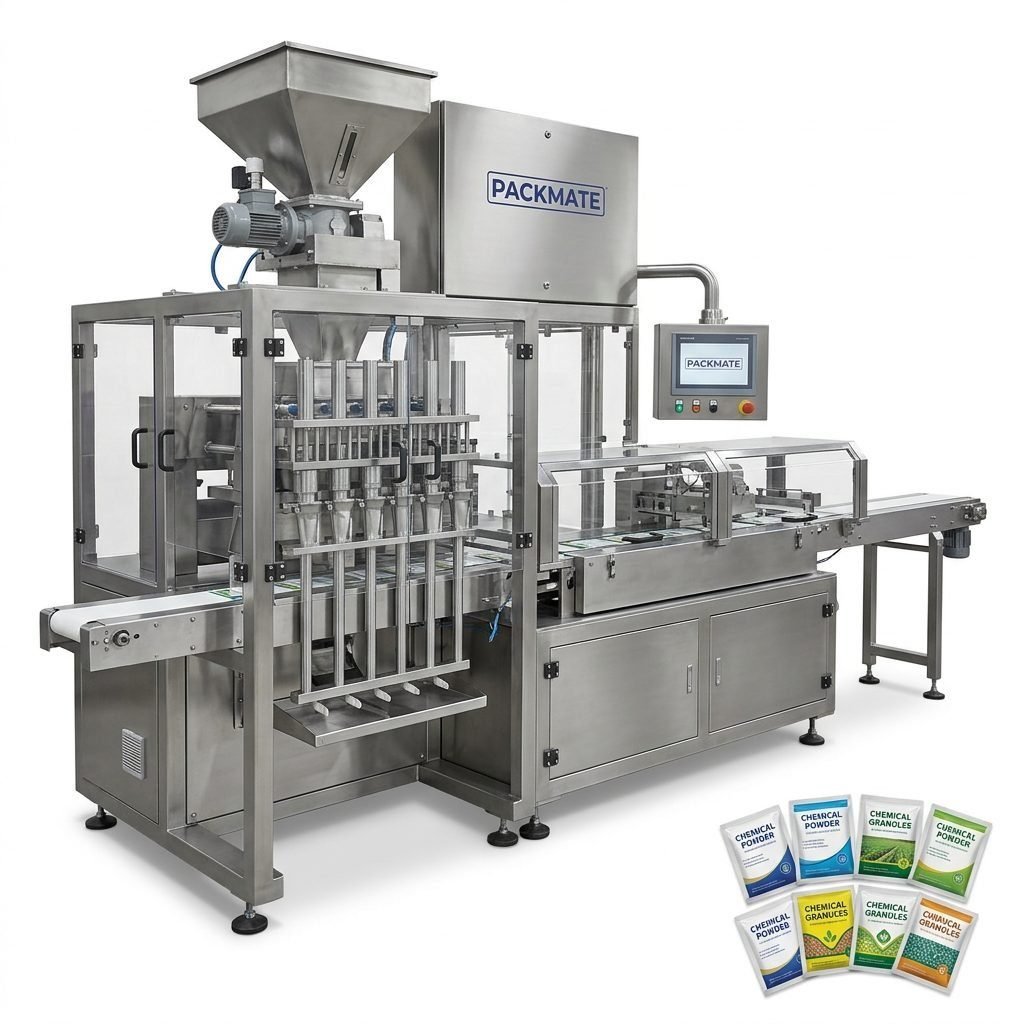
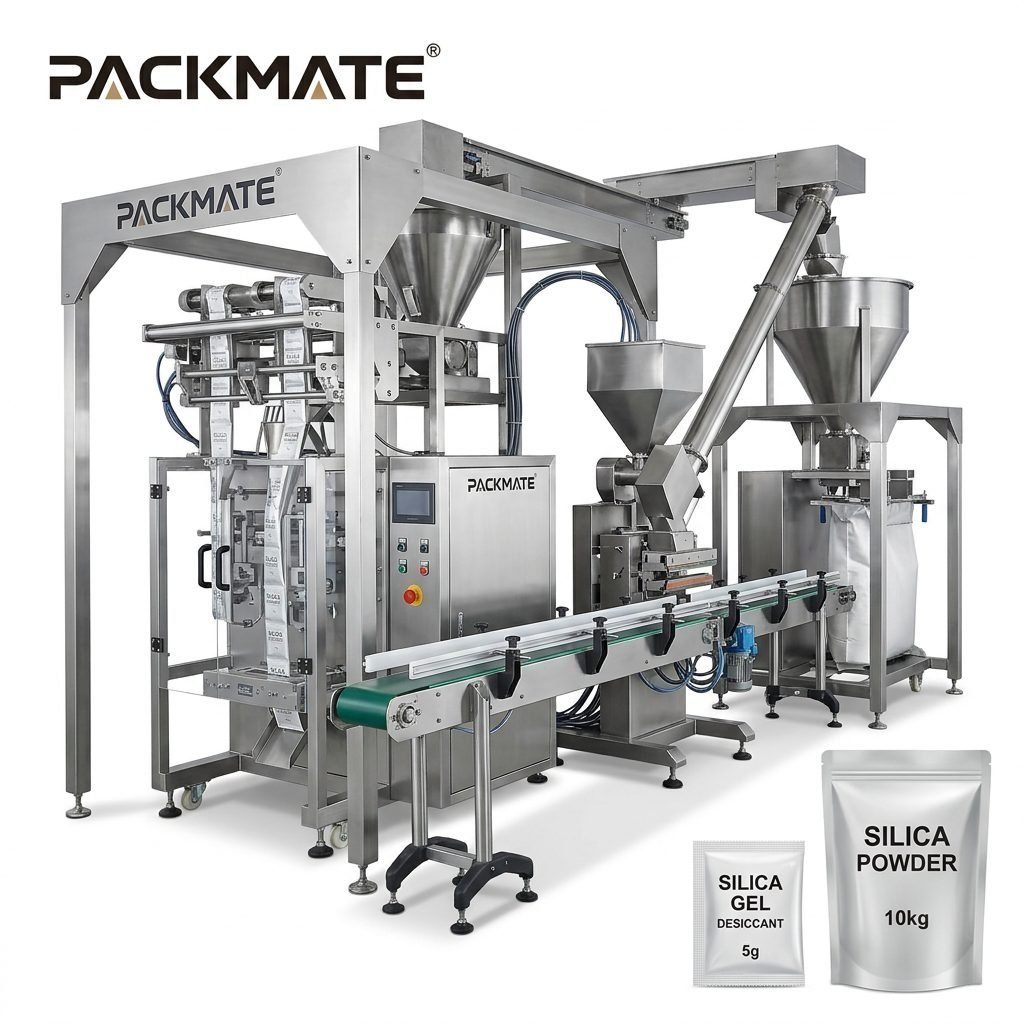
Transitioning to or installing an ultra clean line is a significant project. It begins with a thorough risk assessment of the product and process. The machine selection must balance speed, flexibility, and the level of sterility assurance required. A turnkey solution from a provider with extensive experience, like Packmate’s filling and packaging lines, can streamline this process. Their approach encompasses design, manufacturing, factory acceptance testing (FAT), site installation, qualification (IQ/OQ), and support for performance qualification (PQ), ensuring a seamless integration into your sterile production facility.
Ultimately, investing in ultra clean packaging machinery is an investment in brand reputation, regulatory compliance, and, most importantly, consumer safety. It transforms packaging from a passive container into an active, integral component of the product’s sterility assurance lifecycle.
Frequently Asked Questions (FAQs)
1. What is the main difference between a “clean” and an “ultra clean” packaging machine?
A clean machine is designed for good hygiene and easy cleaning (e.g., for food). An ultra clean machine is engineered to create and maintain a validated sterile environment around the packaging process, often using physical barriers (isolators/RABS), HEPA filtration, and sanitary design to meet specific airborne particulate and microbial standards.
2. Can an existing packaging line be upgraded to ultra clean standards?
It is challenging and often not cost-effective. While some components can be retrofitted (like adding HEPA hoods), true ultra clean performance typically requires a machine designed from its core architecture to prevent contamination. Retrofitting rarely achieves the same level of validatable sterility assurance as a purpose-built system.
3. How do you validate the sterility of an ultra clean packaging machine?
Validation is a multi-step process defined by protocols like ISO 14644 and EU GMP Annex 1. It includes Installation Qualification (IQ) to verify correct installation, Operational Qualification (OQ) to test functions under load, and Performance Qualification (PQ) which involves critical tests like airflow visualization, particulate monitoring, and media fill simulations to prove the system maintains sterility during operation.
4. What industries most commonly require ultra clean packaging solutions?
The primary industries are pharmaceuticals (especially parenteral and sterile products), medical devices, and biotechnology. Certain segments of the food and nutraceutical industry, particularly for products susceptible to microbial spoilage or requiring extended shelf-life, also utilize this technology.
5. What are the key maintenance considerations for these machines?
Maintenance must be performed under strict protocols to avoid compromising sterility. This often involves using tools sterilized in autoclaves, performing tasks through glove ports, and re-validating the environment after any intrusive maintenance. All lubricants and cleaning agents must be compatible with the sterile environment and the products being packaged.