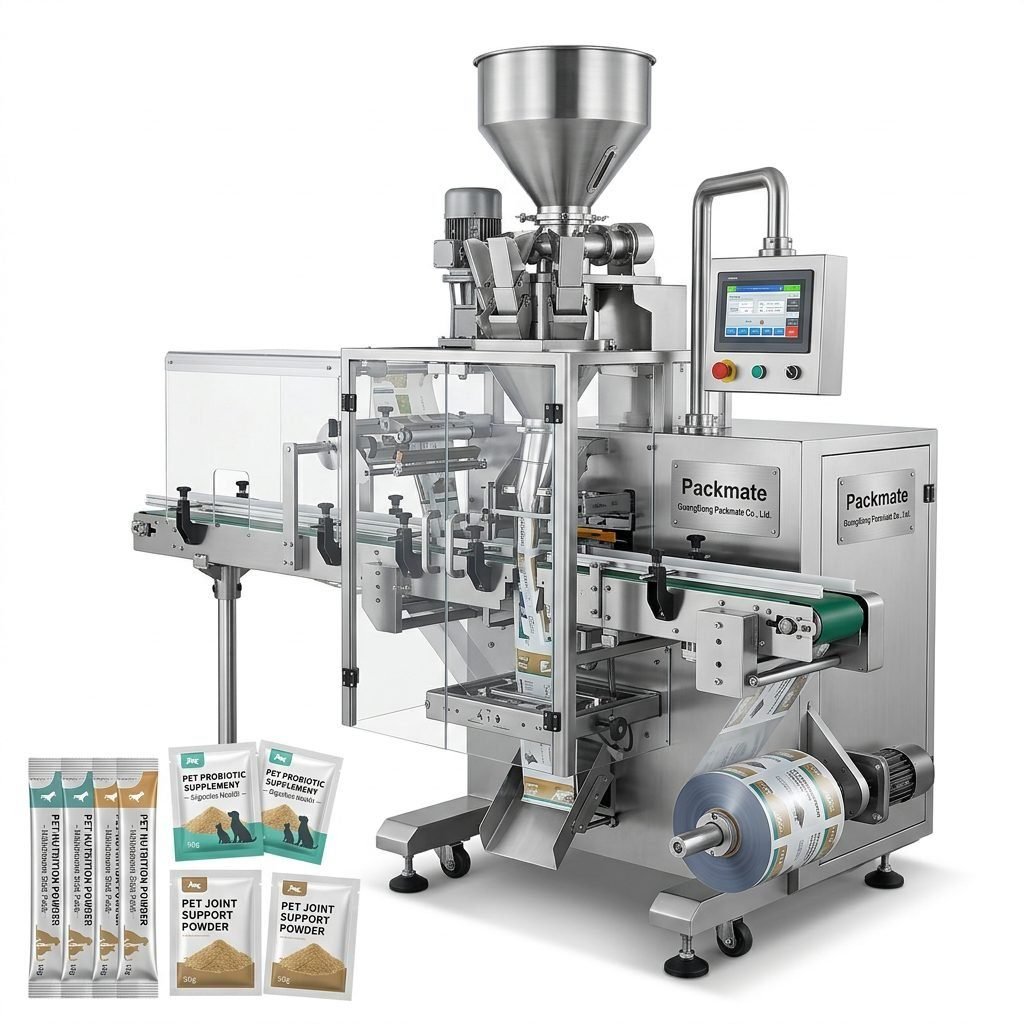
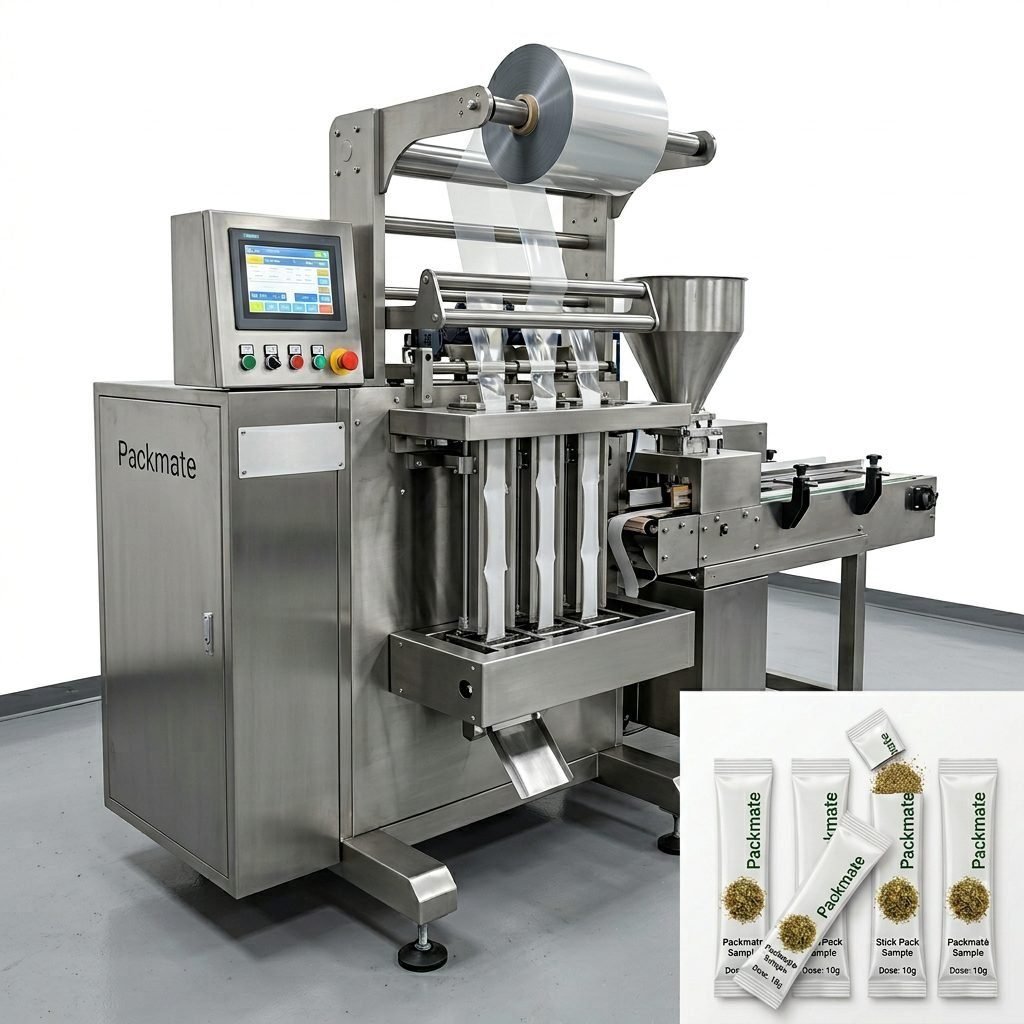
In the fast-paced world of baby care product manufacturing, efficiency, hygiene, and reliability are paramount. A diaper packaging machine is a critical component of any production line, transforming bulk diapers into neatly sealed, retail-ready packages. This guide delves into the various types of diaper packaging machines, their core functions, and essential tips for making an informed purchase decision.
Understanding Diaper Packaging Machines
At its core, a diaper packaging machine automates the process of counting, collating, and sealing diapers into protective bags or pouches. This automation is vital for maintaining high-speed production, ensuring consistent package quality, and minimizing human contact with the product to uphold strict hygiene standards. Modern machines are designed to handle various diaper sizes, from newborn to toddler, and can accommodate different packaging formats like flow wraps, bagging, or bundling.
Key Function: The primary role of these machines is to increase throughput, reduce labor costs, and ensure every package meets brand and safety specifications. They integrate seamlessly into production lines that may include folding, stacking, and quality inspection systems.
Primary Types of Diaper Packaging Machines
The choice of machine depends heavily on production volume, packaging style, and factory floor space. Here are the main categories:
Vertical Form-Fill-Seal (VFFS) Machines
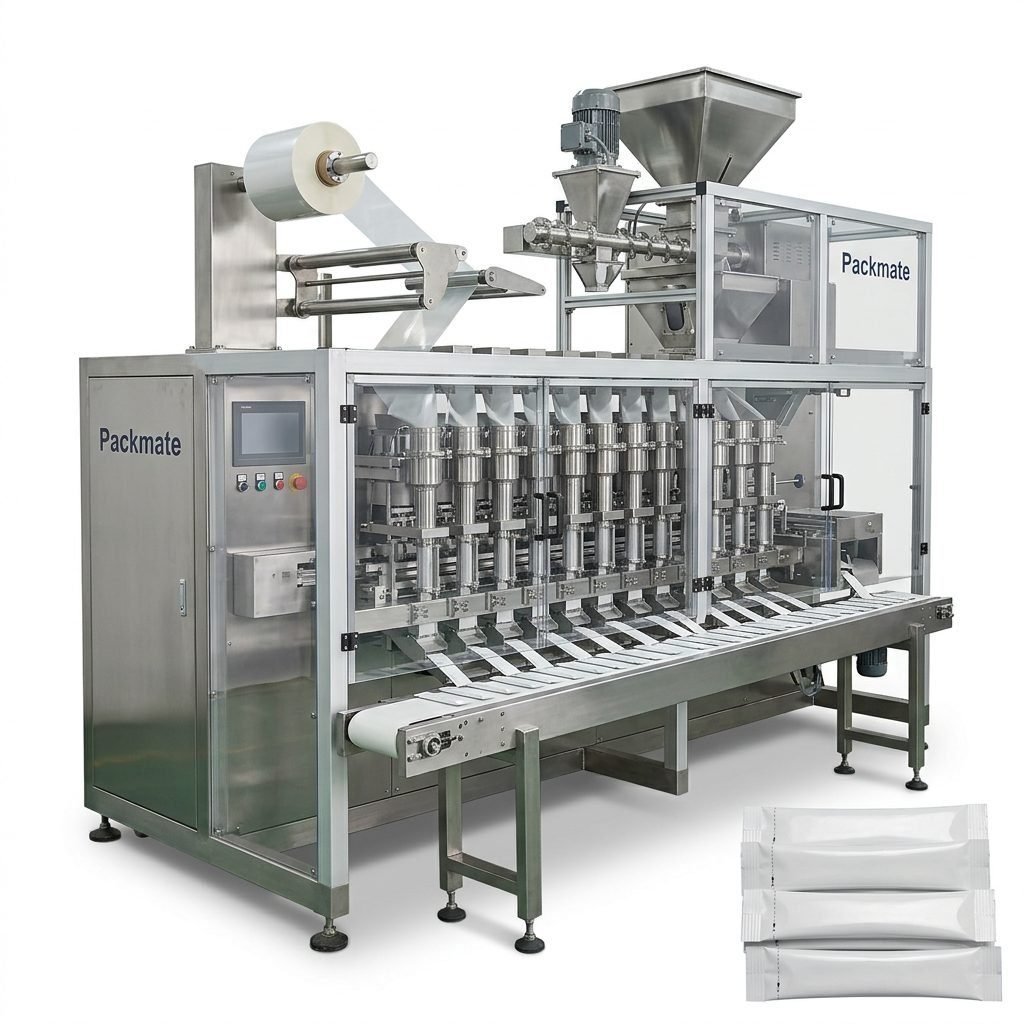
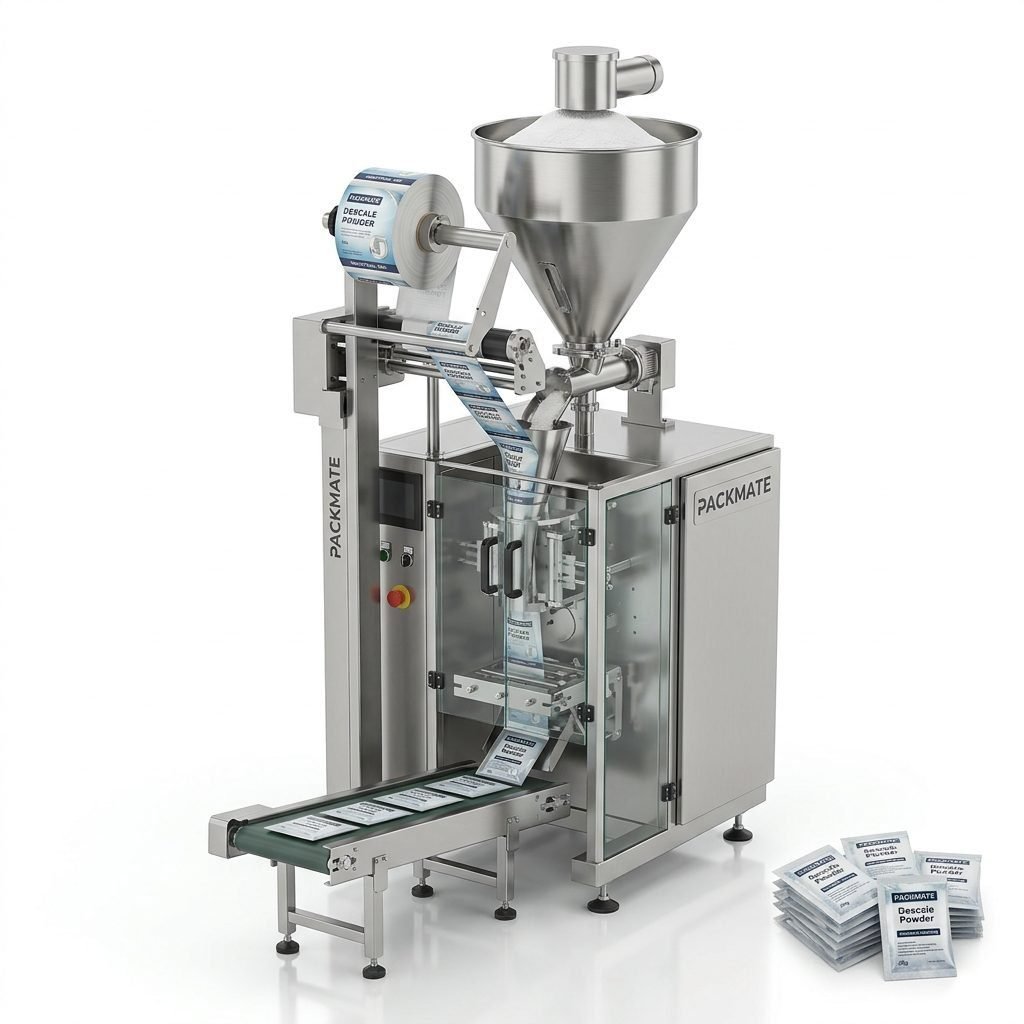
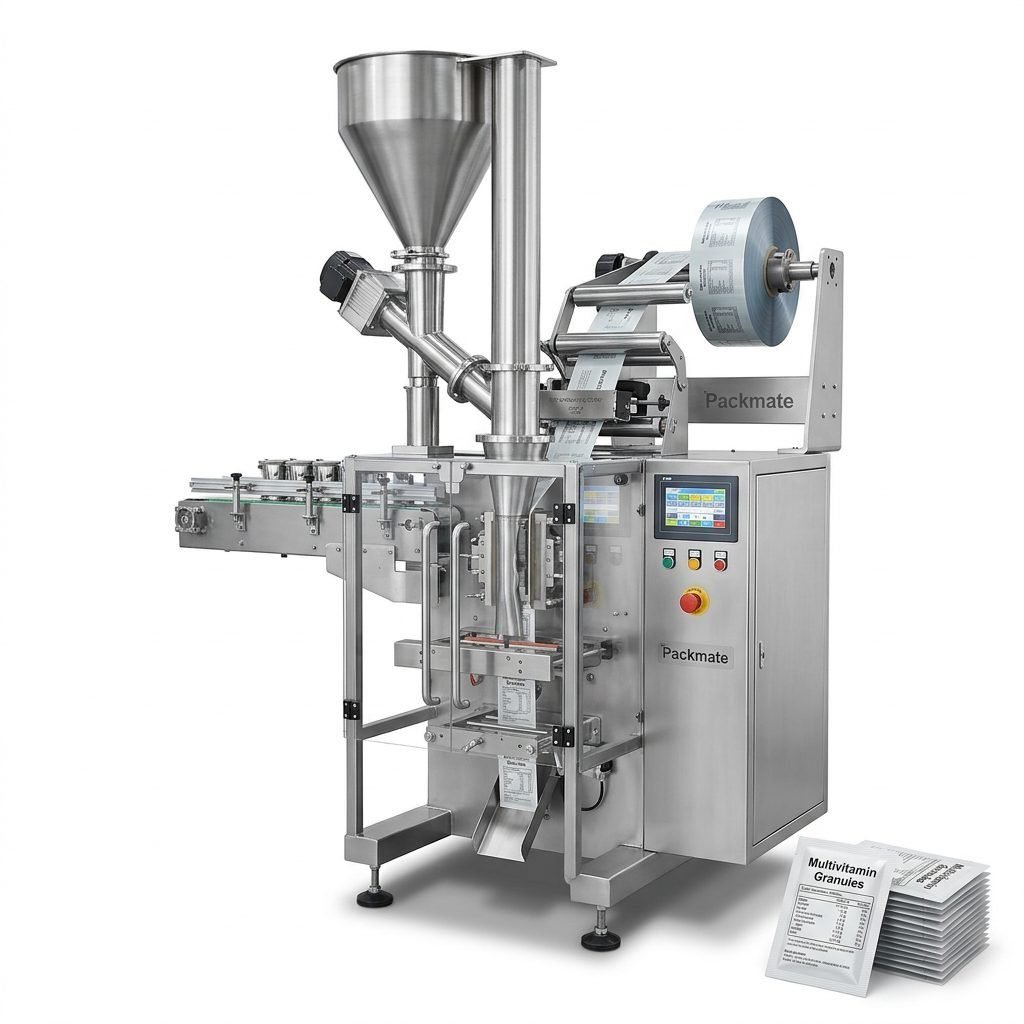
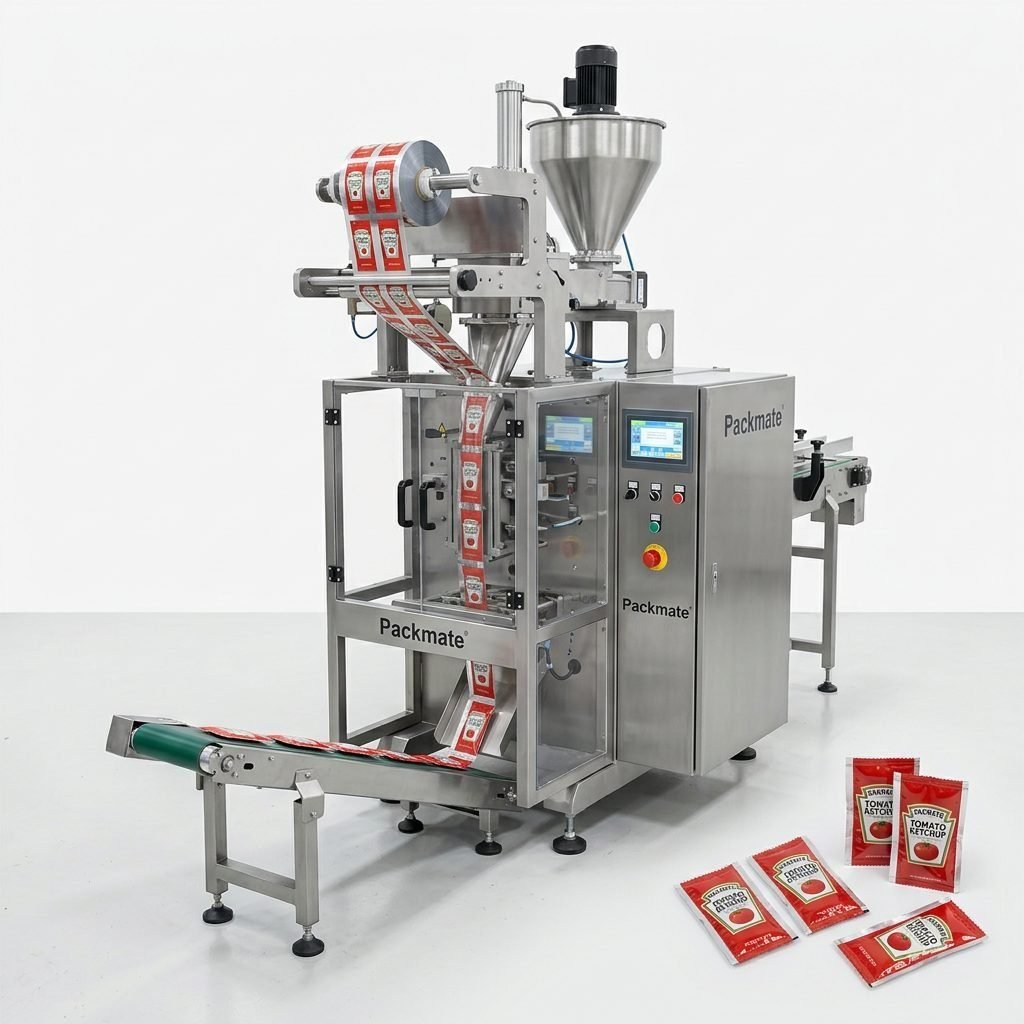
These are among the most common and versatile machines. A VFFS machine forms a tube from a roll of packaging film, fills it with a predetermined count of diapers, and then seals it vertically (and often horizontally) to create individual bags. They are excellent for high-speed, single-pack production and are relatively compact. For manufacturers looking for reliable bag and pouch packaging solutions, VFFS technology is often the cornerstone.
Horizontal Flow Wrappers
Horizontal flow wrappers encase products in a single, sealed pouch where the primary seal runs along the bottom. For diapers, this method is often used for multi-pack bundles (e.g., packs of 12 or 24). The diapers are collated and then fed into the machine, which wraps them in film and creates tight, secure seals on all sides. This type of packaging is very common in retail environments.
Bundling and Multi-Packing Machines
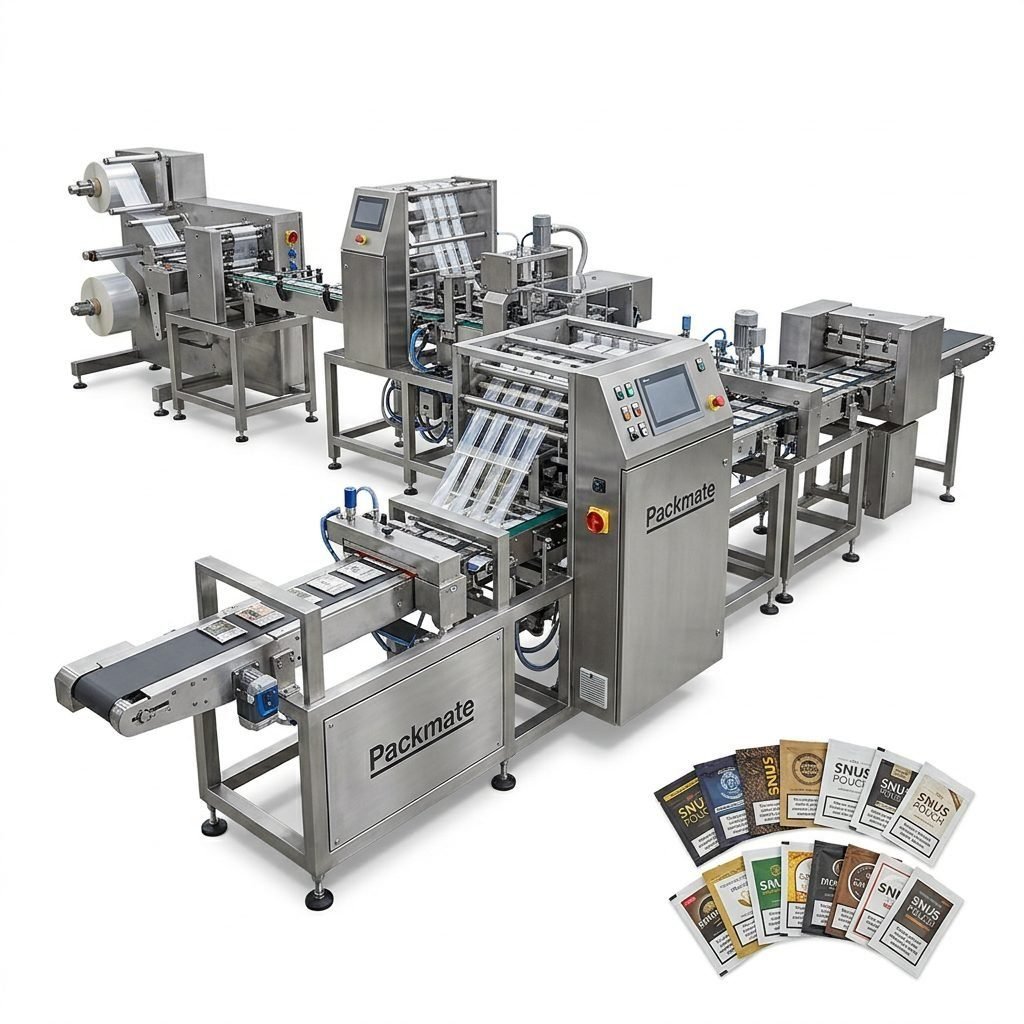
These machines are designed specifically to group several individual diaper packs or loose diapers into a larger bundle, often secured with shrink film or a cardboard tray and overwrap. This is a secondary packaging process that creates the larger units seen in wholesale clubs or for bulk distribution. They work in conjunction with primary packaging lines.
Choosing the Right Type: A Quick Comparison
VFFS: Best for individual bagged products, high speed, flexible film materials.
Horizontal Wrapper: Ideal for multi-packs and bundles, excellent product presentation, sturdy seals.
Bundling Systems: Essential for creating wholesale/costco-sized packs, high durability for transport.
Core Functions and Technological Features
Modern diaper packaging machines are equipped with sophisticated features that go beyond simple sealing.
Precise Counting and Feeding Systems: Using advanced sensors or mechanical counters, the machine ensures every bag contains the exact number of diapers, eliminating under- or over-counts.
High-Integrity Sealing: Consistent heat control is crucial for creating strong, leak-proof seals that protect the product from moisture and contamination. Many machines offer adjustable temperature zones for different packaging materials.
User-Friendly HMI (Human-Machine Interface): Touchscreen panels allow operators to easily change settings like package size, seal time, and production speed, reducing changeover time and operator error.
Quick Changeover Capability: To accommodate different diaper sizes or packaging designs, the best machines allow for rapid adjustment of forming tubes, film widths, and sealing jaws. This flexibility is key for manufacturers with diverse product lines.
Integrated Quality Checks: Some advanced systems include vision systems or checkweighers to inspect for seal defects, missing products, or incorrect weights, automatically rejecting faulty packages.
Essential Buying Tips for Your Investment
Selecting the right diaper packaging machine is a significant investment. Here are critical factors to consider to ensure you choose equipment that delivers a strong return.
1. Assess Your Production Needs
Clearly define your required output speed (packages per minute), the range of diaper sizes you produce, and your target packaging format (single bags, multi-packs, bundles). This will immediately narrow down the type of machine you need. A company like Packmate Machinery, with its extensive range, can often provide models tailored to specific throughput requirements.
2. Prioritize Hygiene and Cleanability
Diapers are hygiene products. The machine should have a smooth, stainless-steel construction in product contact areas, with minimal crevices where dust or debris can accumulate. Easy-access panels for cleaning and maintenance are a must.
3. Evaluate Machine Durability and Support
Look for a manufacturer with a proven track record of building robust, reliable equipment. Inquire about the availability of spare parts, technical documentation, and the responsiveness of their service team. A manufacturer’s history, such as Packmate’s 22+ years of development, can be a good indicator of stability and commitment to support.
4. Consider Flexibility and Future Growth
Even if you currently produce one diaper size, consider a machine that can be easily adapted for future product lines. Modular designs or machines with wide adjustment ranges offer better long-term value and protect your investment against market changes.
5. Analyze Total Cost of Ownership (TCO)
Look beyond the initial purchase price. Factor in energy consumption, required maintenance, expected downtime, and the cost of consumables like sealing elements. A slightly more expensive but more efficient and reliable machine often has a lower TCO over 5-10 years.
Why Partner with an Experienced Manufacturer?
Choosing a supplier is as important as choosing the machine. An established manufacturer brings invaluable expertise. For instance, a company with a 20,000㎡ modern facility and over 100 advanced production equipment units has the capacity for rigorous testing and quality control. They understand the nuances of packaging different products, from food to pharmaceuticals, and can apply that cross-industry knowledge to the specific hygiene and speed demands of diaper packaging. Exploring a manufacturer’s case studies can provide real-world insight into their capabilities.
Furthermore, a true partner will offer comprehensive support, from installation and operator training to ongoing maintenance and spare parts supply, ensuring your packaging line runs smoothly for years to come.
Frequently Asked Questions (FAQ)
What is the typical output speed of a diaper packaging machine?
Speeds vary widely by machine type. Standard VFFS machines can range from 30 to over 100 bags per minute, while high-speed horizontal wrappers for multi-packs can achieve even higher rates. The required speed depends entirely on your overall production line capacity.
Can one machine handle different sizes of diapers?
Yes, most modern machines are designed for quick changeover. By adjusting the forming tube, film width, and sealing jaw positions, operators can switch between different diaper sizes (e.g., from Size 3 to Size 5) often in under 30 minutes. Always verify the changeover time and process with the manufacturer.
What packaging materials are compatible with these machines?
Common materials include polyethylene (PE), polypropylene (PP), and laminates that may include metallized layers for added barrier protection. The machine must have the correct sealing technology (constant heat, impulse, or ultrasonic) for your chosen material. Your machine supplier can recommend the best film for product protection and machine performance.
How important is after-sales service when purchasing?
Extremely important. Technical support, readily available spare parts, and expert maintenance are critical for minimizing downtime. Before purchasing, investigate the manufacturer’s service network, response time guarantees, and training offerings for your staff.
Are there machines suitable for both diapers and other hygiene products?
Absolutely. Many packaging platforms are versatile. A robust VFFS or horizontal wrapper configured for diapers can often be adapted to package similar-sized products like adult incontinence pads, feminine hygiene products, or medical dressings, offering excellent production line flexibility.