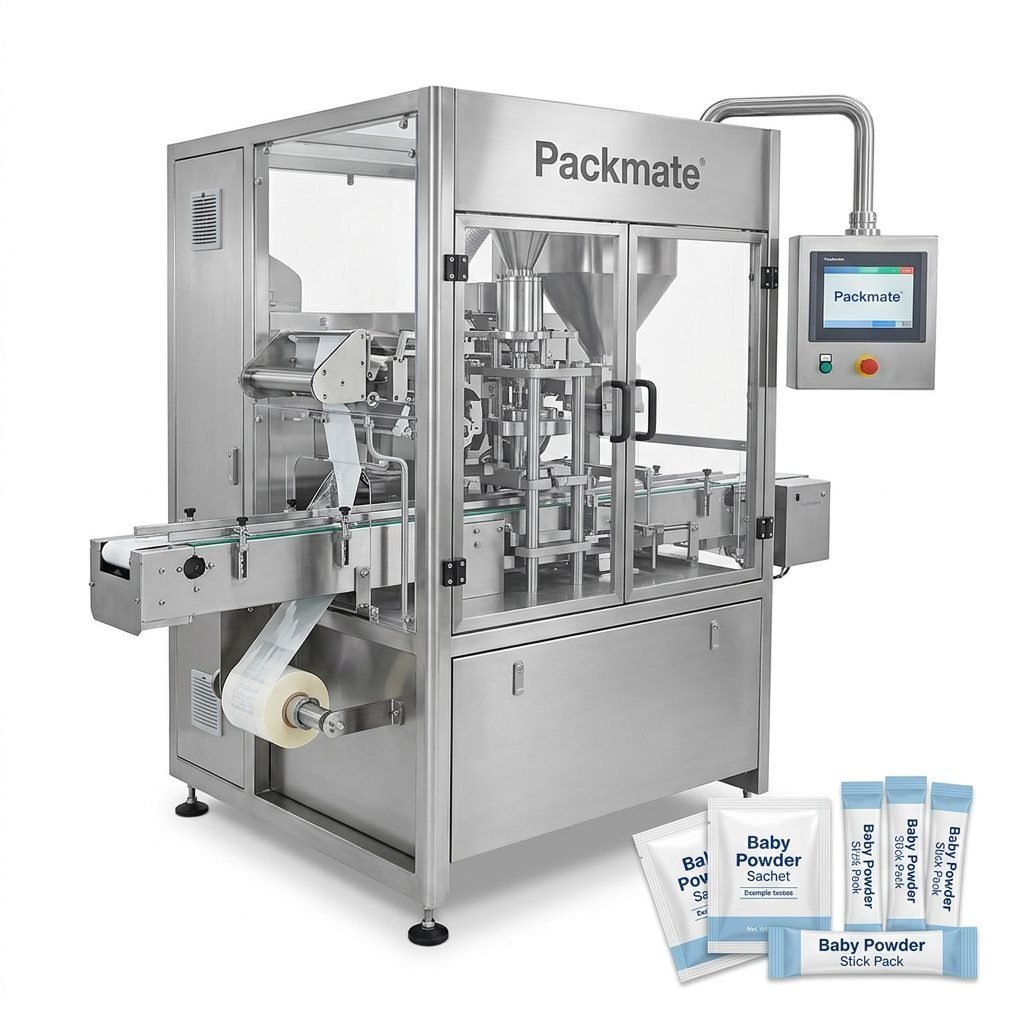
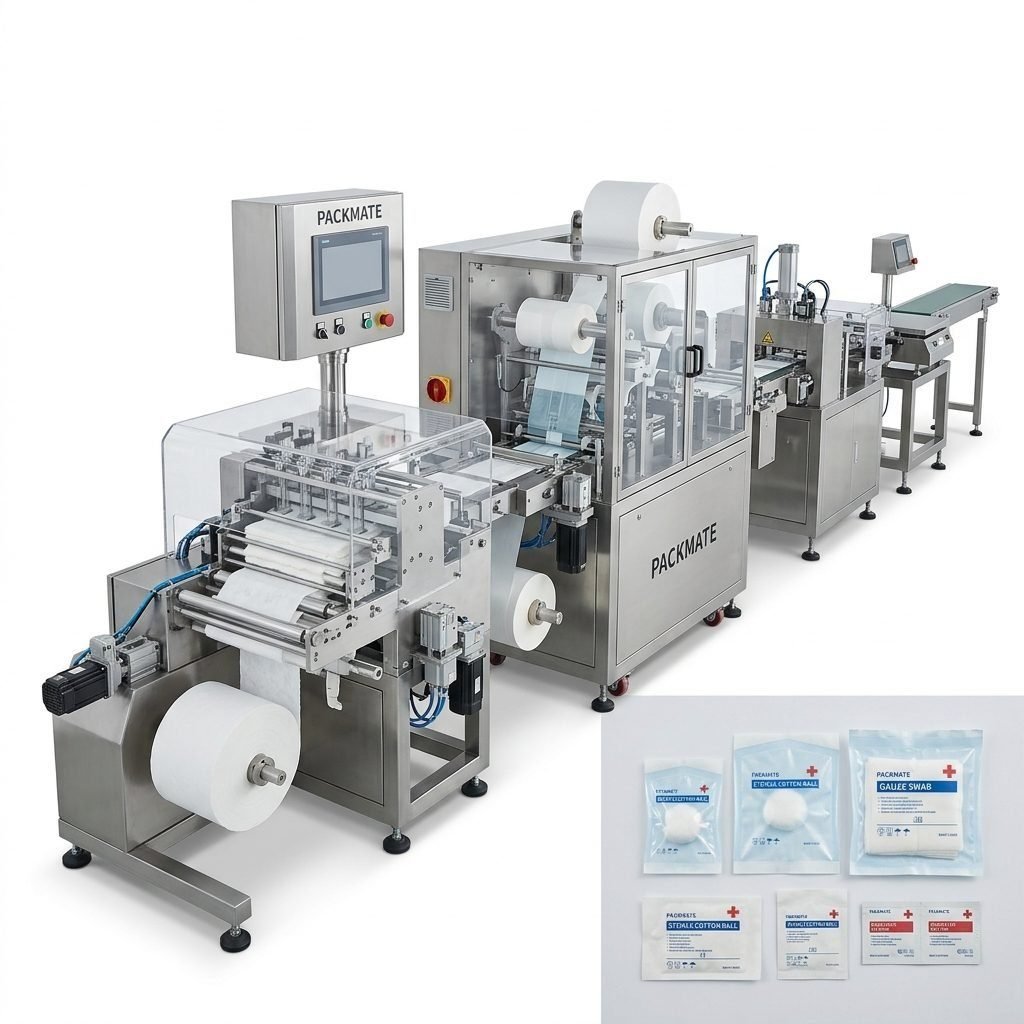
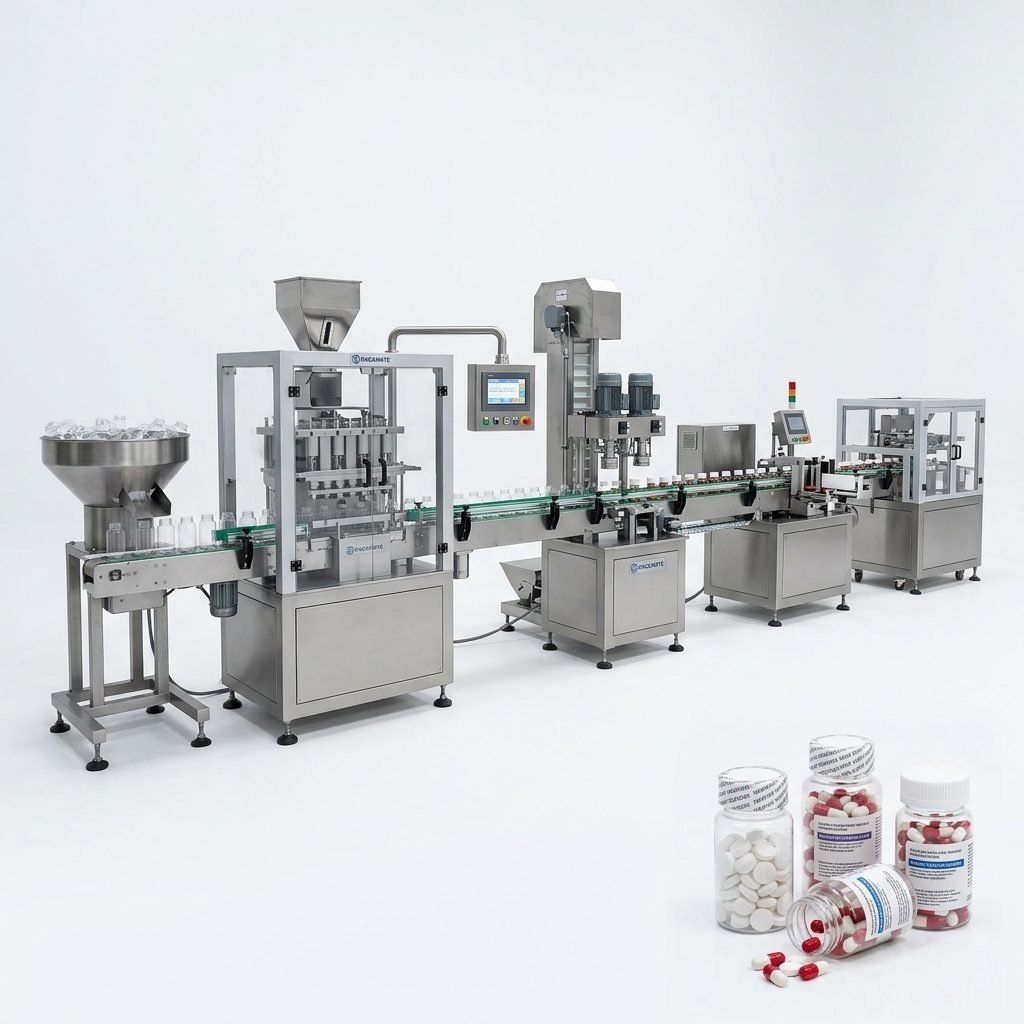
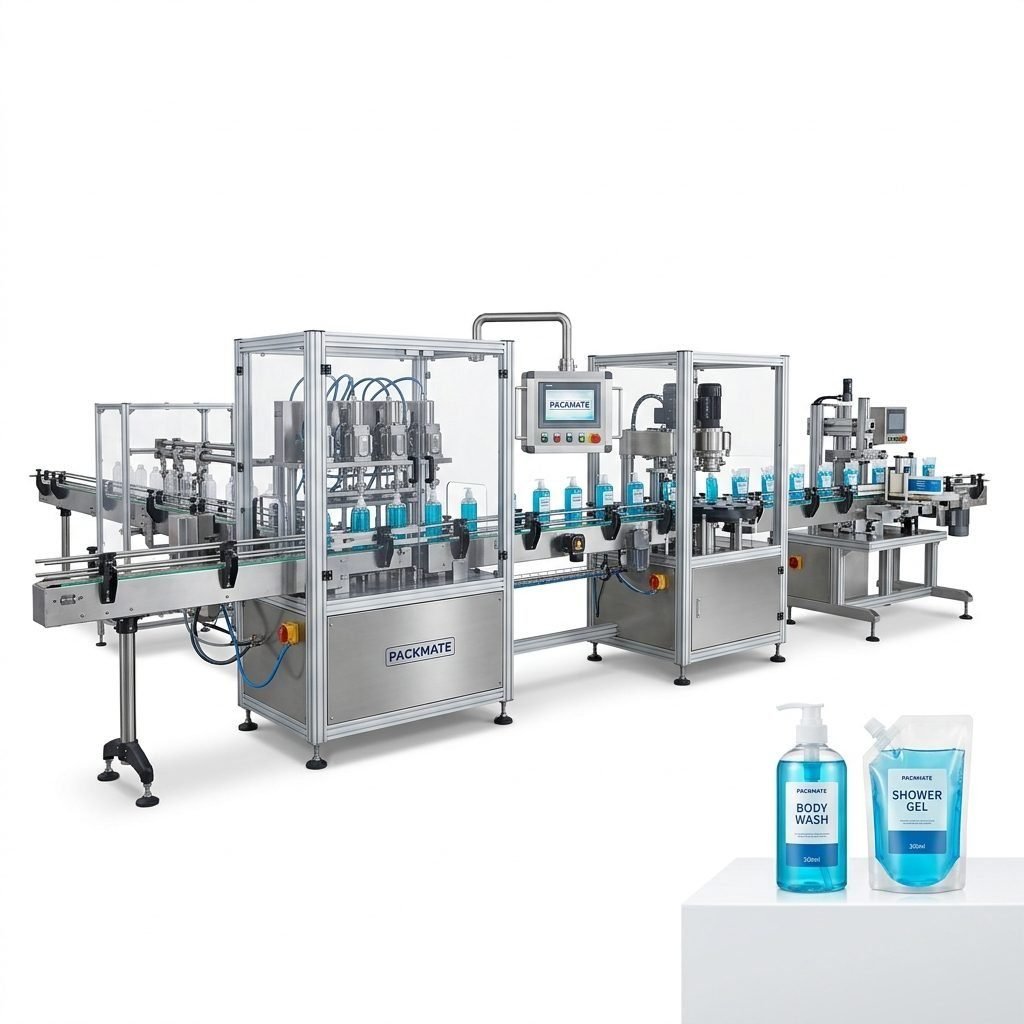
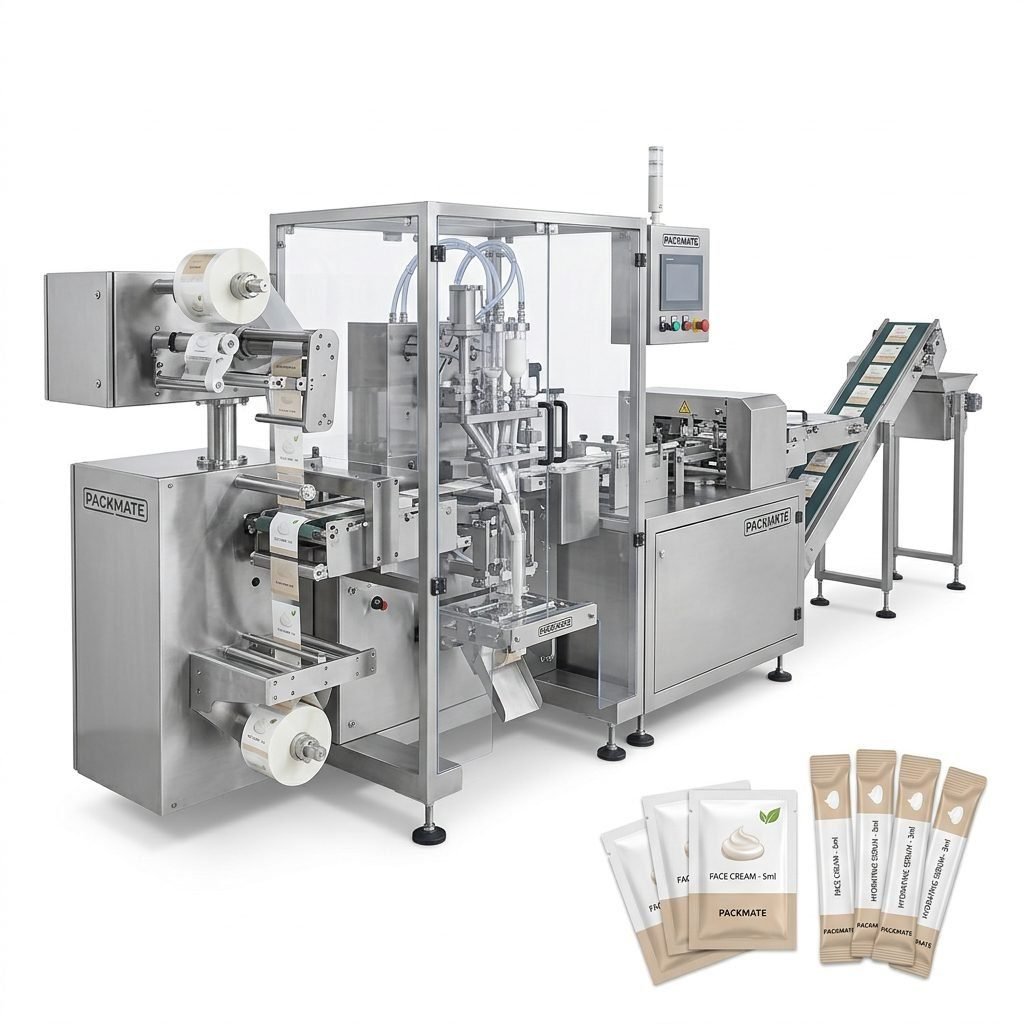
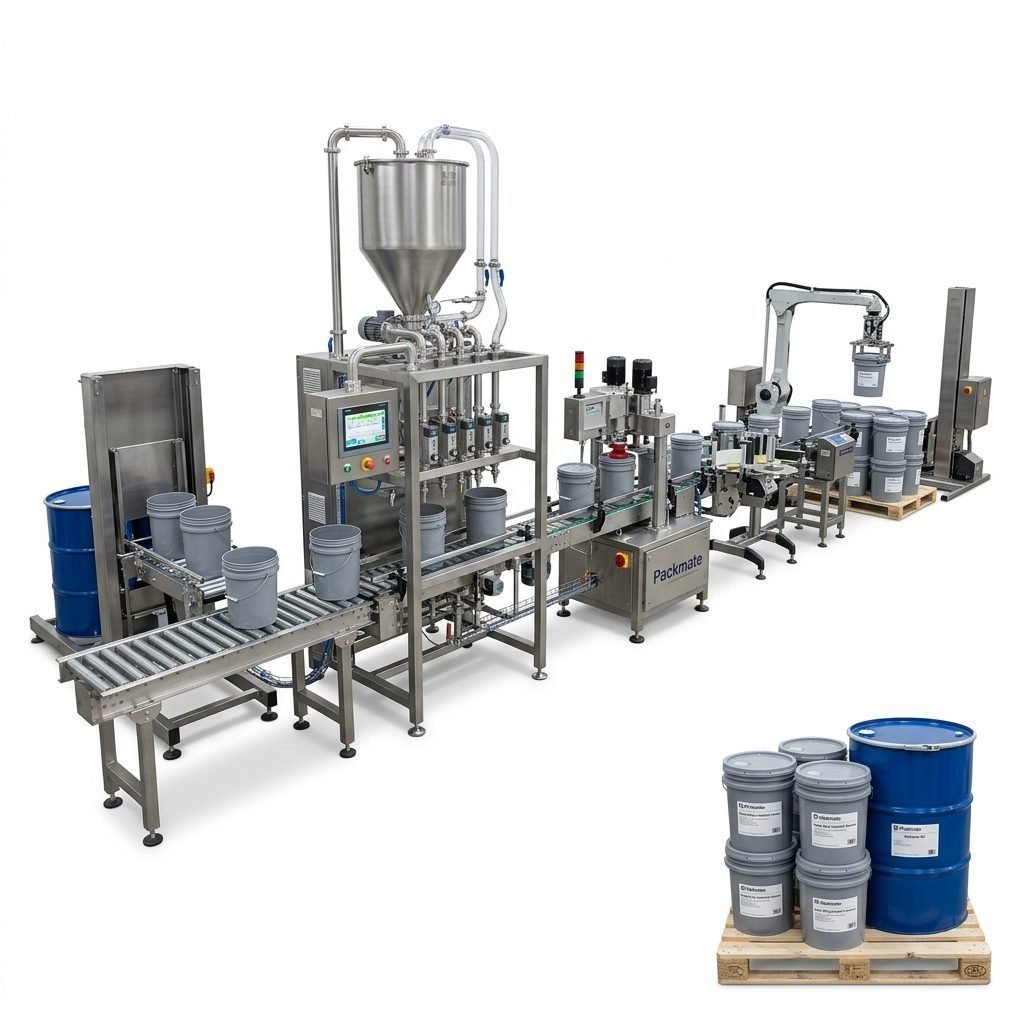
Selecting the ideal produce packaging machine is a critical decision that directly impacts your operational efficiency, product quality, and bottom line. With a vast array of technologies and configurations available, from simple sachet & stick pack machines to complex integrated lines, the choice can seem overwhelming. This comprehensive guide will walk you through the essential factors to consider, ensuring you invest in equipment that not only meets your current needs but also scales with your future growth.
Understanding Your Core Packaging Requirements
Before evaluating any machinery, you must have a crystal-clear understanding of your own requirements. This foundational step prevents costly mismatches and ensures the machine you choose is fit for purpose from day one.
Key Questions to Define Your Needs:
Product Characteristics: What are you packaging? Is it fresh, frozen, or dried produce? Is it granular, powdered, liquid, or solid? The physical state and fragility of your product dictate the type of filling system (volumetric, auger, weigh scale) and the handling mechanism required.
Production Output (Speed & Volume): What is your required output in packages per minute (PPM) or units per hour? Be realistic about your peak and average demands. A machine that is too slow creates bottlenecks, while an overly fast, complex machine may be a wasteful capital expenditure for a small operation.
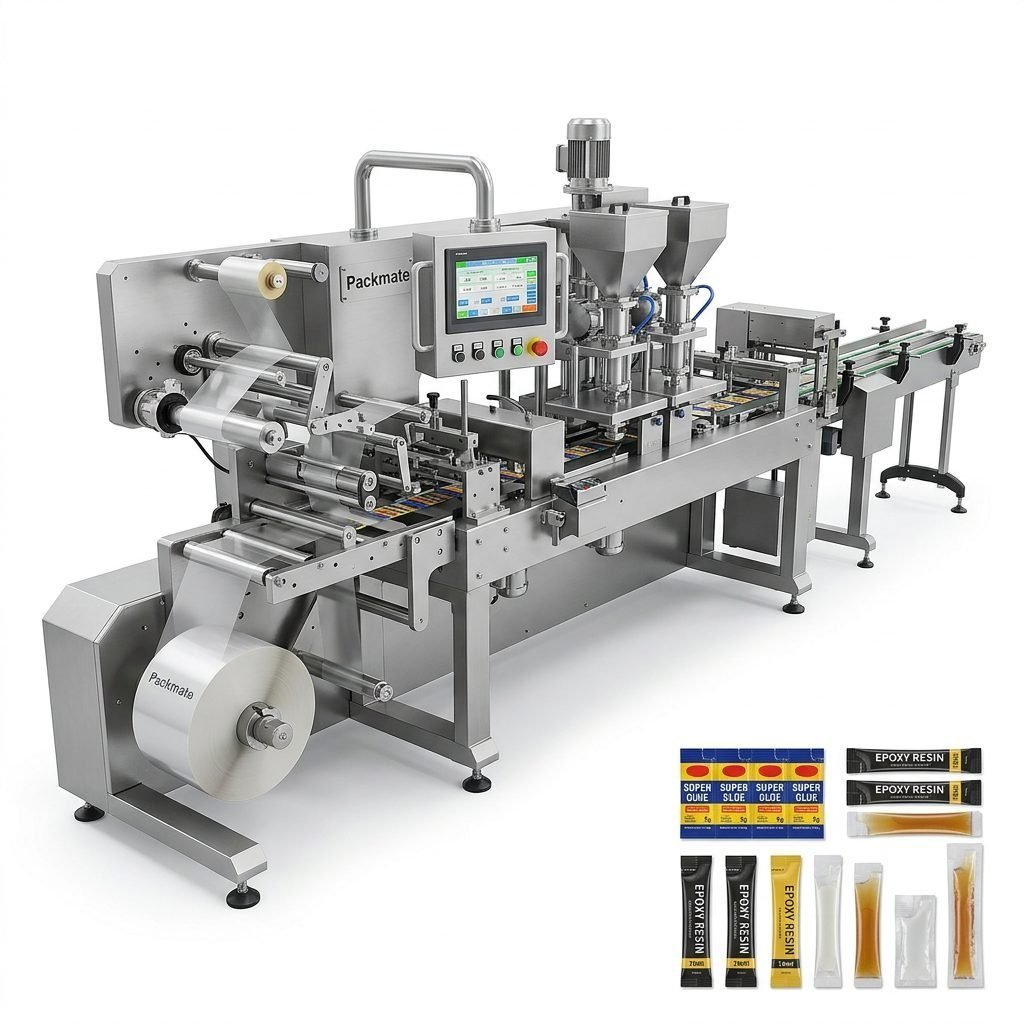
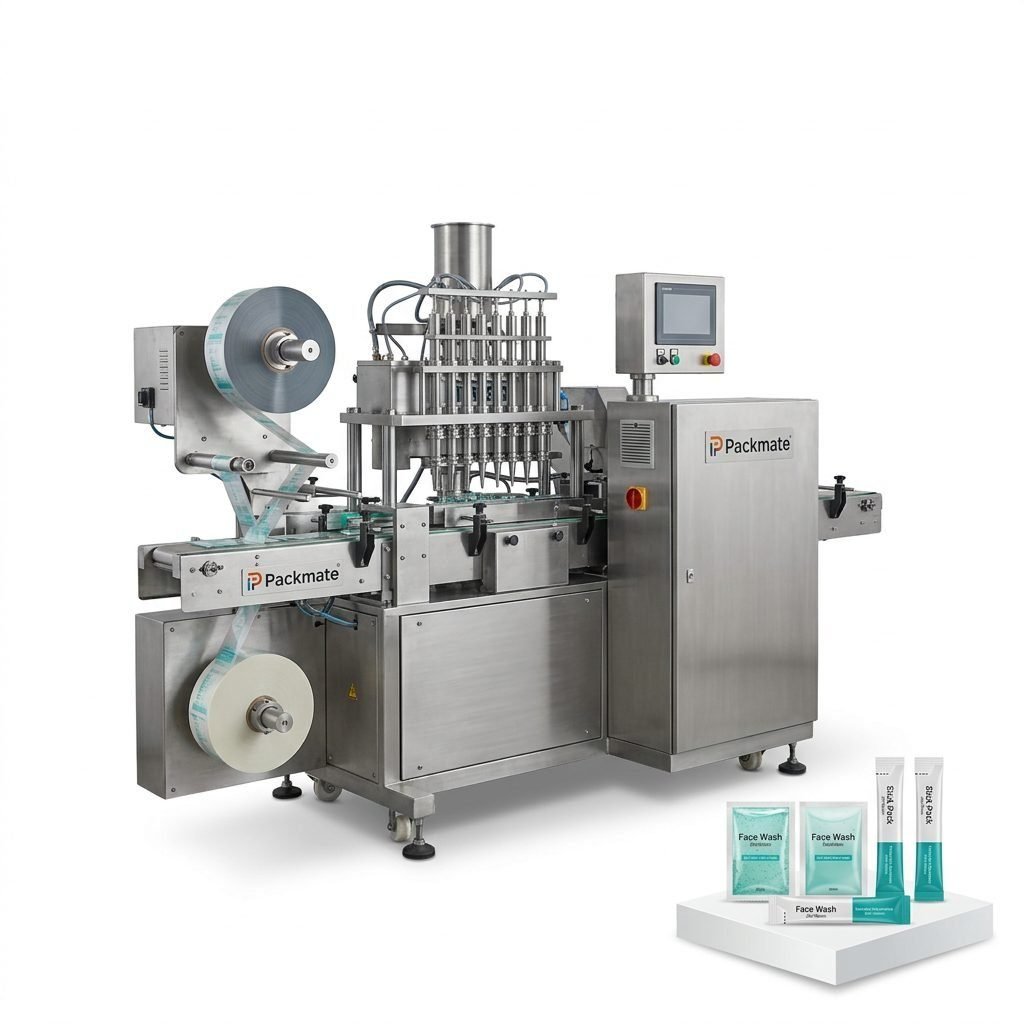
Packaging Format & Materials: What is your final package? Common formats for produce include pre-made pouches, stick packs, or bags formed from roll stock (FFS – Form, Fill, Seal). The material—whether it’s standard plastic, biodegradable film, or a specialized barrier laminate—must be compatible with the machine’s sealing technology (heat seal, ultrasonic, etc.).
Evaluating Machine Technology & Features
Once your needs are defined, you can start comparing the technological capabilities of different machines. This is where the expertise of a seasoned manufacturer like Packmate Machinery becomes invaluable, as they can translate your requirements into technical specifications.
1. Filling Accuracy and Consistency
For produce, especially in weight-controlled retail sales, filling accuracy is non-negotiable. Inaccurate fills lead to product giveaway (costing you money) or underweight packages (which are illegal and damage your brand). Look for machines with precision weighing systems, such as multi-head weighers for granular items or servo-driven auger fillers for powders. Advanced systems offer automatic feedback and correction to maintain consistency throughout a production run.
2. Flexibility and Changeover Time
Market demands change. You may need to switch between different package sizes, shapes, or products. A machine with quick-change parts and recipe storage in its PLC (Programmable Logic Controller) can reduce changeover time from hours to minutes, maximizing your uptime and responsiveness. Consider if you need a dedicated machine for one product or a flexible filling & packaging line that can handle a family of products.
Critical Consideration: Hygiene and Sanitation
Produce packaging often has direct food contact. The machine must be designed for easy and thorough cleaning. Key features to look for include: stainless steel construction on food-contact surfaces, smooth, crevice-free designs, easy disassembly of key parts, and compatibility with wash-down procedures (IP ratings for electrical components). This is crucial for maintaining food safety standards and preventing cross-contamination.
3. Integration and Automation Level
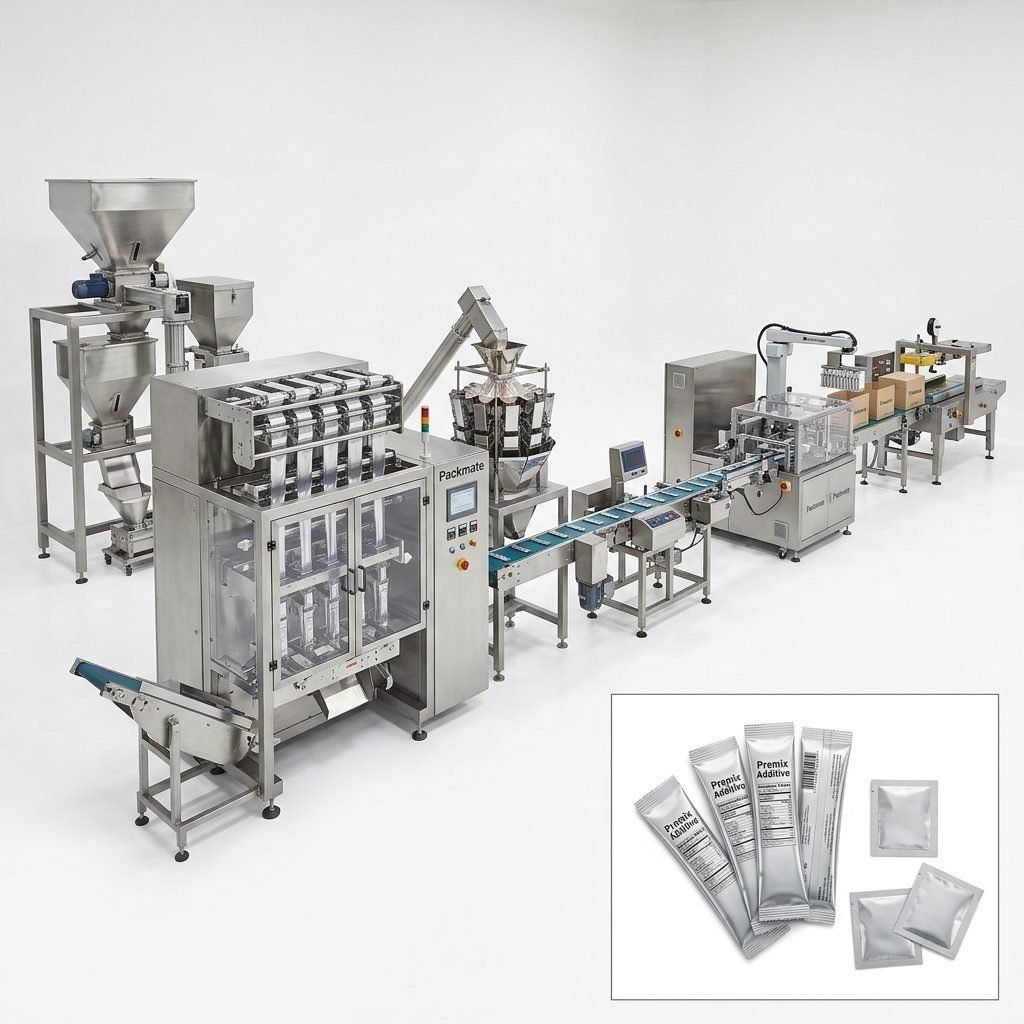
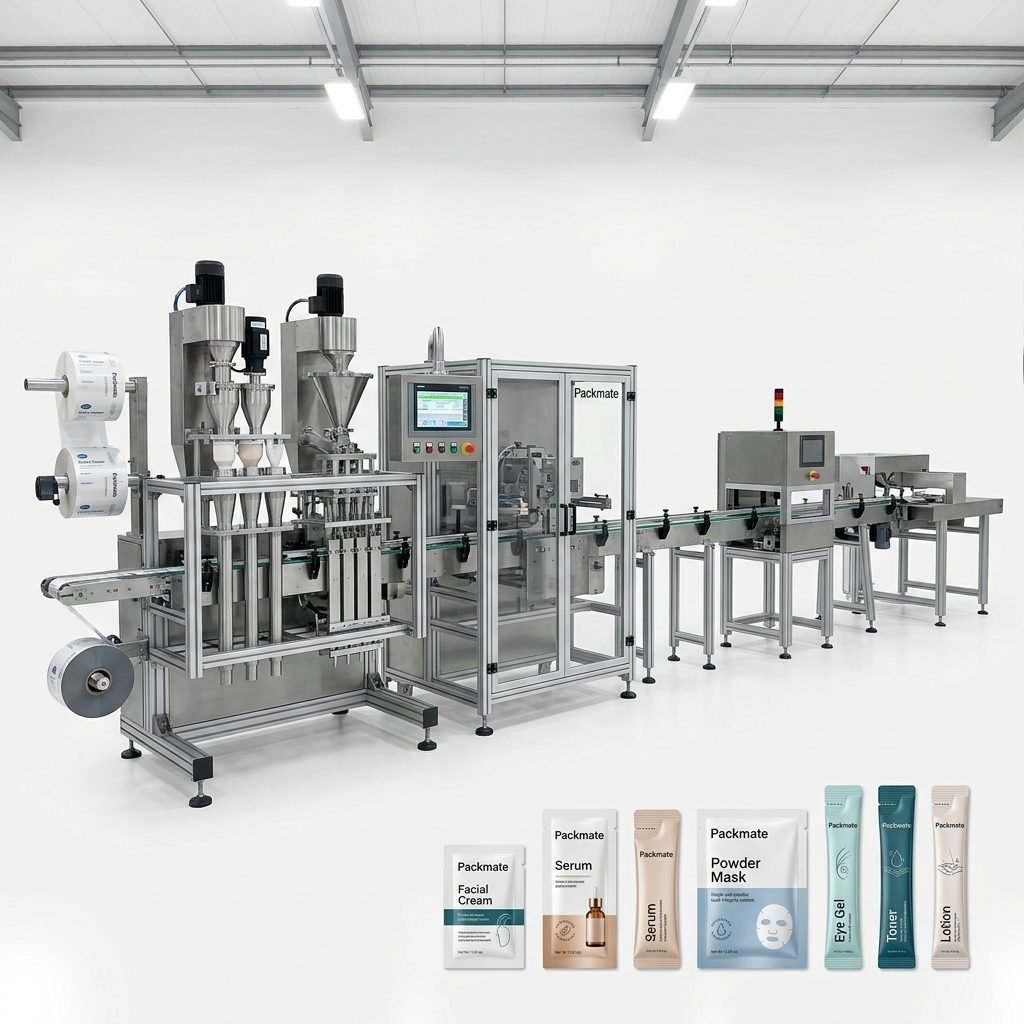
Will the machine stand alone, or will it be part of a larger line? Consider upstream and downstream integration. For example, does it need to receive product from a hopper or a conveyor? Should it be coupled with a checkweigher, metal detector, or labeling system? Modern weighing & packaging systems are often designed as modules that can be integrated seamlessly. Higher automation reduces labor costs and human error but increases initial investment and complexity.
The Importance of Manufacturer Support and Reliability
The machine itself is only part of the equation. The manufacturer behind it determines your long-term success. A reliable partner provides more than just hardware.
Technical Support & Service: What is the availability of spare parts? How responsive is the technical support team? Do they offer on-site installation, training, and maintenance? Downtime is expensive, so a manufacturer with a robust global service network is a significant advantage.
Company History & Reputation: Investigate the manufacturer’s track record. A company with decades of experience, like Packmate with over 30 years in intelligent packaging, has likely refined its designs and processes based on real-world feedback from countless clients. Review their case studies to see machines in action for applications similar to yours.
Quality of Construction: A machine is a long-term asset. Inspect the build quality, the brands of critical components (servo motors, PLCs, sensors), and the overall craftsmanship. A well-built machine from a 20,000㎡ modern facility with advanced production equipment will have greater longevity and reliability.
Financial Considerations: Total Cost of Ownership (TCO)
Look beyond the initial purchase price. The Total Cost of Ownership includes several factors over the machine’s lifespan:
- Operational Costs: Energy consumption, required compressed air, and consumable parts (like sealing jaws).
- Maintenance Costs: Cost and frequency of routine maintenance, and the price/availability of spare parts.
- Labor Costs: How many operators are needed? Does it require highly skilled technicians?
- Efficiency & Yield: A machine with higher speed and accuracy reduces product waste and increases output, paying for itself over time.
Sometimes, a slightly higher upfront investment in a more efficient, reliable machine from a reputable supplier results in a much lower TCO.
Making the Final Decision: Testing and Validation
Never buy a packaging machine based solely on specifications or a brochure. The most critical step is to conduct a product performance test.
Arrange to send your actual product (or a close simulation) to the manufacturer for a live test on the proposed machine. This test will validate:
• Actual output speed with your product.
• Achievable filling accuracy.
• Package integrity and seal quality.
• Material waste during startup and operation.
• Ease of operation and changeover.
This hands-on validation is the only way to be confident the machine will perform as expected in your facility.
Frequently Asked Questions (FAQs)
Q1: How do I know if I need a single-lane or a multi-lane packaging machine?
A: The choice depends entirely on your required output. Single-lane machines are ideal for lower-volume production, pilot projects, or highly specialized products. Multi-lane machines (like multi-lane stick pack machines) run multiple packages simultaneously, dramatically increasing output for high-volume applications and providing better economies of scale.
Q2: What is the typical lead time for receiving a new produce packaging machine?
A: Lead times vary significantly based on machine complexity, customization, and manufacturer backlog. For standard models, it can range from 8 to 16 weeks. For highly customized or fully integrated turnkey lines, it can take 20 weeks or more. Always confirm the timeline with your supplier during the quotation process.
Q3: Can one machine handle both powders and granular produce?
A: Some machines are designed with this flexibility in mind, often through interchangeable filling systems. For example, a machine might use a weigh-cell system for granules and switch to an auger filler head for powders. However, this requires proper cleaning and calibration between runs. It’s best to discuss your specific product mix with the manufacturer to confirm compatibility.
Q4: How important is the machine’s PLC and user interface?
A: Extremely important. A modern, user-friendly touchscreen HMI (Human-Machine Interface) allows operators to manage recipes, monitor production statistics, and troubleshoot issues more easily. A sophisticated PLC enables precise control over all machine functions, supports automation integration, and stores operational data for traceability and analysis.
Q5: What kind of training and after-sales support should I expect?
A> A reputable manufacturer should provide comprehensive training for your operators and maintenance staff, either at their facility during the FAT (Factory Acceptance Test) or at your site during installation. After-sales support should include detailed manuals, access to technical support (phone/email), availability of spare parts, and optionally, a service contract for preventive maintenance. Always clarify the scope and duration of the included support before purchasing.