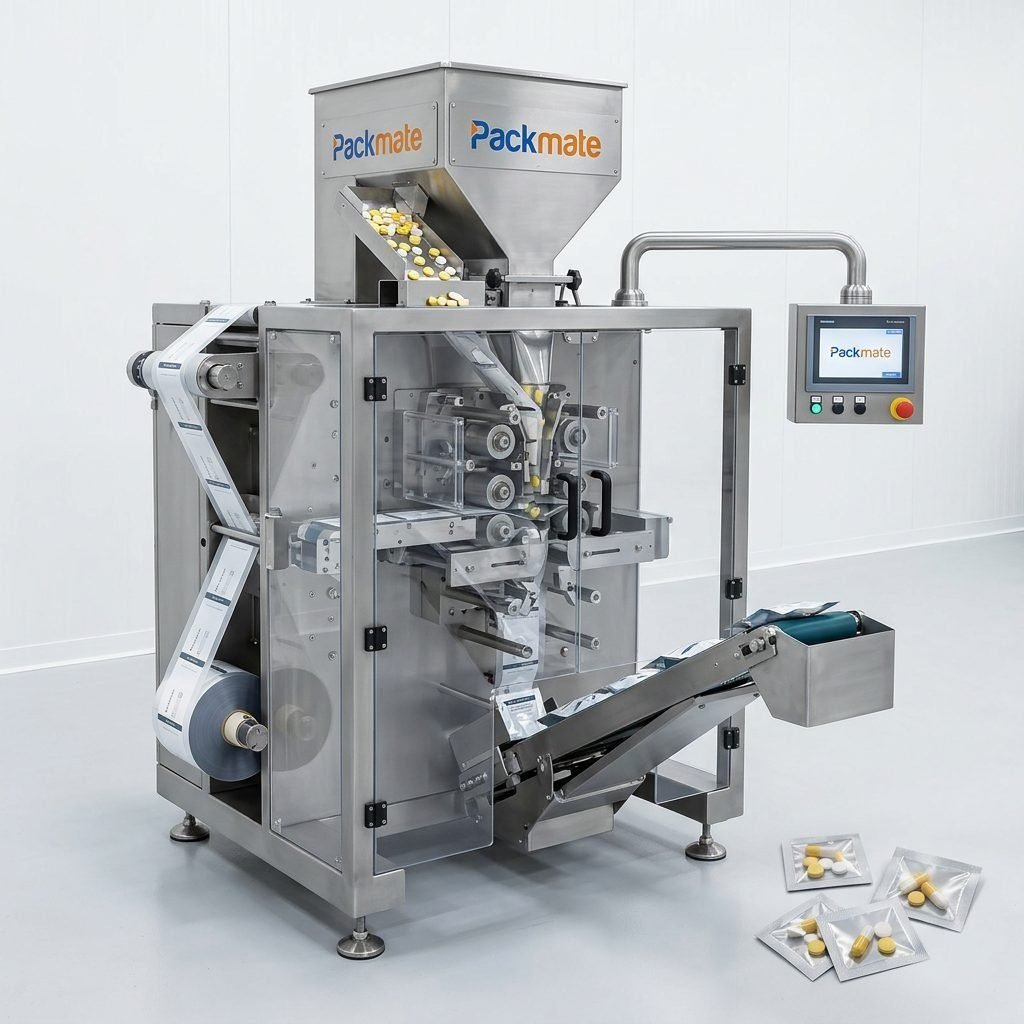
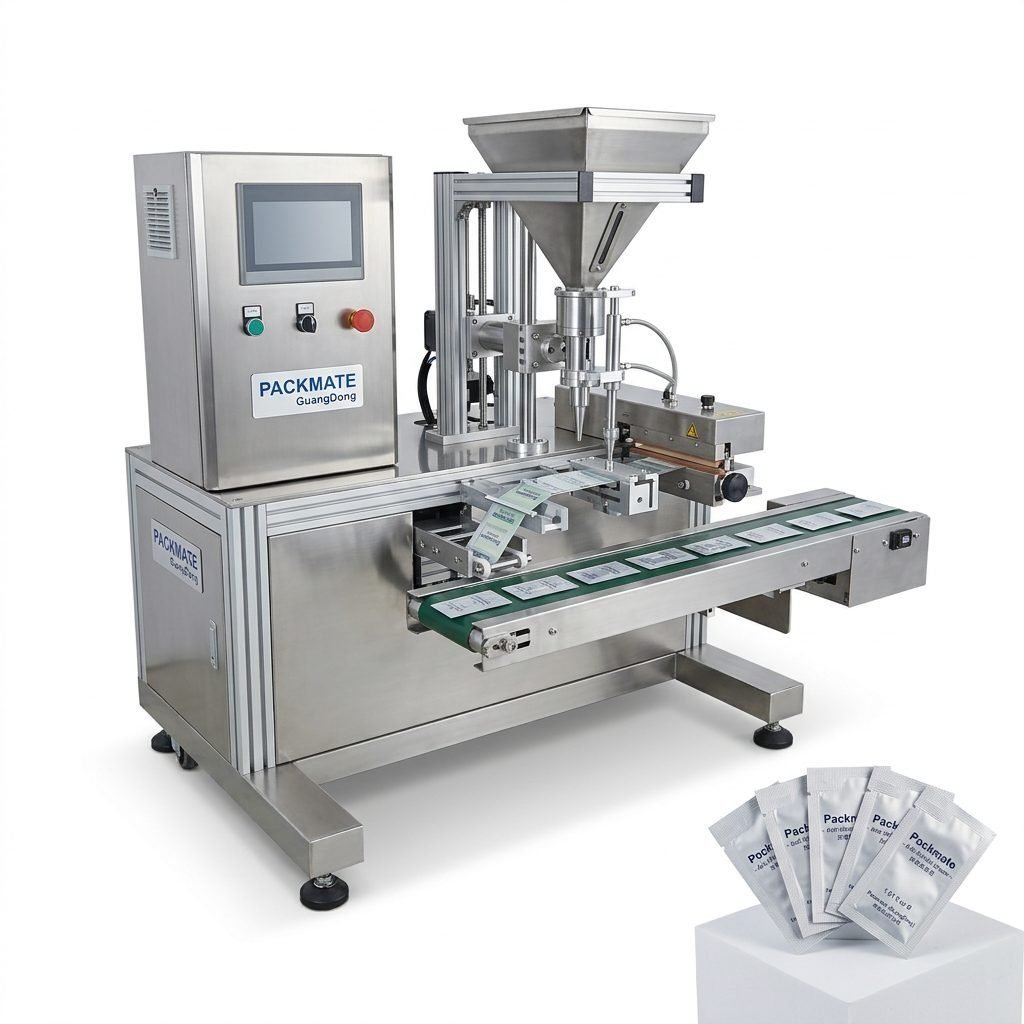
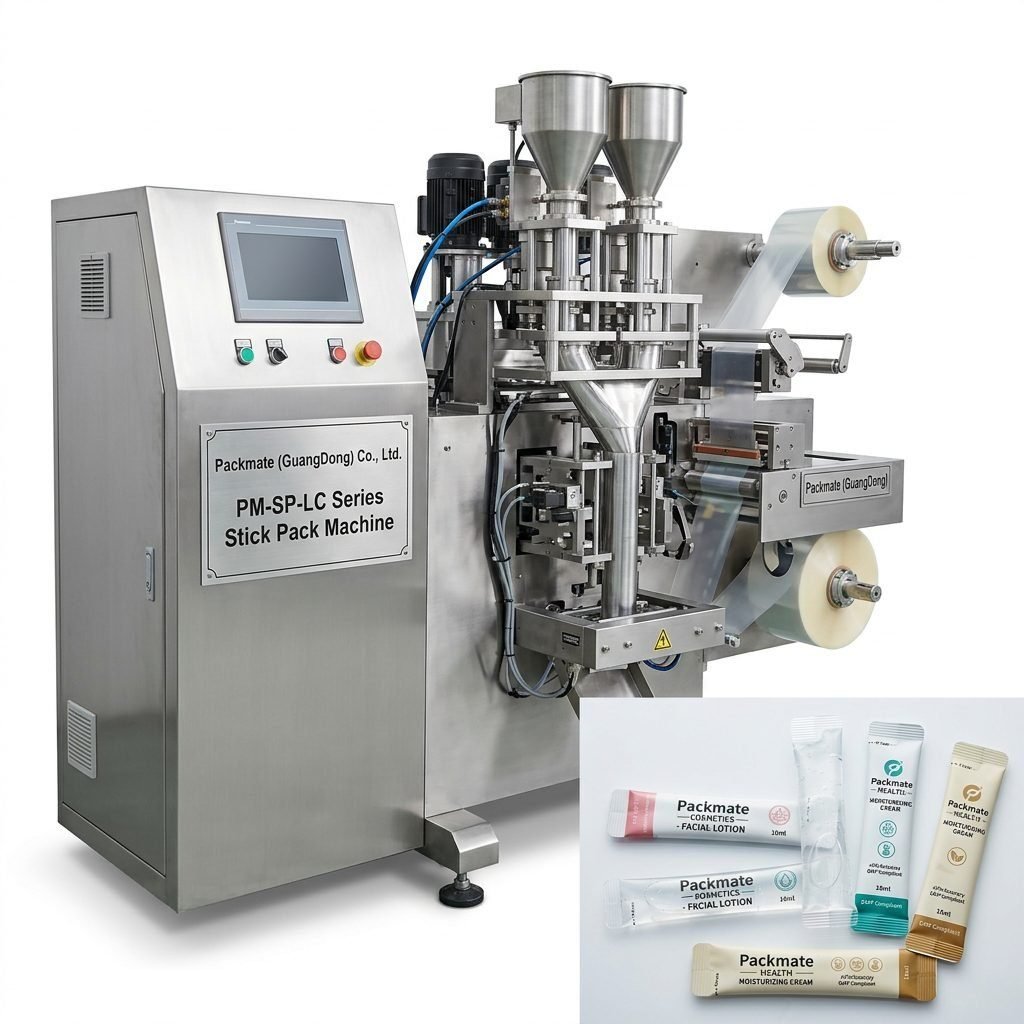
In the world of food preservation, extending shelf life and maintaining quality are paramount. Chamber vacuum packaging machines have emerged as a powerful tool for both commercial kitchens and serious home enthusiasts. By removing air from a sealed chamber before packaging, these systems create an anaerobic environment that significantly slows down spoilage caused by oxidation, mold, and bacteria. This article explores the top chamber vacuum packaging machines, their key features, and how they can revolutionize your food preservation strategy.
How Chamber Vacuum Sealers Work
Unlike external suction sealers, chamber vacuum machines place the entire bag inside a sealed chamber. The lid closes, and a pump removes the air from the chamber itself. Once the desired vacuum level is reached, the machine heat-seals the bag within the protected environment. Finally, air is reintroduced into the chamber, causing atmospheric pressure to compress the bag tightly around the product. This process allows for the packaging of liquids, wet items, and delicate foods without the risk of moisture being sucked into the machine’s pump.
Key Advantages Over Other Methods
The chamber method offers distinct benefits. It achieves a much higher and more consistent vacuum level than most external sealers, which is critical for long-term storage. It enables liquid and moist food packaging, opening doors for marinating, sous-vide cooking, and preserving soups and sauces. The sealed bags are exceptionally robust, with strong, wrinkle-free seals that are less prone to failure. For businesses, this reliability is non-negotiable for maintaining product integrity and brand reputation. Companies like Packmate Machinery leverage decades of engineering expertise to build chamber systems that meet these rigorous commercial demands.
Top Features to Consider When Choosing a Machine
Selecting the right chamber vacuum sealer depends on your specific needs. Here are the critical factors to evaluate:
Chamber Size and Capacity
The internal dimensions of the chamber dictate the maximum bag size you can use. Consider the largest items you plan to seal regularly. A larger chamber offers more flexibility but takes up more counter space.
Pump Type and Power
The vacuum pump is the heart of the machine. Oil rotary vane pumps are durable and powerful, ideal for high-volume use but require maintenance. Oil-less pumps are quieter and maintenance-free but may have a shorter lifespan under heavy loads. Pump power, measured in cubic feet per minute (CFM) or cubic meters per hour (m³/h), determines how quickly air is removed.
Seal Bar Quality and Programmability
Look for wide, double-seal bars for extra security. Advanced machines offer programmable settings for different bag materials (like mesh or textured bags) and functions like gas flushing, which replaces air with inert gas for even longer preservation of sensitive items like coffee or chips.
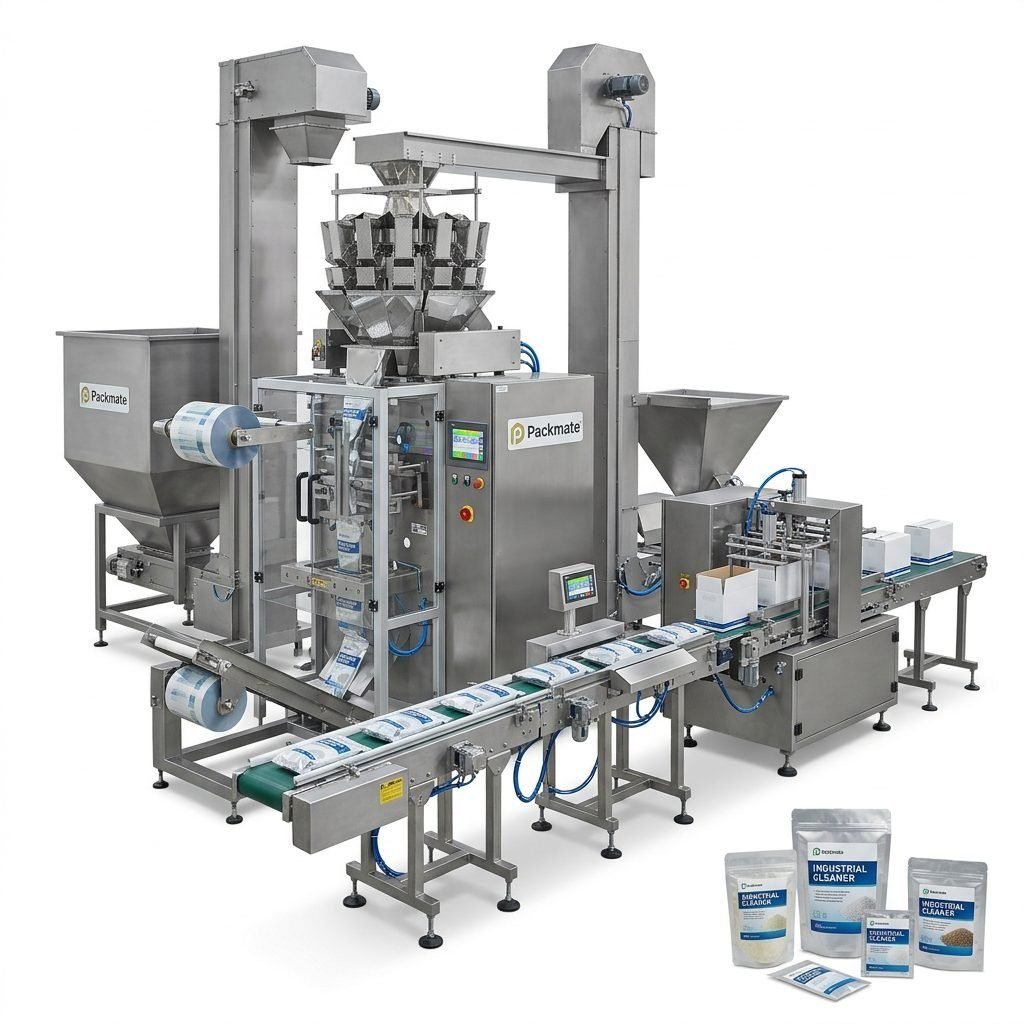
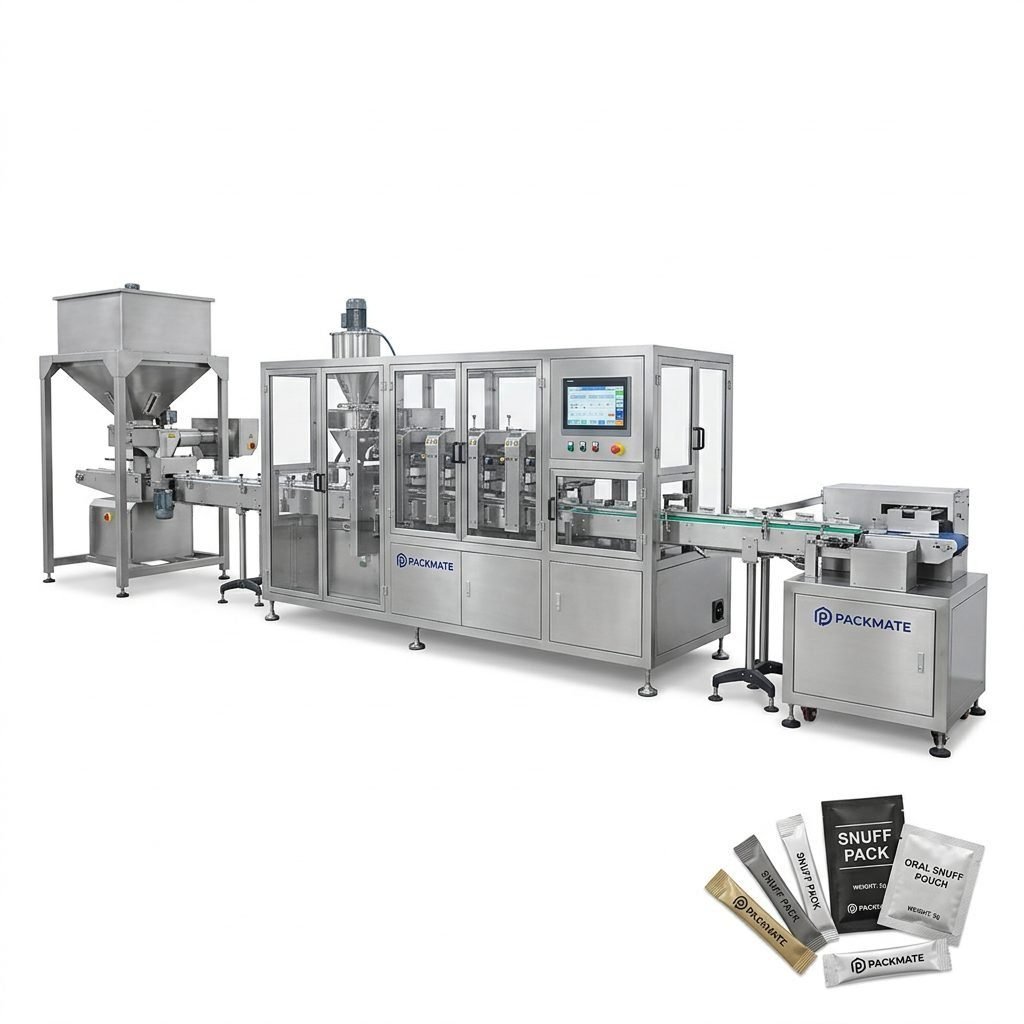
For businesses looking to integrate vacuum packaging into a larger production line, exploring complete filling and packaging lines can provide a seamless, automated solution.
Applications in Food Preservation and Beyond
The use of chamber vacuum sealers extends far beyond simply storing leftovers.
Commercial Food Service: Restaurants use them for portion control, marinating meats, and preparing sous-vide dishes in advance. They are essential for reducing waste and managing inventory efficiently.
Food Processing and Manufacturing: From cheese and cured meats to dried fruits and nuts, chamber sealers ensure product freshness during distribution and on retail shelves. The ability to handle liquids is crucial for sauces, oils, and marinated products.
Home Kitchen and Meal Prep: Enthusiasts can buy in bulk, seal individual portions, and freeze them with minimal freezer burn. It’s also perfect for preserving garden harvests, creating ready-to-cook meals, and experimenting with sous-vide cooking.
Specialized Industries: The technology is also adapted for non-food items. For instance, specialized snus and nicotine pouch packaging machines utilize similar vacuum and sealing principles to ensure product freshness and compliance.
Maximizing Shelf Life and Quality
Properly vacuum-sealed food can have its shelf life multiplied. In the freezer, it can prevent freezer burn for years. In the refrigerator, it can keep vegetables crisp and meats fresh for weeks instead of days. For dry goods like grains or coffee, it locks out humidity and odors. The key is to start with fresh, high-quality products and seal them promptly. Pre-freezing liquids or very moist foods in a container before vacuum sealing can also prevent the liquid from being drawn into the seal area.
Maintenance and Operational Best Practices
To ensure longevity and consistent performance, regular maintenance is essential. For machines with oil pumps, check and change the oil as recommended by the manufacturer. Keep the seal bars clean from any residue or plastic film buildup. Always ensure the chamber gasket is clean and undamaged to maintain a proper seal. Use bags and rolls specifically designed for chamber vacuum sealers, as they are made from materials that can withstand the heat and pressure of the sealing process. For high-volume operations, having reliable auxiliary packaging equipment like bag loaders or conveyors can optimize workflow.
Frequently Asked Questions (FAQ)
What types of bags can I use with a chamber vacuum sealer?
You must use bags specifically designed for chamber vacuum machines. These are typically textured or embossed to allow air channels for evacuation and are made from materials like nylon and polyethylene that seal effectively under the machine’s conditions. They are generally more affordable per bag than external sealer bags.
Can I vacuum seal liquids?
Yes, this is one of the primary advantages of a chamber sealer. Since the air is removed from the entire chamber and not by suction through the bag’s opening, liquids will not be drawn out. You can safely seal soups, sauces, marinated meats, and other wet items.
How does a chamber sealer differ from an external (suction) sealer?
External sealers suck air out through the open end of the bag, which can pull moisture from food into the machine’s pump, potentially damaging it. They achieve lower vacuum levels. Chamber sealers remove air from around the bag inside a sealed chamber, allowing for higher vacuum levels, liquid packaging, and the use of less expensive, smoother bags.
Is a chamber vacuum sealer worth it for home use?
For a serious home cook, gardener, or someone who buys food in bulk, a chamber sealer can be an excellent investment. It offers superior preservation, enables sous-vide cooking, and reduces food waste. However, they are larger, heavier, and more expensive than external sealers, so consider your available space and frequency of use.
What maintenance does a chamber vacuum machine require?
Maintenance varies by model. Oil-based pumps require regular oil changes. All machines require keeping the seal bars and chamber clean. Regularly inspecting and cleaning the silicone gasket around the chamber lid is crucial for maintaining a proper vacuum. Always refer to the manufacturer’s manual for specific guidelines.