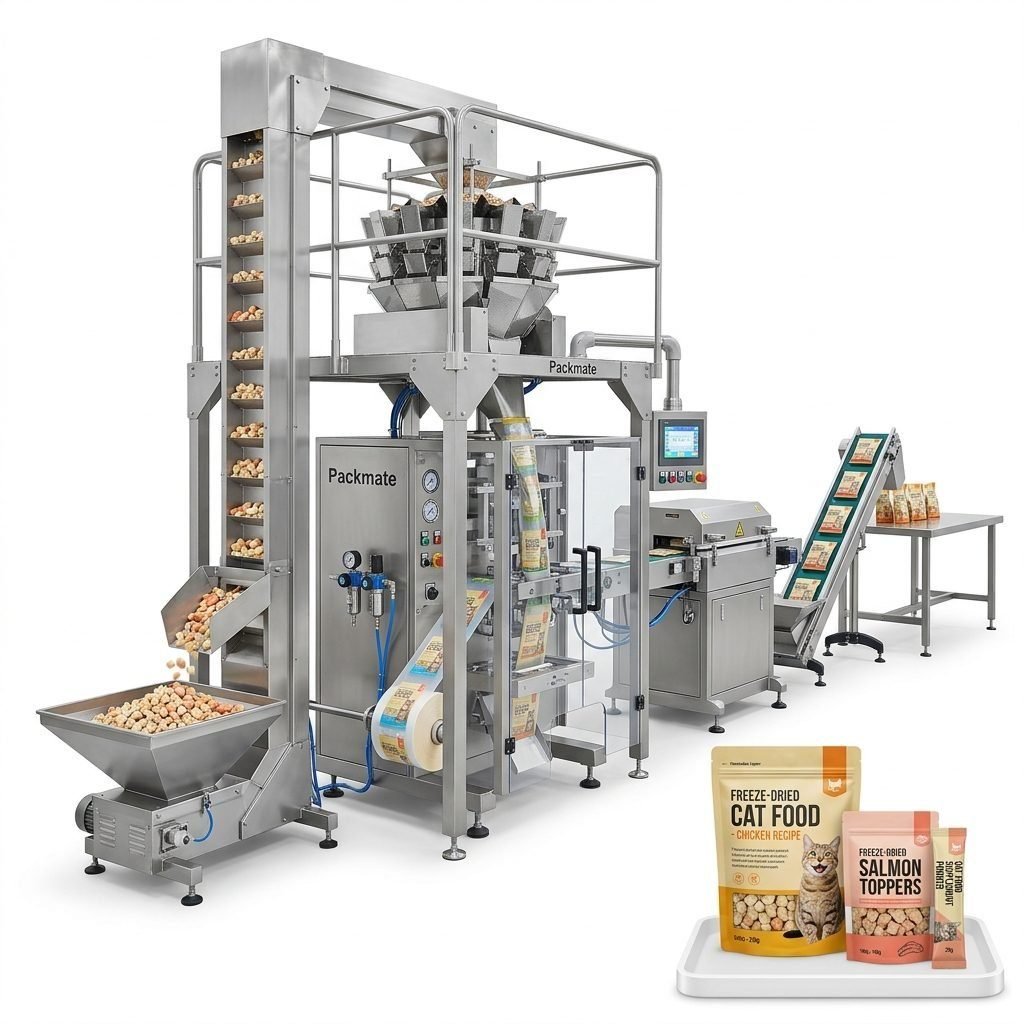
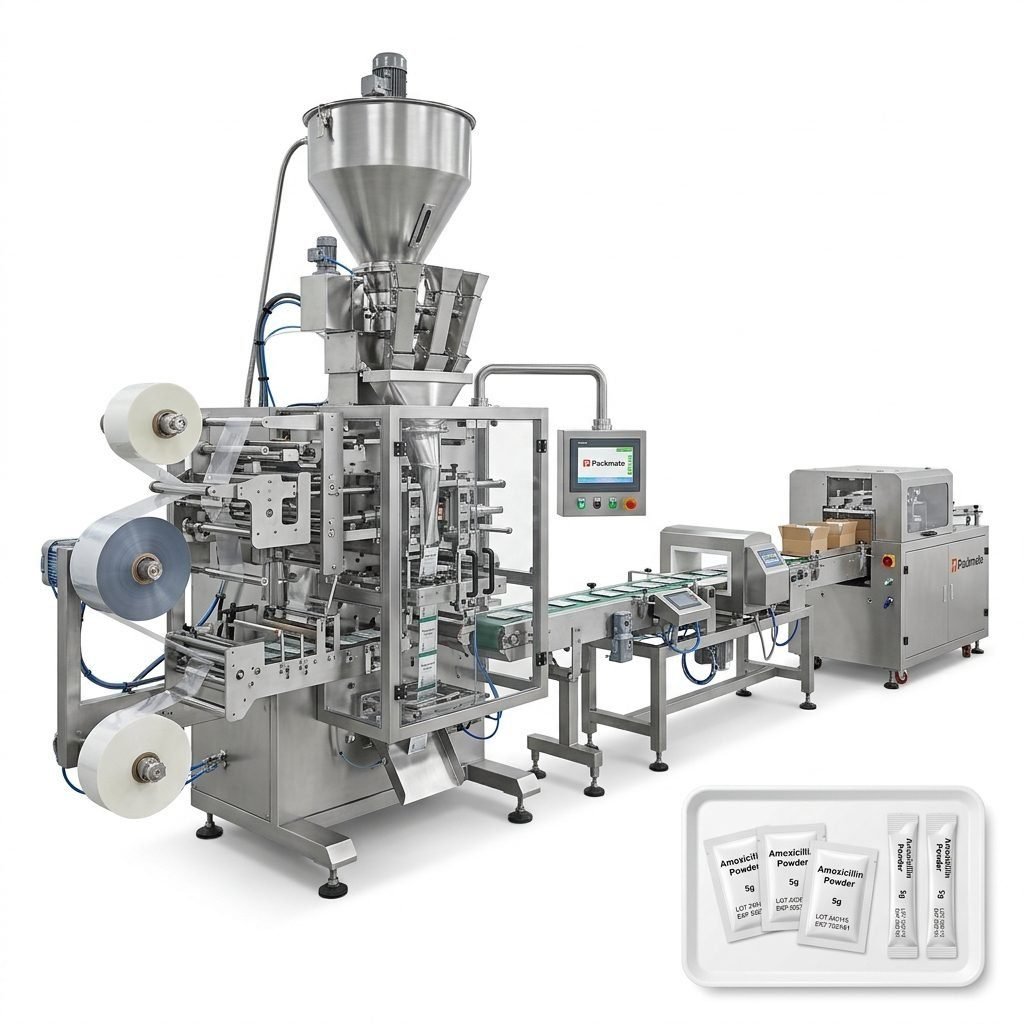
In the dynamic world of packaging, efficiency, protection, and sustainability are paramount. The Instapak foam packaging machine represents a significant leap forward in meeting these demands. This innovative technology automates the creation of custom-fit, on-demand protective foam packaging, revolutionizing how products are prepared for shipping and handling. By understanding how it works and its numerous benefits, businesses can make informed decisions to enhance their operational logistics and customer satisfaction.
The Core Technology: How an Instapak Foam Machine Works
The operation of an Instapak foam packaging machine is a fascinating blend of chemistry and precision engineering. At its heart, the process involves the controlled mixing and dispensing of two liquid chemical components—typically a polyol resin and an isocyanate. These components are stored in separate tanks within the machine.
Key Process: When the machine is activated, these two liquids are pumped in precise ratios into a mixing chamber. Here, they combine and undergo a rapid chemical reaction, initiating the foaming process. The mixed liquid is then dispensed through a hose and nozzle directly into the shipping container or bag that holds the product to be packaged.
The magic happens instantly. The dispensed liquid expands to 30 to 200 times its original volume in a matter of seconds, forming a soft, cushioning polyurethane foam. This expansion fills the void space around the product, conforming perfectly to its shape. The foam then cures, creating a rigid, protective mold that immobilizes the item, preventing movement and absorbing shocks during transit.
Key Operational Components and Setup
A typical Instapak system consists of several integrated parts. The main control unit houses the material tanks, pumps, heating system (to maintain optimal fluid viscosity), and the sophisticated control panel. The dispensing gun or nozzle is ergonomically designed for operator use. Modern machines often feature programmable settings for different foam densities and expansion ratios, allowing customization for fragile electronics or heavy industrial parts. The setup is designed for integration into existing packaging lines, requiring only a power source and compressed air to function.
Multifaceted Benefits for Modern Businesses
Adopting an Instapak foam packaging system delivers a compelling return on investment across multiple facets of a business, from the warehouse floor to the end customer’s doorstep.
Superior Product Protection and Damage Reduction
This is the most immediate and critical benefit. Traditional packaging like loose fill peanuts or crumpled paper settles and shifts. Instapak foam creates a custom-fit cradle for every single item. This perfect conformity eliminates product movement inside the box, drastically reducing the risk of damage from impacts, vibrations, and drops. For industries shipping high-value, sensitive, or irregularly shaped items—such as electronics, medical devices, or automotive parts—this translates directly into fewer returns, lower warranty claims, and enhanced brand reputation for delivering products in pristine condition.
Significant Material and Storage Savings
Instapak technology moves away from maintaining a vast inventory of pre-formed foam inserts, cardboard spacers, and bulk void-fill materials. Since the foam is created on-demand from liquid reservoirs, it eliminates the need for storage space dedicated to multiple sizes of packaging materials. Businesses can free up valuable warehouse real estate. Furthermore, it reduces material waste, as you use only the exact amount of foam needed for each package, unlike cutting down large sheets of foam which generates scrap.
Enhanced Operational Efficiency and Labor Optimization
Packaging speed increases substantially. The process of measuring, cutting, and assembling traditional protective materials is time-consuming. With an Instapak machine, an operator simply places the product in a container and triggers the foam dispenser. The packaging is complete in seconds. This efficiency allows staff to handle more orders per shift, reduces labor costs, and accelerates order fulfillment cycles, which is crucial for e-commerce and distribution centers. Companies like Packmate Machinery, with decades of experience in automation, understand how such efficiencies transform production lines.
Sustainability and Environmental Advantages
Modern Instapak foams are often formulated to be more environmentally friendly. Many are free from CFCs and HCFCs, and some are even made with a percentage of renewable content. The dramatic reduction in material usage and waste contributes to a smaller environmental footprint. Additionally, because the foam is dispensed on-site, it eliminates the carbon emissions associated with transporting bulk pre-formed foam materials to your facility. The system supports a leaner, more sustainable packaging operation.
Operational Insight: The consistency and reliability of the machinery are vital for maintaining these benefits. Investing in equipment from established manufacturers with a strong track record, such as those found in the range of auxiliary packaging equipment, ensures long-term performance and support.
Applications Across Diverse Industries
The versatility of Instapak foam makes it suitable for a wide array of sectors. In electronics and computing, it protects sensitive components like servers, monitors, and circuit boards. The medical and pharmaceutical industry uses it for safeguarding diagnostic equipment, surgical instruments, and temperature-sensitive shipments. Automotive and aerospace suppliers rely on it for shipping precision parts. Even retail and e-commerce businesses use it for high-value items, collectibles, and non-standard products that defy traditional box sizes. The technology is also integral to larger filling and packaging lines for comprehensive product handling solutions.
Choosing the Right Instapak System
Selecting the appropriate machine depends on several factors: your average package volume, the size and fragility of your products, desired foam density, and available floor space. Options range from manual handheld dispensers for low-volume settings to fully automated, in-line systems that integrate with conveyor belts for high-speed operations. Partnering with a knowledgeable supplier who can provide demonstrations and tailor a solution to your specific workflow is essential for success.
Conclusion: A Strategic Investment in Packaging Excellence
The Instapak foam packaging machine is more than just a piece of equipment; it is a strategic upgrade to a company’s logistics and customer service framework. By providing unmatched product protection, driving down material and labor costs, improving warehouse efficiency, and supporting sustainability goals, it offers a comprehensive solution to modern packaging challenges. As supply chains become more complex and customer expectations rise, this technology provides a reliable, efficient, and intelligent way to ensure products arrive safely, reinforcing trust and quality at every point of the delivery journey.
Frequently Asked Questions (FAQs)
What is the typical learning curve for operating an Instapak machine?
Most Instapak systems are designed for user-friendly operation. Basic training for an operator to become proficient usually takes only a few hours. The core process involves positioning the product and activating the dispenser. Advanced settings for foam density may require additional familiarization, but manufacturers typically provide comprehensive training and support.
How does the cost of Instapak foam compare to traditional packaging materials?
While the upfront cost per cubic foot of foam may appear higher than bulk loose fill, the total cost analysis often reveals significant savings. This is due to reduced material waste, lower shipping costs from lighter packages (in some cases), decreased damage-related expenses, and substantial labor savings. The return on investment is frequently realized within a year through these operational efficiencies.
Are the foam chemicals safe to handle and are the packaged products safe?
Yes, when used according to the manufacturer’s guidelines. The liquid components are contained within the machine’s closed system. The fully cured foam is inert, non-toxic, and non-abrasive, making it safe for contact with a wide variety of products, including most consumer goods and electronics. It is always recommended to review the Material Safety Data Sheets (MSDS) for specific formulations.
Can Instapak foam be used for international shipments?
Absolutely. Instapak foam is widely used for international logistics. It provides excellent protection for long-distance travel and is generally accepted by major freight carriers. It’s always good practice to check with your specific carrier for any unique packaging requirements for international destinations.
What kind of maintenance does an Instapak machine require?
Maintenance is relatively straightforward and primarily preventative. Regular tasks include checking and cleaning the filters, ensuring the fluid lines are clear, and verifying the calibration of the mixing ratio. Most systems have self-diagnostic features. Establishing a routine maintenance schedule, often supported by the supplier’s service plans—like those offered by Packmate’s service division—ensures long-term reliability and minimizes downtime.