In the industrial chemical sector, the packaging process is not merely a final step but a critical component that ensures product integrity, safety, and market compliance. Selecting the right packaging machinery is paramount for operational efficiency, cost control, and maintaining a competitive edge. This guide delves into the various types of industrial chemical packaging machines, their significant benefits, and provides a structured approach to making an informed purchasing decision.
Understanding the Core Types of Packaging Machines
The landscape of chemical packaging machinery is diverse, designed to handle different states of matter—powders, granules, liquids, and pastes—with precision. Here are the primary categories you will encounter.
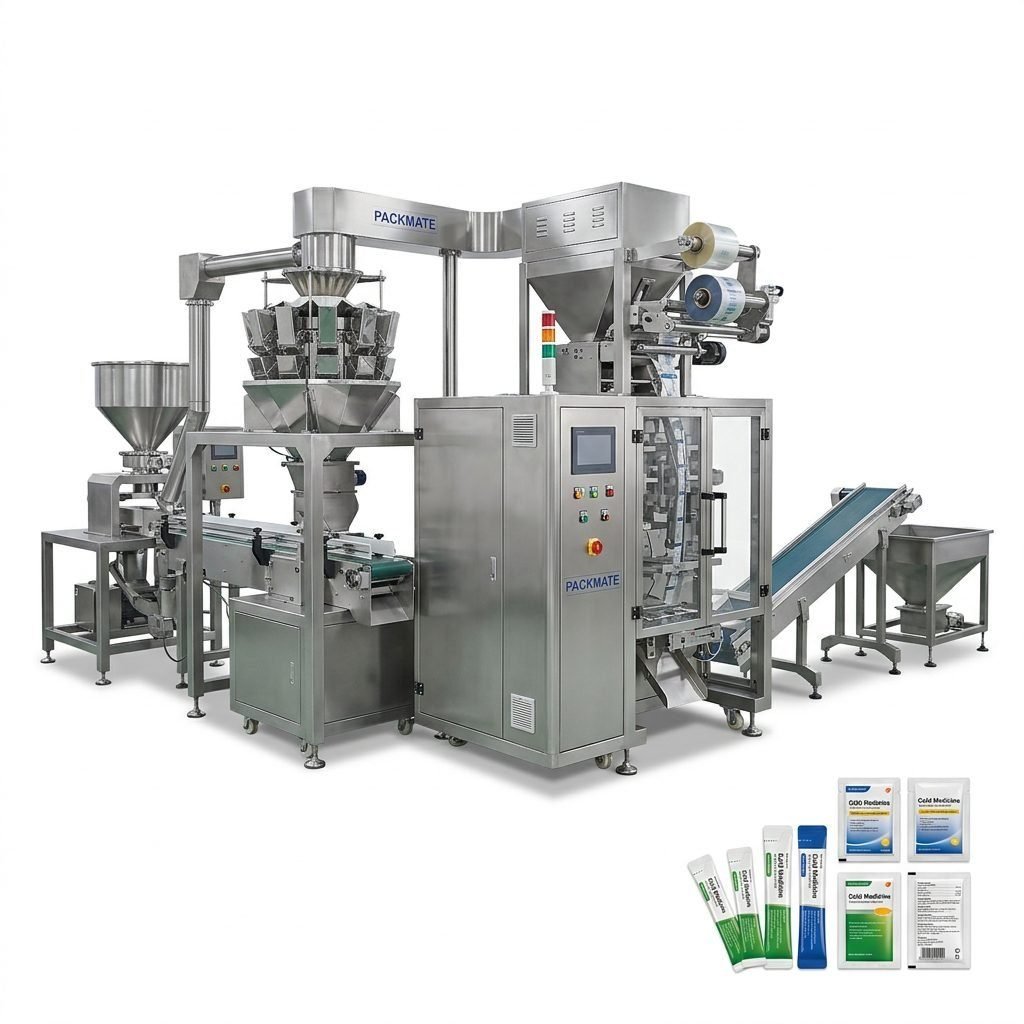
1. Bag and Pouch Packaging Machines
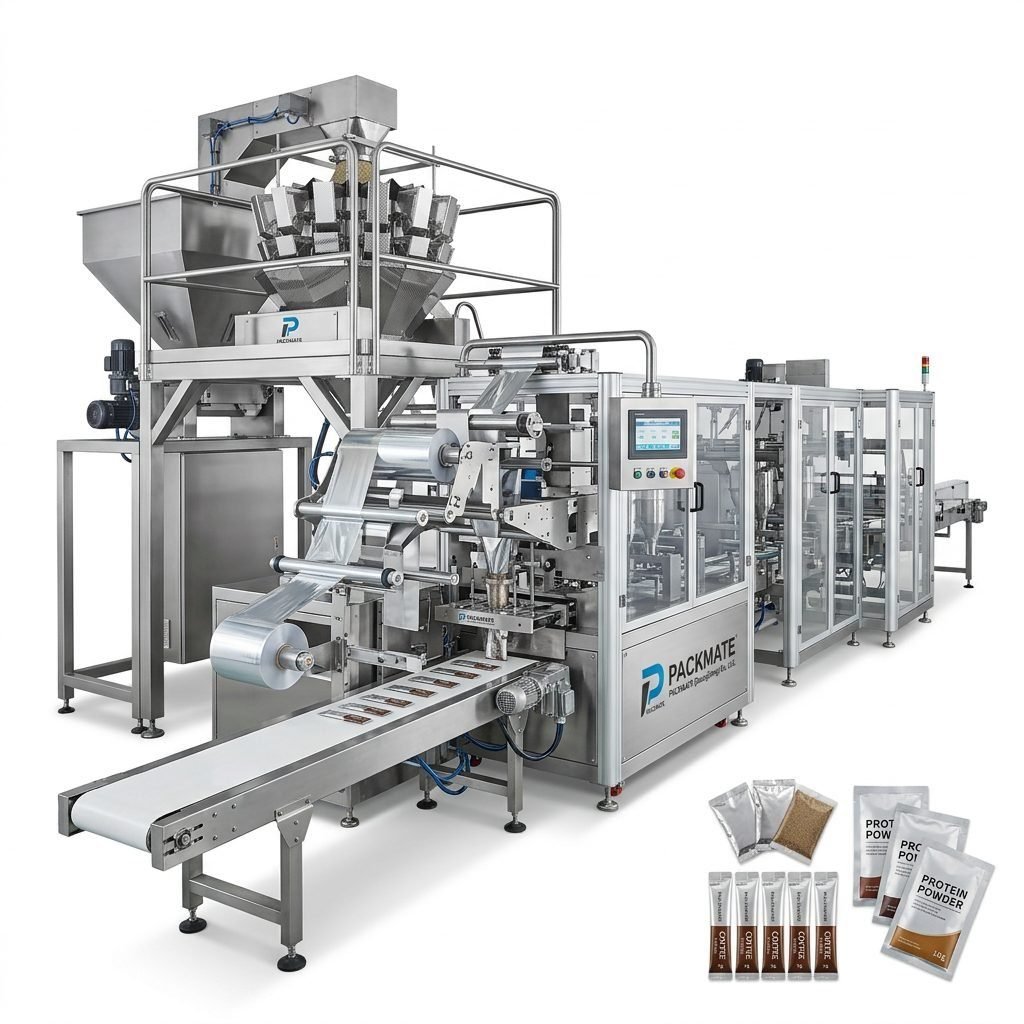
These systems are versatile workhorses for packaging free-flowing and semi-free-flowing materials. They typically involve form-fill-seal (FFS) technology, where the bag is formed from a roll of film, filled with the product, and then sealed—all in one continuous operation. They are ideal for products like industrial salts, powdered additives, and certain granular compounds. For a comprehensive look at these solutions, explore our range of Bag & Pouch Packaging Machines.
Key Advantage: This method offers excellent barrier properties against moisture and contaminants, which is crucial for hygroscopic or sensitive chemicals. The automation significantly reduces labor costs and increases output consistency.
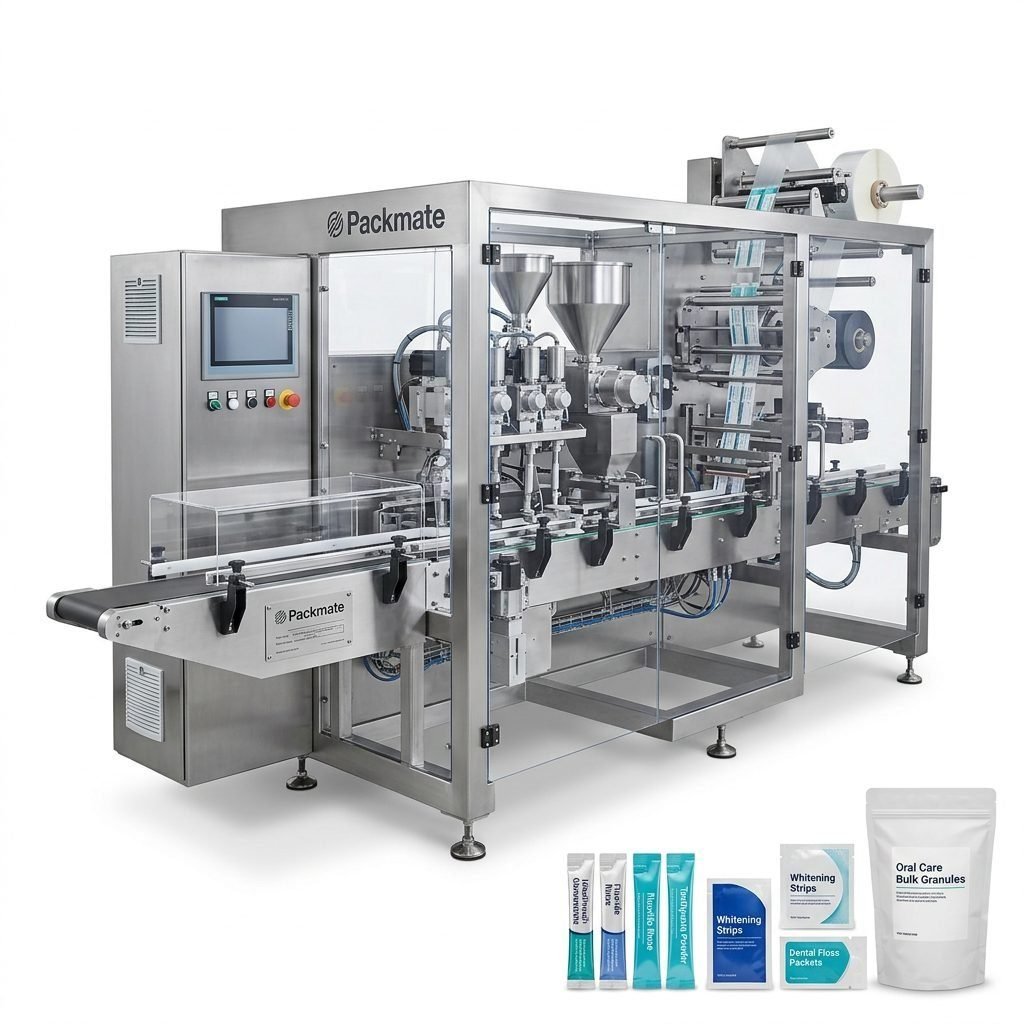
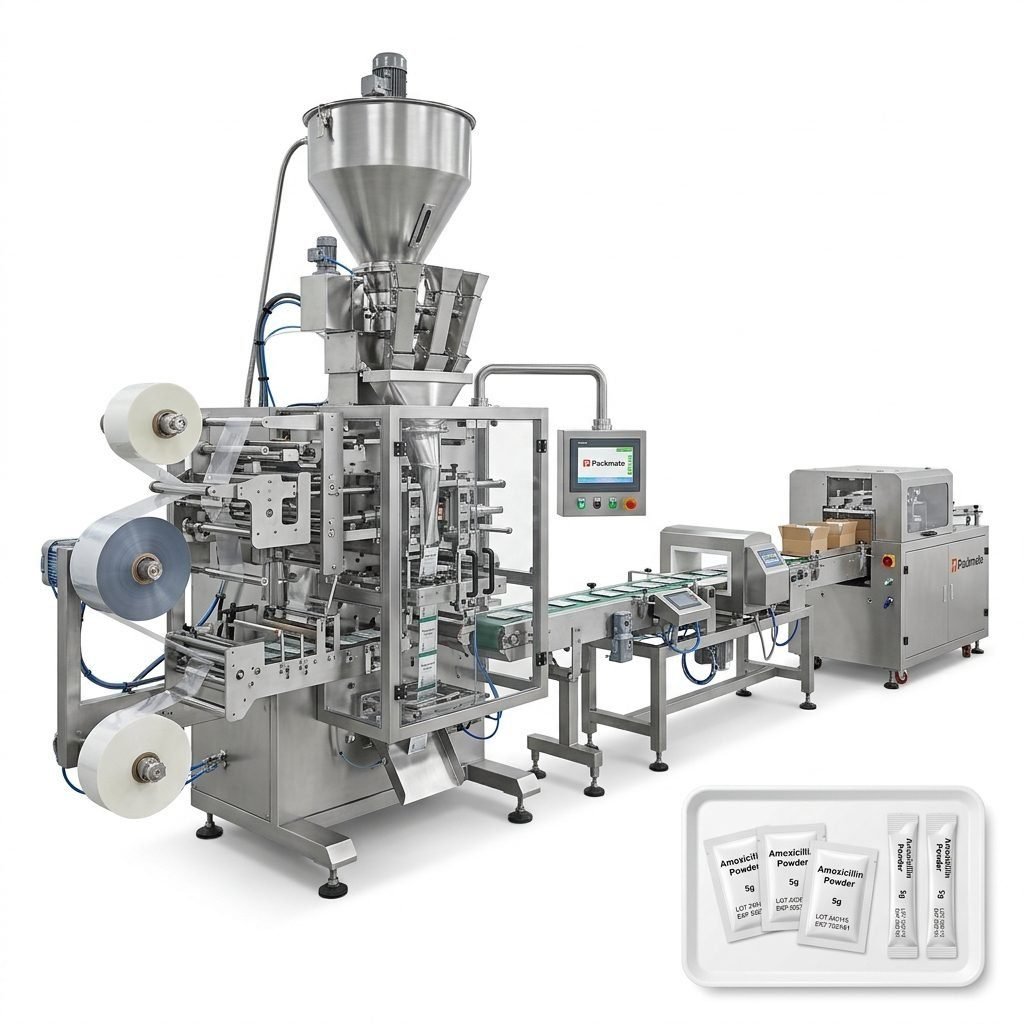
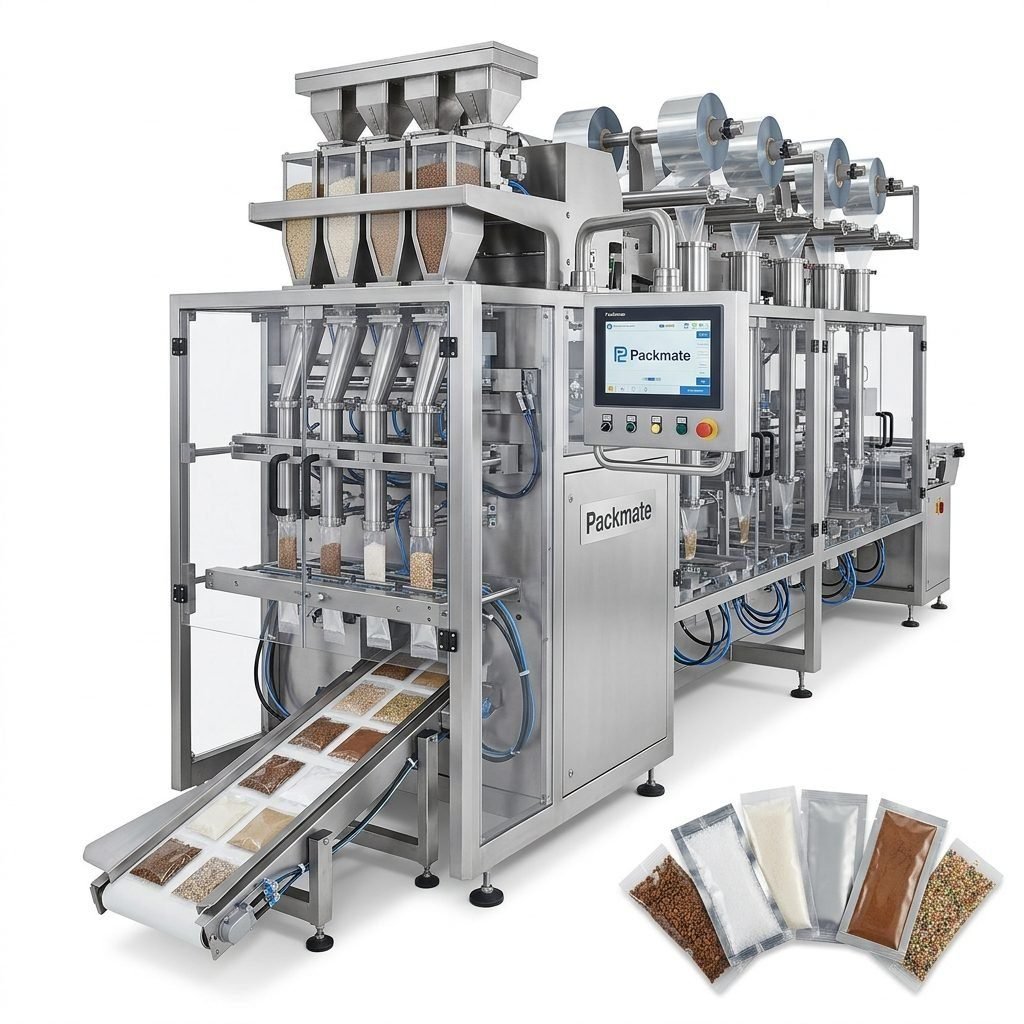
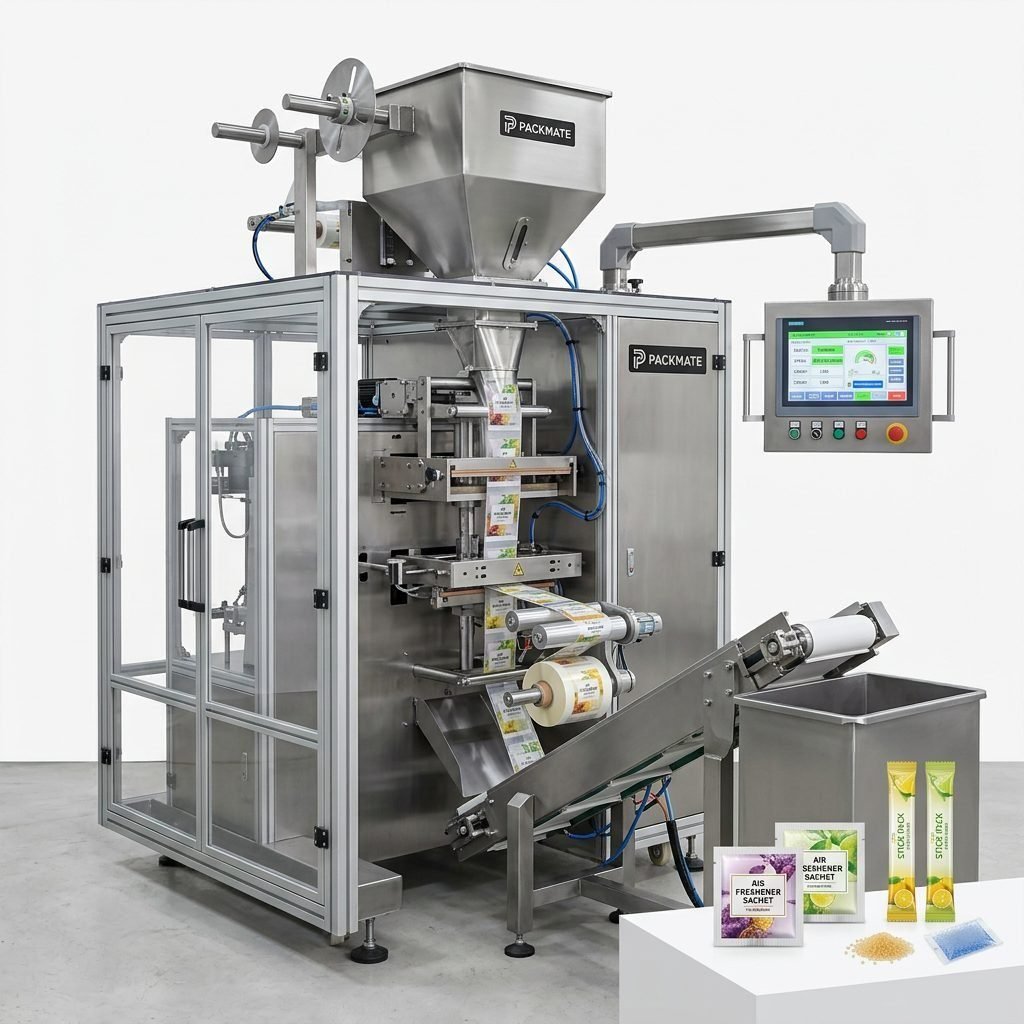
2. Sachet and Stick Pack Machines
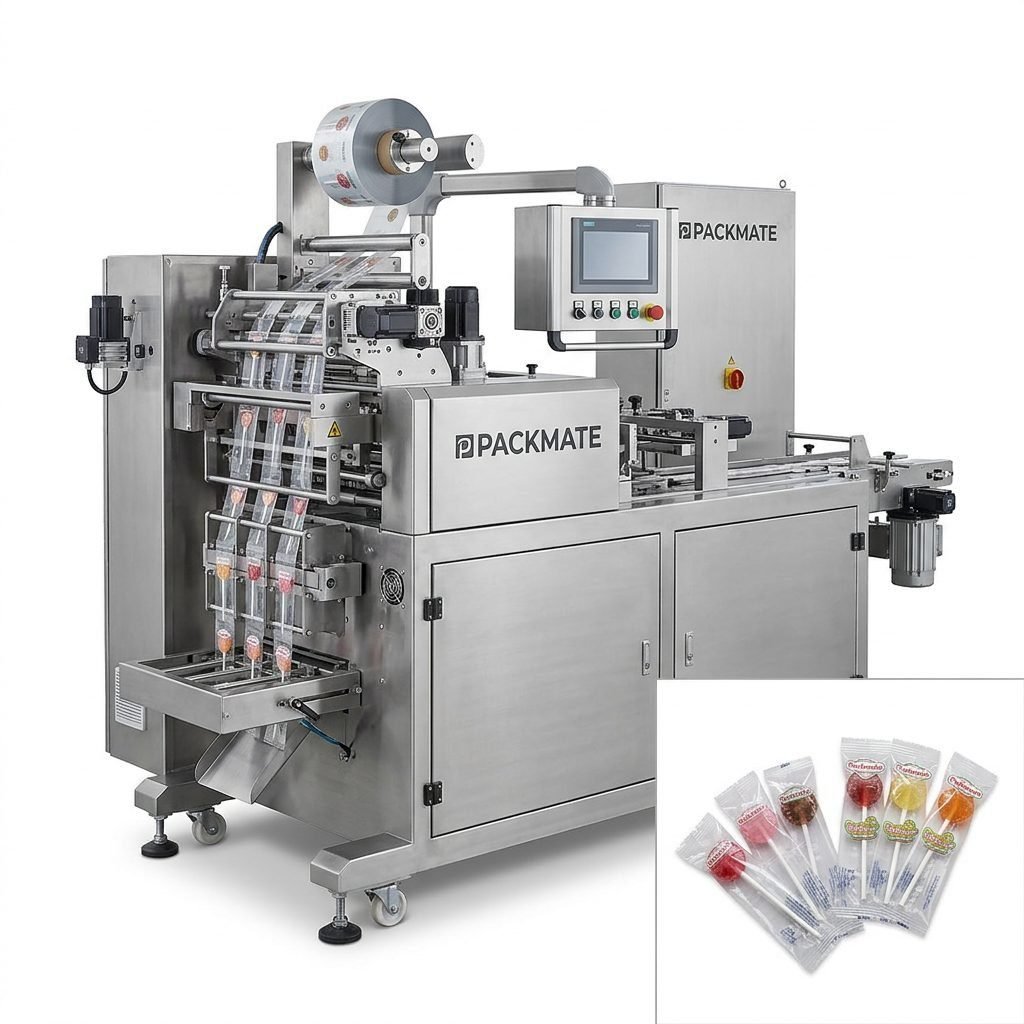
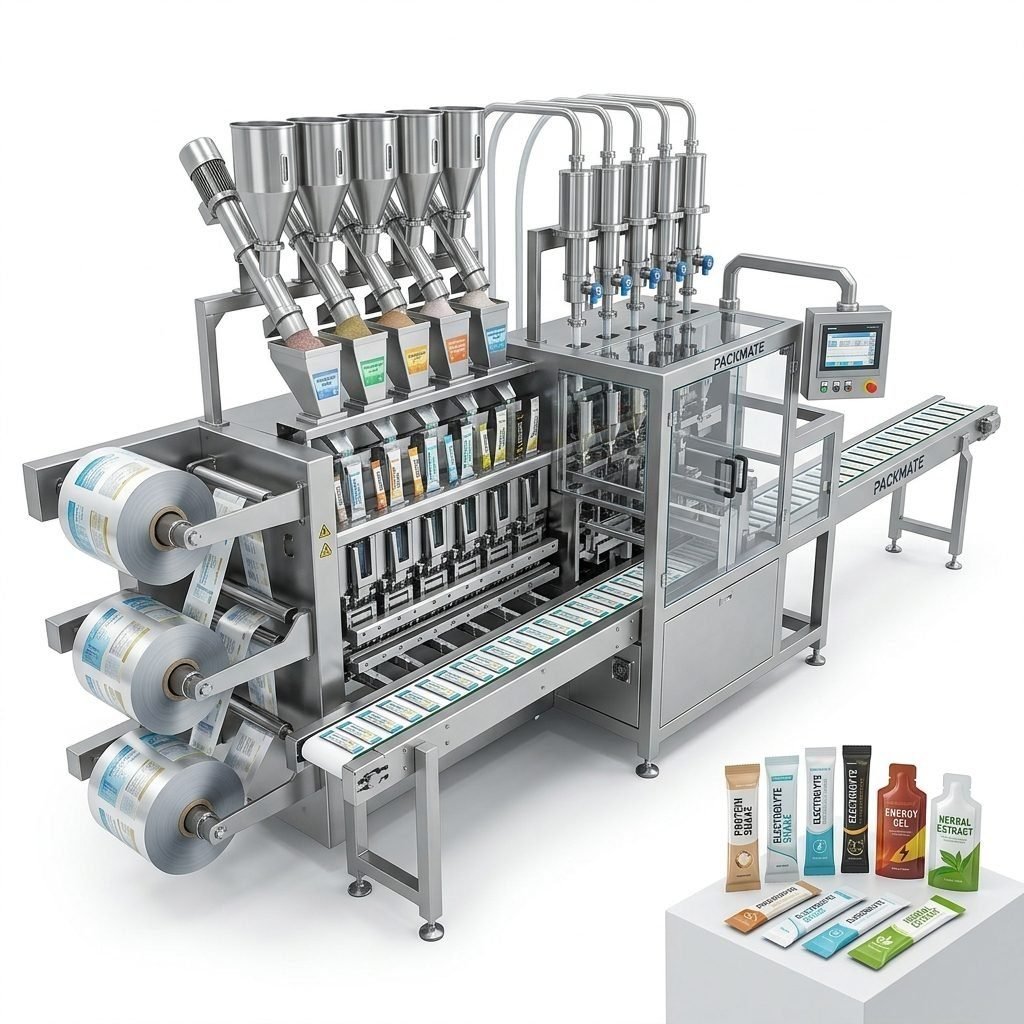
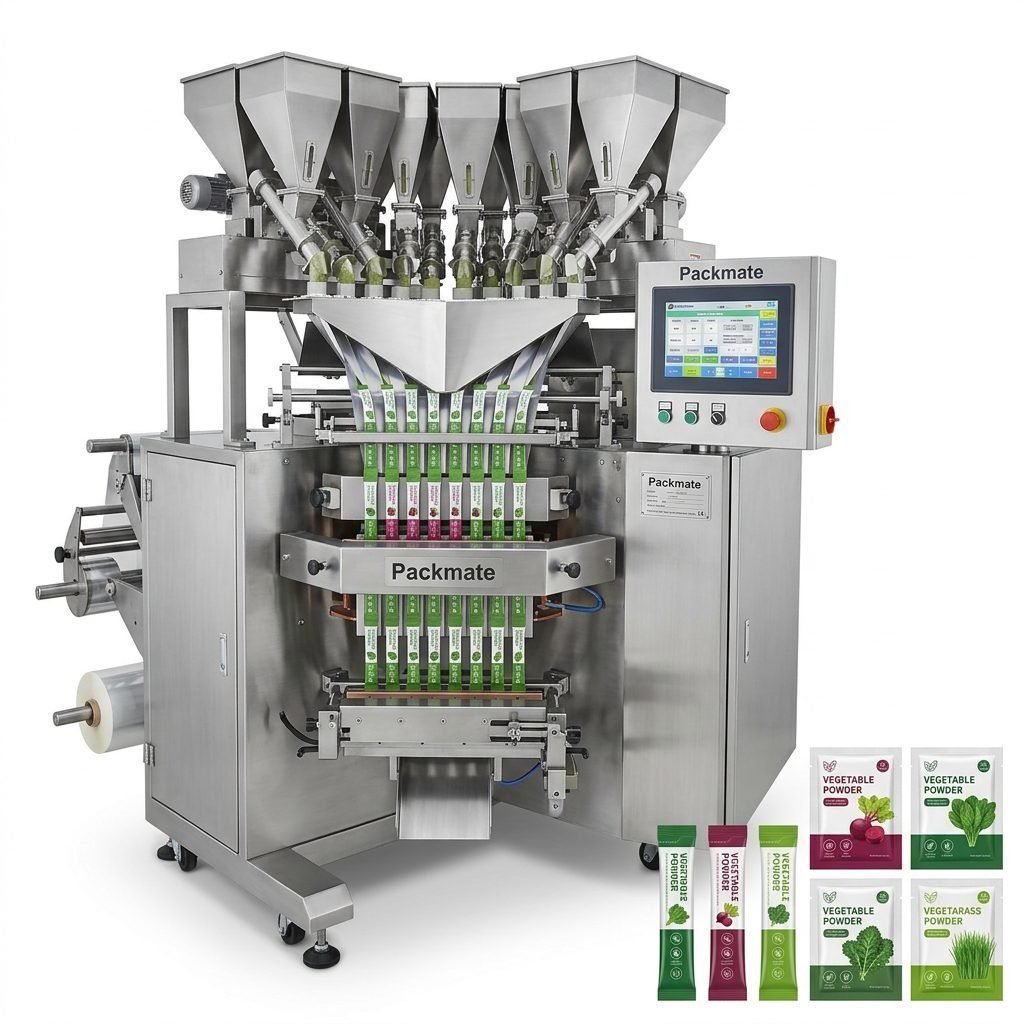
Perfect for single-dose or small-quantity packaging, these machines produce small, sealed packets. They are extensively used for chemical samples, water treatment powders, or industrial cleaning agents where precise, portable portions are required. The machinery can be configured for multi-lane operations, dramatically boosting production speeds for high-volume needs. Discover our specialized Sachet & Stick Pack Machines designed for accuracy and speed.
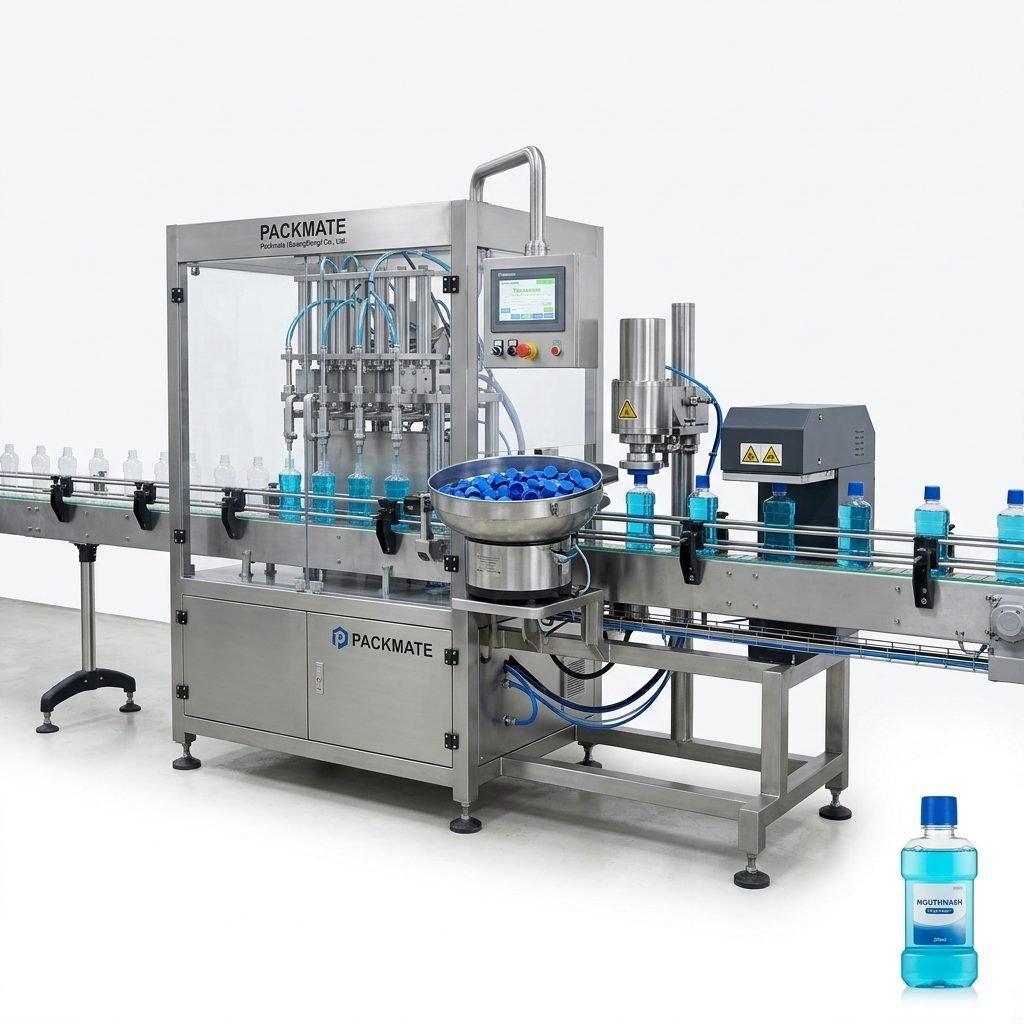
3. Liquid Filling and Packaging Lines
For chemicals in liquid form, such as solvents, lubricants, adhesives, or cleaning solutions, dedicated liquid filling systems are essential. These lines integrate filling heads (using piston, gravity, or volumetric principles), capping, sealing, and labeling. They are engineered to handle a wide range of viscosities and often incorporate features for handling volatile or corrosive substances safely.
4. Weighing and Dosing Systems
Accuracy in chemical dispensing is non-negotiable, both for product quality and cost management. Modern weighing systems use advanced load cells and software to achieve precise net-weight filling. They are often integrated with bagging or pouching machines to ensure every package contains the exact specified amount, complying with stringent trade regulations.
The Tangible Benefits of Automated Chemical Packaging
Investing in specialized packaging automation delivers a strong return on investment across multiple facets of your operation.
Enhanced Safety and Containment
Automated systems minimize direct human contact with potentially hazardous chemicals, reducing the risk of exposure, spills, and contamination. Closed-system designs further protect both the operator and the product.
Superior Consistency and Quality
Machines eliminate the variability inherent in manual packaging. Every package has identical fill weight, seal integrity, and appearance, which reinforces brand reliability and reduces customer complaints.
Significant Operational Efficiency
Automation speeds up the packaging line exponentially. What might take a team of workers hours can be accomplished by a single machine in minutes, freeing up personnel for higher-value tasks and allowing for scalable production.
Reduced Material Waste
Precision dosing and cutting mechanisms ensure optimal use of packaging films and raw chemical products. This precision directly translates to lower material costs and a more sustainable operation.
How to Choose the Right Machine: A Strategic Framework
Selecting equipment is a significant capital decision. Follow this framework to align your choice with both current and future business needs.
Step 1: Analyze Your Product Characteristics
This is the foundational step. Define the product’s physical state (powder, granule, liquid), its flowability, abrasiveness, corrosiveness, and any special handling requirements (e.g., nitrogen flushing for oxygen-sensitive materials). The machine must be constructed from materials compatible with your chemical to prevent degradation or contamination.
Step 2: Define Your Output Requirements
Calculate your required production speed in packages per minute or hour. Consider not only your current volume but also projected growth. A machine that operates at 80% of its capacity is more sustainable than one constantly running at 100%, which can lead to increased wear and downtime.
Step 3: Evaluate Integration and Flexibility
Will the machine function as a standalone unit or integrate into an existing production line? Consider its footprint, utility requirements (power, air, data), and compatibility with upstream and downstream equipment like mixers or palletizers. Flexibility for quick changeovers between different package sizes or products is a valuable feature for manufacturers with diverse SKUs.
Pro Tip: Partner with a manufacturer that offers complete Filling & Packaging Lines. This ensures seamless integration of all components, from feeding and filling to sealing and coding, provided by a single source, simplifying procurement, installation, and after-sales service.
Step 4: Prioritize Build Quality and Supplier Support
The robustness of the machine determines its lifespan and total cost of ownership. Look for manufacturers with a proven track record, like Packmate Machinery, which brings over 30 years of expertise in building reliable equipment. Evaluate the availability of spare parts, technical documentation, training, and responsive customer service. A reliable partner is as crucial as the machine itself.
Step 5: Consider Total Cost of Ownership (TCO)
Look beyond the initial purchase price. Factor in installation costs, energy consumption, maintenance schedules, expected lifespan, and potential costs for future upgrades. A slightly higher upfront investment in a more efficient, durable machine often yields lower long-term operational costs.
Frequently Asked Questions (FAQs)
1. What is the most important factor when choosing a chemical packaging machine?
The most critical factor is compatibility. The machine’s construction materials, sealing mechanism, and dosing technology must be perfectly suited to handle the specific chemical’s properties (e.g., corrosiveness, viscosity, particle size) without compromising product quality or machine integrity.
2. Can one machine handle both powder and liquid chemicals?
Generally, no. Powder and liquid filling require fundamentally different mechanisms. While some versatile packing machines might handle various granular solids, switching between powder and liquid typically requires significant, often impractical, modifications. It’s best to select a machine designed for your primary product state.
3. How do I ensure the packaging meets safety and regulatory standards?
Work with your machinery supplier to ensure the equipment can achieve the necessary seal strength and barrier properties. The packaging film you select is equally important. Reputable suppliers understand global standards and can guide you on machine settings and material specifications to ensure compliance for leak prevention, child safety, or hazardous material transport.
4. What level of automation is right for my facility?
This depends on your production volume, labor costs, and consistency requirements. Semi-automatic machines are a cost-effective entry point for lower volumes. For medium to high output, fully automatic lines with integrated weighing, filling, and sealing are essential for efficiency. For the highest volumes, consider multi-lane systems.
5. How can I minimize downtime for maintenance?
Choose machinery designed for easy access and maintenance, with readily available spare parts. Implement a proactive, scheduled maintenance plan as recommended by the manufacturer. Training your operators to perform basic cleaning, lubrication, and inspections can prevent small issues from escalating into major downtime events.