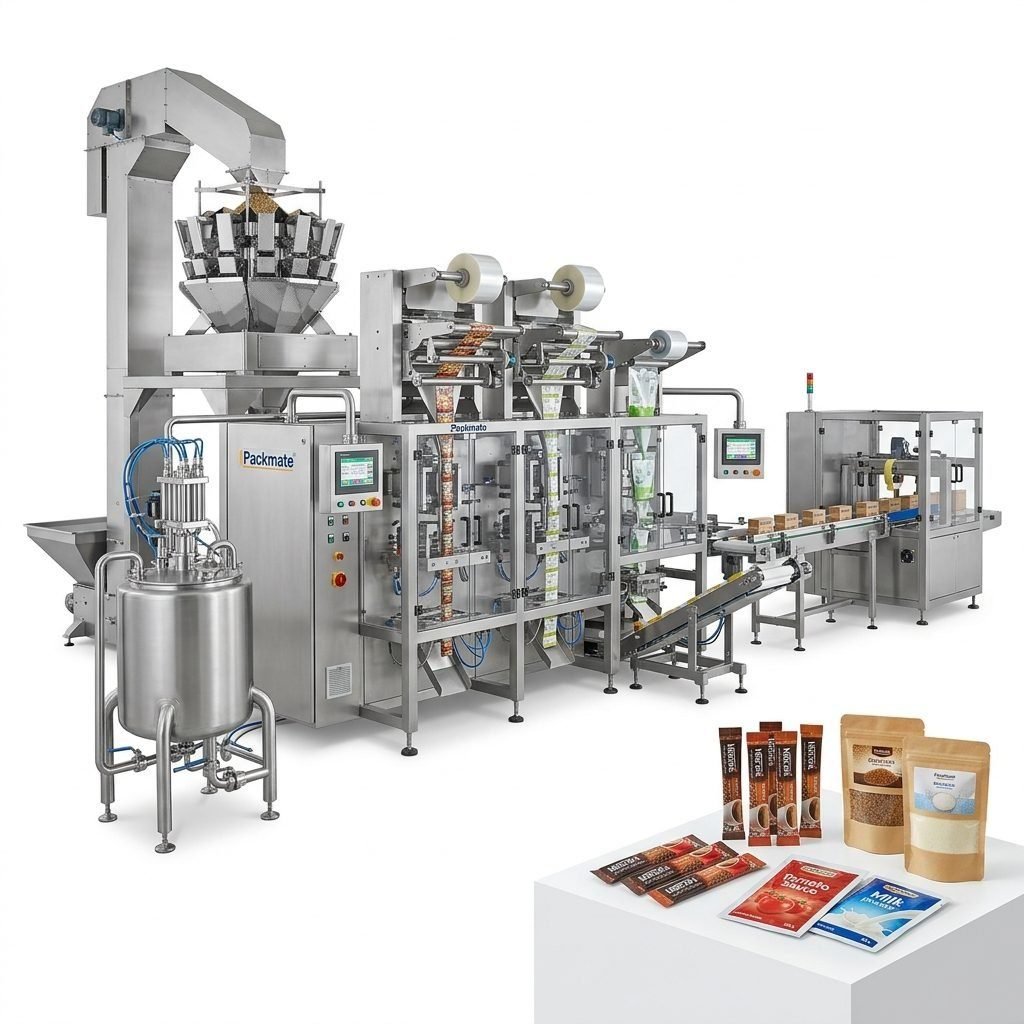
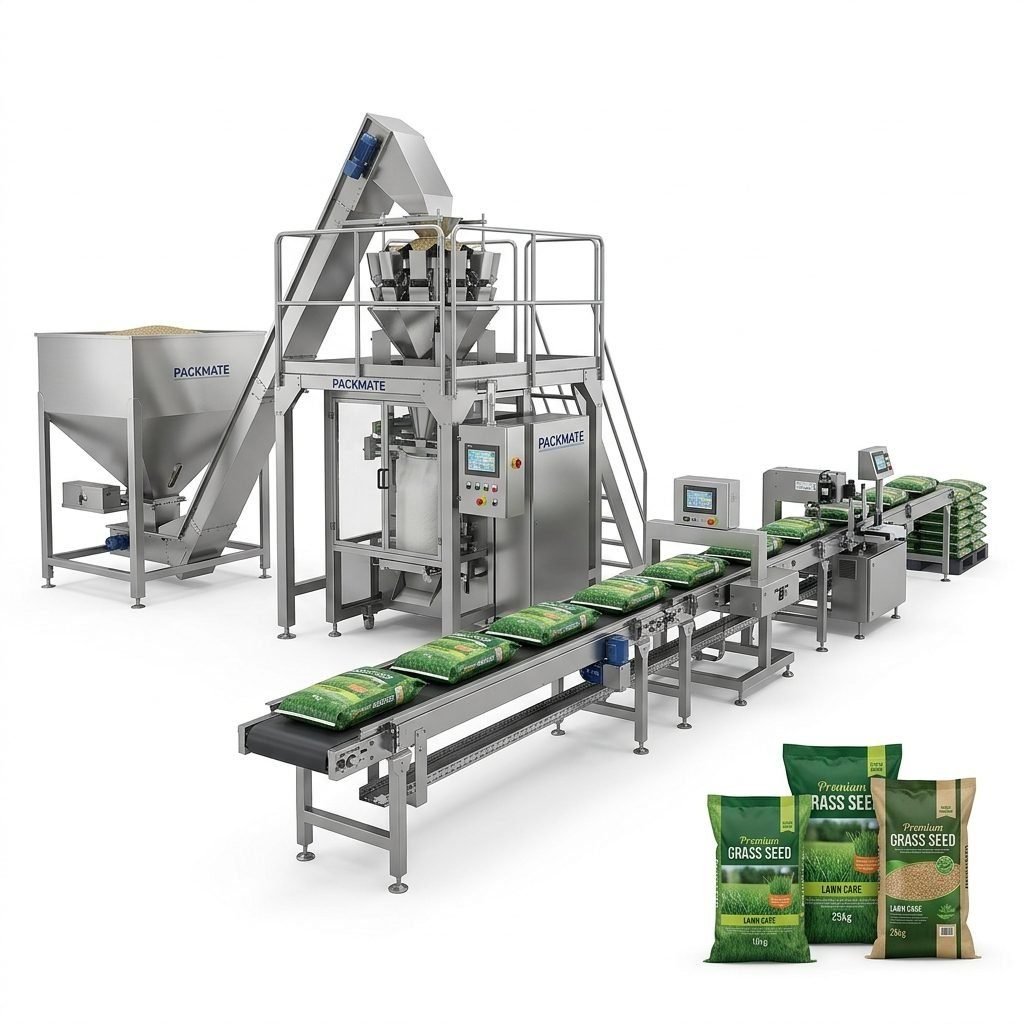
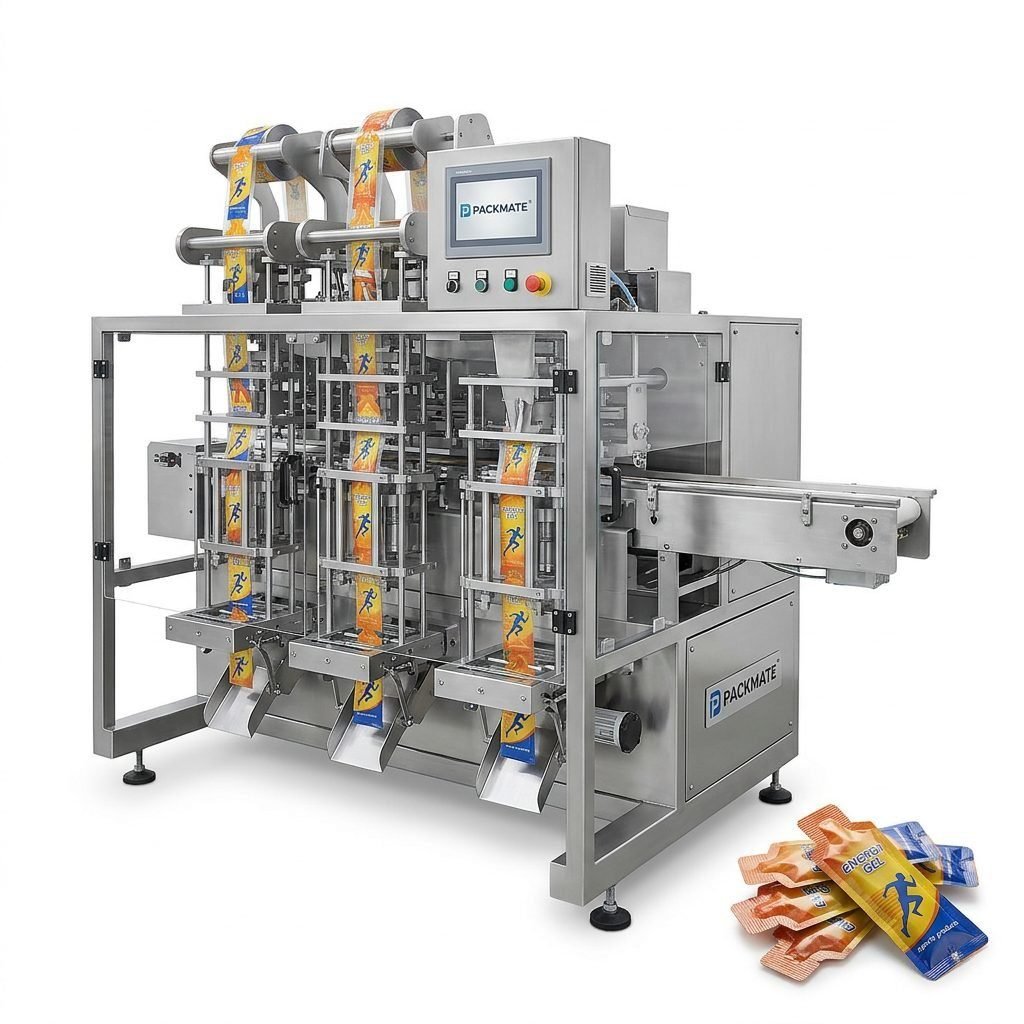
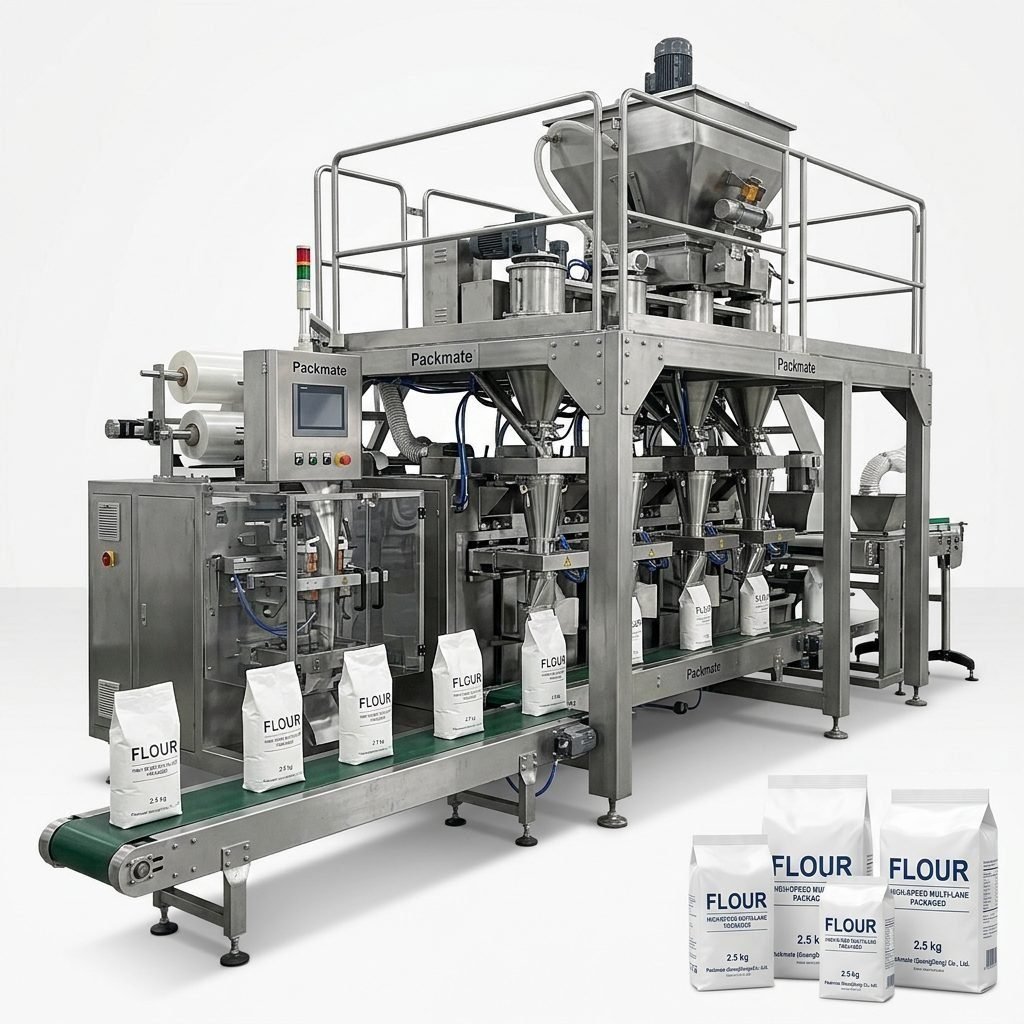
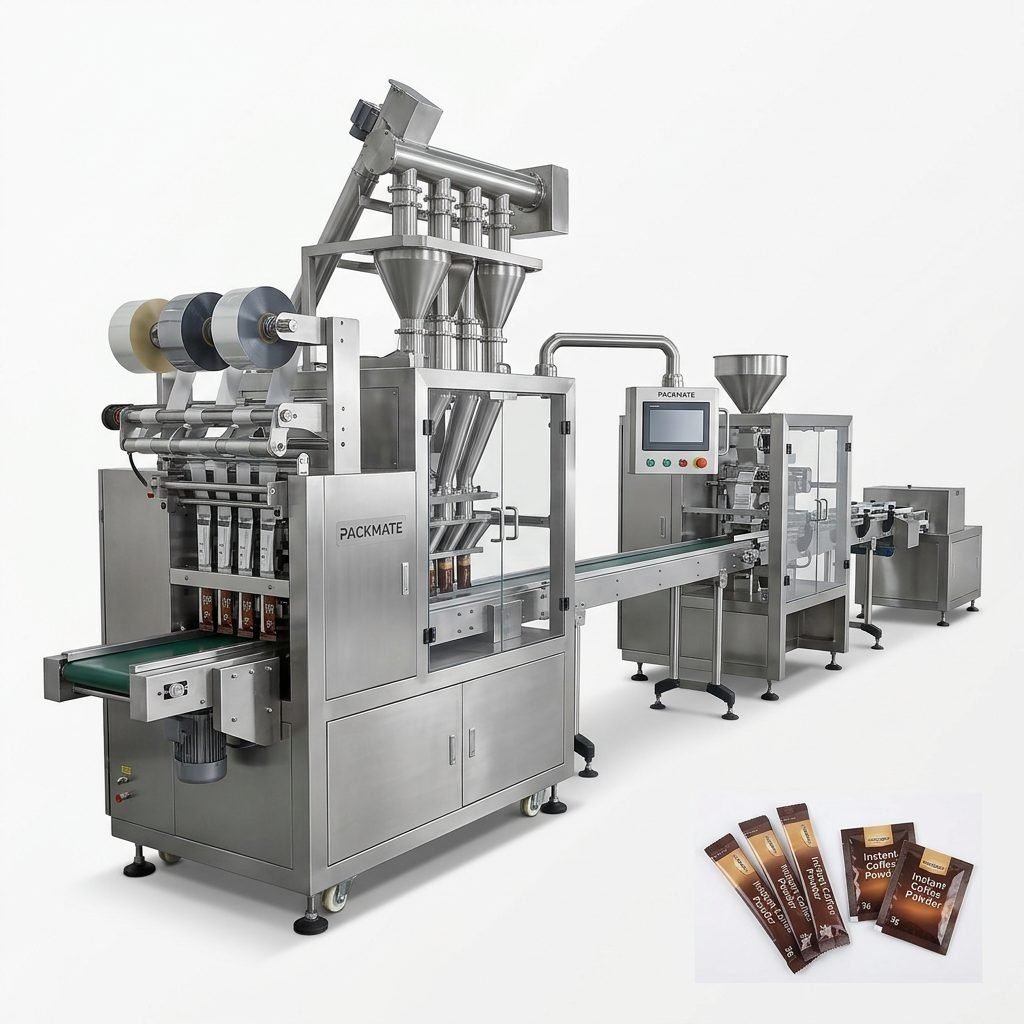
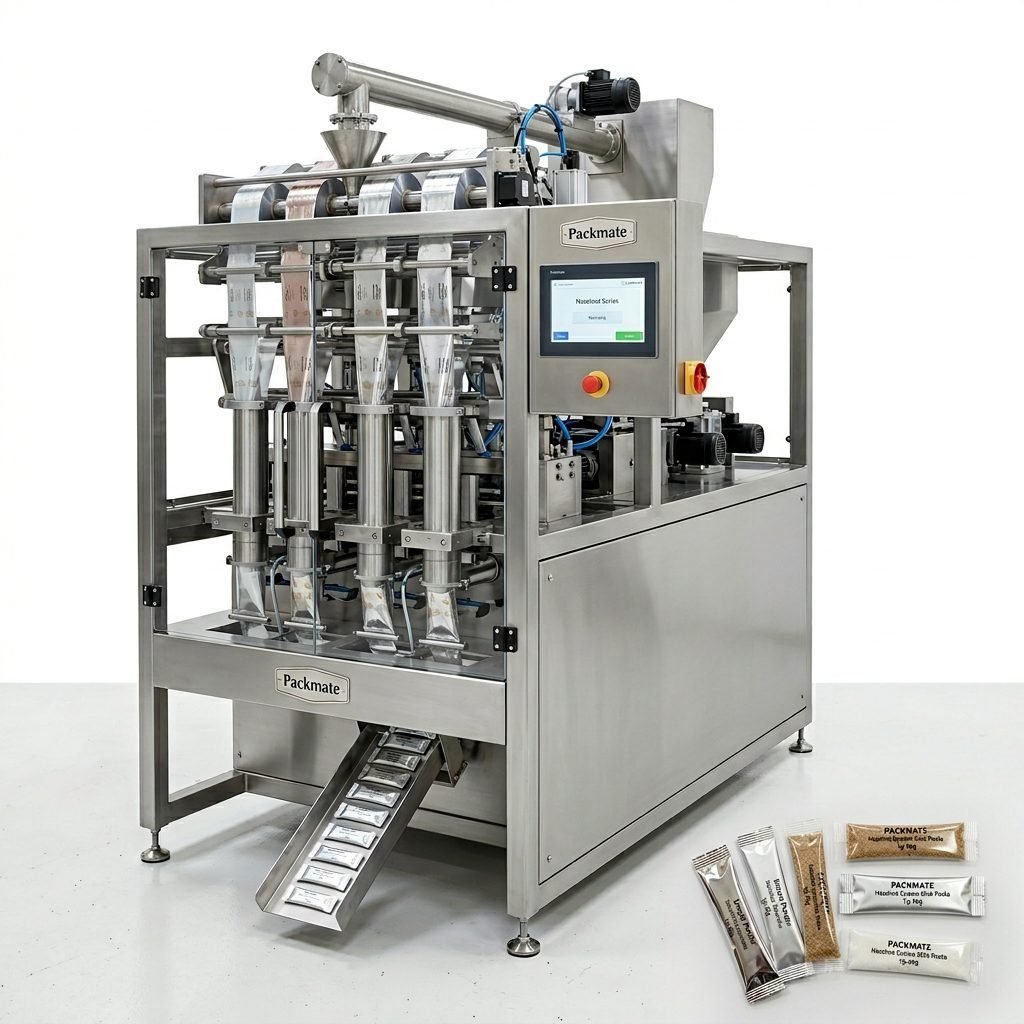
Selecting the right packaging equipment is a critical decision for any manufacturing operation. The choice directly impacts production efficiency, product quality, operational costs, and ultimately, your bottom line. With a vast array of machine types and configurations available, navigating the selection process can be complex. This guide provides a comprehensive overview of primary packaging equipment types and offers actionable tips to help you make an informed investment that aligns with your specific production goals and product characteristics.
Core Categories of Packaging Machinery
The world of packaging equipment is diverse, but machines generally fall into several core functional categories based on their role in the packaging line.
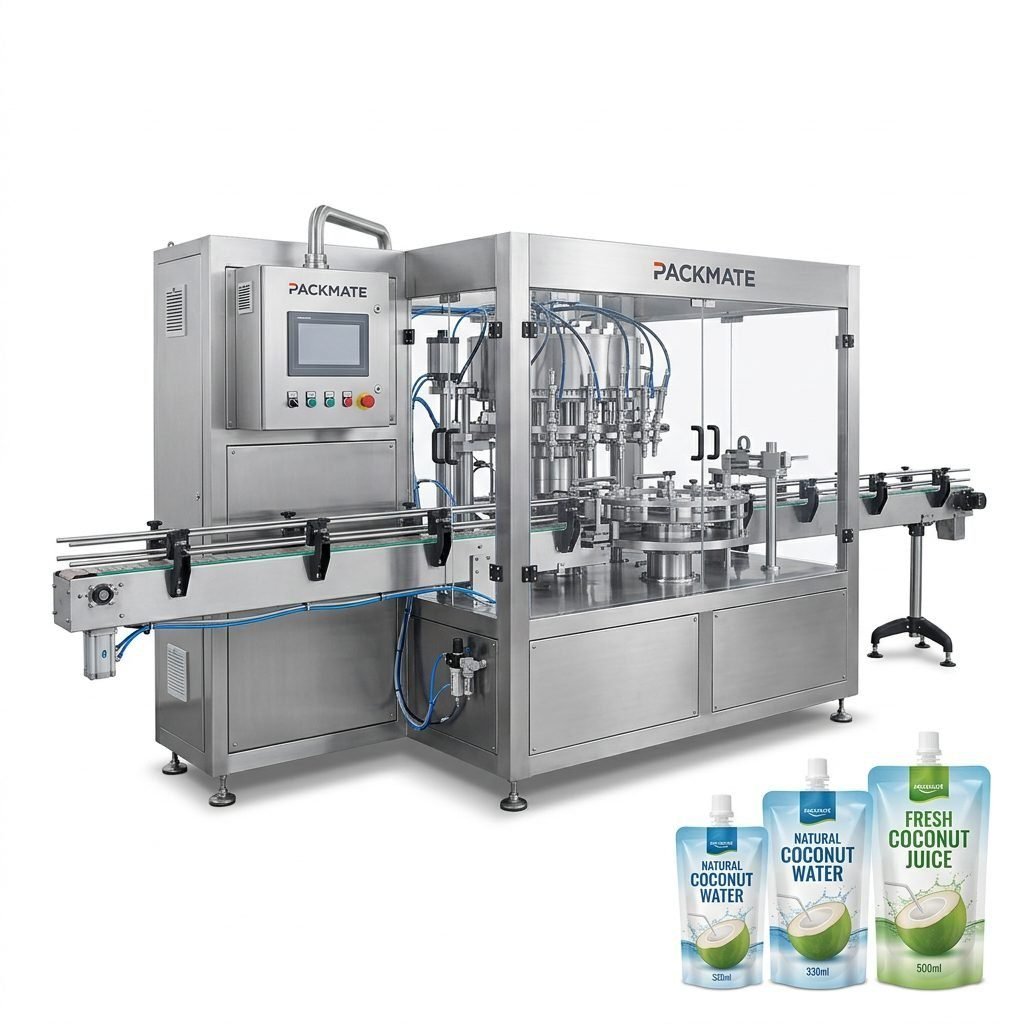
Filling Machines
These are responsible for accurately dispensing your product into its container—be it a pouch, stick pack, bottle, or can. Accuracy is paramount to ensure consistent product weight and comply with regulatory standards.
Key Consideration: The choice of filler depends heavily on product form. For granules and powders, auger or weigh fillers offer precision. For liquids, pumps or volumetric fillers are standard. Viscous products may require piston fillers. Always match the machine technology to your product’s physical properties.
Form-Fill-Seal (FFS) Machines
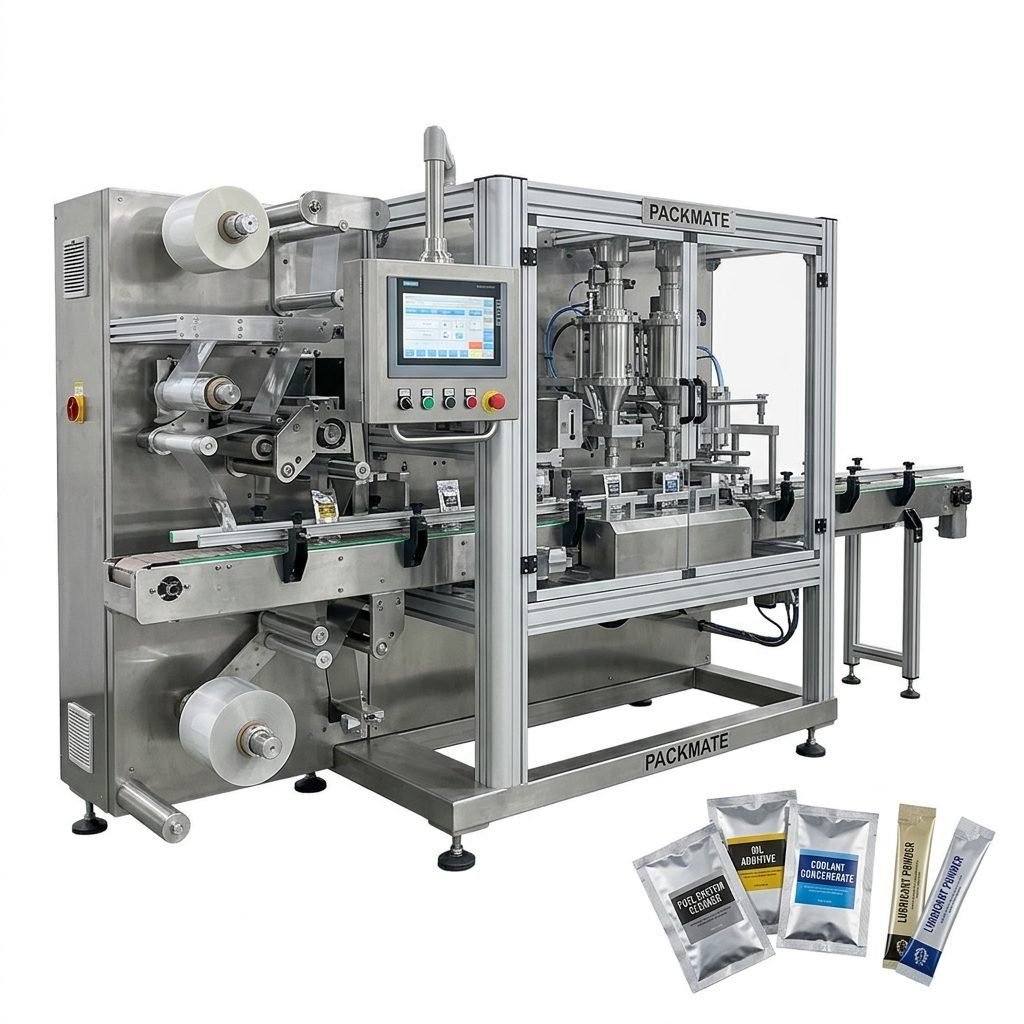
FFS machines are highly integrated systems that form the package from a roll of film, fill it with product, and seal it—all in one continuous operation. They are incredibly efficient for producing pouches, sachets, and stick packs.
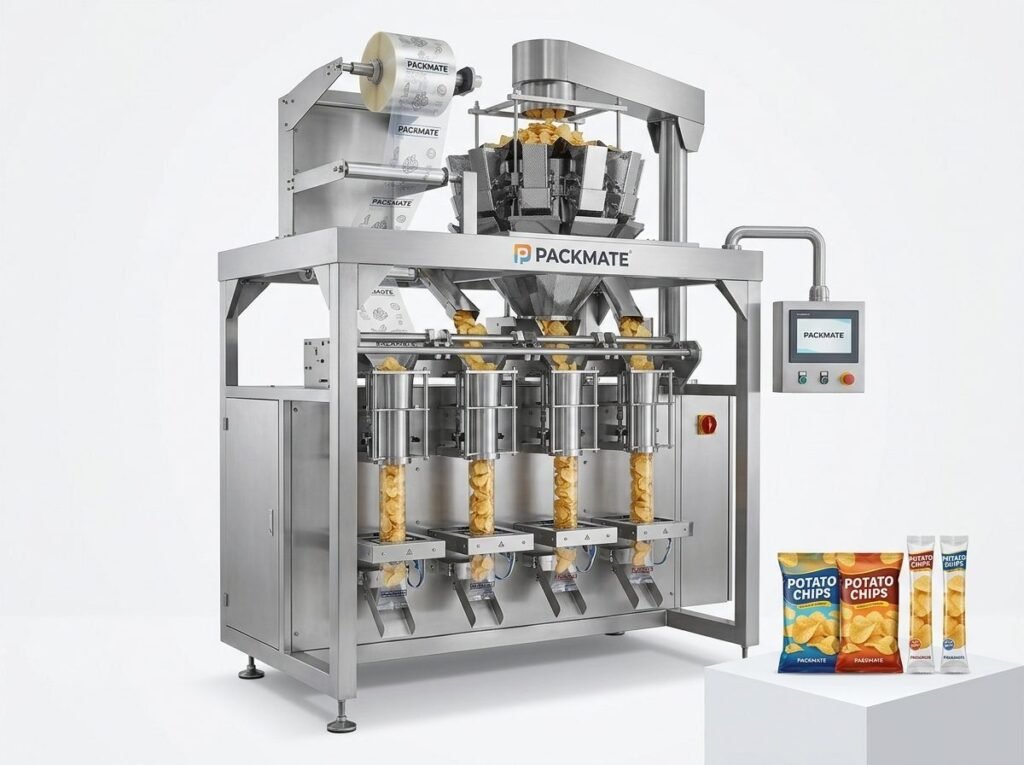
Common types include vertical form-fill-seal (VFFS) for bags and horizontal form-fill-seal (HFFS) for more complex pouch shapes. These machines are ideal for high-speed production of single-serve items in food, pharmaceutical sachets, and other consumer goods.
Sealing and Closing Equipment
Once a container is filled, it must be securely closed. This category includes induction sealers for tamper-evidence on bottles, heat sealers for pouches, cappers for bottles and jars, and labelers that apply both informational and security seals.
Labeling and Coding Systems
These machines apply product identification, branding, nutritional information, batch codes, and expiration dates. Options range from simple sticker applicators to advanced inkjet or laser coders that print directly onto the packaging material.
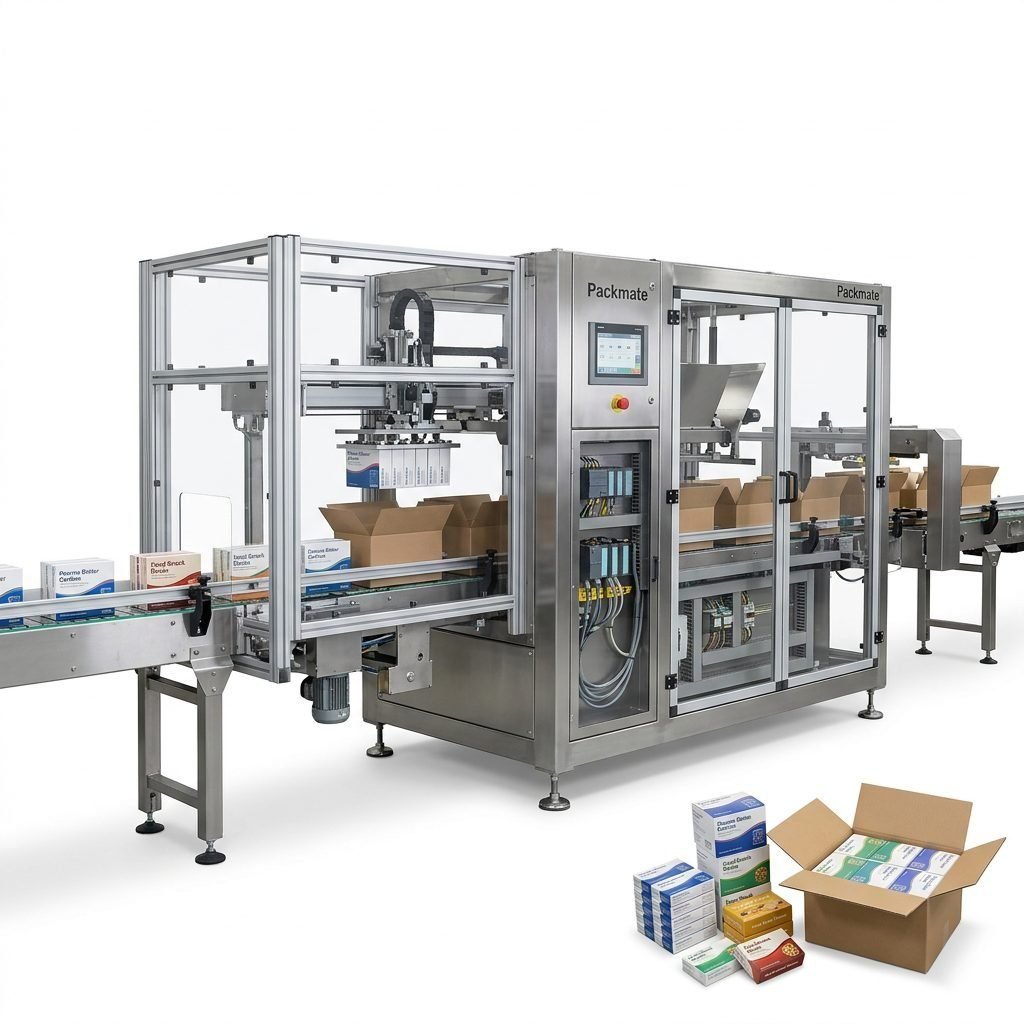
Cartoning and Case Packing
This is the secondary packaging stage. Cartoners erect, load, and close cartons containing multiple primary packages. Case packers then group these cartons or primary packages into shipping cases or trays, ready for palletizing.
Specialized Equipment for Specific Needs
Beyond the core categories, specialized machines address niche requirements, enhancing functionality and product appeal.
Multi-Lane Packaging Machines
Designed for ultra-high output, these machines run multiple packaging lanes in parallel. For example, a multi-lane stick pack machine can produce dozens of individual sticks simultaneously, dramatically increasing throughput for products like instant coffee, sugar, or pharmaceutical powders. Manufacturers like Packmate Machinery have developed expertise in such high-efficiency systems.
Aseptic and Clean Room Packaging Systems
Essential for the pharmaceutical, medical, and certain high-care food sectors, these systems operate in sterile or controlled environments to prevent contamination. They incorporate specialized barriers, air filtration, and sterilization processes.
Weighing and Combination Scales
Critical for ensuring weight accuracy, these systems use multiple hoppers and computer controls to combine small weighments to achieve a precise target weight rapidly. They are the heart of many weighing and packaging lines for snacks, nuts, and frozen vegetables.
Strategic Selection Tips for Your Business
Choosing equipment is not just about the machine specs; it’s about finding the right partner for your production ecosystem.
1. Define Your Product and Packaging Parameters
Start with absolute clarity on what you are packaging. Document the product’s form (powder, granule, liquid, solid), its characteristics (abrasive, oily, hygroscopic), and its required shelf life. Simultaneously, finalize your package type, material, and dimensions. This information is the non-negotiable foundation for all subsequent decisions.
2. Assess Your Production Volume and Speed Requirements
Be realistic about your current and projected output. A machine that is too slow creates bottlenecks, while an overly fast, complex machine represents a capital underutilization. Calculate your required cycles per minute (CPM) or packs per hour (PPH) to establish a target speed range.
3. Prioritize Flexibility and Changeover Ease
Market demands change. Can the machine handle different package sizes or slightly varied products with quick changeovers? Look for machines with tool-less adjustments or quick-change parts. Flexibility future-proofs your investment and allows for product line diversification.
4. Evaluate Integration and Automation Potential
Think beyond a single machine. Consider how it will integrate with upstream (e.g., mixing) and downstream (e.g., cartoning) equipment. Seek machines with standard communication protocols (like PLC controls) that facilitate integration into a complete filling and packaging line. Automation features, like automatic film splicing or CIP (Clean-in-Place) systems, reduce downtime and labor costs.
Pro Tip on Supplier Selection: Always partner with a manufacturer with proven experience. A supplier with a long track record, like Packmate with over 22 years in the industry, brings invaluable application knowledge. Review their case studies to see machines in action for products similar to yours. Ensure they offer robust after-sales service, training, and spare parts support.
5. Analyze Total Cost of Ownership (TCO)
The purchase price is just the beginning. Calculate TCO by factoring in installation, maintenance, energy consumption, required consumables (like sealing jaws or augers), and potential downtime costs. A slightly more expensive but more reliable and efficient machine often has a lower TCO over its lifespan.
6. Consider Safety and Compliance
The equipment must comply with all relevant safety standards (e.g., CE, UL) and industry-specific regulations (e.g., FDA, GMP for food and pharma). Ensure the design includes proper guarding, emergency stops, and is made from approved materials for your product contact areas.
Conclusion and Final Checklist
Investing in packaging equipment is a strategic decision that requires balancing technical specifications with operational and business needs. By thoroughly understanding your product, honestly assessing your volume needs, prioritizing flexibility, and choosing a reputable supplier, you can select a system that drives efficiency, ensures quality, and scales with your growth. Remember, the best machine is the one that solves your specific packaging challenge reliably day in and day out.
Frequently Asked Questions (FAQs)
What is the main difference between vertical (VFFS) and horizontal (HFFS) form-fill-seal machines?
VFFS machines form bags vertically from a single roll of film, fill them, and then seal them. They are typically used for loose-fill products like snacks, grains, or powders. HFFS machines form pouches horizontally, often using multiple film webs, and are better suited for precise placement of products or creating more complex pouch shapes with features like spouts or zippers.
How do I determine the right speed/capacity machine for my startup?
Start with a realistic forecast of your daily/weekly production needs, then add a 20-30% growth buffer. It’s often wiser to start with a robust, moderately speedy machine that offers high reliability and easy changeovers rather than the absolute fastest model. You can often add speed enhancements later, but you cannot easily fix a machine that is fundamentally unreliable.
What are the key maintenance requirements for packaging equipment?
Regular maintenance is crucial. Daily tasks include cleaning and visual inspection. Weekly or monthly tasks involve lubricating moving parts, checking seals and wear parts (like augers or jaws), and verifying calibration on scales and fillers. Always follow the manufacturer’s recommended maintenance schedule and use genuine spare parts.
Can one machine handle different types of products?
Many machines offer a degree of flexibility, but there are limits. A machine designed for fine powder may struggle with large granules without modification. The key is “changeover.” Discuss your full product range with the supplier. A good machine will allow changeovers between similar products (e.g., different granule sizes) with simple adjustments, but switching from powder to liquid usually requires significant reconfiguration or a different machine.
Why is supplier reputation and after-sales service so important?
Packaging machines are complex. Even the best equipment may require calibration, part replacement, or troubleshooting. A reputable supplier provides comprehensive installation, operator training, readily available technical support, and a reliable supply of spare parts. This support minimizes costly downtime and ensures your machine operates at peak performance throughout its entire lifecycle.