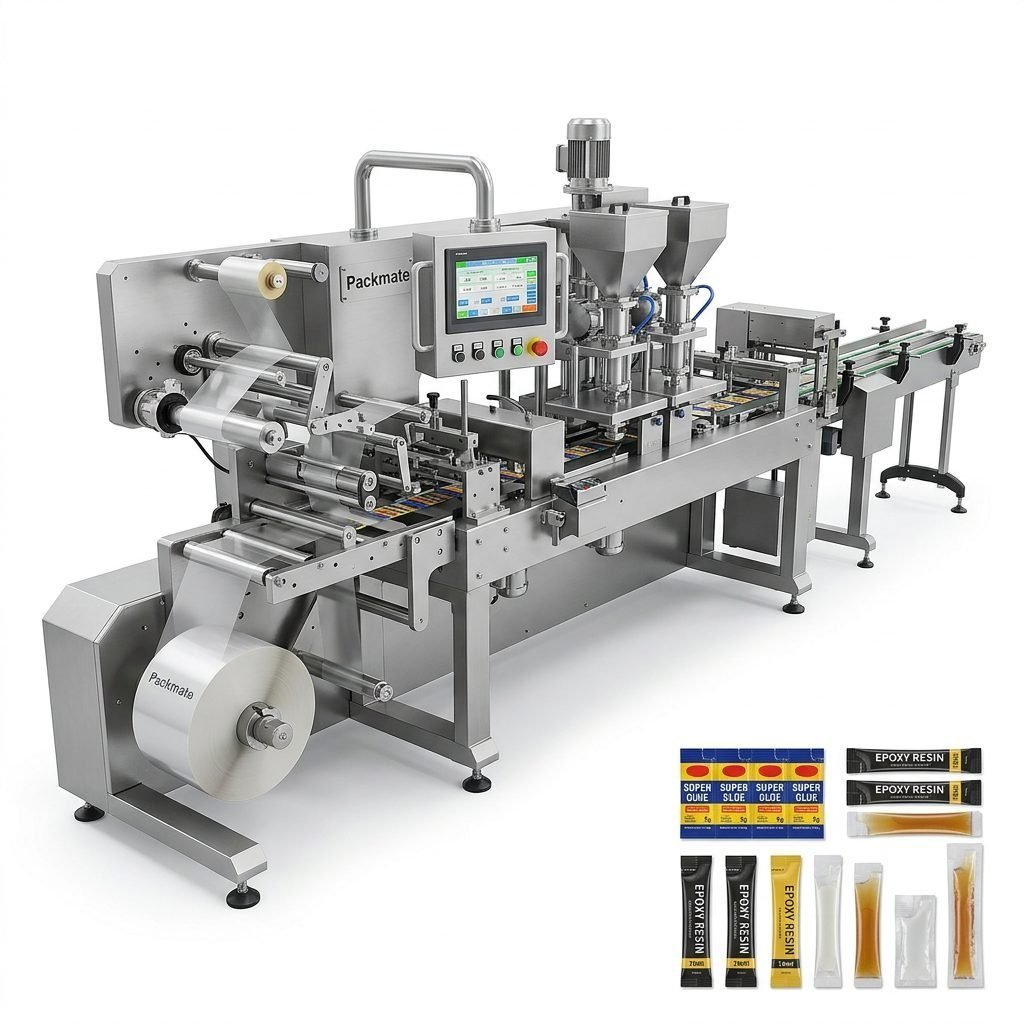
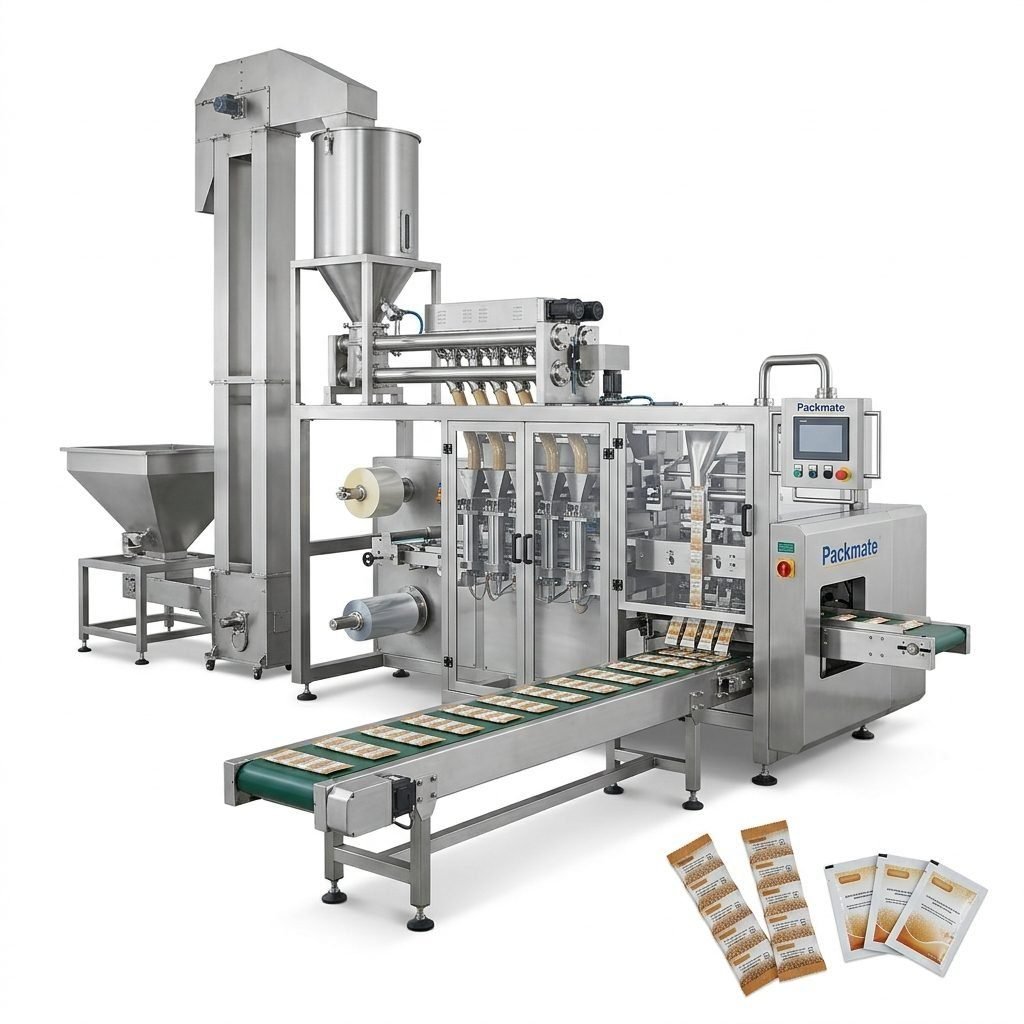
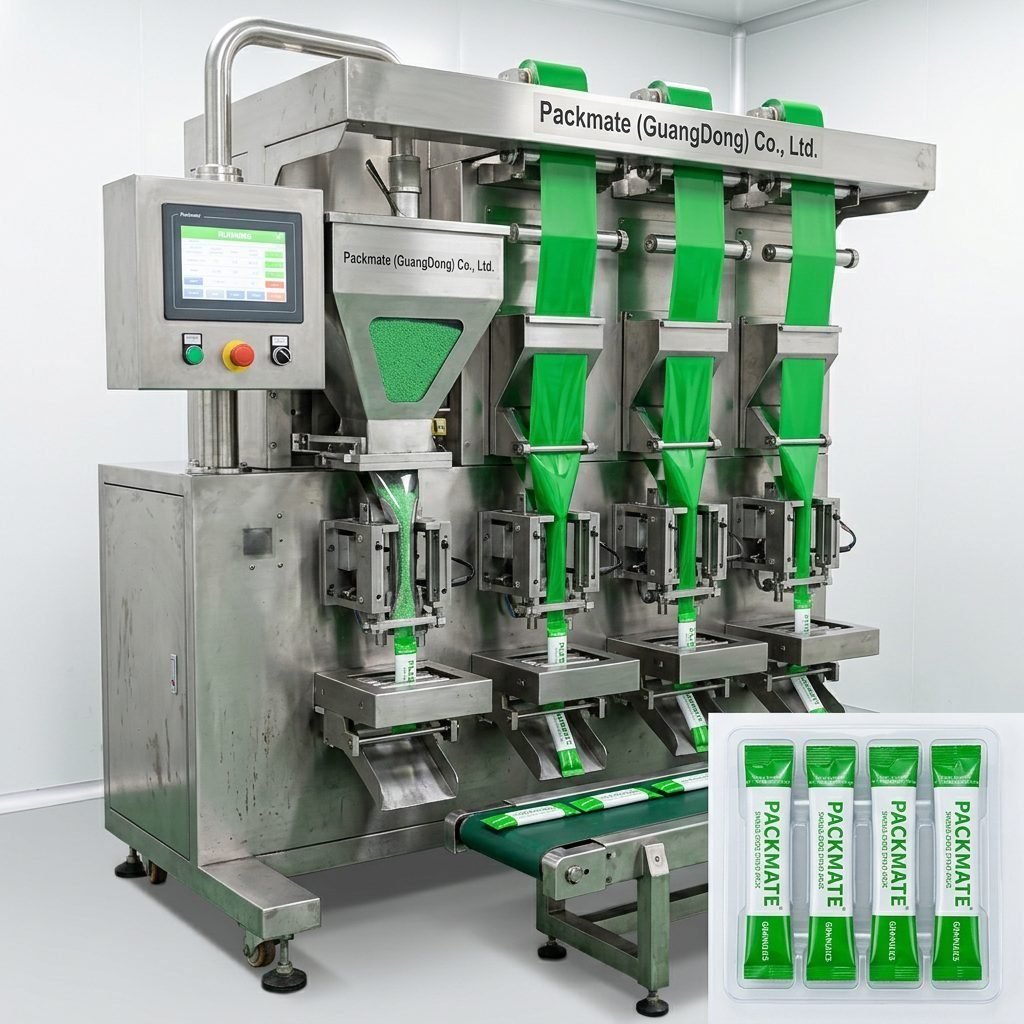
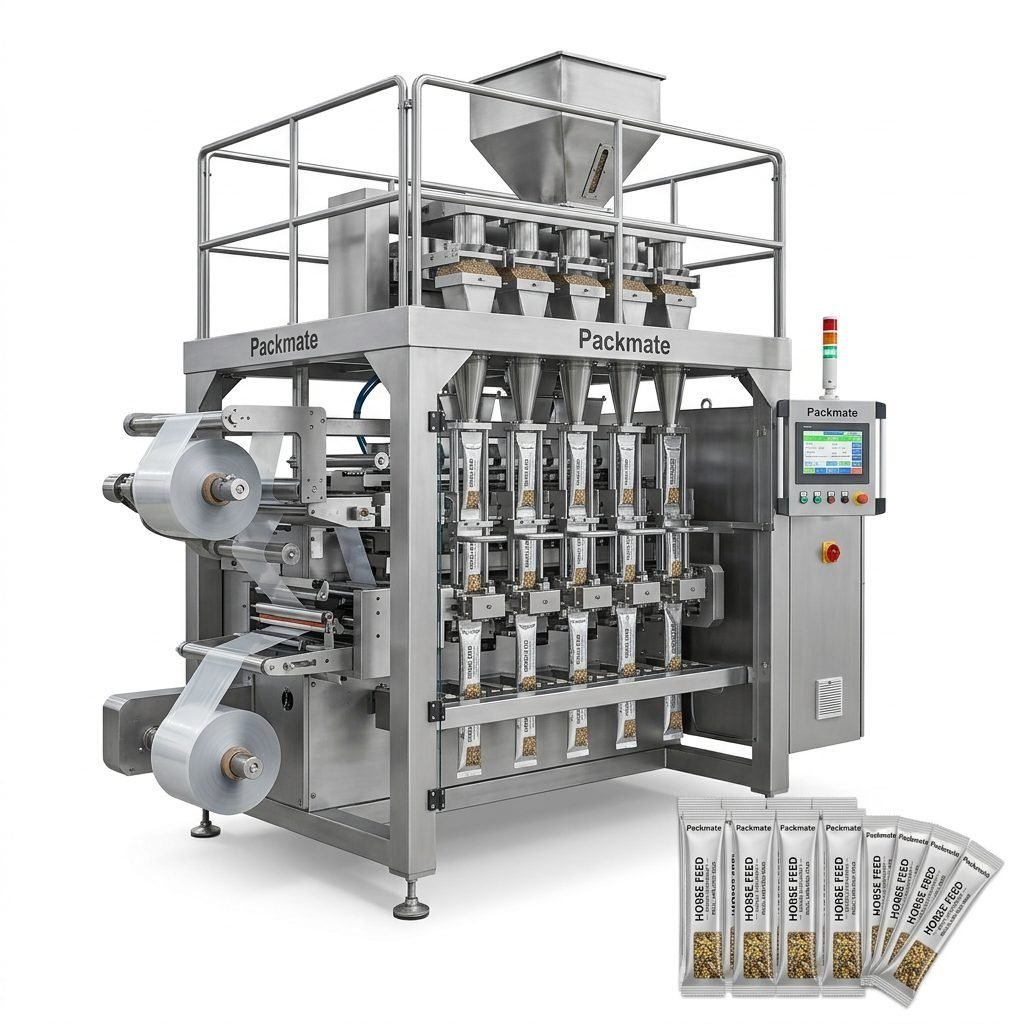
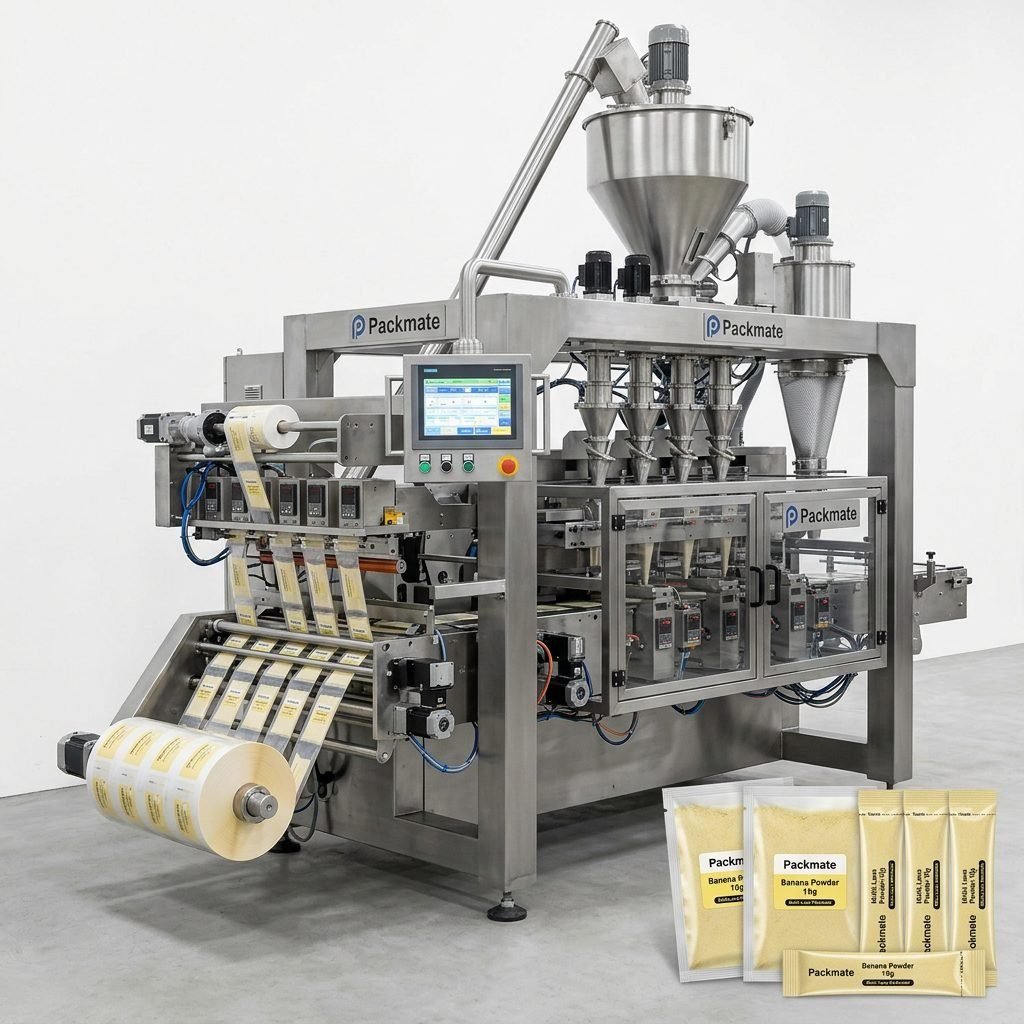
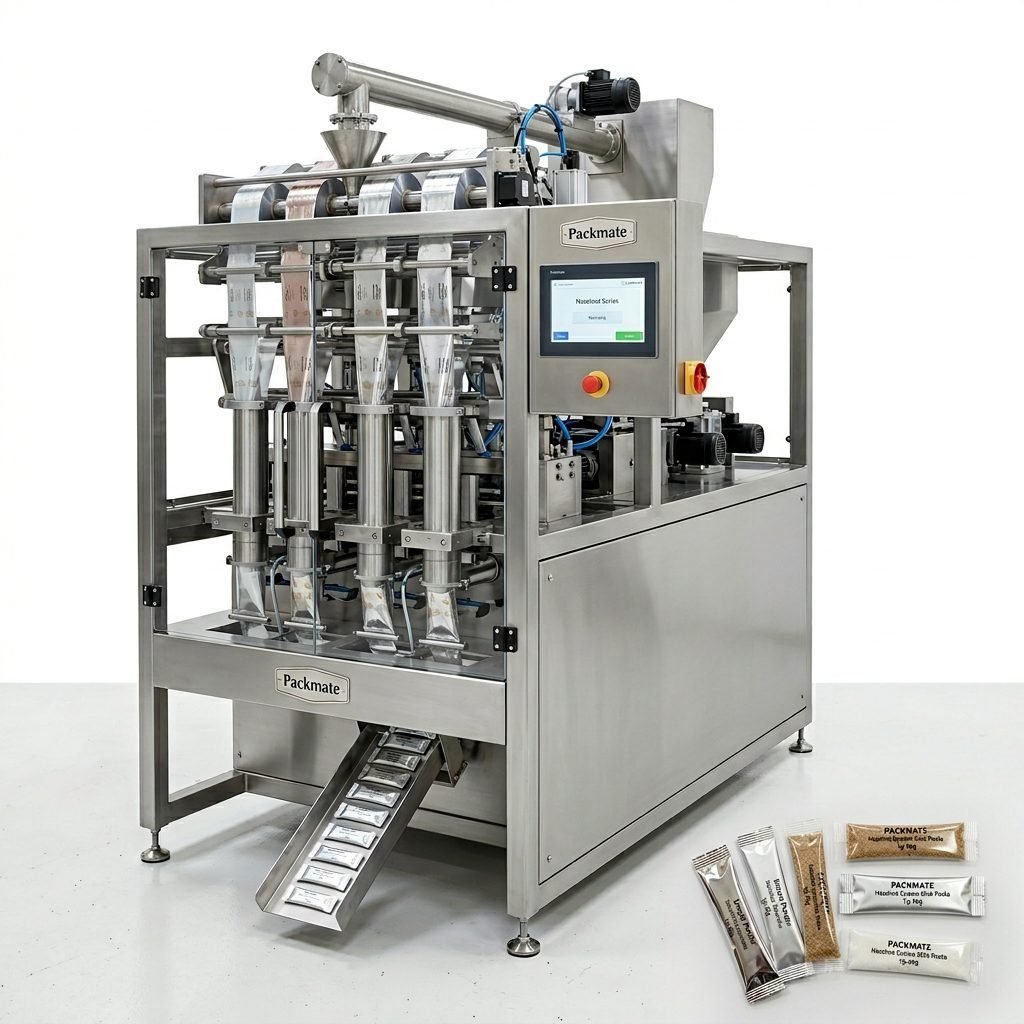
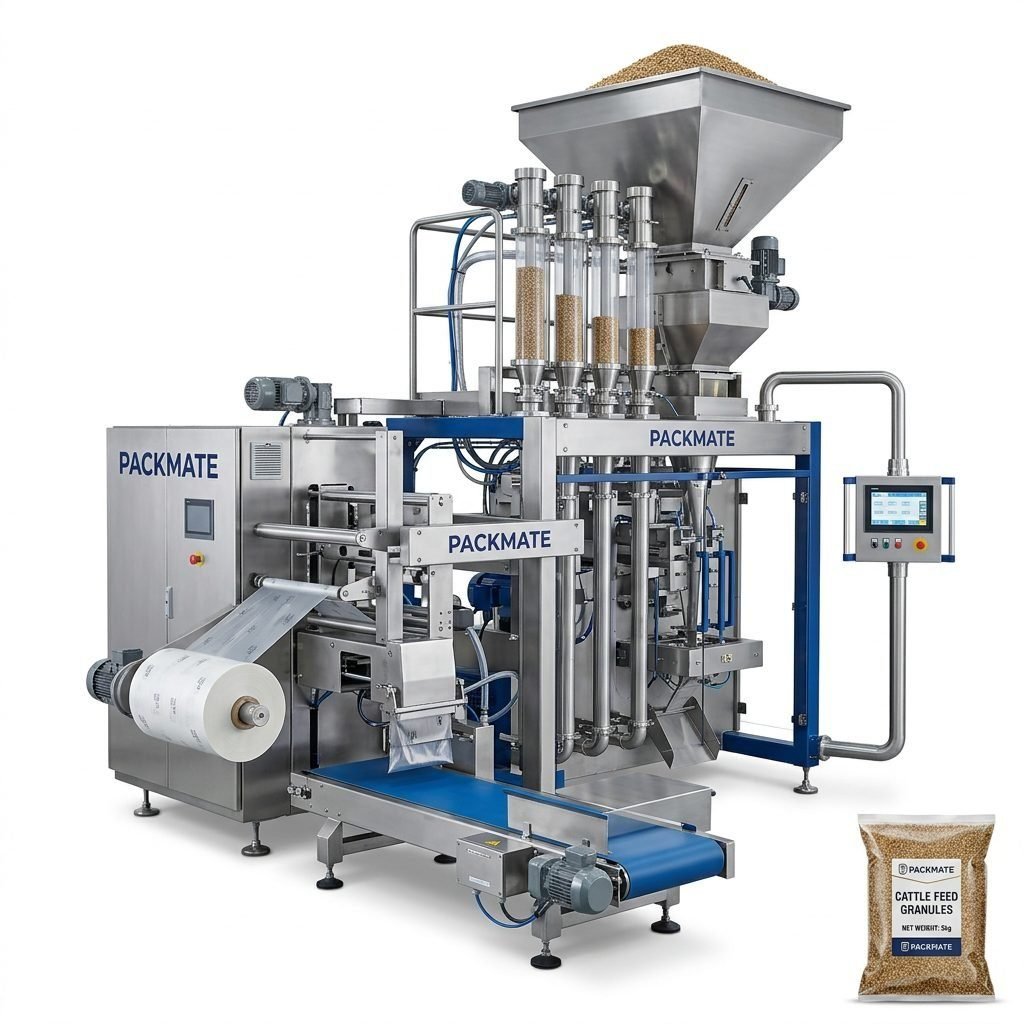
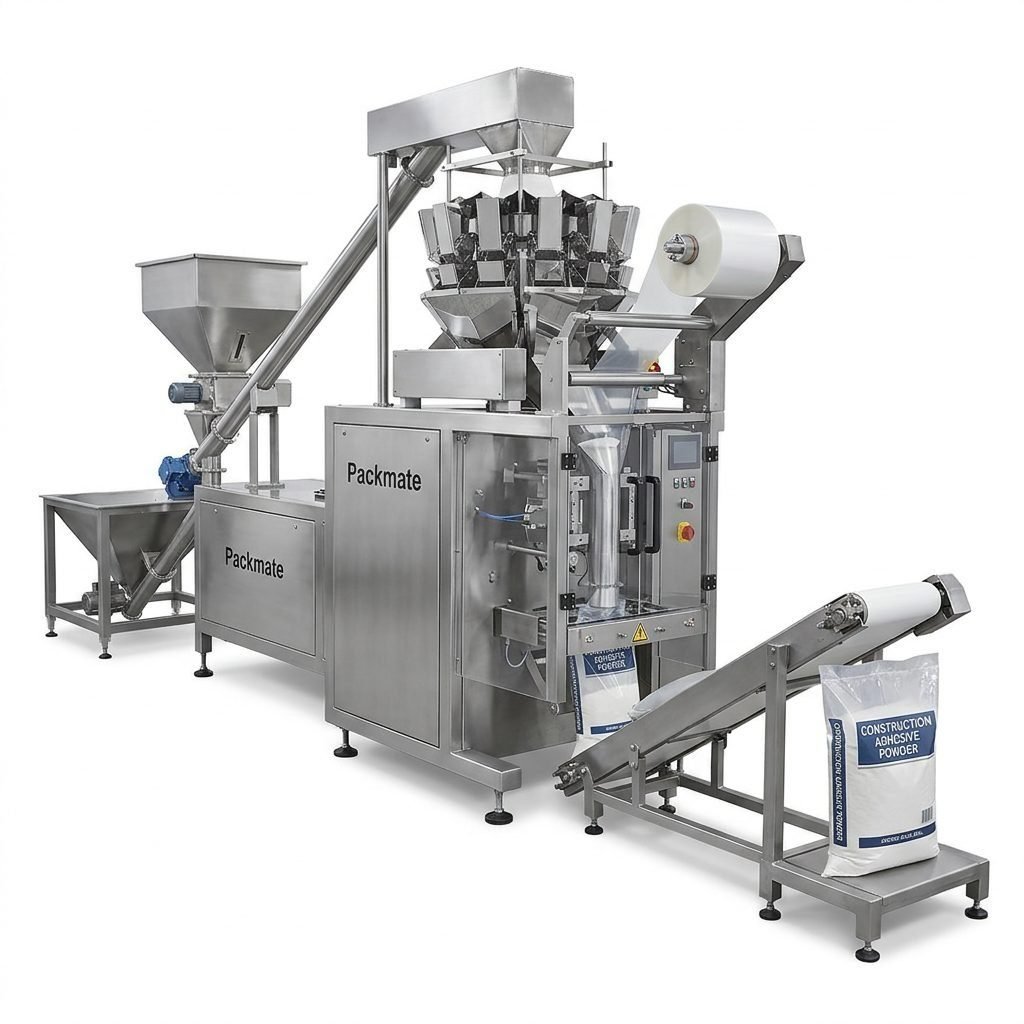
In today’s fast-paced manufacturing world, the design of your packaging equipment is not just a technical specification—it’s the backbone of your production efficiency and product quality. Efficient machinery solutions are born from thoughtful design that prioritizes reliability, speed, adaptability, and user-friendliness. Whether you’re packaging food, pharmaceuticals, or health products, the right design principles can transform your operation, reducing downtime, minimizing waste, and maximizing output. This article delves into the essential tips for designing packaging machinery that delivers robust, efficient, and future-proof solutions for your business.
Core Principles of Efficient Packaging Machine Design
At the heart of any successful packaging line lies a set of fundamental design principles. These are not mere suggestions but the foundational pillars that ensure machinery performs consistently under demanding production schedules.
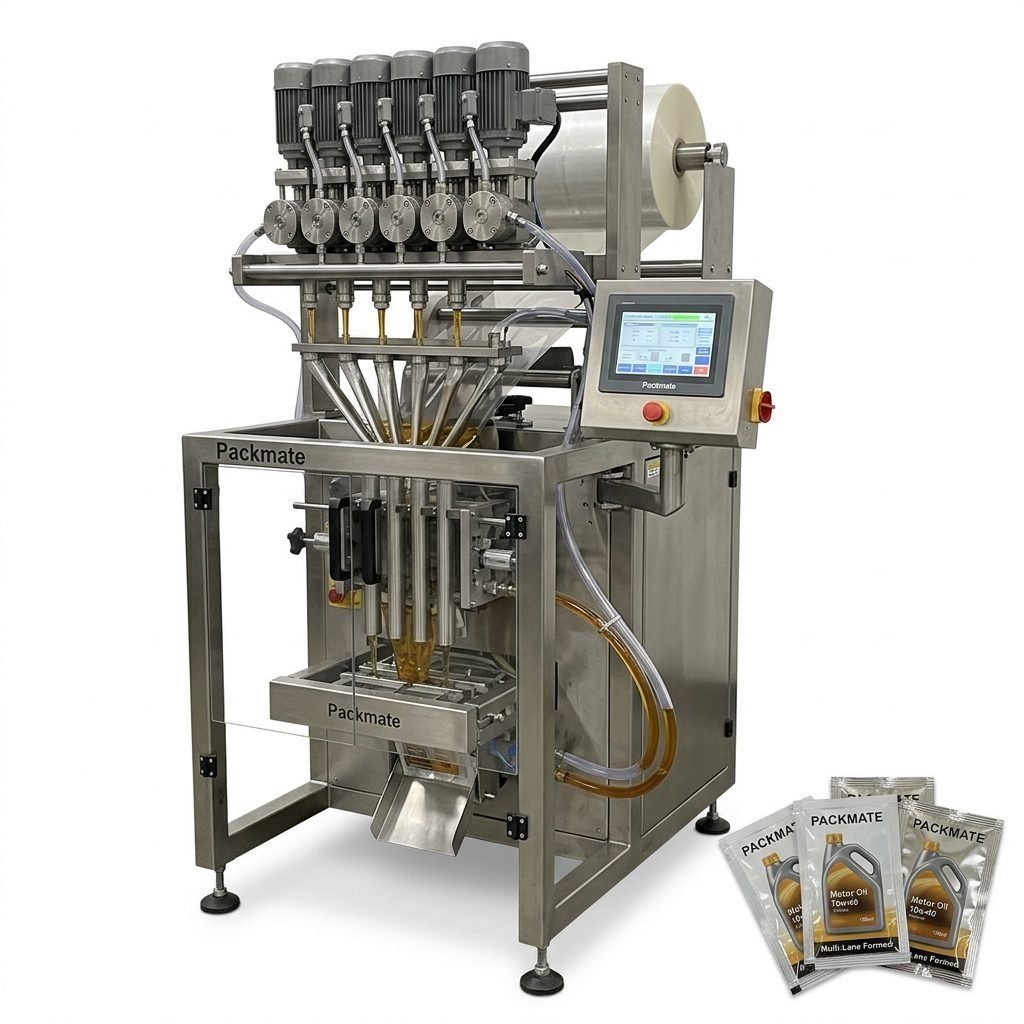
Modularity and Flexibility: Modern markets demand agility. A well-designed machine should have a modular architecture, allowing for relatively easy reconfiguration to handle different product types, package sizes, or materials. This extends the machine’s lifecycle and protects your investment against changing market trends. For example, a sachet packaging machine designed with quick-change parts can switch between seasoning packets and pharmaceutical samples with minimal downtime.
Simplicity and Reliability: Overly complex designs with unnecessary features are breeding grounds for mechanical failure. The goal is to achieve the required function with the simplest, most robust mechanism possible. This philosophy, championed by experienced manufacturers like Packmate Machinery with over 30 years in the field, emphasizes using proven components and designs that have been tested for durability. A reliable machine is an efficient machine, as it drastically reduces unplanned maintenance and stoppages.
Hygienic and Cleanable Design: Especially critical in food and pharmaceutical packaging, hygiene cannot be an afterthought. Design must incorporate smooth, crevice-free surfaces, easy disassembly for cleaning, and the use of appropriate, cleanable materials (e.g., stainless steel). Proper drainage and the avoidance of product or lubricant traps are essential to meet stringent industry standards and ensure product safety.
Optimizing for Operational Efficiency
Designing for efficiency goes beyond the machine’s core mechanics. It encompasses the entire user experience and integration into the larger production ecosystem.
Ergonomics and Operator Safety: A machine that is difficult or unsafe to operate is inefficient by definition. Design must consider the human operator. Controls should be intuitive and accessible, maintenance points easy to reach, and safety guards integrated without obstructing necessary operations. This reduces operator fatigue, minimizes error, and ensures a safer working environment, which is a non-negotiable aspect of sustainable production.
Smart Integration and Connectivity: The era of Industry 4.0 demands that packaging equipment be more than an isolated unit. Efficient design now includes provisions for connectivity—sensors for monitoring performance (OEE), data output ports for integration with Manufacturing Execution Systems (MES), and user interfaces that provide real-time diagnostics. This data-driven approach allows for predictive maintenance, precise quality tracking, and overall smarter factory management.
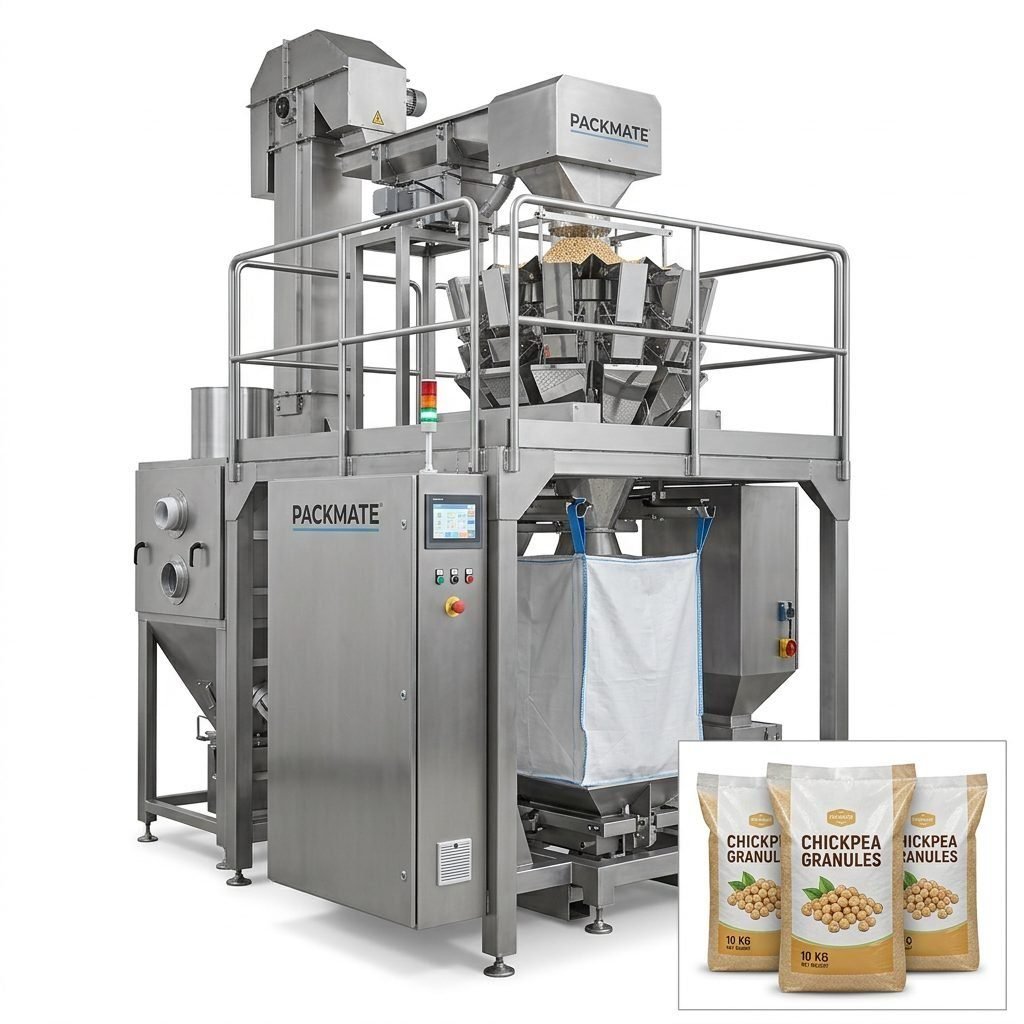
Energy and Material Conservation: An efficiently designed machine is also a sustainable one. This involves optimizing drive systems for energy savings, designing precise dosing and cutting mechanisms to minimize product giveaway (overfilling), and ensuring sealing systems work perfectly with minimal material waste. Efficient weighing and packaging systems are a prime example, where accuracy directly translates to material savings and cost reduction.
Material Considerations and Component Selection
The choice of materials and components is where design theory meets practical reality. These selections directly impact longevity, maintenance costs, and performance.
Structural Integrity: The frame and load-bearing parts must be constructed from materials that can withstand constant vibration, load stresses, and the general rigors of a 24/7 production environment. Compromising here leads to alignment issues, premature wear, and catastrophic failure.
Wear Parts and Accessibility: Designers must identify components that are subject to regular wear, such as seals, gaskets, cutting blades, and feed screws. The design should make these parts easily accessible and replaceable without requiring major disassembly. This planned accessibility turns a potential hours-long downtime event into a quick, sub-30-minute changeover, dramatically boosting overall equipment effectiveness (OEE).
Supplier Quality and Standardization: Using high-quality, reputable components for critical elements like servomotors, PLCs, bearings, and pneumatic systems is crucial. Furthermore, standardizing components across a machine family or entire product line, as practiced in large-scale manufacturing facilities like Packmate’s 20,000㎡ plant, simplifies inventory management, technician training, and repair processes.
The Role of Testing and Iteration
A design is only a hypothesis until it is rigorously tested. Comprehensive testing protocols are an indispensable part of the design process for efficient machinery.
Prototype Testing: Before full-scale production, prototypes must undergo endurance runs with the actual materials they will handle. This reveals unforeseen friction points, material handling issues, or thermal effects that weren’t apparent in simulations.
User Feedback Integration: The most valuable test feedback often comes from the operators and maintenance technicians who will use the machine daily. Involving them in the testing phase of a complete filling and packaging line can uncover practical ergonomic or maintenance challenges that engineers might overlook. This collaborative approach ensures the final design is not just technically sound but also practically excellent.
Continuous Improvement: Design does not end at the sale. Leading manufacturers analyze field performance data and customer feedback to inform the next generation of designs. This commitment to continuous improvement, rooted in a company’s history like Packmate’s journey from a small workshop in 1993, ensures that machinery solutions become more efficient, reliable, and user-friendly over time.
Common Questions About Packaging Equipment Design
What is the most overlooked aspect of packaging machine design?
Operator ergonomics and maintenance accessibility are frequently undervalued. A machine that is difficult to operate, clean, or repair will incur significant hidden costs in reduced productivity, longer changeovers, and higher labor requirements, negating its theoretical speed or efficiency.
How important is modularity in design for future needs?
Extremely important. Modular design is a key strategy for future-proofing your investment. It allows you to adapt to new package formats, incorporate new technologies like advanced vision systems, or add functionality without replacing the entire machine, providing long-term flexibility and ROI.
Should I prioritize speed or reliability in a new machine design?
Reliability should almost always be the priority. A machine that runs consistently at 80% of its maximum speed is far more efficient and profitable than one that runs at 100% but suffers frequent breakdowns, causing costly production halts and material waste. Sustainable speed built on a foundation of reliability is the hallmark of efficient design.
How does hygienic design differ for food vs. pharmaceutical applications?
While both require high hygiene, pharmaceutical design often demands even higher levels. It may require clean-in-place (CIP) or steam-in-place (SIP) capabilities, the use of pharmaceutical-grade lubricants, and documentation of design choices for validation purposes (e.g., ASME BPE standards). Food design focuses heavily on cleanability and preventing bacterial harborage points.
Can older packaging machinery be redesigned or retrofitted for better efficiency?
Yes, often it can. Retrofitting with modern servo drives, updated PLC controls, new sealing jaws, or precision weighing heads can breathe new life into older machines. This can be a cost-effective way to boost speed, accuracy, and connectivity. A professional assessment from the original manufacturer or a specialist in packaging equipment service is the best first step to evaluate the feasibility and ROI of such a project.