Selecting the right coffee bag packaging machine is a critical decision for any coffee roaster, producer, or packager. The machine you choose directly impacts your product’s shelf life, presentation, operational efficiency, and ultimately, your bottom line. With a myriad of options available, from simple manual units to fully automated, intelligent lines, understanding the landscape is essential. This guide will walk you through the main types of coffee bag packaging machines, their key features, and provide a structured buying guide to help you make an informed investment.
Understanding the Different Types of Coffee Bag Packaging Machines
The first step in your selection process is to understand the fundamental categories of packaging machines. Each type serves different production volumes, bag styles, and automation levels.
Vertical Form Fill Seal (VFFS) Machines
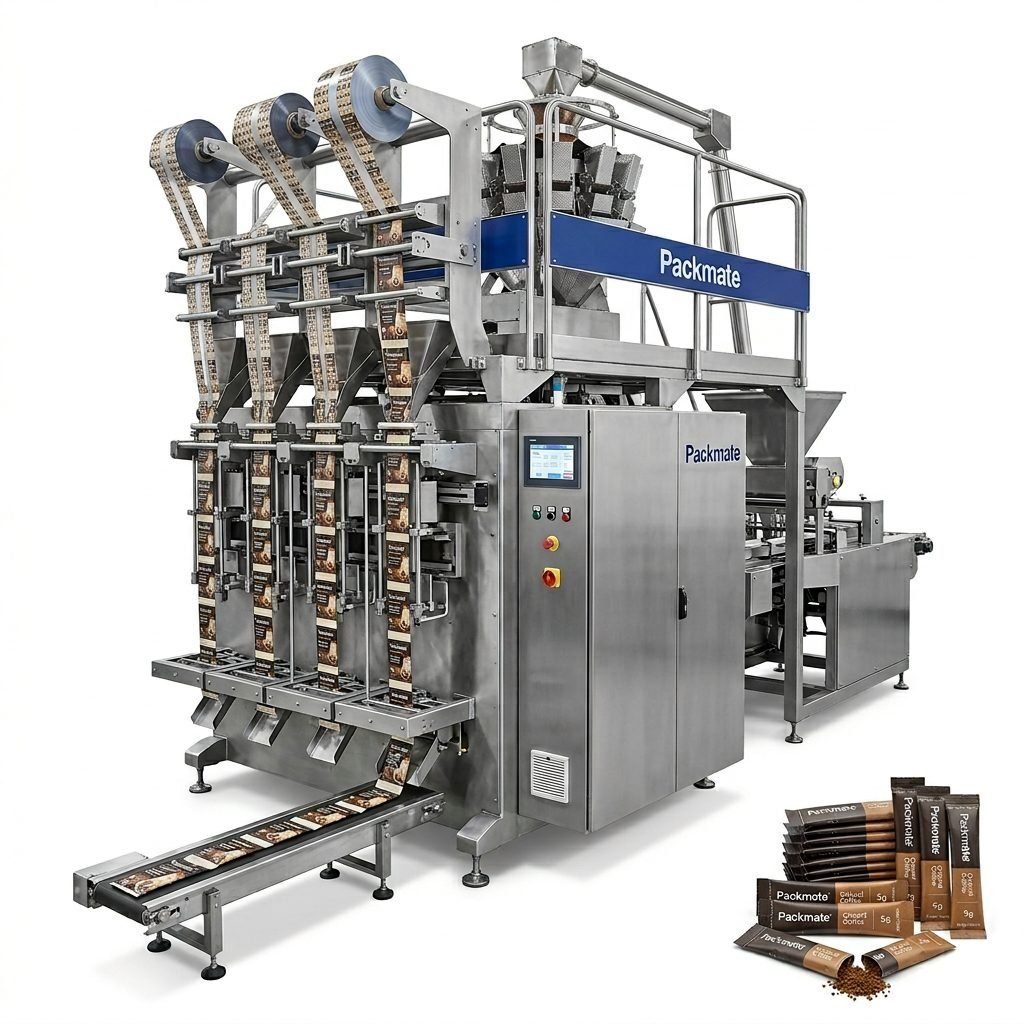
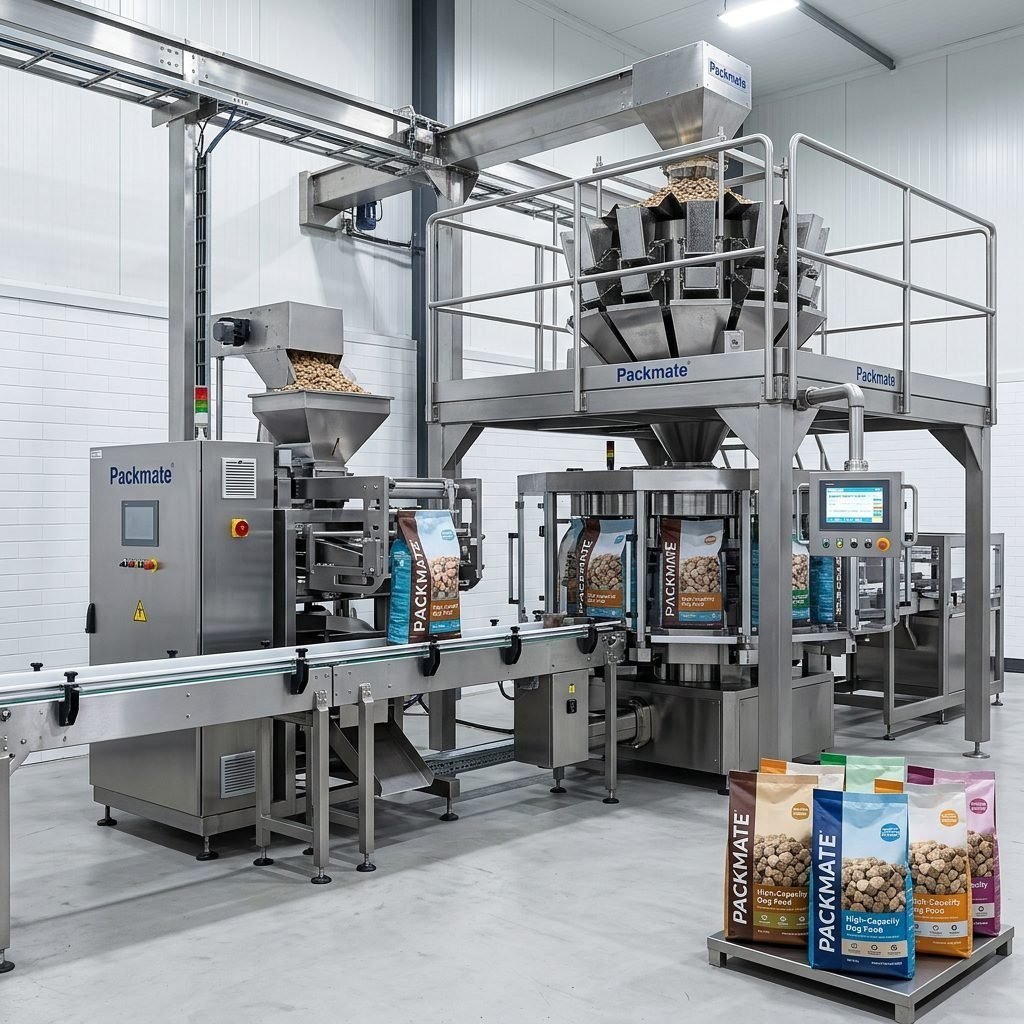
Vertical Form Fill Seal machines are the workhorses of high-volume coffee packaging. They create bags from a roll of flat packaging film, forming a tube, filling it with a precise amount of coffee, and then sealing it. These systems are incredibly versatile and can produce various bag styles like pillow packs, gusseted bags, and stand-up pouches. They are ideal for medium to large-scale operations where speed and consistency are paramount. For businesses looking to scale, integrating a VFFS machine with a weighing system creates a seamless, high-speed packaging line.
Horizontal Flow Wrappers
These machines are typically used for wrapping already-formed bags or bundles, often for multi-pack units or for adding an extra layer of protection and branding. While not the primary bag-making machine for single coffee bags, they play a crucial role in secondary packaging for retail-ready presentations.
Pre-Made Pouch Fillers
This type of machine is designed to work with pre-manufactured, finished bags or pouches. The operator or an automated system loads an empty bag, the machine opens it, fills it with coffee, and then seals it (often via heat sealing or zipper closing). These are excellent for businesses that use custom-printed, high-quality stand-up pouches with degassing valves and resealable zippers. They offer great flexibility in bag design and are often favored by specialty and craft coffee roasters.
Stick Pack and Sachet Machines
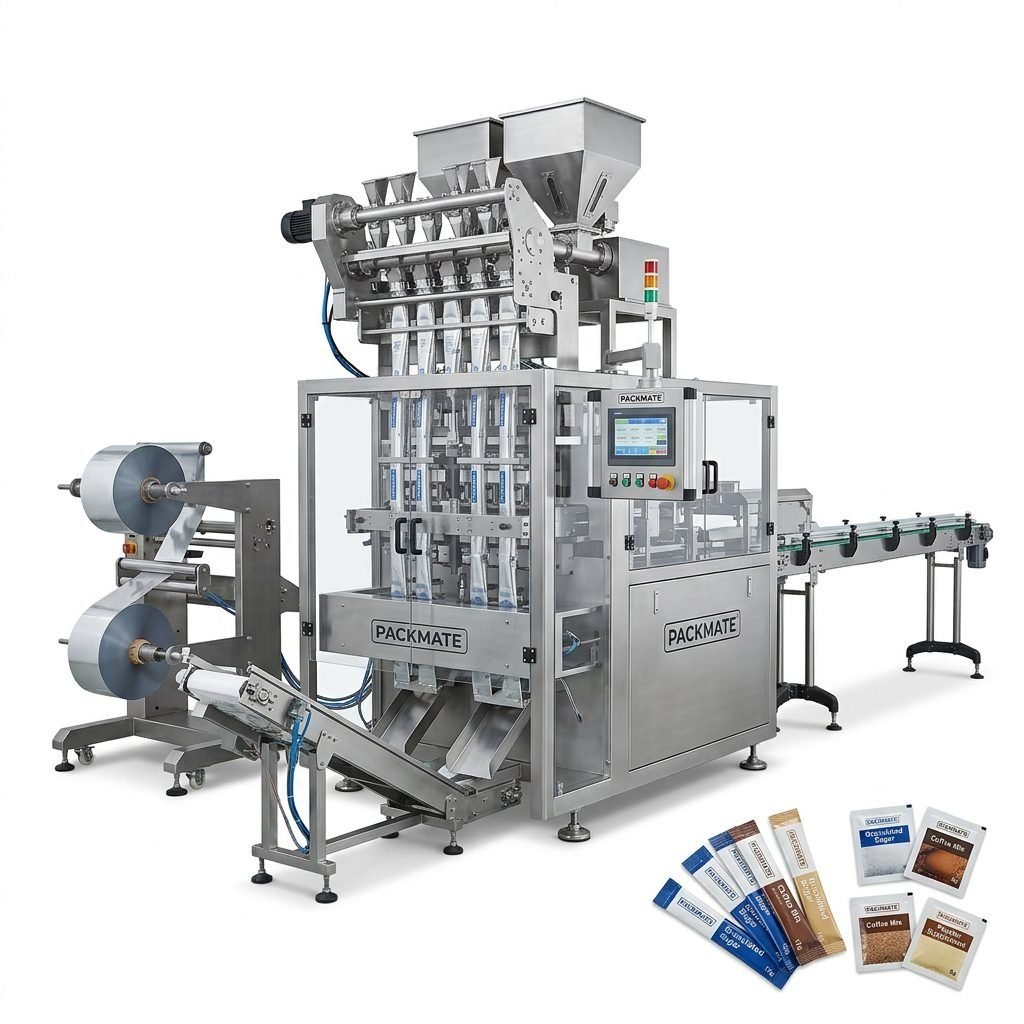
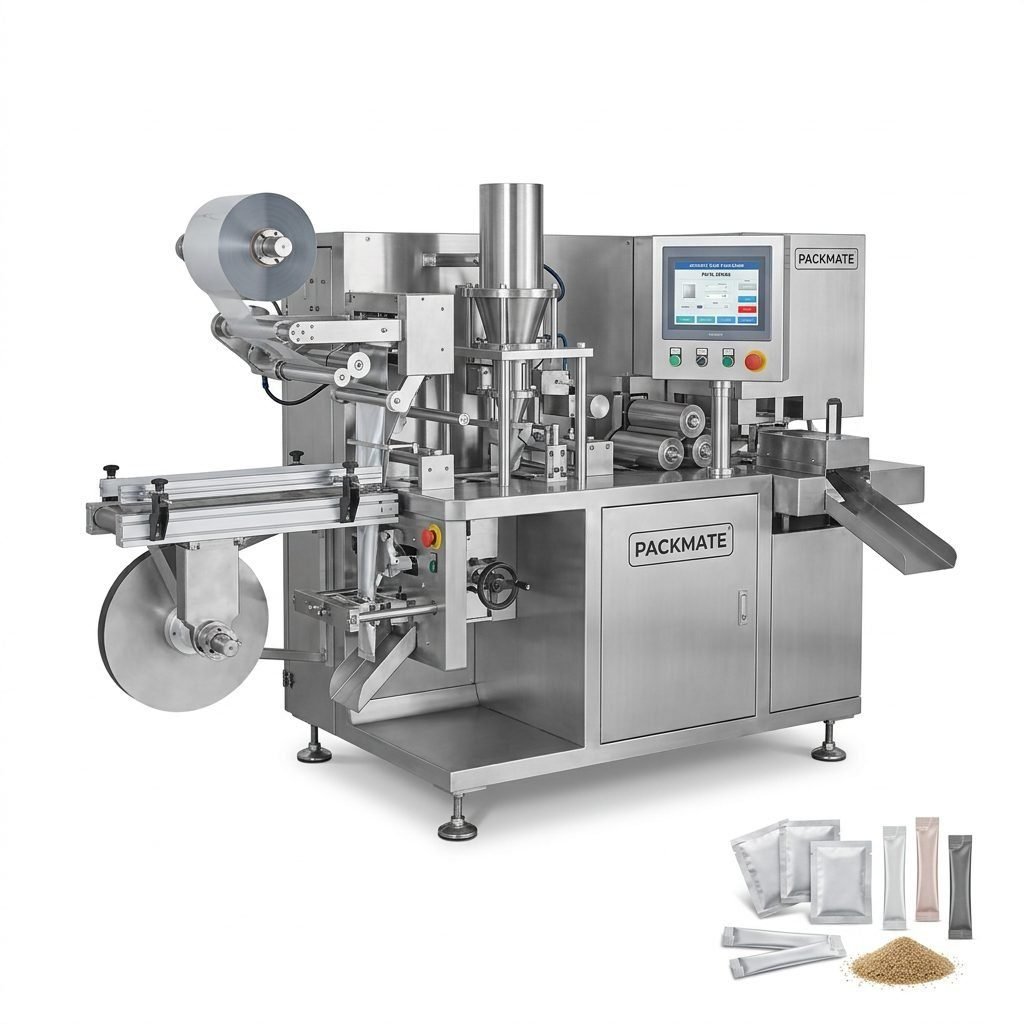
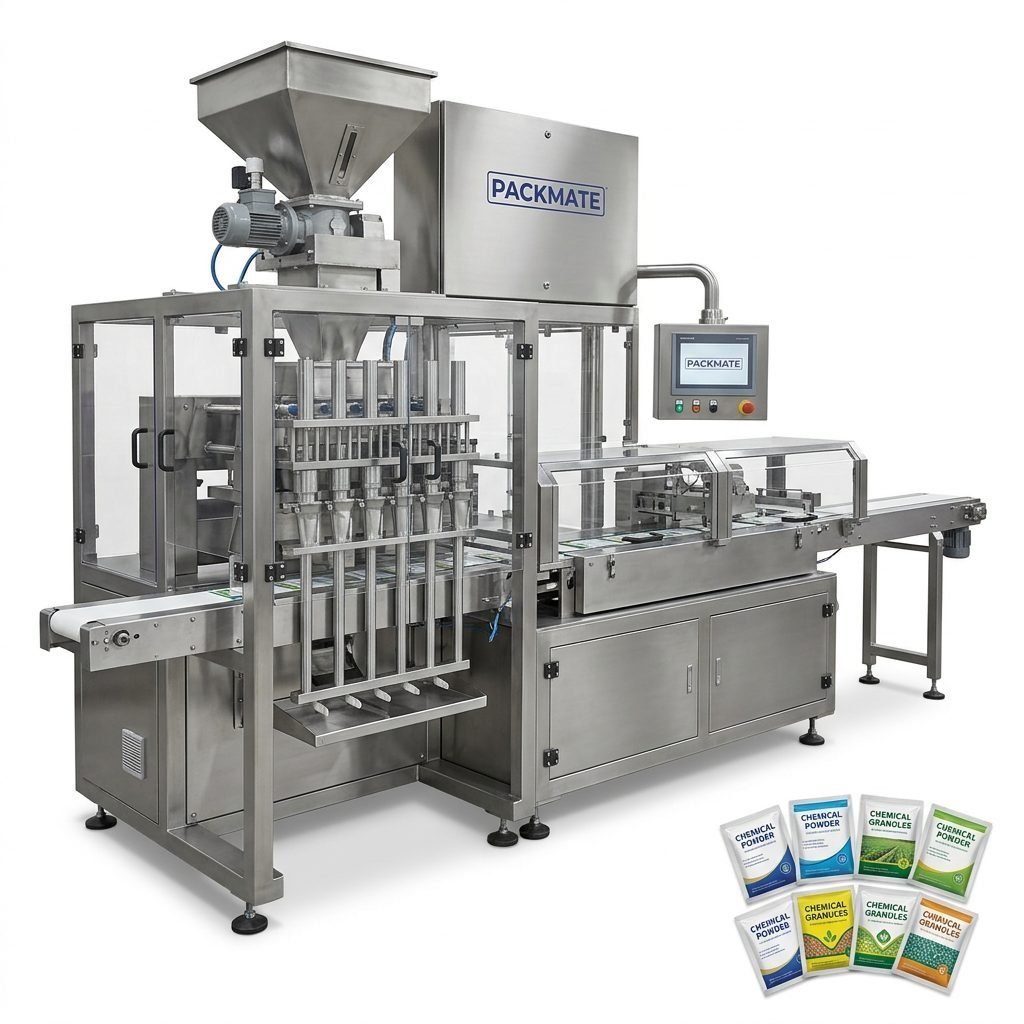
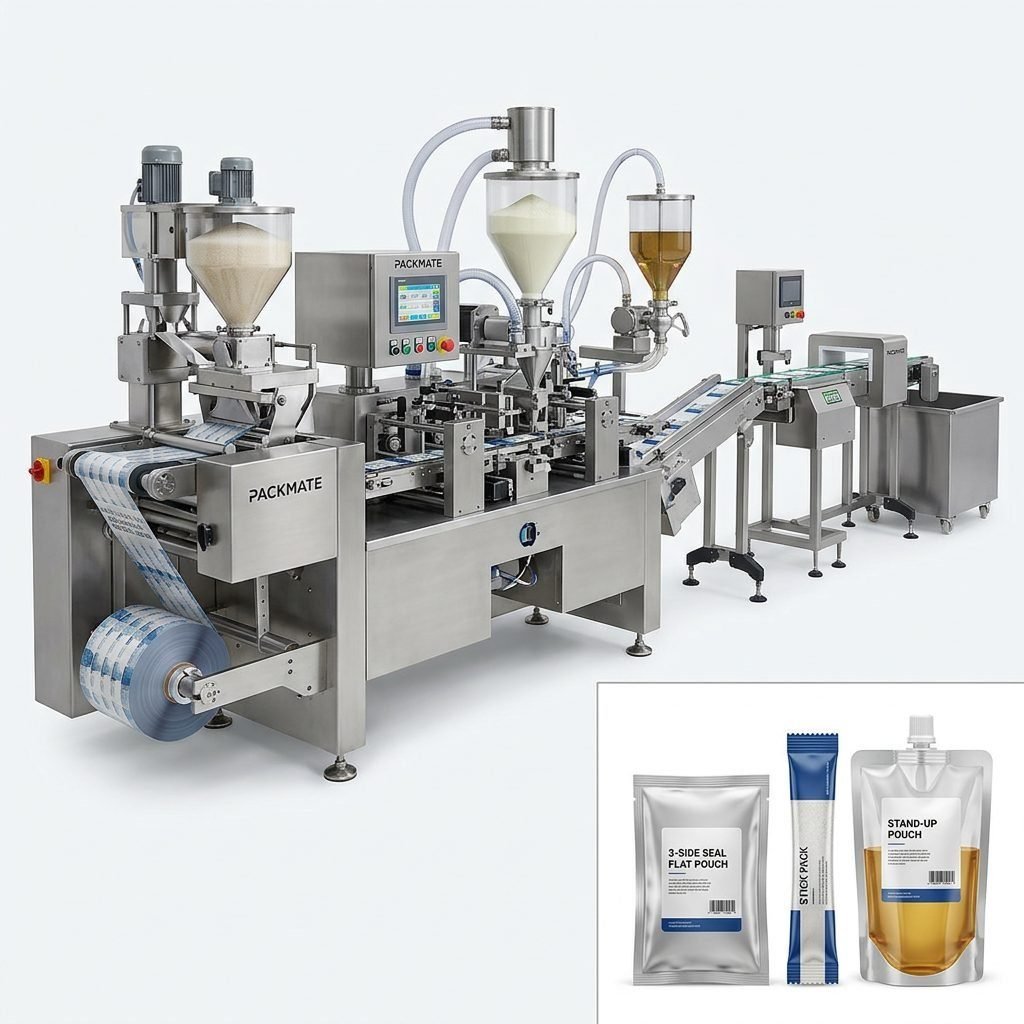
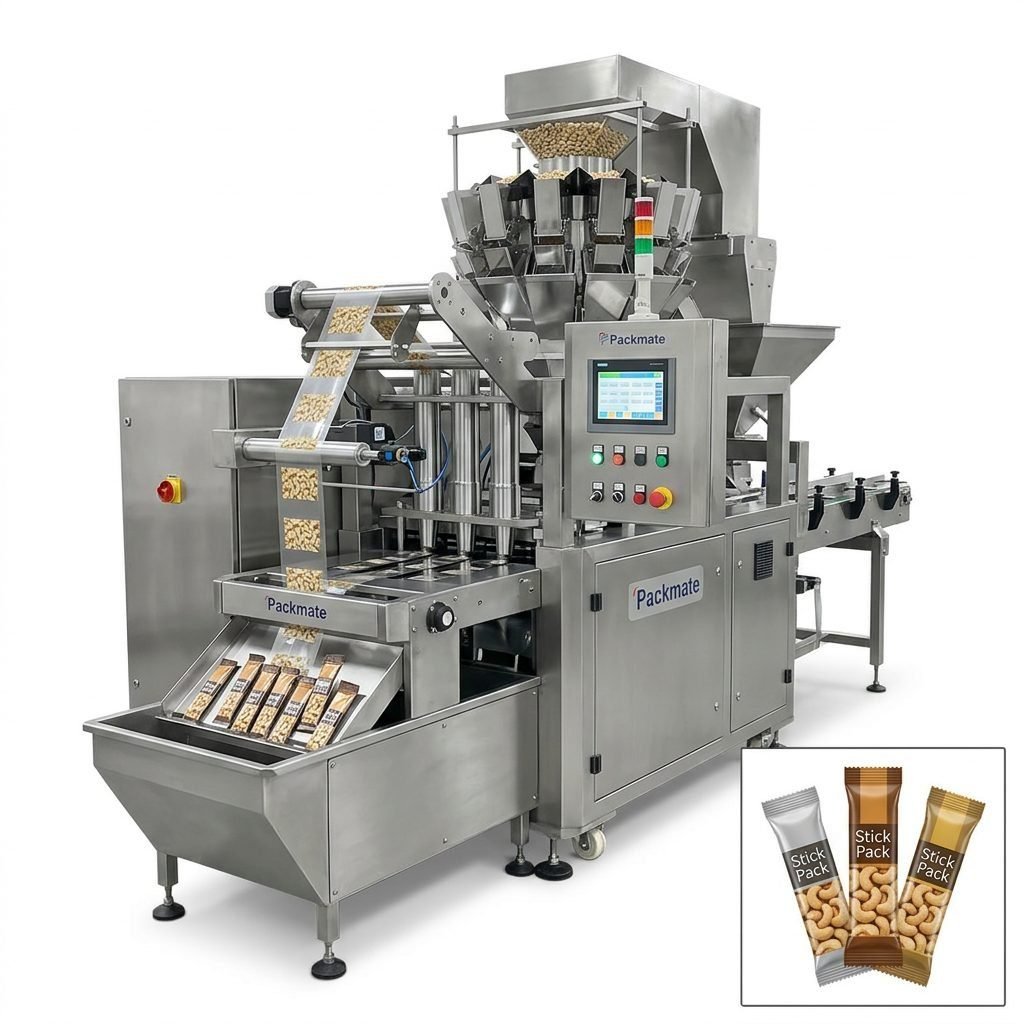
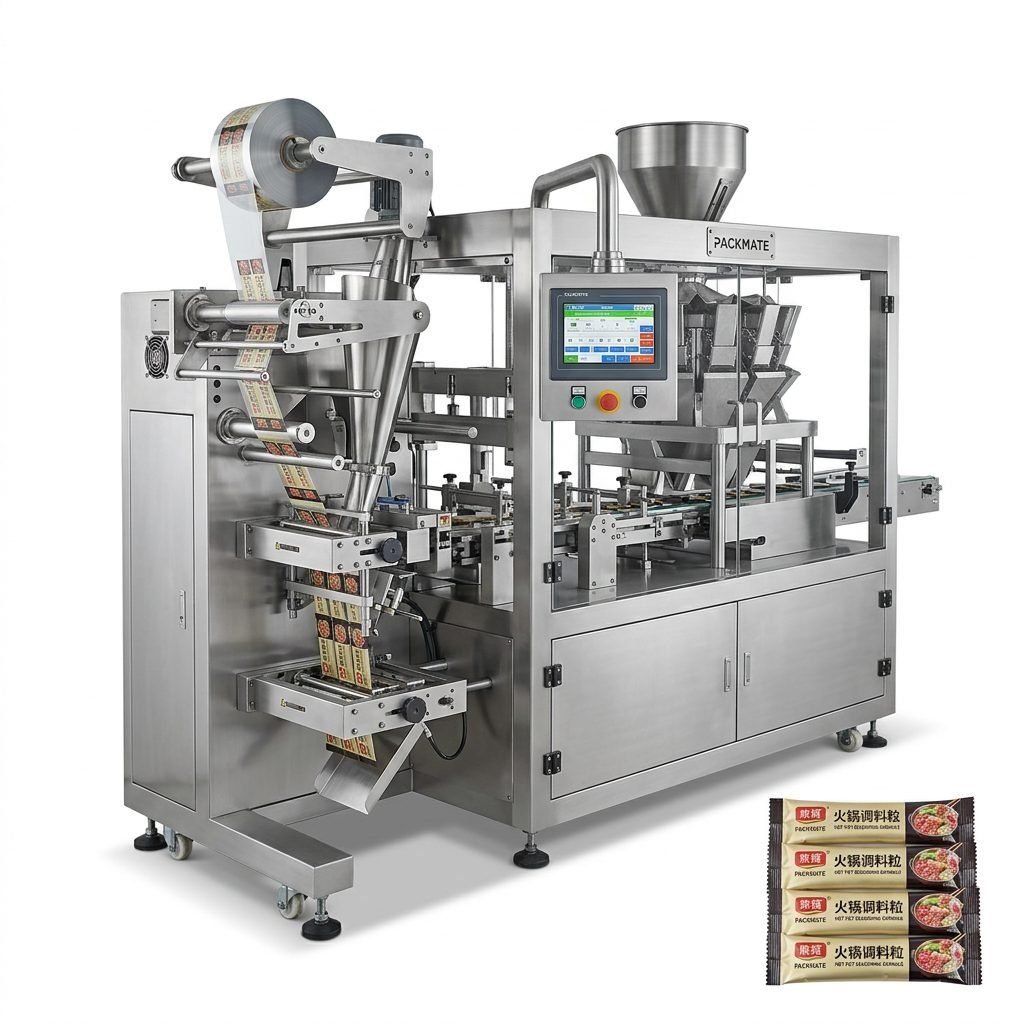
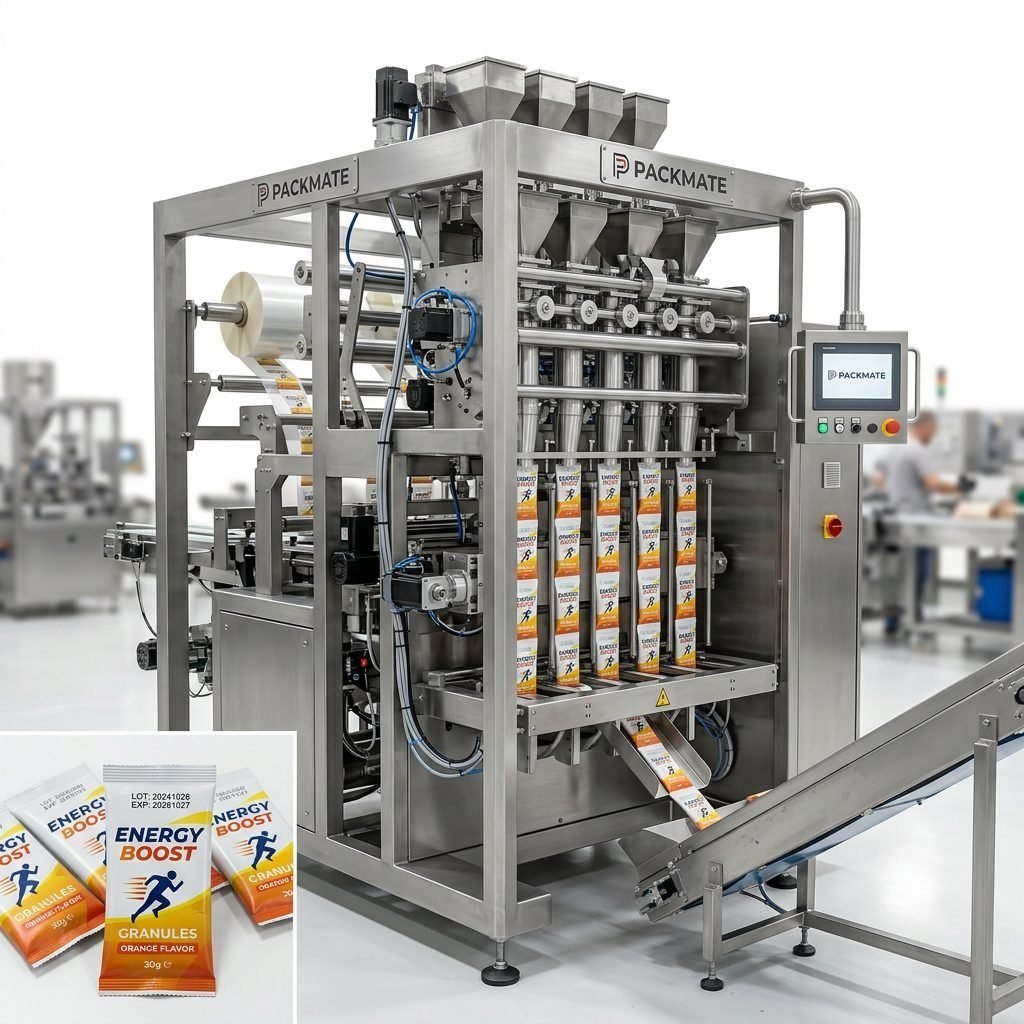
For single-serve coffee portions, instant coffee, or coffee additives, stick pack and sachet machines are the perfect solution. They produce small, sealed packets from roll stock. Companies like Packmate Machinery specialize in multi-lane versions of these machines, which can dramatically increase output for small-format packaging. You can explore their range of sachet and stick pack machines for these specific applications.
Key Features to Evaluate in a Packaging Machine
Beyond the machine type, several features determine its suitability for your coffee packaging needs.
Weighing and Dosing Accuracy
Precision is non-negotiable in coffee packaging. Overfilling erodes profits, while underfilling leads to customer complaints and regulatory issues. Look for machines equipped with high-precision weigh scales, auger fillers, or cup fillers. The technology should compensate for product density variations to ensure every bag meets the exact weight specification on the label.
Gas Flushing and Degassing Valve Application
Freshness is king in the coffee world. Nitrogen gas flushing is a critical feature that removes oxygen from the bag before sealing, significantly extending shelf life and preserving aroma and flavor. Furthermore, the ability to automatically apply a one-way degassing valve is essential for whole bean coffee. This valve allows carbon dioxide (released by freshly roasted beans) to escape without letting oxygen back in, preventing bag rupture and preserving quality.
Sealing Technology and Integrity
A strong, consistent seal is what keeps your product safe. Machines should offer robust heat sealing systems with precise temperature control for the specific packaging material you use (e.g., laminated films, metallized layers). The seal must be airtight and durable enough to withstand handling, transportation, and pressure from gas flushing.
Automation Level and Changeover Ease
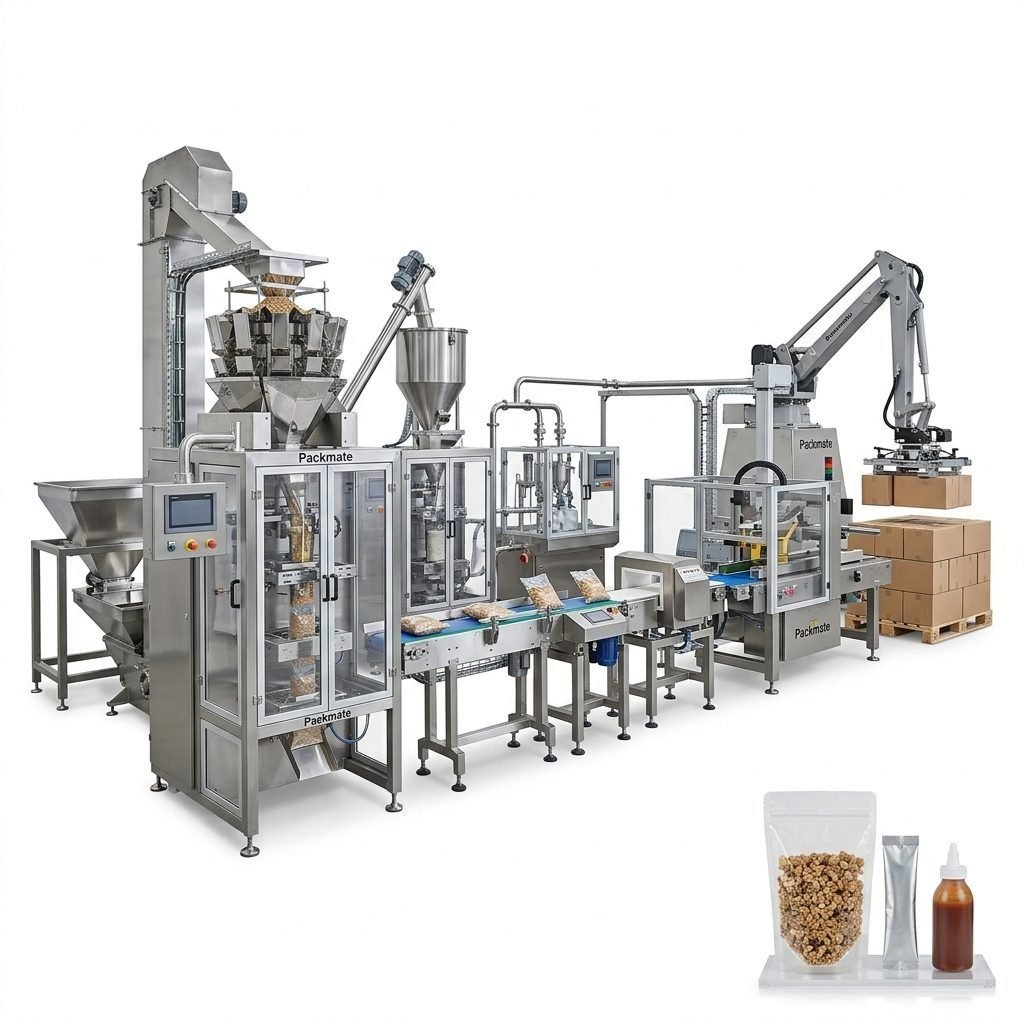
How automated do you need your process to be? Options range from semi-automatic machines requiring an operator to load bags, to fully automatic lines integrated with conveyors and robotic palletizers. Also, consider changeover time. If you run multiple coffee varieties or bag sizes, a machine that allows for quick and tool-less changeovers will maximize your production uptime and flexibility.
Construction and Hygiene
The machine should be built from food-grade, durable materials like stainless steel in critical contact areas. A design that allows for easy cleaning and maintenance (with minimal nooks and crannies where coffee oils and fines can accumulate) is vital for product safety and machine longevity.
A Step-by-Step Buying Guide
Making the right purchase requires a systematic approach. Follow these steps to narrow down your options.
Step 1: Assess Your Current and Future Needs
Begin by conducting an internal audit. What is your current daily/weekly output? What are your growth projections for the next 3-5 years? What types of bags do you use (stand-up pouches, flat bottom bags, etc.)? What is your product range (whole bean, ground, single-serve)? Defining these parameters will set the foundation for your machine specifications.
Step 2: Define Your Must-Have Features
Based on your needs, list the non-negotiable features. This list will almost certainly include gas flushing, degassing valve application, and a specific weighing accuracy (e.g., ±0.5 grams). It may also include specific bag size ranges or the need for quick-change parts. This list will help you filter out unsuitable machines quickly.
Step 3: Research Reputable Manufacturers
Look for manufacturers with a proven track record in food and coffee packaging. Experience matters. A company like Packmate Machinery, with over two decades of experience developing intelligent packaging solutions, brings valuable expertise to the table. Review their case studies and client portfolio to gauge their capability.
Step 4: Request Demos and Quotes
Never buy based on specifications alone. Request a live or recorded video demonstration of the machine packaging a product similar to yours (similar bean size, grind, flow characteristics). Ask for a detailed quotation that includes the machine, any necessary peripherals (like checkweighers or coders), installation, training, and warranty terms.
Step 5: Evaluate Total Cost of Ownership (TCO)
Look beyond the initial purchase price. Consider the cost of spare parts, expected maintenance, energy consumption, and required operator skill level. A slightly more expensive machine with higher reliability and lower maintenance needs often has a lower TCO over its lifespan.
Step 6: Check After-Sales Support
Ensure the manufacturer or their local distributor offers strong technical support, readily available spare parts, and comprehensive training. Good after-sales service is an insurance policy for your production continuity.
Frequently Asked Questions (FAQs)
What is the typical production speed of a coffee bag packaging machine?
Speeds vary dramatically by machine type. Semi-automatic pouch fillers may manage 10-30 bags per minute, while fully automated VFFS lines can achieve 60-120 bags per minute or more for simple formats. The key is to match the speed to your actual output requirements.
Can one machine handle different bag sizes and materials?
Most modern machines are designed with changeover in mind. However, the ease and speed of changeover differ. High-end machines offer quick-change parts and digital settings recall for different bag formats, while simpler models may require more manual adjustment and time.
How important is nitrogen gas flushing for coffee?
It is extremely important for preserving quality, especially for ground coffee and whole beans intended for longer shelf life. Flushing reduces oxygen content to below 2%, drastically slowing down oxidation and staling. It is considered a standard requirement for quality-focused coffee brands.
What maintenance does a coffee packaging machine require?
Daily cleaning of product contact parts, regular lubrication of moving components as per the manual, and periodic inspection of seals, filters, and wear parts are essential. A preventative maintenance schedule provided by the manufacturer should be strictly followed.
Where can I see these machines in operation before buying?
Reputable manufacturers often have demonstration facilities or can arrange visits to existing customer sites (with permission). Attending industry trade shows is another excellent way to see multiple machines from different vendors operating live and compare them side-by-side.