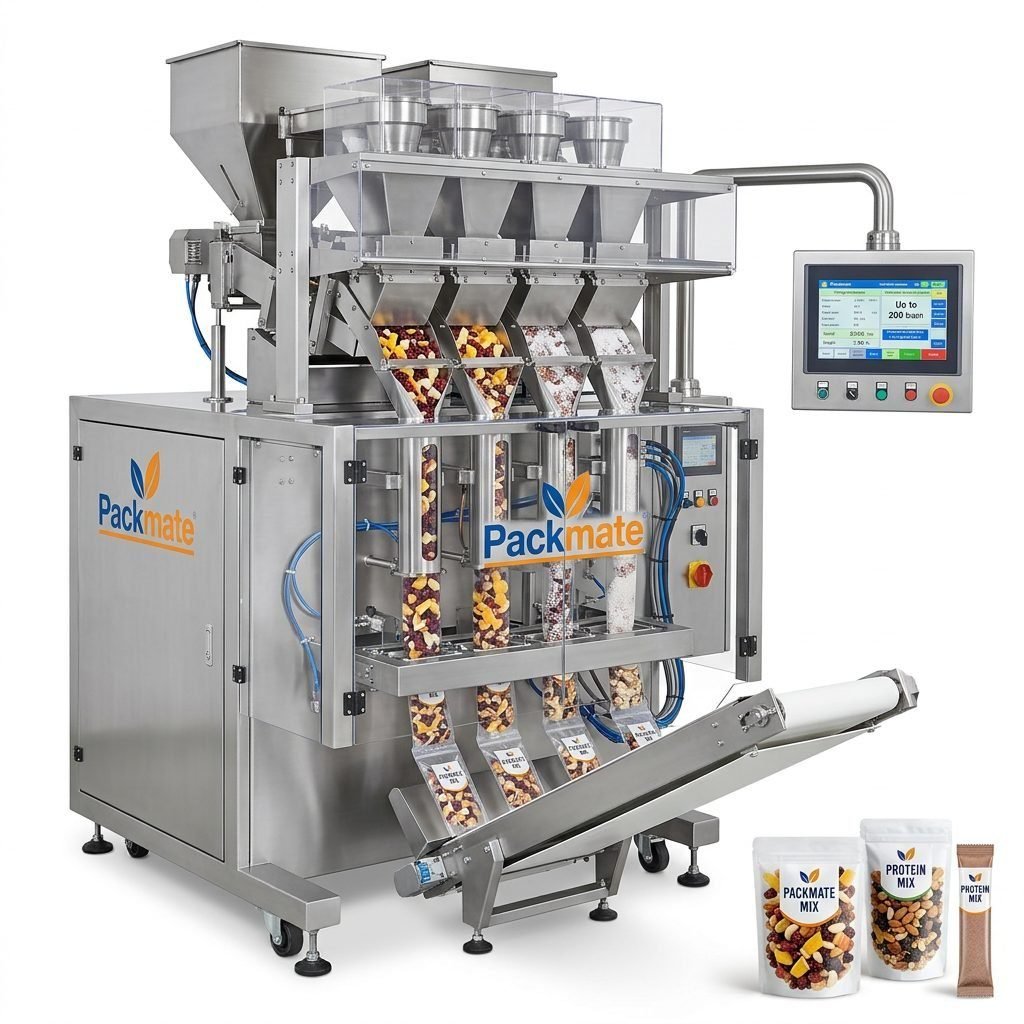
The world of packaging is vast and complex, with a specific machine designed for nearly every product type, material, and production speed requirement. Understanding the different types of packaging machines is crucial for manufacturers looking to optimize their operations, ensure product integrity, and meet market demands efficiently. From simple sachet fillers to fully integrated turnkey lines, the right equipment can dramatically enhance productivity and profitability.
1. Filling Machines: The Core of Product Handling
Filling machines are responsible for accurately dispensing a product into its container, whether it’s a bottle, pouch, or stick pack. Accuracy and speed are paramount here to minimize waste and maximize output.
Key Takeaway: The choice of filling technology depends heavily on the product’s physical state. Liquid fillers, for instance, often use piston or pump mechanisms, while granular products are best handled by auger or cup fillers for precise volumetric measurement.
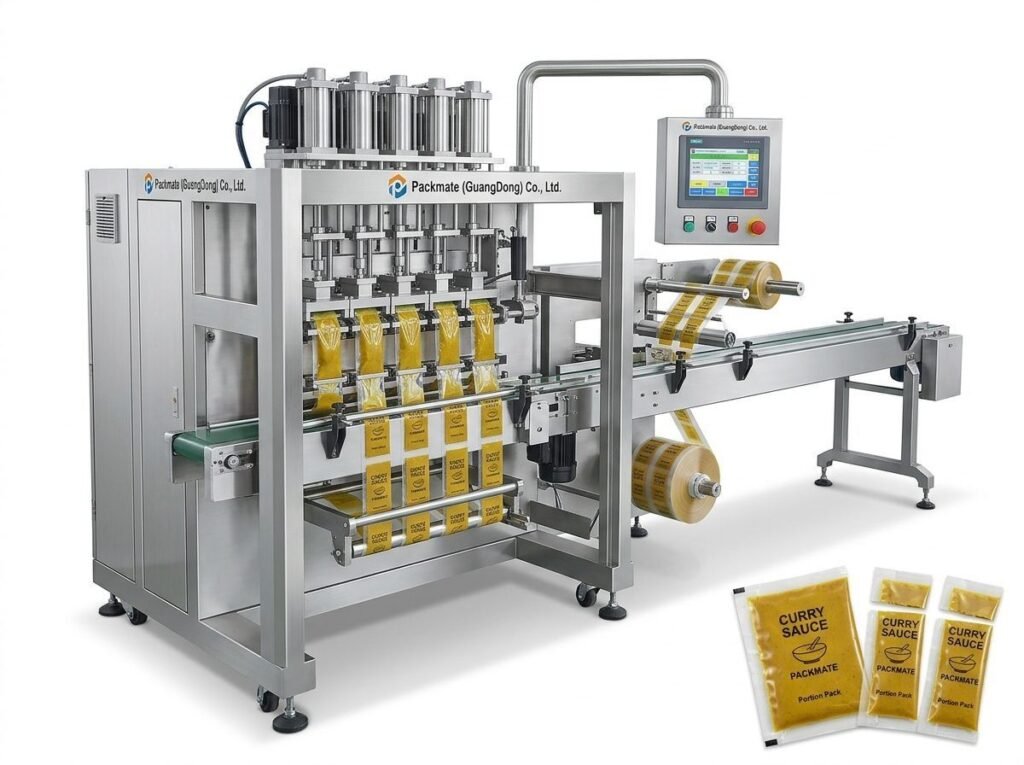
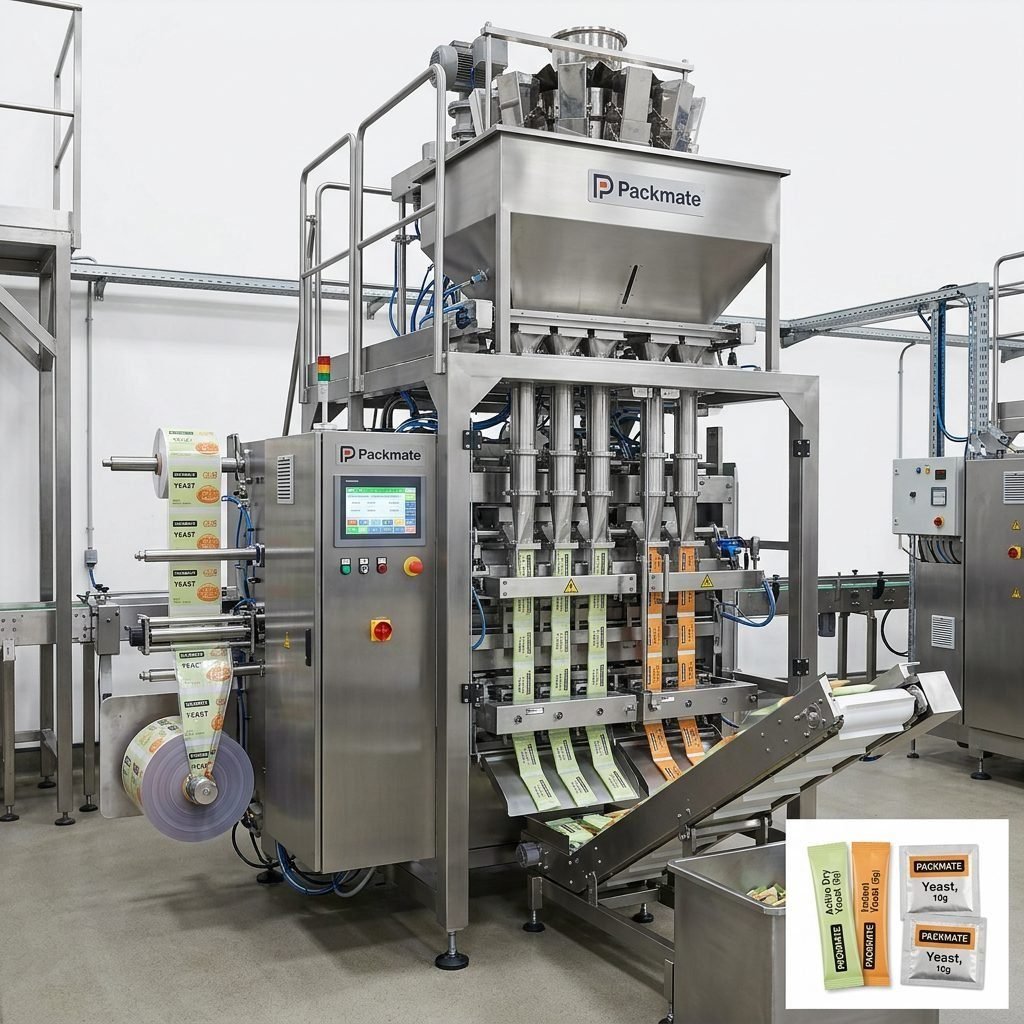
Common types include auger fillers for powders and granules, piston fillers for pastes and creams, and liquid fillers which can utilize gravity, pressure, or vacuum principles. For high-speed applications, integrated filling and packaging lines combine this step seamlessly with subsequent processes.
2. Sealing Machines: Ensuring Product Safety and Freshness
Once a product is filled, it must be securely closed to prevent contamination, preserve freshness, and provide tamper evidence. Sealing machines apply the final closure to the packaging.
This category encompasses a wide range of technologies. Heat sealers use controlled temperature and pressure to melt and fuse thermoplastic layers on pouches and sachets. Induction sealers create an airtight foil seal under bottle caps without contact. For rigid containers, capping machines screw, snap, or press-fit lids onto bottles and jars at high speeds. The reliability of the seal is non-negotiable for product shelf life.
2.1 Specialized Sealing for Flexible Packaging
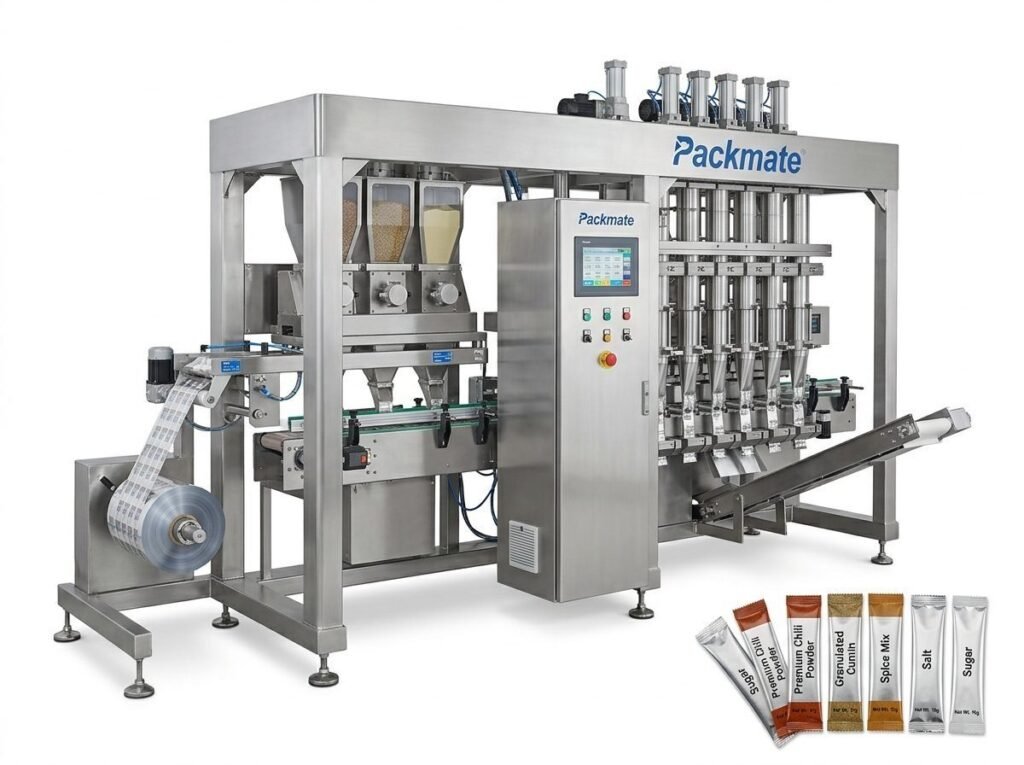
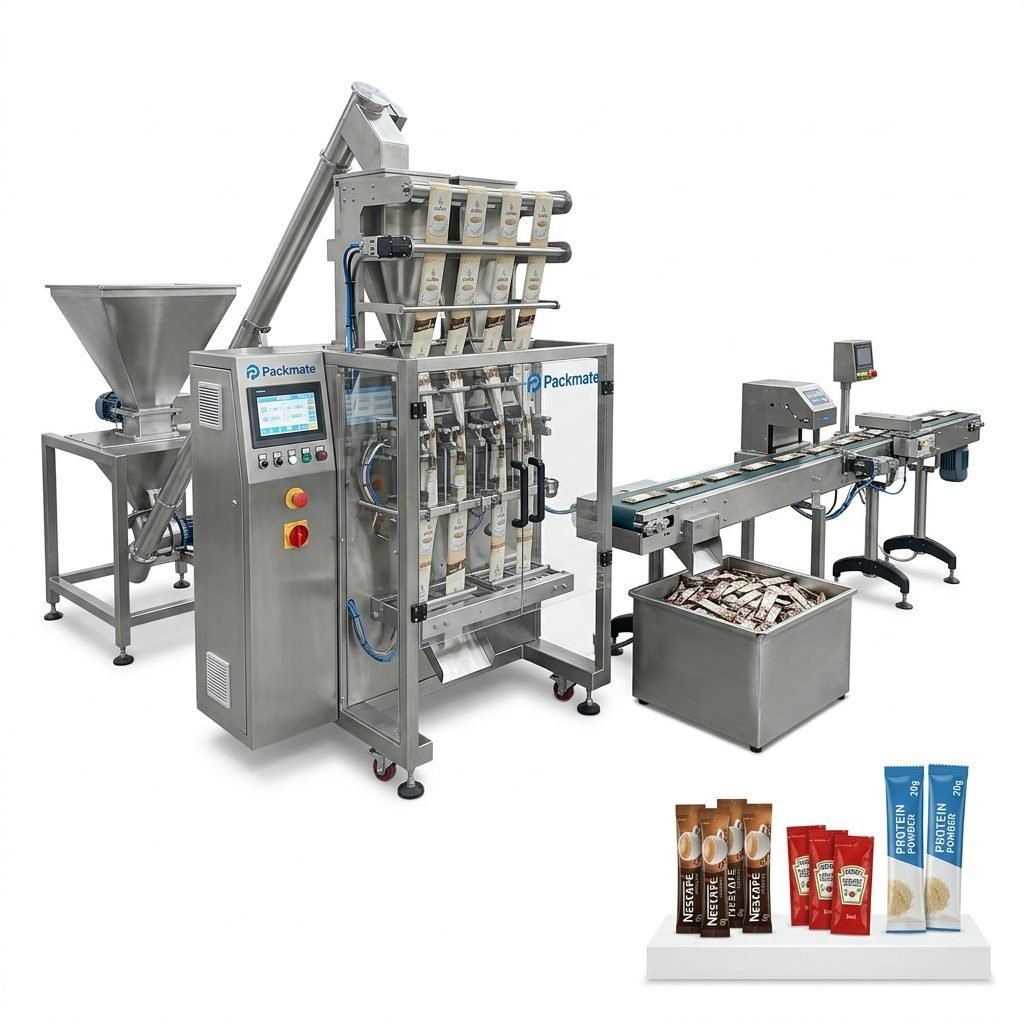
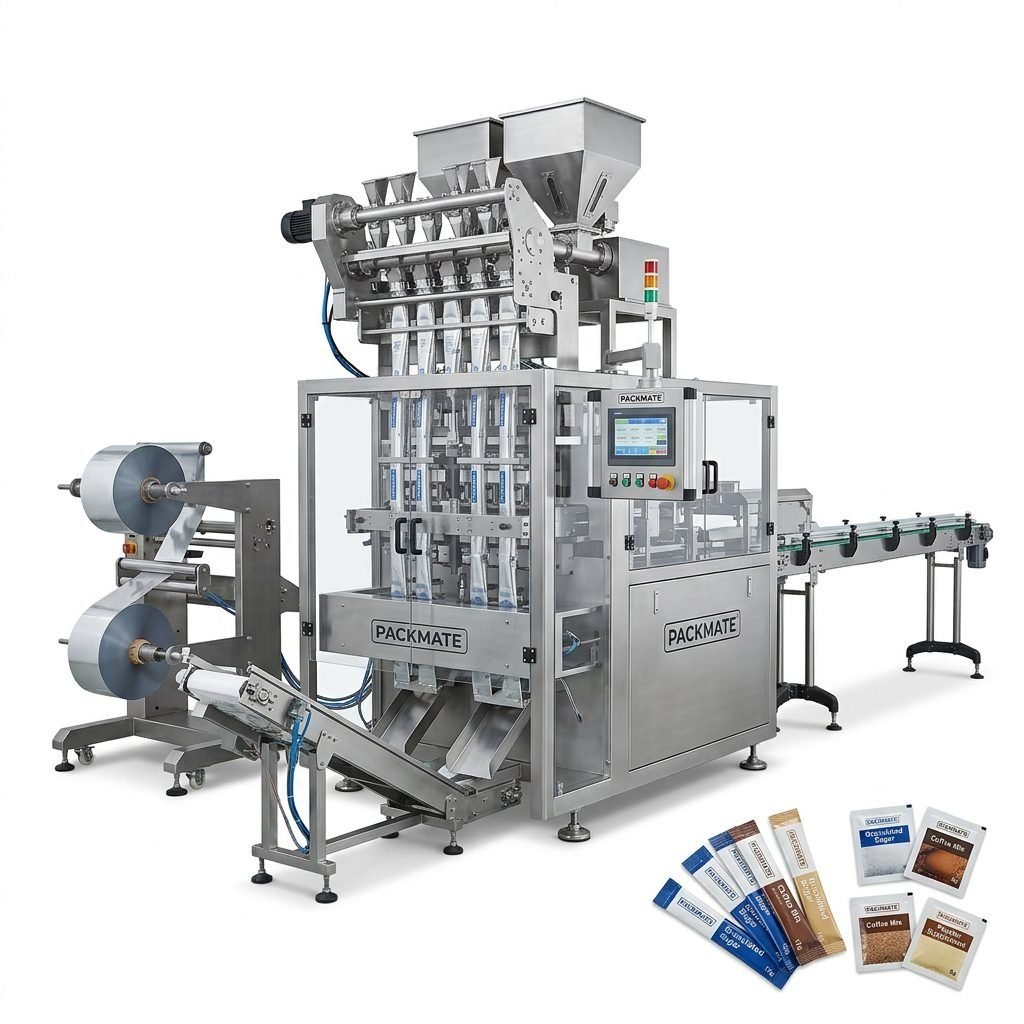
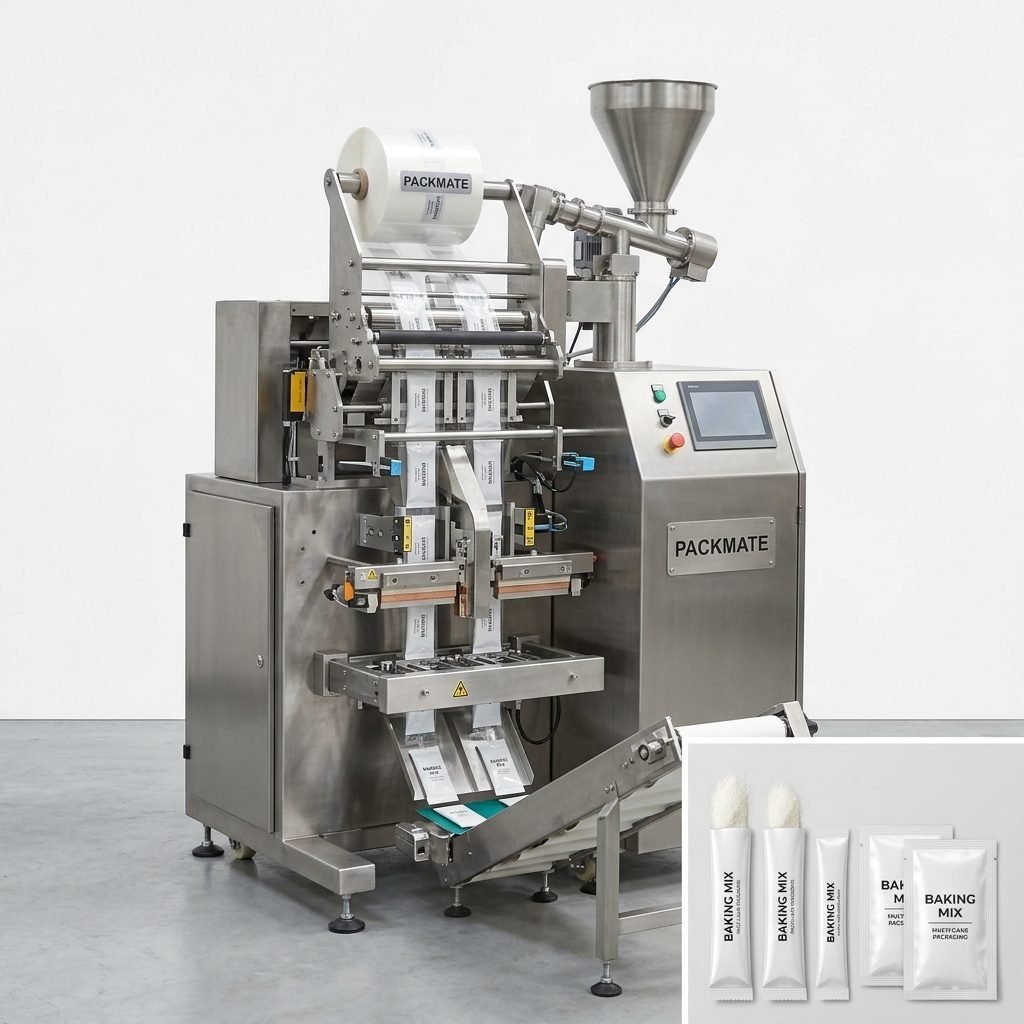
Flexible packaging like pouches and stick packs often requires specialized sealing equipment. Vertical and horizontal form-fill-seal (VFFS/HFFS) machines form the package from a roll of film, fill it, and seal it in one continuous operation. These are ideal for snacks, coffee, and pharmaceuticals. For pre-made pouches, bag and pouch packaging machines handle the filling and final sealing with high precision.
3. Wrapping and Bundling Machines
These machines handle the secondary packaging layer, grouping individual products for sale, distribution, or further protection. They enhance brand presentation and improve handling efficiency in logistics.
Flow wrappers encase products in a loose seal of film, commonly used for candy bars, biscuits, and hygiene products. Shrink wrappers apply a tight film that contracts under heat, perfect for bundling multi-packs of bottles or cans. Cartoning machines erect, load, and close cardboard cartons, while case packers automate the loading of products or cartons into shipping cases. Integrating these with primary packaging lines creates a seamless flow from product to pallet.
4. Labeling and Coding Machines
This equipment applies vital information and branding to the package. It’s where compliance meets marketing.
Labeling machines can apply pressure-sensitive labels, glue-based labels, or even print-and-apply labels directly. Simultaneously, coding and marking machines are essential for printing batch numbers, expiry dates, barcodes, and other variable data directly onto the packaging using inkjet, laser, or thermal transfer technologies.
5. Specialized and Niche Packaging Machines
Certain industries and products demand highly specialized equipment designed for unique challenges.
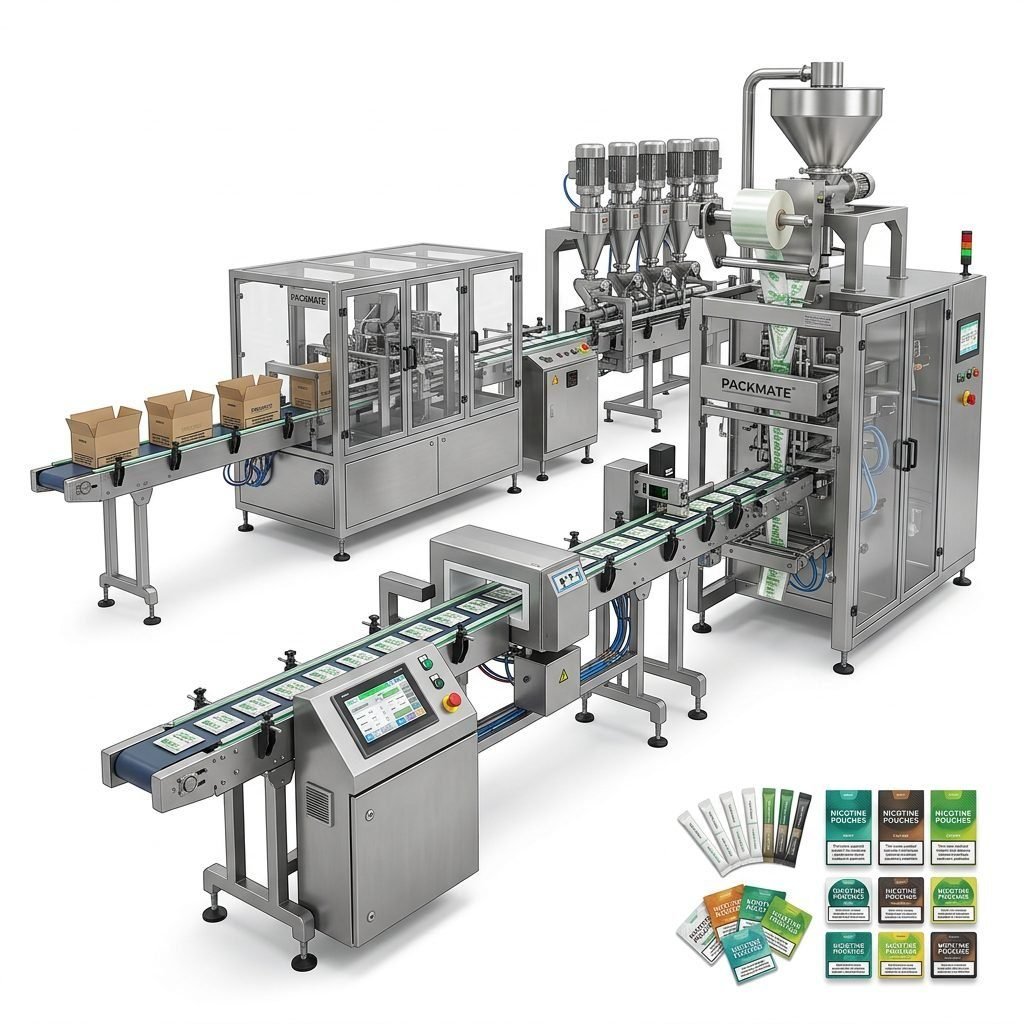
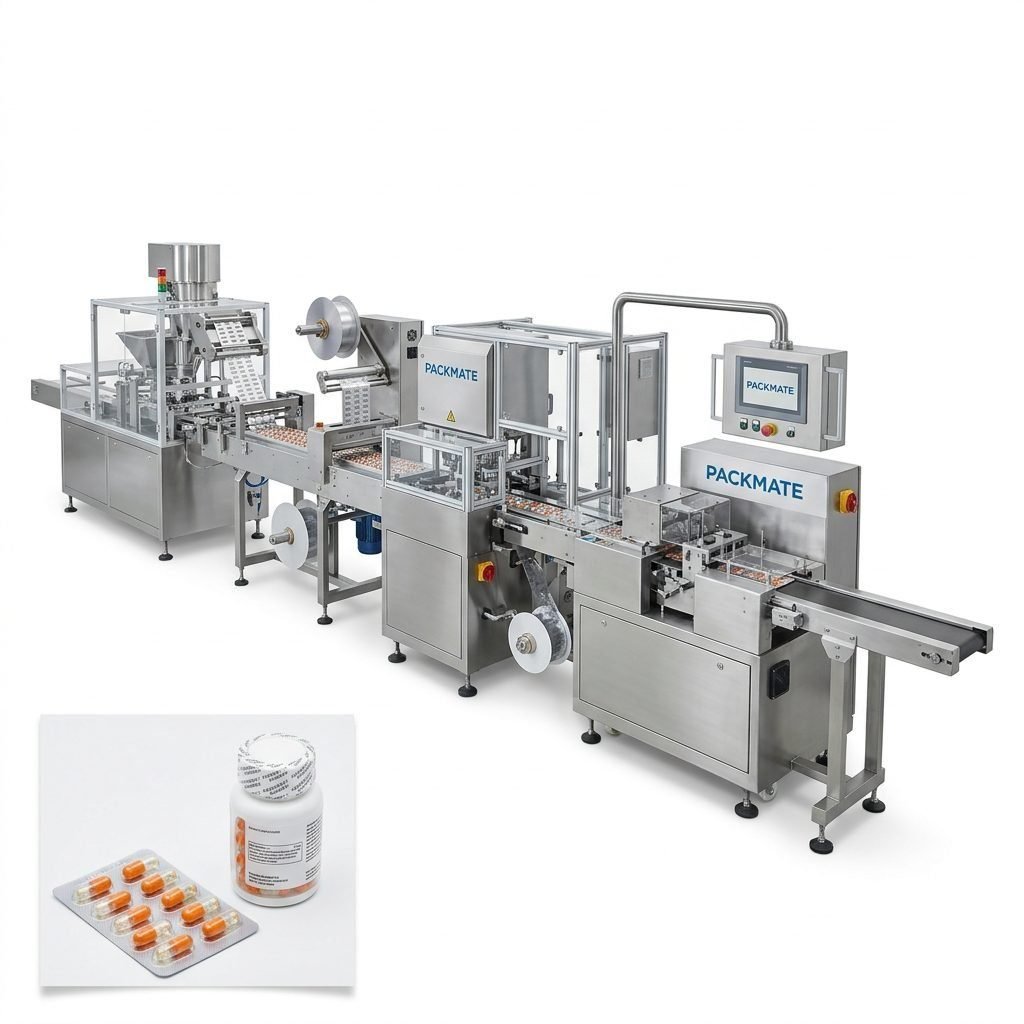
The pharmaceutical industry relies on blister packers and strip packers for unit-dose safety. The food industry uses vacuum packaging machines and modified atmosphere packaging (MAP) machines to drastically extend shelf life. For products like loose leaf tea or granular supplements, sachet and stick pack machines offer convenient, single-serve portions. Similarly, niche markets, such as the smokeless tobacco sector, utilize specialized snus and nicotine packaging machines that meet specific regulatory and consumer usage patterns.
5.1 The Role of Auxiliary Equipment
No packaging line is complete without the support of auxiliary equipment. These machines don’t perform primary packaging functions but are essential for smooth operation. This includes conveyors for product transport, checkweighers for quality control, metal detectors and X-ray inspection systems for safety, and unscramblers to orient containers. A robust line integrates these elements with the core machines. Explore options for auxiliary packaging equipment to complete your system.
6. Choosing the Right Machine: Key Considerations
Selecting the appropriate packaging machinery is a significant investment. Decision-makers must evaluate several factors:
Product Characteristics: Is it liquid, powder, granule, solid, or viscous? This determines the filling method.
Packaging Material: Film, paper, laminate, glass, or plastic? This influences the sealing technology.
Required Speed (Output): Units per minute (UPM) must match production targets.
Flexibility: Does the line need to handle multiple product sizes or types?
Budget and ROI: Consider both initial capital expenditure and long-term operational savings from efficiency and reduced waste.
Partnering with an experienced manufacturer like Packmate Machinery, with over 30 years of expertise, can provide invaluable guidance in navigating these choices and implementing reliable, turnkey packaging solutions.
Frequently Asked Questions (FAQs)
What is the main difference between vertical (VFFS) and horizontal (HFFS) form-fill-seal machines?
VFFS machines form bags vertically from a single roll of film, fill them from above, and are ideal for free-flowing products like snacks and granules. HFFS machines form pouches horizontally and are often better suited for delicate, non-free-flowing, or irregularly shaped items that need to be placed into the pouch.
How do I determine the right packaging speed for my business?
Calculate your current and projected daily/weekly production volume. The machine’s speed (in packs per minute) should comfortably meet your peak demands with some capacity for future growth, without over-investing in excessively high speed that you don’t need.
Can one machine handle different package sizes?
Many modern machines are designed with changeover capabilities. Look for models with quick-change parts (like formers, fillers, and sealing jaws) or servo-driven adjustments that allow for switching between pre-set package sizes with minimal downtime.
What is a turnkey packaging solution?
A turnkey solution is a complete, ready-to-operate packaging line supplied by a single vendor. It includes all primary and auxiliary machines, integration, installation, commissioning, and often training and support. This approach reduces complexity and ensures all components work harmoniously together.
Why is accuracy in filling so critical?
Filling accuracy directly impacts profitability and compliance. Overfilling gives away product, cutting into margins. Underfilling can lead to regulatory non-compliance (for weight-controlled goods) and customer dissatisfaction. High-precision fillers minimize this giveaway and ensure every package meets specification.