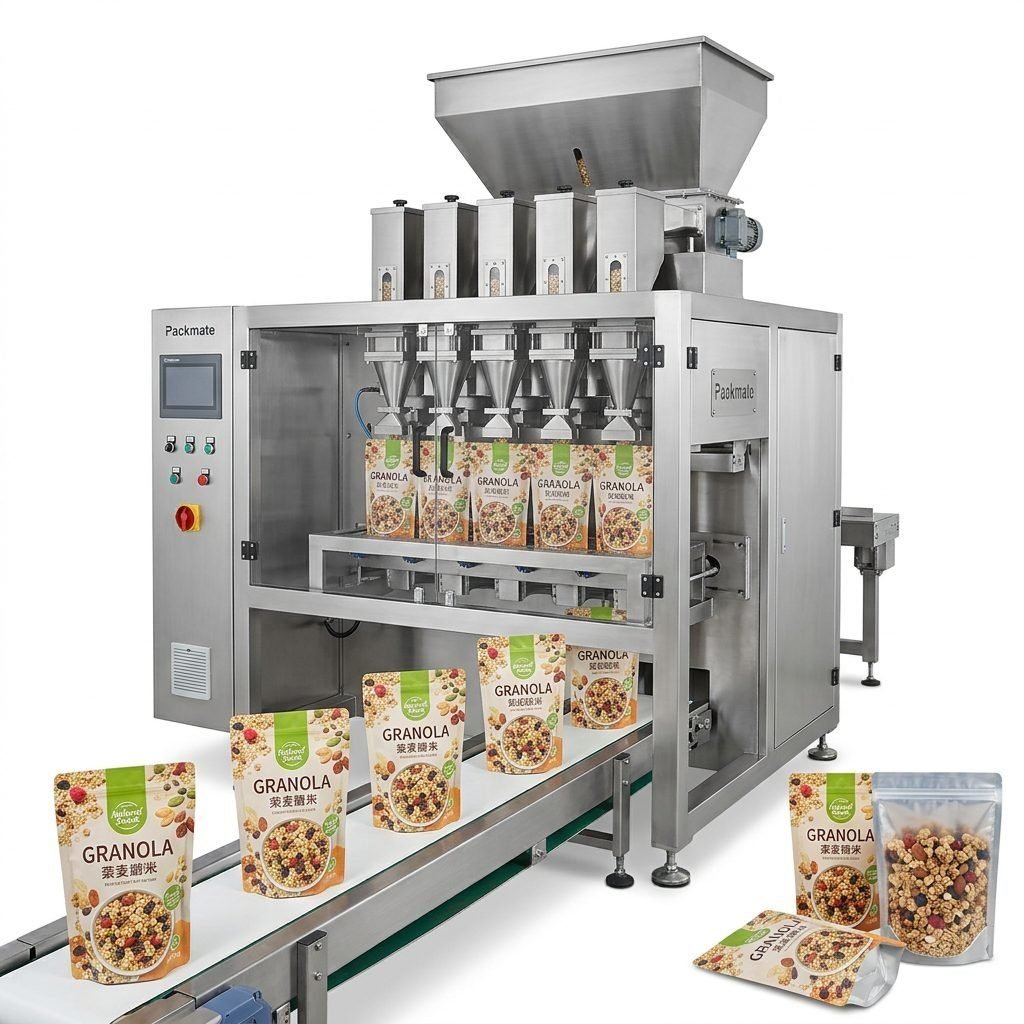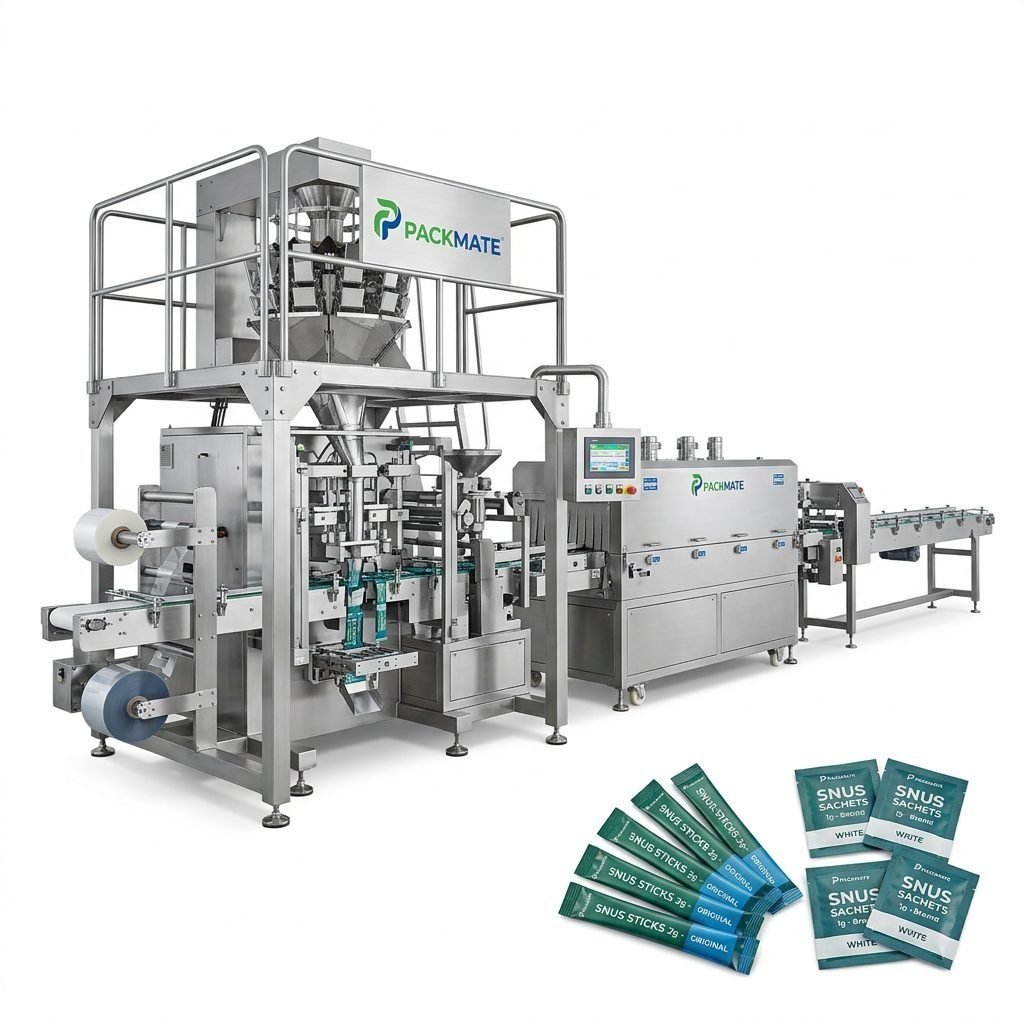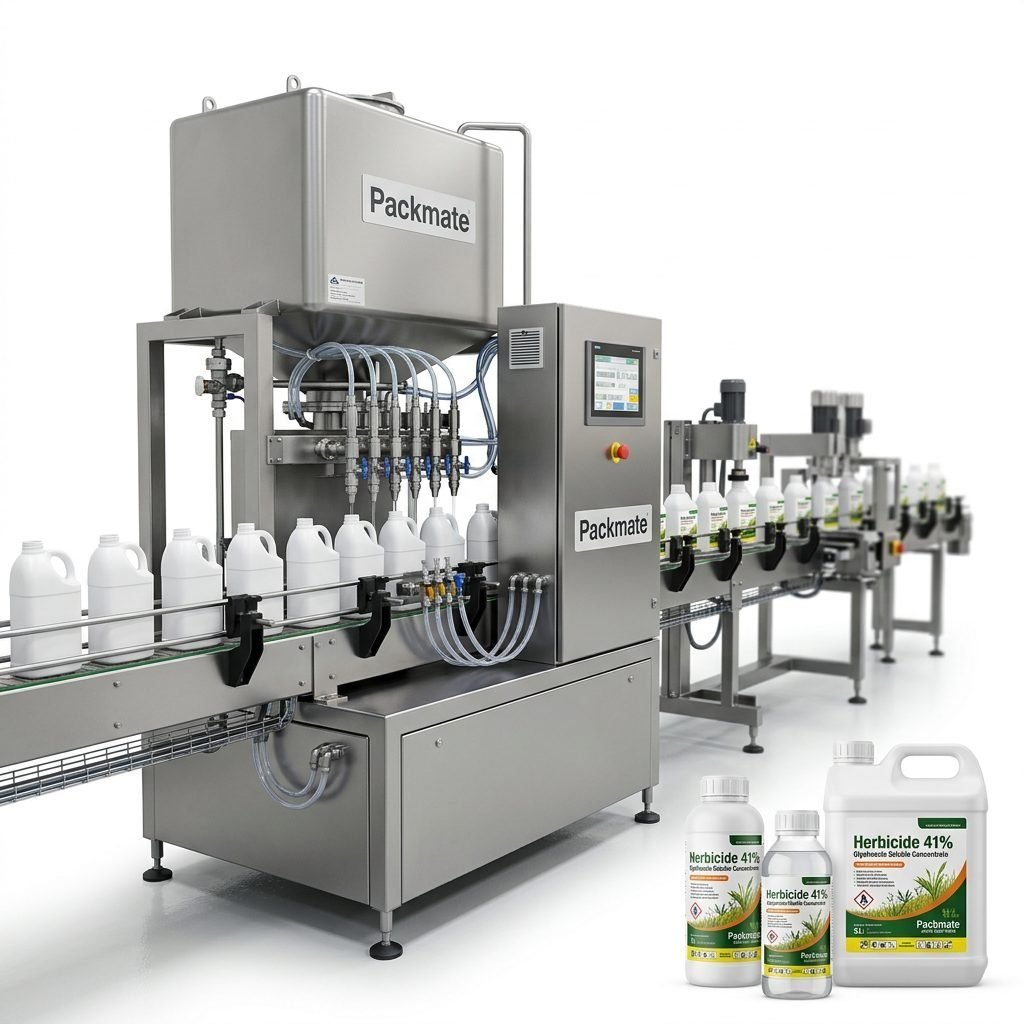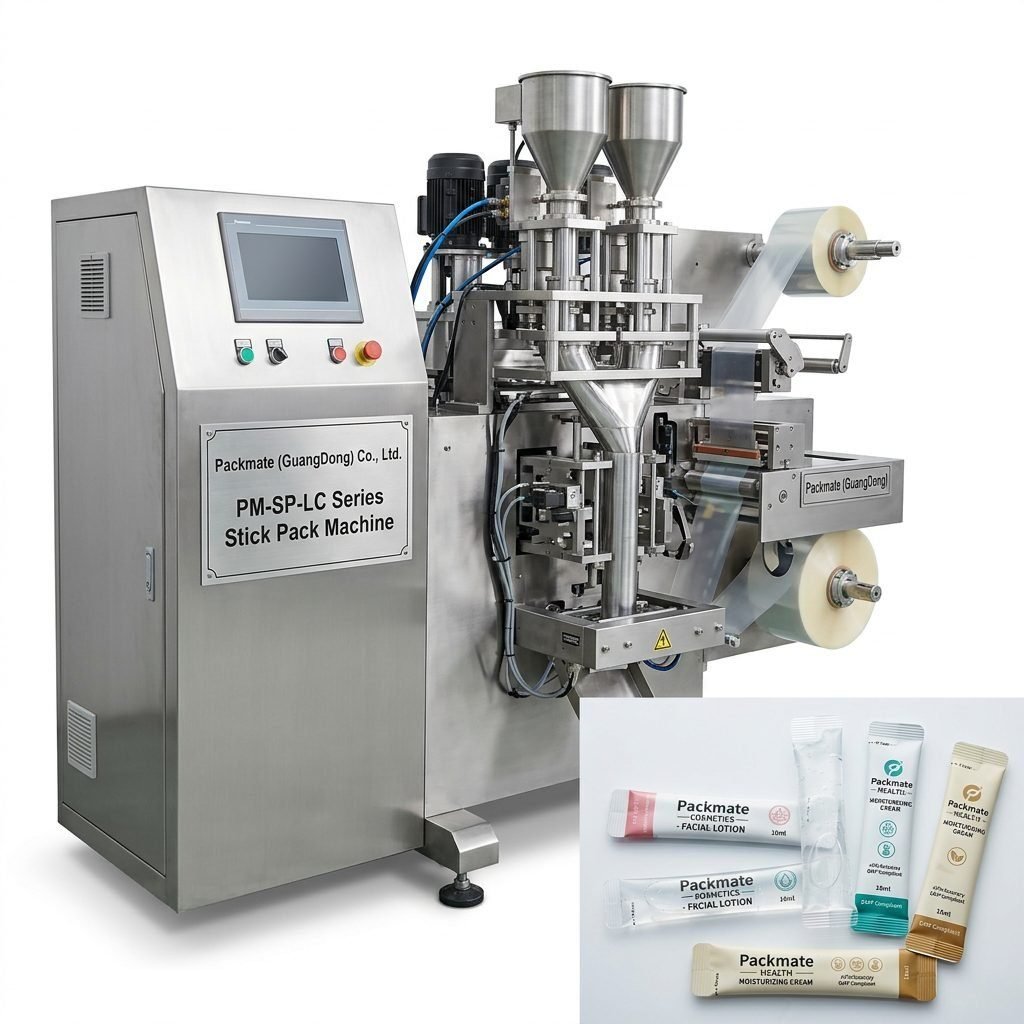
In the fast-paced world of manufacturing, efficiency and precision are paramount. For businesses handling liquids—from beverages and pharmaceuticals to oils and cosmetics—the right packaging machine is not just an asset; it’s a critical component of the production line. This comprehensive guide delves into the world of liquid packaging machines, exploring their various types, diverse applications, and essential factors to consider before making a purchase. Whether you’re scaling up operations or automating for the first time, understanding this equipment is the first step toward streamlined, reliable, and cost-effective packaging.
Understanding Liquid Packaging Machines
A liquid packaging machine is an automated system designed to fill, seal, and sometimes label containers with liquid products. These machines range from simple, single-head fillers to complex, integrated filling and packaging lines. The core function is to ensure accurate volumetric or weight-based filling while maintaining product integrity and hygiene, significantly outperforming manual methods in speed, consistency, and waste reduction.
Key Advantages of Automation:
Enhanced Speed & Output: Automated machines can fill hundreds, even thousands, of containers per hour, meeting high-volume demands effortlessly.
Unmatched Accuracy: They eliminate human error, ensuring each container receives the exact predetermined amount of liquid, crucial for compliance and cost control.
Superior Hygiene & Safety: Closed systems minimize product exposure to contaminants, which is especially vital for food, beverage, and pharmaceutical applications.
Reduced Operational Costs: While the initial investment is notable, automation cuts long-term labor costs and material waste, offering a strong return on investment.
Main Types of Liquid Packaging Machines
The market offers a variety of machines, each suited to specific container types, product viscosities, and production scales. Choosing the correct type is fundamental to your operation’s success.
1. Piston Fillers
These are among the most common and versatile fillers. They work by drawing a precise volume of liquid into a cylinder (piston) and then dispensing it into the container. Piston fillers excel with viscous products like sauces, creams, pastes, and oils, offering excellent accuracy even with non-uniform products containing particulates.
2. Gravity Fillers
Ideal for free-flowing, thin liquids such as water, juices, or solvents. The liquid flows from a tank into containers by gravity. The machine controls the fill volume by timing the flow or using a siphon tube. They are often simpler and more cost-effective for low-viscosity applications.
3. Vacuum Fillers
These machines create a vacuum inside the container, which draws the liquid in from the supply tank. They are particularly gentle and perfect for filling fragile containers or foaming liquids, as they prevent splashing and oxidation.
4. Overflow Fillers
Designed to achieve a consistent fill level (rather than a consistent volume) across all containers, which is critical for presentation. Common in the cosmetics and chemical industries, they fill containers until liquid reaches a specific overflow point, ensuring every bottle looks identical on the shelf.
5. Form-Fill-Seal (FFS) Machines
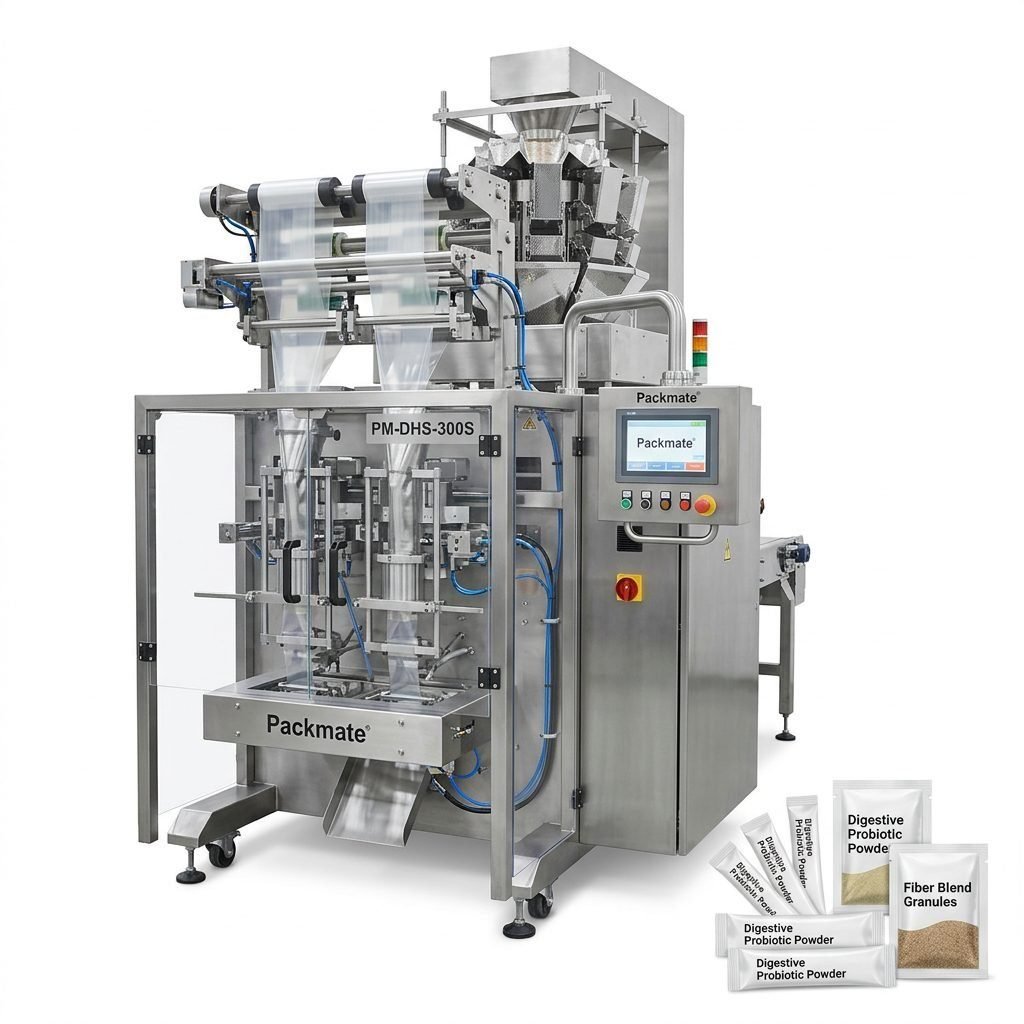
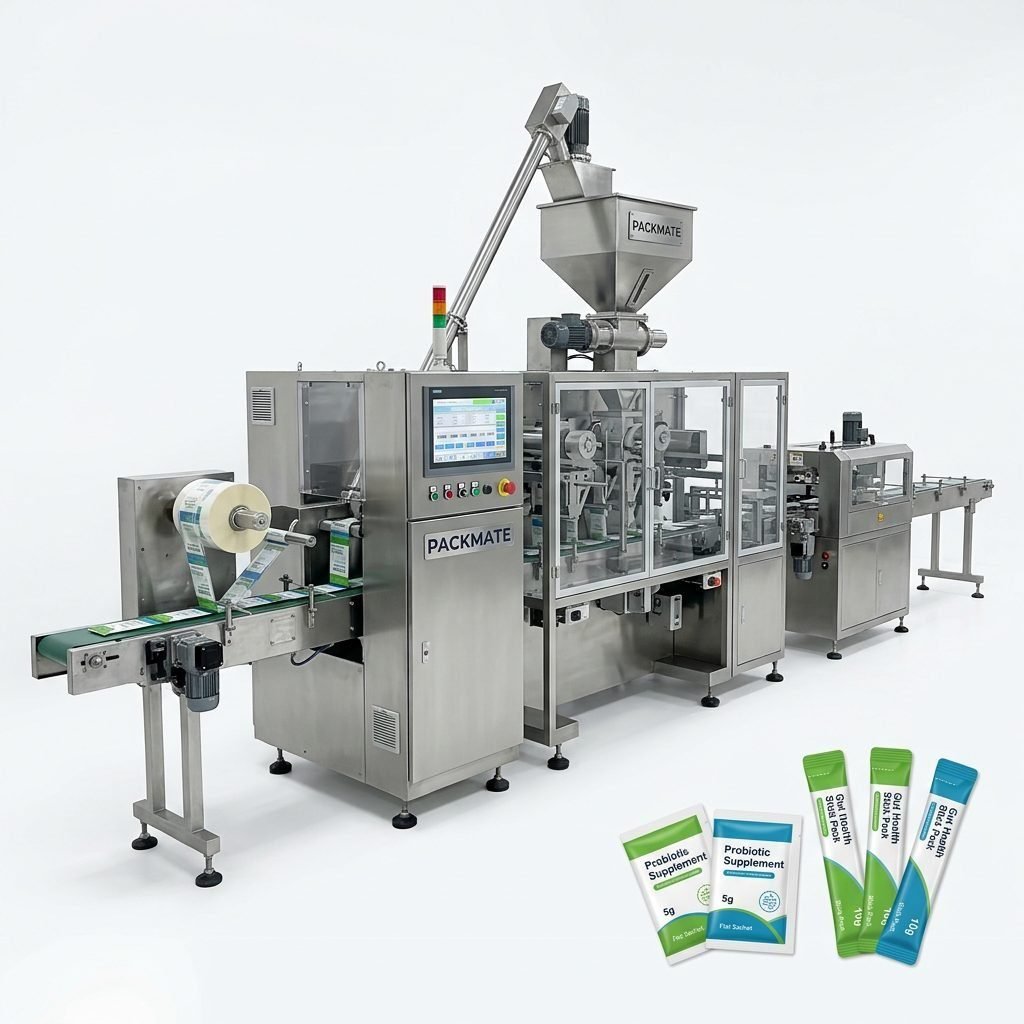
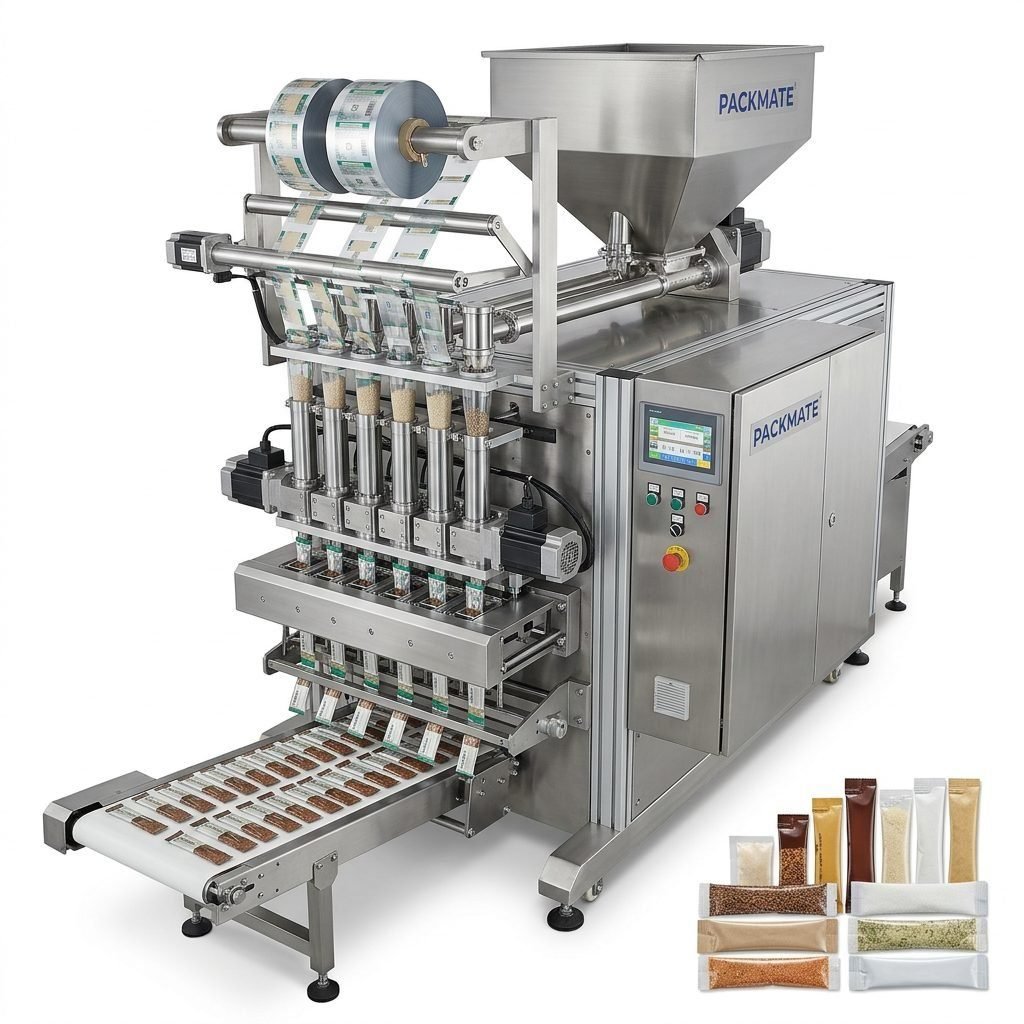
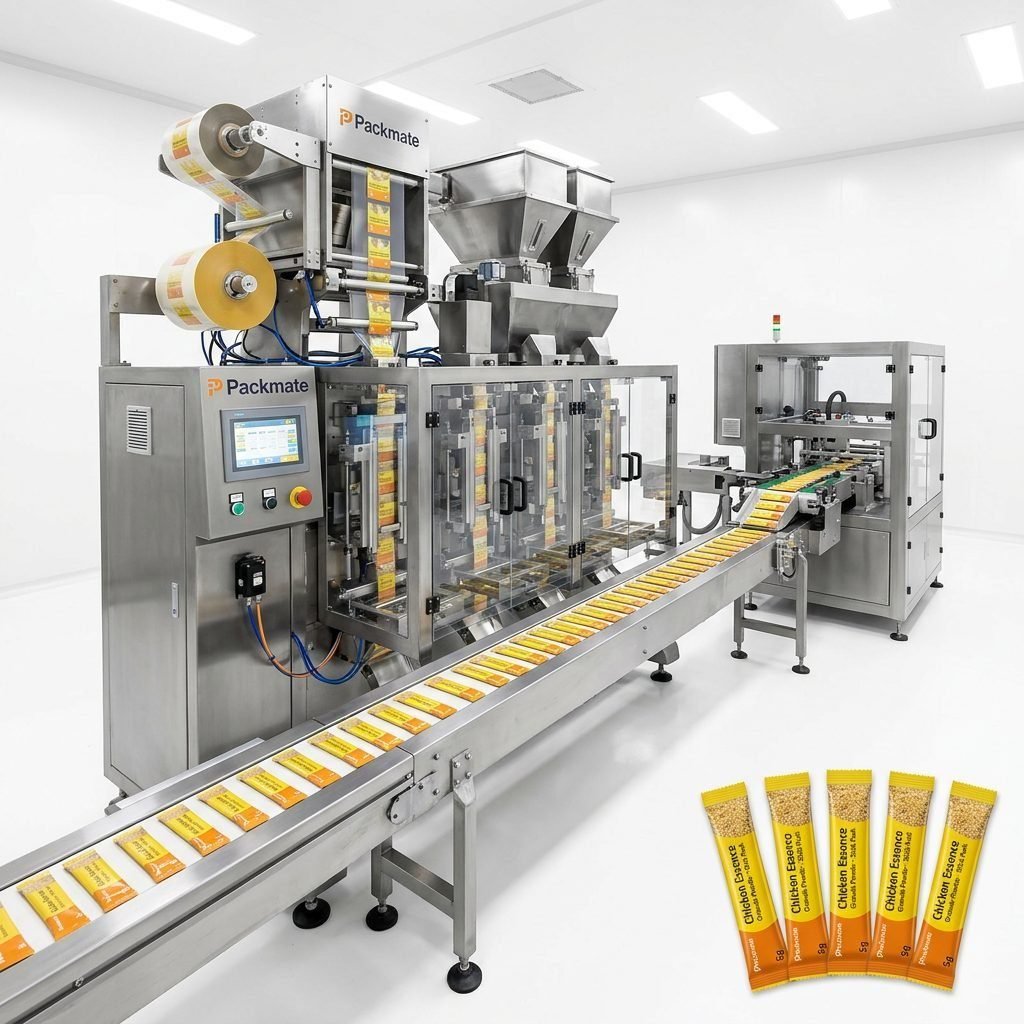
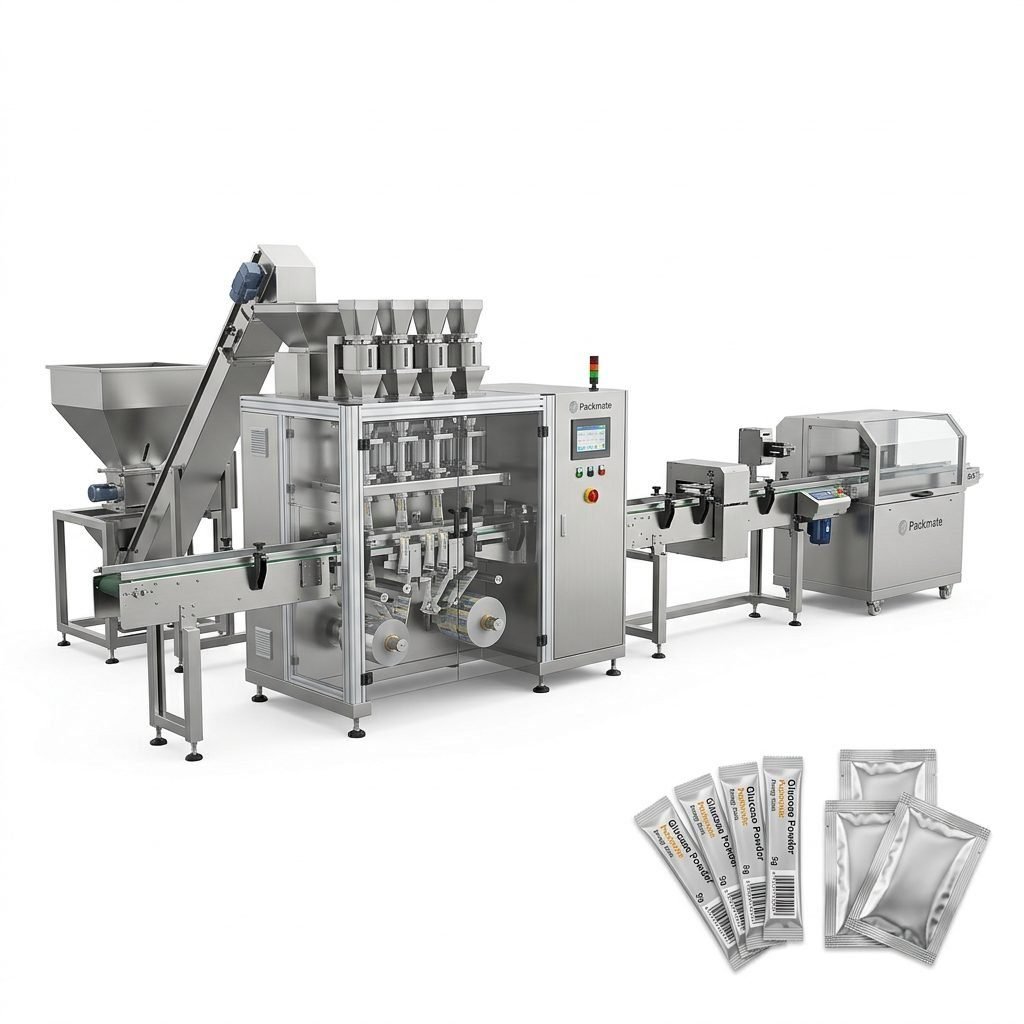
This advanced technology creates the packaging pouch from a roll of film, fills it with liquid, and seals it—all in one continuous process. They are highly efficient for producing single-serve sachets and stick packs for condiments, dairy products, or pharmaceuticals.
Choosing the Right Filling Technology:
Your product’s viscosity is the primary deciding factor. Thin, water-like liquids work well with gravity or vacuum fillers. Thick, sticky products like honey or shampoo require the positive displacement action of a piston filler. For ultimate flexibility in pouch packaging, an FFS system is unparalleled.
Primary Uses and Industry Applications
Liquid packaging machines serve a vast array of sectors. Their adaptability makes them indispensable in modern manufacturing.
Food & Beverage: This is the largest application area. Machines fill everything from bottled water, juices, and sauces to cooking oils and dairy products. Hygiene, speed, and accuracy are non-negotiable here.
Pharmaceuticals & Healthcare: Precision and sterility are paramount. Machines used for syrups, injectables, disinfectants, and oral solutions must often comply with stringent standards like GMP (Good Manufacturing Practice).
Cosmetics & Personal Care: From shampoos and lotions to perfumes, packaging aesthetics (consistent fill levels) and the ability to handle various viscosities and container shapes are key requirements.
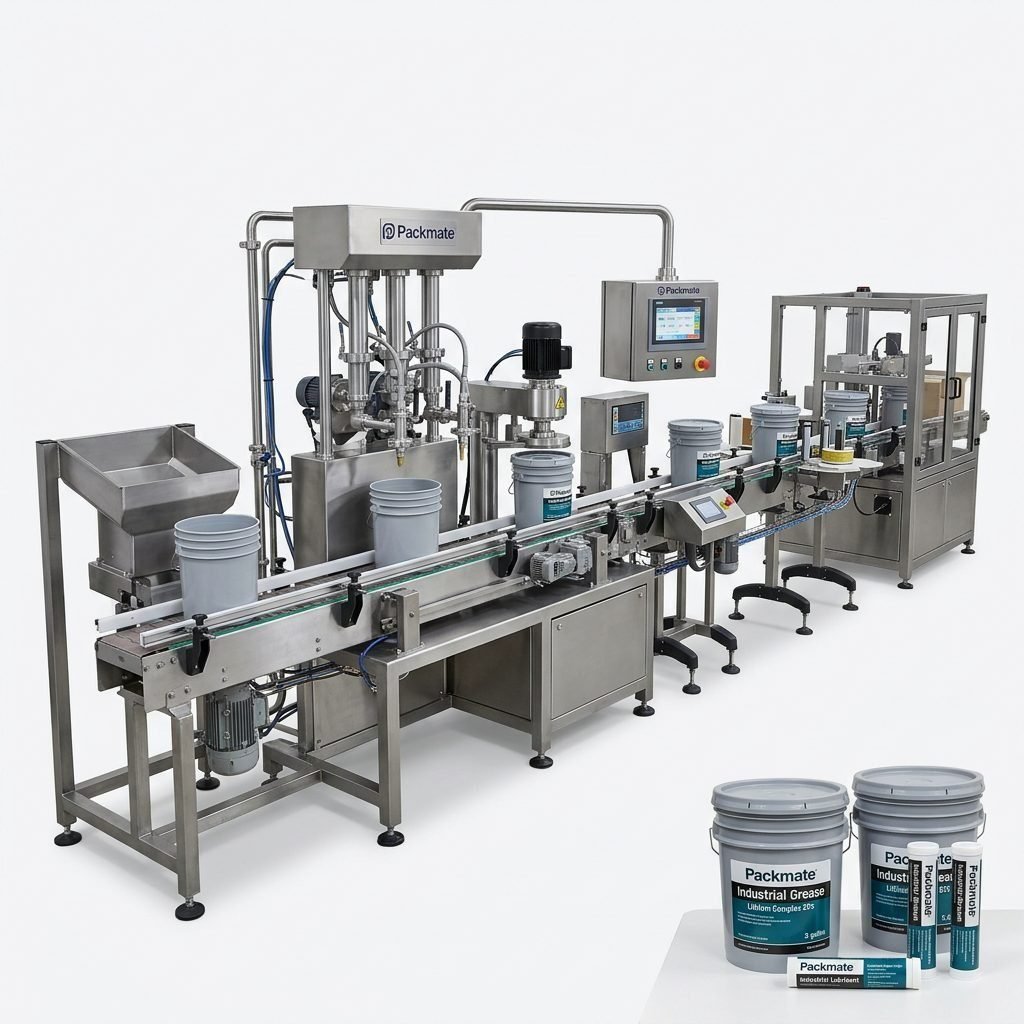
Chemicals & Household Products: Detergents, lubricants, and solvents require robust machines that can handle aggressive or viscous liquids safely and reliably.
Critical Buying Tips for Your Investment
Purchasing a liquid packaging machine is a significant decision. Here are essential factors to guide your selection process.
1. Analyze Your Product and Container
Start with a thorough analysis. What is the liquid’s viscosity, acidity, and foaming tendency? What is the container’s material (glass, plastic, pouch), shape, and size? The machine must be compatible with both to function correctly.
2. Determine Your Production Requirements
Calculate your required output in containers per hour (CPH). Consider not just current needs but also future growth. Do you need a single-head machine or a multi-head rotary system for higher speeds? Also, assess the level of automation—from semi-automatic to fully automatic lines with capping and labeling.
3. Prioritize Accuracy and Hygiene
Fill accuracy directly impacts your bottom line and compliance. Look for machines with precise measuring systems. For food or pharma, ensure the machine is made with food-grade materials (e.g., 316 stainless steel) and is designed for easy cleaning (CIP – Clean-in-Place capabilities).
4. Evaluate Ease of Use and Changeover
A user-friendly control panel (often touchscreen HMI) reduces training time and operator error. Quick changeover between different container sizes or products is crucial for manufacturers with multiple SKUs. Look for machines with tool-less adjustments.
5. Consider the Manufacturer’s Reputation and Support
This may be the most crucial tip. Invest in a machine from a reputable manufacturer known for quality and reliability. For instance, Packmate Machinery, with over 30 years of expertise, not only provides robust packing machines but also comprehensive after-sales service, training, and spare parts support. A strong warranty and accessible technical support are invaluable.
The Total Cost of Ownership (TCO)
Look beyond the initial purchase price. Consider the TCO, which includes:
Operational Costs: Energy consumption, required compressed air, and maintenance.
Efficiency: A faster, more accurate machine reduces product giveaway.
Durability: A well-built machine from a quality manufacturer like Packmate, operating from a 20,000㎡ modern facility, will have a longer lifespan and lower long-term repair costs.
Support: Availability of service and parts prevents prolonged downtime.
Selecting the ideal liquid packaging machine is a strategic decision that impacts your productivity, product quality, and profitability. By carefully considering your product characteristics, production goals, and the long-term support from the manufacturer, you can invest in a solution that not only meets today’s needs but also scales with your business’s future. Embracing the right automation technology is the key to staying competitive in a dynamic market.
Frequently Asked Questions (FAQs)
What is the most accurate type of liquid filler?
Piston fillers are generally considered the most accurate for a wide range of viscosities, especially for thick or semi-solid liquids, as they provide positive displacement volumetric filling. For ultra-precise filling of very thin liquids, advanced volumetric or mass flow meters can also achieve exceptional accuracy.
Can one machine handle different container sizes?
Yes, most modern liquid packaging machines are designed with changeover parts or adjustable components. The speed and complexity of this changeover vary. Look for machines that offer “quick changeover” features with tool-less adjustments to minimize downtime when switching between different bottle or pouch sizes.
How do I maintain a liquid packaging machine?
Regular maintenance is vital. It typically includes daily cleaning (following the manufacturer’s CIP or manual procedures), weekly checks and lubrication of moving parts, and periodic inspection of seals, pistons, and sensors. Always follow the specific maintenance schedule provided in the machine’s manual from your supplier.
What is the lead time for receiving a new machine?
Lead times vary significantly based on the machine’s complexity, customization level, and the manufacturer’s order backlog. For standard models, it could be 8-12 weeks. For highly customized or large weighing and packaging systems, it may take several months. It’s crucial to discuss timelines with your supplier during the quoting process.
Are there machines suitable for small-batch or R&D production?
Absolutely. Many manufacturers offer semi-automatic or tabletop models perfect for low-volume production, pilot runs, or research and development. These machines provide the same filling accuracy as larger units but at a lower output speed and investment cost, making automation accessible for smaller operations.