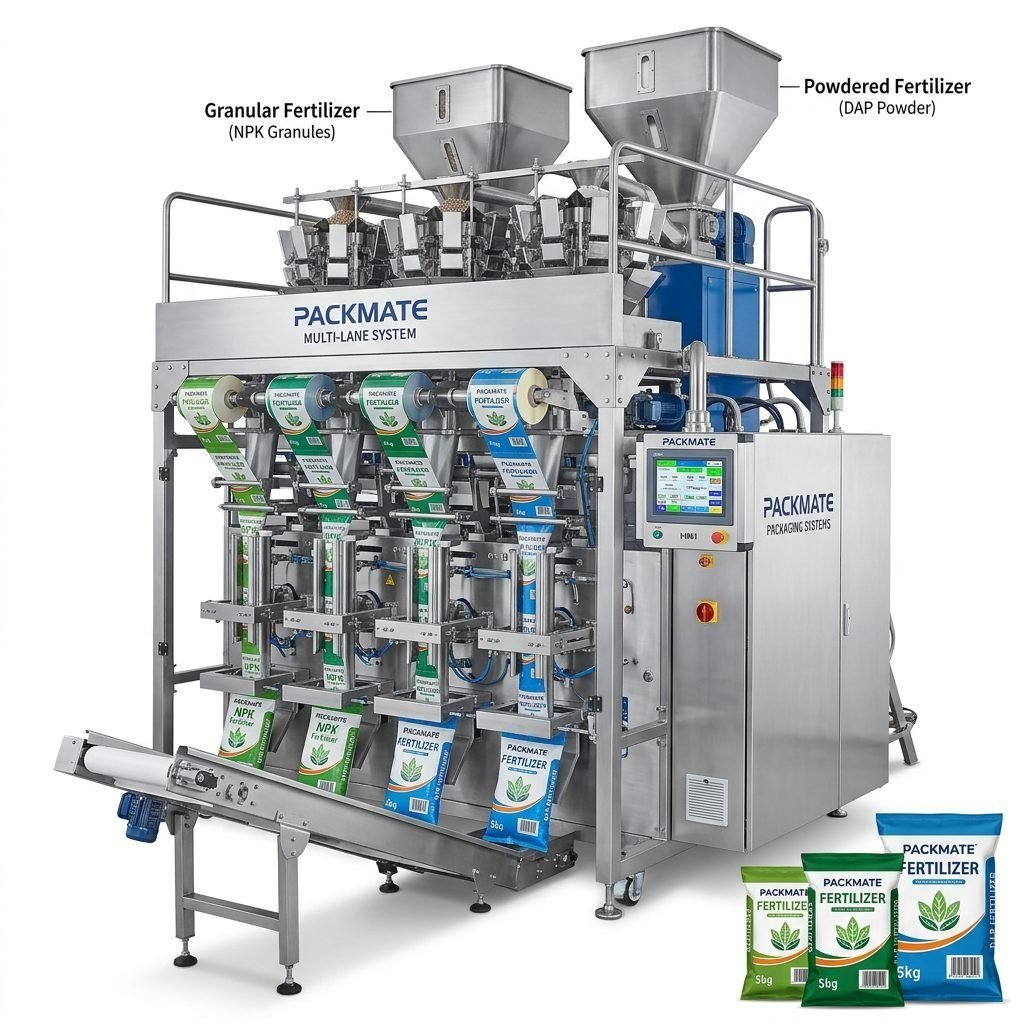
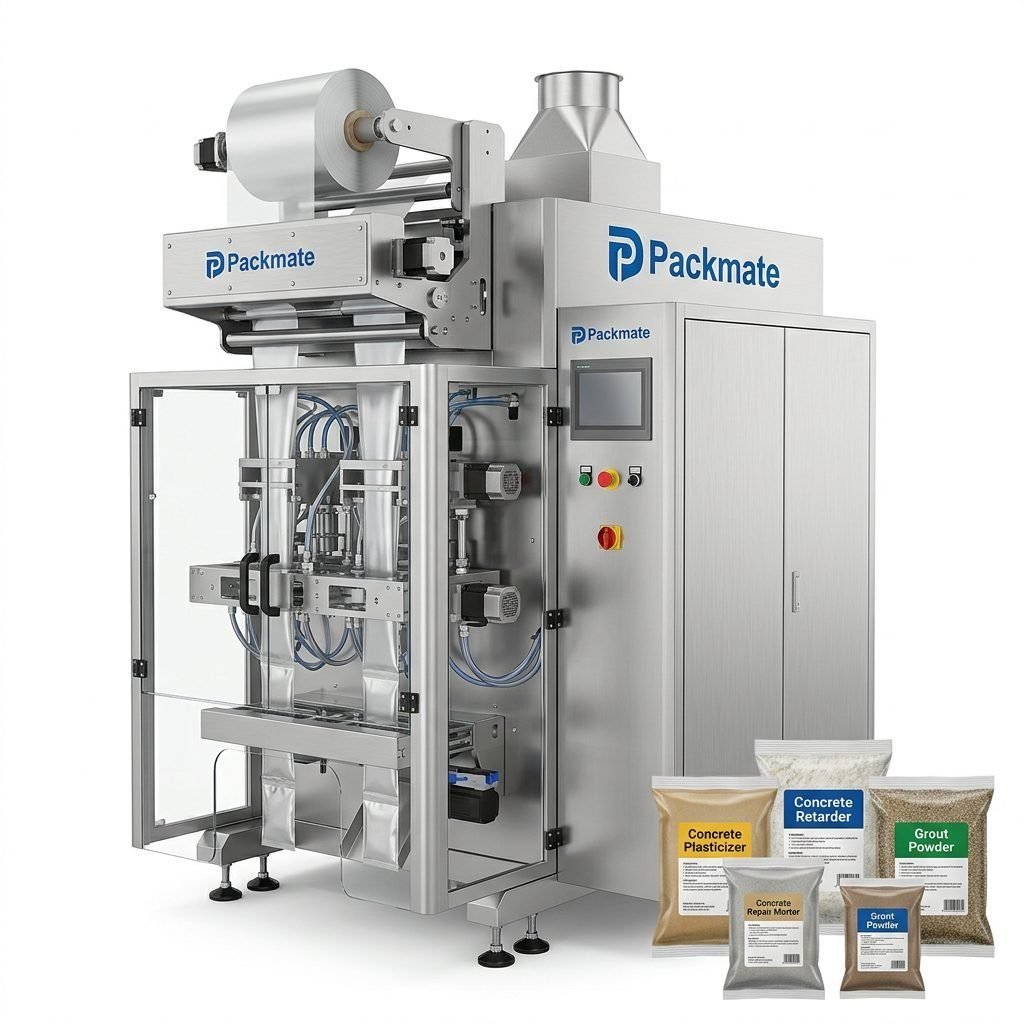
In today’s fast-paced industrial landscape, efficiency and consistency are paramount. Automated packaging machinery has emerged as a transformative force, revolutionizing how products are prepared for market across sectors like food, pharmaceuticals, and consumer goods. This guide delves into the complete world of automated packaging systems, exploring their core components, diverse benefits, and the critical factors for successful implementation.
Understanding Automated Packaging Systems
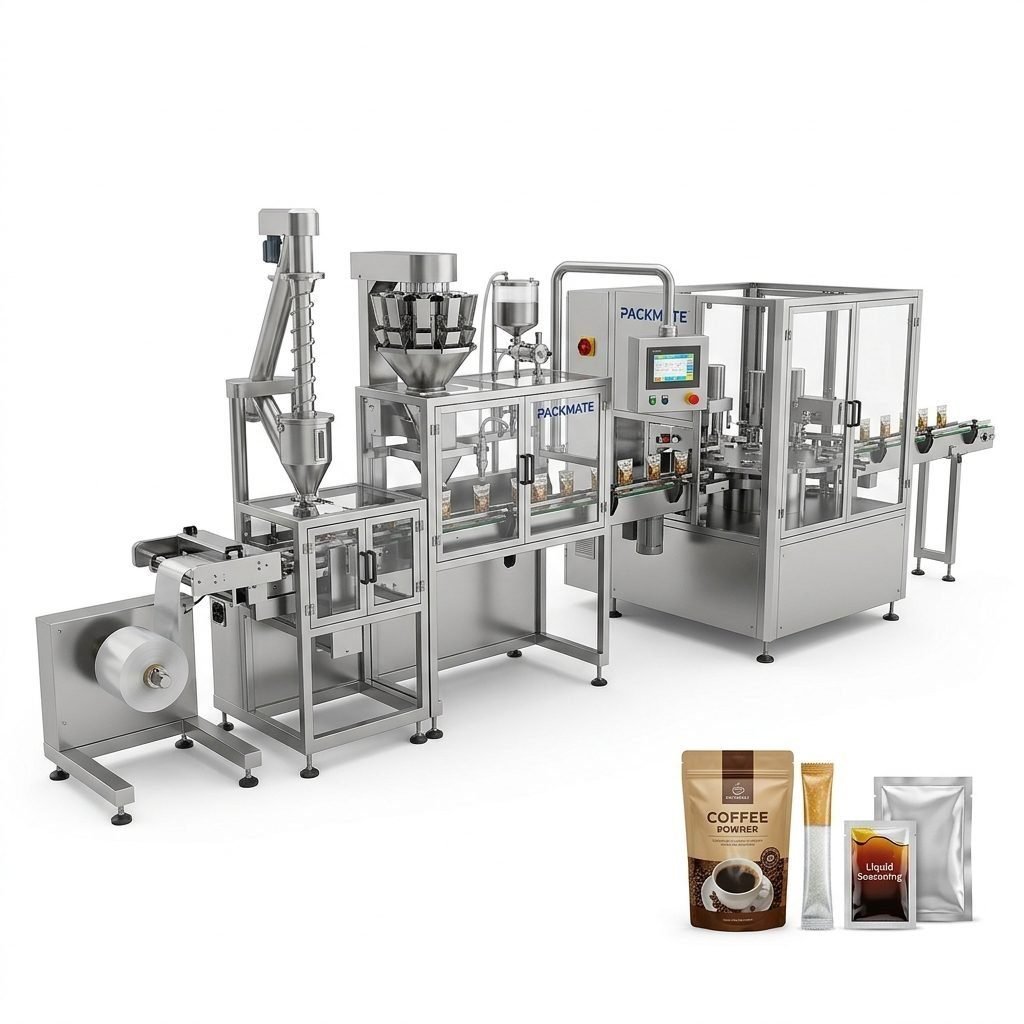
An automated packaging system is an integrated line of machinery designed to perform packaging tasks with minimal human intervention. These systems handle everything from product feeding and weighing to filling, sealing, labeling, and cartoning. The goal is to create a seamless, high-speed, and repeatable process that boosts output while maintaining stringent quality standards.
Core Insight: Unlike standalone machines, a true automated system is a synchronized orchestra of equipment. Each component, from the weighing system to the final sealer, communicates and coordinates to optimize the entire workflow.
Key Components of a Packaging Line
A typical automated line consists of several sequential stations:
Product Feeding & Handling: This is the starting point, where bulk product is conveyed, oriented, and presented to the system. Vibratory feeders, conveyor belts, and robotic pick-and-place units are common here.
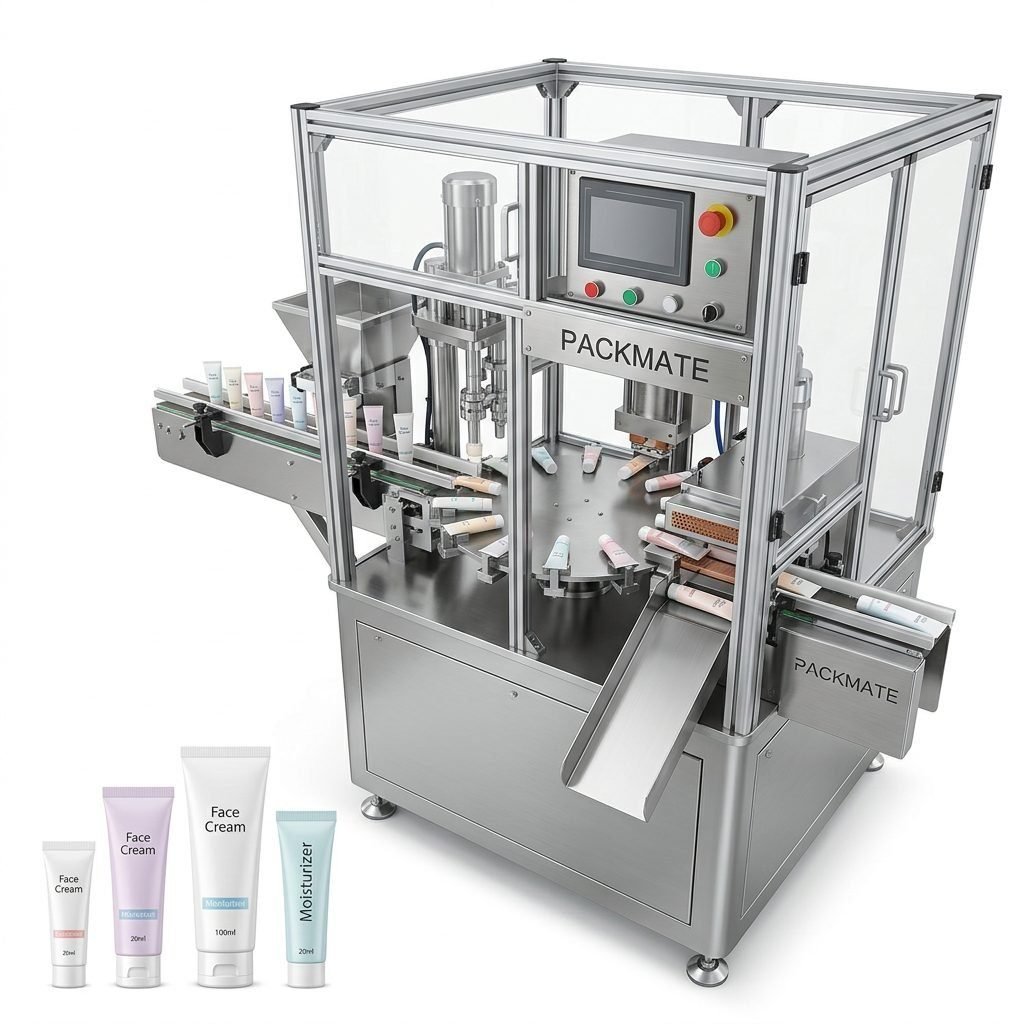
Weighing & Dosing: Critical for accuracy, this station ensures each package receives the exact predetermined amount of product. Multi-head weighers and volumetric fillers are precision tools in this stage.
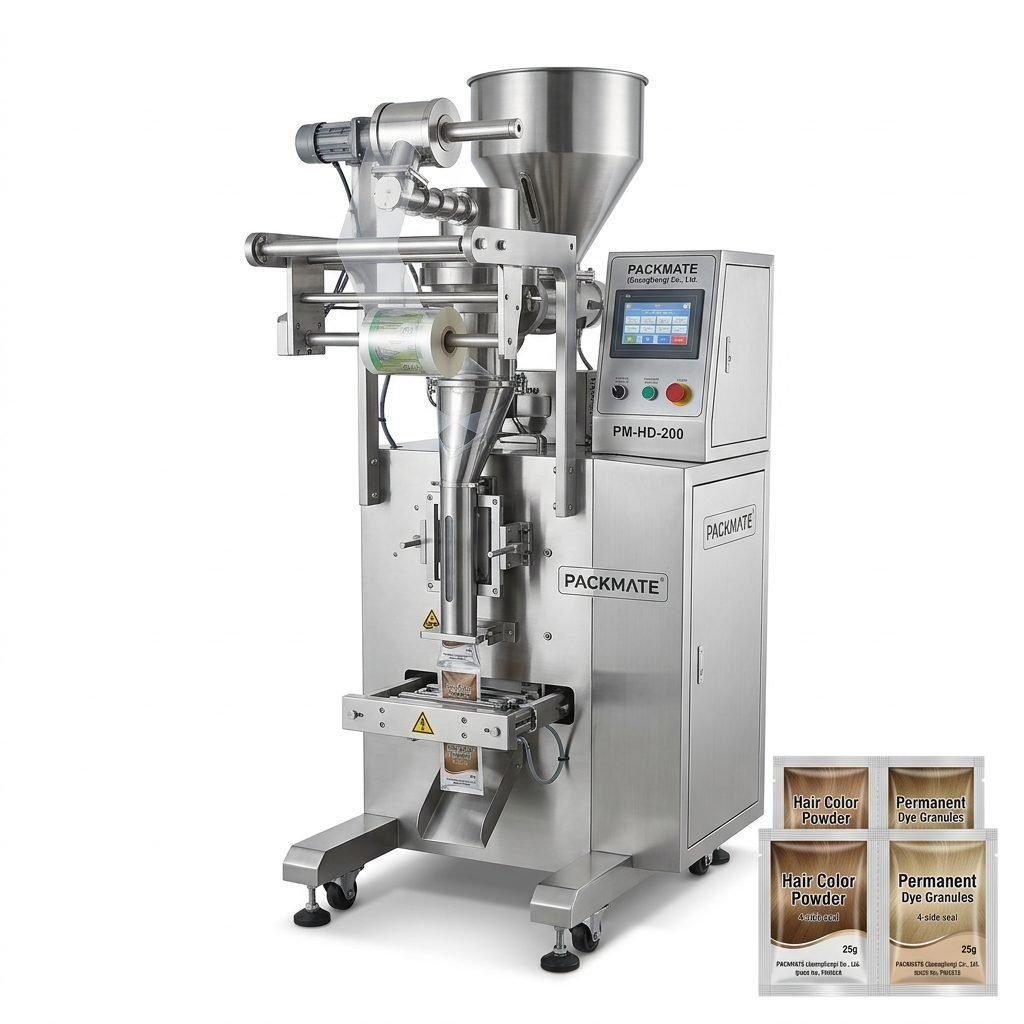
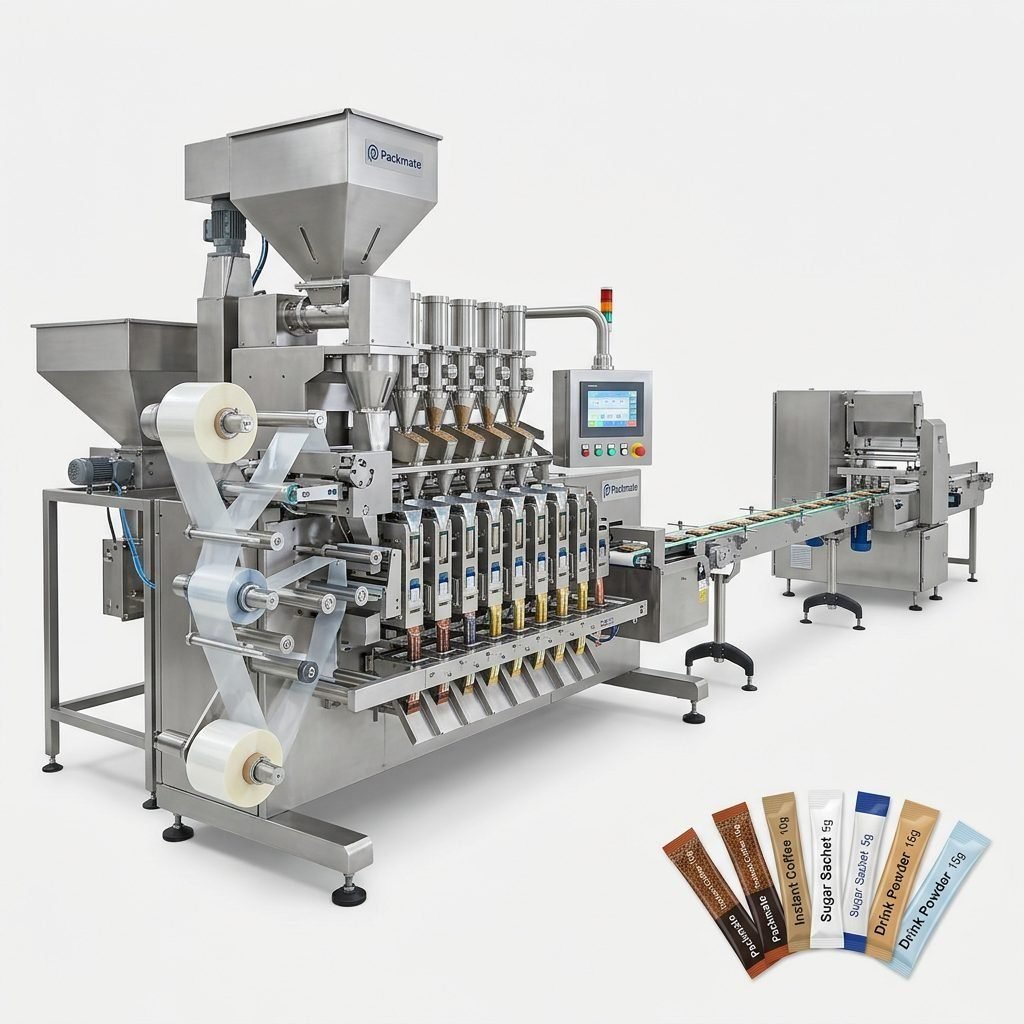
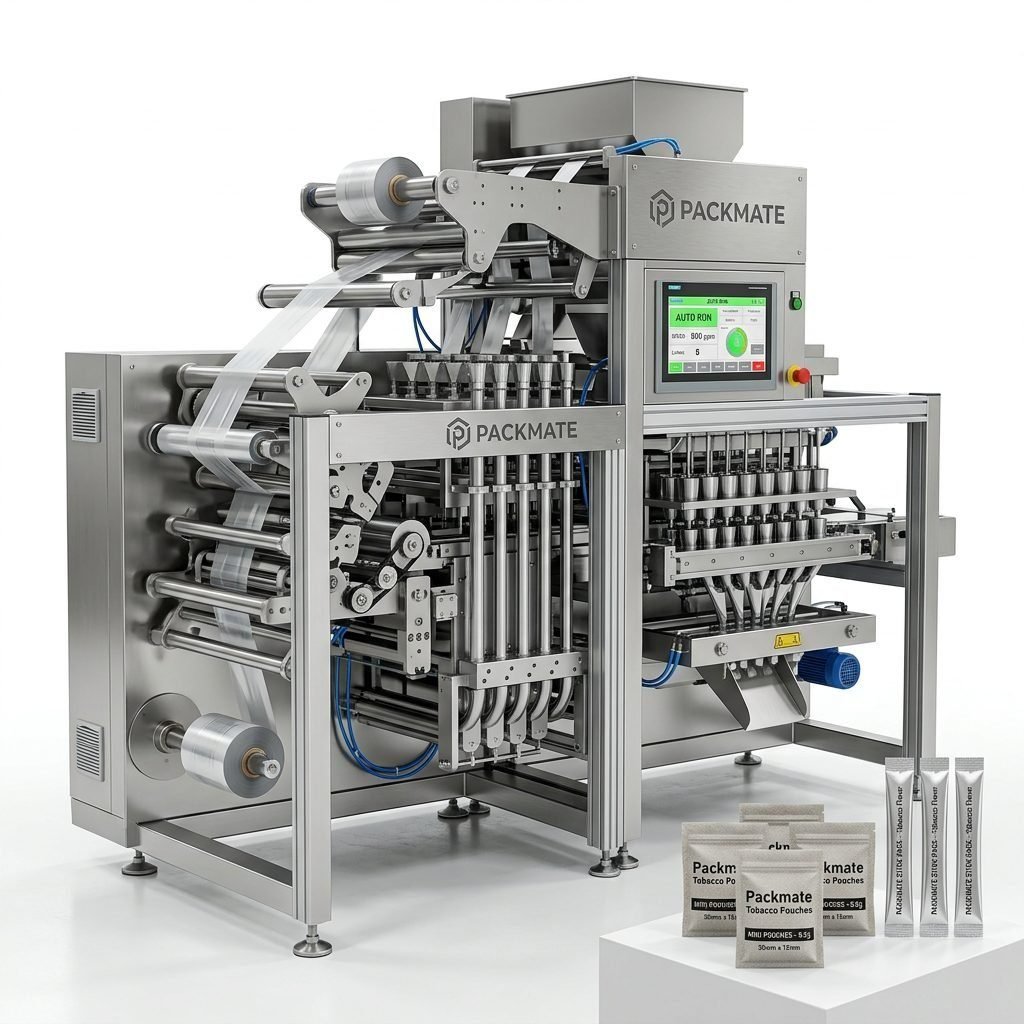
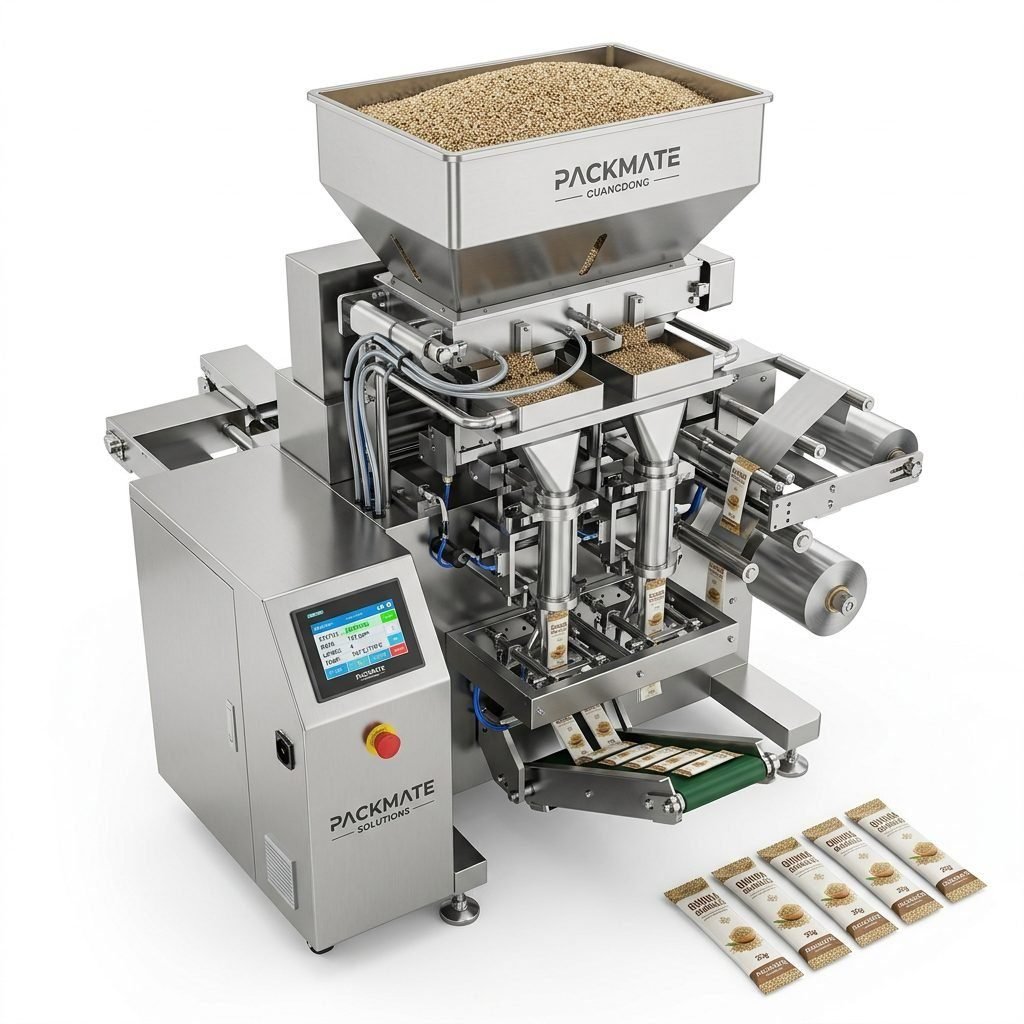
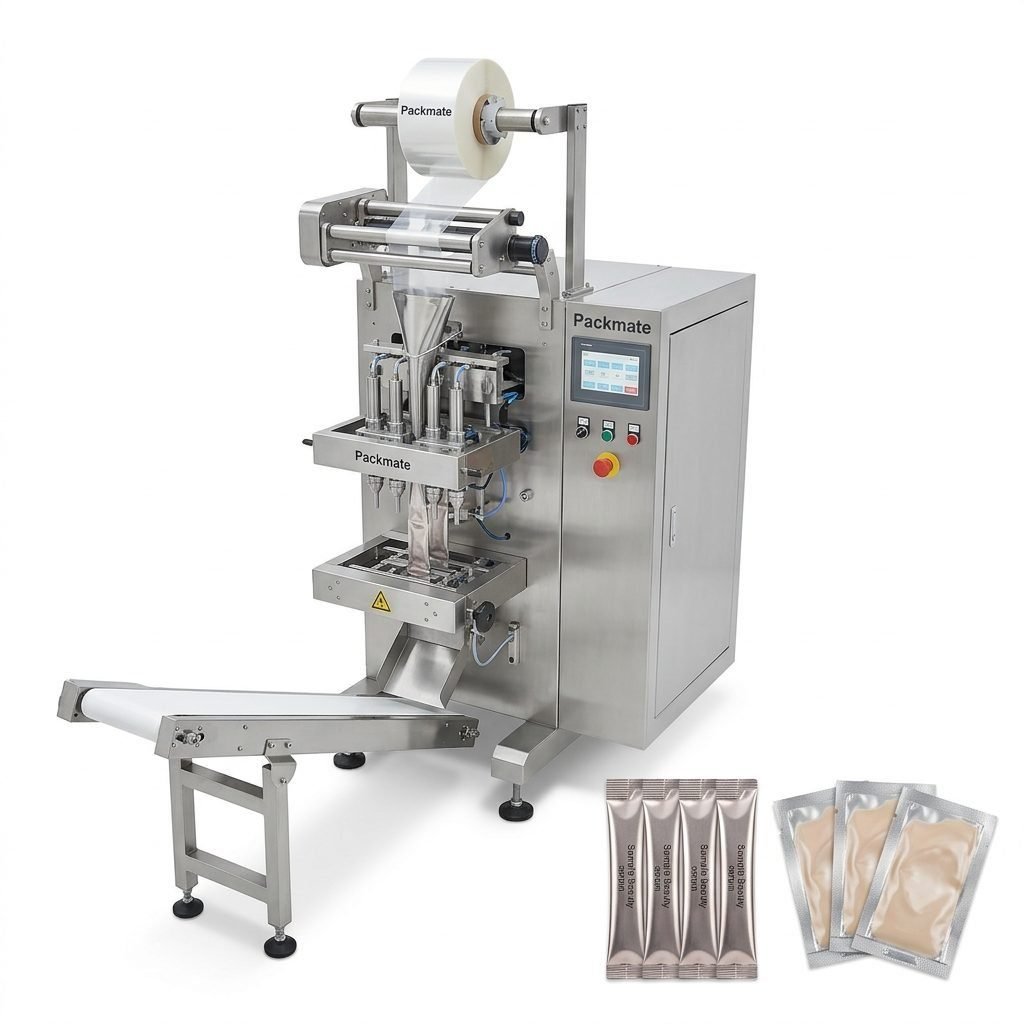
Forming, Filling, and Sealing (FFS): Often the heart of the line. Machines form packaging from a roll of film, fill it with product, and then hermetically seal it. This is especially prevalent in sachet and stick pack production.
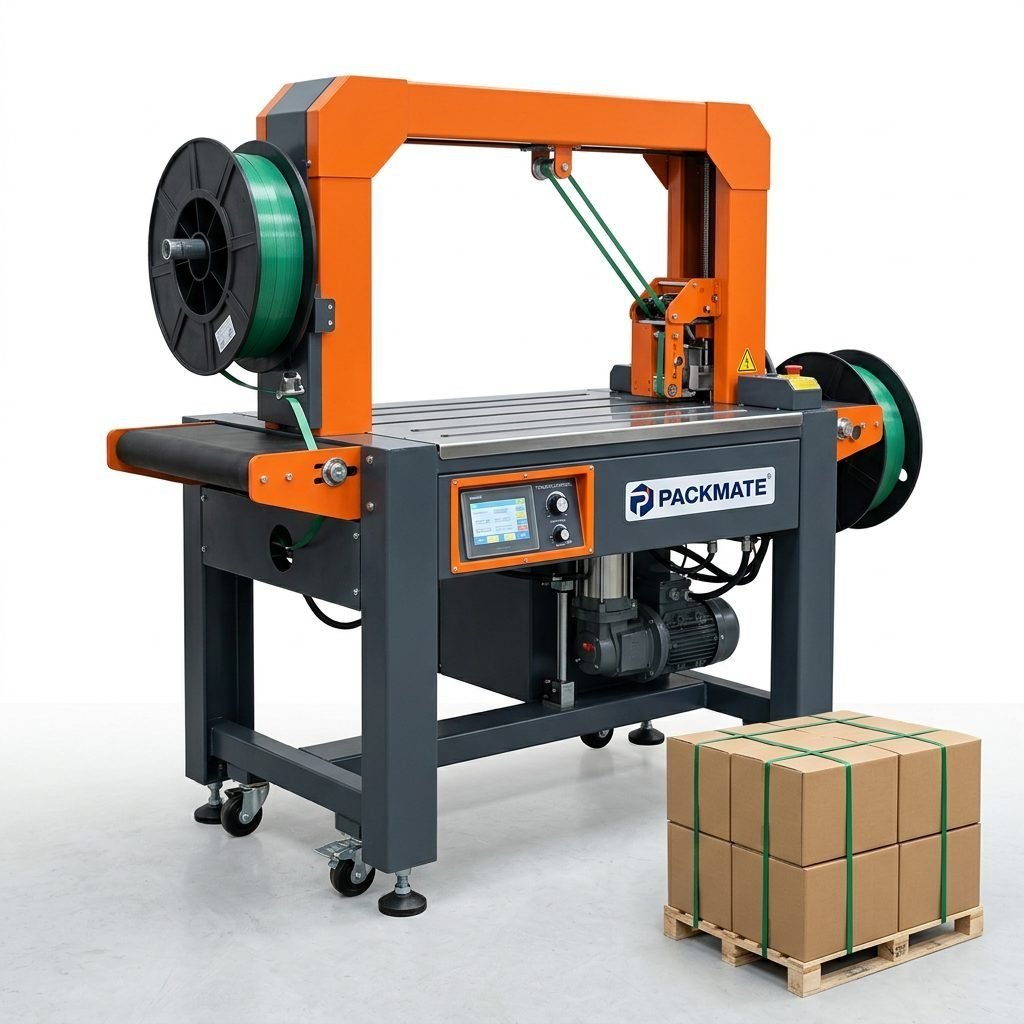
Secondary Packaging: After primary packaging, products may be grouped into multi-packs, placed into cartons, or wrapped in bundles. Case packers and cartoners automate this step.
Labeling & Coding: This station applies necessary labels, barcodes, expiration dates, and batch codes for traceability and compliance.
Control System: The brain of the operation. A Programmable Logic Controller (PLC) or industrial PC integrates all components, allowing for centralized monitoring, adjustment, and data collection.
The Multifaceted Benefits of Automation
The shift from manual or semi-automatic processes to full automation delivers a powerful return on investment through tangible operational and strategic advantages.
1. Dramatically Increased Productivity and Output
Automated systems operate continuously at high speeds, far surpassing manual capabilities. They eliminate worker fatigue and shift-change downtime, enabling 24/7 production runs. This scalability is essential for meeting large-volume orders and market demands.
2. Unmatched Consistency and Quality Control
Human error is a significant variable in manual packaging. Automation ensures every package is identical in weight, fill level, seal integrity, and appearance. Integrated checkweighers and vision inspection systems can automatically reject any substandard packs, guaranteeing only perfect products reach the customer.
Quality Assurance: Consistent packaging directly impacts brand perception and consumer trust. A perfectly sealed, accurately filled package every time reinforces your brand’s commitment to quality.
3. Significant Labor and Cost Savings
While the initial investment is substantial, automation reduces long-term labor costs. One operator can often oversee an entire line that replaces multiple manual workers. Savings also come from reduced product giveaway (through precise filling) and lower material waste.
4. Enhanced Workplace Safety
Automation removes workers from repetitive, strenuous, or potentially hazardous tasks like heavy lifting, exposure to dust or chemicals, and interaction with high-speed mechanical parts. This leads to a safer work environment and fewer occupational injuries.
5. Improved Flexibility and Data Insights
Modern automated systems are designed for quick changeovers. With recipes stored in the control system, switching between product types or package sizes can be achieved in minutes. Furthermore, these systems generate valuable production data—OEE (Overall Equipment Effectiveness), downtime reasons, output rates—which is crucial for continuous process improvement.
Choosing the Right System for Your Needs
Selecting an automated packaging solution is not a one-size-fits-all decision. It requires a careful analysis of your specific requirements.
Product Characteristics: Is your product a powder, granule, liquid, or solid? Its flowability, abrasiveness, and fragility will dictate the type of feeding and filling technology needed.
Packaging Materials & Format: Determine if you need to work with pre-made bags, form-fill-seal film, bottles, or cartons. The desired package type—whether it’s a stand-up pouch, stick pack, or sachet—narrows down the machine options.
Required Speed (Packages Per Minute): Your target output directly influences the machinery’s specification and cost. Be realistic about your current and future volume needs.
Floor Space and Layout: Assess the available space in your facility. A linear layout might be standard, but some systems can be configured in a “U” shape or with vertical elements to save floor space.
Integration Capability: The new system must communicate effectively with your existing upstream (production) and downstream (palletizing) equipment. Consider the communication protocols (e.g., Ethernet/IP, Profinet) and physical interfacing.
Partnering for Success: Working with an experienced manufacturer like Packmate Machinery is invaluable. With over 30 years of expertise, they can provide a complete turnkey packaging line tailored to your product and throughput, ensuring a smooth integration and reliable operation.
Implementation and Future Trends
Successful implementation involves thorough factory acceptance testing (FAT), proper operator training, and planned preventive maintenance. Looking ahead, the future of automated packaging is intelligent. Trends include the increased use of collaborative robots (cobots) for flexible handling, the integration of Artificial Intelligence for predictive maintenance and advanced quality inspection, and the adoption of more sustainable, mono-material packaging films that are easier to recycle.
Frequently Asked Questions (FAQs)
What is the typical ROI period for an automated packaging line?
The return on investment can vary widely from 1 to 4 years, depending on the system’s complexity, the labor costs it replaces, and the increase in output and quality it enables. A detailed cost-benefit analysis with your supplier is essential.
How difficult is it to change over an automated line to a different product?
Modern machines are built for flexibility. Changeover difficulty depends on the design. Many systems feature quick-release parts, digital recipes, and servo-driven adjustments that can make changeovers between similar products a matter of minutes, while more significant format changes may take a few hours.
Can automated systems handle fragile or irregularly shaped products?
Yes. Specialized handling solutions exist, such as gentle vacuum grippers, soft-belt conveyors, and vision-guided robots that can carefully pick and place delicate or non-uniform items without damage.
What kind of maintenance do these systems require?
Regular preventive maintenance is crucial for longevity and uptime. This typically includes daily cleaning, weekly lubrication of moving parts, and periodic inspection of wear components like seals, gaskets, and cutting blades, as outlined in the manufacturer’s manual.
How do I ensure my automated line is future-proof?
Choose a system with a modular design and scalable control architecture (like a capable PLC). Opt for suppliers who offer strong technical support, readily available spare parts, and software updates. Selecting equipment that can integrate with higher-level Manufacturing Execution Systems (MES) is also a forward-thinking step.