The dairy industry relies heavily on efficient, hygienic, and cost-effective packaging to ensure product safety, extend shelf life, and meet consumer demands. Choosing the right dairy packaging machine is a critical investment that impacts productivity, operational costs, and product quality. This comprehensive guide explores the various types of dairy packaging machines available, their applications, and provides essential buying tips to help you make an informed decision for your business.
Understanding Dairy Packaging Requirements
Dairy products, including milk, yogurt, cheese, butter, and cream, have unique packaging needs. The primary goals are to prevent contamination, maintain freshness, and provide convenience. Packaging must be airtight to protect against bacteria and oxidation, and it often requires specific materials like coated paperboard, plastics, or laminates that provide barriers to light and moisture. The machinery must handle these materials with precision while operating at high speeds to meet production volumes.
Key considerations for dairy packaging include hygienic design to prevent bacterial growth, accuracy in filling to ensure consistent portion control, and versatility to handle different product viscosities—from liquid milk to thick yogurt or cottage cheese.
Primary Types of Dairy Packaging Machines
The market offers a wide range of packaging solutions tailored to different dairy products and formats. Understanding these types is the first step in selecting the right equipment.
Form-Fill-Seal (FFS) Machines
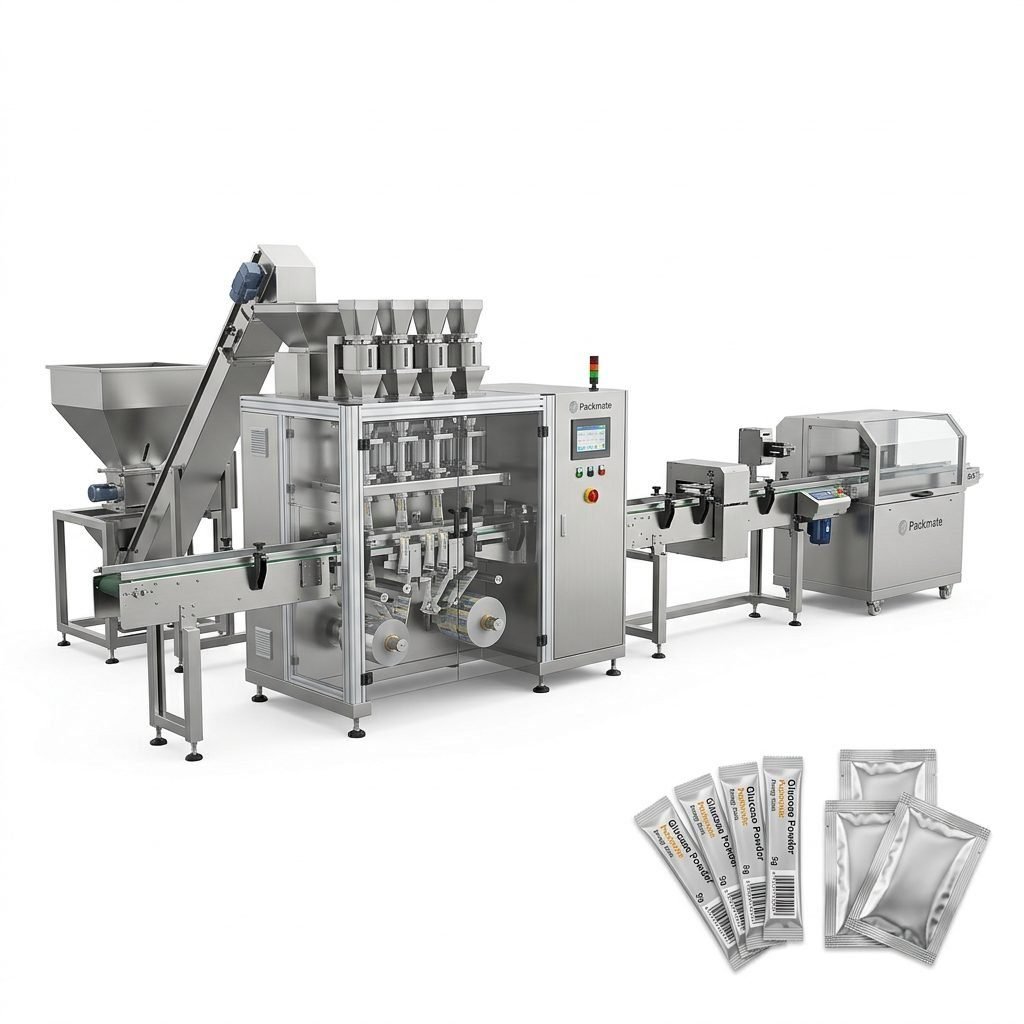
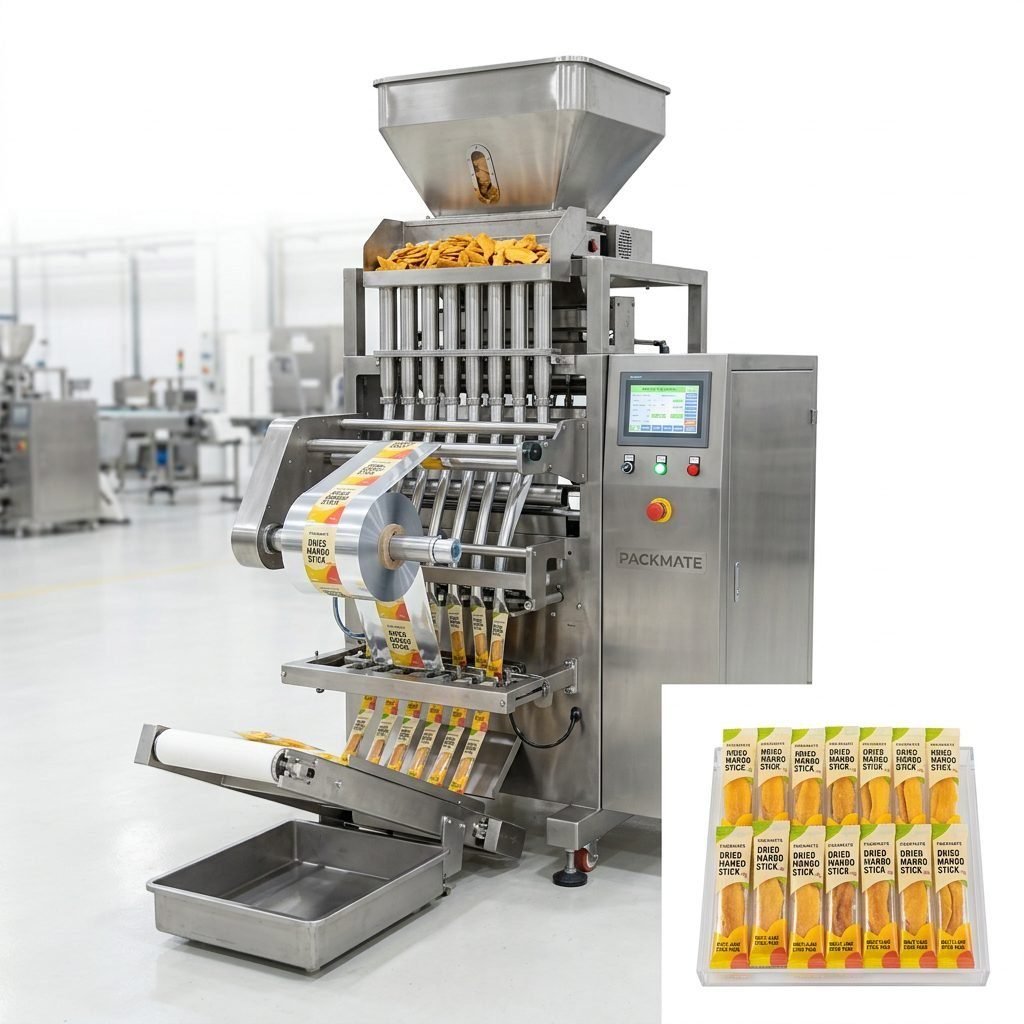
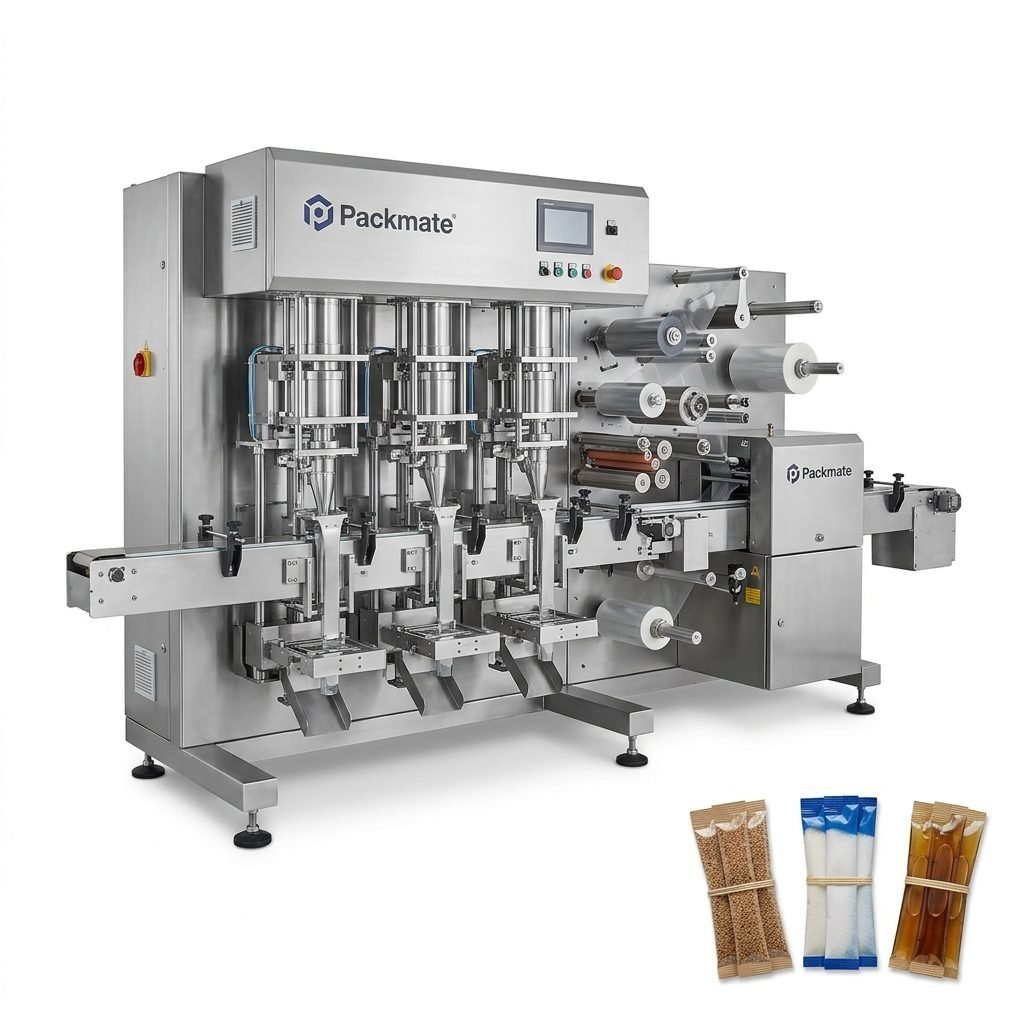
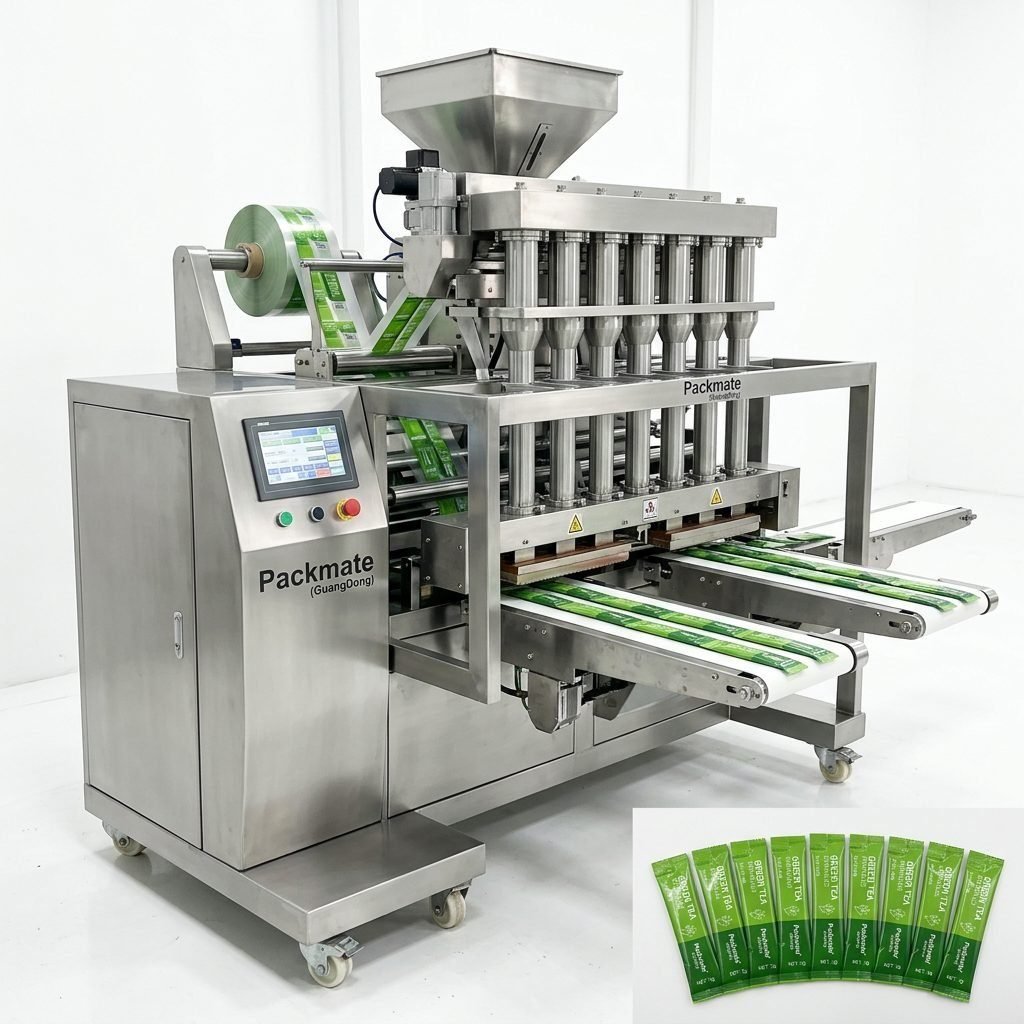
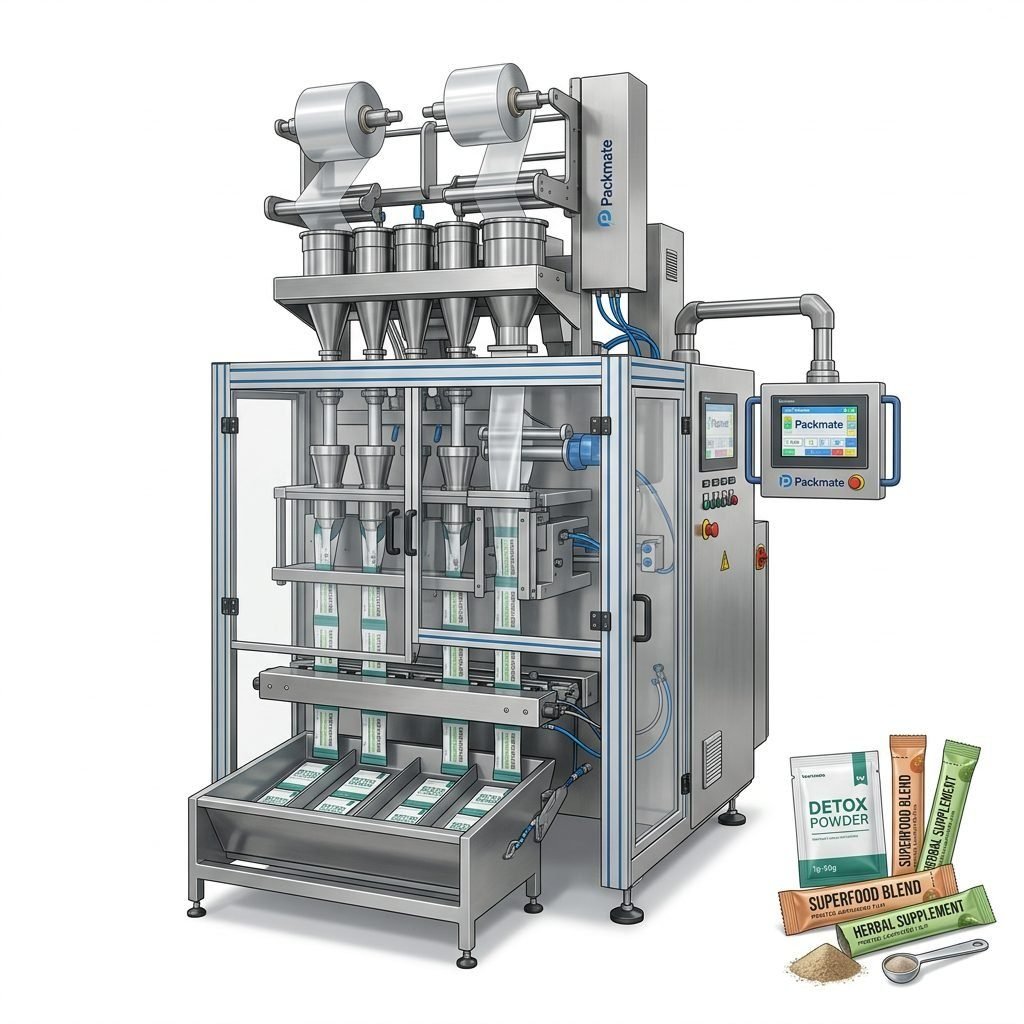
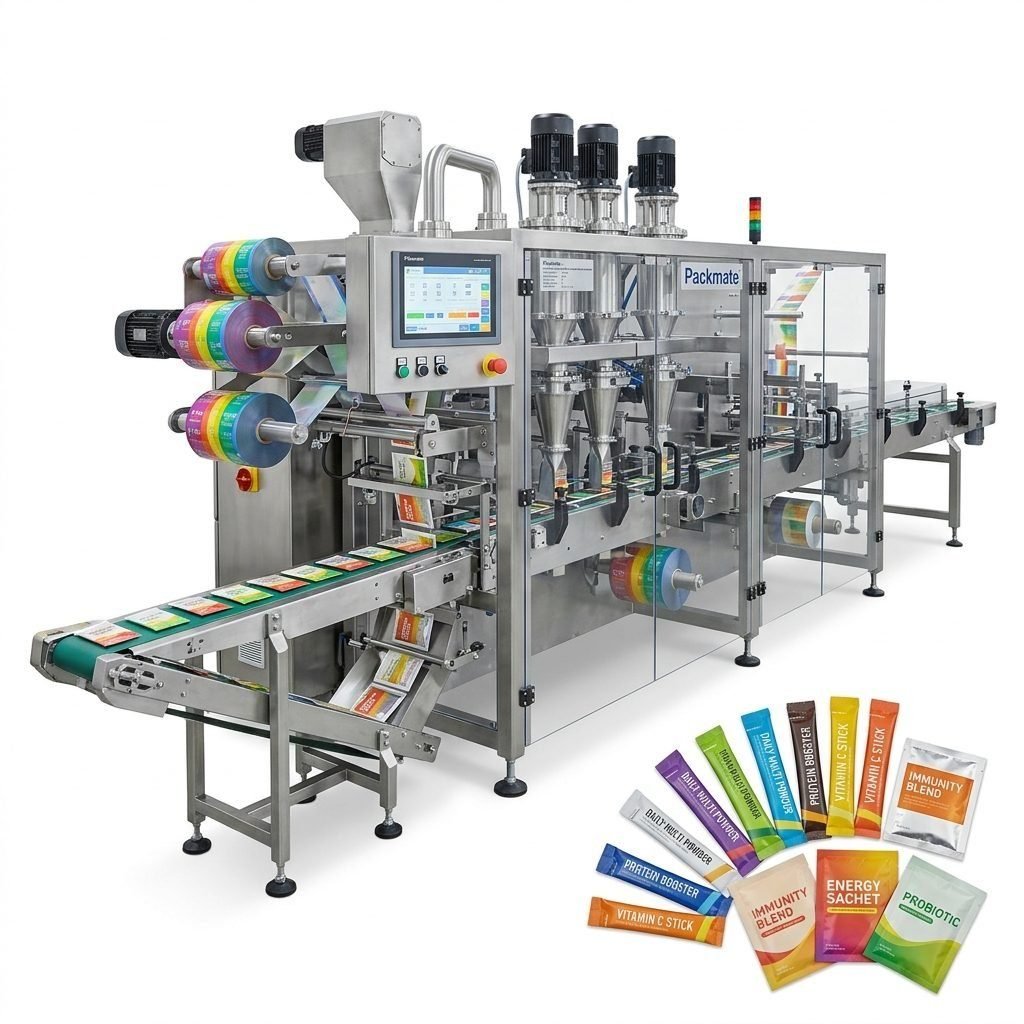
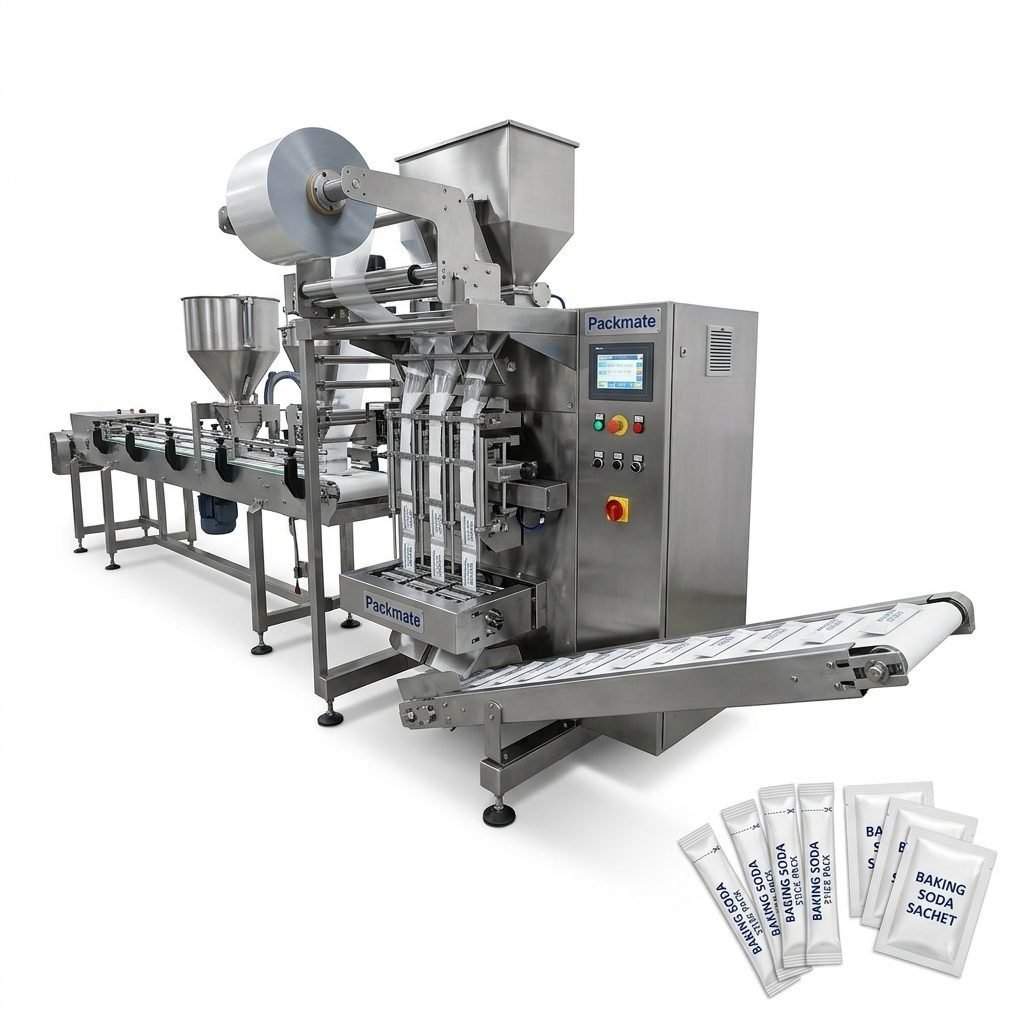
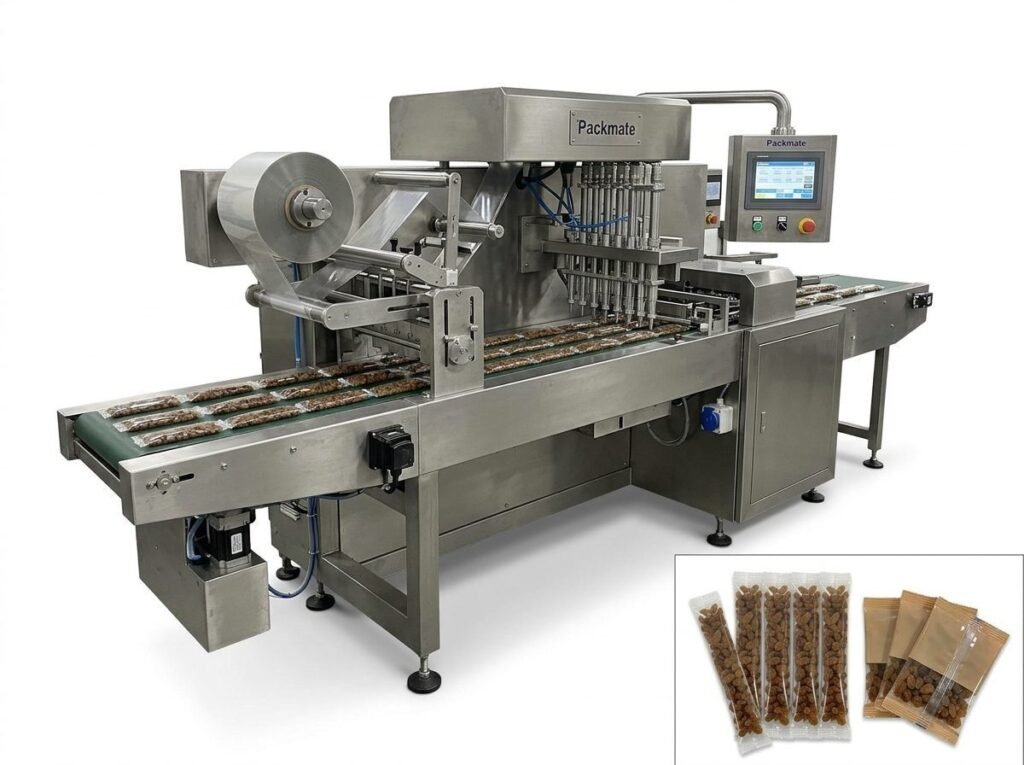
These are among the most common and versatile machines in dairy packaging. FFS machines form packaging from a roll of film, fill it with the product, and then seal it—all in one continuous process. They are ideal for sachets and stick packs for items like milk powder, creamer, or single-serve condiments. Vertical FFS (VFFS) machines are often used for pouches, while horizontal FFS (HFFS) can create cartons or trays.
Advantages: Reduced material waste, high-speed operation, and excellent hygiene as the packaging material is untouched until sealed.
Bottle Filling and Capping Machines
Designed for liquid dairy products like milk, flavored drinks, and yogurt drinks, these machines automate the process of filling pre-formed bottles or jugs and applying caps or lids. They often include rinsing stations to ensure bottle cleanliness before filling. Technologies range from gravity fillers for thin liquids to piston fillers for more viscous products like drinkable yogurt.
Carton Packaging Machines
For products like milk, juice, and soup, carton packaging remains popular. Machines such as those for gable-top or Tetra Pak-style cartons form, fill, and seal paperboard containers that are coated for liquid tightness. These systems are complex and integrate filling, sealing, and sometimes folding functions at very high speeds.
Cup Filling and Sealing Machines
Perfect for yogurt, pudding, cottage cheese, and dips, these machines fill pre-formed plastic or paper cups and then apply a foil or plastic lid. They can be integrated with dosing systems for fruit, granola, or other toppings. Many modern lines offer complete filling and packaging lines that include cup denesting, filling, lidding, coding, and casing.
Cheese and Butter Packaging Machines
These specialized machines handle solid or semi-solid products. They can slice and portion cheese blocks, wrap them in film or vacuum-seal them. Butter packaging machines typically form portions, wrap them in parchment or foil, and then carton them. Bag and pouch packaging machines are also used for shredded cheese.
Critical Factors When Buying a Dairy Packaging Machine
Selecting equipment is a significant capital expenditure. Here are the key factors to evaluate to ensure a sound investment that meets your long-term needs.
1. Product Compatibility and Versatility
Your machine must handle your specific product’s characteristics: viscosity (liquid, semi-solid, solid), acidity, particulate content (e.g., fruit chunks in yogurt), and required fill volume. Consider if you plan to introduce new products or package sizes in the future. A versatile machine that can handle a range of products with quick changeovers can offer a better return on investment.
2. Production Speed and Output Requirements
Calculate your current and projected production volumes. Machine speeds are measured in packages per minute (PPM) or cycles per minute. A small dairy might need 60 PPM, while a large facility may require 300+ PPM. Over-specifying leads to unnecessary cost, while under-specifying creates bottlenecks. Balance speed with accuracy—high speed should not compromise filling precision or seal integrity.
Pro Tip: Always request a live or video demonstration with a product similar to yours to verify the machine’s claimed speed and performance under real-world conditions.
3. Hygiene and Sanitation Design
This is non-negotiable in dairy processing. Look for machines with easy-to-clean, smooth surfaces, preferably made of stainless steel (grades 304 or 316). Design should minimize crevices where product or cleaning solutions can accumulate. Features like Clean-in-Place (CIP) or Steam-in-Place (SIP) systems can drastically reduce downtime for cleaning. Ensure the machine complies with relevant food safety standards like FDA, EHEDG, or 3-A.
4. Automation and Integration Level
Determine how the machine will fit into your existing line. Does it need to integrate with upstream mixers/cookers or downstream case packers and palletizers? Consider the level of automation: fully automatic, semi-automatic, or manual loading. Higher automation increases initial cost but reduces labor and improves consistency. Look for user-friendly PLC controls with recipe storage for different products.
5. Supplier Reputation and Support
The machine is only as good as the company behind it. Research the manufacturer’s experience, particularly in the dairy sector. Review their case studies and client portfolio. A reliable supplier like Packmate Machinery, with over 30 years of expertise, offers not just a machine but a partnership. Evaluate their after-sales service, availability of spare parts, training programs, and warranty terms. Global support is crucial if you have multiple facilities.
6. Total Cost of Ownership (TCO)
Look beyond the purchase price. Calculate TCO by factoring in:
• Operational Costs: Energy consumption, required compressed air, water.
• Material Costs: Efficiency in using packaging film/laminates; low waste rates.
• Maintenance Costs: Ease of routine maintenance, cost and lead time for spare parts.
• Labor Costs: Number of operators needed.
A slightly more expensive, robust, and efficient machine often has a lower TCO over 5-10 years.
Future Trends in Dairy Packaging Machinery
The industry is evolving rapidly. Smart factories and Industry 4.0 are making inroads. Modern machines offer IoT connectivity for real-time monitoring of production data, predictive maintenance alerts, and remote troubleshooting. Sustainability is another major driver, with demand growing for machines that can handle recyclable, biodegradable, or mono-material plastics to reduce environmental impact. Flexibility will remain key as consumer preferences shift towards smaller, on-the-go portions and personalized products.
Frequently Asked Questions (FAQs)
What is the most important feature to look for in a dairy packaging machine?
Hygienic design and cleanability are paramount. Dairy products are highly perishable and susceptible to bacterial growth. A machine constructed with food-grade stainless steel, with smooth welds and minimal dead spots, is essential for maintaining product safety and meeting stringent health regulations.
Can one machine package different types of dairy products?
Yes, many machines are designed for versatility, but with limitations. A piston filler-based system can often handle a range of viscosities from milk to yogurt by changing the piston size and adjusting settings. However, switching from filling bottles to forming cartons typically requires entirely different machinery. Always discuss your specific product range with the supplier.
How do I determine the right production speed for my needs?
Calculate based on your daily/weekly output targets and available production hours. For example, if you need 50,000 units per 8-hour shift, you require a machine capable of approximately 104 units per minute (allowing for some downtime). It’s often wise to choose a machine with 15-20% extra capacity to accommodate future growth or peak demand periods.
What kind of maintenance do these machines require?
Maintenance is daily, weekly, and periodic. Daily tasks include cleaning and lubrication of specific points. Weekly tasks might involve checking seal jaw temperatures and alignment. Periodic maintenance includes replacing wear parts like seals, gaskets, and cutting blades. Choosing a supplier with clear manuals and readily available spare parts is critical for minimizing downtime.
Are there financing options available for packaging machinery?
Most reputable manufacturers and their distributors work with financial partners to offer leasing or financing plans. This allows businesses to preserve capital, manage cash flow, and potentially upgrade technology more frequently. It’s always worth inquiring about such options during the purchasing process.