In the fast-paced world of manufacturing and distribution, ensuring your product arrives in pristine condition is not just a goal—it’s a necessity. The right seal packaging machine is the cornerstone of this process, providing the robust, reliable, and efficient protection that modern businesses demand. This article delves into the top solutions available, exploring how advanced sealing technology can safeguard your products, enhance operational efficiency, and ultimately, protect your brand’s reputation.
The Critical Role of Sealing in Product Integrity
At its core, a seal packaging machine creates a hermetic or secure closure around a product. This simple action is deceptively complex and critically important. A proper seal acts as the first and most vital line of defense against a host of external threats. It prevents contamination from moisture, oxygen, dust, and microbes, which can degrade product quality, cause spoilage, or even pose health risks. For industries like food, pharmaceuticals, and nutraceuticals, this barrier is non-negotiable for safety and compliance. Beyond preservation, a strong, tamper-evident seal builds consumer trust by visibly demonstrating that the product has remained untouched from the point of packaging to the moment of purchase.
Key Takeaway: The primary function of a seal is to create an impermeable barrier. This protects against contaminants, preserves freshness, ensures safety, and provides tamper evidence, which are all fundamental to maintaining product integrity and consumer confidence.
Exploring Top Seal Packaging Machine Technologies
The market offers a diverse range of sealing technologies, each suited to different materials, products, and production speeds. Understanding these options is key to selecting the optimal solution for your specific needs.
1. Heat Seal Machines
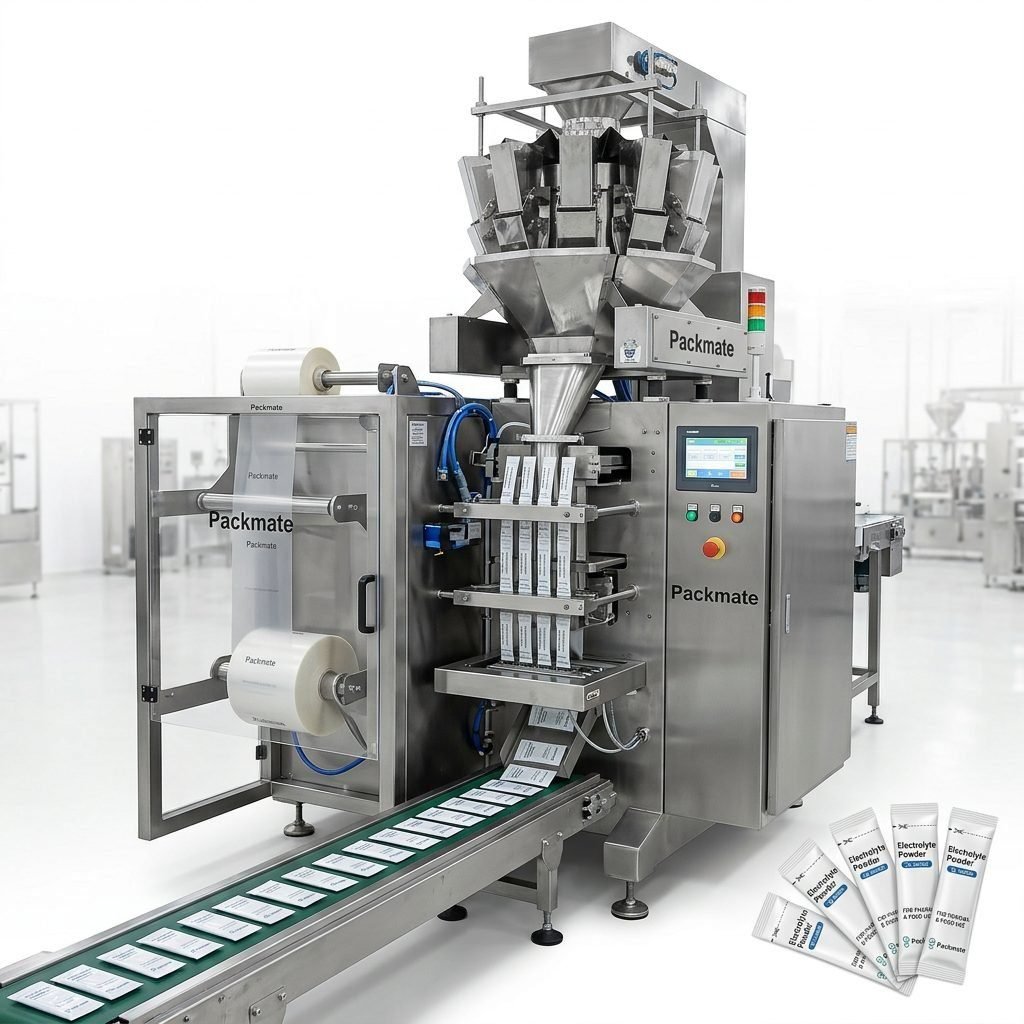
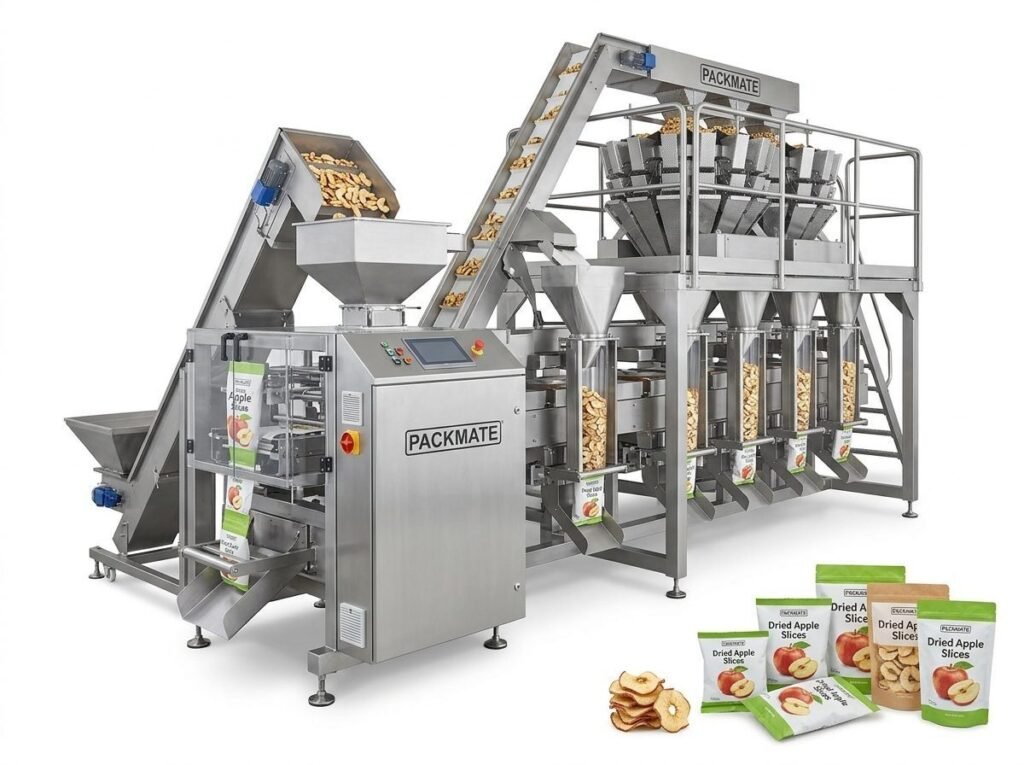
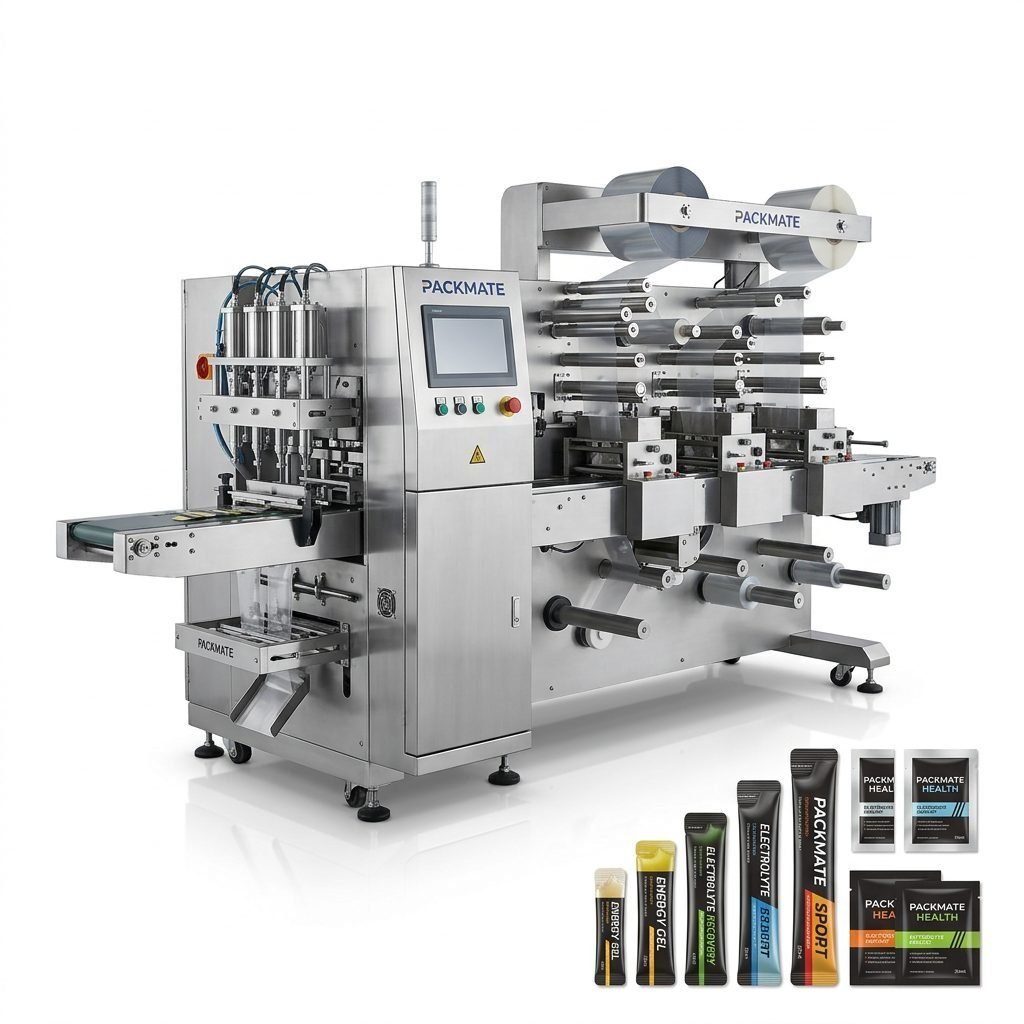
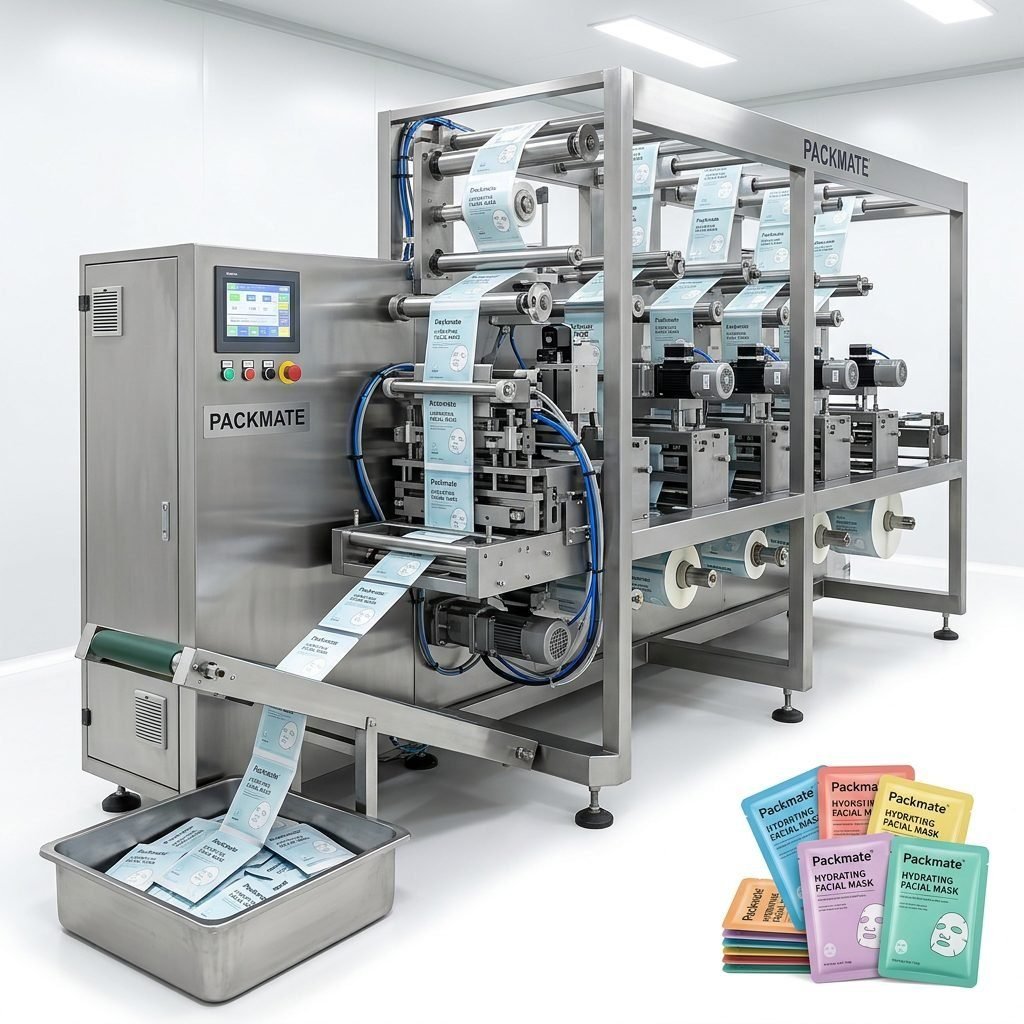
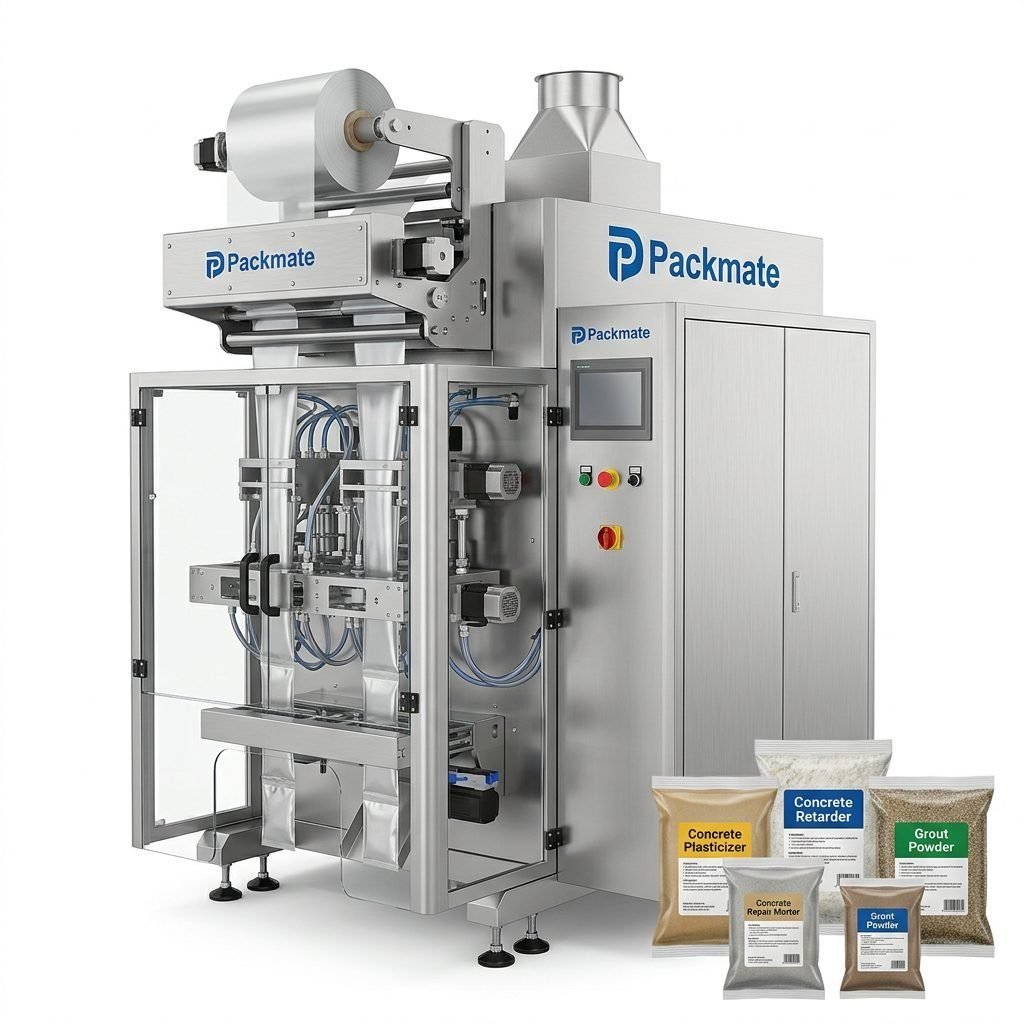
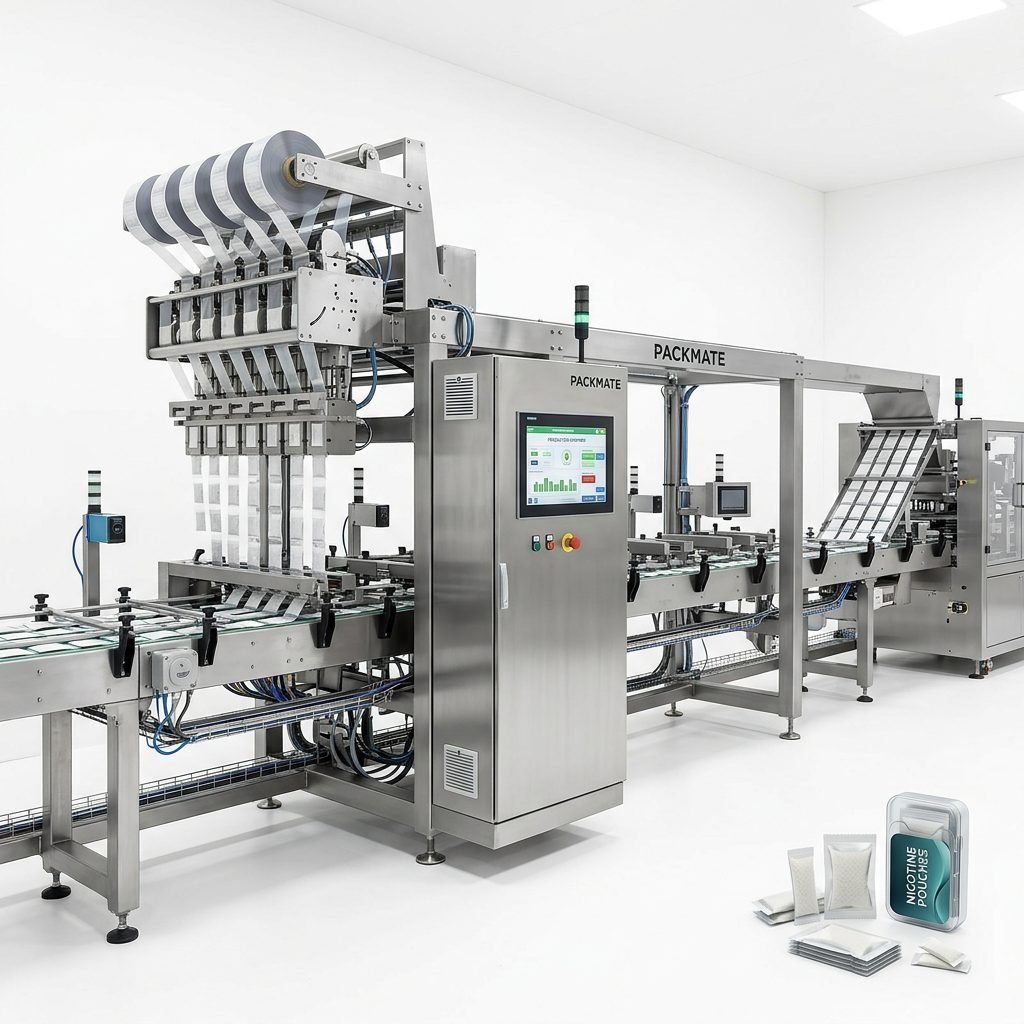
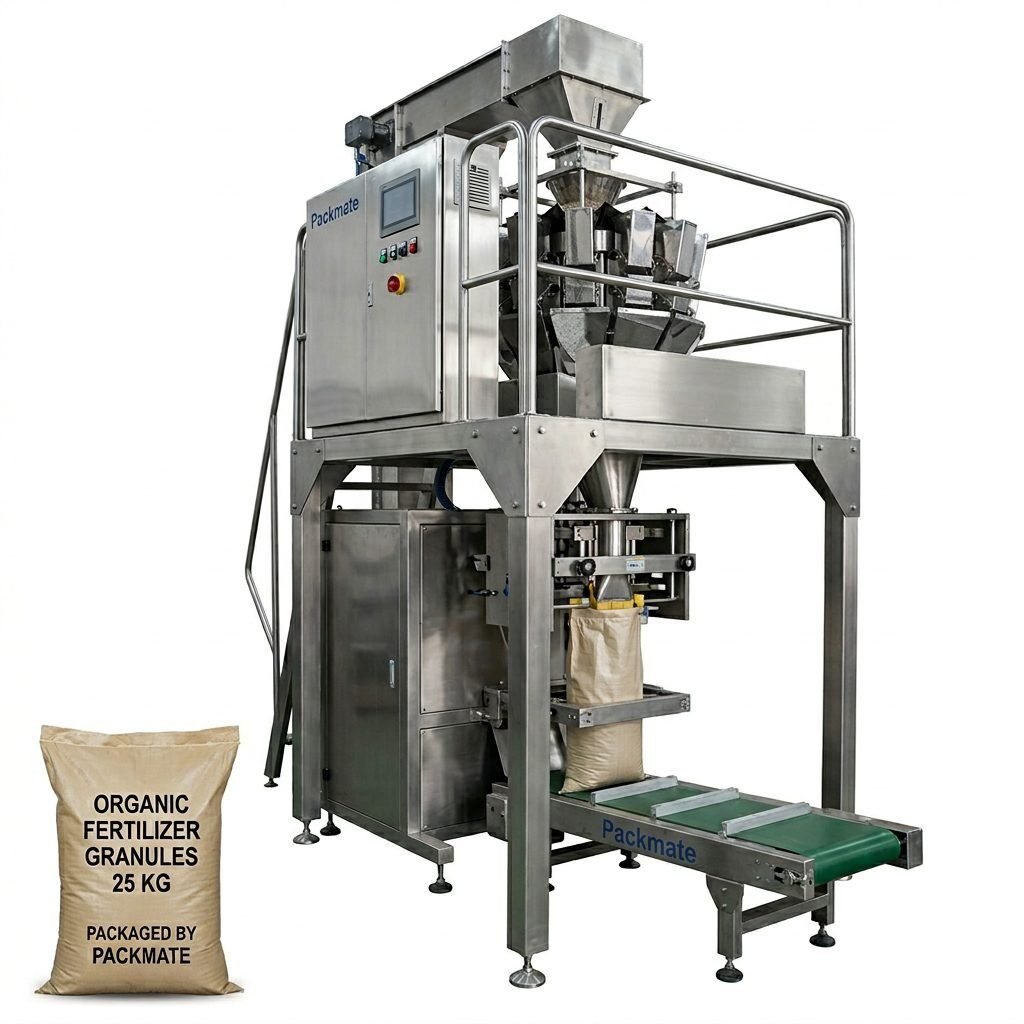
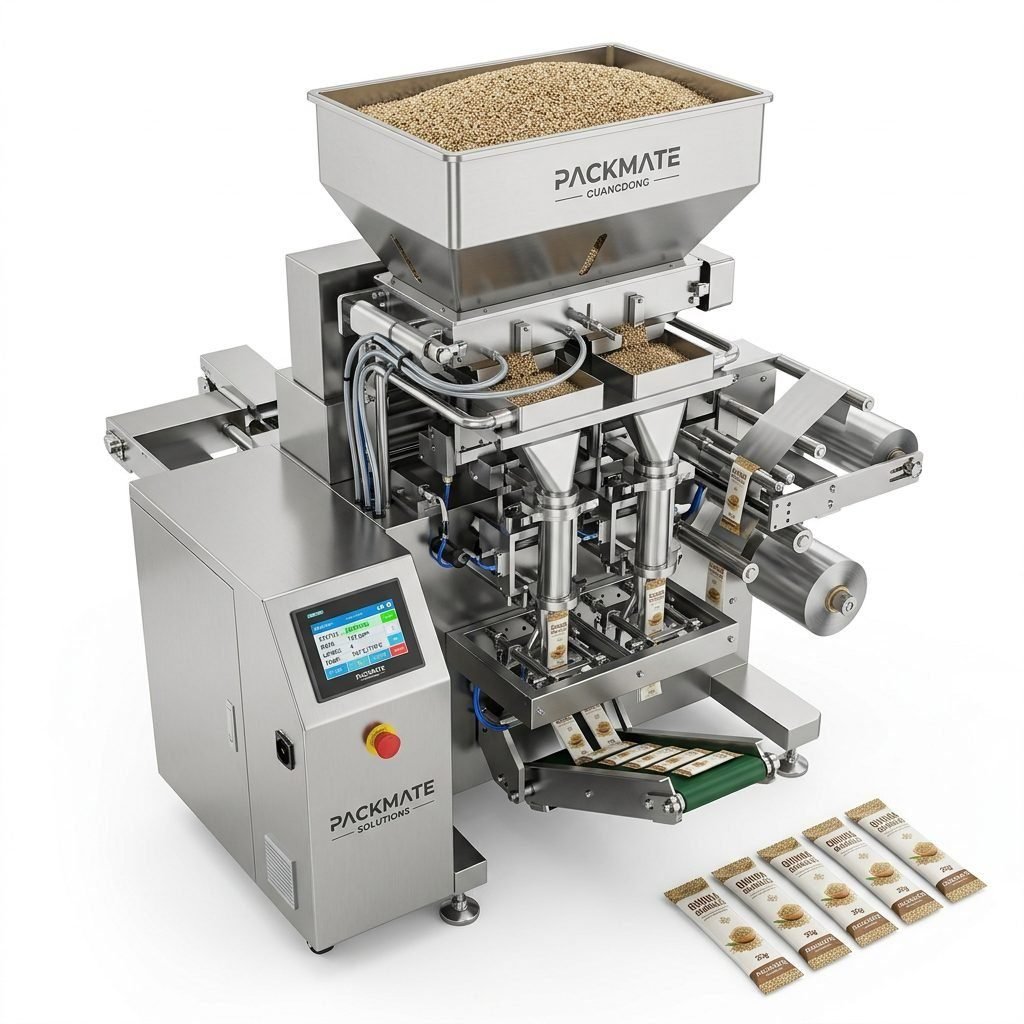
Heat sealing is one of the most common and versatile methods. It uses controlled heat and pressure to melt a thermoplastic layer on the packaging film, fusing it together upon cooling. This method is ideal for a vast array of flexible packaging materials, including laminates, polyethylene, and polypropylene. Modern heat seal machines offer precise temperature control to handle sensitive products and can be integrated into high-speed vertical or horizontal form-fill-seal (FFS) lines, like those used for creating bags and pouches.
2. Induction Seal Machines
For an added layer of security, particularly on liquid products in bottles or jars, induction sealing is the gold standard. This non-contact process uses an electromagnetic field to heat a thin aluminum foil liner sealed under a plastic cap. The heat bonds the liner to the container’s rim, creating a hermetic seal that is only broken when the cap is unscrewed. This technology is crucial for preventing leakage, pilferage, and oxygen ingress, making it indispensable for the pharmaceutical, chemical, and premium food and beverage sectors.
3. Ultrasonic Seal Machines
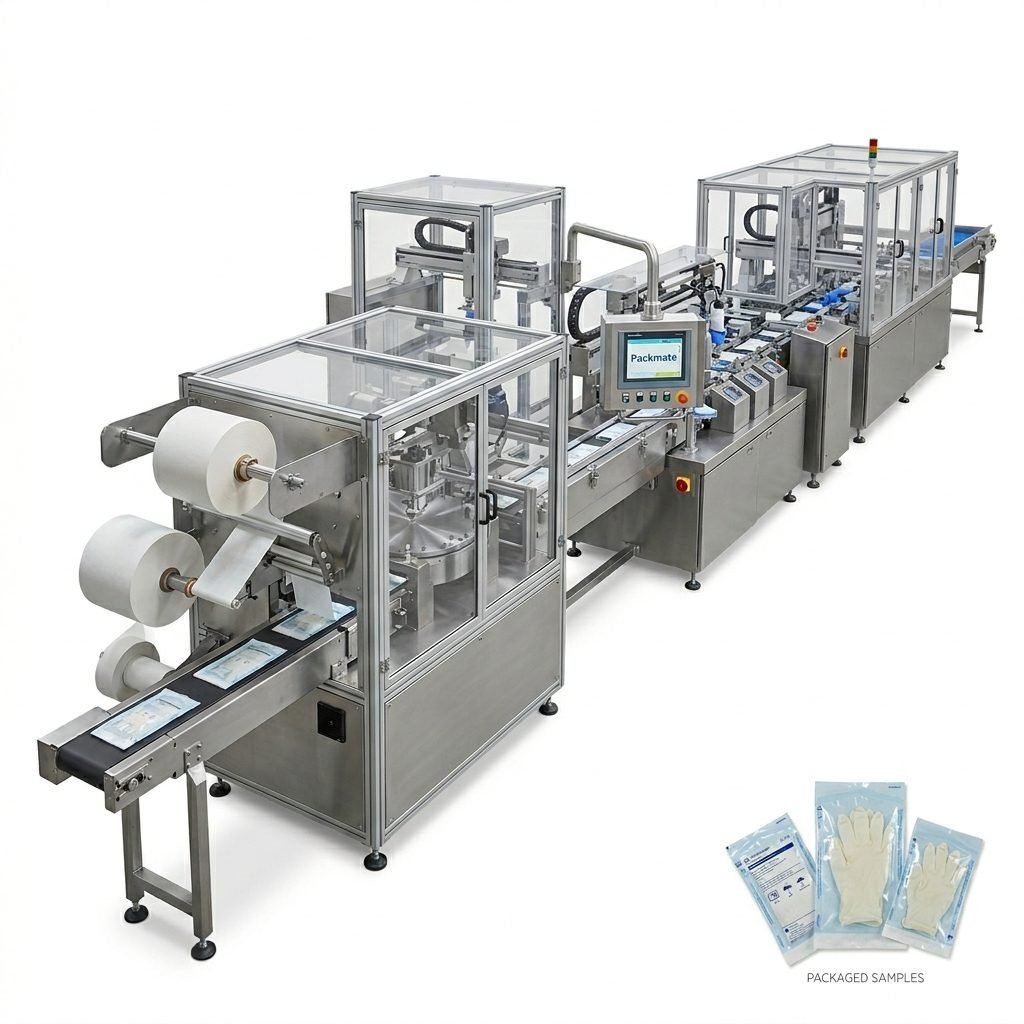
Ultrasonic sealing employs high-frequency acoustic vibrations to generate heat through friction at the molecular level between two surfaces. The major advantage is that it can seal materials that are difficult to bond with traditional heat, such as films containing foil or certain barrier layers. It also creates clean, strong seals without external heat application, reducing the risk of burn-through or product damage, which is perfect for sensitive medical device packaging or technical products.
Technology Comparison at a Glance
Heat Sealing: Best for flexible films, cost-effective, high-speed. Common in food and granule packaging.
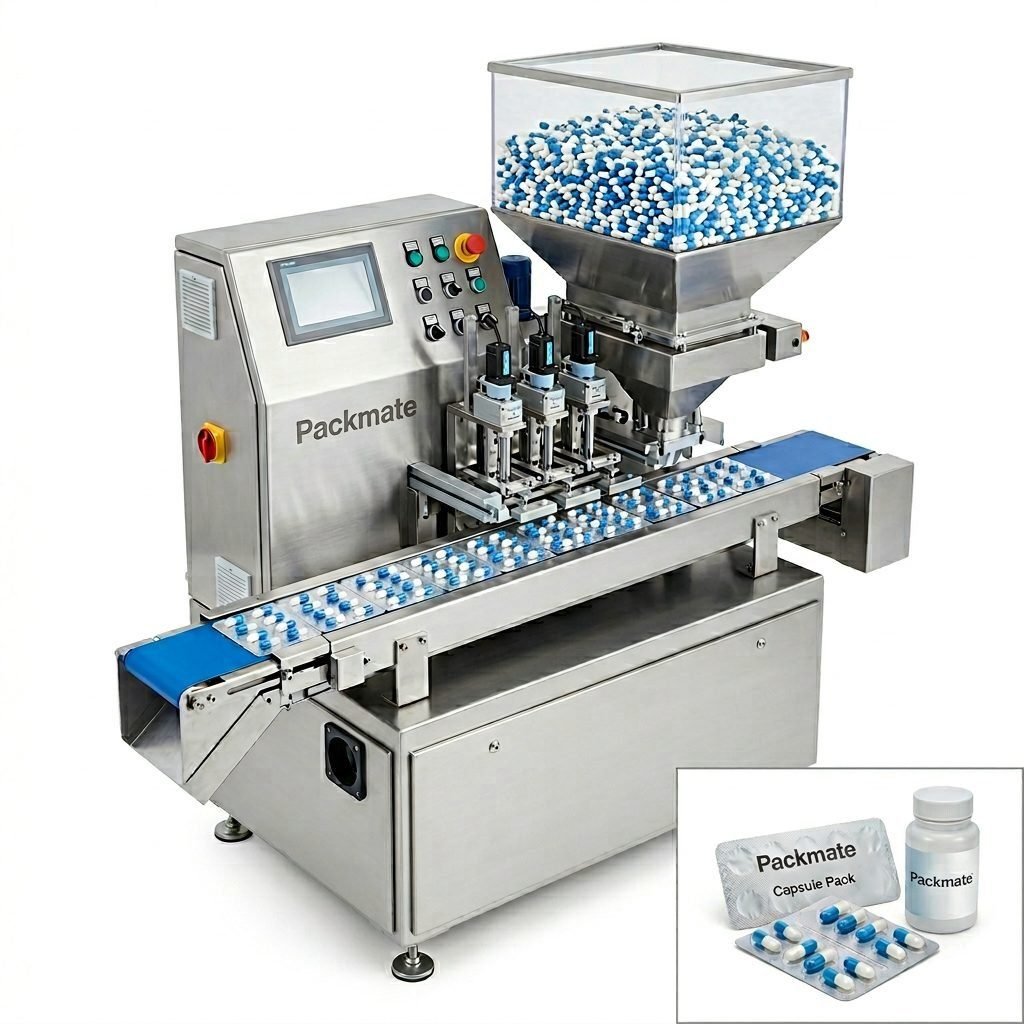
Induction Sealing: Best for rigid containers (bottles/jars), superior tamper evidence. Essential for liquids and pharmaceuticals.
Ultrasonic Sealing: Best for difficult-to-bond materials, clean and cool process. Ideal for medical and technical packaging.
Driving Efficiency in Your Packaging Line
Efficiency in packaging transcends mere speed. A top-tier seal packaging machine contributes to overall line efficiency by minimizing waste, reducing downtime, and ensuring consistent output. Look for machines with features like quick-changeover systems that allow you to switch between different package sizes or materials in minutes, not hours. Advanced servo-driven technology ensures precise film feeding and sealing jaw movement, which drastically reduces material misalignment and seal failures. Furthermore, integrating your sealer with upstream and downstream equipment—such as weighing systems and cartoners—into a synchronized line creates a seamless, high-throughput operation that maximizes productivity and minimizes labor costs.
Choosing the Right Partner for Your Sealing Solution
Selecting the machine is only half the battle; choosing the right manufacturer is equally critical. A partner with deep industry expertise can provide invaluable guidance, from selecting the right technology to designing a complete filling and packaging line. Consider a manufacturer’s track record, their commitment to innovation, and the robustness of their after-sales support, including training, spare parts availability, and technical service.
For over two decades, Packmate Machinery has embodied these principles. Beginning with a vision for automation in a small workshop, the company has grown into a leader with a 20,000㎡ modern facility, developing over 50 machine models. This journey from a focused operation to a provider of turnkey solutions demonstrates a commitment to evolving with market needs, ensuring that their sealing and packaging technologies meet the highest standards of reliability and efficiency for global clients.
Summary: Key Benefits of Investing in Advanced Seal Packaging
Enhanced Product Protection: Creates a reliable barrier against moisture, oxygen, and contaminants.
Operational Efficiency: Increases line speed, reduces waste from seal failures, and minimizes downtime.
Brand Integrity & Trust: Delivers consistent, tamper-evident packaging that consumers recognize and trust.
Versatility & Scalability: Adapts to various materials, products, and can be integrated into larger automated systems.
Regulatory Compliance: Helps meet stringent safety and quality standards in regulated industries like food and pharma.
Frequently Asked Questions (FAQs)
What factors should I consider when choosing between heat seal and induction seal machines?
The choice primarily depends on your packaging format. Use heat seal machines for flexible pouches, sachets, and stick packs. Choose induction seal machines for creating hermetic, tamper-evident seals under caps on rigid containers like bottles and jars. Your product type (solid, liquid, powder) and required barrier properties are also deciding factors.
How can I minimize seal failures and packaging waste on my production line?
Seal failures are often caused by incorrect temperature/pressure settings, film material inconsistencies, or machine misalignment. To minimize waste, ensure your machine is properly calibrated for your specific film, implement regular preventive maintenance, and use machines with precise servo controls and real-time monitoring systems that can alert operators to potential issues before they result in large-scale waste.
Can a single seal packaging machine handle different package sizes and materials?
Yes, many modern machines are designed for flexibility. Look for models with quick-changeover features, such as tool-less adjustments for sealing jaw width and length, and programmable recipes that save settings for different products. This allows you to switch production runs with minimal downtime, making your operation more agile and cost-effective.
What kind of maintenance do seal packaging machines require?
Regular maintenance is crucial for longevity and consistent performance. Daily tasks include cleaning sealing jaws and surfaces to prevent residue buildup. Weekly or monthly checks should involve inspecting and, if necessary, replacing wear parts like Teflon sealing strips or heating elements. Following the manufacturer’s recommended maintenance schedule and using genuine spare parts are essential for optimal operation.
Is it possible to integrate a new sealer into my existing packaging line?
Absolutely. Reputable manufacturers like Packmate Machinery often provide integration services. They can design interfaces and recommend compatible auxiliary equipment to ensure the new sealer communicates effectively with your existing fillers, conveyors, and coders. A site audit by their engineers is typically the first step to ensure a smooth and successful integration.