In the competitive world of cosmetic manufacturing, efficiency and presentation are paramount. The right packaging machinery is not just a production tool; it’s a strategic asset that can define your brand’s market presence, ensure product integrity, and significantly boost your bottom line. Choosing top-tier cosmetic packaging machines is an investment in streamlined operations, reduced waste, and the ability to meet ever-changing consumer demands with agility.
The Critical Role of Packaging in Cosmetics
For cosmetic products, the packaging is the first physical touchpoint with the consumer. It must protect delicate formulations, convey brand luxury or ethos, and function flawlessly for the end-user. Efficient production lines ensure this crucial brand element is applied consistently, securely, and at a pace that meets market demand without compromising quality. From high-end serums to daily-use creams, the machinery behind the scenes must handle a variety of container types, viscosities, and sealing requirements with precision.
Key Considerations for Machine Selection
Selecting the best equipment requires a careful analysis of your specific needs. Here are the core factors that guide a smart investment:
Production Speed & Output: This is the heartbeat of your operation. Machines must match your target volume, whether you’re a boutique brand or a large-scale manufacturer. High-speed rotary fillers and cappers can dramatically increase throughput.
Versatility & Changeover Time: The beauty market thrives on innovation, leading to frequent SKU changes. Equipment that allows for quick changeovers in bottle sizes, cap types, or filling volumes minimizes downtime and keeps production agile. Explore our range of Filling & Packaging Lines designed for flexibility.
Accuracy and Precision: Overfilling wastes expensive product, while underfilling violates regulations and disappoints customers. Advanced machines with servo-driven pumps and weight-check systems guarantee exact fill volumes every time, protecting your profit and your reputation.
Hygiene and Cleanability: Cosmetic products demand a sterile production environment. Machines constructed with stainless steel (often 304 or 316 grade) and designed with smooth, crevice-free surfaces allow for easy and thorough cleaning, meeting stringent GMP standards.
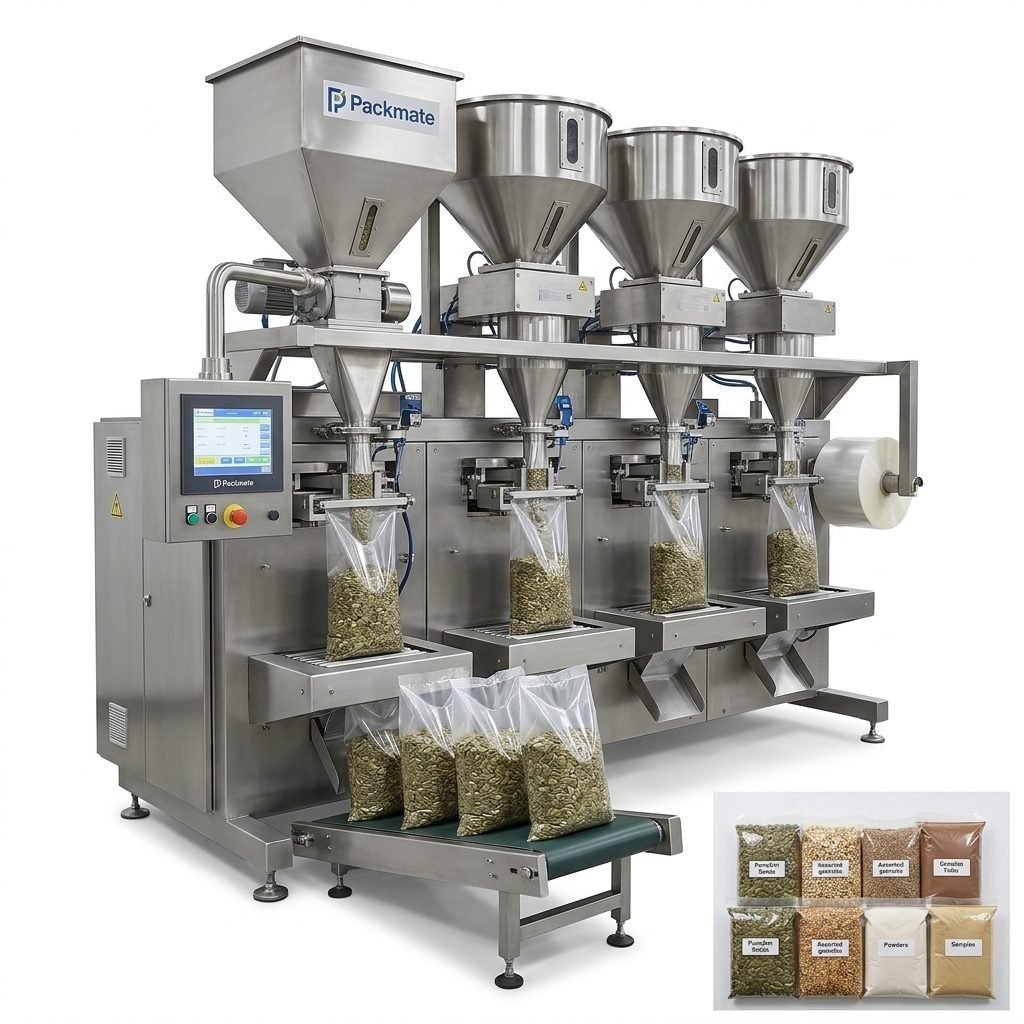
Integration and Automation Level: A standalone filler is just one piece of the puzzle. The true efficiency gain comes from integrated lines that combine filling, capping, labeling, and inspection into one synchronized system. Consider our complete Bag & Pouch Packaging Machines for flexible packaging solutions.
Top Machine Types for Cosmetic Packaging
The cosmetic industry utilizes a diverse array of packaging formats, each requiring specialized machinery. Here’s a breakdown of the most efficient systems.
1. Liquid Filling Machines
These are the workhorses for products like lotions, shampoos, serums, and toners. The choice of technology depends on viscosity and foaming characteristics.
Piston Fillers: Ideal for medium to high-viscosity products (creams, gels, pastes). They provide excellent accuracy by displacing a set volume of product per cycle. Modern versions offer easy adjustment for different fill volumes.
Pump Fillers: Best suited for low to medium-viscosity, non-foaming liquids. They are simple to operate and clean, making them a cost-effective choice for many water-based products.
Gravity Fillers: Used for very thin, free-flowing liquids. They are fast and simple but require a consistent product viscosity for accuracy.
2. Capping and Sealing Machines
Once filled, containers must be sealed securely and consistently. This category includes:
Spindle Cappers: These use rotating spindles to screw on caps with precise torque control, preventing under-tightening (leaks) or over-tightening (damaged containers).
Snap Cappers: Apply pressure to press-fit caps onto bottles, commonly used for flip-top or sport caps on tubes and bottles.
Induction Sealers: A critical step for product safety. These machines apply an electromagnetic field to create a hermetic foil seal under the cap, providing tamper evidence and extending shelf life.
3. Tube Filling and Sealing Machines
For products like creams, ointments, and masks, tubes are a popular format. Automatic tube fillers handle plastic, laminate, or metal tubes. They typically involve tube feeding, opening, filling, heat sealing (for plastic tubes) or folding/crimping (for metal tubes), and coding. High-speed models can process hundreds of tubes per minute.
4. Stick Pack and Sachet Machines
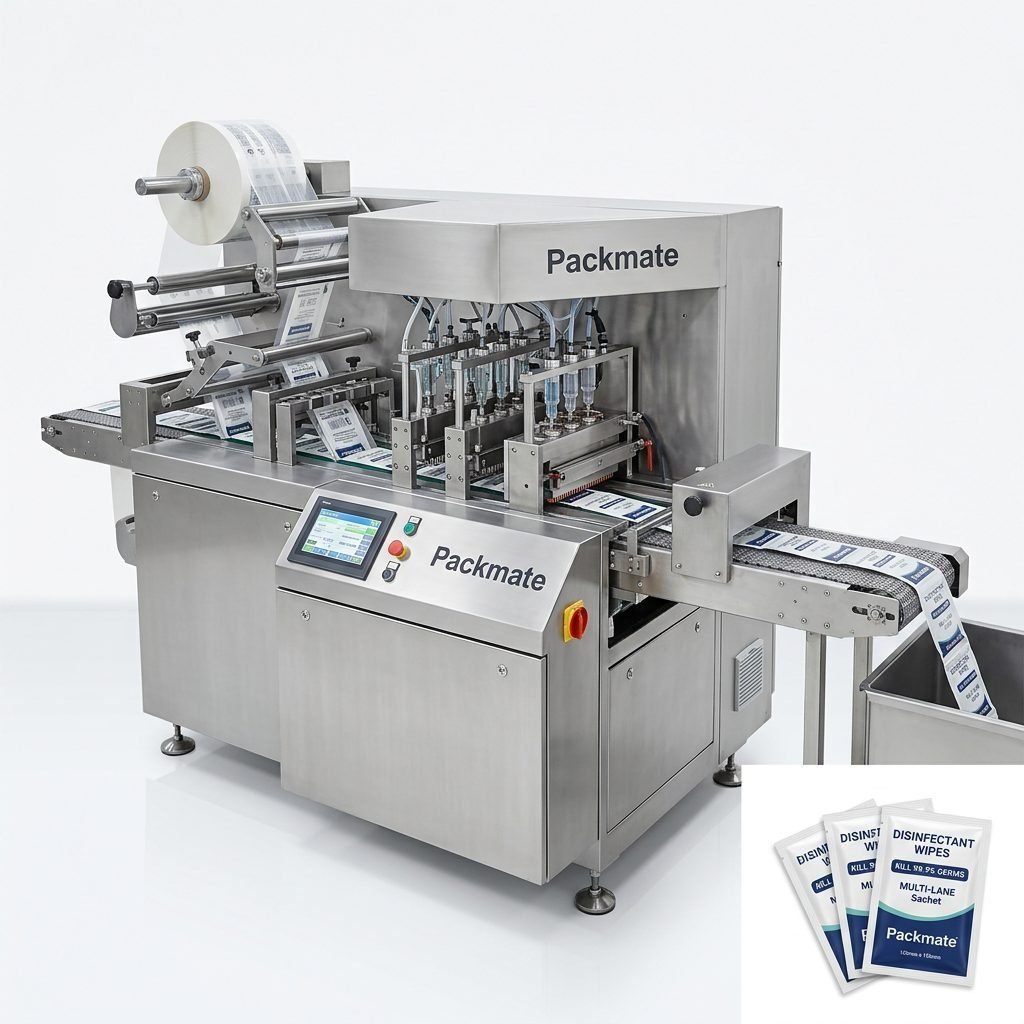
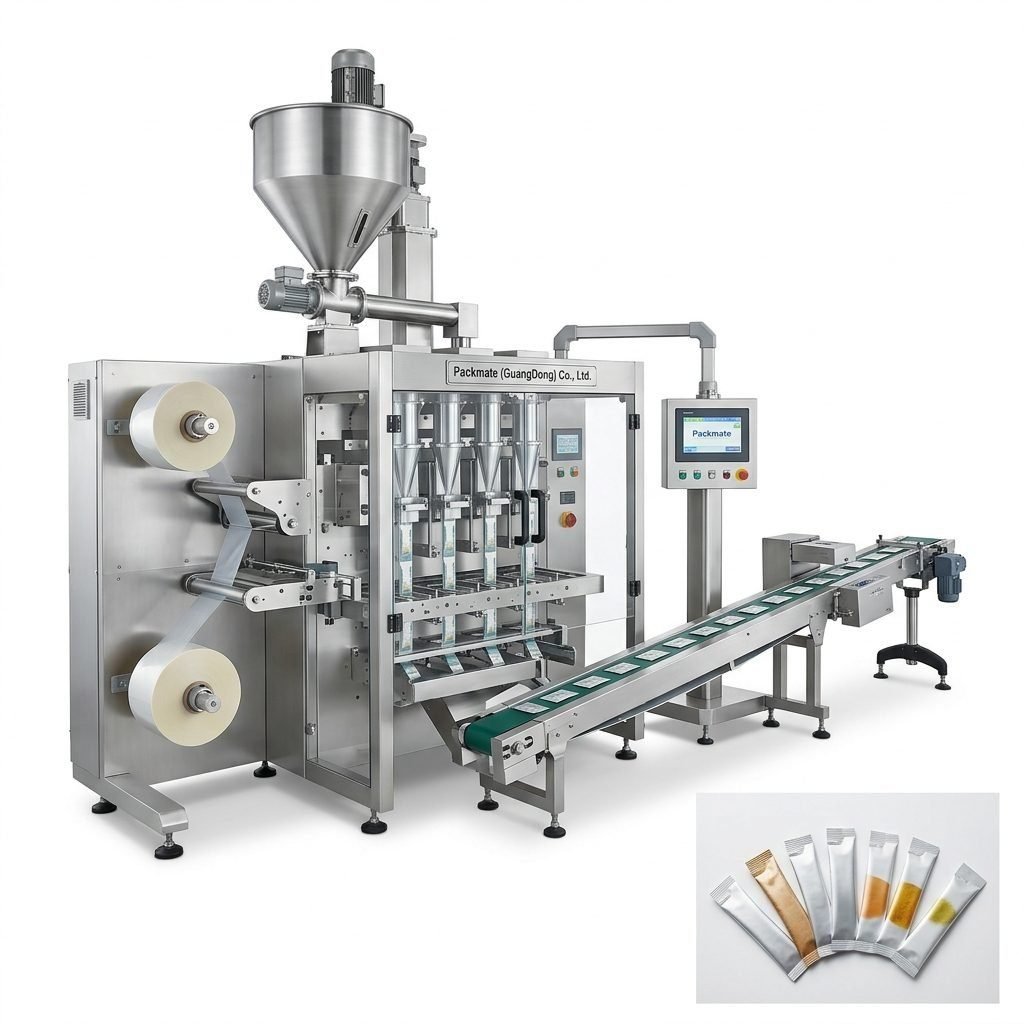
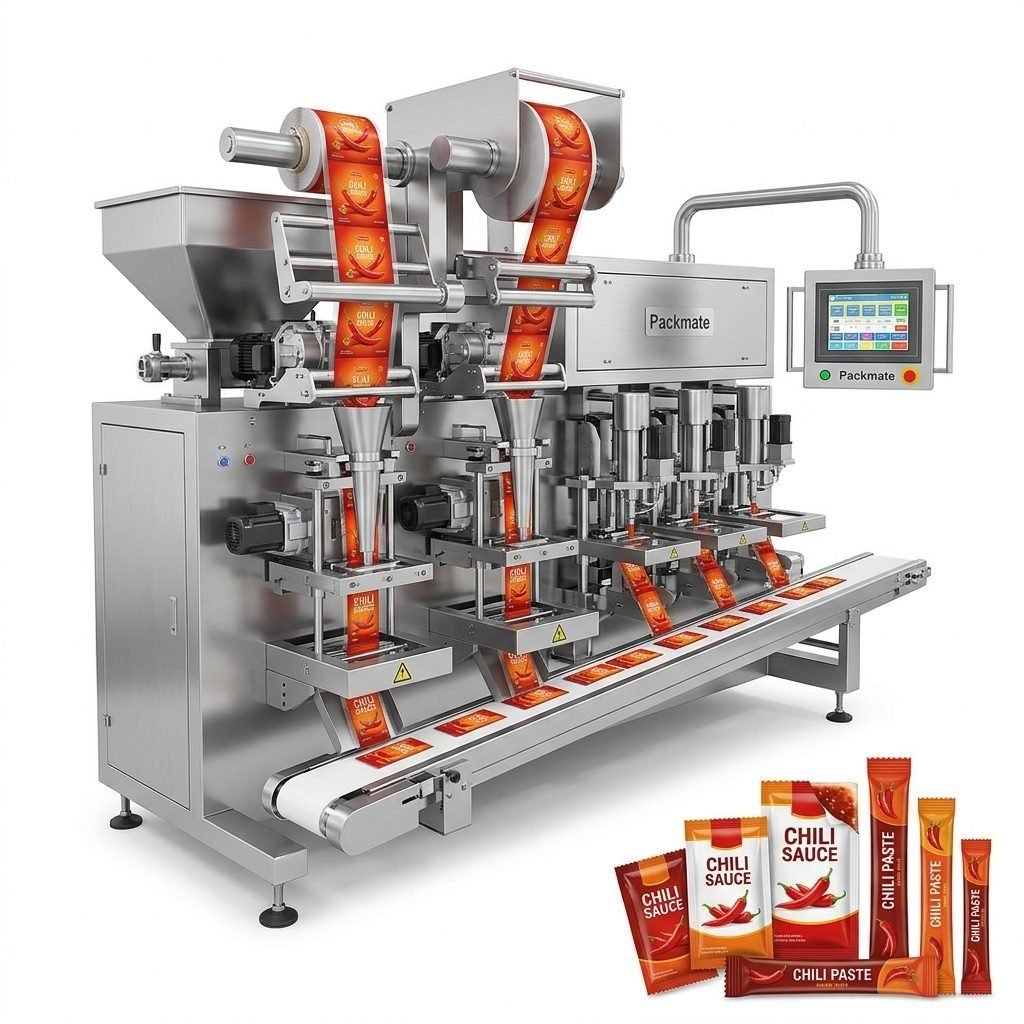
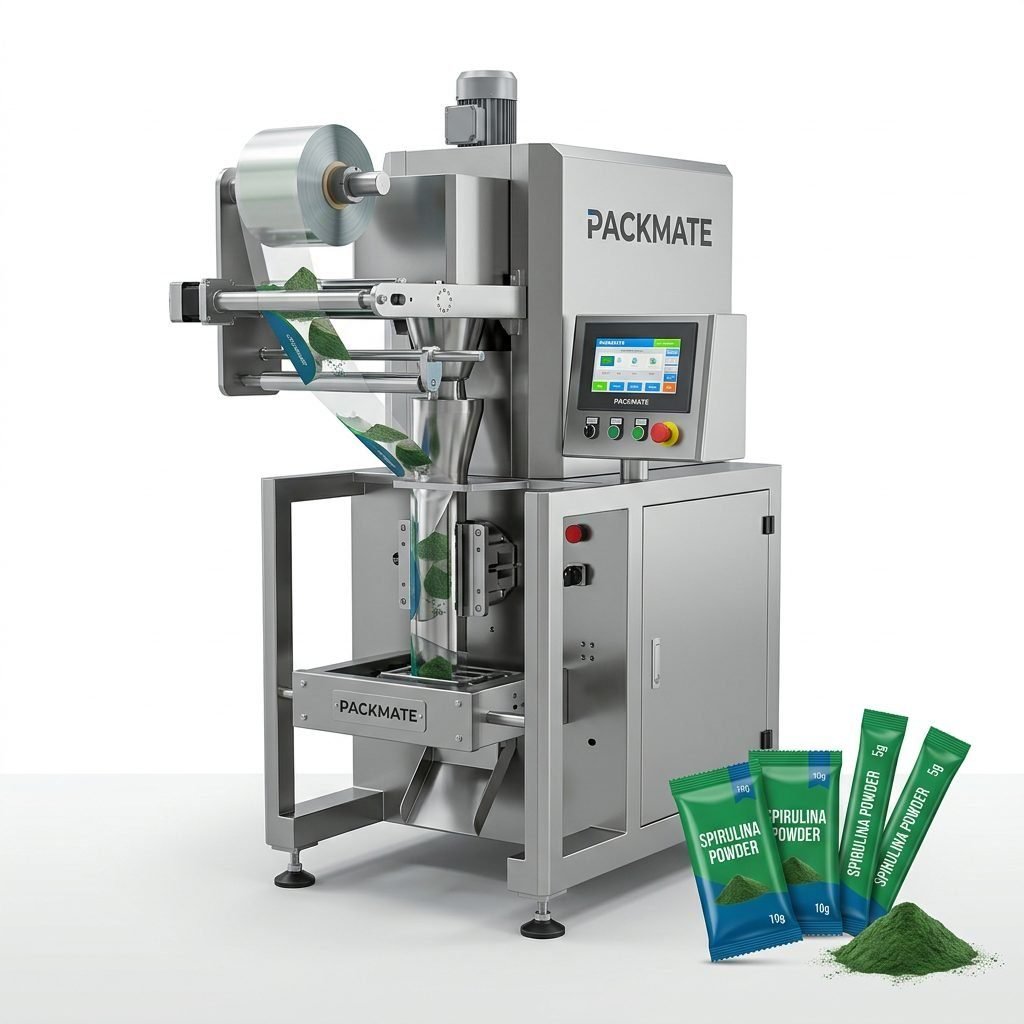
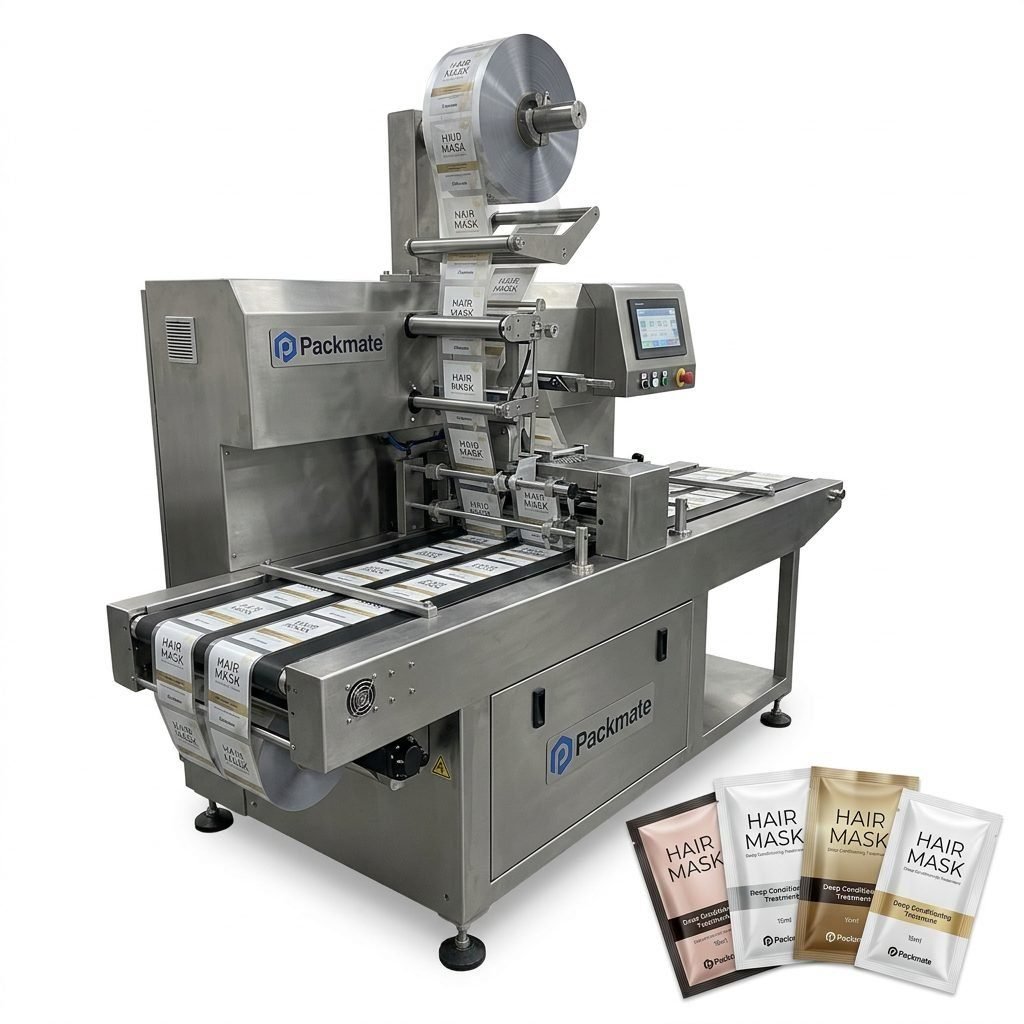
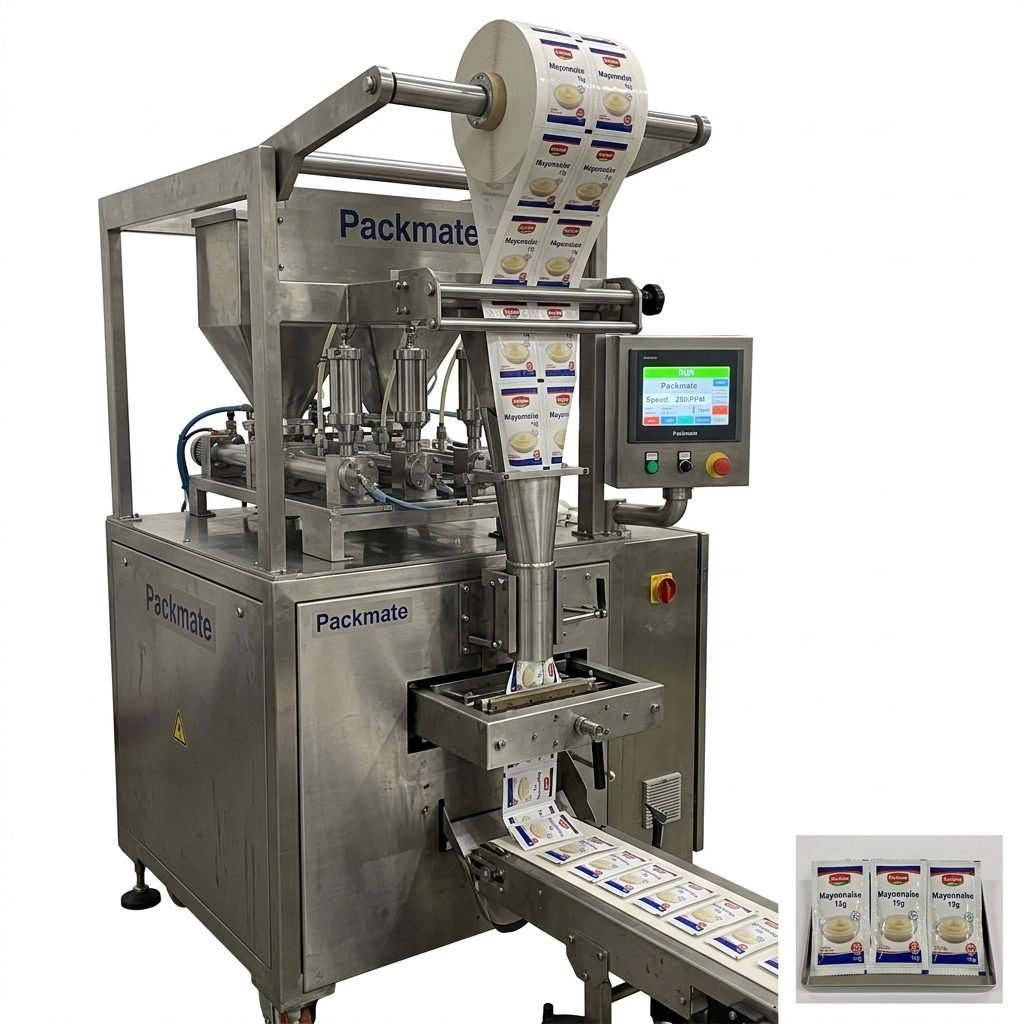
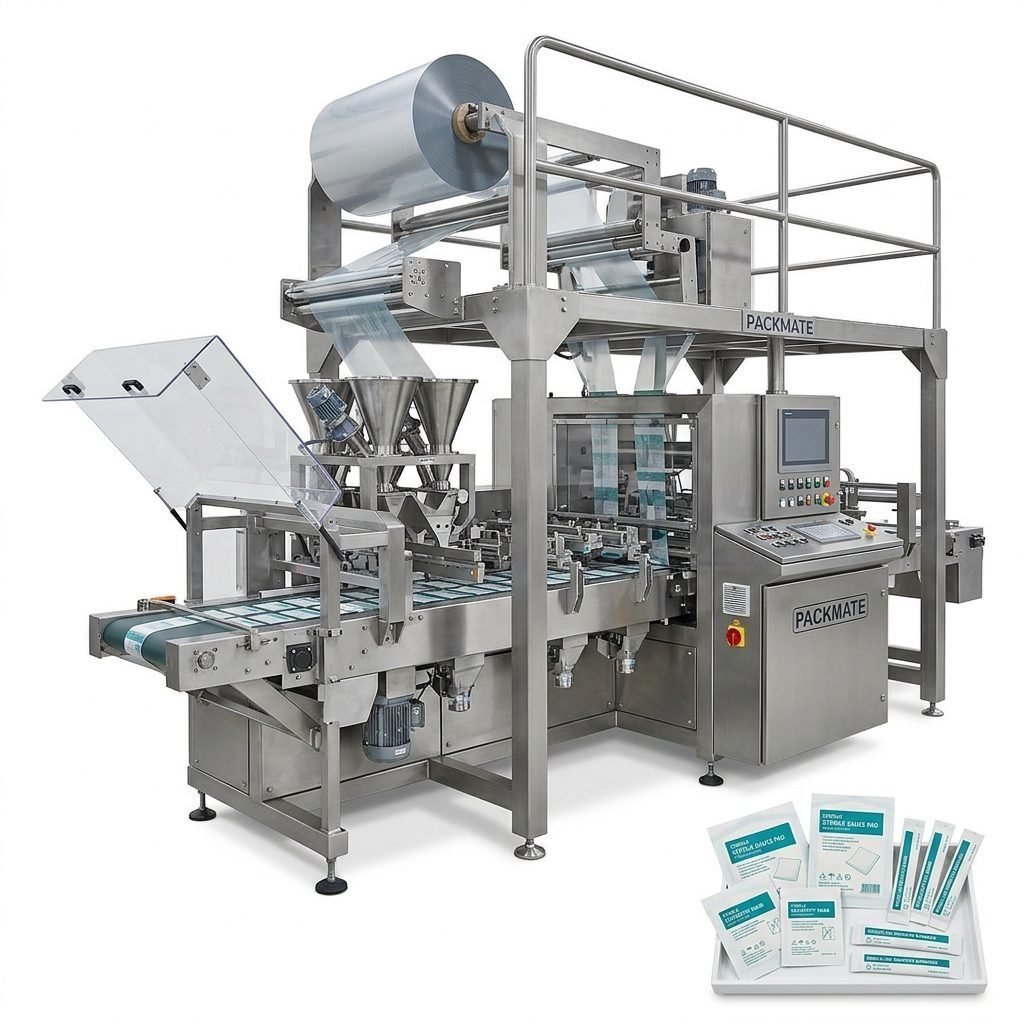
The demand for single-use and sample-sized cosmetics is growing. Machines that form, fill, and seal small pouches—known as stick packs or sachets—are perfect for face masks, shampoos, serums, and powders. They offer excellent barrier properties, reduce packaging material costs, and are highly convenient for consumers. Discover efficient solutions in our Sachet & Stick Pack Machines portfolio.
5. Labeling and Coding Systems
The final touch involves applying labels and batch information. Pressure-sensitive labelers, sleeve labelers, and inkjet/laser coders are integrated into the line to ensure every product is market-ready with correct, legible information.
Driving Efficiency Through Integration and Smart Features
Modern cosmetic packaging lines are moving beyond standalone machines. The greatest leaps in efficiency come from seamless integration and intelligent features.
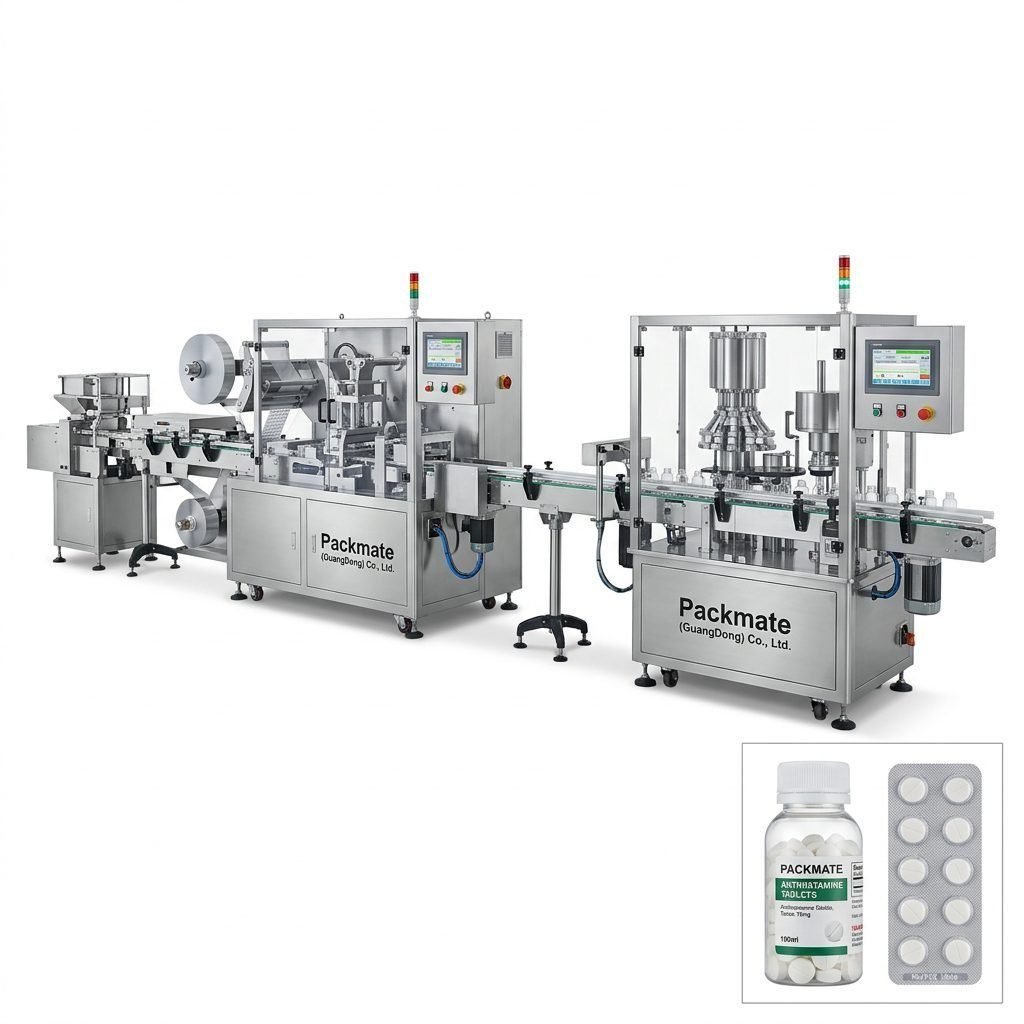
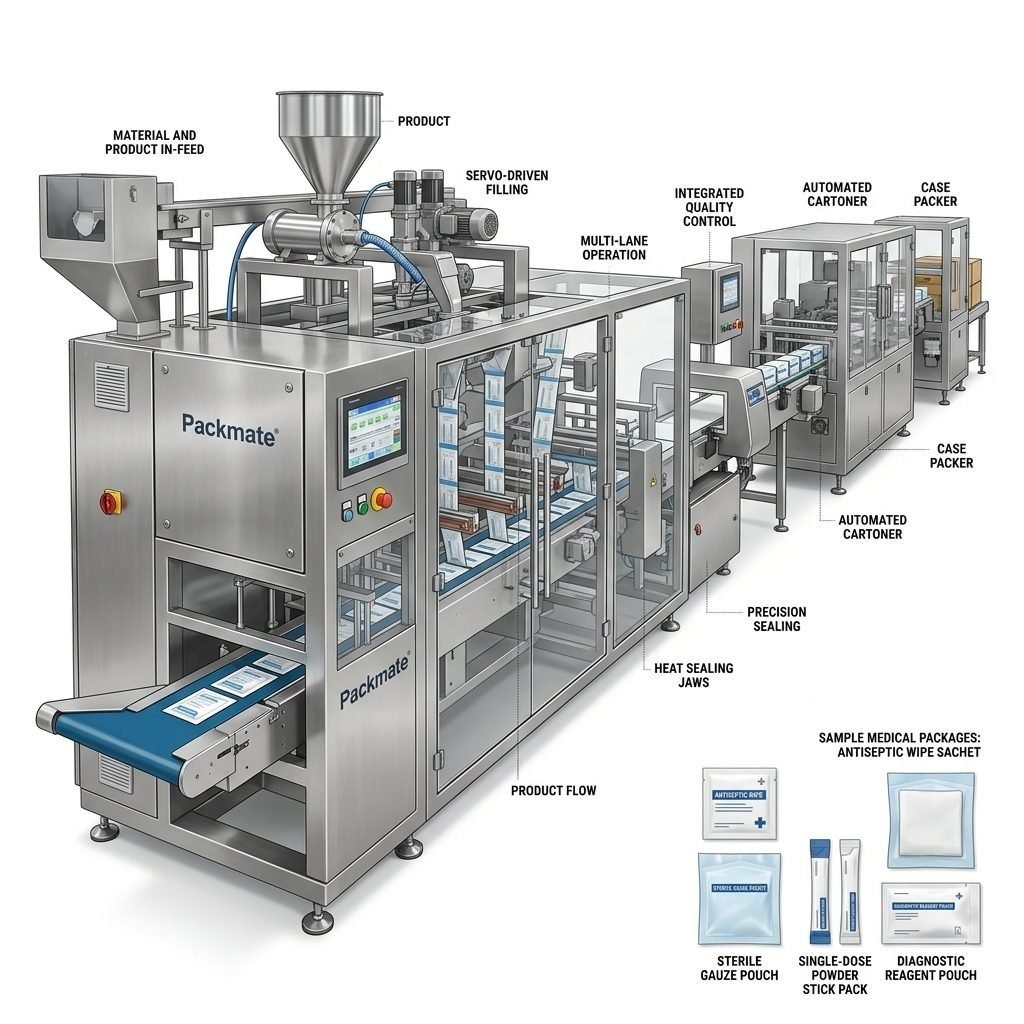
Complete Turnkey Lines: Investing in a pre-engineered, synchronized line from a single supplier like Packmate eliminates compatibility issues. A typical line might integrate a bottle unscrambler, air cleaner, filler, capper, induction sealer, labeler, and checkweigher, all controlled from one central HMI panel.
Servo-Driven Technology: Replacing mechanical drives with servo motors allows for unparalleled control over speed, position, and torque. This results in smoother operation, higher accuracy, quieter performance, and simpler maintenance through digital adjustments.
PLC Control & HMI Interfaces: Programmable Logic Controllers (PLCs) with intuitive Human-Machine Interface (HMI) touchscreens are standard. They allow operators to store recipes for different products, monitor production data in real-time, and diagnose issues quickly, minimizing downtime.
In-Line Quality Control: Integrating inspection systems is non-negotiable. Checkweighers ensure correct fill weight, vision systems detect missing caps or misapplied labels, and metal detectors guard against contamination. This automated inspection protects your brand and reduces manual labor.
Partnering for Success: The Packmate Advantage
Choosing a machinery partner is as important as choosing the machine itself. With over 30 years of expertise, Packmate Machinery has evolved from a visionary workshop in 1993 to a leader in intelligent packaging solutions. Our 20,000㎡ modern facility and dedicated team of over 125 professionals are committed to transforming your production challenges into efficient, reliable solutions.
We understand that each cosmetic brand has unique needs. Our approach involves deep collaboration to provide complete turnkey packaging solutions—from initial consultation and machine design to installation, training, and ongoing support. Our history of innovation, evidenced by over 50 machine models developed since our founding in 2003, ensures you have access to technology that is both proven and forward-looking.
Frequently Asked Questions (FAQs)
What is the most important factor when choosing a cosmetic filling machine?
The viscosity of your product is the primary deciding factor. Thin, water-like liquids require different filling technology (e.g., gravity or pump fillers) than thick creams or gels (which need piston fillers). Always provide a sample to your machinery supplier for testing.
How can I reduce changeover time between different products or bottle sizes?
Invest in machines designed for quick changeover. Look for features like tool-less adjustments, digital recipe storage on the PLC (where settings are saved and recalled with a button press), and modular components. Servo-driven machines typically offer the fastest and simplest changeovers.
Are automated packaging lines suitable for small to medium-sized cosmetic brands?
Absolutely. Automation is scalable. While a full 20-station rotary line may be for large volumes, there are numerous semi-automatic and compact linear machines that significantly boost output and consistency over purely manual methods, offering an excellent return on investment for growing brands.
What hygiene standards should cosmetic packaging machinery meet?
Machinery should be constructed with food-grade 304 or 316 stainless steel on all product contact surfaces. The design should prioritize easy disassembly and cleaning without tools (CIP – Clean-in-Place capabilities are a plus), with no dead spaces where product can accumulate and spoil.
What kind of after-sales support should I expect from a machinery supplier?
Reliable support is critical. Expect comprehensive installation supervision, on-site operator training, detailed manuals, and readily available spare parts. A good supplier offers remote diagnostic support and has a responsive service team. Learn about our commitment to customer care on our Service page.