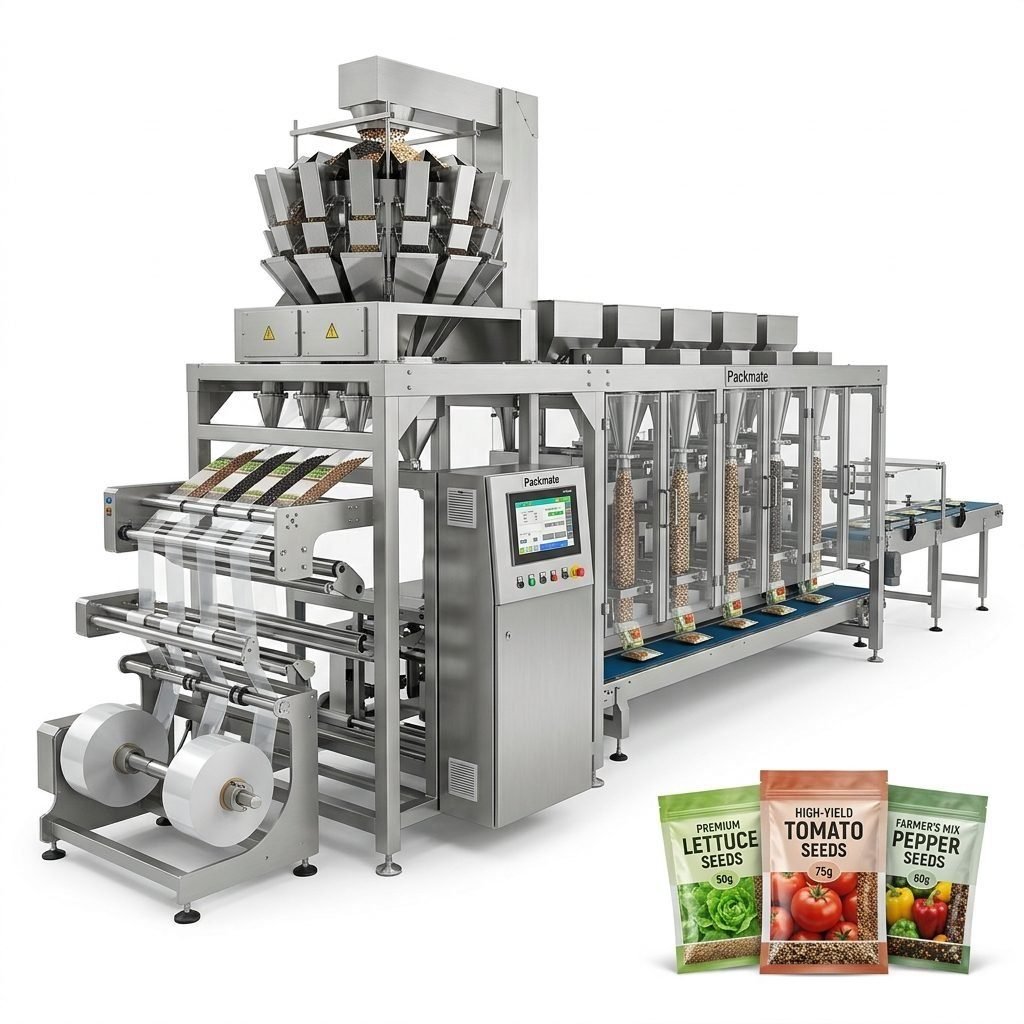
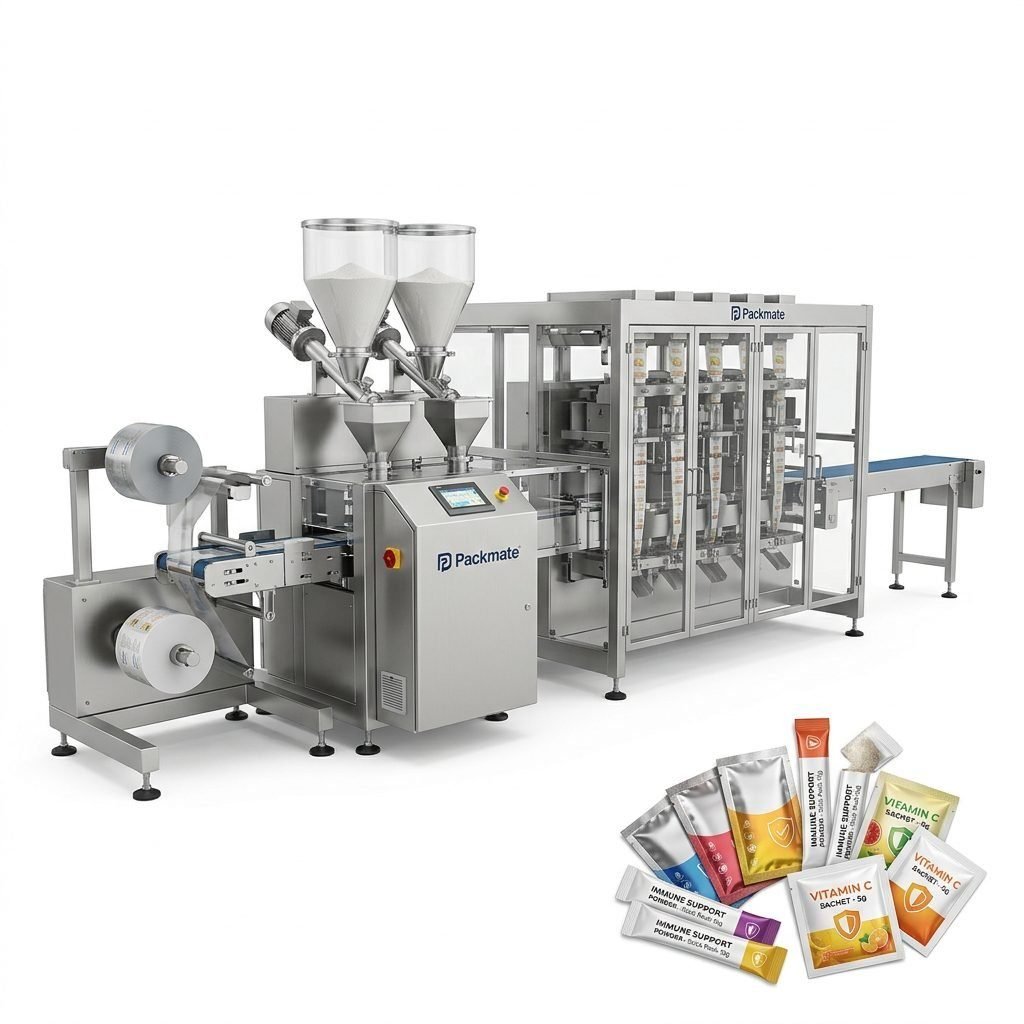
In the fast-paced world of food production, efficiency is not just a goal—it’s a necessity. For businesses dealing with condiments, from ketchup and mustard to gourmet sauces and salad dressings, the packaging process is a critical juncture where speed, accuracy, and hygiene converge. Selecting the best condiment packaging machines can dramatically transform your production line, boosting output, minimizing waste, and ensuring your products reach consumers in perfect condition. This guide delves into the key features, types, and considerations for choosing machinery that drives efficient production.
The right packaging machine is an investment in your brand’s consistency and scalability. It handles viscous liquids, semi-solids, and particulate-laden sauces with precision, directly impacting shelf appeal and operational costs.
Core Technologies in Modern Condiment Packaging
The evolution of packaging machinery has introduced technologies tailored for the unique challenges of condiments. The primary function is to accurately dispense a measured amount of product into a pouch, sachet, stick pack, or bottle without spillage or contamination.
Volumetric vs. Weight-Based Filling
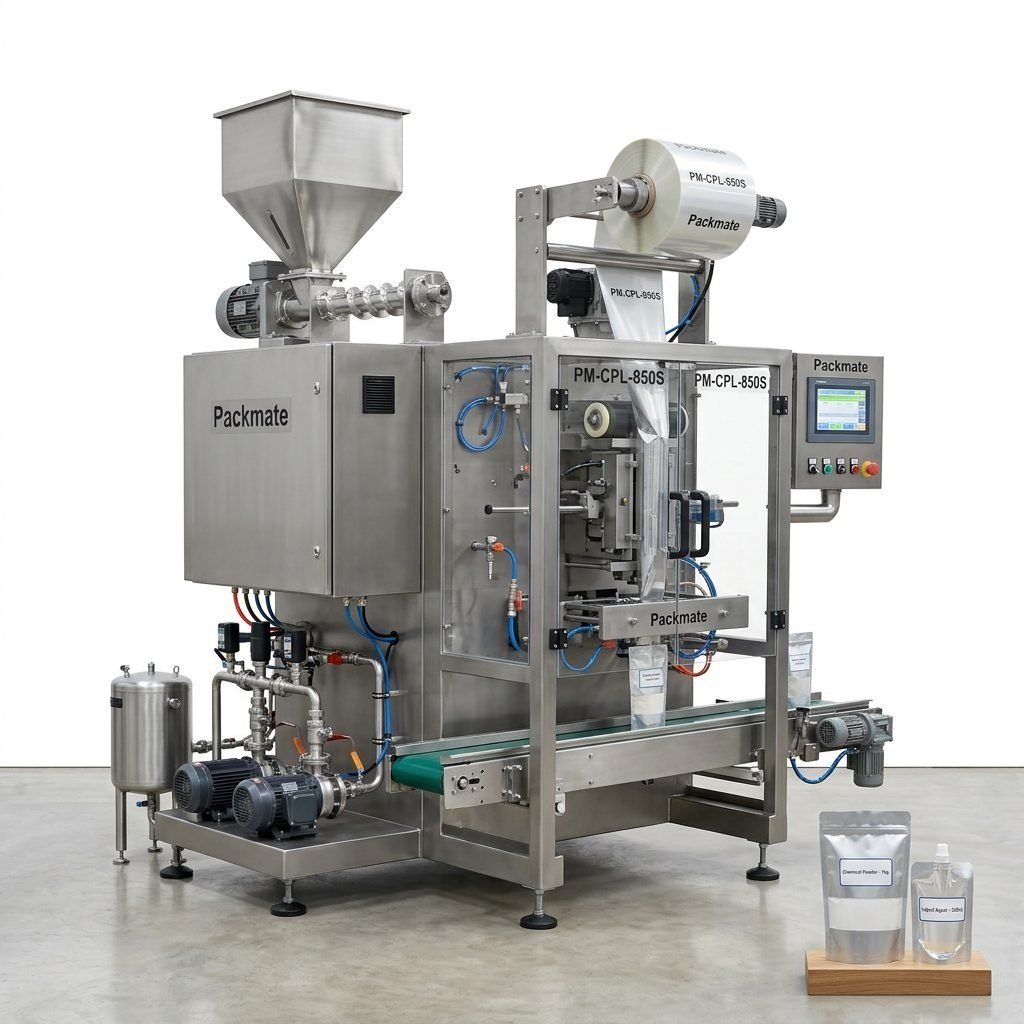
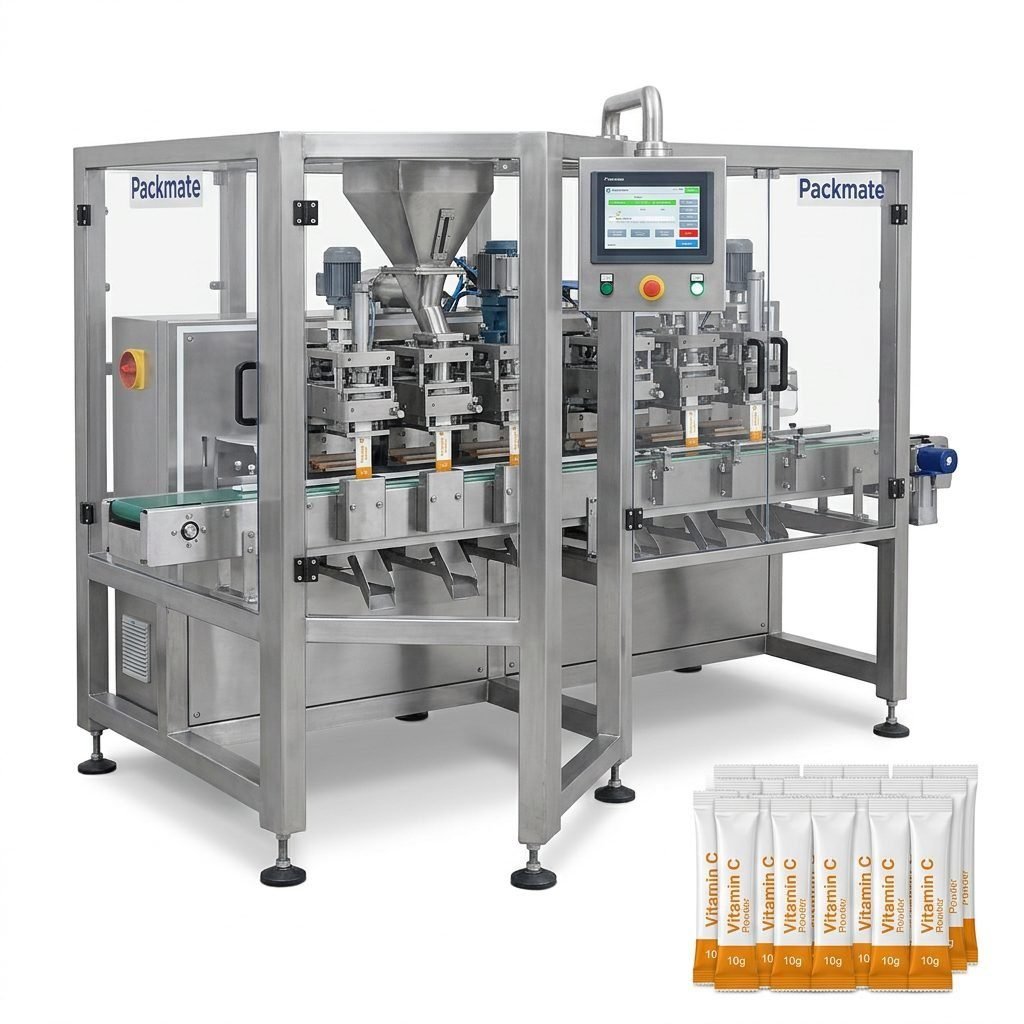
For many condiments, especially thicker sauces, volumetric piston fillers are the gold standard. They use a cylinder and piston mechanism to draw and dispense a precise volume of product, ensuring consistent fill levels batch after batch. For higher-value products or where weight is a critical legal requirement, auger fillers (excellent for powders and granules that might be in spice blends or dry seasoning packets) or advanced weighing systems offer unparalleled accuracy.
The Role of Form-Fill-Seal (FFS) Machines
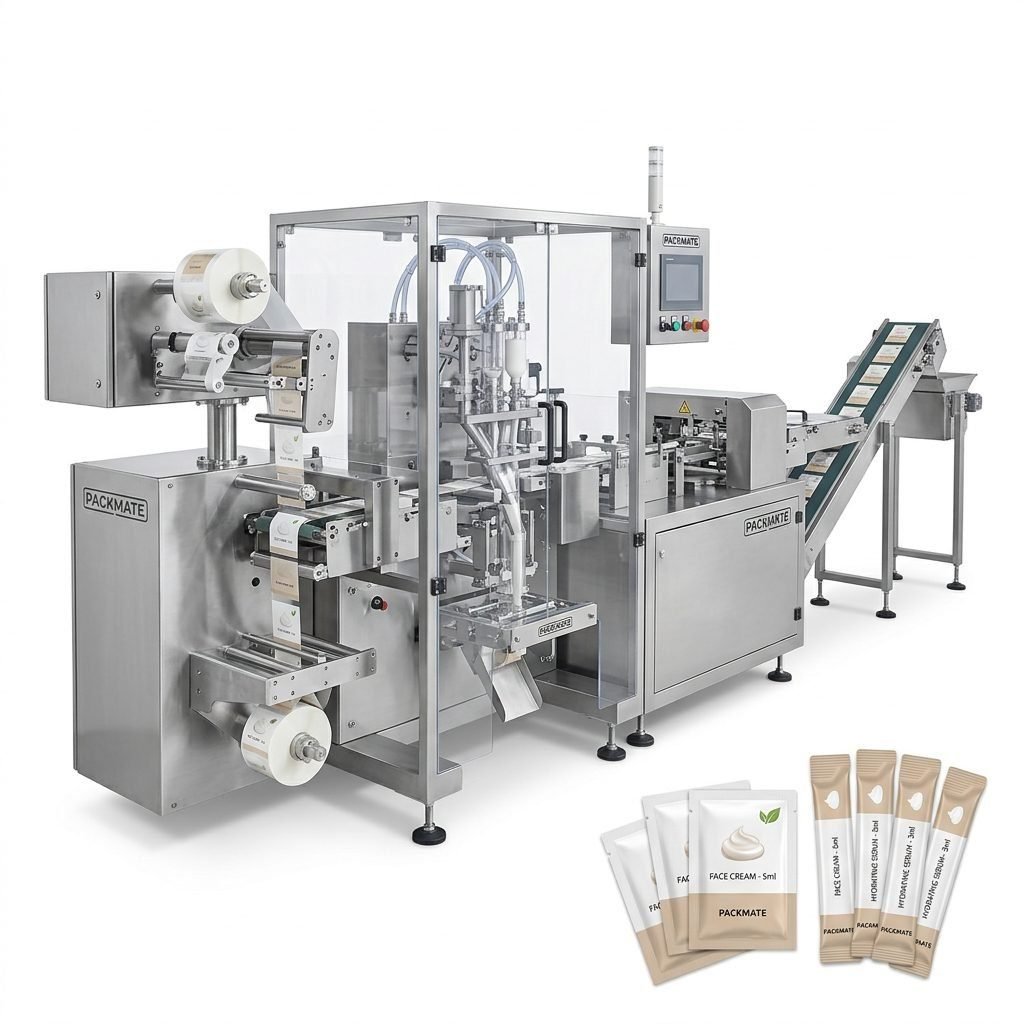
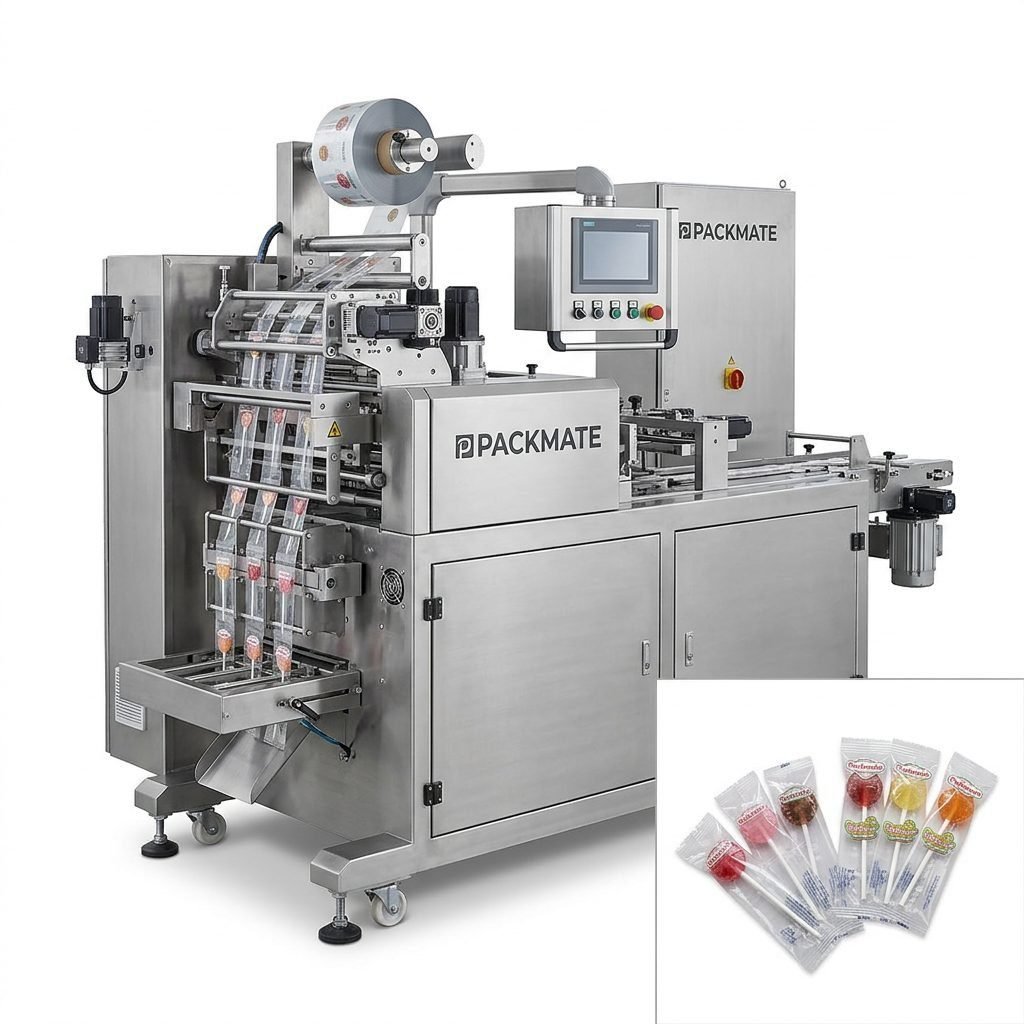
Form-Fill-Seal technology represents the pinnacle of integrated efficiency. A single machine forms packaging from a roll of film, fills it with your condiment, and seals it—all in one continuous, automated operation. This is ideal for producing single-serve sachets, stick packs for dressings, or larger stand-up pouches. FFS machines reduce material handling, minimize floor space, and significantly increase production speeds.
Key Efficiency Metrics to Consider:
Speed (Packs Per Minute): Directly correlates to your output potential. High-speed lines can exceed 200 packs per minute for small sachets.
Changeover Time: How quickly can you switch between different condiment types or pack sizes? Quick-change parts are essential for flexible production.
Yield & Waste: Precision filling reduces product giveaway. Efficient film sealing minimizes material waste and costly rework.
Selecting the Right Machine for Your Product Line
Not all condiments are created equal, and neither are their packaging needs. Your product’s viscosity, particulate content, and packaging format are the primary decision drivers.
For Liquid & Semi-Liquid Condiments (Sauces, Syrups)
Liquid fillers, often using gravity or pressure-assisted systems, are suitable for runny products. For thicker, more viscous sauces like mayonnaise, BBQ sauce, or chutney, a piston filler or a pump-based system is mandatory to ensure complete evacuation and accurate filling. Machines designed for these products often feature large nozzle diameters and heated hoppers to maintain product flow.
For Dry & Particulate Mixes (Spice Blends, Seasonings)
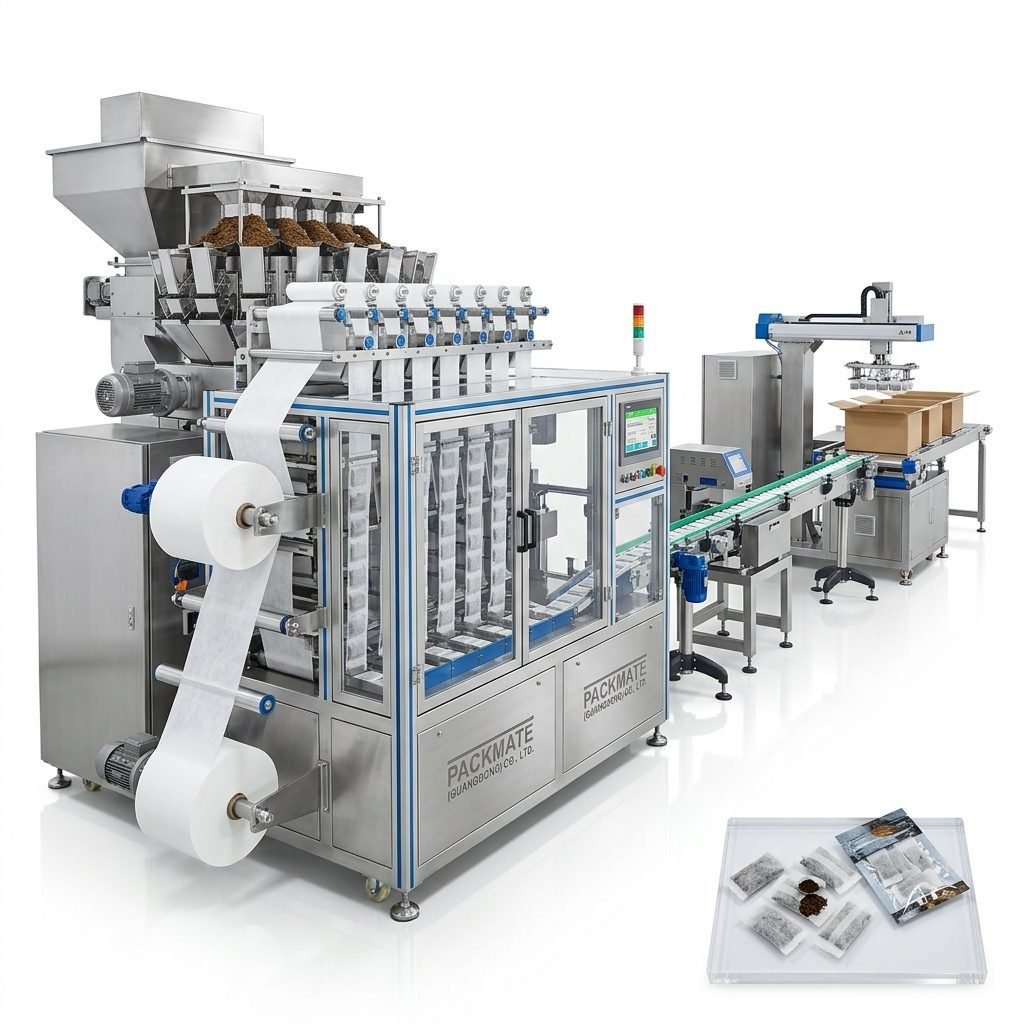
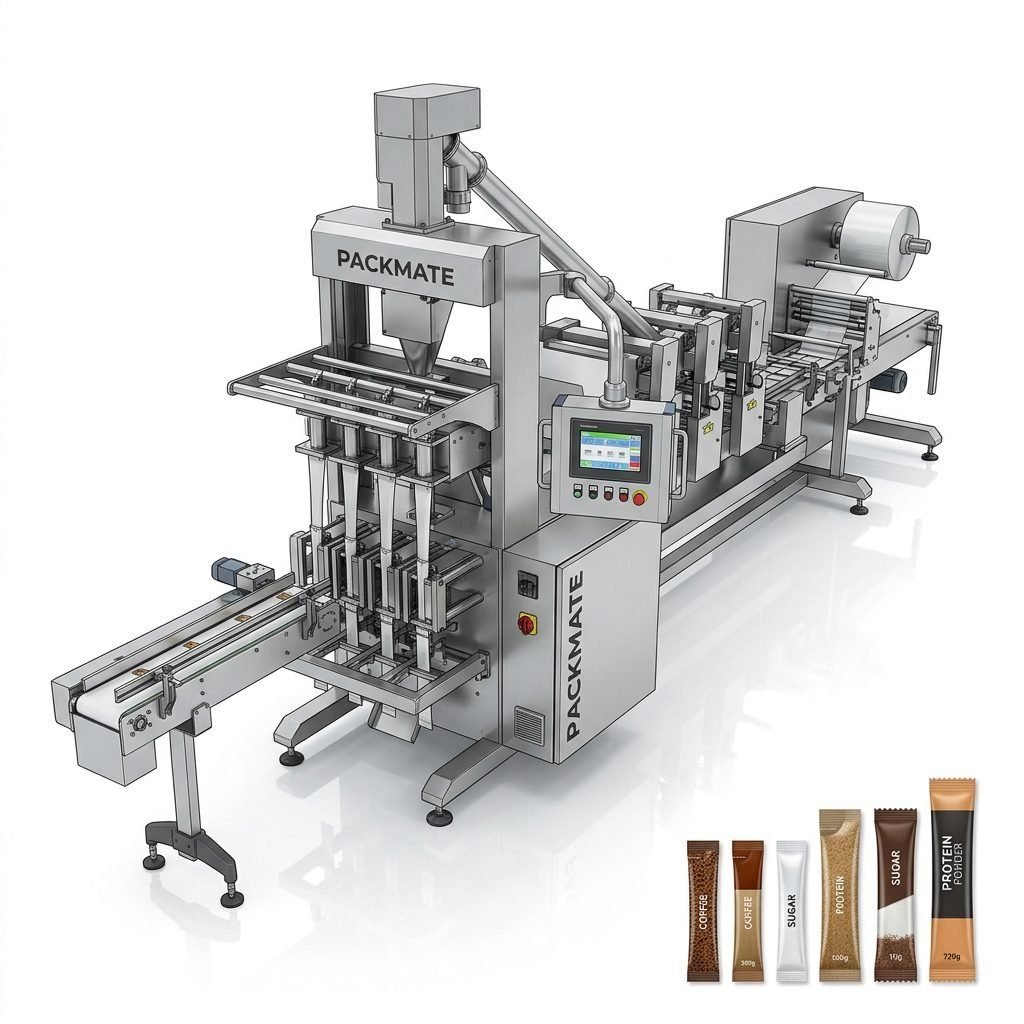
When packaging dry condiments or sauces containing seeds or herbs, an auger filler or a cup filler is typically used. These systems gently handle the product to prevent particle damage or separation. For premium products, a multi-lane stick pack machine can be an excellent choice for creating precise, portable servings.
Leading manufacturers like Packmate Machinery understand these nuances. With over 30 years of expertise, they develop solutions that cater specifically to the food industry’s demands, ensuring machines are not only fast but also reliable and hygienic. Their journey, from a small workshop in 1993 to a major player with a 20,000㎡ facility today, is built on solving such practical production challenges.
Beyond the Machine: Integration for Total Efficiency
True production efficiency is achieved when the packaging machine is not an island but part of a synchronized system. This involves upstream and downstream integration.
Upstream Considerations:
How is the condiment supplied to the filler? Efficient production requires consistent product delivery via pumps, conveyors, or bulk supply systems that match the filler’s speed.
Downstream Automation:
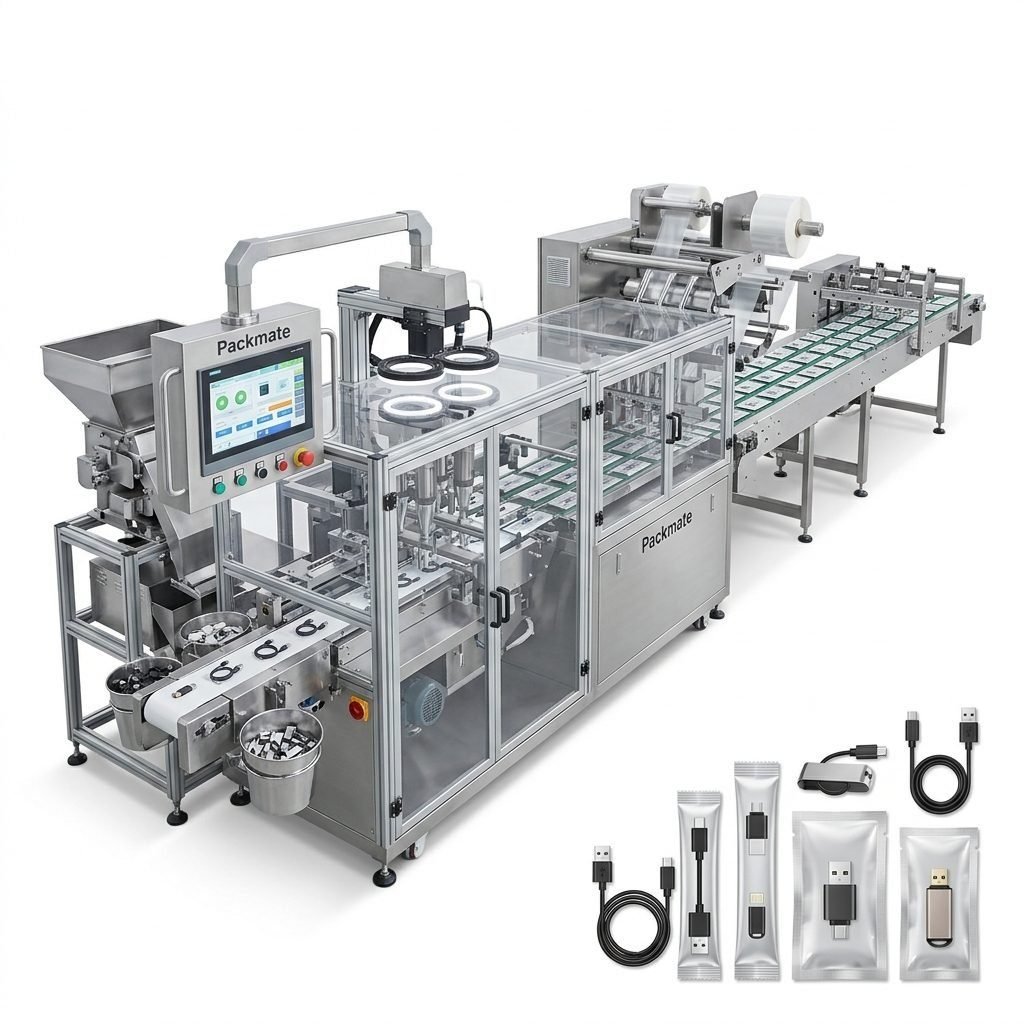
After sealing, packs need to be collated, cartoned, and palletized. Integrating your filler with auxiliary equipment like cartoners and case packers creates a seamless, turnkey packaging line that minimizes manual labor and maximizes throughput.
The Hygiene Imperative
Condiments are food products, making hygiene non-negotiable. The best machines feature stainless steel construction in food-contact areas, CIP (Clean-in-Place) capabilities, and designs with minimal crevices where product can accumulate. This ensures compliance with global food safety standards and protects your brand reputation.
Investing in the best condiment packaging machinery is a strategic decision that pays dividends in operational cost savings, product quality, and market responsiveness. By focusing on the technology that matches your product’s characteristics, prioritizing speed and accuracy metrics, and planning for full-line integration, you can build a production floor that is truly efficient and scalable for future growth. For a comprehensive look at the range of solutions available, exploring a manufacturer’s full product portfolio is an essential first step.
Frequently Asked Questions (FAQs)
1. What is the typical production speed for a condiment sachet machine?
Speeds vary greatly based on pack size and machine configuration. Standard single-lane machines may produce 60-120 packs per minute (PPM), while advanced multi-lane machines from manufacturers like Packmate can achieve speeds exceeding 200 PPM for small sachets, dramatically increasing output for high-volume needs.
2. Can one machine handle different condiment viscosities?
Many machines are designed with flexibility in mind. By changing the filling system (e.g., switching a piston assembly) or adjusting pump settings, a single machine can often handle a range of products from watery sauces to thick pastes. However, significant product changes may require a partial changeover.
3. How important is after-sales service and parts availability?
Extremely important. Packaging machines are long-term investments. Choosing a supplier with a strong global service network, like Packmate Machinery, ensures you have access to technical support, training, and genuine spare parts to minimize downtime and keep your production line running efficiently for years.
4. What are the key maintenance requirements for these machines?
Daily cleaning and lubrication of specific points are crucial. Regular maintenance includes checking seals and gaskets for wear, calibrating the filling system for accuracy, and inspecting electrical components. A good supplier will provide a detailed maintenance schedule and operator training.
5. Are there machines suitable for both small batches and large-scale production?
Yes. Some machines offer great flexibility with quick size changeovers, making them economical for smaller batch runs of specialty or gourmet condiments. For dedicated, large-scale production, higher-speed, more automated lines are recommended. Discussing your volume requirements and flexibility needs with the machine supplier is key to finding the right fit.