Choosing the right packaging equipment is one of the most critical decisions for any business involved in manufacturing or distributing products. The machinery you select directly impacts your production efficiency, product quality, operational costs, and ultimately, your bottom line. This guide aims to demystify the process, providing you with a comprehensive framework to make an informed investment that aligns with your business goals and production needs.
Understanding Your Packaging Requirements
Before diving into the vast market of packaging machinery, you must first conduct a thorough internal assessment. This foundational step ensures you purchase equipment that solves your specific problems rather than creating new ones.
Product Characteristics
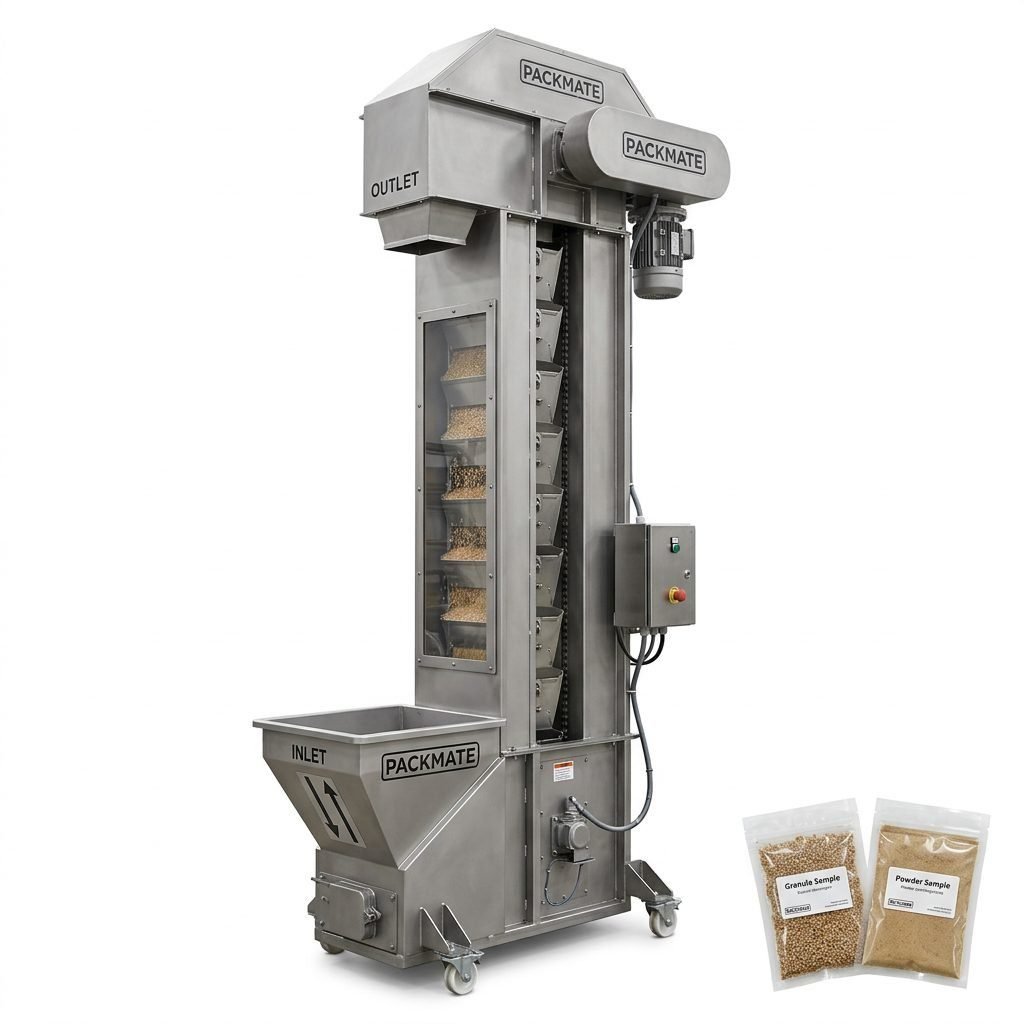
The nature of your product dictates the type of equipment you need. Are you packaging granules like coffee or sugar, powders like protein supplements, or liquids like sauces and oils? Each form factor requires different filling, sealing, and handling mechanisms. For instance, a powdered product might need an auger filler for precision, while a liquid would require a piston or pump filler.
Production Volume and Speed
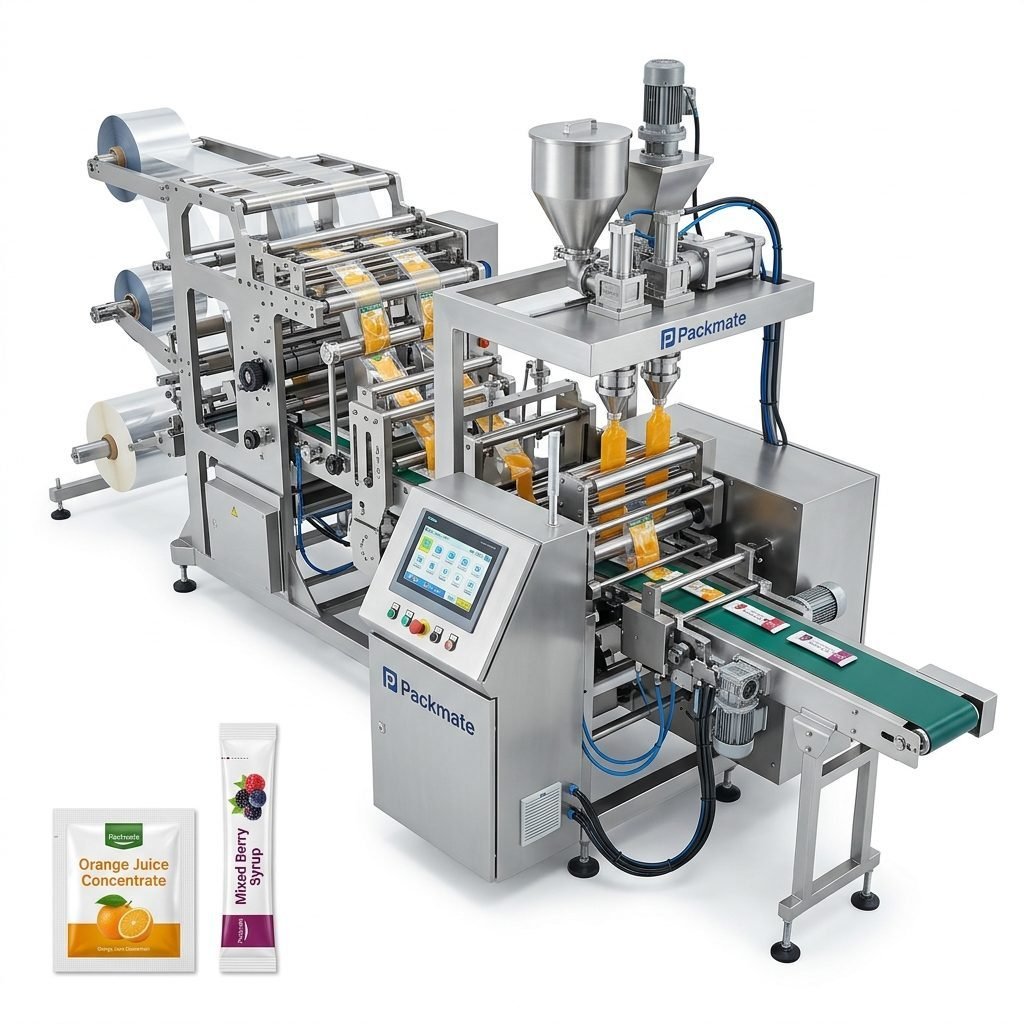
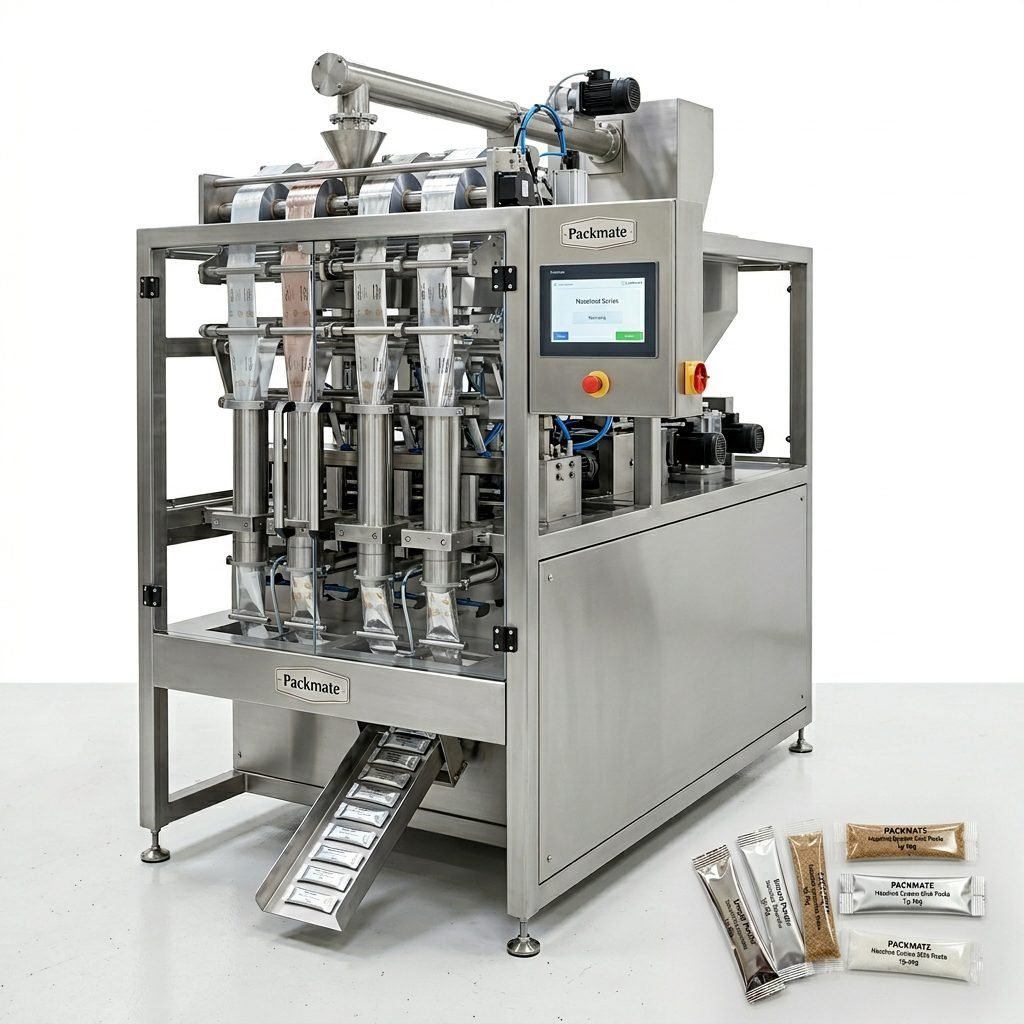
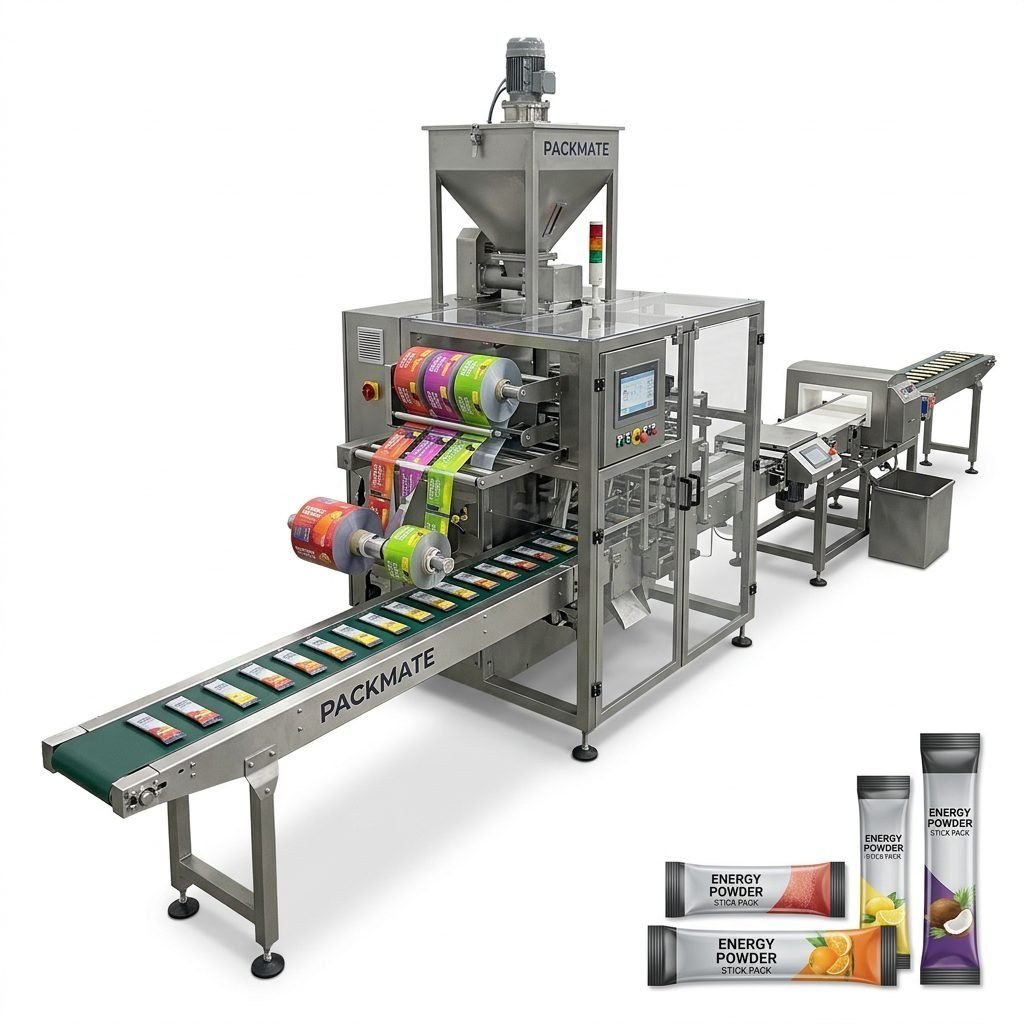
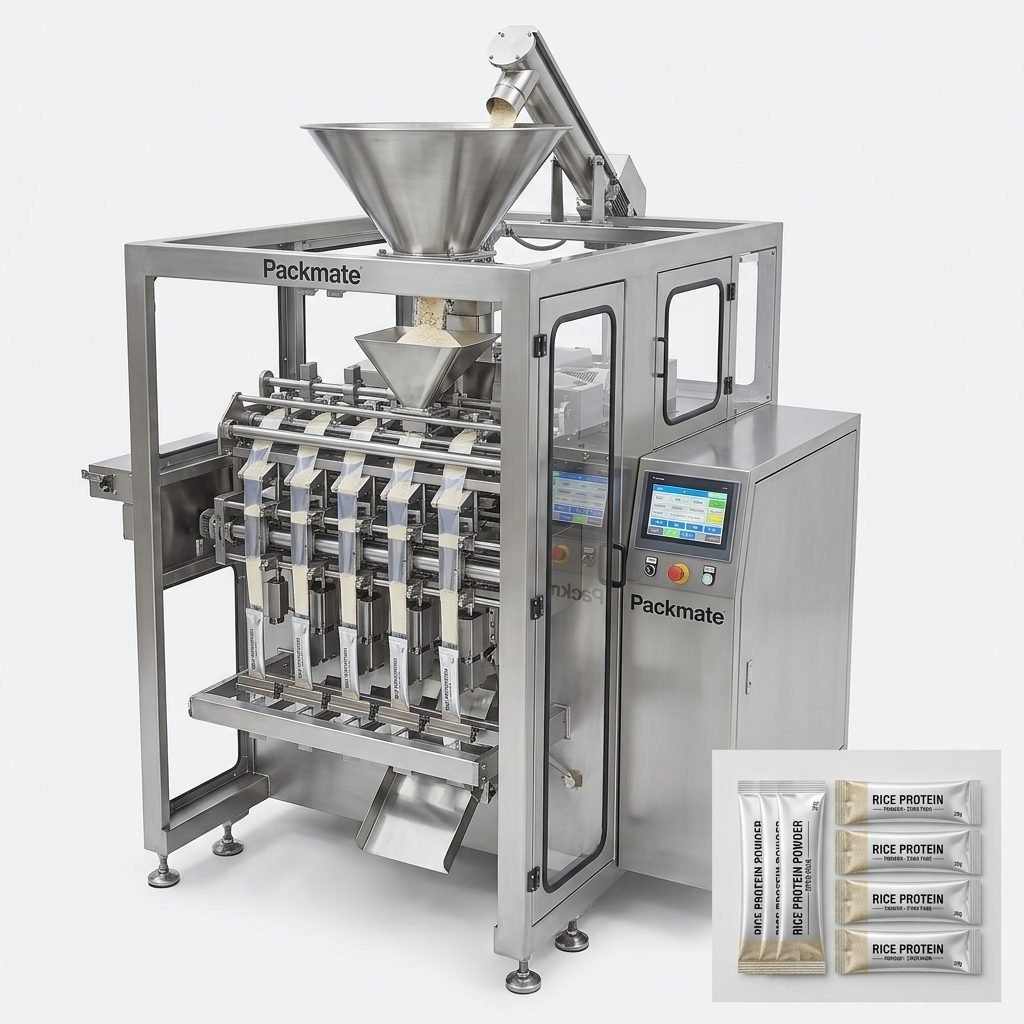
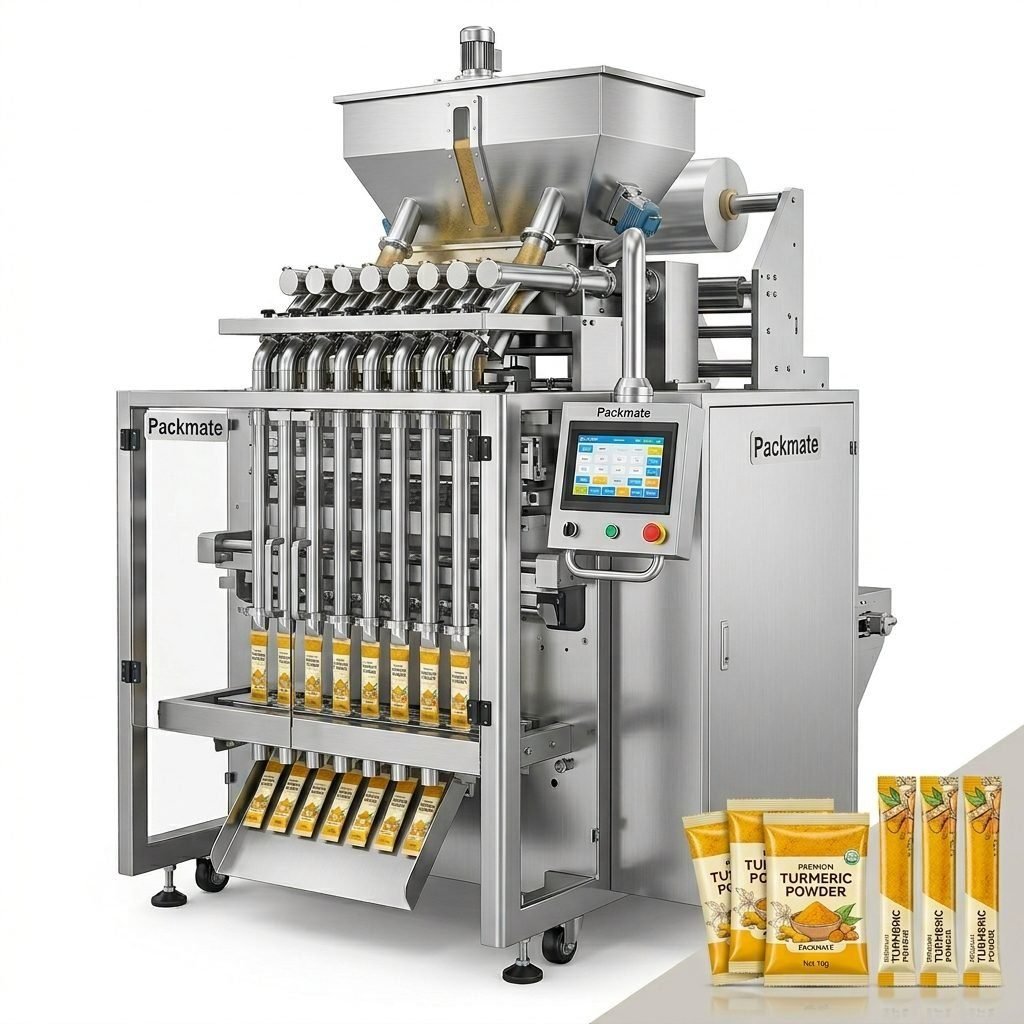
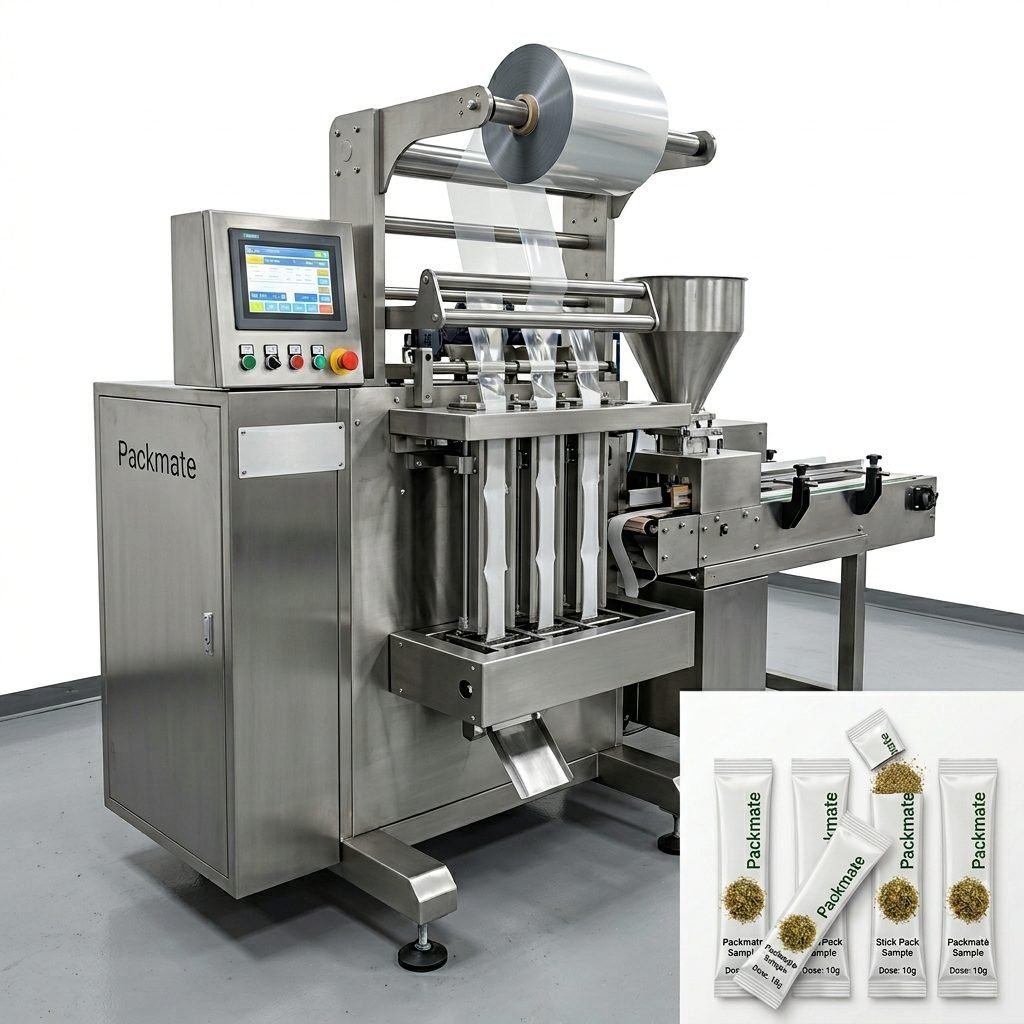
Your required output is a key driver. Are you a small-batch artisanal producer or a large-scale manufacturer supplying major retailers? Calculate your current and projected future production volumes in packs per minute (PPM) or per hour (PPH). This will determine whether you need a single-lane machine or a high-speed, multi-lane system like the advanced multi-lane stick pack and sachet packaging lines offered by industry leaders.
Packaging Materials and Formats
Consider the packaging format that best suits your product and brand: sachets, stick packs, pouches, or bags. The choice of material—whether laminated films, aluminum foil, or biodegradable options—also influences the type of sealing technology (heat seal, ultrasonic seal) your machine must possess. Exploring a manufacturer’s range, such as their bag & pouch packaging machines, can provide clarity on available options.
Key Types of Packaging Equipment to Consider
The packaging machinery landscape is diverse. Here’s a breakdown of the primary categories to help you navigate your options.
Filling and Sealing Machines
These are the workhorses of primary packaging. They measure a precise amount of product and seal it within its primary container (pouch, sachet). Key subtypes include:
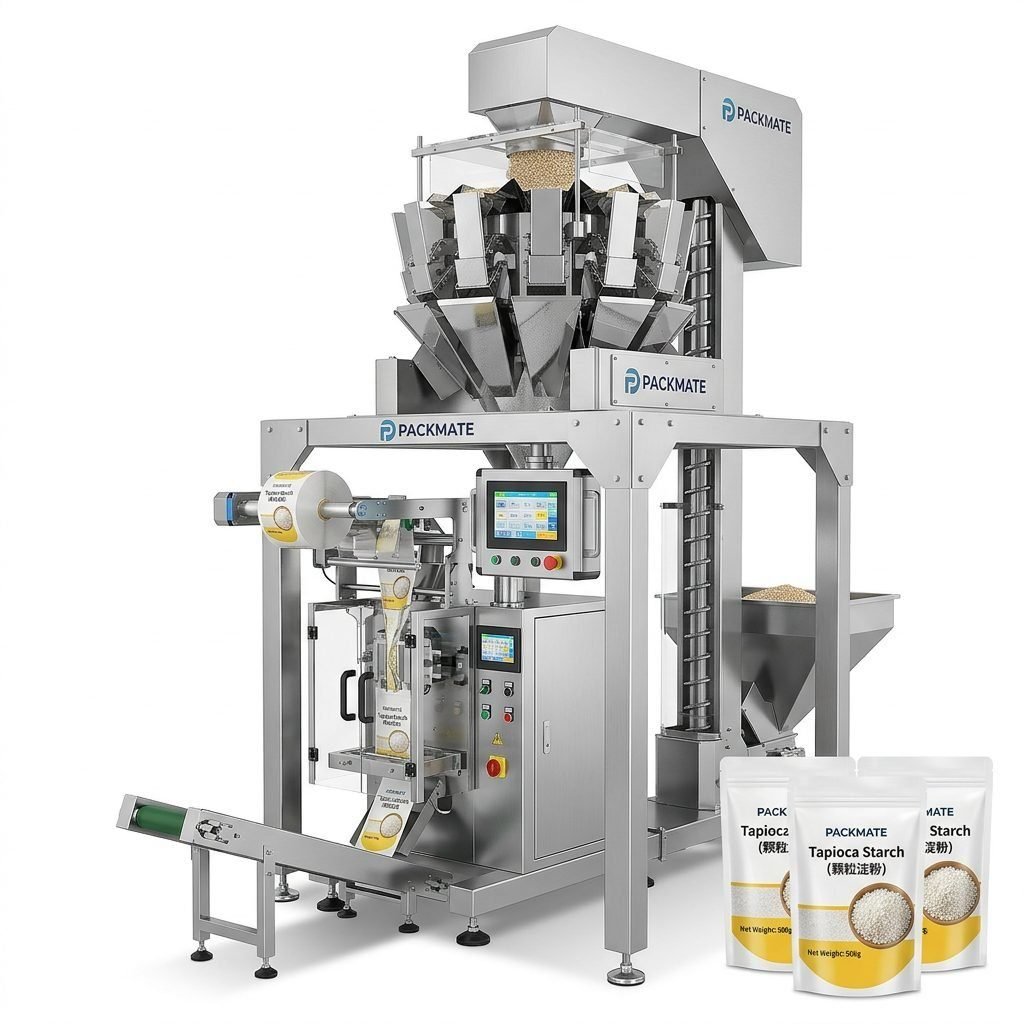
- Vertical Form-Fill-Seal (VFFS) Machines: Create the bag from a roll of film, fill it, and seal it—all in one continuous process. Ideal for granules, powders, and snacks.
- Premade Pouch Fillers: Fill and seal pre-manufactured stand-up or flat pouches, often offering more design flexibility.
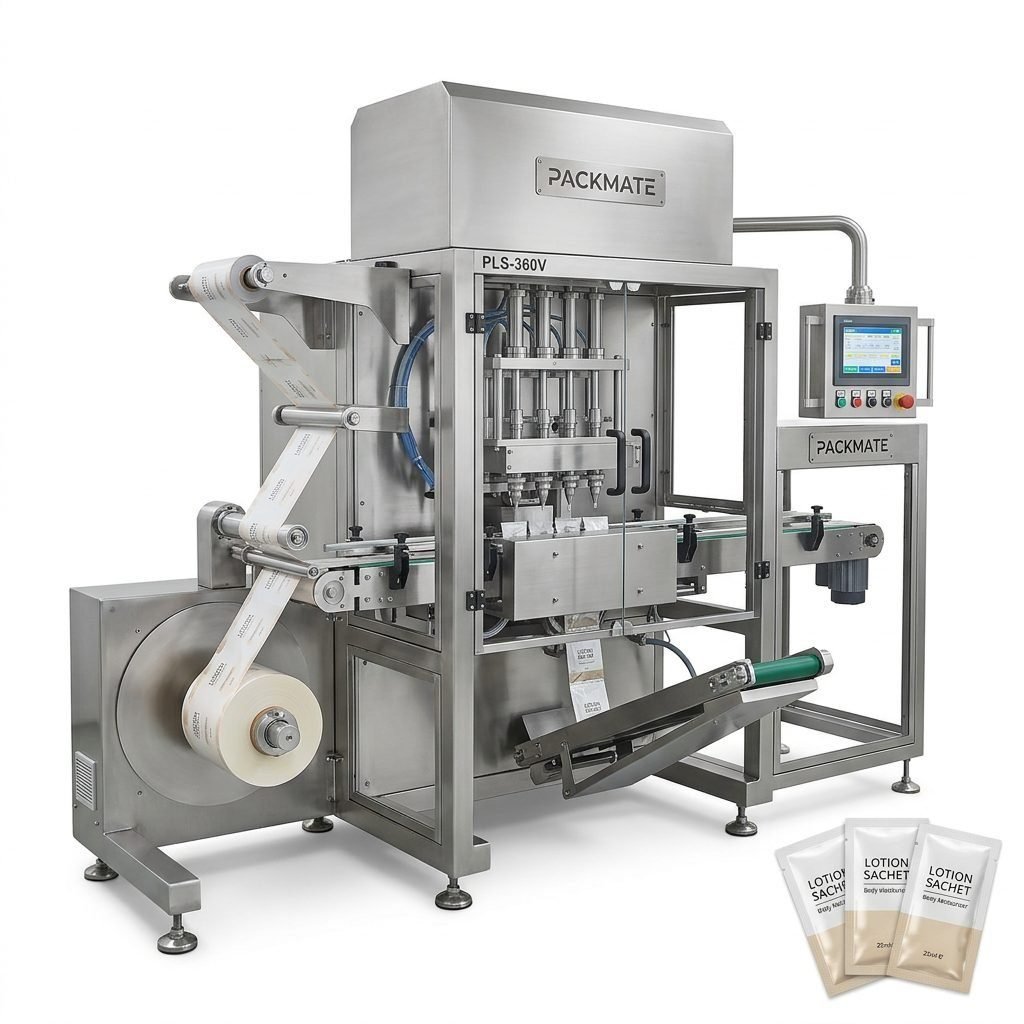
- Stick Pack and Sachet Machines: Designed for single-serve portions of powders, liquids, or gels. They are compact and perfect for samples, condiments, or pharmaceuticals.
Weighing and Dosing Systems
Accuracy is non-negotiable, especially in food and pharmaceuticals where regulatory compliance is strict. Modern weighing & packaging systems use multi-head weighers or precision auger fillers to ensure every package meets the exact weight specification, minimizing product giveaway and ensuring consistency.
Complete Packaging Lines
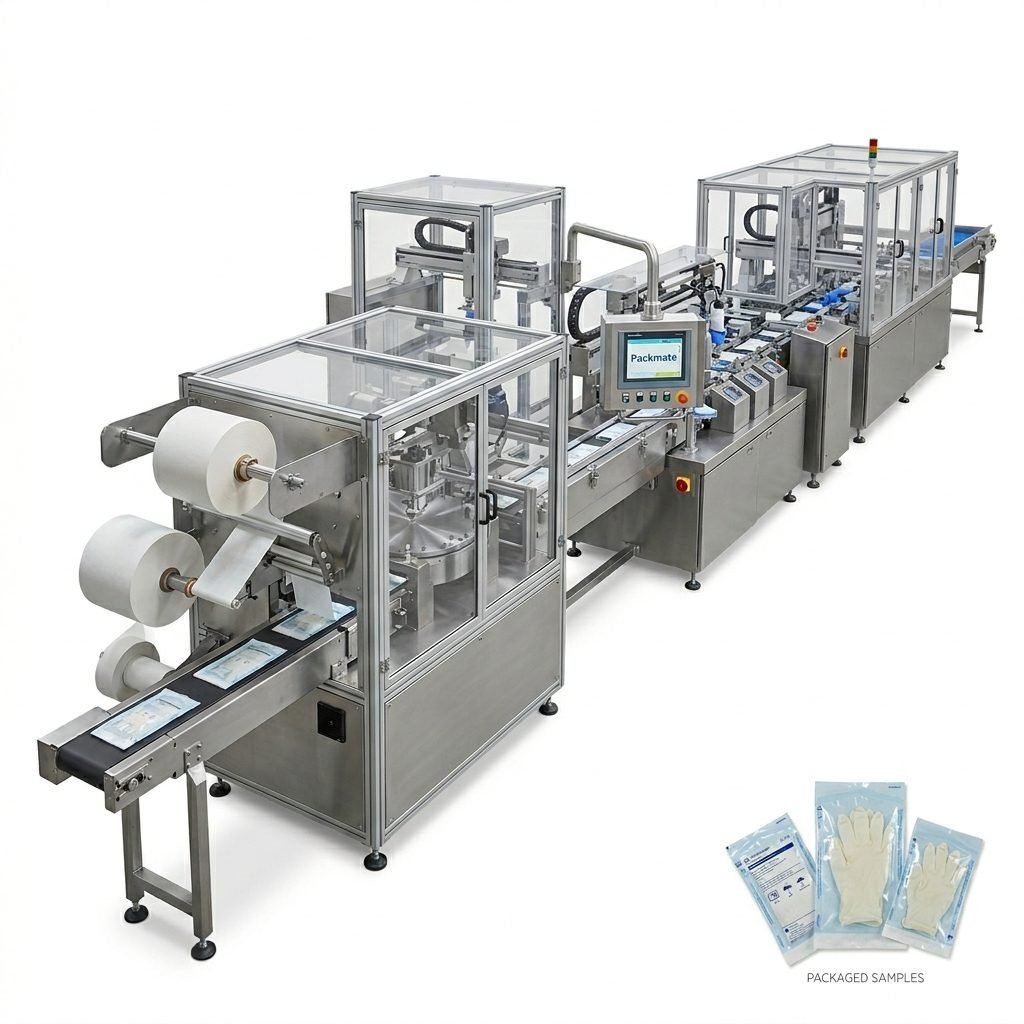
For end-to-end automation, a turnkey packaging line integrates multiple machines. A typical line might include a bag feeder, filler, sealer, checkweigher, metal detector, and cartoner. Investing in a coordinated filling & packaging line from a single supplier like Packmate ensures compatibility, smoother integration, and single-point accountability for service and support.
Auxiliary Equipment
Don’t overlook the supporting cast. Equipment such as cartoners, case packers, palletizers, labelers, and coders are essential for secondary packaging and preparing products for shipment. Reliable auxiliary packaging equipment streamlines the entire workflow from production to dispatch.
The Critical Evaluation: Choosing a Supplier
Selecting the right machinery manufacturer is as important as selecting the machine itself. A good partner provides more than just hardware.
Experience and Reputation
Look for a supplier with a proven track record. A company like Packmate (GuangDong) Co., Ltd., with over 30 years of expertise and a history dating back to 1993, demonstrates longevity and deep industry knowledge. Their evolution from a small workshop to a company with a 20,000㎡ modern facility shows commitment and growth.
Quality and Innovation
Examine the build quality, components used (e.g., PLC controllers, servo motors), and the company’s commitment to R&D. Do they offer intelligent, reliable solutions? Reviewing their company profile and history can reveal their dedication to technological advancement and quality control.
Service and Support
Post-purchase support is critical. Inquire about installation, training, warranty, spare parts availability, and technical support. A supplier with a global service network can be invaluable, especially for international clients. Ensure they provide comprehensive documentation and responsive customer service.
Customization and Flexibility
Can the supplier tailor the equipment to your unique needs? The ability to customize machine functions, speeds, or interfaces can provide a significant competitive advantage and ensure the machine fits seamlessly into your operation.
Financial Considerations and ROI
Purchasing packaging equipment is a capital investment. A clear financial analysis is essential.
Total Cost of Ownership (TCO)
Look beyond the initial purchase price. Calculate the TCO, which includes energy consumption, maintenance costs, required operator skill level, consumable parts (like sealing jaws), and potential downtime. A slightly more expensive, robust machine with higher efficiency and lower maintenance can offer a better TCO over 5-10 years.
Justifying the Investment
Build a business case by quantifying the benefits: increased output speed, reduced labor costs, lower material waste (from improved accuracy), enhanced product quality and consistency, and the ability to enter new markets with new packaging formats. The ROI should be clear and achievable.
Implementation and Future-Proofing
Successfully integrating new equipment requires planning. Work with your supplier on factory layout, utility connections (power, air), and operator training. Furthermore, consider future-proofing your investment. Choose modular equipment that can be upgraded or reconfigured. Consider software connectivity for data collection (OEE, production counts) to support Industry 4.0 initiatives and smart manufacturing.
By methodically working through these steps—assessing needs, understanding equipment types, vetting suppliers, analyzing costs, and planning for implementation—you position your business for a successful investment. The right packaging equipment is not just a cost; it’s a strategic asset that drives efficiency, quality, and growth.
Frequently Asked Questions (FAQs)
1. How do I determine the right machine speed for my business?
Analyze your current daily/weekly output and your growth projections for the next 3-5 years. Choose a machine that meets your peak demand with about 15-20% extra capacity to handle surges without overstraining the equipment. It’s better to have slightly more capacity than needed than to constantly run a machine at its maximum limit.
2. What are the most important factors in maintaining packaging equipment?
Regular preventive maintenance is key. This includes daily cleaning to prevent product buildup, regular lubrication of moving parts as per the manual, and periodic inspection and replacement of wear parts like sealing jaws, cutting blades, and gaskets. Always use genuine spare parts from the original manufacturer to ensure compatibility and longevity.
3. Can one machine handle different packaging formats or products?
Many modern machines offer a degree of flexibility through quick-change parts (like different size forming tubes or pouches). However, switching between vastly different product types (e.g., from a fine powder to a granule) or formats may require significant reconfiguration or even different machine modules. Discuss your flexibility needs in detail with your supplier during the quoting process.
4. How long does it typically take from purchase to operational installation?
The lead time varies greatly. For a standard machine from stock, it could be 4-8 weeks. For a custom-configured or high-speed line, it may take 12-20 weeks or more for manufacturing, followed by 1-2 weeks for installation and commissioning on your site. Always clarify the timeline with your supplier, including delivery, installation, and training phases.
5. What should I look for in the supplier’s warranty and service agreement?
A comprehensive warranty typically covers parts and labor for a defined period (e.g., 12 months). Crucially, check what is excluded (often wear parts and damage from misuse). Look for a service agreement that offers prompt response times, remote troubleshooting support, readily available spare parts inventory, and training for your technicians.