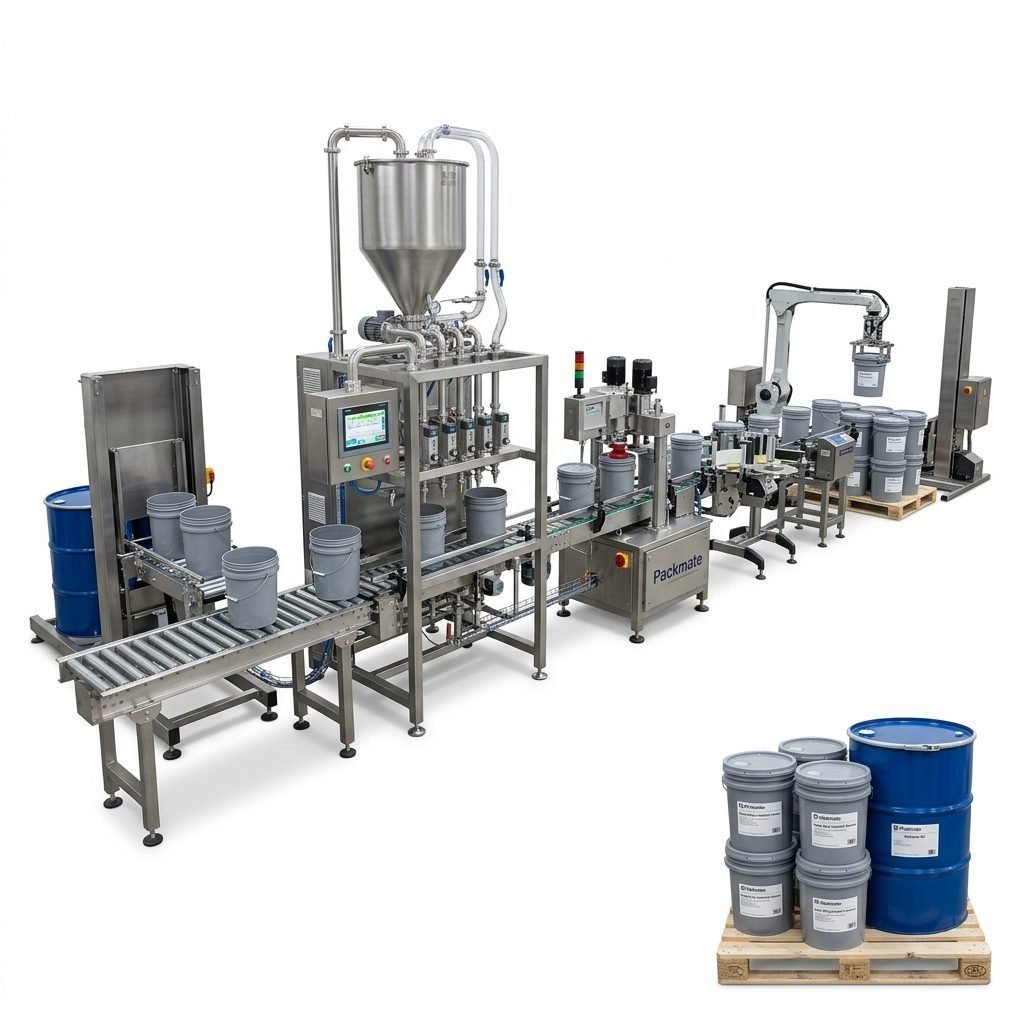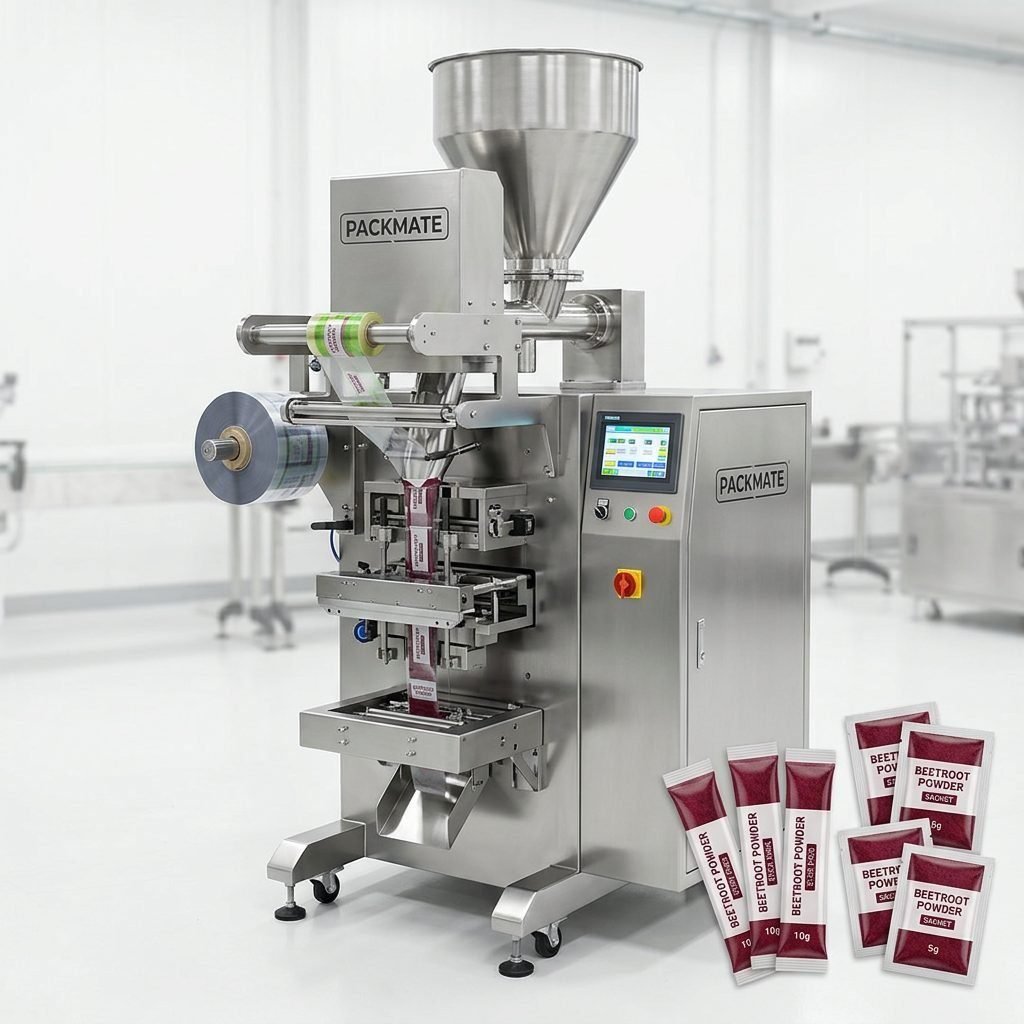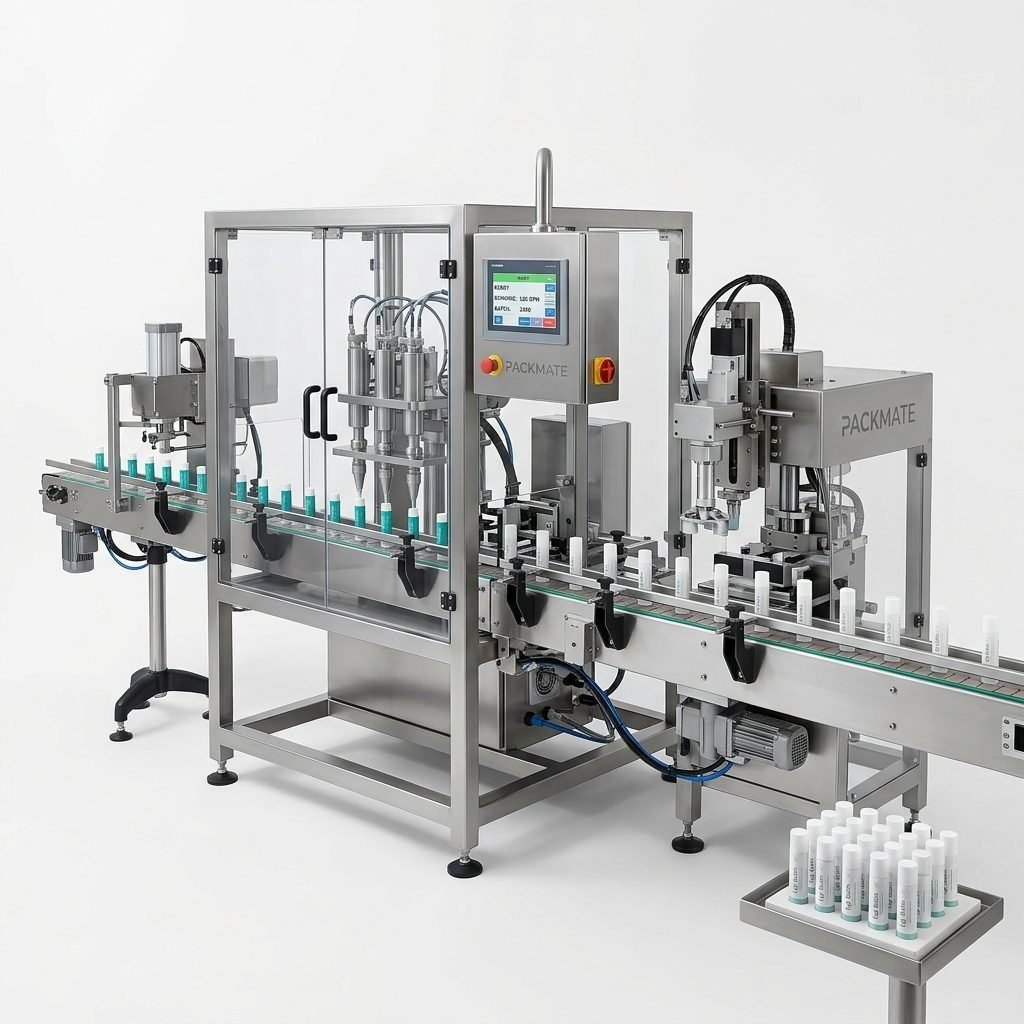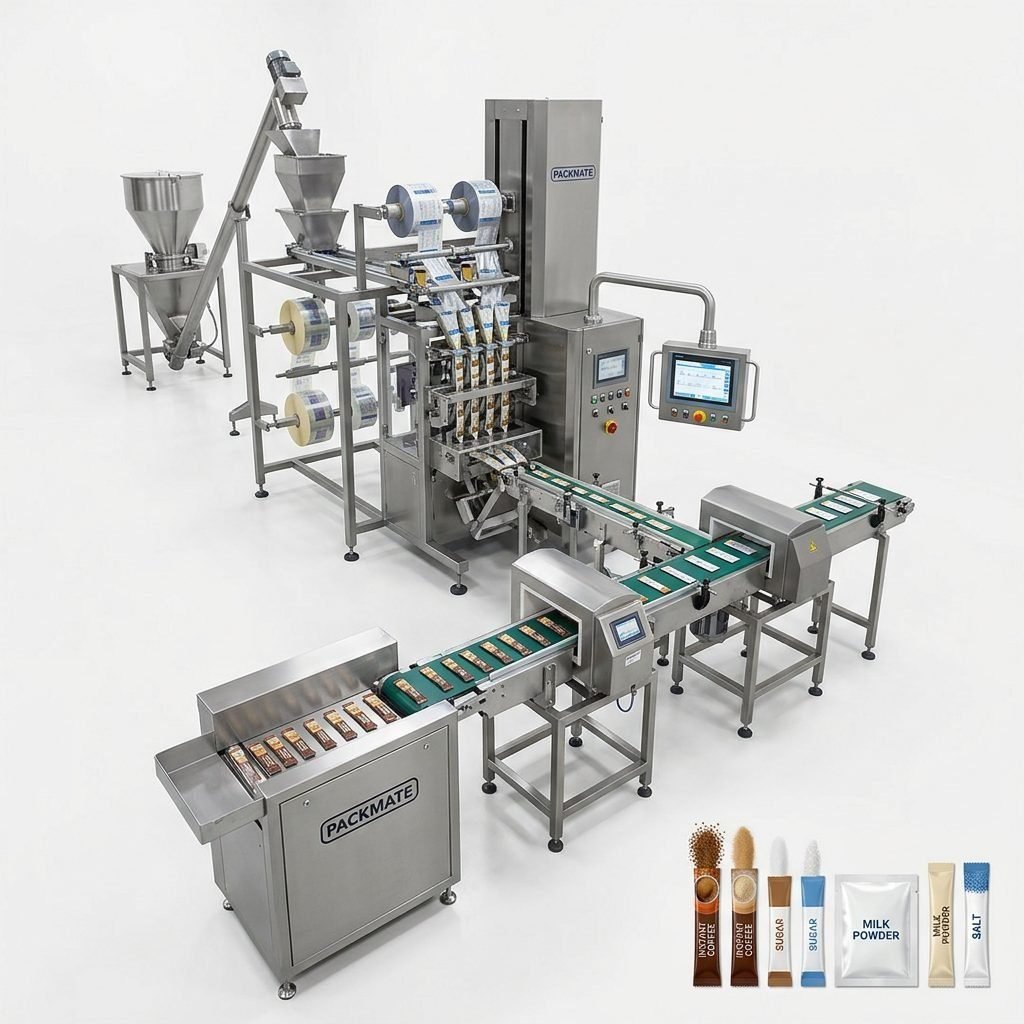
Selecting the right flexible packaging equipment for your production line is a critical decision that impacts efficiency, product quality, and overall operational costs. The market offers a vast array of machines, from simple sachet & stick pack machines to complex, fully integrated filling & packaging lines. Navigating this landscape requires a methodical approach that aligns technical specifications with your specific business goals and production realities.
Key Consideration:
Your choice is not just about buying a machine; it’s about investing in a system that must integrate seamlessly with your existing workflow, handle your product reliably, and scale with your future growth. A misstep here can lead to chronic downtime, inconsistent packaging, and wasted materials.
Understanding Your Product and Packaging Requirements
The journey begins with a deep understanding of what you are packaging. The physical characteristics of your product are the primary drivers of equipment selection.
Product Type and Form
Is your product a free-flowing powder, cohesive granules, a viscous liquid, or a solid? Each form demands different handling mechanisms. Powder fillers require auger systems with anti-bridging features, while liquid fillers need precise piston or pump systems. Granules often work well with cup or weigh-scale fillers.
Packaging Specifications
Define the final package. What are the dimensions of your sachet, stick pack, or pouch? What packaging film material will you use (e.g., laminated PET/PE, aluminum foil)? The machine must be capable of forming, sealing, and cutting this specific material reliably. Consider also your required output speed (packs per minute) to ensure the machine meets your production volume targets.
Evaluating Equipment Types and Technologies
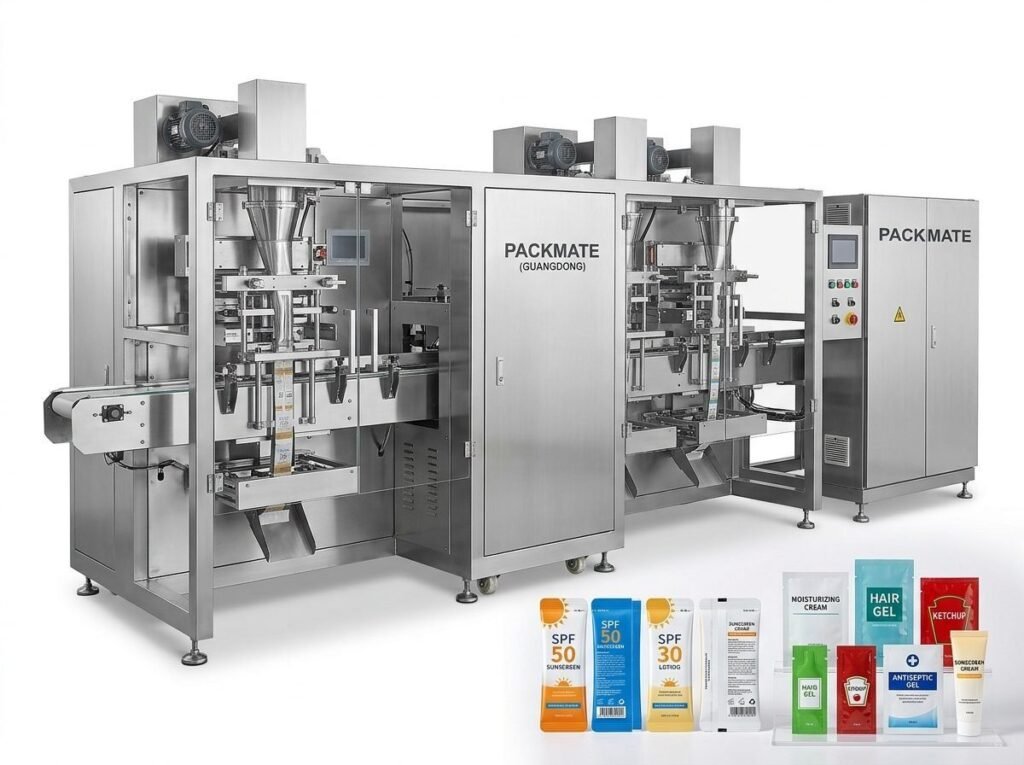
With your product specs in hand, you can explore the main categories of flexible packaging machinery. Manufacturers like Packmate Machinery offer a comprehensive range to suit diverse needs.
Vertical Form-Fill-Seal (VFFS) Machines
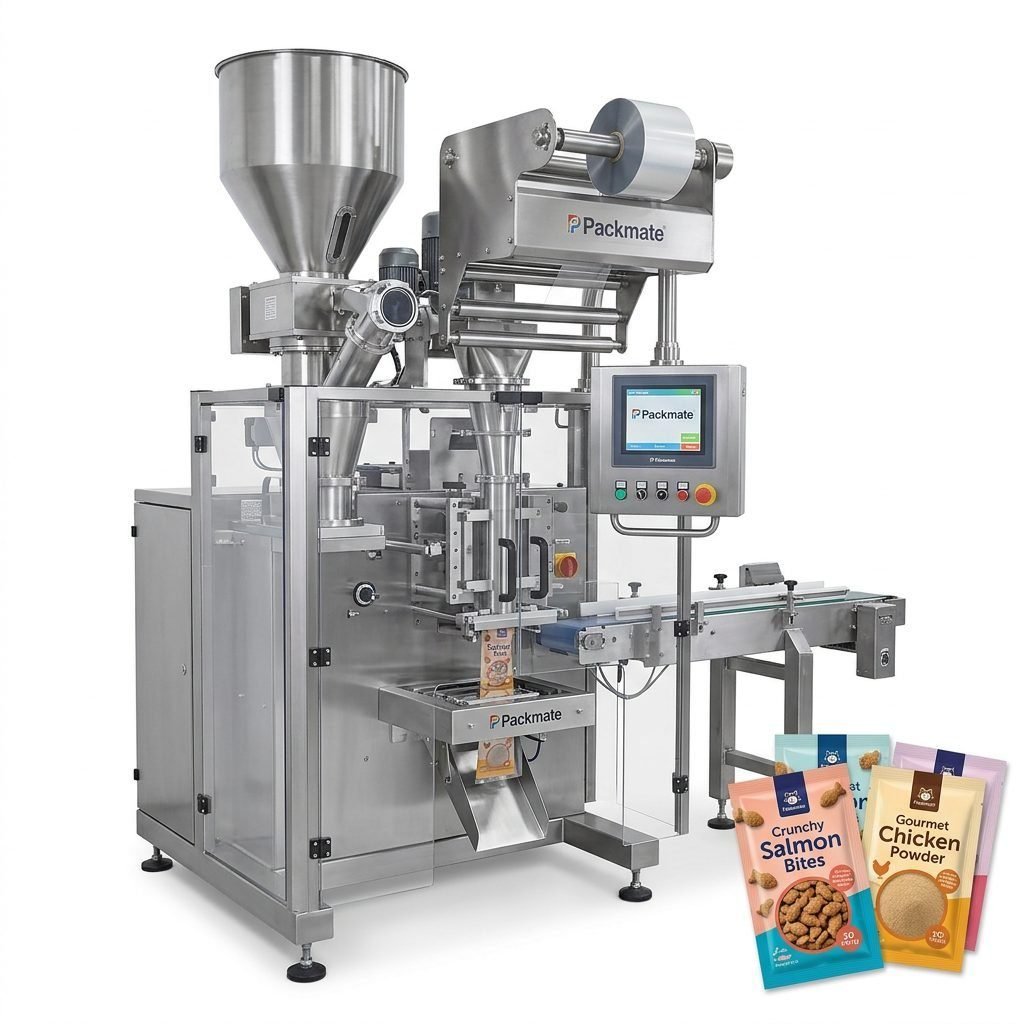
These are the workhorses of flexible packaging. They form a tube from a roll of film, fill it with product, and then seal and cut it into individual bags or pouches. Ideal for a wide range of products from snacks to hardware. They are versatile and space-efficient.
Horizontal Form-Fill-Seal (HFFS) Machines
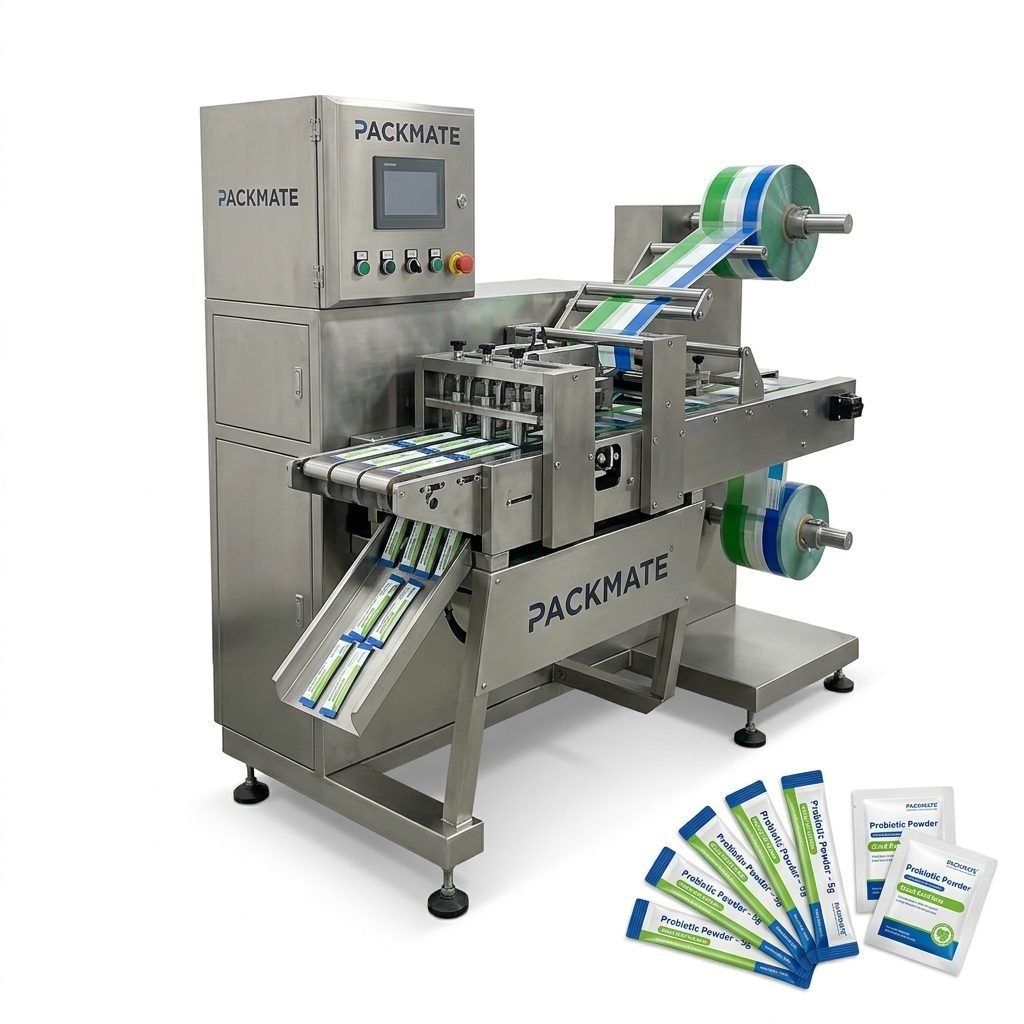
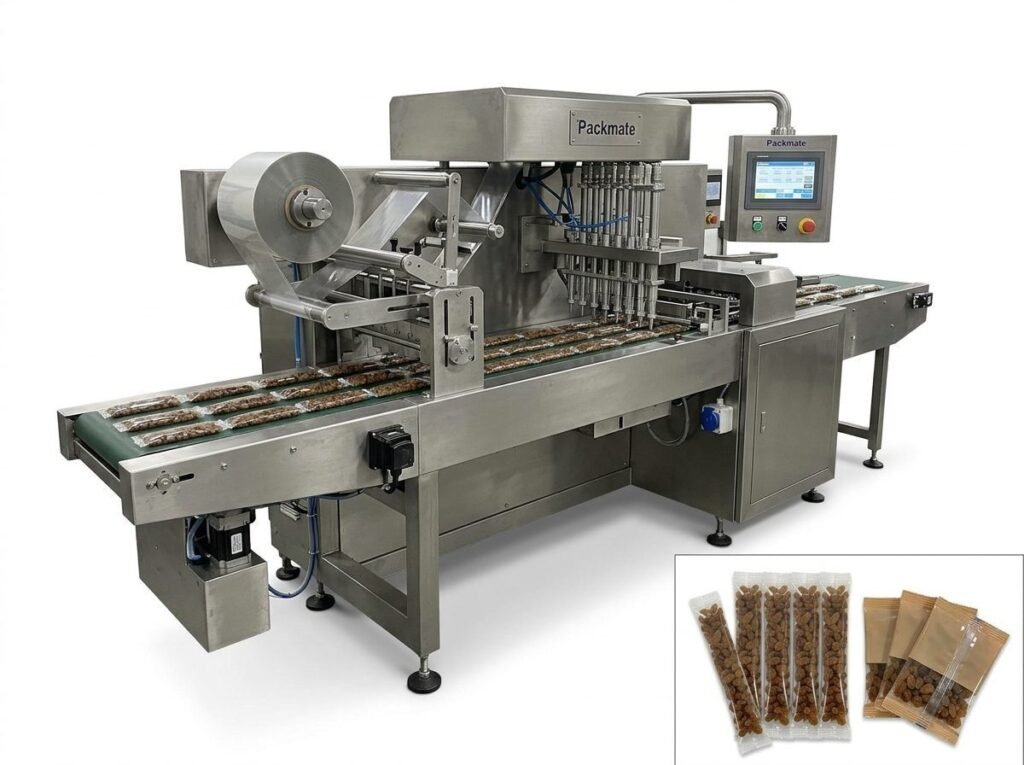
Often used for stick packs, sachets, and more complex pouch shapes. The film is fed horizontally, formed into pockets, filled, and then sealed with a top web. This technology is excellent for high-speed, multi-lane packaging of small portions, commonly seen in food, pharmaceutical, and dairy industries.
Pre-Made Pouch Fillers
If you use pre-manufactured pouches, these machines open, fill, and reseal them. They offer great flexibility in pouch design and material but may operate at slightly lower speeds than VFFS/HFFS machines for some applications.
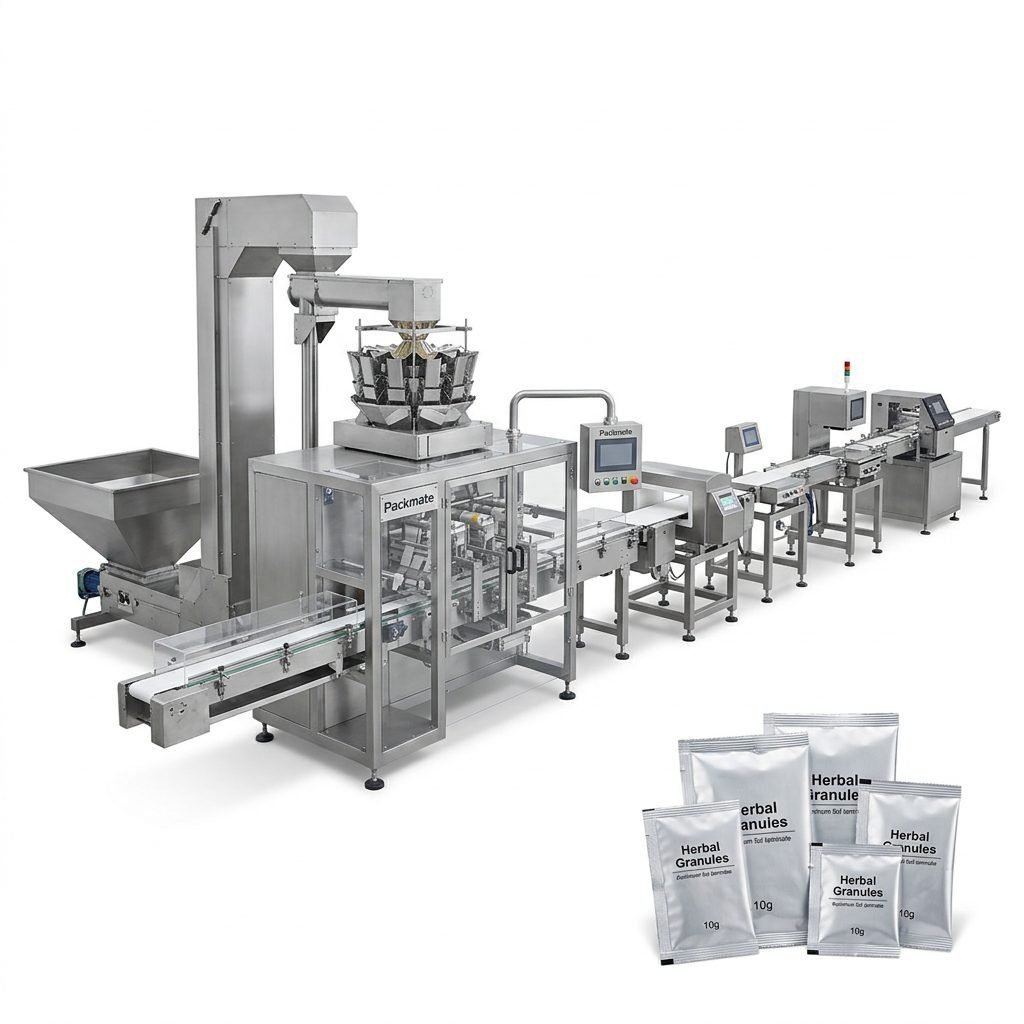
Beyond the primary packaging machine, consider the necessary auxiliary packaging equipment. This includes feeders, conveyors, checkweighers, metal detectors, and cartoning systems. A truly efficient line is a synchronized ecosystem.
Critical Selection Criteria Beyond the Machine
The technical specs are just one part of the equation. The manufacturer’s credibility and support structure are equally vital for long-term success.
Manufacturer Expertise and Support
Look for a supplier with a proven track record. A company with over 30 years of experience, like Packmate, brings invaluable knowledge of solving real-world production challenges. Evaluate their after-sales service: Do they offer installation, training, and readily available spare parts? What is their response time for technical support?
Flexibility and Future-Proofing
Your needs will evolve. Can the equipment handle a range of package sizes with quick changeovers? Is it designed to integrate with other line components or future automation upgrades? Investing in a modular or scalable system from the start can save significant capital later.
Hygiene and Compliance Standards
For food, pharmaceutical, or nutraceutical products, regulatory compliance is non-negotiable. Ensure the machine is constructed with appropriate materials (e.g., food-grade stainless steel) and designed for easy cleaning and maintenance. Certifications from relevant bodies are a strong indicator of compliance focus.
Total Cost of Ownership (TCO)
Do not base your decision on the purchase price alone. Calculate the TCO, which includes:
– Initial Investment: Machine cost, shipping, installation.
– Operational Costs: Energy consumption, required labor, maintenance parts.
– Material Efficiency: Film waste rate and sealing reliability directly affect material costs.
– Downtime Costs: A reliable machine from a supportive manufacturer minimizes costly production stops.
A slightly higher initial investment in a robust, efficient machine often yields a much lower TCO over its lifespan.
Implementation and Integration Strategy
Successful integration requires careful planning. Work closely with your supplier during the factory acceptance test (FAT) to ensure the machine performs to specification before it ships. Plan for adequate floor space, utilities (power, compressed air), and operator training. A phased implementation, perhaps starting with a single line, can reduce risk.
Choosing flexible packaging equipment is a strategic process that balances product needs, technology, manufacturer partnership, and total cost. By thoroughly analyzing your requirements and partnering with an experienced and reliable manufacturer, you can secure a packaging solution that drives efficiency, ensures quality, and supports your business growth for years to come.
Frequently Asked Questions (FAQs)
Q: What is the main difference between VFFS and HFFS machines?
A: The primary difference is the direction of film travel and pouch formation. VFFS machines form bags vertically from a single roll of film, making them ideal for free-flowing products in stand-up pouches or simple bags. HFFS machines use a horizontal film web to form pockets, which are then filled and lidded with a second film layer. HFFS is typically preferred for high-speed, multi-lane production of small, flat packages like stick packs and sachets.
Q: How do I determine the right speed (packs per minute) for my needs?
A: Calculate your current and projected daily/weekly production volume. Factor in required downtime for changeovers, cleaning, and maintenance. Choose a machine whose maximum rated speed is 15-25% higher than your average required speed. This provides a buffer for peak demand and ensures the machine runs at a sustainable, efficient pace rather than constantly at its maximum stress limit.
Q: Can one machine handle different package sizes?
A: Yes, most modern machines are designed for changeover. However, the ease and time required vary significantly. Look for machines with “quick-change” features, such as tool-less adjustments, digital settings memory for different products, and interchangeable forming tubes or sealing jaws. The goal is to minimize non-productive changeover time.
Q: What should I look for in a machinery supplier’s after-sales service?
A: Key elements include: comprehensive installation and commissioning support, thorough operator and maintenance training programs, availability of a detailed parts manual and wiring diagrams, a readily accessible inventory of common spare parts, and multiple channels for technical support (phone, email, remote diagnostics). A supplier with a long history, like Packmate, often has a more established and reliable global support network.
Q: Are turnkey packaging lines a better option than buying individual machines?
A: A turnkey solution, where a single supplier provides and integrates all line components (feeding, filling, sealing, inspection, etc.), offers significant advantages. It ensures compatibility between machines, provides a single point of accountability for service and support, and typically results in a faster, smoother startup. It is highly recommended for complex products or new production facilities, as it reduces integration risk and project management burden on your team.