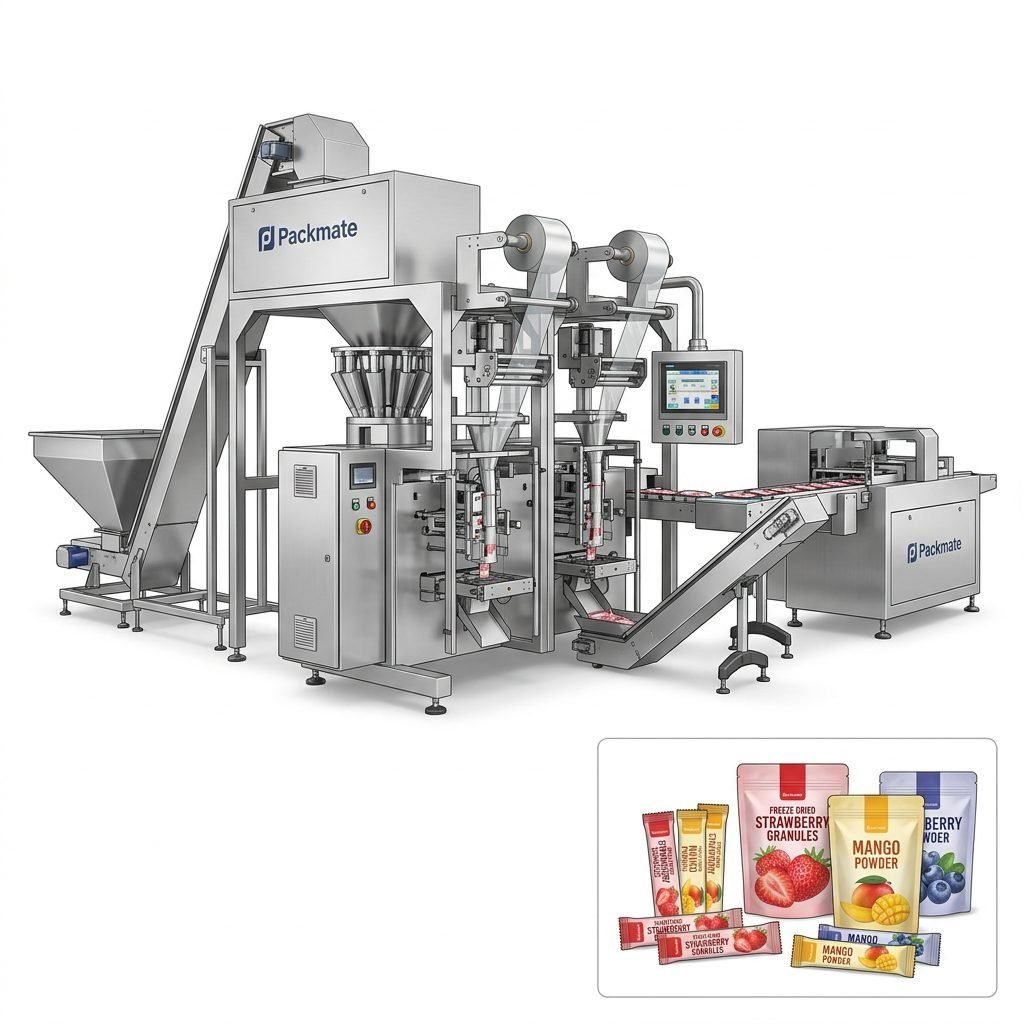
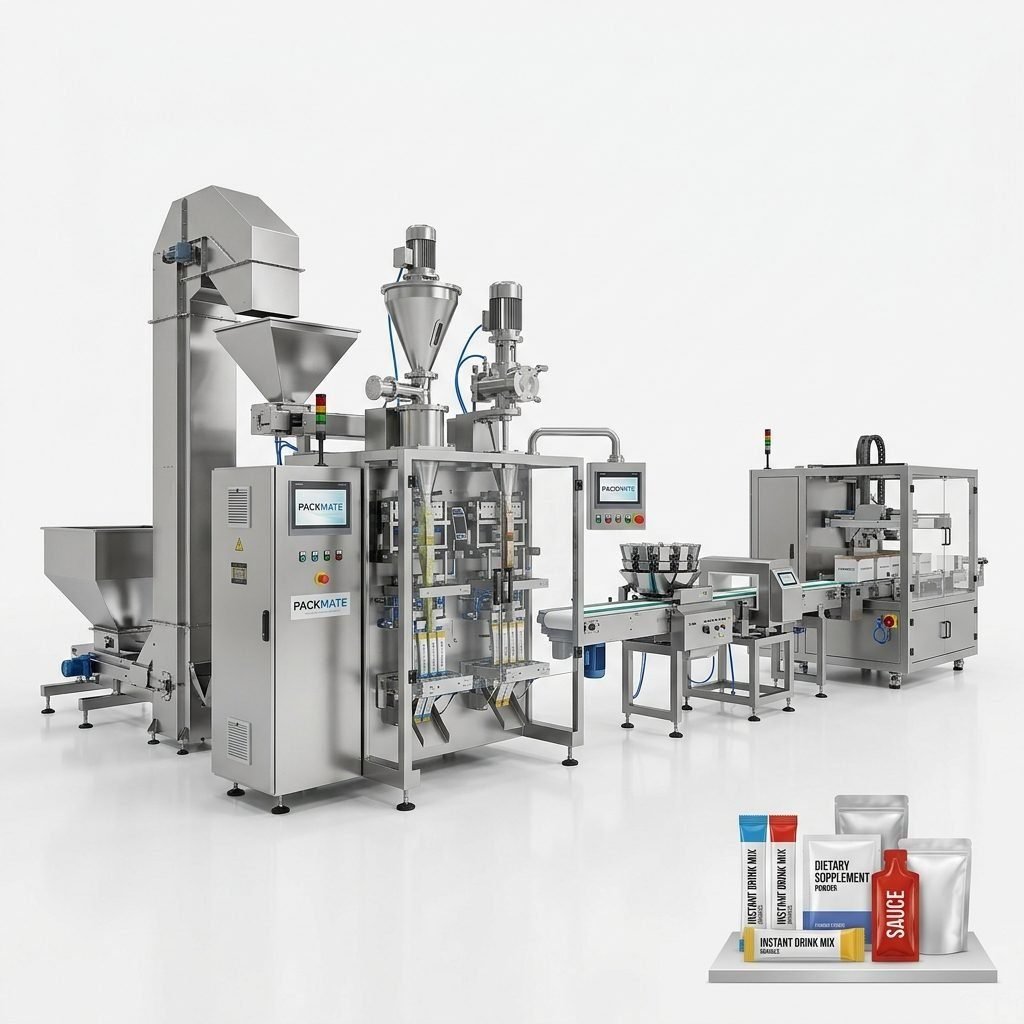
In the dynamic world of manufacturing and product distribution, efficient and reliable packaging is a cornerstone of success. Material packaging equipment, the machinery that automates the process of putting products into their final containers, is a critical investment for businesses across industries like food, pharmaceuticals, and health supplements. Choosing the right equipment can significantly impact your operational efficiency, product integrity, and bottom line. This guide will walk you through the essential types of packaging machinery, their primary uses, and key considerations to help you make an informed purchasing decision.
Understanding the Core Types of Material Packaging Equipment
The landscape of packaging equipment is diverse, with each machine designed for a specific function within the packaging line. Understanding these core types is the first step in identifying what your operation needs.
Filling Machines
Filling machines are responsible for accurately dispensing a measured amount of product into a container, pouch, or sachet. They are categorized based on the product form and the filling principle.
Liquid Fillers: Ideal for water, oils, sauces, and chemicals. Common types include gravity fillers, piston fillers, and pump fillers.
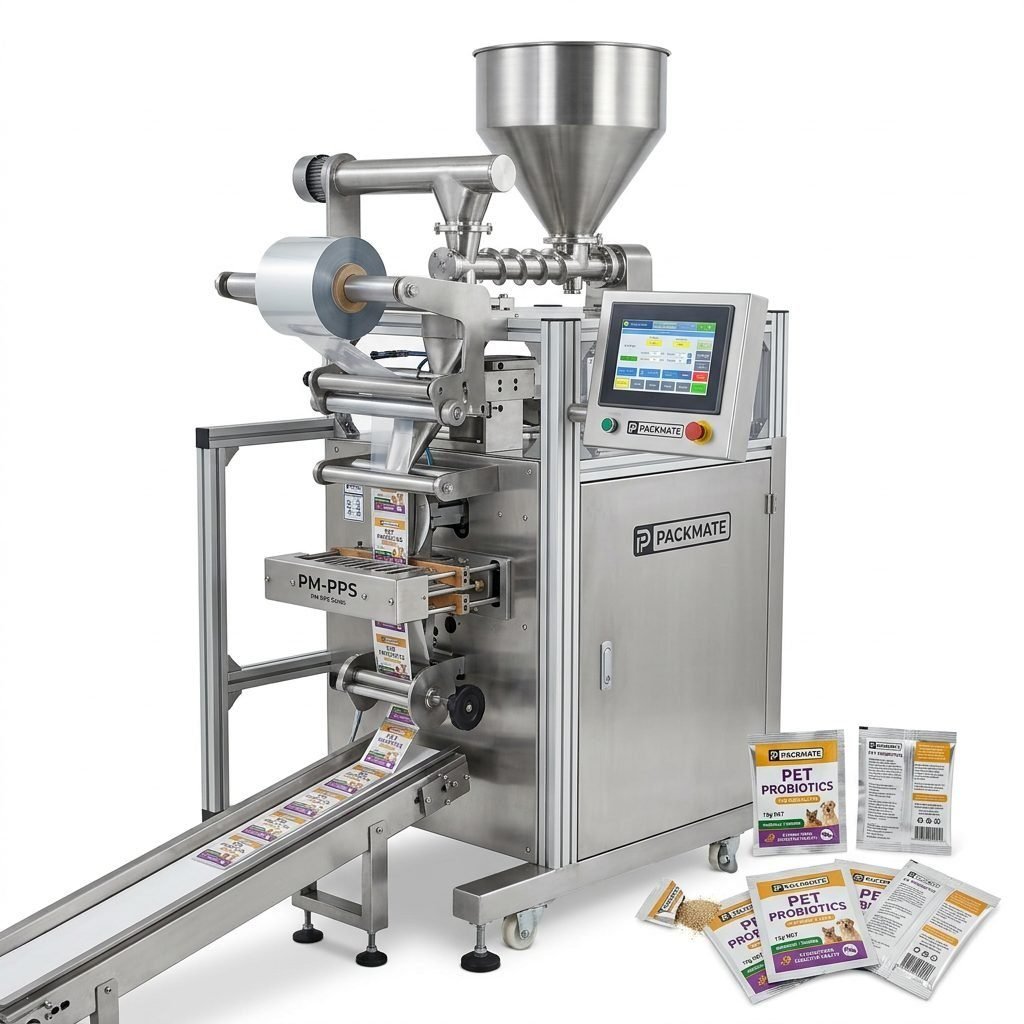
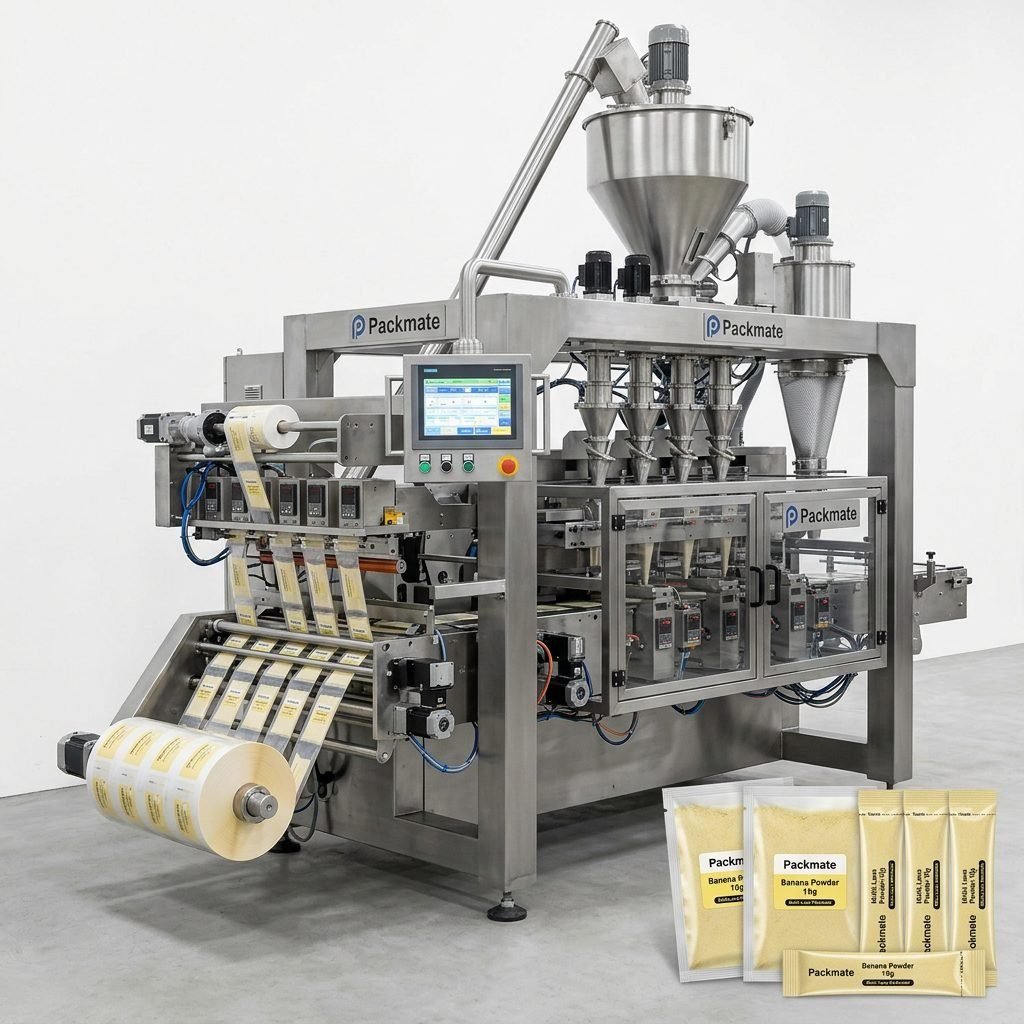
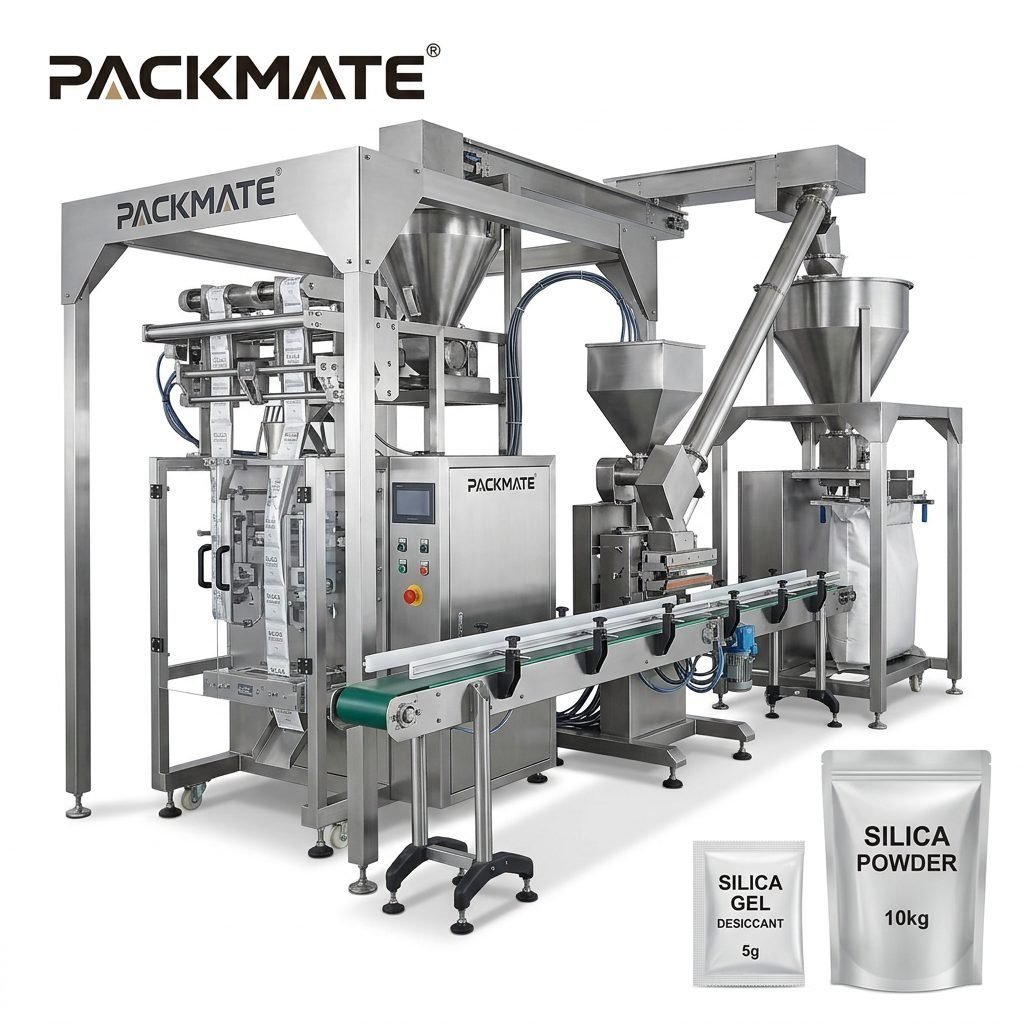
Powder Fillers: Used for flour, spices, protein powders, and pharmaceuticals. Auger fillers are the most prevalent, using a screw mechanism for precise measurement.
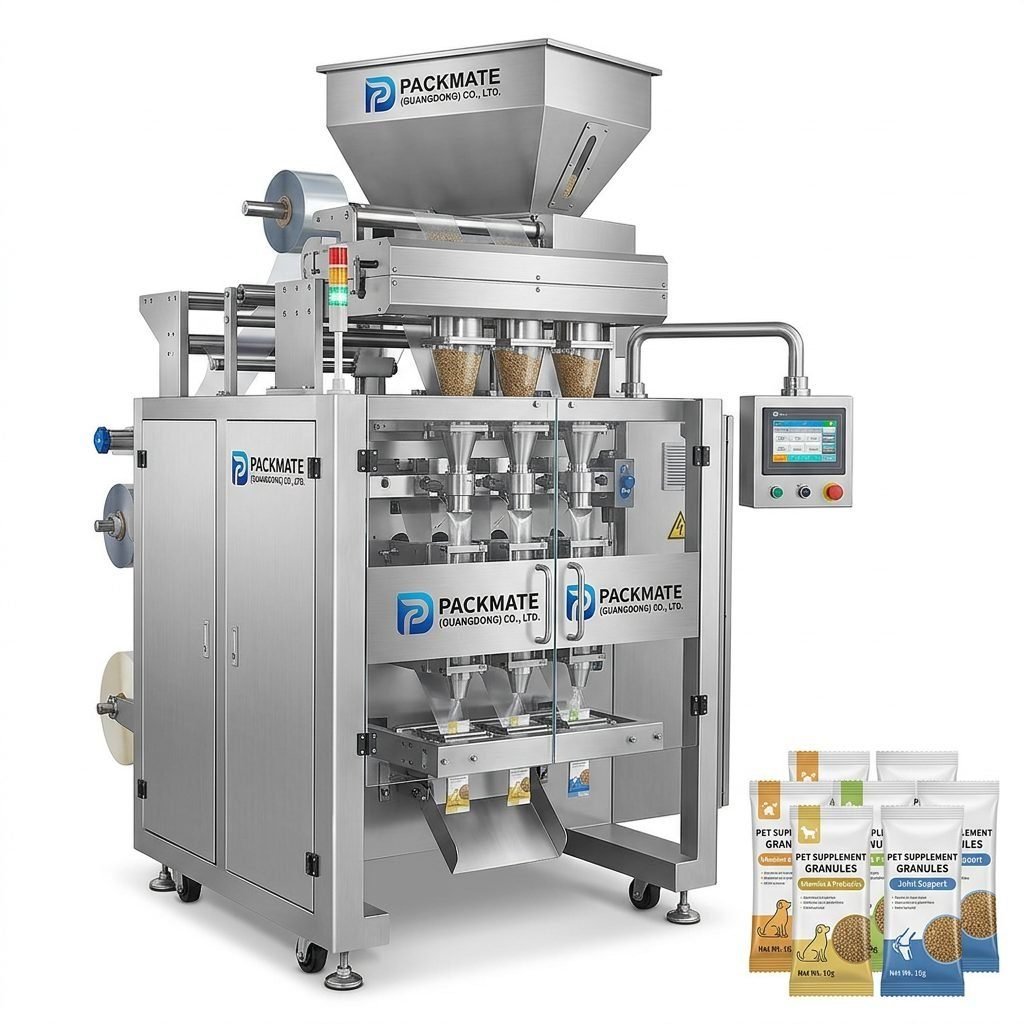
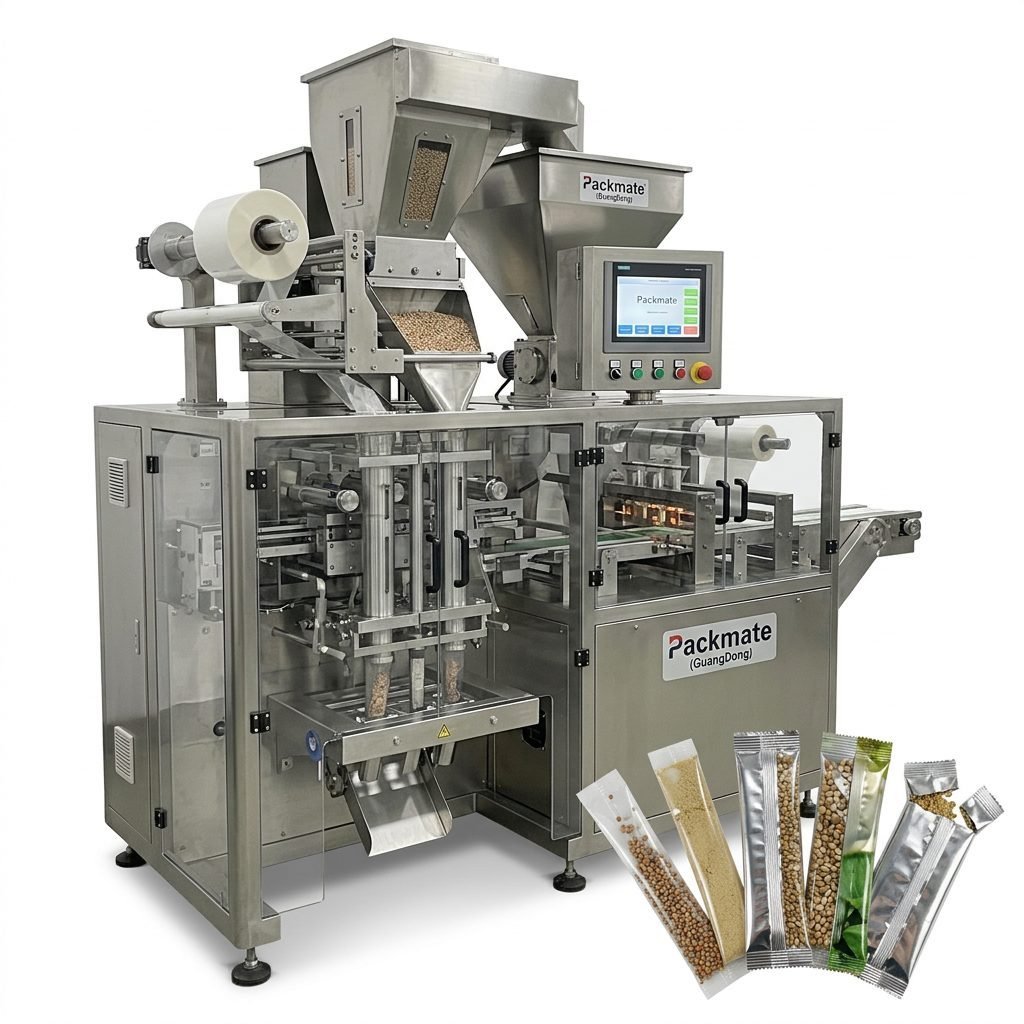
Granule Fillers: Perfect for coffee beans, nuts, seeds, and grains. These often use volumetric cup or weigh scale systems to ensure accuracy.
Sealing Machines
Once filled, containers need to be securely closed. Sealing machines ensure product freshness, prevent contamination, and provide tamper evidence.
Heat Sealers: The most common method for flexible packaging like pouches and sachets. They use heated jaws to melt the inner polymer layer of the film, creating a hermetic seal. For high-speed operations, companies like Packmate Machinery offer advanced multi-lane sealing systems for stick packs and sachets.
Induction Sealers: Used for containers with a foil liner under a plastic cap. An electromagnetic field heats the foil, bonding it to the container lip, providing an excellent tamper-evident seal for liquids.
Labeling and Coding Machines
These machines apply product information, branding, barcodes, and expiration dates. They are crucial for compliance, traceability, and marketing.
Label Applicators: Automatically apply pressure-sensitive labels to bottles, boxes, or pouches at high speeds.
Inkjet and Laser Coders: Print variable data (like batch numbers and best-before dates) directly onto the packaging material or product.
Wrapping and Bundling Machines
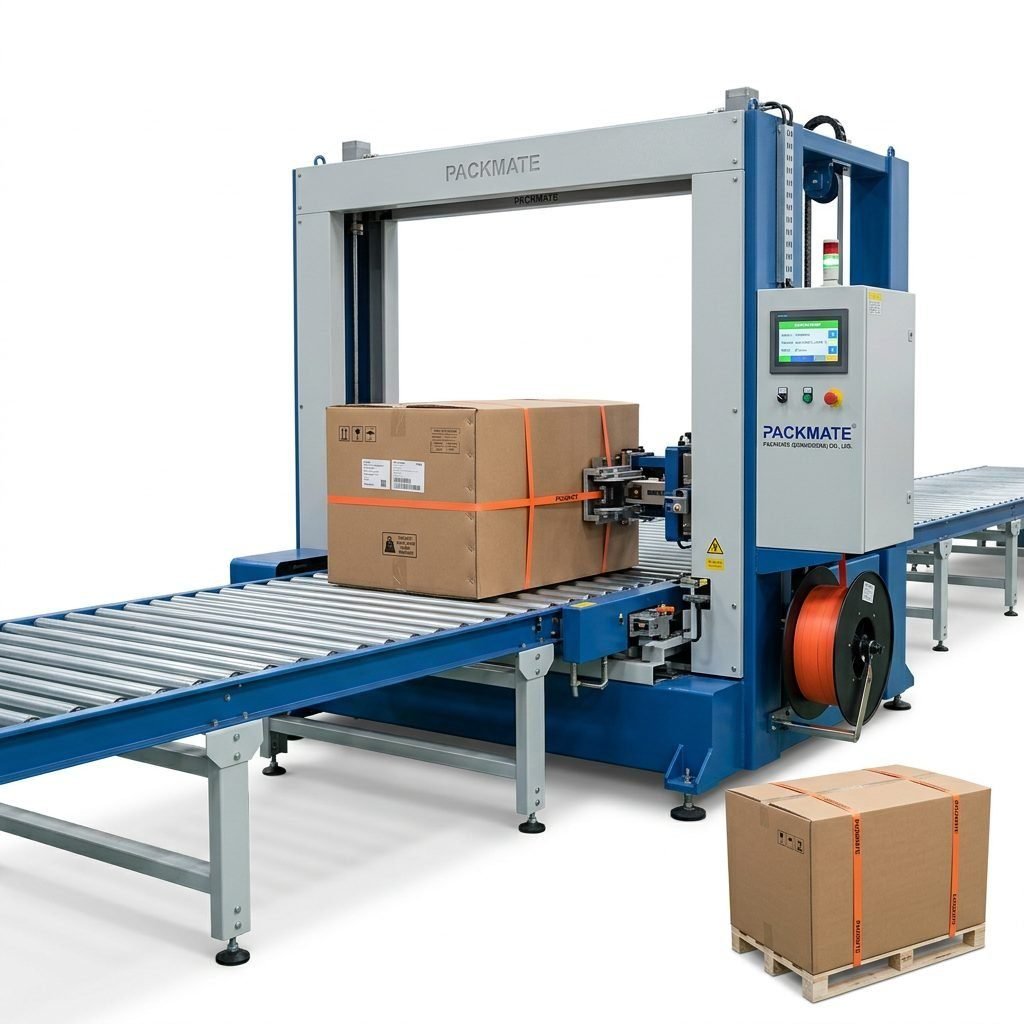
This category includes equipment for grouping individual packages into larger units for sale or shipment.
Flow Wrappers: Encase products in a tight film wrap, commonly used for candy bars, baked goods, and medical devices.
Shrink Wrappers: Use a loose sleeve of film that shrinks tightly around a bundle of products when heat is applied, perfect for multi-packs of bottles or cans.
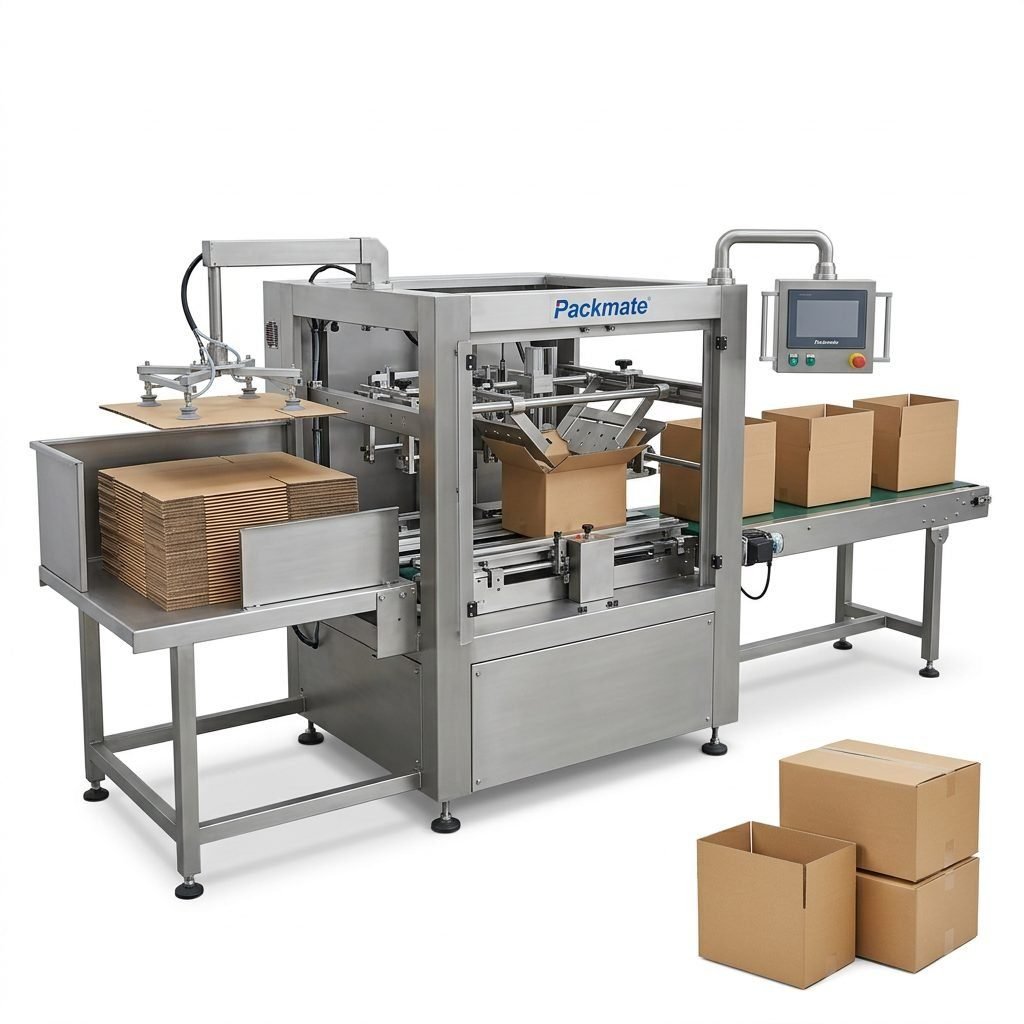
Cartoning Machines: Automatically erect cartons, insert products, and close them, essential for boxing items like snus pouches or pharmaceutical blisters.
Key Applications and Industry Uses
Packaging equipment is not one-size-fits-all. Different industries have unique requirements that dictate the machinery needed.
Food and Beverage Industry
This sector demands high-speed, hygienic equipment capable of handling a vast range of products—from dry snacks and coffee to sauces and dairy. Aseptic filling lines for liquids and nitrogen flushing machines for snack chips to extend shelf life are common. Reliability is paramount to meet high-volume production schedules.
Pharmaceutical and Healthcare
Precision, cleanliness, and compliance with strict regulations (like cGMP) are non-negotiable. Equipment often features easy-clean designs, constructed from stainless steel, and includes advanced checkweighing and metal detection systems to ensure every unit is perfect. Blister packaging machines for pills and sterile filling lines for injectables are typical examples.
Cosmetics and Personal Care
Packaging here must be precise and aesthetically flawless. Machines for filling creams into jars, lotions into bottles, or creating sample-sized sachets are widely used. Flexibility to handle various container shapes and sizes is a key advantage for brands with diverse product lines.
Chemical and Industrial Products
Durability and safety are critical. Equipment must handle corrosive or viscous materials and often requires explosion-proof components. Heavy-duty filling systems for lubricants, adhesives, and industrial powders fall into this category.
Essential Buying Tips for Your Packaging Equipment
Investing in packaging machinery is a major decision. Here are crucial factors to evaluate to ensure you select the right partner and machine for your needs.
1. Define Your Product and Output Requirements
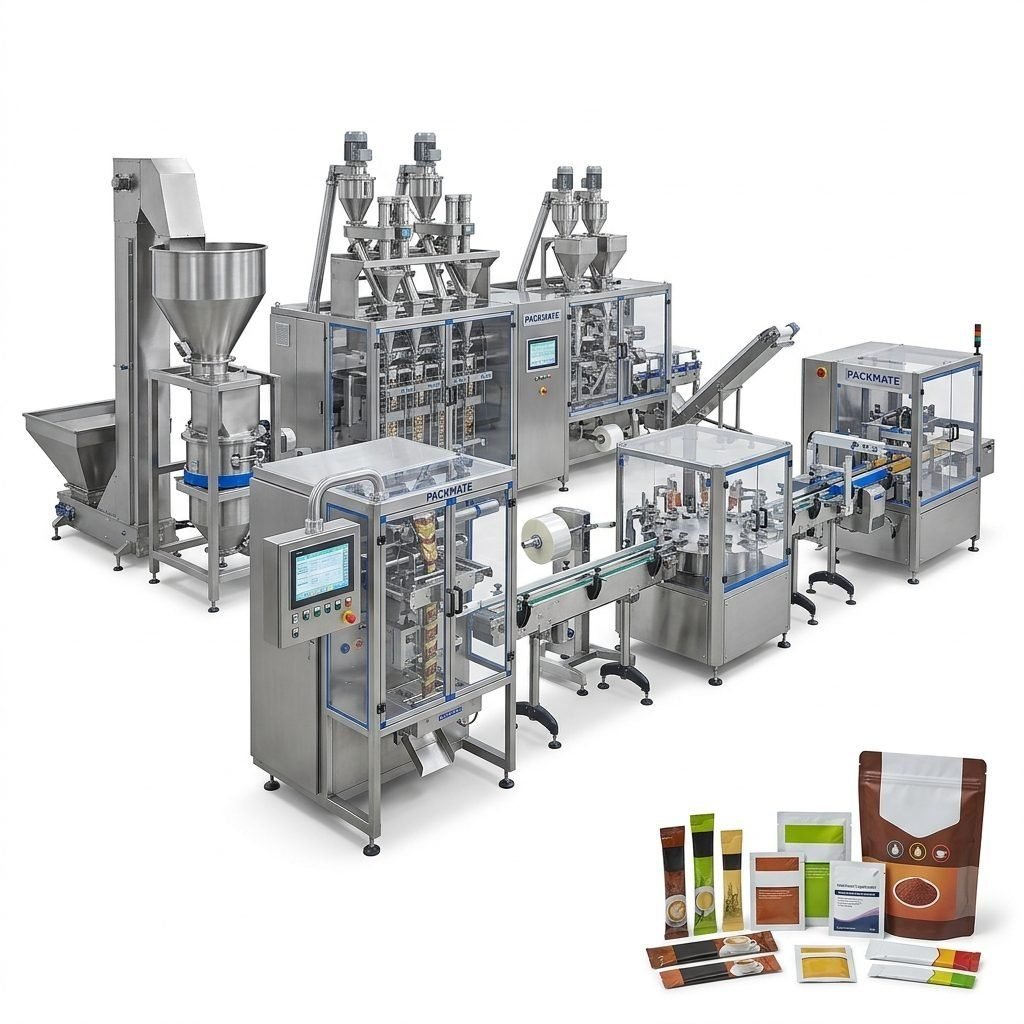
Start with the basics. What are you packaging (powder, liquid, granules)? What is your container type (pouch, bottle, stick pack)? Most importantly, what is your required production speed (packs per minute)? This will determine the machine’s capacity and configuration. For complex needs, consider a complete filling and packaging line for seamless integration.
2. Prioritize Accuracy and Consistency
Overfilling wastes product, underfilling leads to customer complaints and regulatory issues. Look for machines with precise measurement systems. For powders, an auger filler with servo control is highly accurate. For free-flowing granules, a multi-head weigher offers incredible speed and precision.
Pro Tip: Evaluate Total Cost of Ownership (TCO)
Don’t just look at the purchase price. Consider the long-term costs of operation, maintenance, spare parts, and energy consumption. A slightly more expensive, robust machine from a reputable manufacturer like Packmate often has a lower TCO due to higher reliability, better efficiency, and readily available service support.
3. Assess Flexibility and Changeover Time
If you run multiple products or package sizes, how quickly can the machine switch between them? Look for features like tool-less changeovers, digital recipe storage, and adjustable components. Quick changeovers minimize downtime and maximize productivity.
4. Consider Hygiene and Ease of Cleaning
This is especially vital for food and pharmaceutical applications. Machines should have smooth, crevice-free surfaces, be made of food-grade stainless steel, and allow for easy disassembly for cleaning (CIP – Clean-in-Place systems are a major plus).
5. Evaluate the Manufacturer’s Support and Reputation
The machine is only as good as the company behind it. Research the manufacturer’s history, expertise, and client testimonials. A provider with over 30 years of experience, like Packmate, brings invaluable knowledge. Ensure they offer comprehensive after-sales service, training, readily available spare parts, and a clear warranty.
Visit their facility if possible, or review their case studies to see machines in action for applications similar to yours. A reliable partner will help you navigate the entire process, from selection to installation and beyond.
Frequently Asked Questions (FAQ)
What is the most important factor when choosing packaging equipment?
The most critical factor is a precise match between the machine’s capabilities and your specific product and production requirements. A machine that is perfect for packaging water will not work for viscous shampoo. Clearly define your product type, container, desired speed, and accuracy needs before starting your search.
How much does industrial packaging machinery cost?
Costs vary dramatically, from tens of thousands for a single semi-automatic machine to hundreds of thousands or more for a fully integrated, high-speed automated line. The price depends on complexity, speed, materials of construction, and level of automation. Always analyze the Total Cost of Ownership, not just the initial purchase price.
Can one machine handle different package sizes?
Many modern machines are designed with flexibility in mind. Look for models that offer “quick changeover” features, allowing you to switch between different pouch sizes, bottle types, or fill volumes with minimal tools and downtime. This is essential for businesses with a diverse product portfolio.
What kind of maintenance do these machines require?
Regular preventive maintenance is key to longevity and avoiding costly downtime. This typically includes daily cleaning, lubrication of moving parts, inspection of seals and wear components, and calibration of weighing/filling systems. Always follow the manufacturer’s maintenance schedule and use recommended parts.
Where can I see the equipment in operation before buying?
Reputable manufacturers will offer live demonstrations at their facility, provide video case studies of their machines running in real client factories, or arrange visits to reference sites. For example, reviewing a manufacturer’s project portfolio can give you confidence in their ability to deliver a working solution for your specific needs.