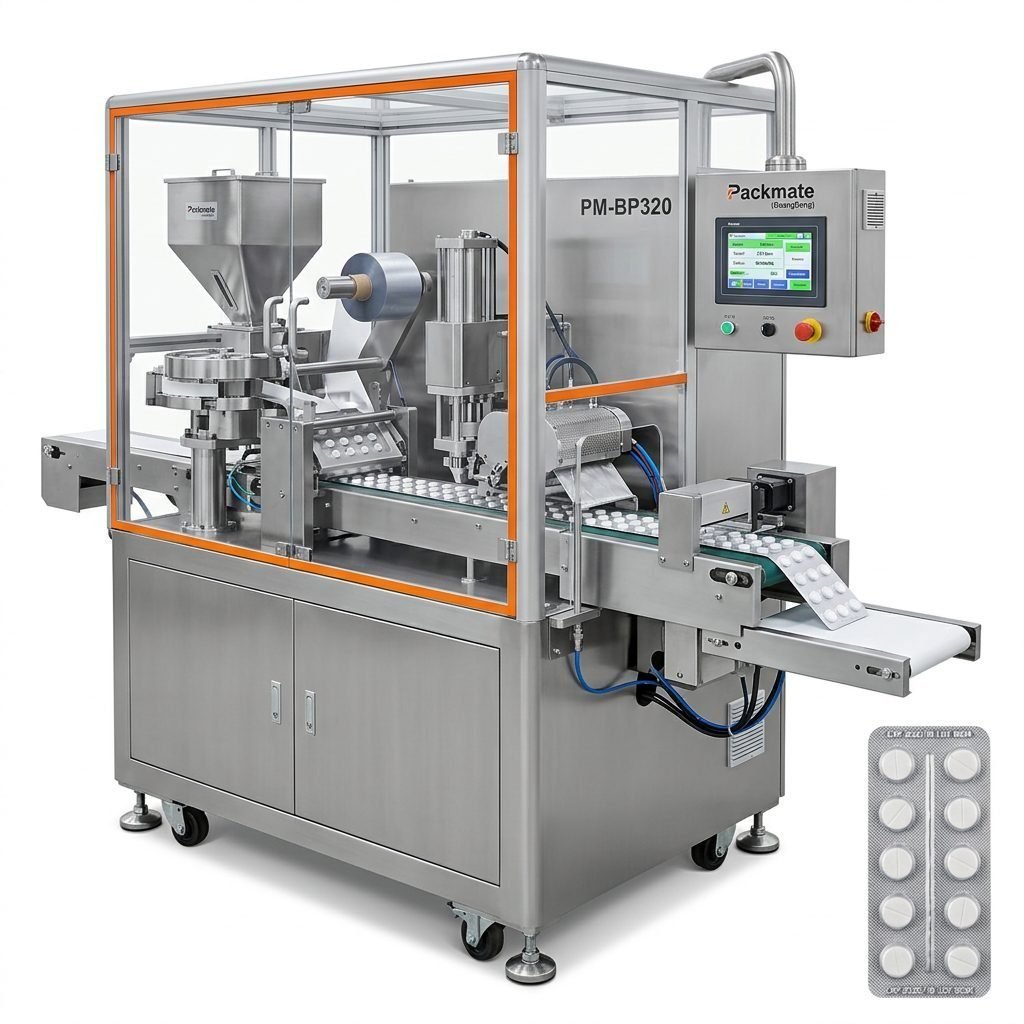
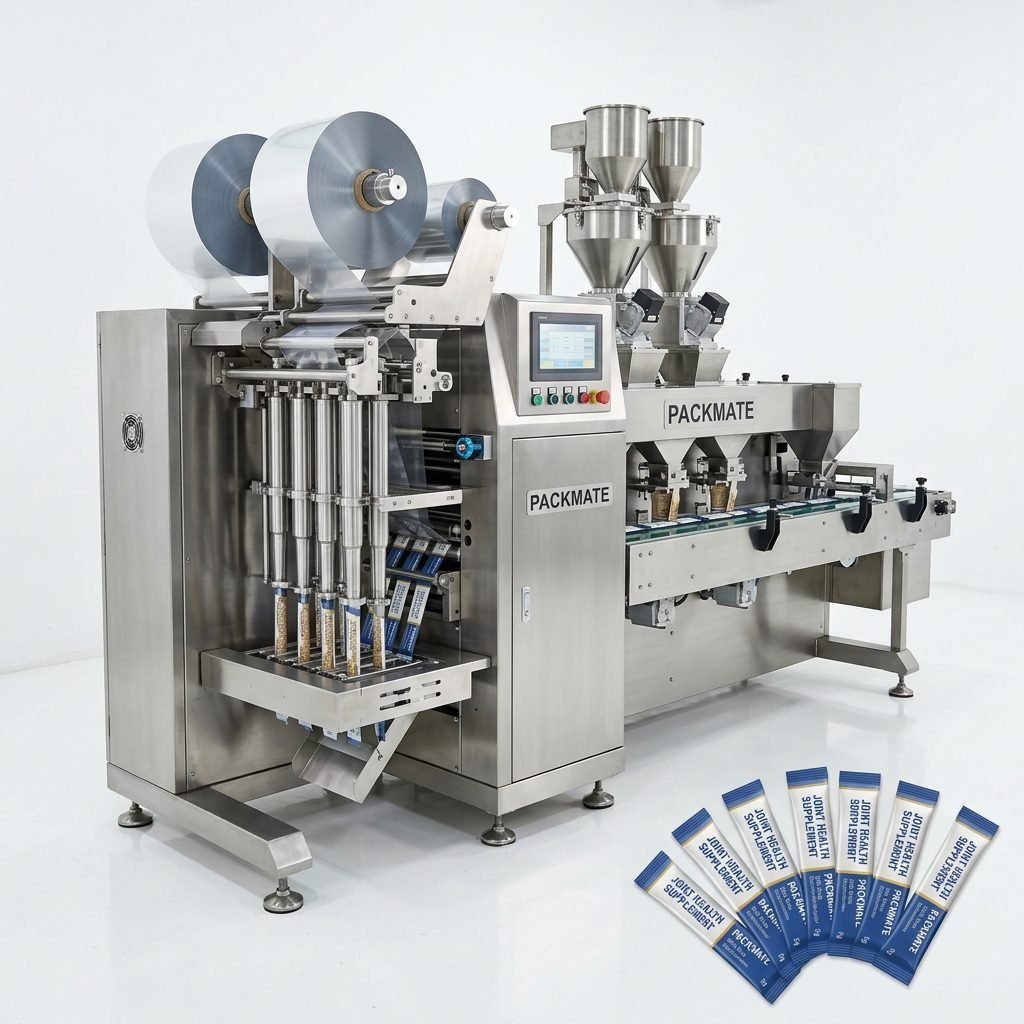
The global vacuum packaging equipment market is experiencing a transformative phase, driven by evolving consumer demands, technological innovation, and stringent regulatory requirements. This growth analysis delves into the key trends shaping the industry, offering insights for businesses looking to invest in or upgrade their packaging solutions. From automation to sustainability, understanding these dynamics is crucial for maintaining a competitive edge.
Accelerated Automation and Smart Manufacturing
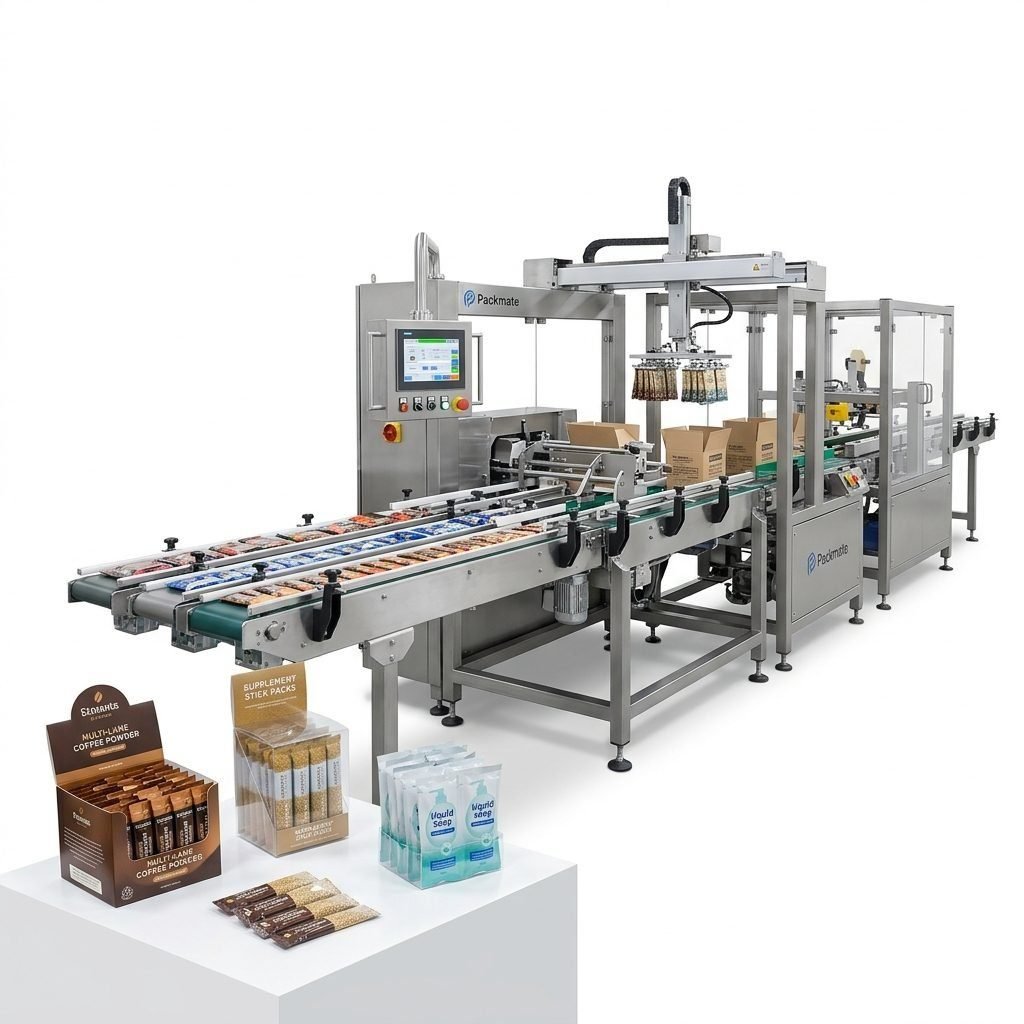
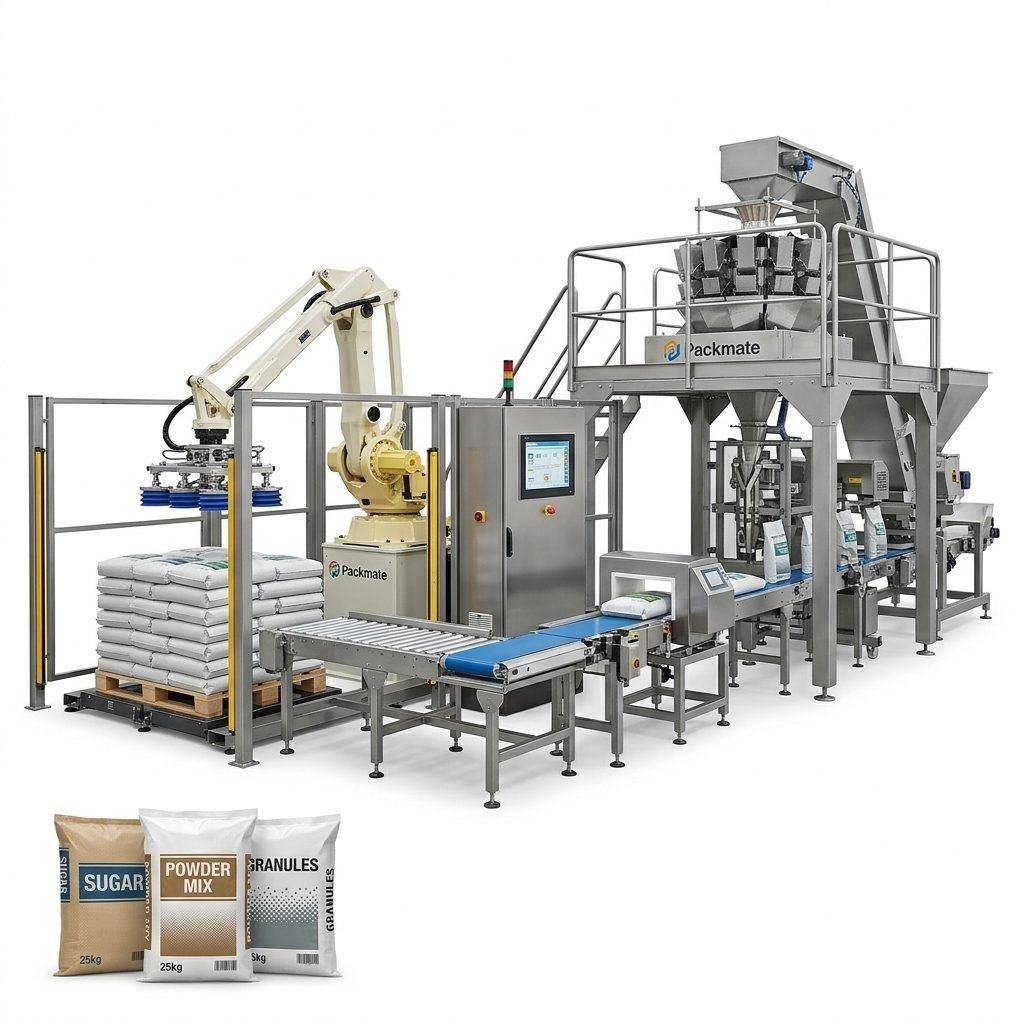
The push towards Industry 4.0 is profoundly impacting vacuum packaging. Manufacturers are increasingly integrating Internet of Things (IoT) sensors, artificial intelligence (AI), and machine learning into their equipment. These smart machines enable real-time monitoring of parameters like seal integrity, oxygen levels, and production speed, leading to predictive maintenance and drastic reductions in downtime. The trend is moving beyond single machines to complete, interconnected packaging lines that communicate seamlessly, optimizing the entire production workflow from filling to palletizing.
Key Driver: The need for higher throughput, consistent quality, and labor cost reduction is making automated solutions not just an advantage but a necessity, especially in high-volume sectors like processed meats and ready-to-eat meals.
Sustainability as a Core Design Principle
Environmental concerns are no longer secondary. The market is witnessing a significant shift towards equipment designed for circular economy principles. This includes machines capable of handling mono-material, recyclable films that are easier to process than multi-layer laminates. Furthermore, energy efficiency is a major selling point, with new-generation vacuum pumps and sealers consuming significantly less power. Equipment that minimizes film waste through precise cutting and advanced web guiding systems is also gaining traction, as brands seek to reduce their overall packaging footprint.
Demand for Flexible and Versatile Packaging Formats
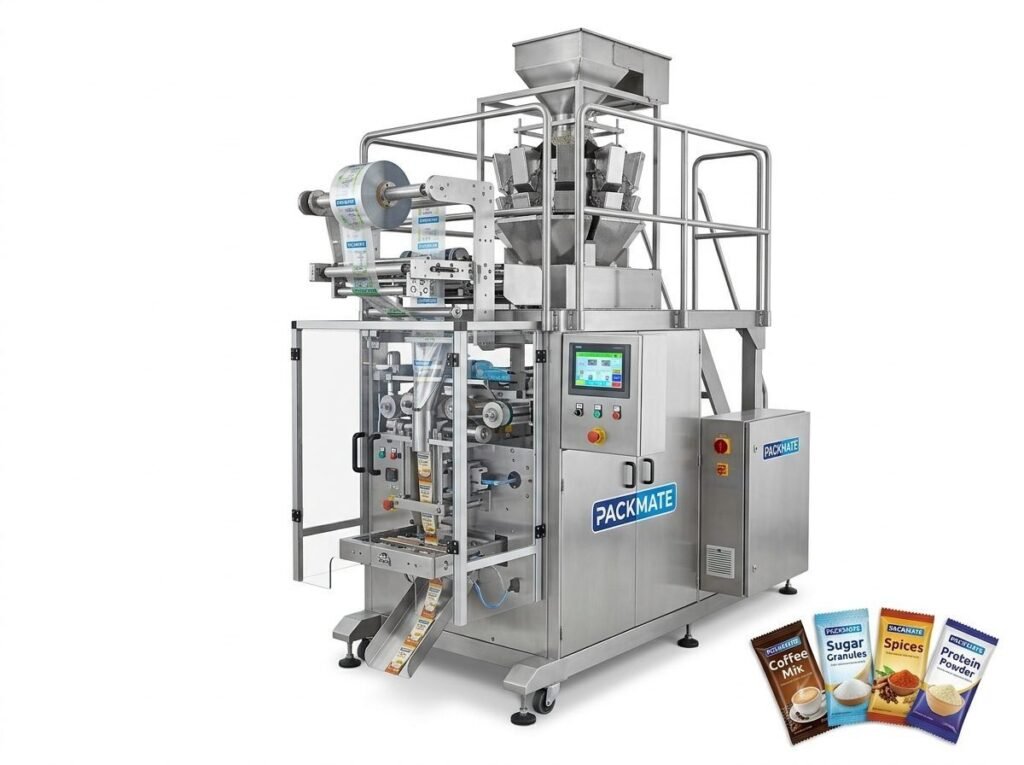
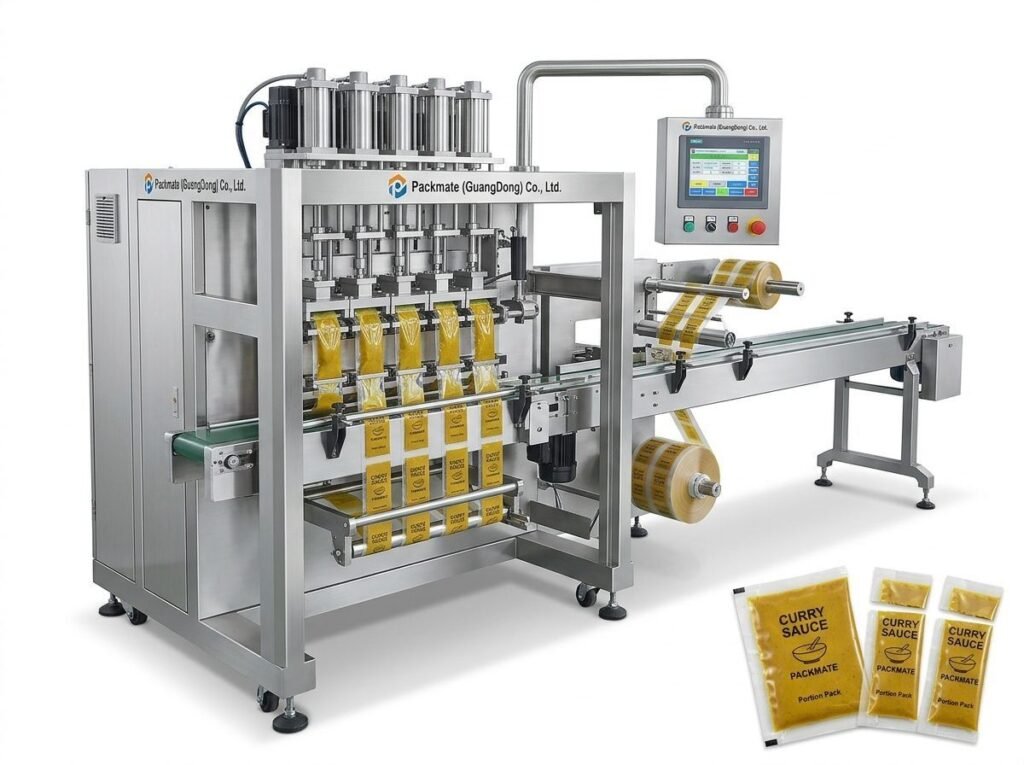
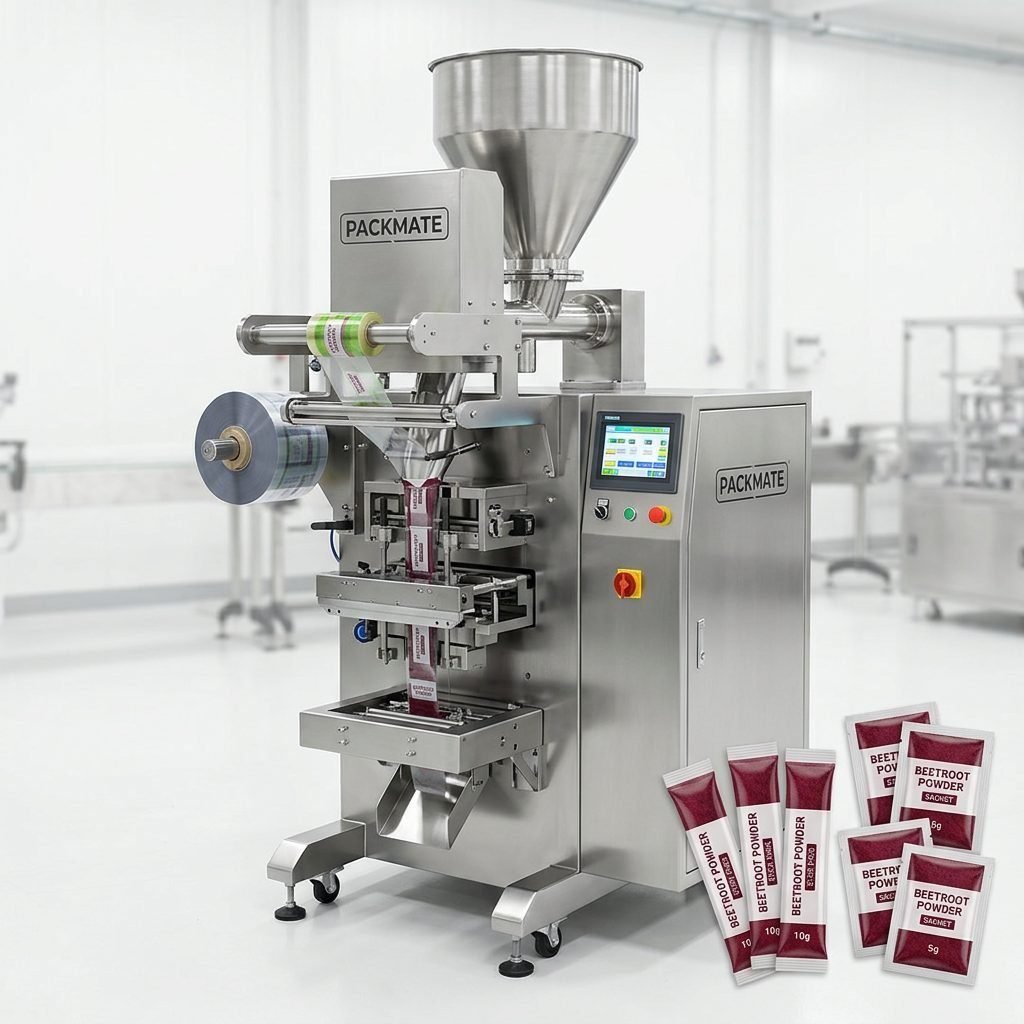
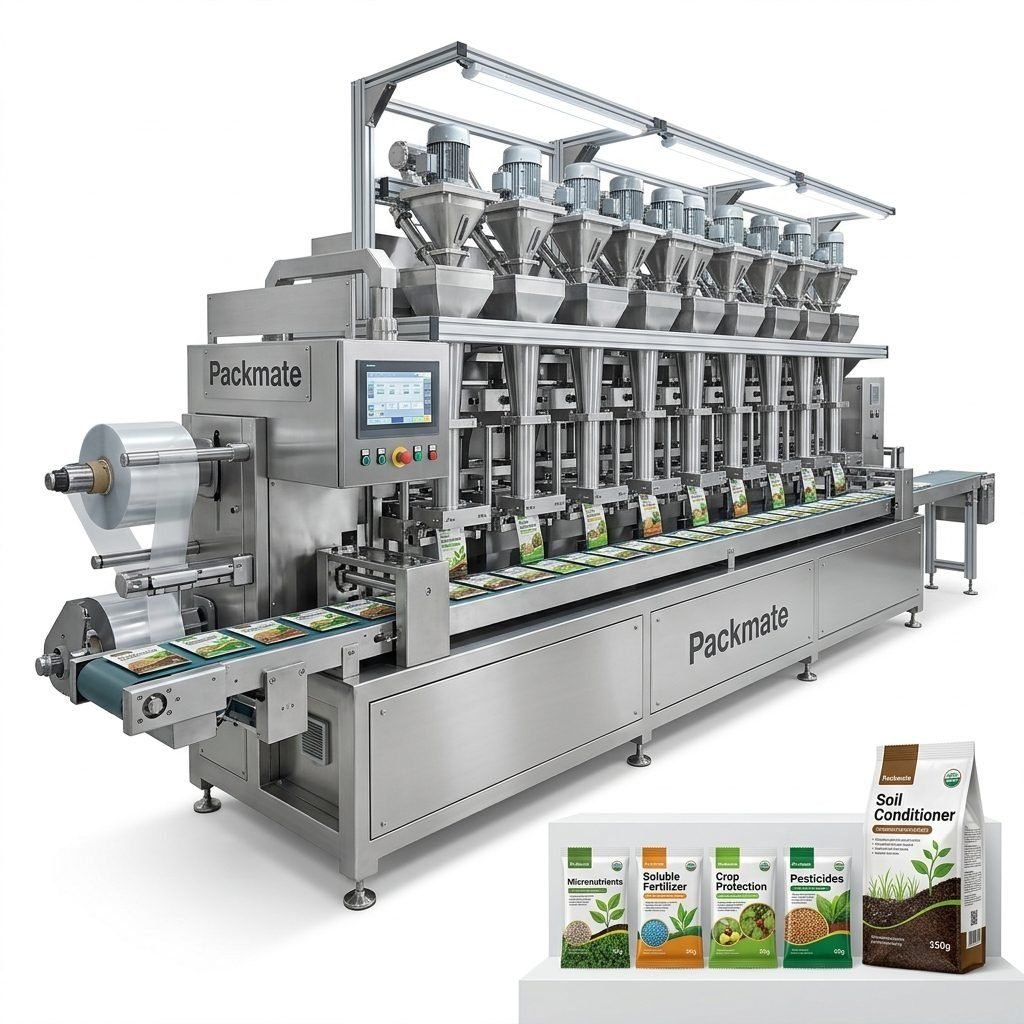
Consumer preference for convenience and portion control is driving demand for diverse packaging formats. The market is seeing robust growth in equipment for creating stand-up pouches, retort pouches, and shaped vacuum packs. Versatility is key; manufacturers now seek machines that can quickly switch between different bag sizes, shapes, and materials with minimal changeover time. This flexibility allows producers to cater to niche markets and launch limited-edition products efficiently. Companies like Packmate Machinery have responded by developing adaptable lines for bag and pouch packaging that serve this exact need.
Enhanced Food Safety and Extended Shelf Life
Food safety remains the paramount function of vacuum packaging. Current trends focus on technologies that go beyond simple air removal. Modified Atmosphere Packaging (MAP) integration is becoming more common, where vacuum chambers are combined with gas flushing systems to create an ideal preservative atmosphere. Additionally, advancements in seal bar technology ensure hermetic seals that are resistant to leaks and contamination. This is particularly critical for the global export of perishable goods, where extended shelf life directly translates to reduced waste and expanded market reach.
Technology Spotlight: Oil-Free Vacuum Pumps
A notable innovation is the widespread adoption of oil-free (dry) vacuum pumps. Unlike traditional oil-lubricated pumps, they eliminate the risk of oil contamination in the food production environment. They are also quieter, require less maintenance, and align better with hygienic design protocols, making them the preferred choice for modern food processing plants.
Growth in Pharmaceutical and Industrial Applications
While food dominates, significant growth is emerging from the pharmaceutical and industrial sectors. Vacuum packaging is essential for sterilizing and protecting sensitive medical devices, diagnostic kits, and electronic components from moisture and oxidation. Equipment for these markets demands higher precision, cleanroom compatibility, and validation documentation to meet strict regulatory standards like ISO 13485. This diversification is opening new revenue streams for equipment manufacturers.
Regional Market Dynamics and Analysis
Market growth is not uniform globally. Asia-Pacific is currently the fastest-growing region, fueled by rising disposable incomes, urbanization, and the expansion of modern retail chains which demand packaged goods with longer shelf lives. North America and Europe remain large, mature markets where growth is driven by technological upgrades and replacement cycles with a strong emphasis on automation and sustainability. In these regions, the presence of established manufacturers with deep expertise, such as those with a comprehensive company profile like Packmate, provides a competitive edge through reliability and advanced R&D.
The Road Ahead: Integration and Customization
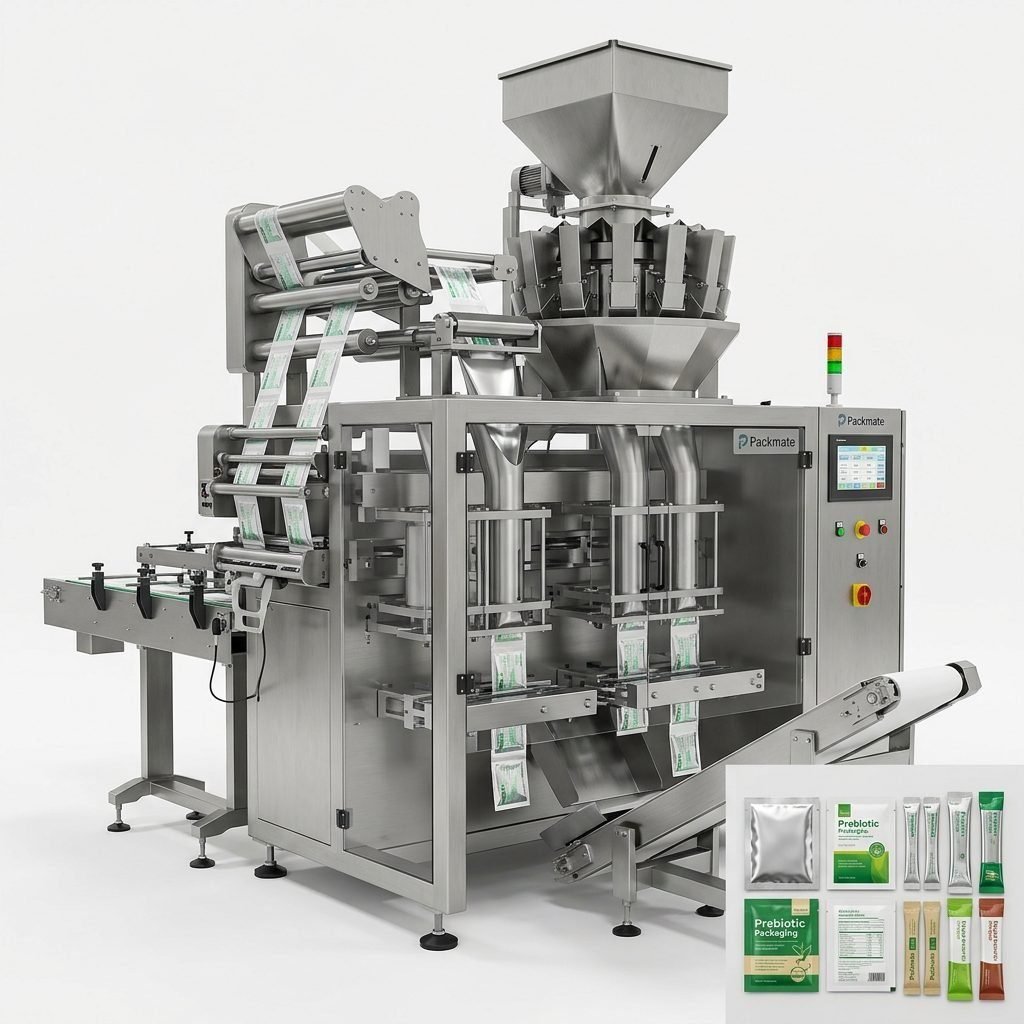
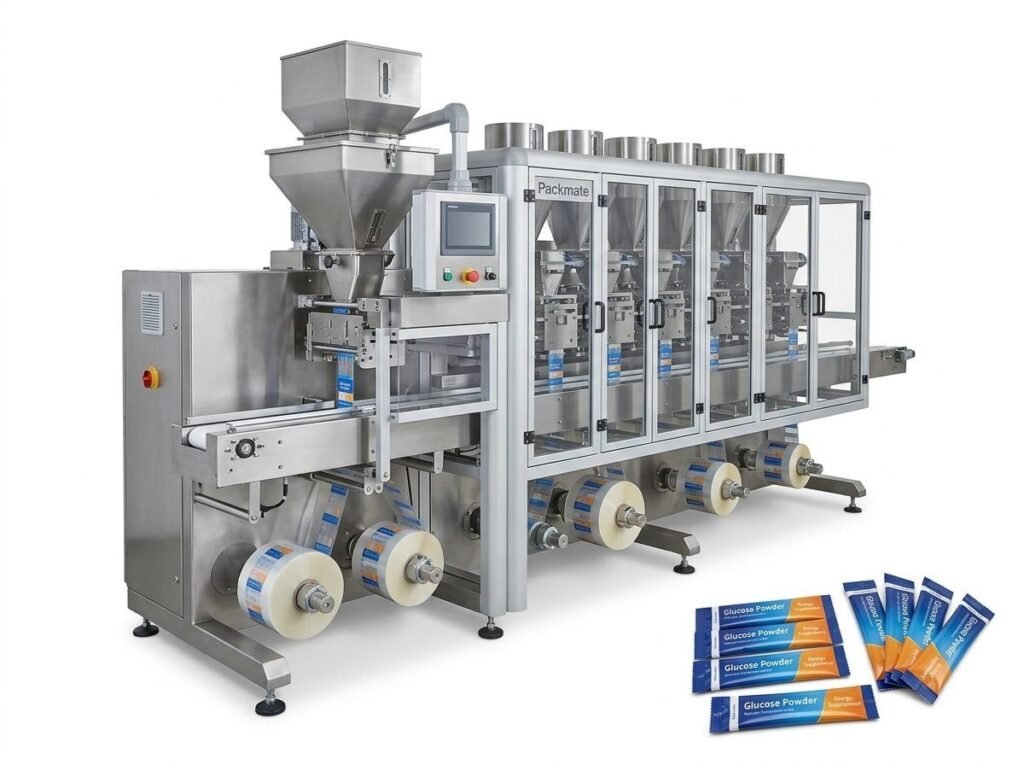
The future of the vacuum packaging equipment market lies in seamless integration and bespoke solutions. End-users are looking less for standalone machines and more for complete turnkey systems that include upstream filling and downstream handling. Furthermore, the ability to provide customized solutions for unique products—whether it’s delicate bakery items, non-standard industrial parts, or specialized sachet and stick pack formats—will distinguish market leaders. Collaboration between equipment manufacturers and their clients in the design phase is becoming a standard practice.
In conclusion, the vacuum packaging equipment market is dynamic and innovation-driven. Success hinges on adopting smart, sustainable, and flexible technologies that address core needs for safety, efficiency, and environmental responsibility. As the market evolves, partnering with experienced manufacturers who offer robust technology and comprehensive support will be vital for businesses aiming to capitalize on these growth trends.
Frequently Asked Questions (FAQs)
What are the main benefits of upgrading to automated vacuum packaging equipment?
Upgrading to automated systems significantly increases production speed and consistency, reduces labor costs and human error, improves hygiene and safety compliance, and provides valuable production data for process optimization. The return on investment is often realized through higher output and reduced waste.
How important is energy efficiency in modern vacuum packaging machines?
Extremely important. Energy consumption is a major operational cost. Modern machines with efficient, oil-free vacuum pumps and optimized heating systems can reduce energy use by 20-30% or more compared to older models, leading to substantial cost savings and a lower environmental impact.
Can one machine handle different types of packaging materials?
Many contemporary machines are designed for versatility. With quick-change features for seal jaws, forming tools, and film guides, they can switch between various materials (like multilayer laminates and recyclable mono-films) and bag sizes. However, the range of compatibility depends on the specific machine model and its design parameters.
What is Modified Atmosphere Packaging (MAP) and how does it relate to vacuum packaging?
MAP involves removing air from a package and replacing it with a protective gas mixture (like nitrogen or carbon dioxide). Many advanced vacuum packaging machines integrate MAP functionality. While vacuum packaging primarily removes air to inhibit aerobic bacteria, MAP uses specific gases to further delay oxidation and spoilage, extending shelf life even further for sensitive products.
What should I look for when choosing a vacuum packaging equipment supplier?
Key factors include: the supplier’s industry experience and reputation, the availability of local service and technical support, machine reliability and build quality, energy efficiency ratings, flexibility for future needs, and their ability to provide a complete solution (not just a machine). Reviewing their project cases and certifications can provide strong indicators of their capability.