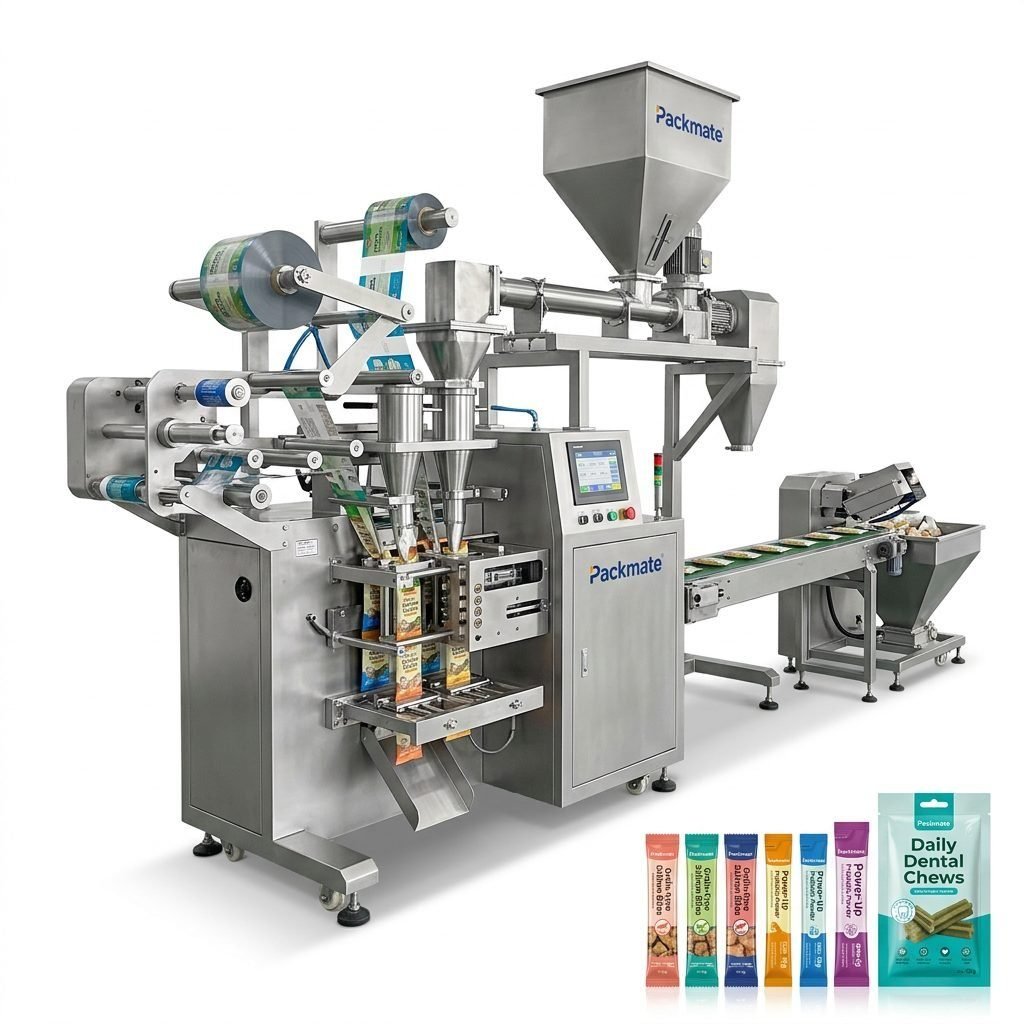
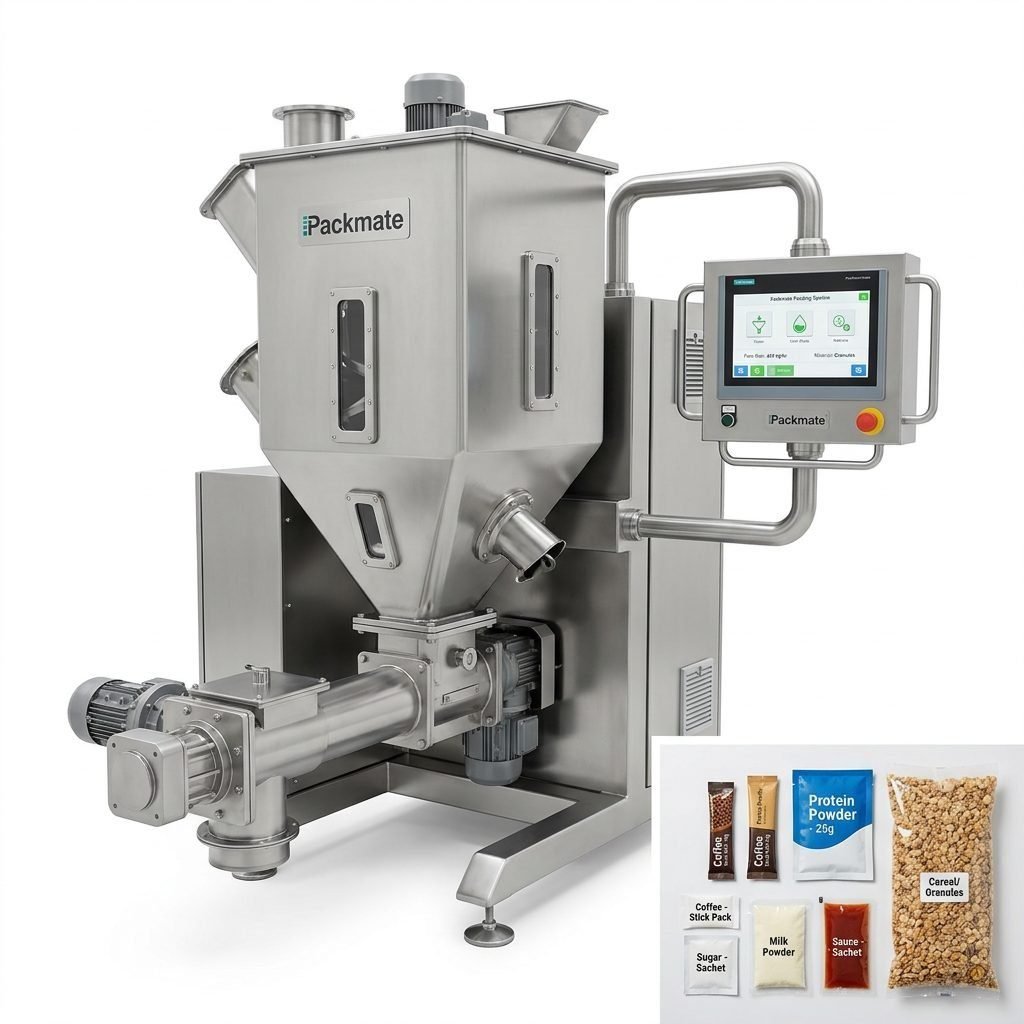
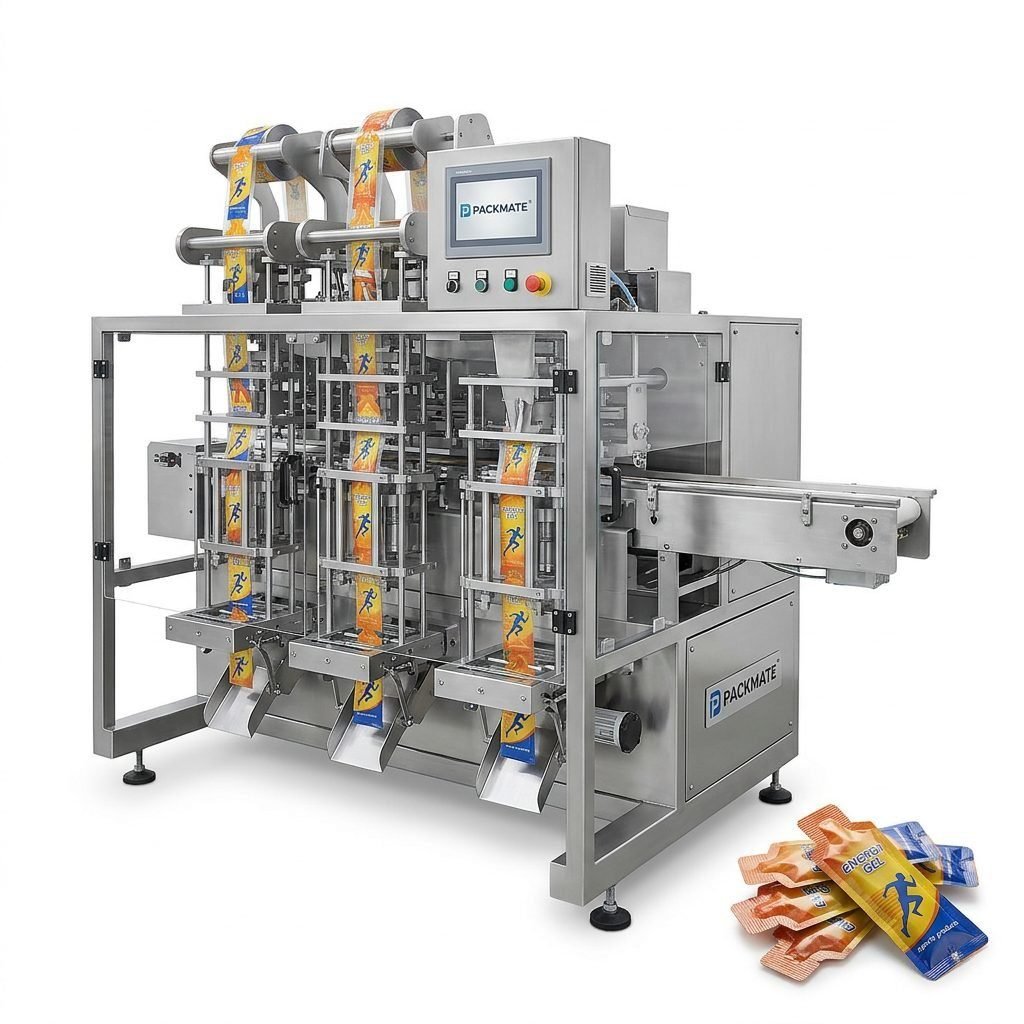
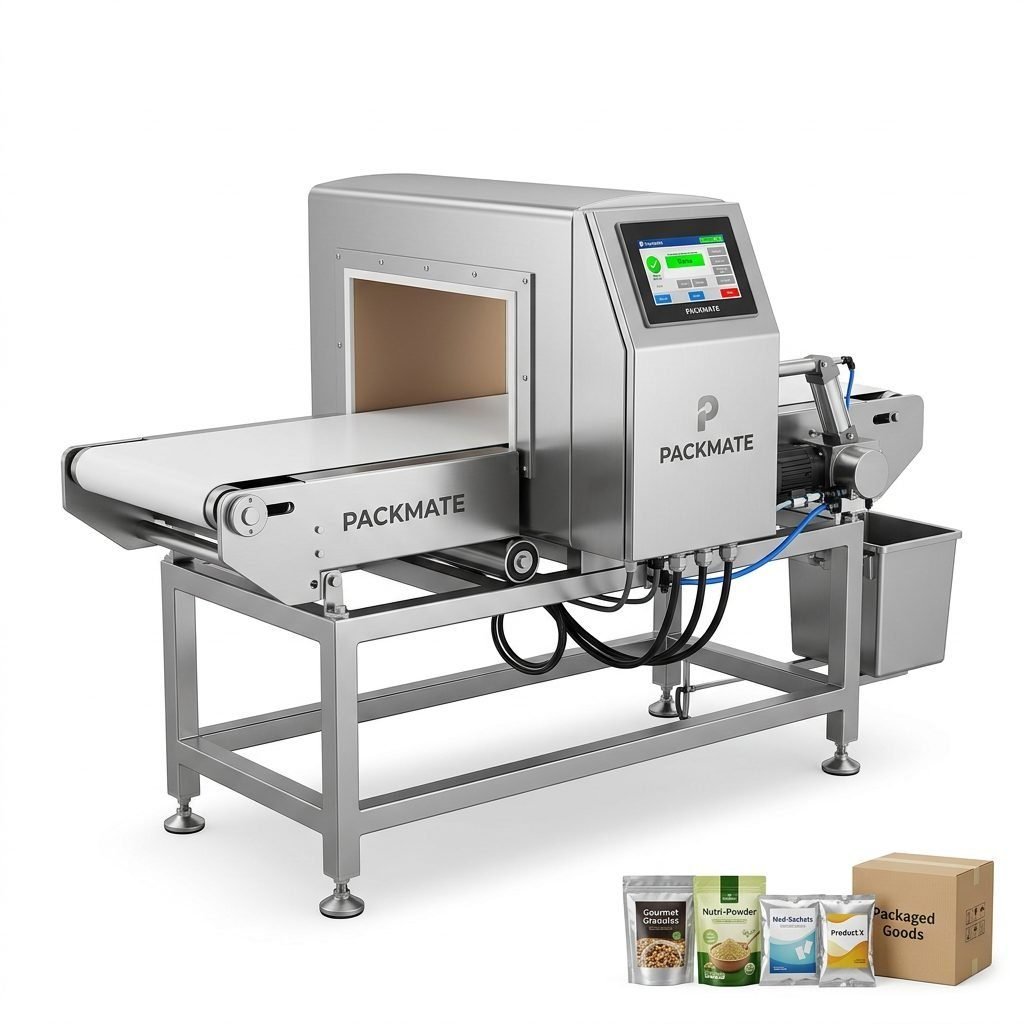
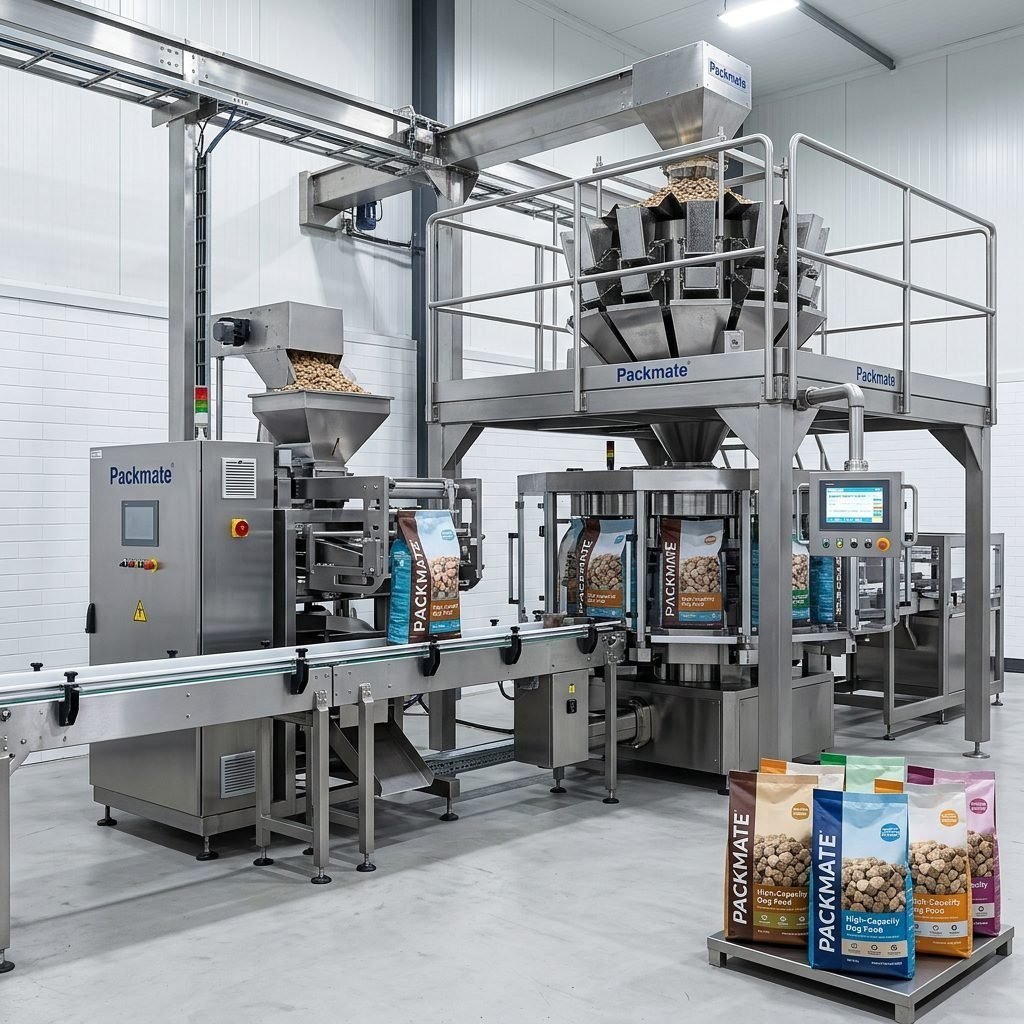
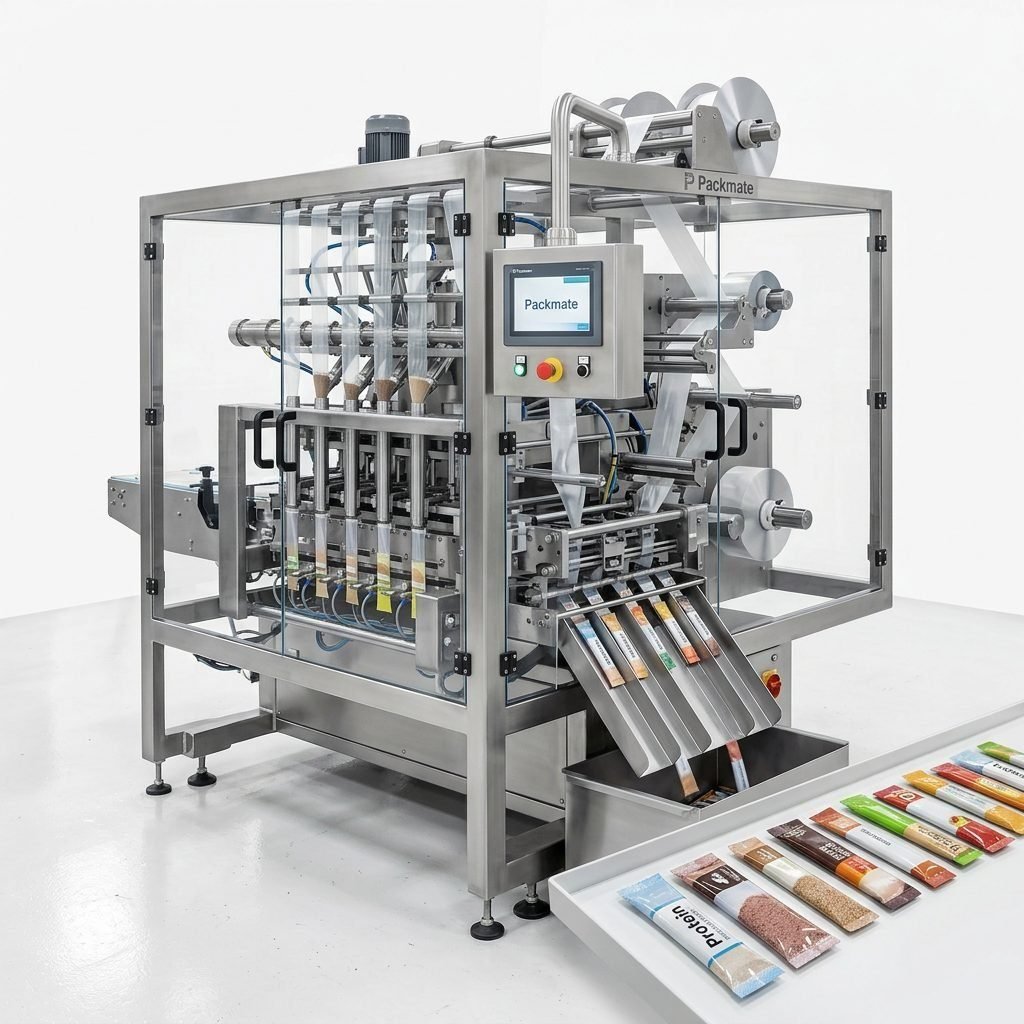
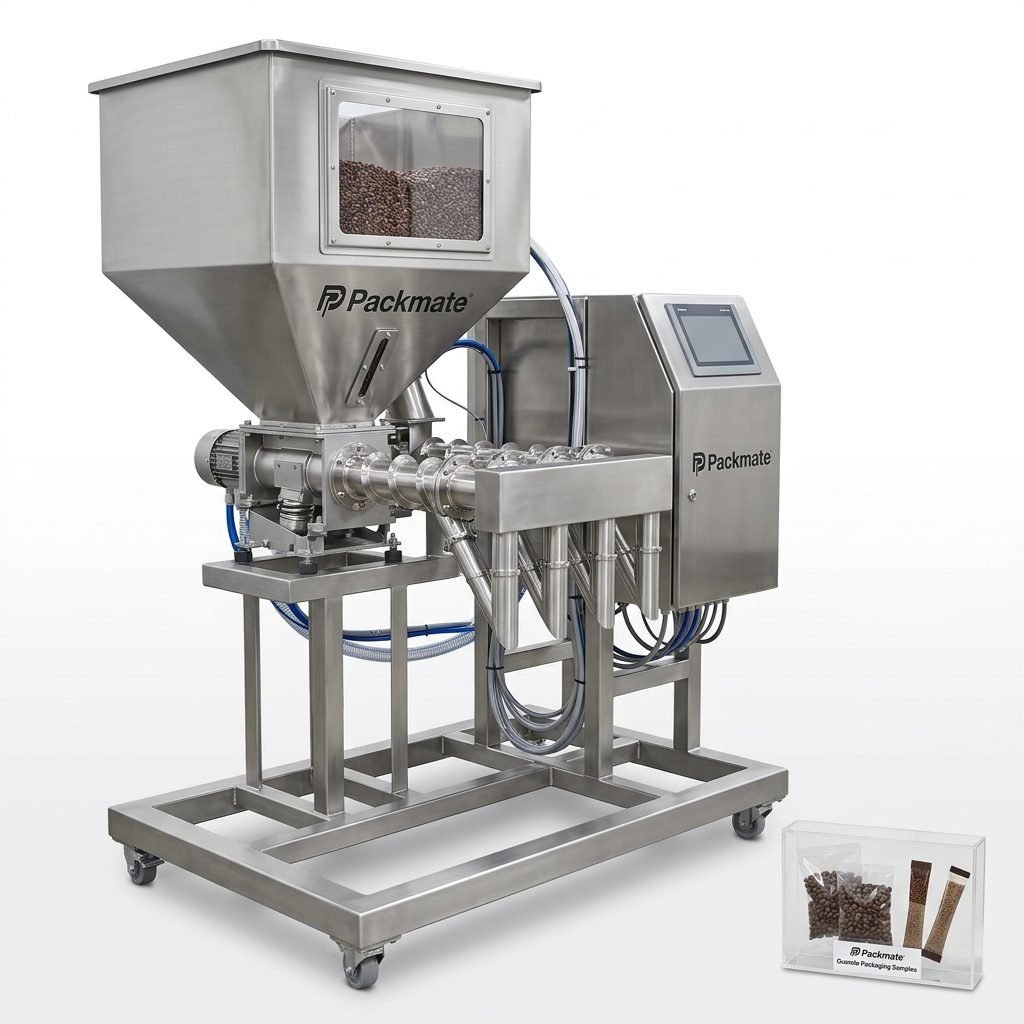
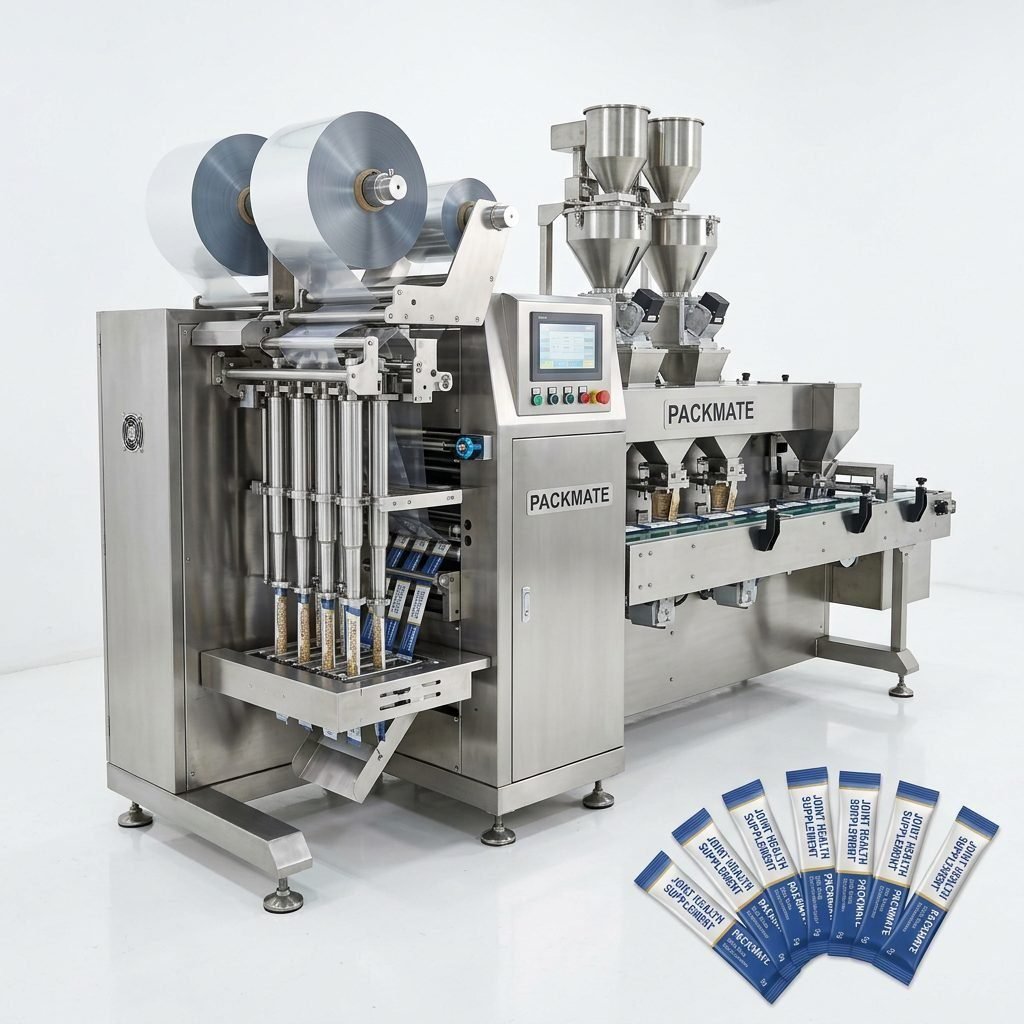
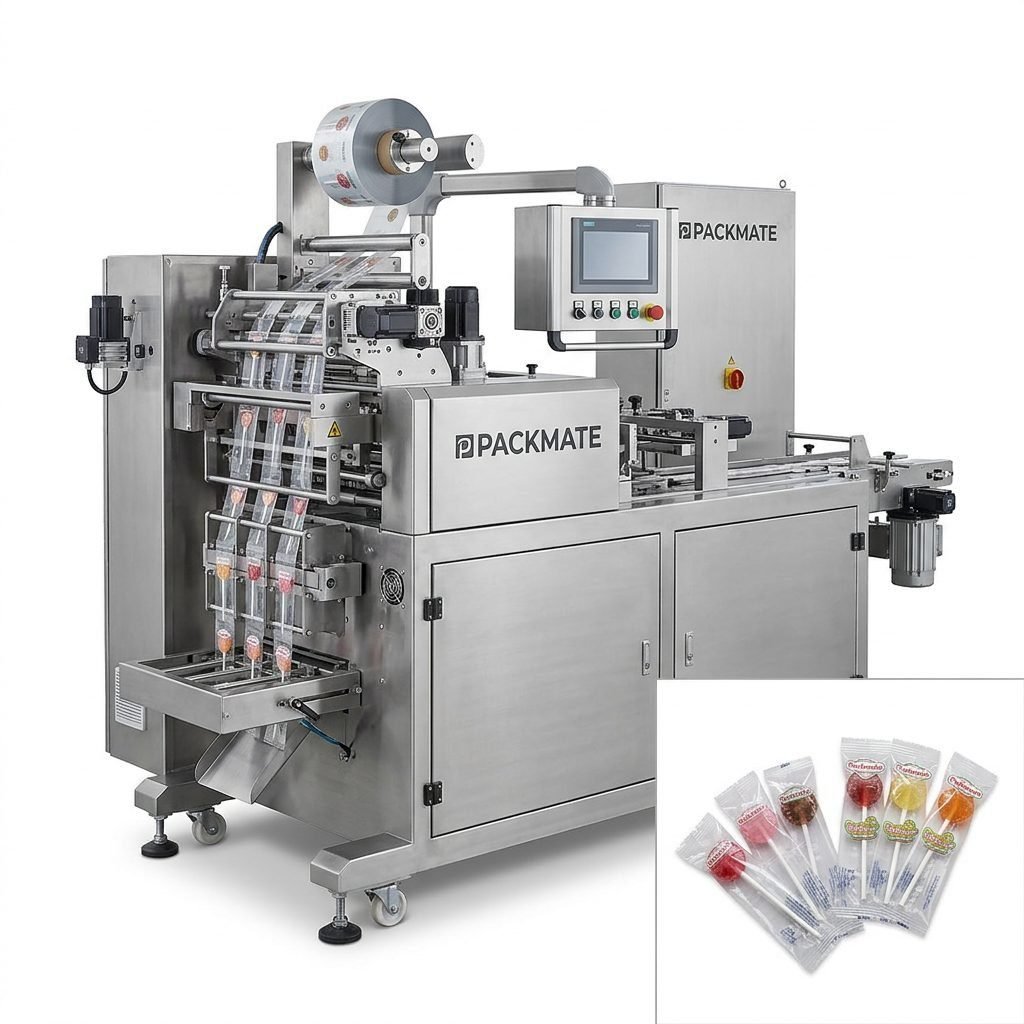
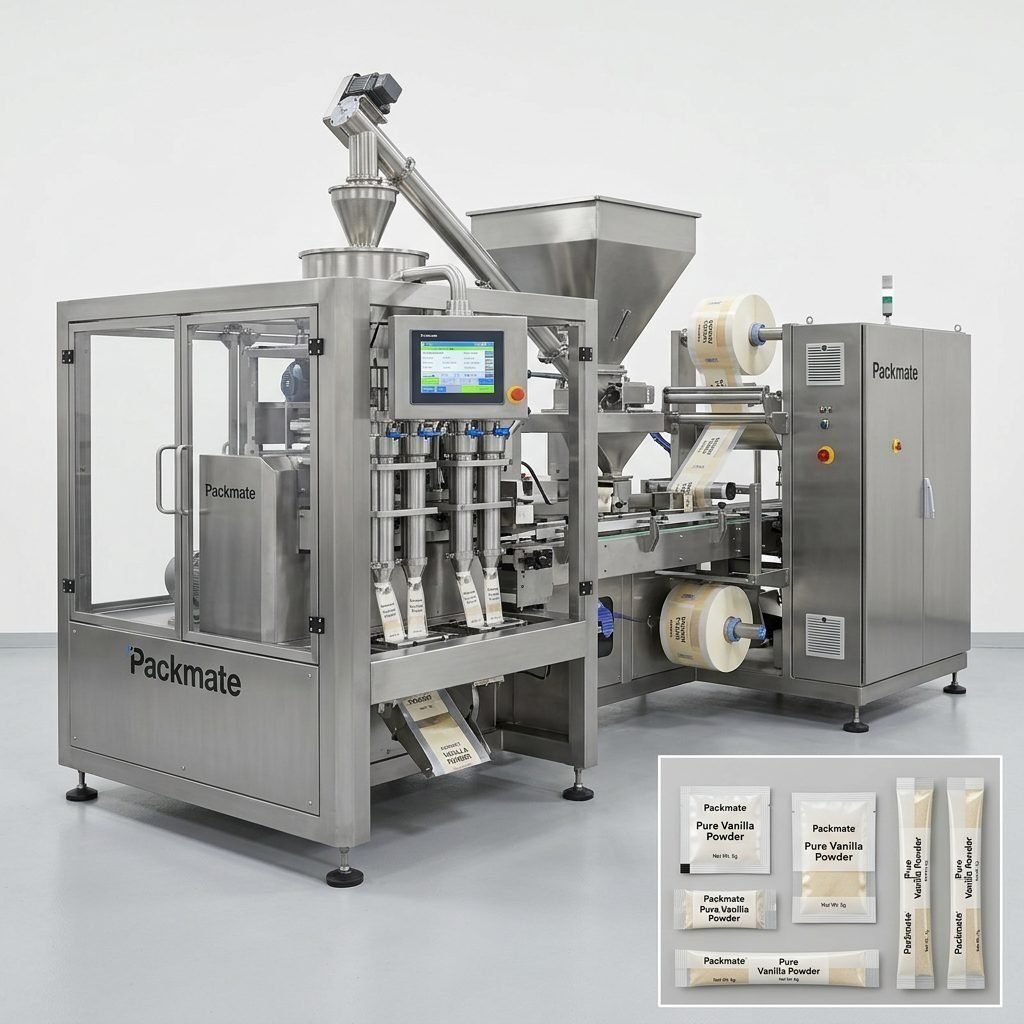
The world of product packaging has undergone a revolutionary transformation, shifting from labor-intensive manual processes to highly efficient, precise, and consistent automated systems. At the heart of this evolution lies the automatic box packaging machine. These sophisticated systems are engineered to handle the entire process of placing products into boxes, sealing them, and preparing them for shipment with minimal human intervention. For businesses across sectors like food, pharmaceuticals, health products, and consumer goods, integrating such automation is no longer a luxury but a critical component for maintaining competitiveness, ensuring product safety, and achieving scalable growth.
Core Mechanism: How Automatic Box Packaging Machines Work
The operation of an automatic box packaging line is a symphony of coordinated mechanical actions. The process typically begins with a flat, die-cut corrugated cardboard blank being fed from a magazine. A forming mechanism, often using suction cups and folding arms, erects this blank into a three-dimensional box. Concurrently, products are conveyed into position—whether they are individual items, multi-packs, or assortments arranged in trays. A robotic arm or pusher mechanism then carefully inserts the product load into the waiting box. Finally, the machine closes the flaps, applying adhesive or tape to securely seal the package before ejecting it onto a conveyor for palletizing or further handling. This seamless, high-speed cycle repeats thousands of times per hour, delivering unparalleled throughput.
The precision of this automation is paramount. Advanced sensors and programmable logic controllers (PLCs) monitor every step, ensuring each box is formed correctly, each product is placed accurately, and every seal meets quality standards. This level of control is virtually impossible to achieve consistently with manual labor, especially over extended production runs.
A Spectrum of Solutions: Key Types of Automatic Box Packaging Machines
Not all packaging needs are identical, and the market reflects this with a diverse range of automatic boxers. Understanding the different types is crucial for selecting the right system for your specific products and output requirements.
1. Automatic Carton Erectors and Sealers
These are the workhorses of secondary packaging. They specialize in taking flat carton blanks, forming them into boxes, and then sealing the bottom flaps after product loading. They are often integrated upstream with product loading systems and downstream with top sealers. Companies like Packmate Machinery, with decades of experience, design such systems for reliability in demanding environments.
2. Robotic Box Packaging Cells
For maximum flexibility in handling diverse product shapes and sizes, robotic cells are the ideal solution. Equipped with advanced vision systems, these robots can pick products from a moving conveyor, orient them, and place them gently into waiting boxes or trays. This technology is perfect for mixed-SKU packaging or delicate items.
3. Wrap-Around Case Packers
This type of machine uses a single sheet of board that wraps completely around a product or product group, forming a snug, custom-fit box. It provides excellent product protection and a high-quality presentation, often used for bottled beverages, cans, or grouped retail products.
4. Tray Forming and Sealing Machines
Ideal for food items, electronics, or pharmaceuticals, these machines form trays from roll stock or blanks, load the product, and apply a lidding film or card. They offer a clear view of the product and can be coupled with modified atmosphere packaging (MAP) for extended shelf life.
Choosing the Right Machine
The selection depends on several factors: product type and fragility, required speed (boxes per minute), box size range, changeover frequency, and integration needs with existing filling and packaging lines. Consulting with an experienced manufacturer is essential to navigate these choices.
The Compelling Advantages: Benefits of Automation
Investing in automatic box packaging technology delivers a powerful return on investment (ROI) across multiple dimensions of a business.
Dramatically Increased Productivity and Output: Machines operate continuously at high speeds, far surpassing manual packing rates. This allows businesses to scale production to meet demand spikes without proportionally increasing labor costs.
Unmatched Consistency and Quality Assurance: Every box is formed, filled, and sealed identically. This eliminates human error and variability, ensuring a professional, retail-ready appearance for every unit and drastically reducing customer complaints due to packaging defects.
Significant Labor Cost Savings and Reallocation: Automation reduces dependency on large manual packing teams, especially for high-volume operations. This not only cuts direct labor costs but also allows skilled workers to be reassigned to more value-added tasks like machine supervision, quality control, and maintenance.
Enhanced Workplace Safety: Packaging lines can involve repetitive motions that lead to musculoskeletal injuries. Automating the boxing process removes workers from these strenuous tasks, creating a safer work environment and reducing associated costs and downtime.
Optimized Material Usage and Reduced Waste: Precision control means adhesive or tape is applied exactly where needed, and box blanks are used efficiently. This minimizes material waste, contributing to both cost savings and sustainability goals.
Improved Traceability and Data Collection: Modern machines are equipped with IoT sensors and data logging capabilities. Managers can access real-time data on production counts, machine efficiency (OEE), and downtime reasons, enabling data-driven decisions for process optimization.
Integration: The Key to a Streamlined Packaging Line
An automatic box packer rarely operates in isolation. Its true potential is unlocked when seamlessly integrated into a complete packaging system. This can include upstream equipment like weighing and packaging systems for powders or granules, form-fill-seal machines for primary sachet and stick pack creation, or product collation and grouping systems. Downstream, the sealed boxes are typically conveyed to automatic case packers, palletizers, and labeling stations. A well-integrated line from a single supplier, such as a turnkey solution provider, ensures compatibility, simplifies communication, and reduces overall system complexity and maintenance.
Future Trends in Automatic Box Packaging
The future points toward even greater intelligence and flexibility. Artificial Intelligence (AI) and machine vision will enable systems to self-optimize, predict maintenance needs, and handle an even wider array of random product orientations without dedicated tooling. Sustainability is another major driver, with machines increasingly designed to handle recycled content corrugate and biodegradable adhesives efficiently. Furthermore, the demand for quick changeover and modular design will grow, allowing manufacturers to switch between different box styles and product types with minimal downtime, catering to the trend of smaller batch production runs.
Conclusion
Automatic box packaging machines represent a fundamental pillar of modern industrial efficiency. They transcend mere speed, delivering critical benefits in consistency, cost management, safety, and data intelligence. From simple carton sealers to complex robotic cells, the technology available can be tailored to fit the unique needs of any operation. As supply chains face increasing pressure and consumer expectations for perfect presentation rise, the strategic implementation of this automation is a definitive step toward building a more resilient, profitable, and future-ready business. Evaluating your packaging process with these capabilities in mind is not just an operational review—it’s an investment in long-term competitive advantage.
Frequently Asked Questions (FAQs)
1. What is the typical speed range of an automatic box packaging machine?
Speeds vary widely based on machine type and box complexity. Standard carton erector/sealers can range from 10 to 60+ boxes per minute. High-speed wrap-around case packers for uniform items like bottles can exceed 100 cases per minute. The required speed is a primary factor in machine selection and cost.
2. Can one machine handle vastly different box sizes?
Most machines are designed to handle a range of sizes, but there are limits. The size range (minimum and maximum dimensions) is a key specification. Changeover between sizes often involves mechanical adjustments and can take from a few minutes to half an hour. For operations requiring frequent, extreme size changes, a modular or robotic system might be recommended.
3. How significant is the maintenance requirement for these machines?
Like all industrial equipment, regular preventive maintenance is crucial for longevity and uptime. This typically involves daily cleaning, weekly lubrication of moving parts, and periodic inspection of wear components like seals, belts, and suction cups. Reputable manufacturers provide detailed maintenance schedules and training. Modern machines with predictive maintenance sensors can alert operators to issues before they cause downtime.
4. What is the average return on investment (ROI) period?
The ROI period depends on the machine’s cost, labor savings, increased output, and reduction in waste. For operations with high manual labor costs and volume, ROI can often be achieved in 1 to 3 years. A detailed analysis factoring in your specific production data, labor rates, and expected efficiency gains is necessary for an accurate projection.
5. Are automatic box packers suitable for fragile or irregularly shaped products?
Yes, with the right configuration. For fragile items, machines with gentle handling mechanisms, soft-touch grippers, and cushioned infeed conveyors are used. For irregular shapes, robotic systems with 3D vision guidance are exceptionally effective, as they can identify the product’s orientation and adjust the pick-and-place path accordingly to ensure safe and precise loading.