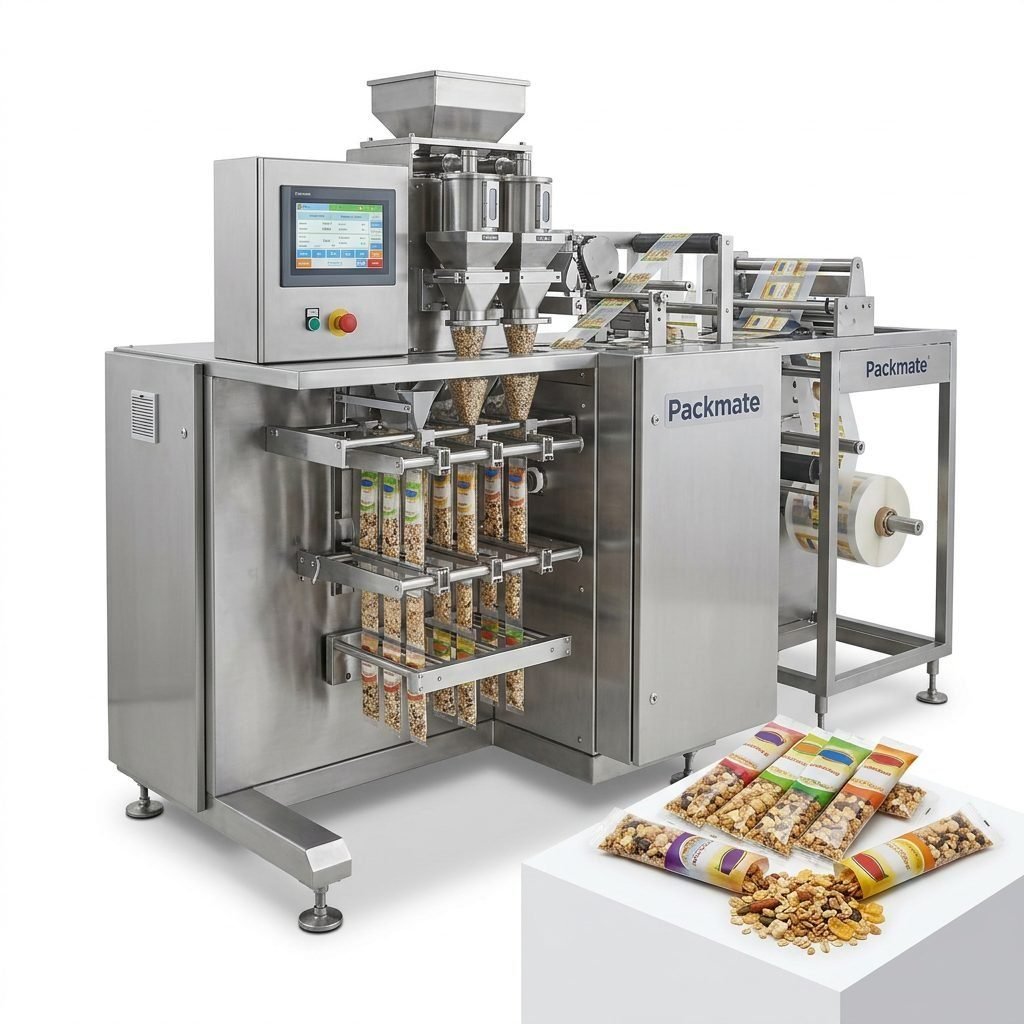
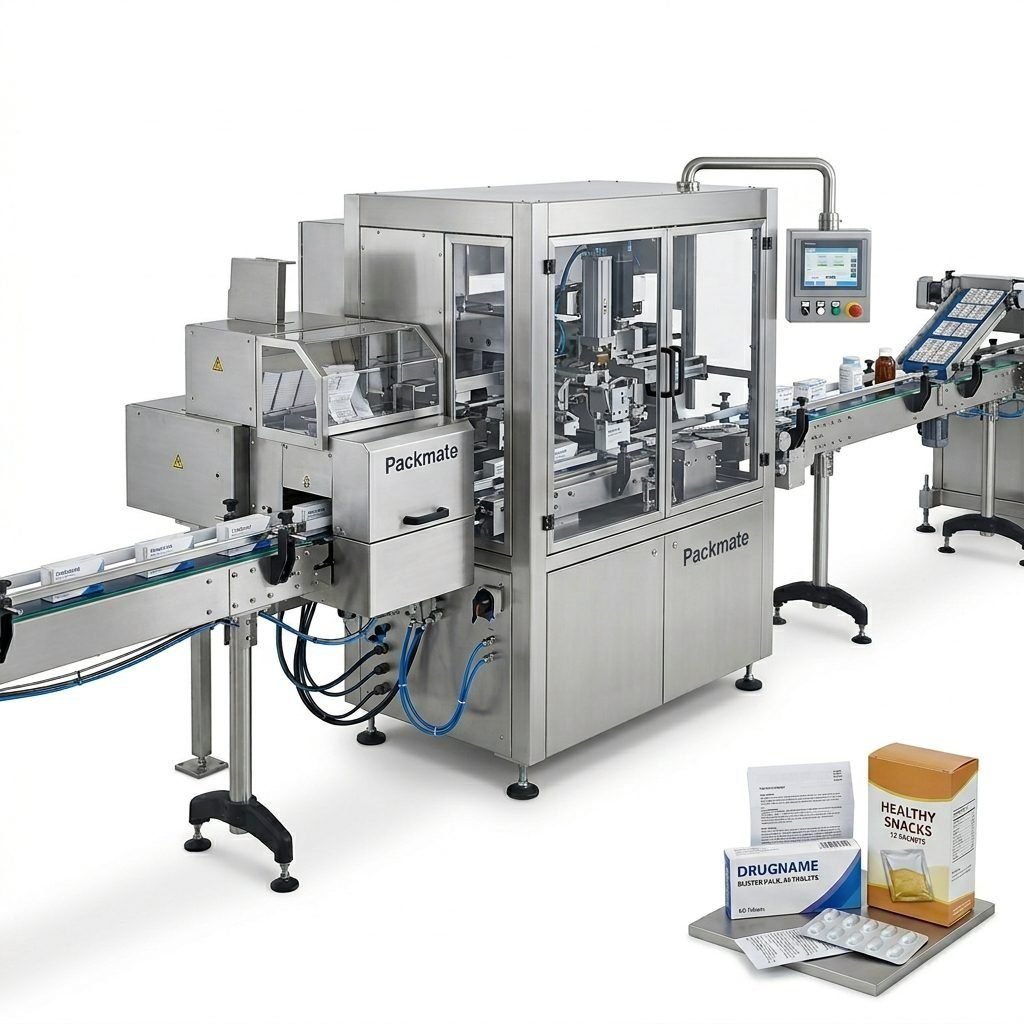
In today’s fast-paced industrial landscape, the drive for efficiency and precision is relentless. Automation packaging machines have emerged as a cornerstone technology, transforming production floors across the globe. These sophisticated systems are not merely about replacing manual labor; they represent a strategic investment in consistency, scalability, and competitive advantage. For businesses in the food, pharmaceutical, and health sectors, where product integrity and speed to market are paramount, the adoption of automated packaging is no longer a luxury but a necessity for survival and growth.
The Core Benefits of Automation in Packaging
The transition from manual or semi-automated processes to fully automated packaging lines yields a multitude of tangible benefits that directly impact a company’s bottom line and operational excellence.
Unmatched Production Efficiency and Speed
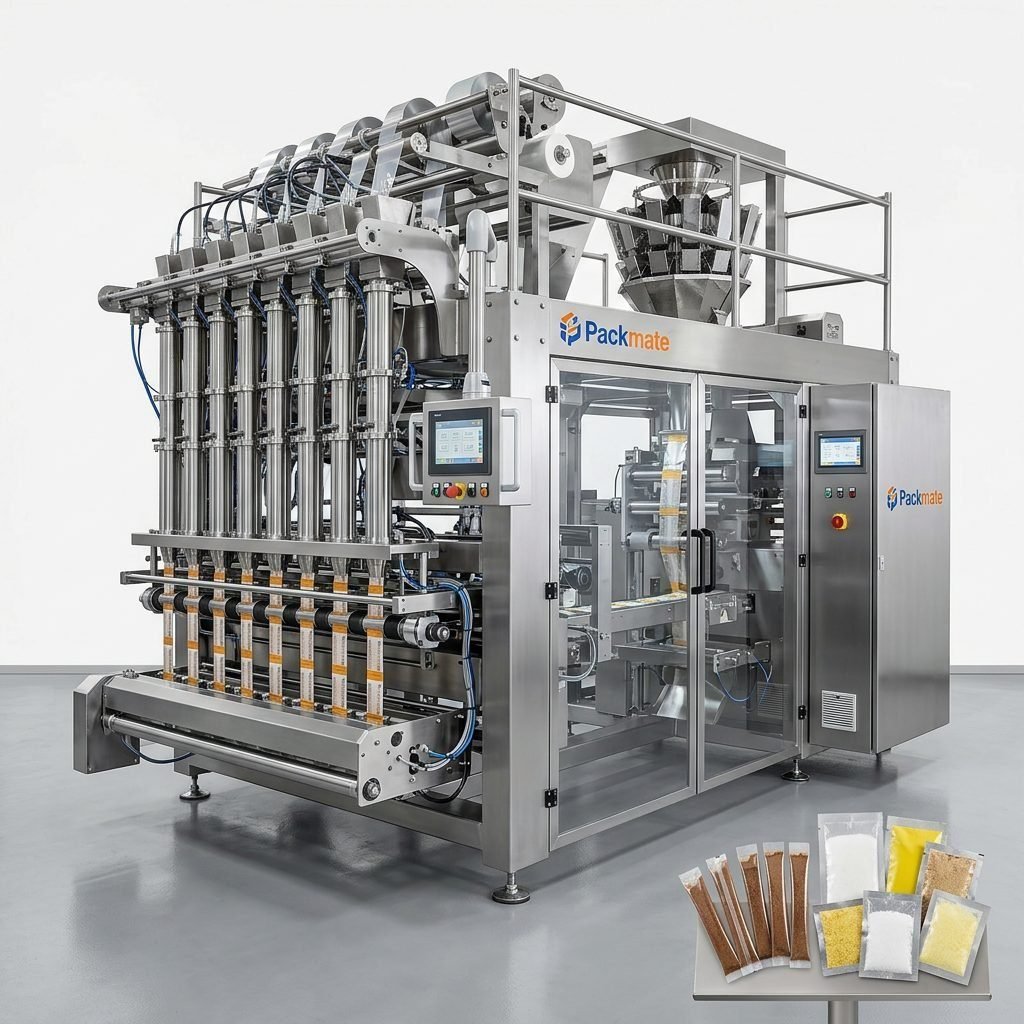
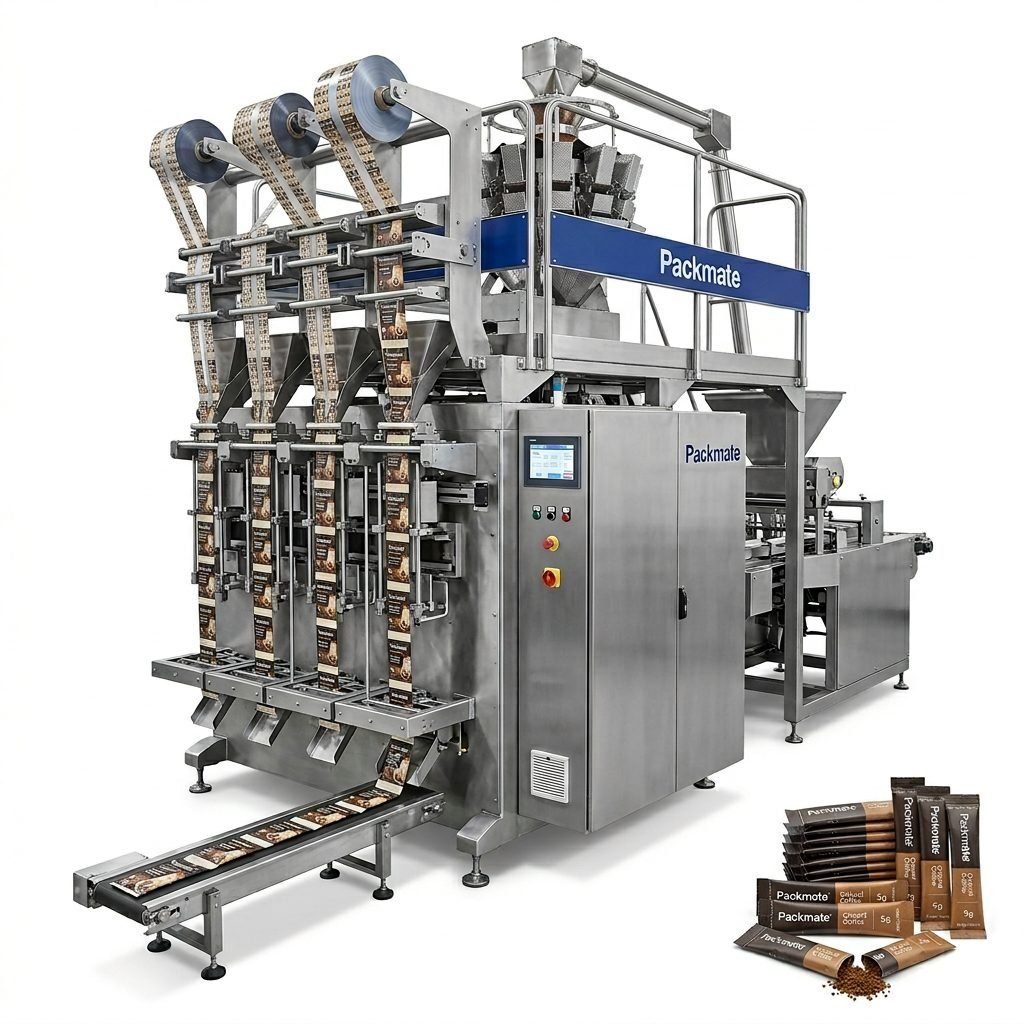
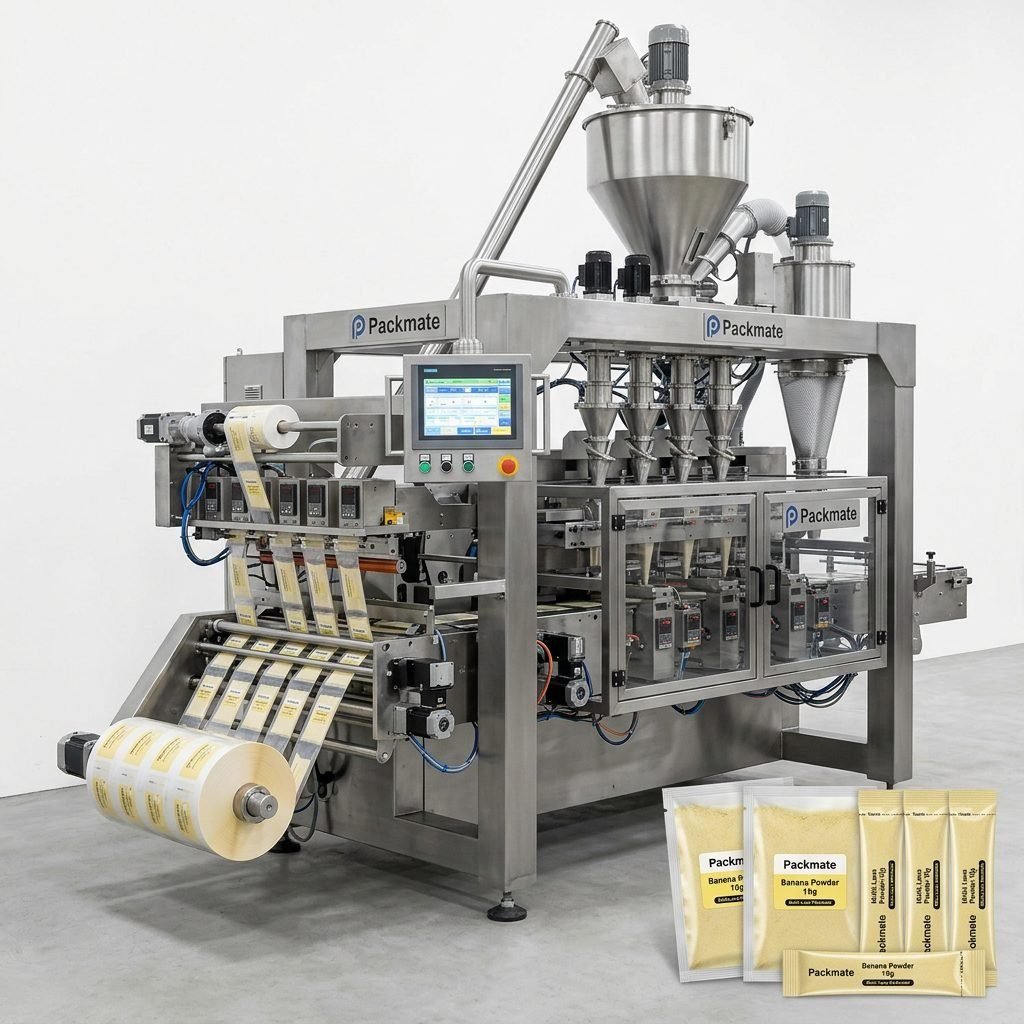
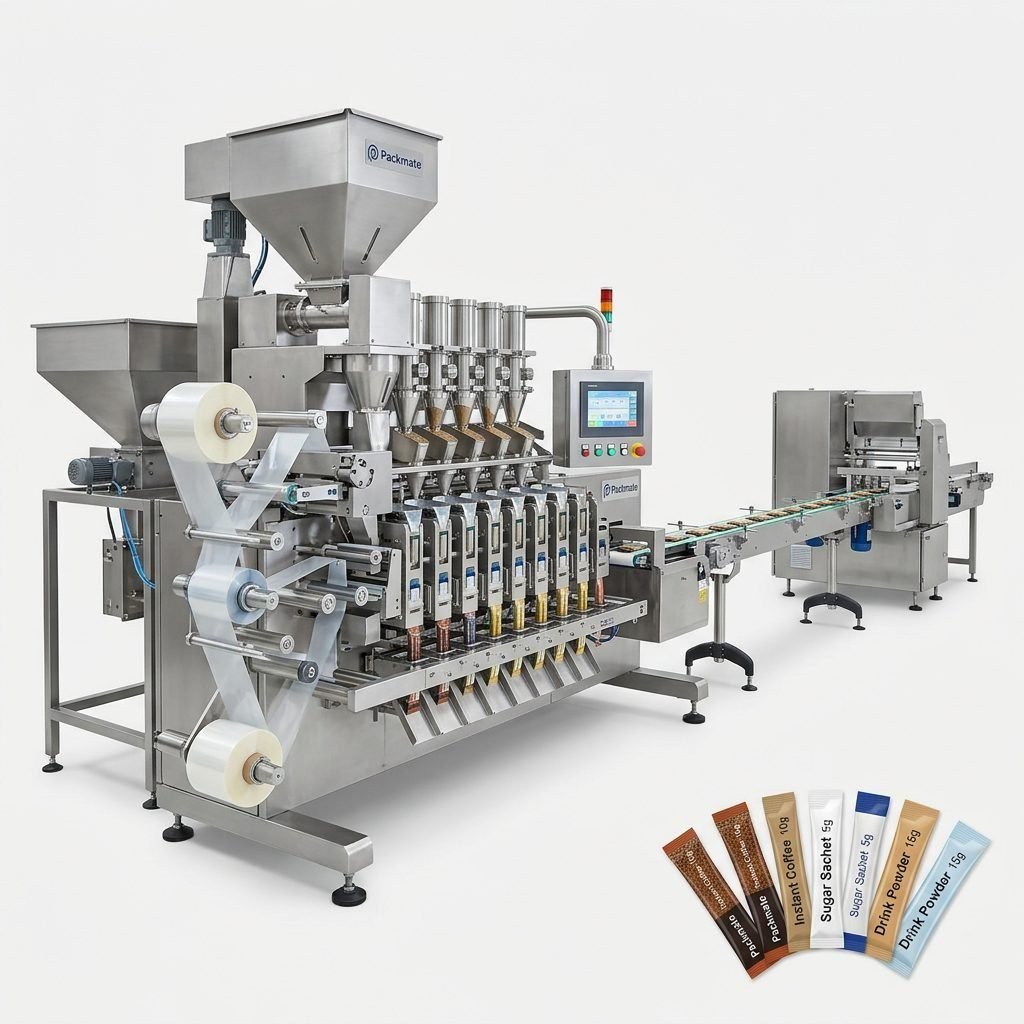
Automated packaging machines operate continuously at high speeds, far exceeding human capabilities. They eliminate the natural variances and fatigue associated with manual packaging, ensuring a consistent, high-volume output. This allows manufacturers to meet large order demands, shorten lead times, and respond swiftly to market opportunities. The integration of systems like multi-lane sachet & stick pack machines exemplifies this, where multiple product streams are packaged simultaneously, dramatically boosting throughput.
Key Impact: A single automated line can often do the work of several manual stations, freeing up valuable floor space and human resources for more complex, value-added tasks. This leads to a direct increase in overall equipment effectiveness (OEE).
Enhanced Product Consistency and Quality Control
Human error in packaging—such as incorrect fill weights, misaligned seals, or inconsistent labeling—can lead to product waste, customer complaints, and brand damage. Automation packaging machines are programmed for precision. Every action, from weighing and filling to sealing and coding, is executed with exacting repeatability. This ensures every unit leaving the production line is identical, meeting stringent quality standards and regulatory requirements, especially critical in industries like pharmaceuticals.
Significant Reduction in Operational Costs
While the initial capital investment is considerable, the long-term cost savings are substantial. Automation reduces direct labor costs associated with packaging tasks. More importantly, it minimizes material waste through precise dosing and reduces product giveaway. Lower rates of packaging defects mean less rework and product loss. Furthermore, these machines optimize material usage, whether it’s film, pouches, or cartons, contributing to a leaner, more cost-effective operation.
Improved Workplace Safety and Hygiene
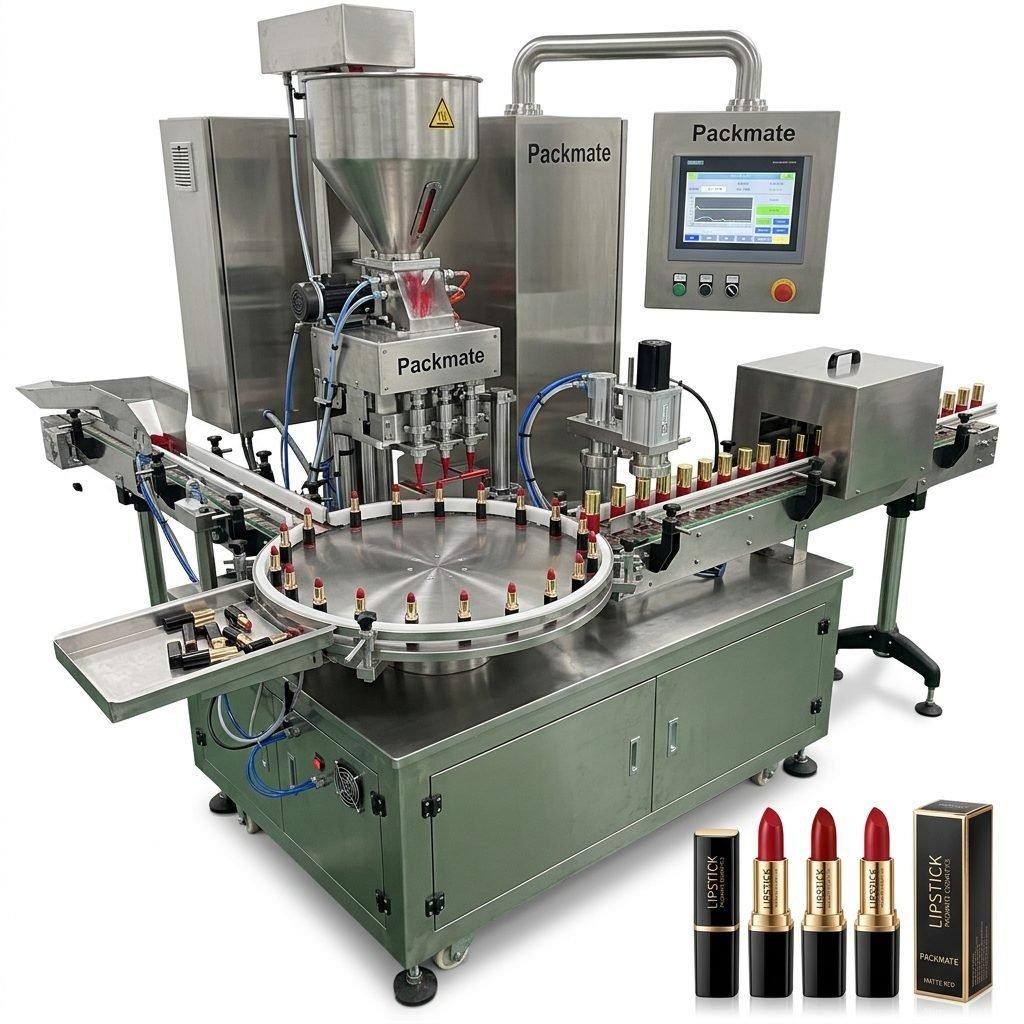
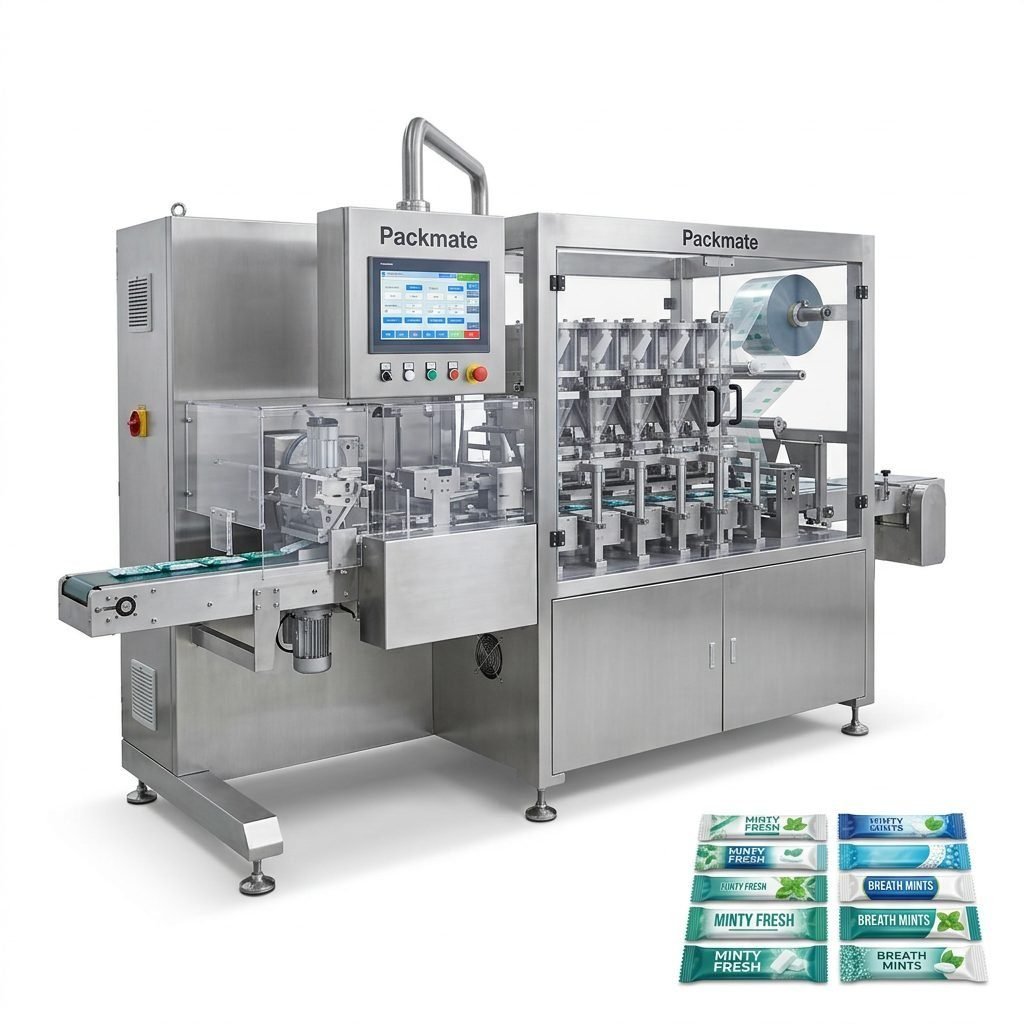
Automating repetitive and potentially hazardous tasks enhances workplace safety by reducing the risk of strain injuries or accidents. In hygiene-sensitive environments like food and pharmaceutical production, automated systems limit direct human contact with the product. This is crucial for maintaining sterile conditions and complying with Good Manufacturing Practices (GMP). Enclosed filling & packaging lines provide an added layer of protection against contamination.
Strategic Solutions for Modern Production Challenges
Implementing automation is not a one-size-fits-all endeavor. The right solution depends on specific product characteristics, production volume, and business goals. Leading manufacturers like Packmate Machinery offer a spectrum of solutions tailored to diverse needs.
Versatile Machine Configurations
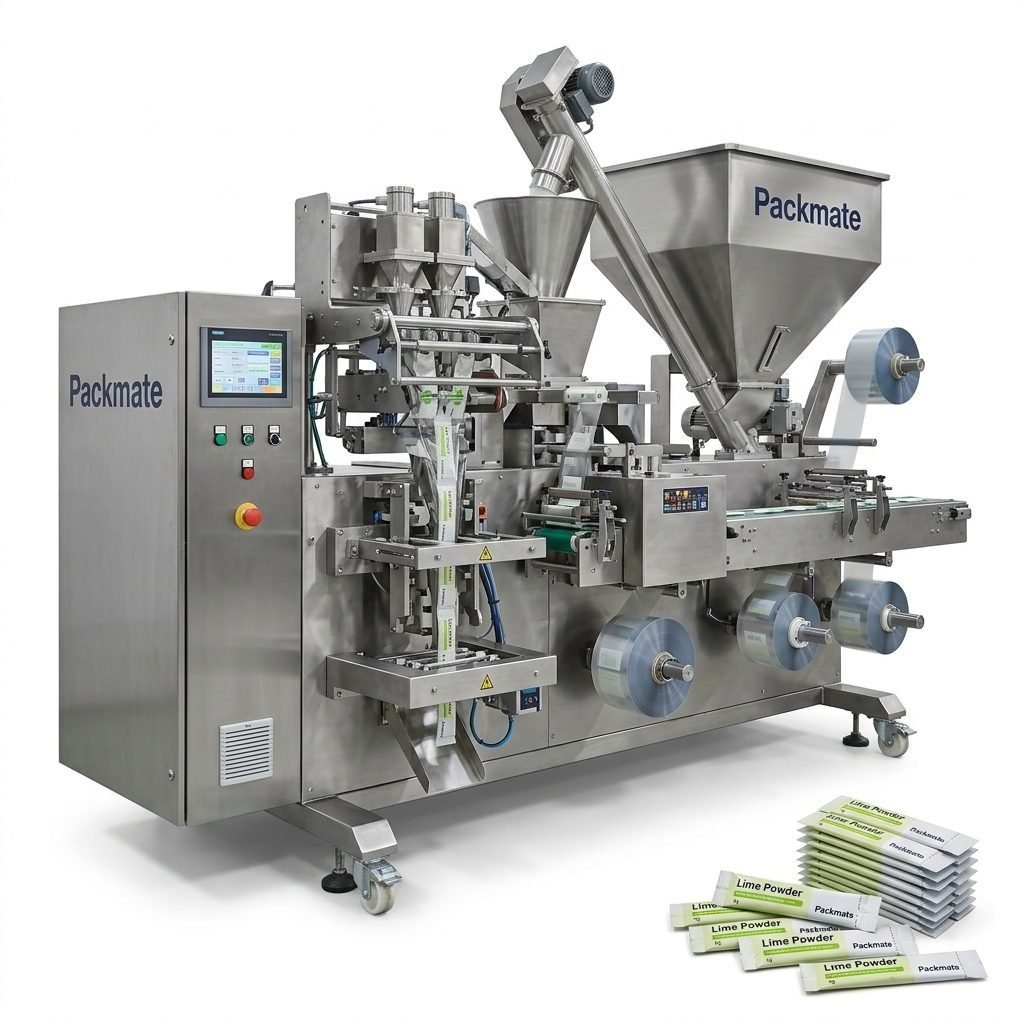
From standalone machines to complete turnkey lines, the options are vast. For businesses packaging powders, granules, or liquids into small units, high-speed sachet and stick pack machines are ideal. For larger formats or more complex products, robust bag & pouch packaging machines offer the necessary flexibility. The key is selecting equipment that matches your product’s physical properties and your desired packaging format.
Solution Spotlight: Turnkey Packaging Lines
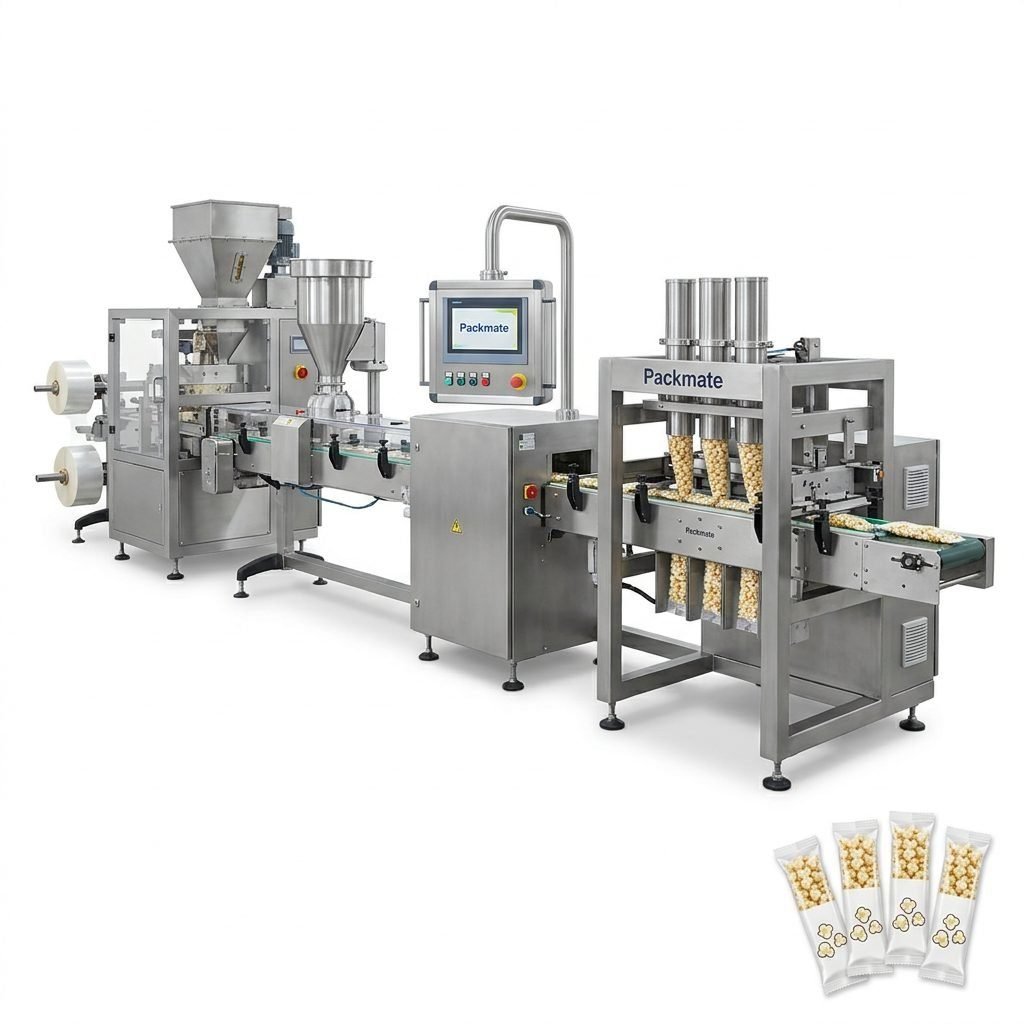
For manufacturers seeking a seamless, integrated process, a turnkey solution is the ultimate answer. This involves a synchronized line that handles everything from product feeding and weighing to filling, sealing, coding, and cartoning. Companies like Packmate, with over 30 years of expertise, design these lines to work in perfect harmony, eliminating bottlenecks and ensuring smooth, end-to-end automation. This approach is perfect for scaling production without the headache of integrating disparate machines from multiple vendors.
Integration with Industry 4.0 and Smart Manufacturing
The modern automation packaging machine is a data hub. Equipped with sensors and connectivity, it feeds real-time performance data—such as output counts, downtime reasons, and maintenance alerts—into central monitoring systems. This enables predictive maintenance, reducing unplanned stoppages, and provides invaluable analytics for continuous process improvement. Managers can optimize production schedules and machine performance from anywhere, driving towards a truly smart factory.
Scalability and Future-Proofing
A well-chosen automated system is an investment in the future. Modular designs allow for easy upgrades or reconfiguration as product lines change or production volumes grow. This scalability protects your investment and ensures your packaging operation can evolve alongside your business strategy, avoiding the need for complete system replacements down the line.
Implementing Your Automation Strategy
Successfully integrating automation requires careful planning. It begins with a thorough analysis of your current process to identify pain points and quantify goals. Partnering with an experienced supplier is critical. Look for a partner with a proven track record, like Packmate, which offers comprehensive support from initial consultation and factory testing to installation, training, and after-sales service. A reliable partner ensures the solution is not just delivered but is fully operational and optimized for your specific environment.
The journey toward automated packaging is a strategic leap forward. It transcends simple mechanization, offering a pathway to greater productivity, impeccable quality, and sustained profitability. By understanding the benefits and available solutions, manufacturers can make informed decisions that propel their operations into a new era of efficiency and resilience.
Frequently Asked Questions (FAQs)
1. What is the typical return on investment (ROI) for an automation packaging machine?
The ROI period varies based on machine cost, labor savings, production volume increase, and waste reduction. For many operations, a well-utilized machine can pay for itself in 12 to 24 months through direct cost savings and increased revenue from higher output.
2. Can automated machines handle fragile or irregularly shaped products?
Yes. Modern machines are highly adaptable. With custom-designed feeding systems, gentle handling mechanisms, and specialized grippers, automation solutions can be engineered to package a wide array of delicate, sticky, or non-uniform products without damage.
3. How difficult is it to change packaging formats on an automated line?
Many contemporary machines are built for quick changeover. Features like tool-less adjustments, programmable settings saved for different products, and interchangeable forming parts can reduce format changeover time from hours to minutes, maximizing production flexibility.
4. What kind of maintenance do these machines require?
Regular preventative maintenance is essential for longevity and uptime. This typically includes daily cleaning, lubrication of moving parts, and inspection of wear components like seals and cutters. Reputable suppliers provide detailed maintenance schedules and training for your technicians.
5. Do I need special facilities or utilities to run an automated packaging line?
Requirements vary by machine. Common needs include a stable power supply (often three-phase), compressed air, and sometimes chilled water for heat-sealing applications. A site assessment by your supplier during the planning phase will identify all necessary facility preparations.