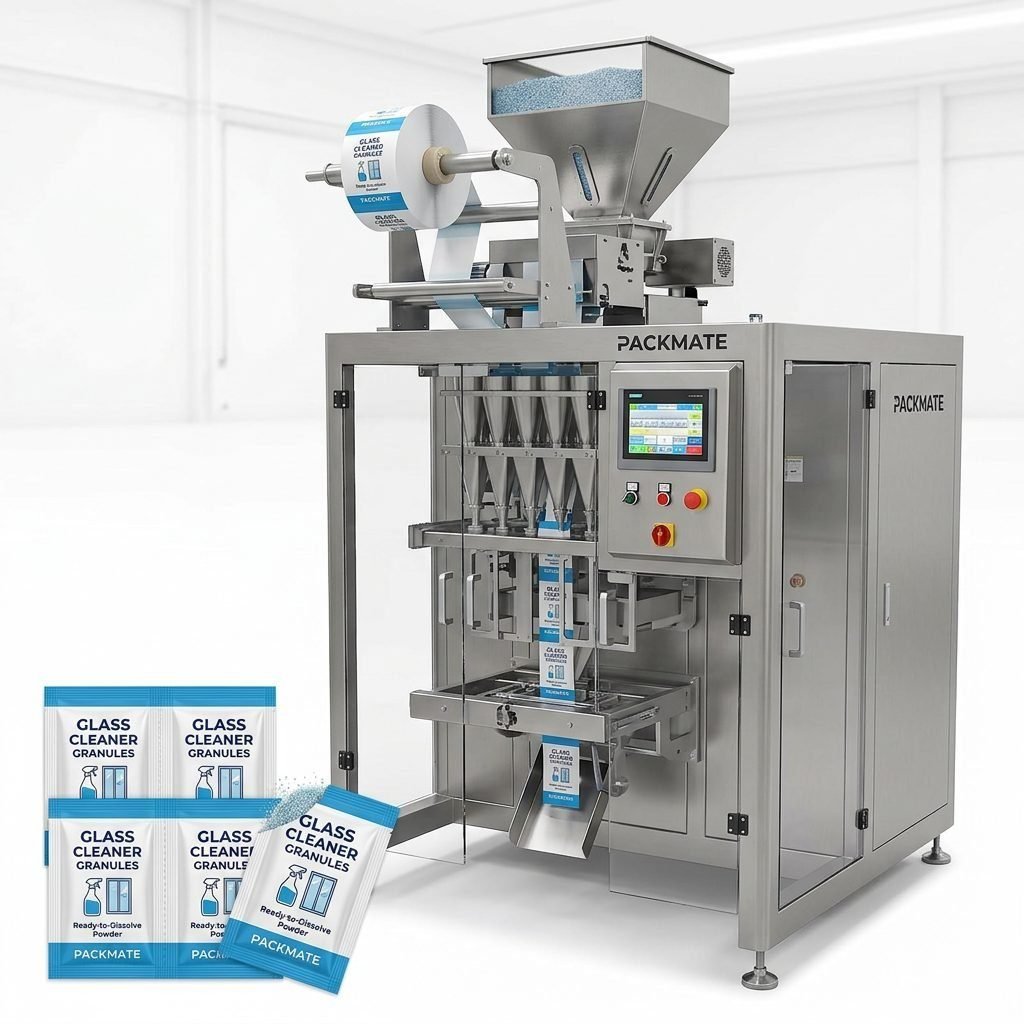
In the world of industrial packaging, selecting the right machinery is a critical decision that impacts productivity, efficiency, and ultimately, profitability. Bartelt packaging machines, a category known for its precision and reliability in form-fill-seal (FFS) technology, represent a significant investment. This guide aims to provide a comprehensive overview for selecting, operating, and maintaining these sophisticated systems to ensure optimal performance and a strong return on investment.
Understanding Bartelt Packaging Technology
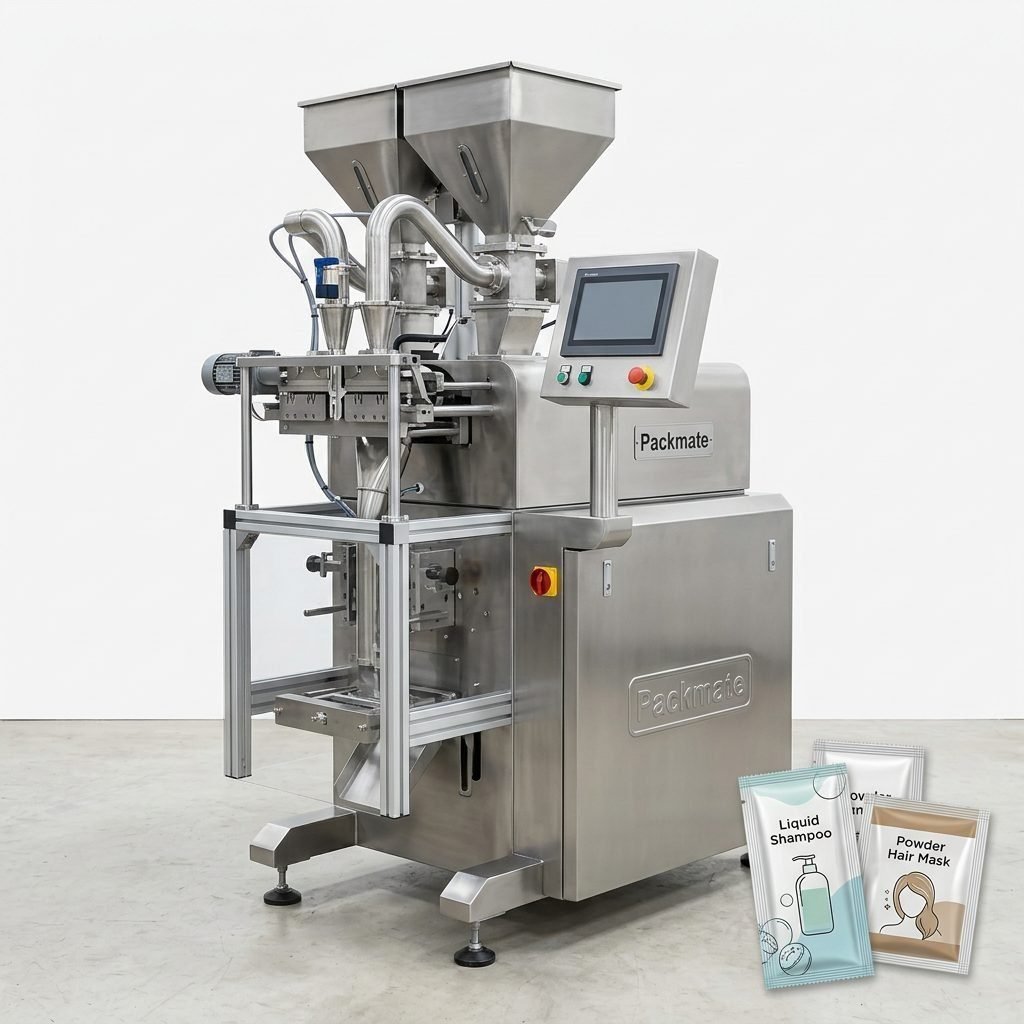
At its core, Bartelt packaging machinery specializes in horizontal form-fill-seal (HFFS) processes. These machines create pouches from a roll of flat packaging film, fill them with product—be it powders, granules, liquids, or solids—and then seal them, all in one continuous, high-speed operation. The hallmark of this technology is its versatility, capable of producing a wide array of pouch styles, including pillow bags, gusseted bags, and stand-up pouches with precise dosing.
The operational principle involves a forming shoulder that shapes the flat film into a tube around a filling cylinder. Longitudinal sealing creates a back seam, while synchronized horizontal jaws perform the end seals, simultaneously cutting individual pouches apart. This seamless integration of forming, filling, and sealing is what delivers the high output and consistency that industries demand.
Key Advantages of Bartelt-Style Machines
Choosing a Bartelt-type packaging line offers several compelling benefits:
High Speed and Efficiency: Designed for continuous motion, these machines achieve impressive production rates, significantly boosting output for high-volume applications.
Exceptional Flexibility: Quick changeover capabilities allow for running different pouch sizes and styles on the same machine, ideal for manufacturers with diverse product lines. This adaptability extends to various packaging materials, including laminates, films, and foils.
Precision and Consistency: Advanced servo-driven technology ensures accurate filling weights and clean, strong seals on every pouch, minimizing product giveaway and reducing the risk of leaks or spoilage.
Reduced Material Waste: The efficient use of roll stock film and precise sealing mechanisms contribute to lower packaging material costs and a smaller environmental footprint.
A Step-by-Step Guide to Selection
Selecting the ideal Bartelt packaging machine requires a meticulous assessment of your specific needs. Rushing this process can lead to underperformance or costly mismatches.
1. Define Your Product and Packaging Requirements
This is the foundational step. Clearly outline:
- Product Characteristics: Is it a free-flowing powder, abrasive granule, viscous liquid, or sticky paste? Each requires different filling systems (auger, pump, volumetric cup, scale).
- Desired Pouch Style and Size: Determine the final package dimensions (length, width, gusset) and style (pillow, stand-up, zipper, spout).
- Packaging Material: Specify the type of film or laminate (e.g., PET/AL/PE) and its thickness, as this affects the machine’s sealing parameters.
2. Determine Your Production Capacity Needs
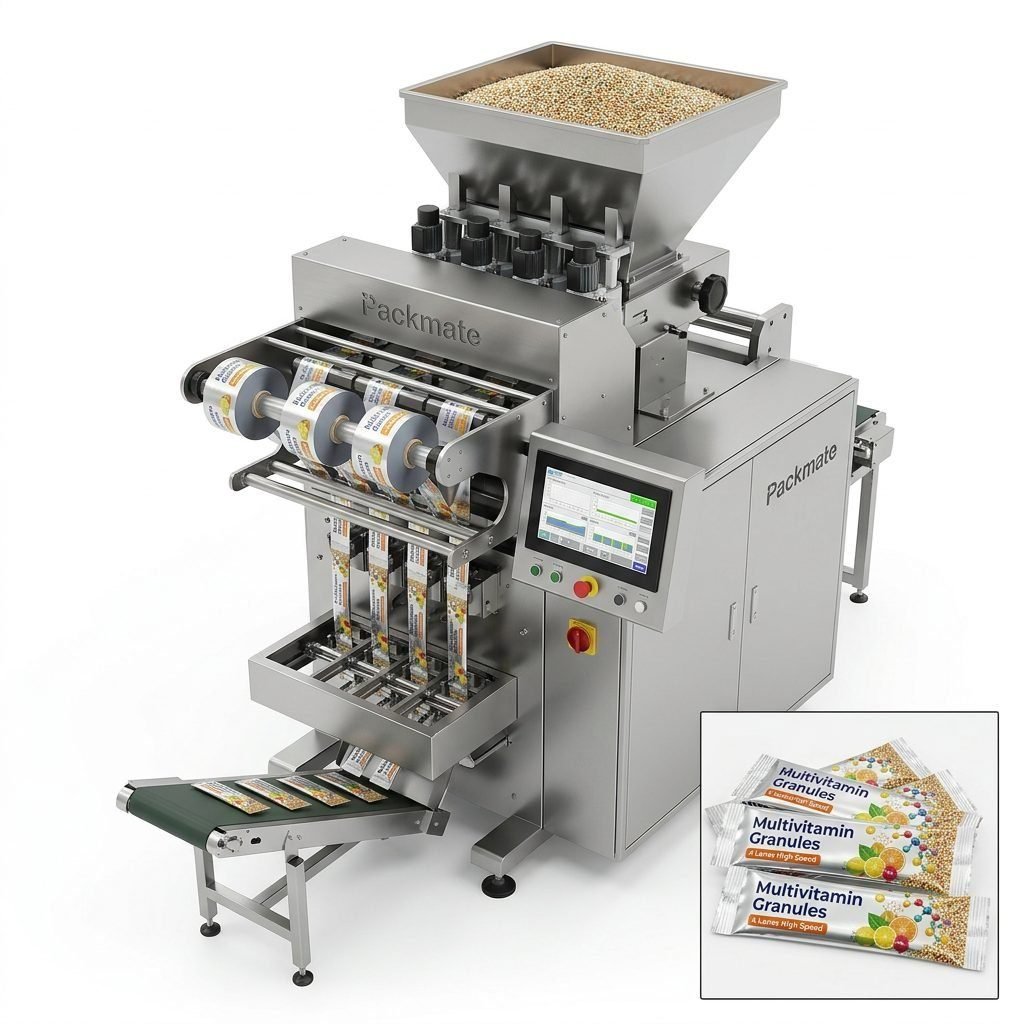
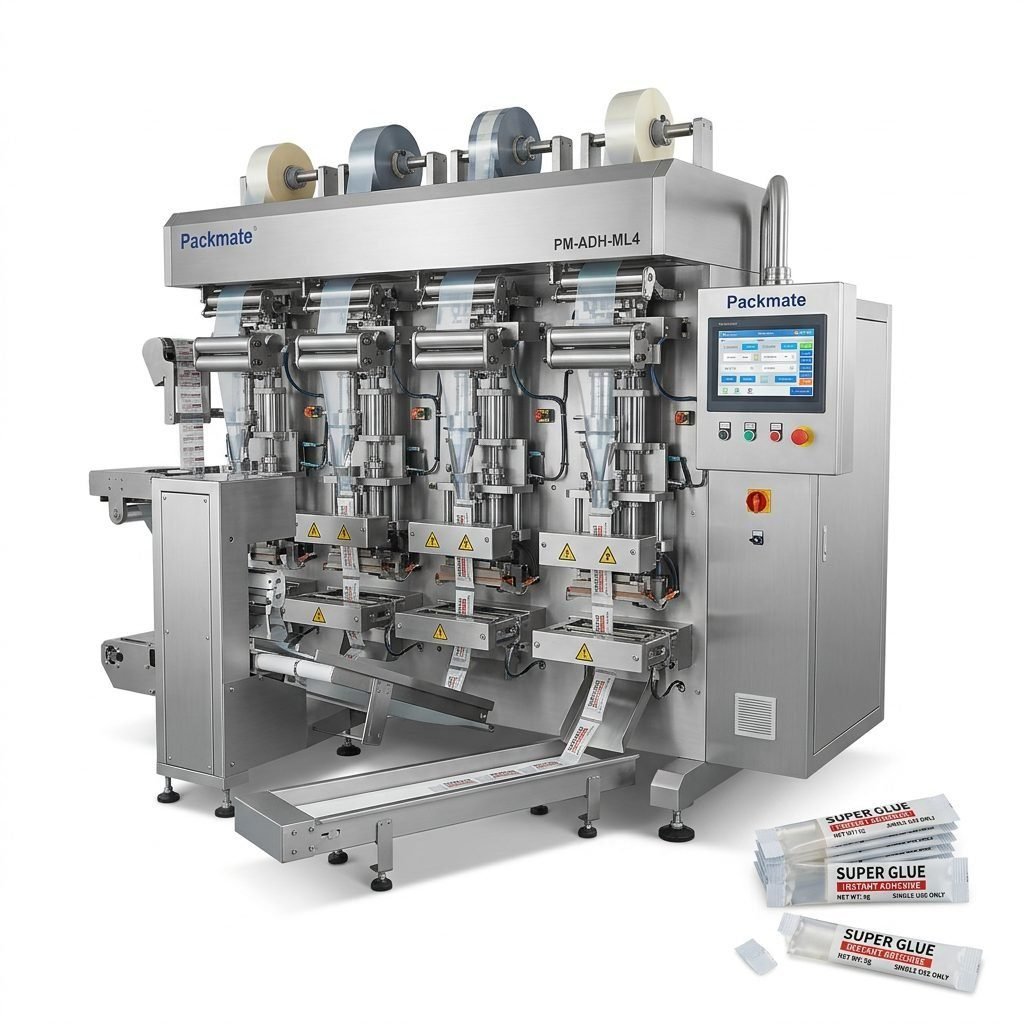
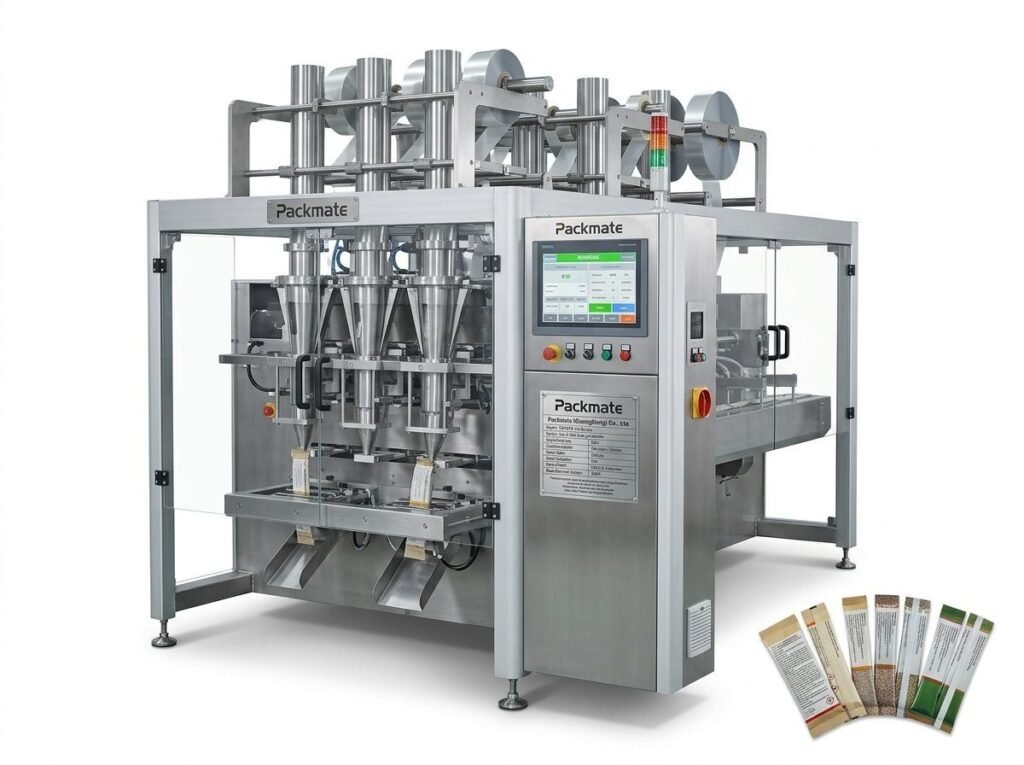
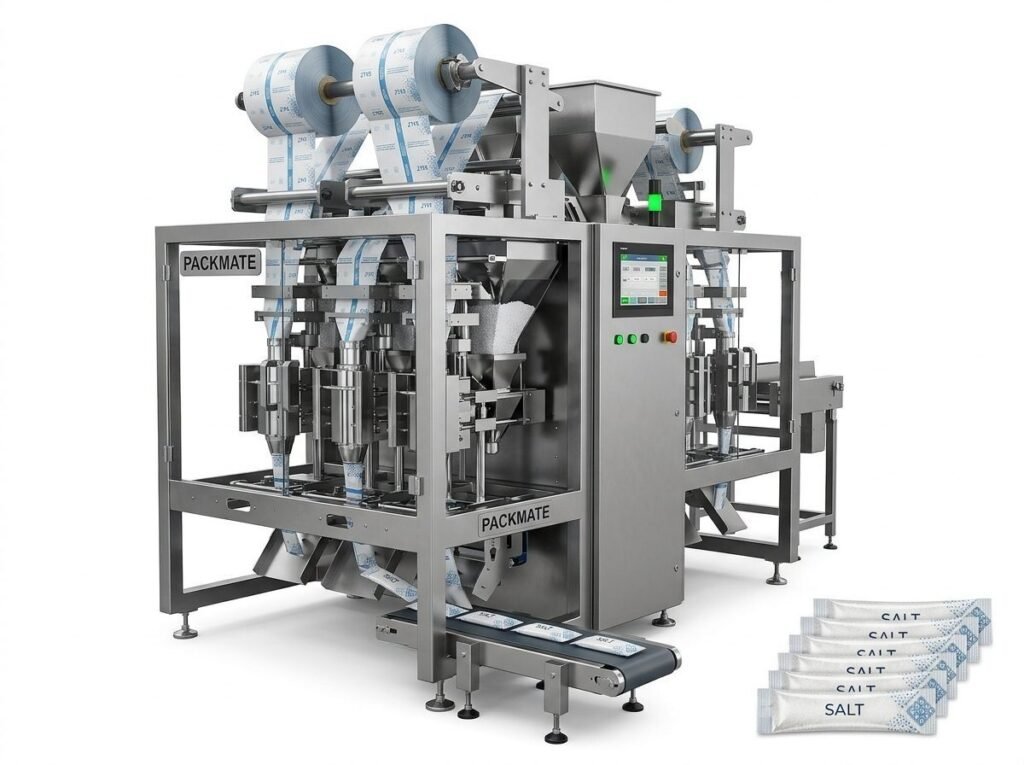
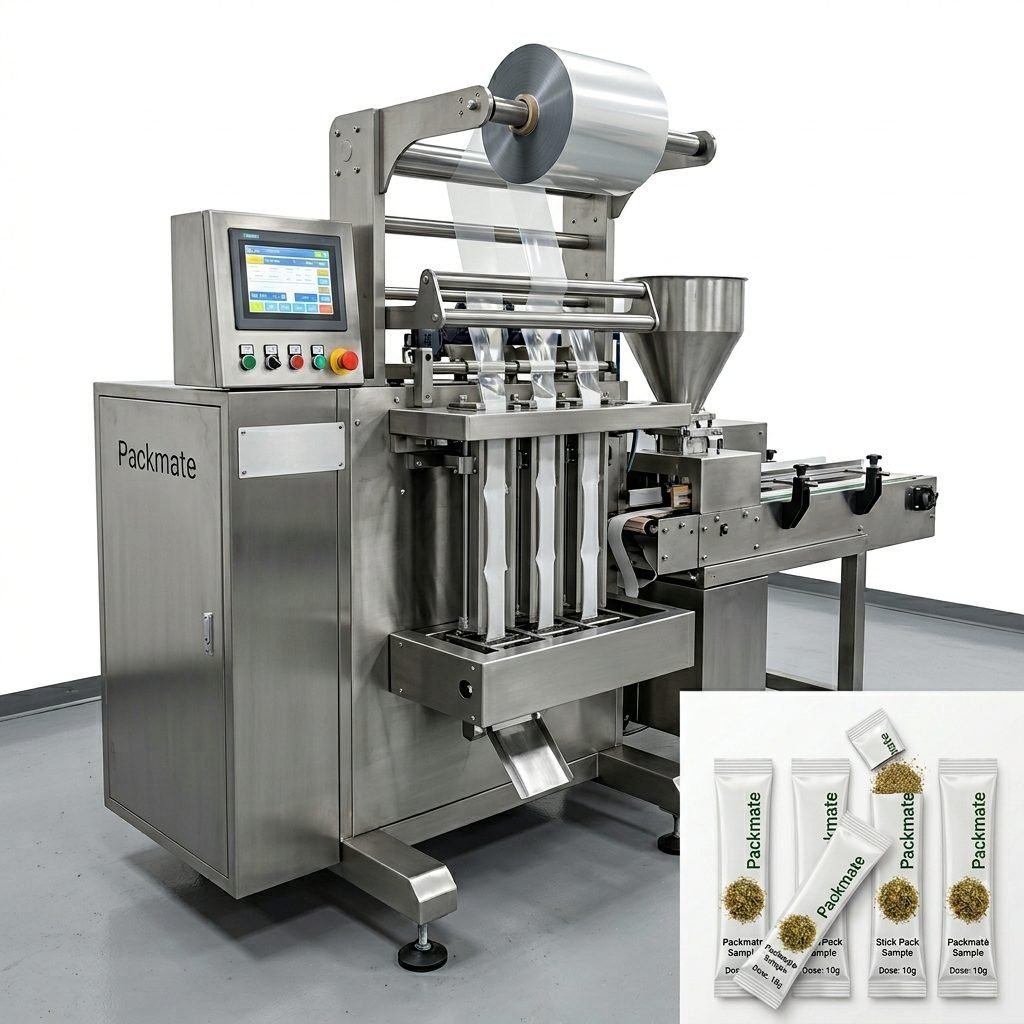
Calculate your required output in pouches per minute (PPM). Consider both current needs and projected growth. A machine like the advanced multi-lane stick pack machines can exponentially increase output for smaller portion packs. Ensure the machine’s maximum speed aligns with your targets, with some room for future scalability.
3. Evaluate Automation and Integration Level
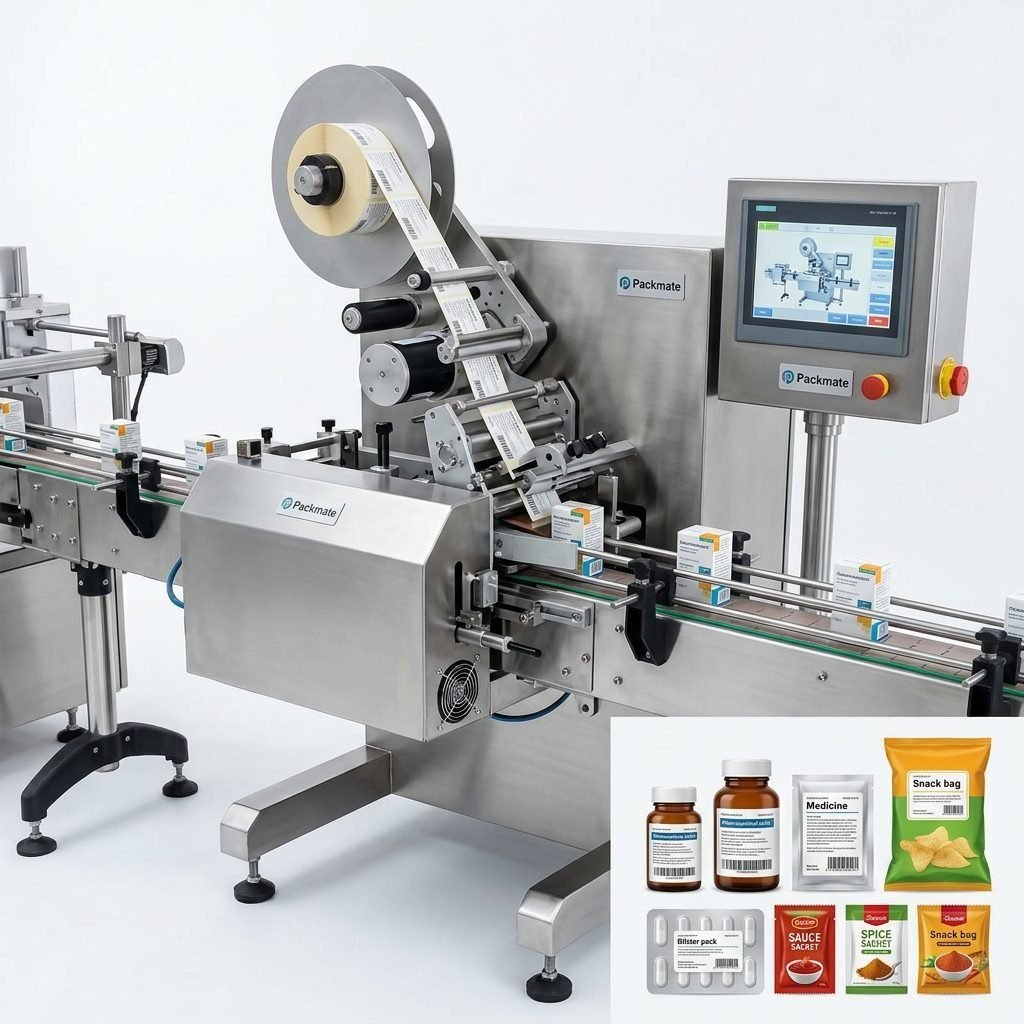
Decide on the degree of automation. A basic machine requires manual film loading and offloading. A fully integrated line can include automated film roll changers, robotic pouch collating and cartoning, and seamless integration with upstream processes like mixing or cooking and downstream processes like case packing. Consider your available labor and long-term operational strategy.
4. Assess Machine Construction and Support
Inspect the build quality. A robust, stainless-steel frame ensures longevity and stability at high speeds. The reputation and support of the manufacturer are paramount. A company with a strong track record, like Packmate Machinery, which brings over 30 years of expertise, provides not just a machine but reliable after-sales service, technical support, and readily available spare parts. Review their case studies to see real-world applications.
5. Consider Operational and Safety Features
Look for user-friendly features such as a color touchscreen HMI (Human-Machine Interface) for intuitive control, recipe storage for quick changeovers, and comprehensive diagnostic tools. Safety features like guarded access points, emergency stops, and safety interlocks are non-negotiable for protecting operators.
Best Practices for Operation and Maintenance
Proper operation and diligent maintenance are the keys to maximizing the lifespan and efficiency of your Bartelt packaging machine.
Daily Operation Procedures
Start-up Sequence: Always follow the manufacturer’s recommended start-up procedure. This typically involves powering on control systems, checking air pressure, loading film correctly onto the unwind stand, threading it properly through the forming area, and initiating a few test cycles to check seal integrity and fill weight before full production.
In-Process Monitoring: Operators should continuously monitor fill weights (using checkweighers if available), seal quality (visually and via tear tests), and pouch alignment. Any drift from specifications should be corrected immediately.
Essential Maintenance Routines
Preventive maintenance prevents costly unplanned downtime.
Daily: Clean all product contact surfaces and the machine exterior. Lubricate guide rails and chains as specified. Inspect sealing jaws for debris or damage.
Weekly/Monthly: Perform more thorough cleaning of fill systems and film paths. Check and tighten belts and fasteners. Inspect electrical connections and pneumatic filters.
Annually: Schedule a comprehensive inspection and service by a qualified technician from the manufacturer or a certified service partner. This should include calibration of scales and sensors, verification of servo motor performance, and a full system diagnostic.
Troubleshooting Common Issues
Even well-maintained machines can encounter issues. Quick identification is crucial:
- Poor Seals: Often caused by incorrect temperature, pressure, or dwell time settings on the sealing jaws. Contaminated jaws or unsuitable film can also be the culprit.
- Inaccurate Filling: Can stem from a worn auger, clogged fill nozzle, or calibration drift in the weighing system. For powders, inconsistent product density (e.g., from compaction) is a common factor.
- Film Wrinkling or Tracking Issues: Check the alignment of the unwind stand, forming shoulder, and guide rollers. Improper film tension settings are a frequent cause.
Always consult the machine’s manual first and maintain a log of any faults and solutions for future reference.
Conclusion: Investing in Long-Term Packaging Success
Selecting and operating a Bartelt packaging machine is a strategic process that extends beyond the initial purchase. It involves a deep understanding of your product, clear production goals, and a commitment to partnership with a reputable manufacturer. By following a structured selection guide and adhering to rigorous operational and maintenance protocols, you can ensure your packaging line becomes a reliable, efficient, and profitable asset for years to come. The right machine, operated correctly, is a cornerstone of modern manufacturing competitiveness.
Frequently Asked Questions (FAQs)
What types of products are best suited for Bartelt packaging machines?
Bartelt-style horizontal FFS machines are exceptionally versatile. They are ideally suited for a vast range of dry, moist, and liquid products including instant coffee, powdered milk, soup mixes, spices, granola, nuts, seeds, sauces, shampoos, and lubricants. The key is matching the product’s flow characteristics to the appropriate filling system.
How difficult is it to change over to a different pouch size?
Modern servo-driven Bartelt machines are designed for quick changeover. While it requires trained personnel, changing pouch length and width often involves entering new parameters into the HMI and making mechanical adjustments to the forming shoulder and jaw width. Complete changeovers can typically be accomplished in 30 minutes to an hour, minimizing downtime.
What is the typical lifespan of a well-maintained Bartelt packaging machine?
With proper operation, regular preventive maintenance, and timely replacement of wear parts, a high-quality Bartelt packaging machine can have an operational lifespan of 15 to 20 years or more. The robust construction of key components ensures long-term reliability.
Can these machines handle gas flushing (modified atmosphere packaging)?
Yes, many Bartelt machine configurations can be equipped with nitrogen or other gas flushing systems. This is crucial for extending the shelf life of oxygen-sensitive products like snacks, coffee, and processed meats by displacing air inside the pouch before sealing.
What kind of technical support and training can I expect from the manufacturer?
Reputable manufacturers like Packmate Machinery provide comprehensive support. This usually includes on-site installation and commissioning, detailed operator and maintenance training programs, access to technical manuals and spare parts lists, and ongoing remote or on-site technical support to troubleshoot issues and ensure continuous operation.