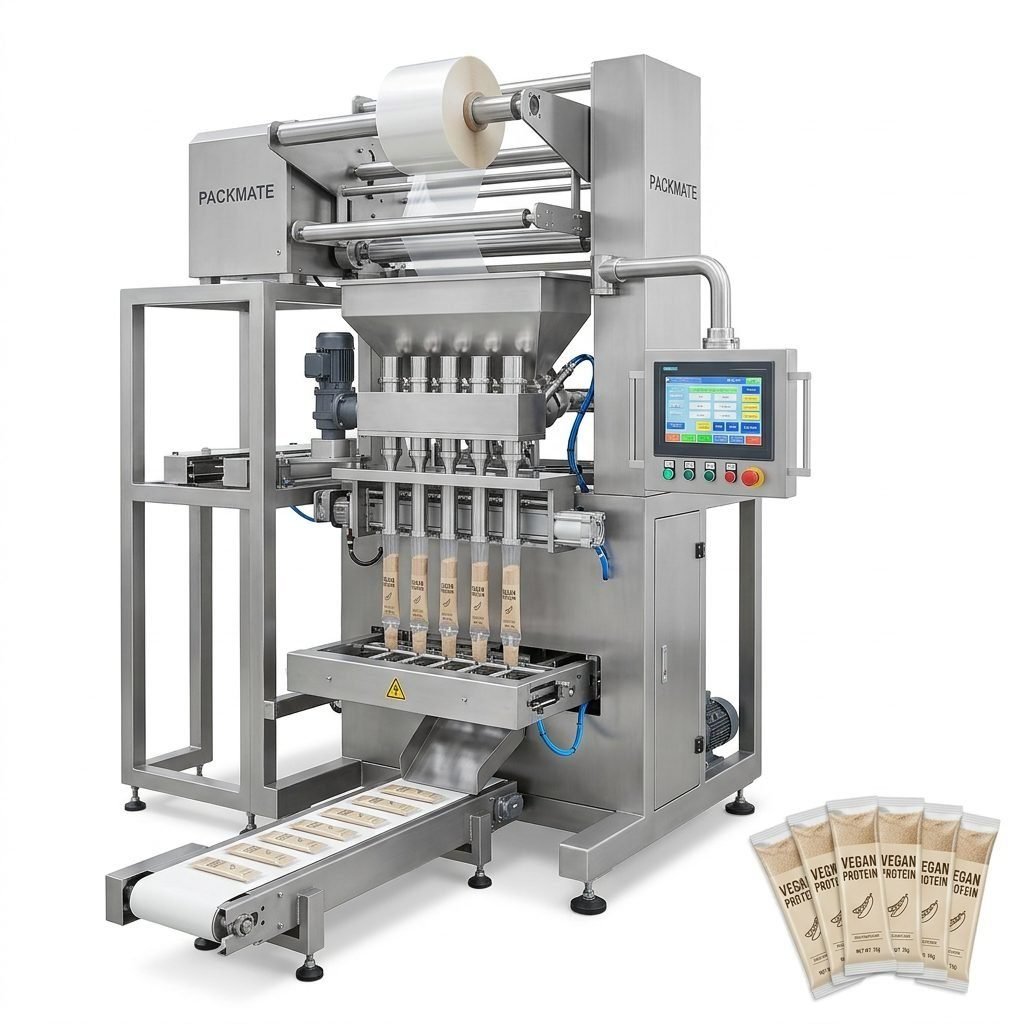
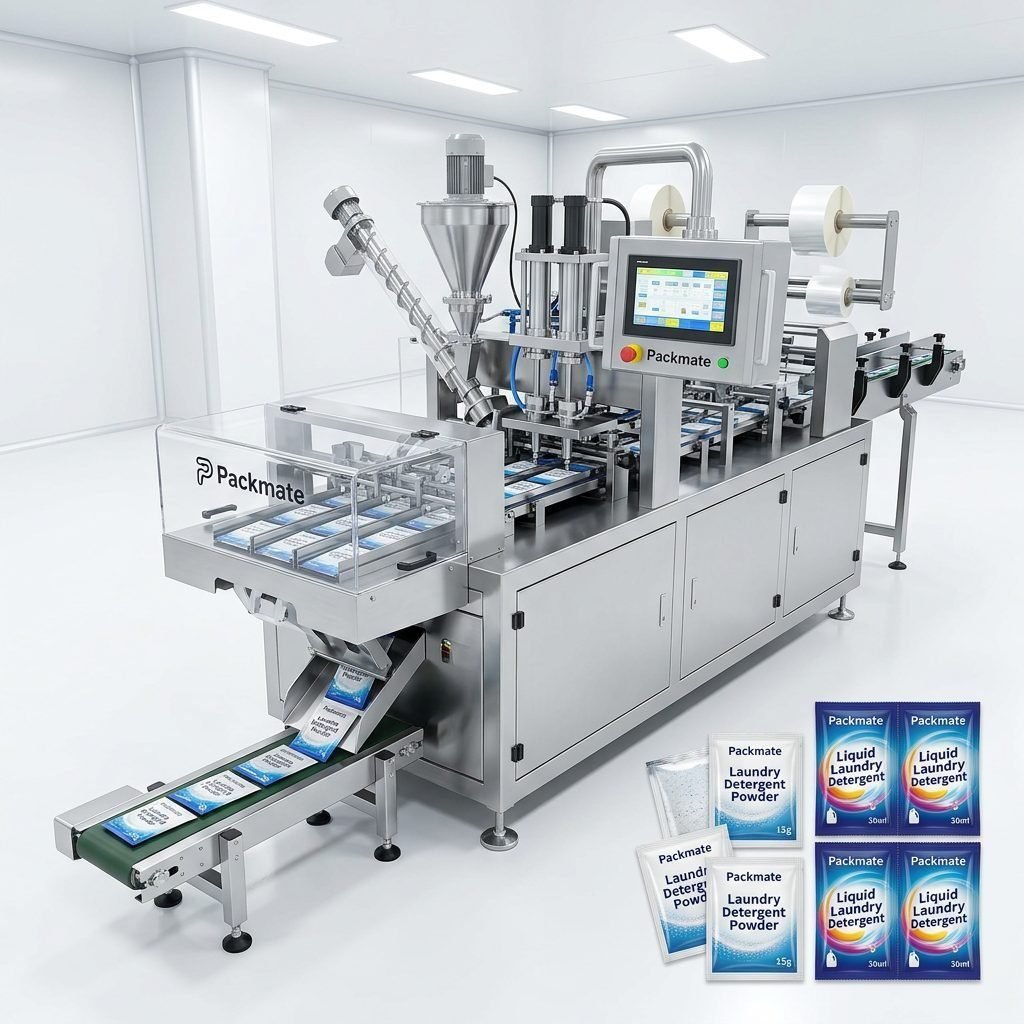
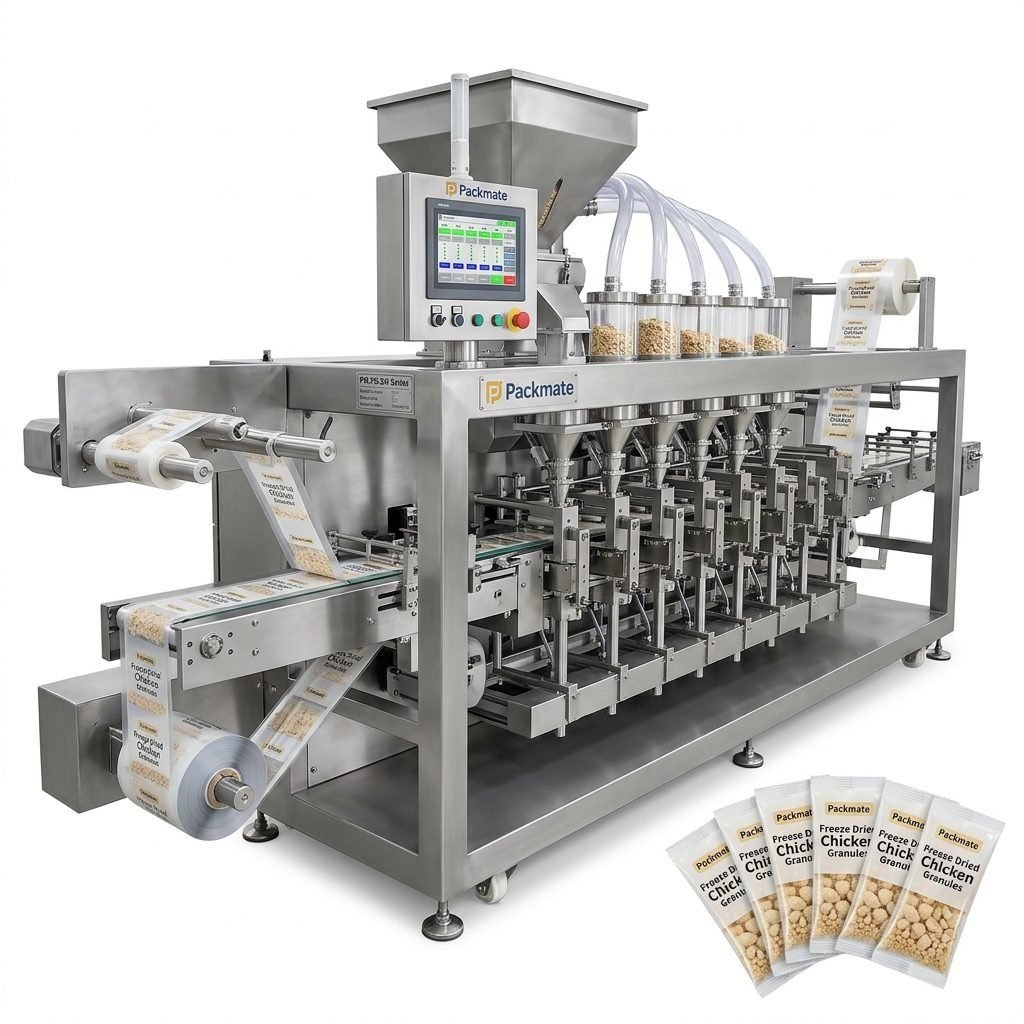
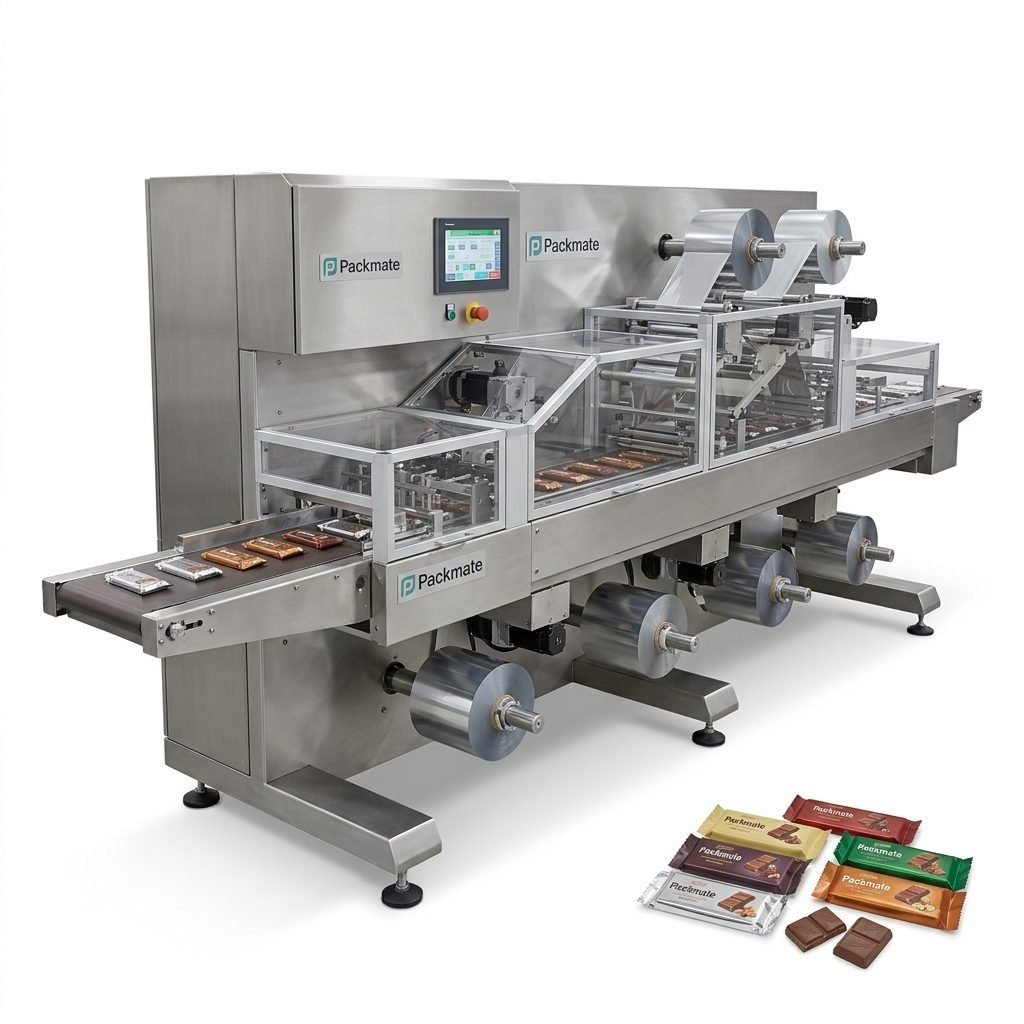
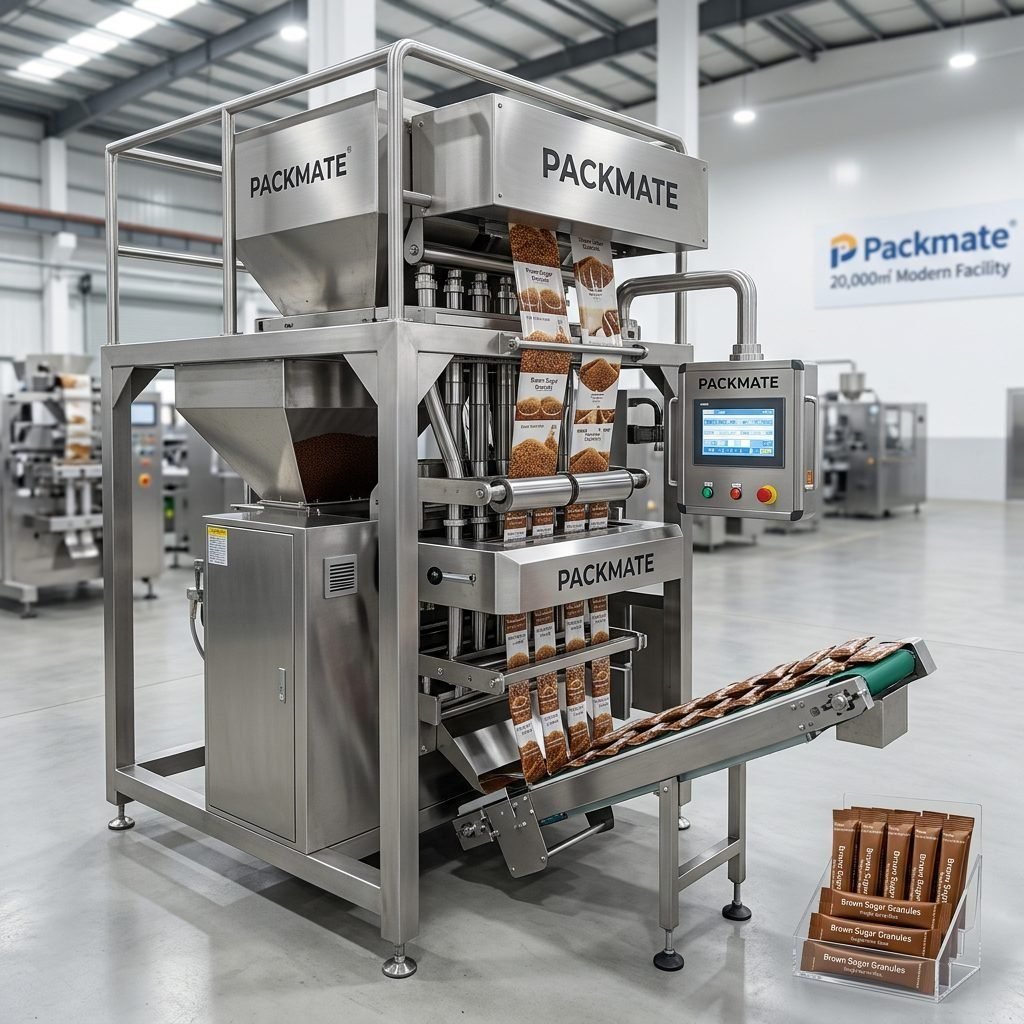
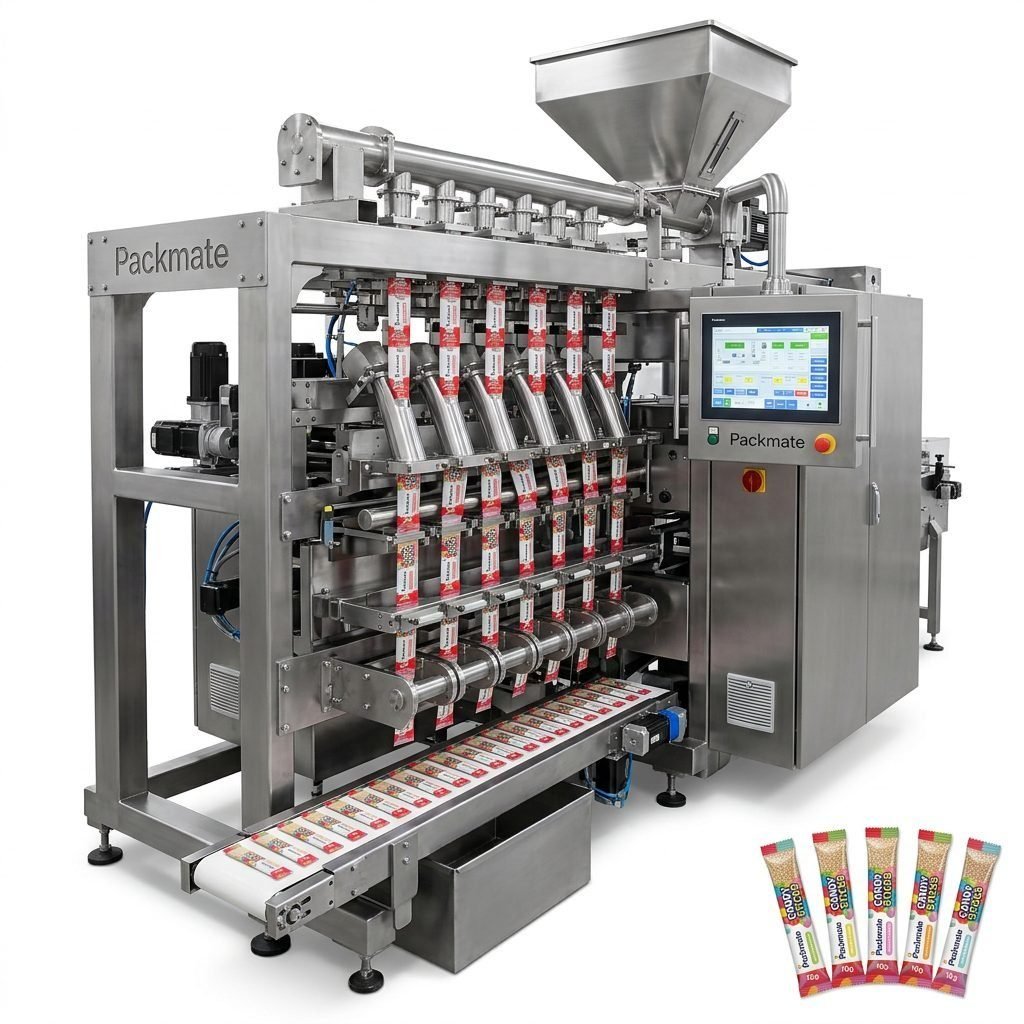
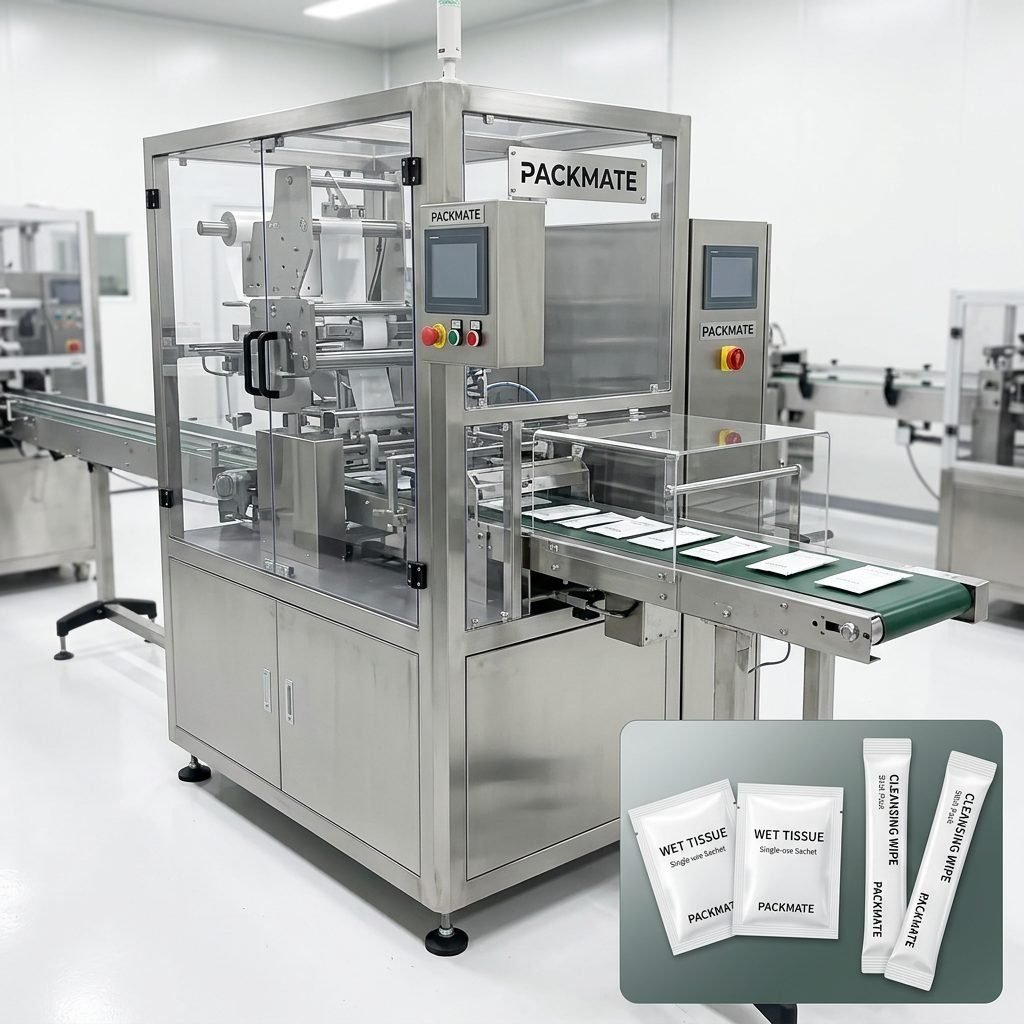
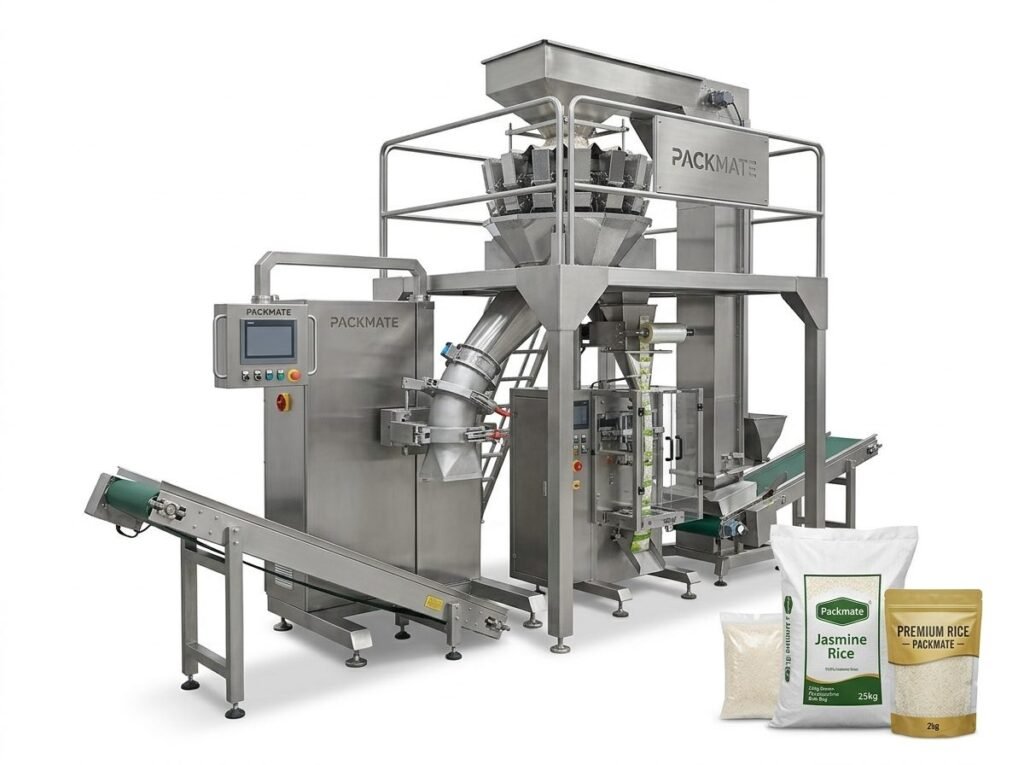
Operating a Vertical Form Fill Seal (VFFS) machine efficiently requires not just skill but also the right resources at your fingertips. A comprehensive PDF guide and manual are indispensable tools for any packaging line operator, maintenance technician, or production manager. This article serves as your central hub for understanding, accessing, and utilizing these critical documents to maximize the performance and longevity of your VFFS packaging equipment.
The Critical Role of Your VFFS Machine Manual
Think of your VFFS machine manual as the DNA of your equipment. It contains the complete blueprint for its operation, from the initial setup and daily running procedures to complex troubleshooting and preventive maintenance schedules. Relying on memory or informal notes can lead to costly errors, increased downtime, and even safety hazards. The official manual provides authoritative, step-by-step instructions that ensure consistency, quality, and safety in your packaging operations.
For a company like Packmate Machinery, with over 30 years of expertise in creating intelligent packaging solutions, the documentation that accompanies each machine is a direct reflection of their commitment to quality and customer support. Their manuals are built on decades of practical engineering knowledge, ensuring that users have a reliable partner in print.
What You’ll Find Inside a Comprehensive VFFS Guide
A well-structured VFFS manual is typically divided into several key sections, each vital for a different phase of the machine’s lifecycle:
1. Safety Instructions & Precautions: This is the most critical section. It outlines all necessary safety measures, including emergency stop procedures, lockout/tagout protocols, and warnings about specific hazards associated with mechanical, electrical, and pneumatic components.
2. Installation & Commissioning: Detailed guidelines for unpacking, placing, and leveling the machine. It includes requirements for electrical connections, compressed air supply, and integration with upstream and downstream equipment like weighing systems.
3. Operational Procedures: Step-by-step instructions for starting up, shutting down, and running the machine. This covers film loading, forming tube adjustment, sealing parameter settings (temperature, pressure, time), and product filling setup.
4. Control Panel & HMI Navigation: A breakdown of the Human-Machine Interface (HMI), explaining the function of each screen, parameter, and setting. This is essential for optimizing bag length, sealing time, and production speed.
Furthermore, manuals include comprehensive maintenance checklists for daily, weekly, and monthly tasks, such as lubricating chains, inspecting sealing jaws, and cleaning product contact surfaces. The troubleshooting section is a lifeline during production issues, offering a structured approach to diagnosing and resolving common problems like film tracking errors, weak seals, or inaccurate fills.
How to Access and Download Your VFFS PDF Resources
In today’s digital age, accessing your machine’s manual should be straightforward. Reputable manufacturers provide these documents in downloadable PDF format through various channels. The most common and reliable source is the official manufacturer’s website. Look for a “Support,” “Resources,” or “Downloads” section.
For instance, a company with a robust digital presence like Packmate Machinery would typically host these resources online, allowing customers to easily find documentation for their specific sachet and stick pack machines or other equipment models. Always ensure you download the manual corresponding to your machine’s exact model number and serial number, as specifications can change between production runs.
Pro Tip: Organizing Your Digital Manuals
Once downloaded, don’t let the PDF get lost on your computer. Create a dedicated folder for your packaging line documentation. Name files clearly (e.g., “ModelXYZ_VFFS_Operator_Manual_Rev2.pdf”). Consider printing a physical copy of the safety and critical troubleshooting pages to keep near the machine for immediate reference, while storing the full digital version for detailed searches and updates.
Beyond the Manual: Maximizing Machine Uptime
While the manual is your primary guide, truly mastering your VFFS machine involves a combination of resources. Pair the technical information from the guide with hands-on training from the supplier. Many manufacturers, including those offering complete filling and packaging lines, provide on-site or virtual training sessions to deepen your team’s operational knowledge.
Regularly scheduled preventive maintenance, as dictated by the manual, is non-negotiable for avoiding unplanned stoppages. Keep a logbook with the machine to record any issues, adjustments made, and parts replaced. This history becomes invaluable for diagnosing recurring problems and planning future maintenance. Finally, ensure you are using genuine OEM spare parts recommended in the manual to guarantee compatibility and maintain machine warranty and performance standards.
Frequently Asked Questions (FAQ)
Q1: I’ve lost my physical manual. How can I get a PDF copy?
A: Contact the machine manufacturer directly via their official website’s contact page. Provide your machine’s model and serial number. Most manufacturers have a support portal where you can register your equipment and download digital manuals. You can also check their online resource center if available.
Q2: Are the manuals available in languages other than English?
A: This depends on the manufacturer and their market reach. International manufacturers often provide manuals in multiple languages. Check the download section of their website for alternative language options. If not available, you may request a translation or use the English version alongside translation tools for key operational and safety sections.
Q3: My manual doesn’t cover a specific error code I’m seeing. What should I do?
A: First, check if there is a revised or updated version of the manual on the manufacturer’s website. If the error is not listed, document the exact code and the machine’s behavior. Contact the manufacturer’s technical support with these details, along with your machine’s serial number. They can provide the most accurate diagnostic steps and solutions.
Q4: How often should I refer to the manual for routine operations?
A: For daily startup and shutdown procedures, operators should be thoroughly trained until the process is memorized. However, the manual should always be accessible for reference, especially when changing product types, packaging materials, or performing less frequent tasks like mechanical adjustments. It is a living document, not a one-time read.
Q5: Can I perform maintenance myself using only the manual?
A: The manual provides instructions for basic, user-performed maintenance (e.g., cleaning, lubrication, simple part replacements). For more complex mechanical overhauls, electrical work, or software updates, it is strongly recommended to involve qualified technicians from the manufacturer or authorized service partners to ensure safety and prevent voiding warranties.