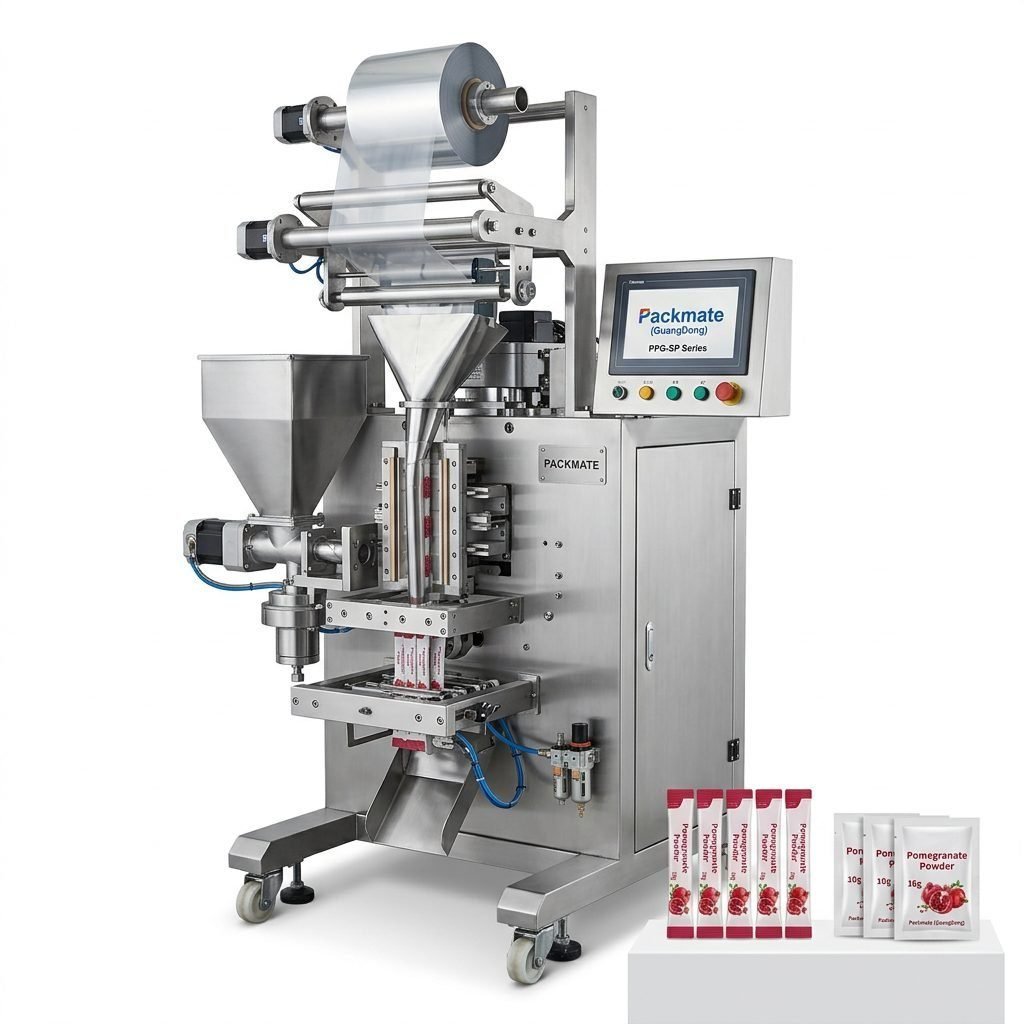
The pet food industry is experiencing remarkable growth, with cat snacks being a particularly vibrant segment. As demand for convenient, hygienic, and appealing treats rises, the role of specialized packaging machinery becomes paramount. Choosing the right cat snacks packaging machine is not just about automation; it’s about ensuring product freshness, maintaining brand consistency, and meeting the high standards of today’s pet owners. This guide delves into the types, key features, and essential buying considerations to help you make an informed investment.
Primary Types of Cat Snacks Packaging Machines
Understanding the different machine types is the first step in selecting equipment that matches your product format and production goals.
Vertical Form-Fill-Seal (VFFS) Machines
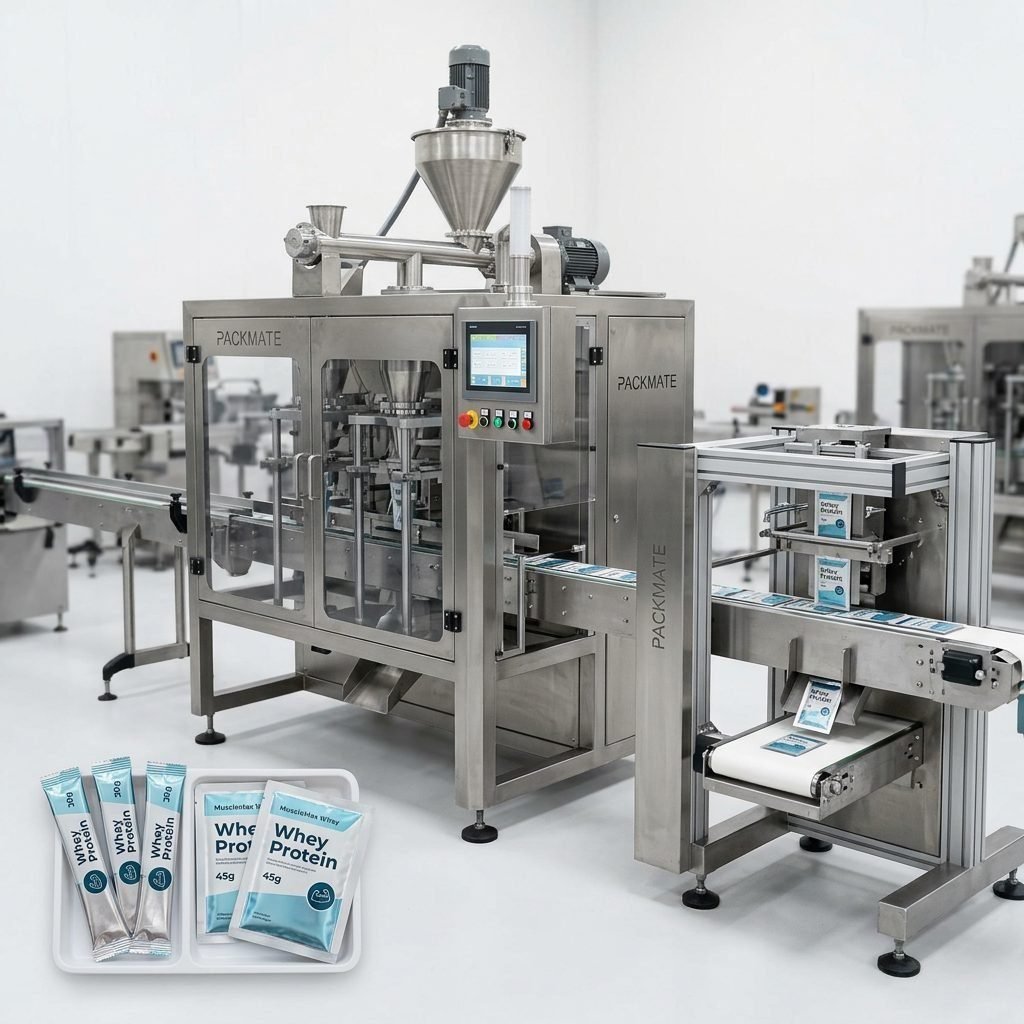
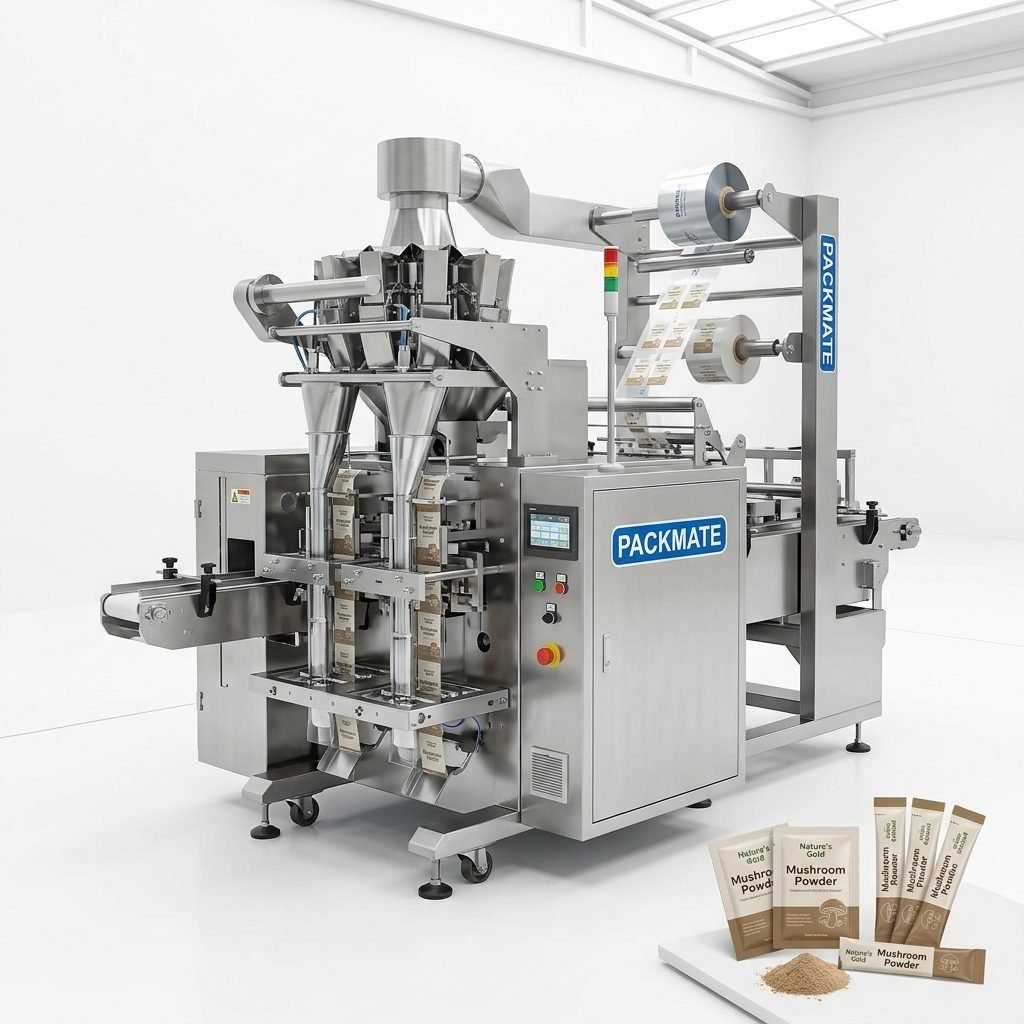
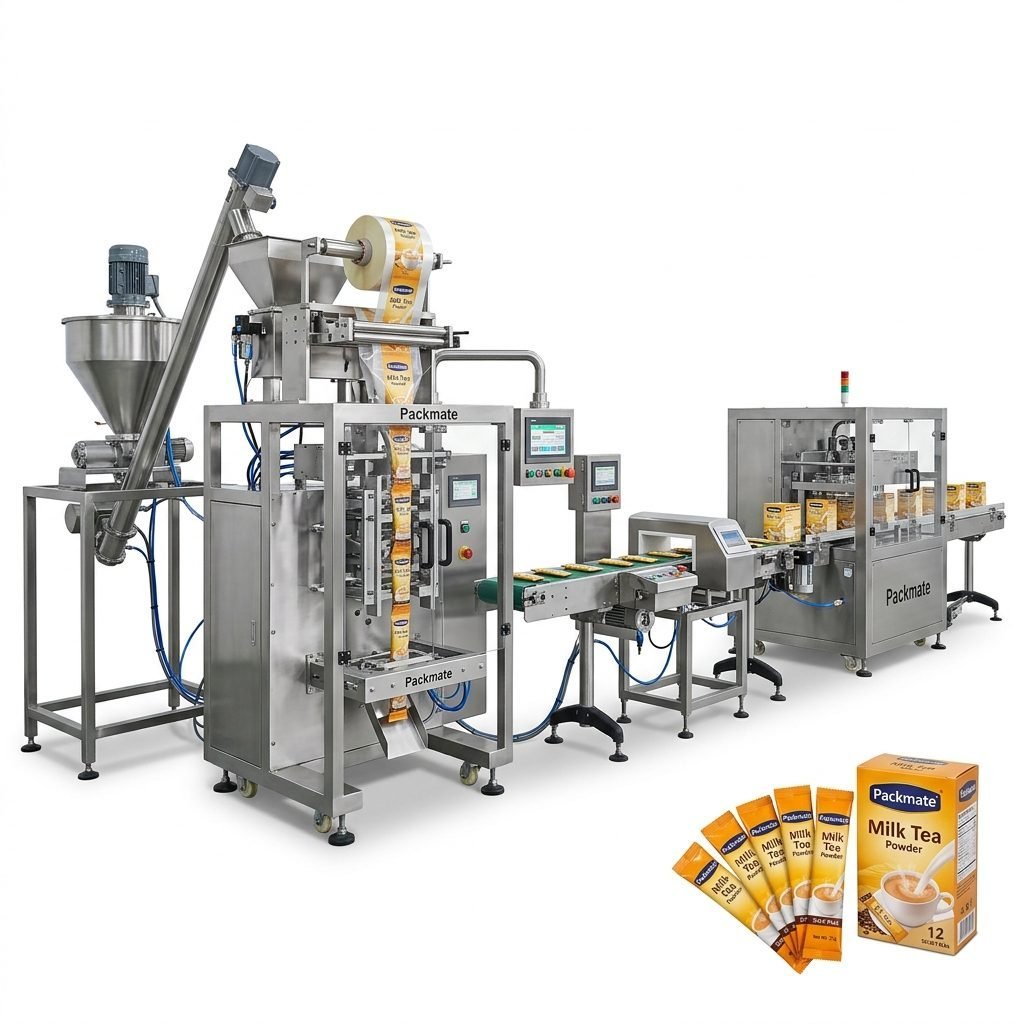
These are the workhorses of the industry for packaging loose, granular, or small-piece snacks like kibble or freeze-dried bits. The machine forms a bag from a roll of film, fills it with the precise weight of product, and seals it—all in a continuous vertical motion. They are highly versatile and efficient for high-volume production runs of stand-up pouches or pillow bags.
Best For:
Loose dry treats, kibble toppers, and small crunchy snacks. They are ideal for brands looking for cost-effective, flexible packaging with quick changeover between bag sizes.
Horizontal Flow Wrappers
If your cat snacks are individual bars, bites, or sticks, horizontal flow wrappers are the standard choice. The product is placed on a sheet of film, which is then wrapped around it and sealed at the ends and along a longitudinal fin seal. This creates a tight, tamper-evident, and highly protective package that preserves moisture and flavor.
Sachet and Stick Pack Machines
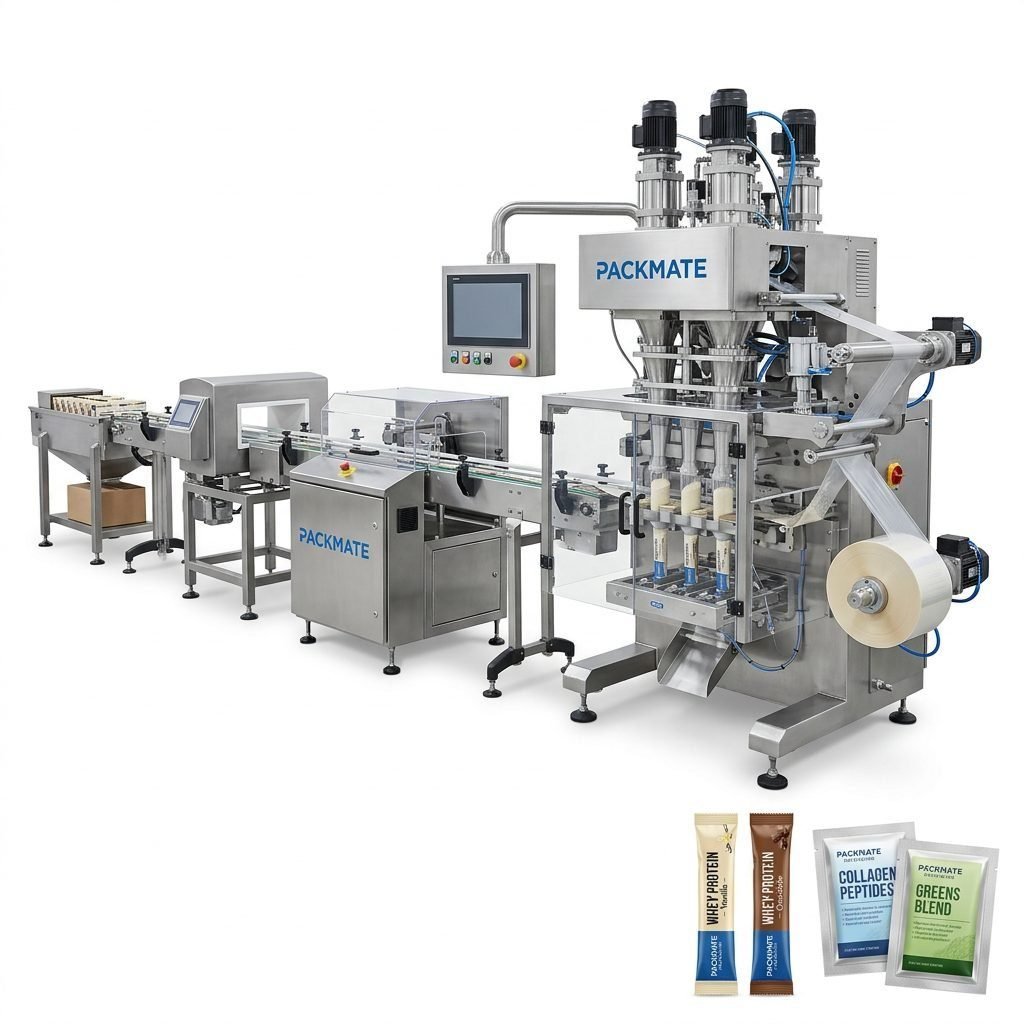
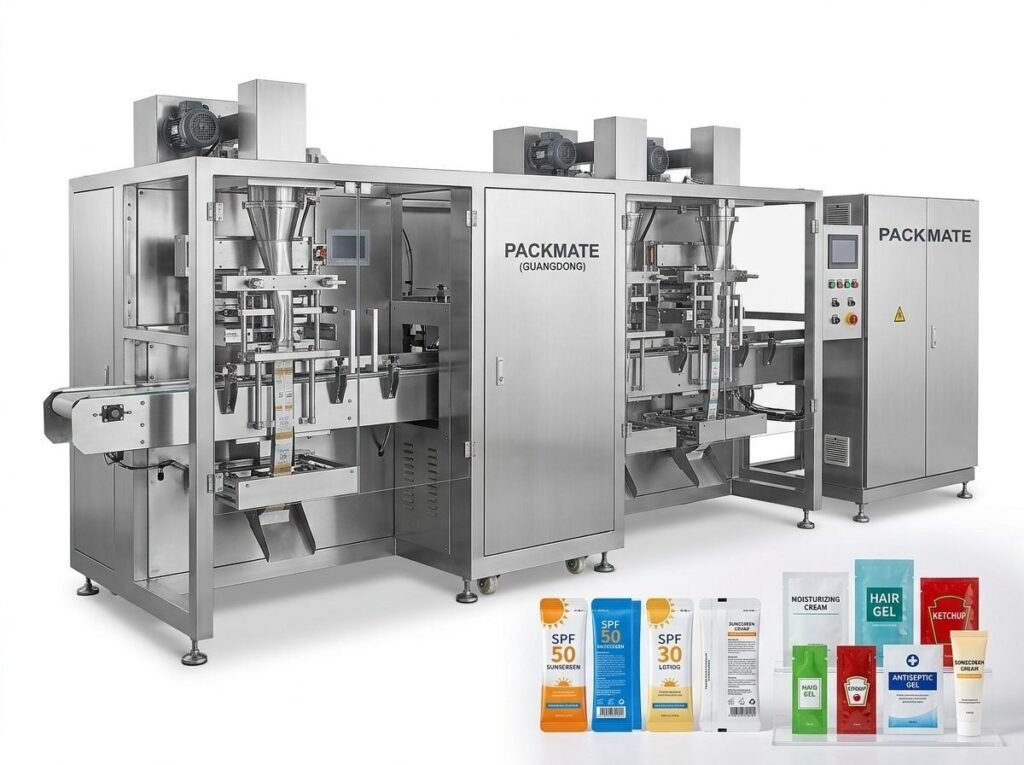
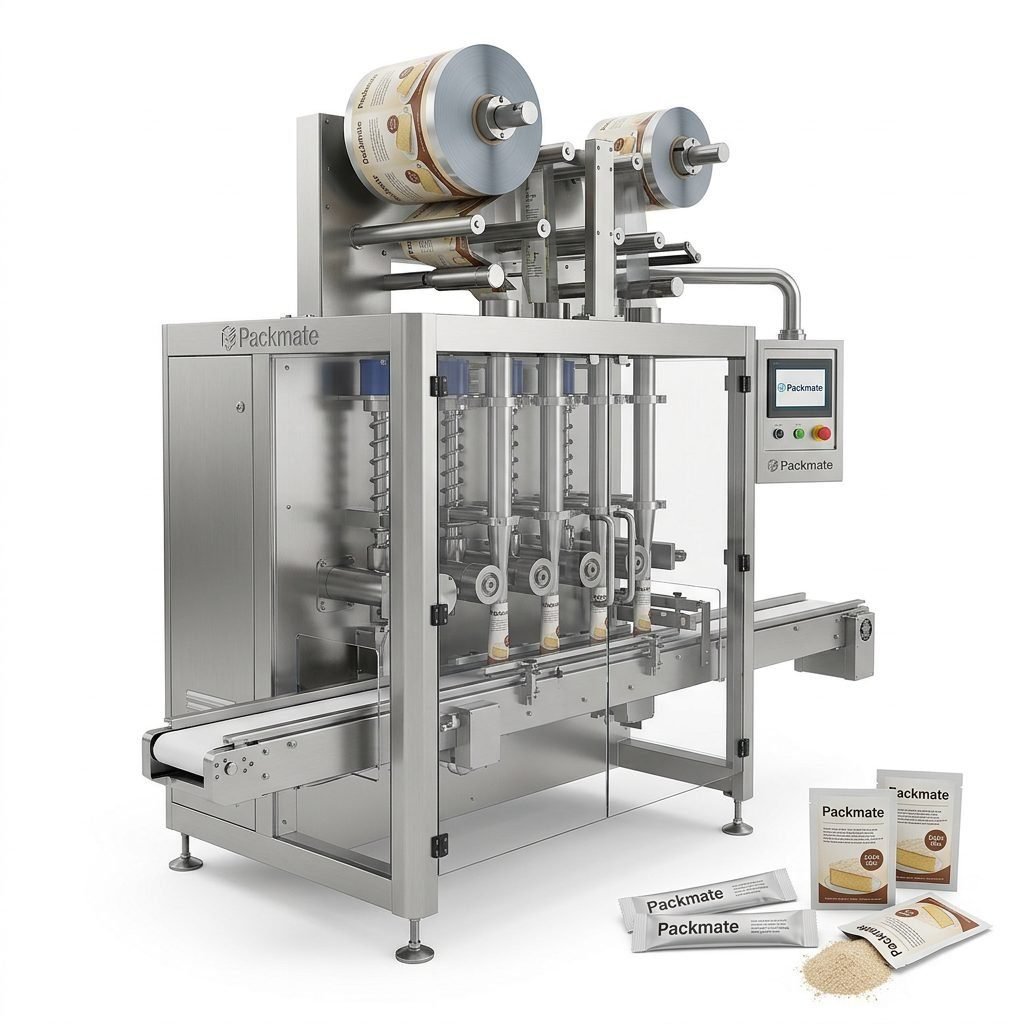
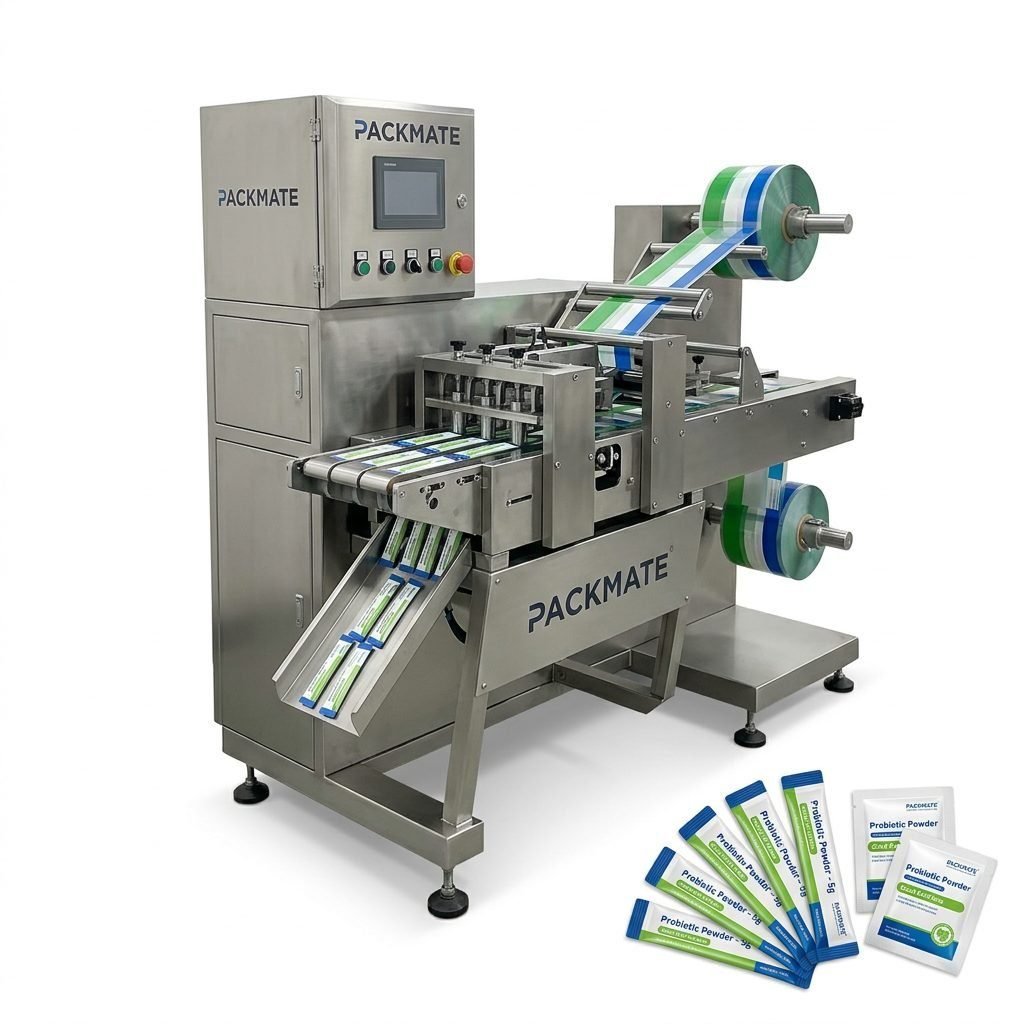
For liquid or semi-liquid treats like purees, gels, or powdered supplements, sachet (small flat pouches) and stick pack (long, narrow tubes) machines are perfect. They handle viscous products cleanly and create portion-controlled, single-serve packages. Multi-lane versions from manufacturers like Packmate Machinery can dramatically increase output, making them suitable for both niche and mass-market products.
Essential Features to Prioritize
Beyond the basic type, several features critically impact performance, hygiene, and return on investment.
1. Precision Weighing and Filling Systems
Accuracy is non-negotiable. Look for machines with advanced multi-head weighers or auger filler systems that ensure every package meets the declared net weight, complying with regulations and avoiding product giveaways. For sticky or oily snacks, specialized auger designs are crucial to prevent clogging and ensure consistent fill.
2. Material Compatibility and Sealing Integrity
The machine must handle the specific laminates or films required for cat snacks. These often include high-barrier materials to lock out oxygen and moisture, preserving crunchiness and preventing spoilage. A robust sealing system—whether thermal, ultrasonic, or impulse—must create strong, airtight, and leak-proof seals every time, even through potential product contamination on the seal area.
3. Hygiene and Cleanability Design
Food-grade standards are mandatory. Machines should feature stainless steel contact surfaces, smooth, crevice-free designs, and easy disassembly for cleaning and sanitation (CIP/SIP systems are a major plus). This prevents cross-contamination and meets stringent global food safety protocols.
4. Automation and Control Sophistication
Modern machines are defined by their brains. A user-friendly PLC-based HMI (Human-Machine Interface) allows for easy recipe storage, quick changeovers, and real-time monitoring of production speed, efficiency, and error logs. Integration capabilities with upstream feeders and downstream auxiliary packaging equipment like checkweighers or case packers are essential for a seamless line.
5. Speed, Flexibility, and Changeover
Match the machine’s speed (packages per minute) to your current and forecasted demand. More importantly, assess changeover time between different snack shapes or package sizes. Machines with tool-less or quick-change mechanisms minimize downtime, making short runs of specialized treats economically viable.
Comprehensive Buying Guide: Key Considerations
Selecting a machine is a strategic decision. Follow this structured approach to evaluate your options.
Step 1: Define Your Product and Output Requirements
Start with clarity. What is the exact physical form (size, shape, moisture content) of your snack? What is your target package style (pouch, stick pack, flow wrap)? Most critically, calculate your required average and peak production speeds in packs per minute or hour. This will narrow down the machine type and size category immediately.
Step 2: Evaluate Machine Quality and Supplier Reputation
Never compromise on build quality. Inspect the robustness of the frame, the grade of components (servo motors, sensors, guides), and the quality of welding and finish. The manufacturer’s reputation is equally important. A company with a long history, like Packmate (GuangDong) Co., Ltd., which brings over 30 years of expertise, typically offers more reliable machines and comprehensive support. Review their case studies and client testimonials, particularly from other pet food producers.
Step 3: Analyze Total Cost of Ownership (TCO)
Look beyond the initial purchase price. Consider:
• Operational Costs: Energy consumption, compressed air needs, and film waste.
• Maintenance Costs: Availability and cost of spare parts, recommended service intervals.
• Downtime Cost: A slightly more expensive but far more reliable machine often has a lower TCO than a cheaper, problematic one.
Step 4: Insist on Testing and After-Sales Support
Always request a live product test using your actual snack and packaging material. This is the only way to verify performance claims. Scrutinize the supplier’s after-sales service: What is the warranty period? How quickly can they deploy service engineers? Do they offer comprehensive operator training and remote troubleshooting support? A strong service network is invaluable.
Step 5: Plan for Future-Proofing
Think about scalability. Can the machine be upgraded or integrated into a full filling and packaging line in the future? Does the supplier offer a range of related equipment for future expansion? Investing in a modular system from a full-solution provider protects your investment as your brand grows.
Frequently Asked Questions (FAQs)
1. What is the typical production speed range for a cat snack packaging machine?
Speeds vary widely by machine type. Vertical pouch machines can range from 40 to 200+ bags per minute. Horizontal flow wrappers typically run between 100 to 400 packs per minute. Multi-lane sachet machines can achieve very high outputs, from 500 to over 2,000 sachets per minute. The key is to choose a speed that matches your volume with some room for growth.
2. How do I ensure the packaging keeps my cat snacks fresh?
Freshness depends on a combination of the right high-barrier packaging material (selected for your product’s specific needs) and a machine that can consistently create perfect, airtight seals. During your machine test, conduct shelf-life trials with the proposed material and machine settings to validate performance.
3. Can one machine handle different shapes and sizes of cat snacks?
Many machines offer good flexibility, but with limits. Changeover between vastly different products (e.g., from small kibble to a meat stick) usually requires changing parts like forming tubes, augers, or sealing jaws. Look for machines advertised with “quick changeover” features and always verify the time and complexity involved during a demonstration.
4. What are the most important safety and certification standards?
Machines should comply with international standards like CE (for Europe) or UL/cUL (for North America), ensuring electrical and mechanical safety. For hygiene, designs should conform to food-grade requirements, often verified by the machine builder’s compliance with hygiene design principles, though specific food safety certifications are typically for the production facility, not the machine itself.
5. Is operator training difficult for these machines?
Modern machines with intuitive touchscreen controls have simplified operation significantly. However, effective training on routine operation, changeover procedures, basic troubleshooting, and cleaning protocols is essential for maximizing efficiency and machine lifespan. Reputable suppliers always include comprehensive training as part of the installation and commissioning process.