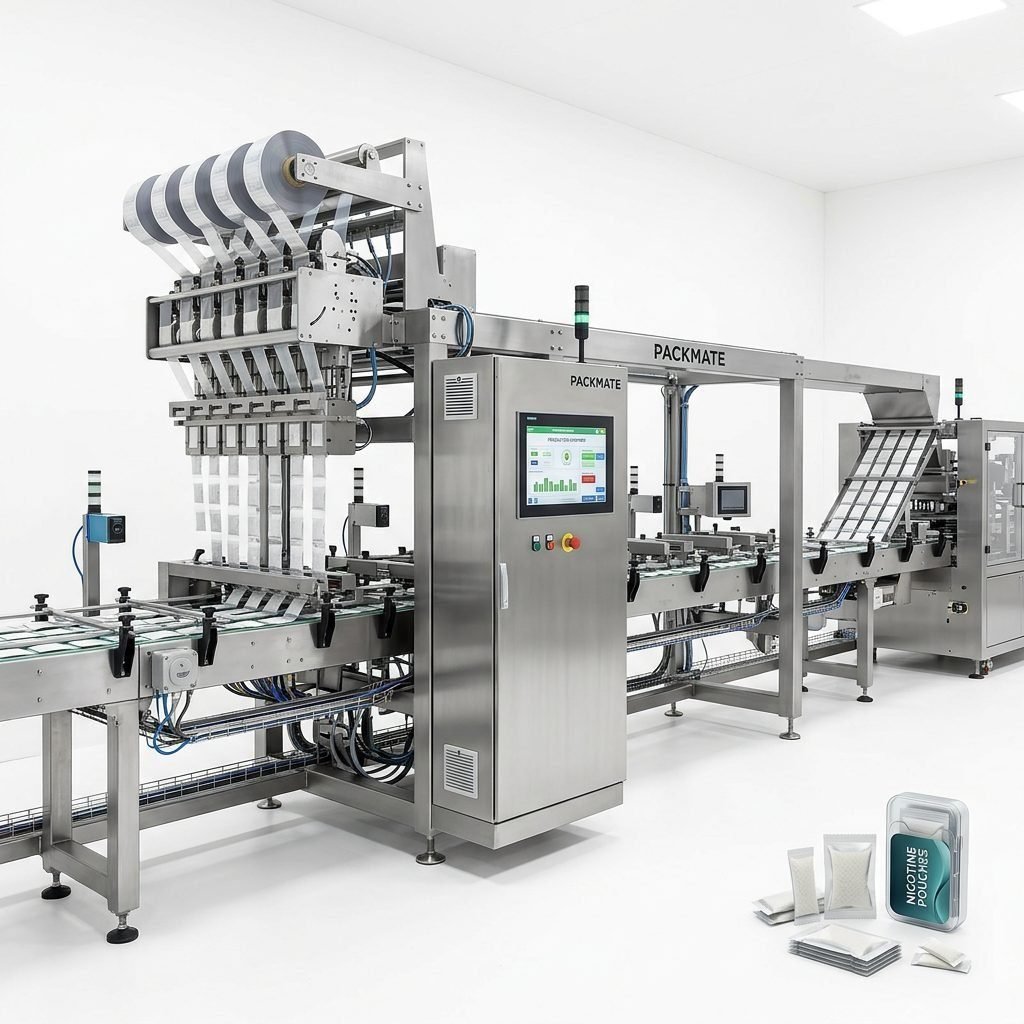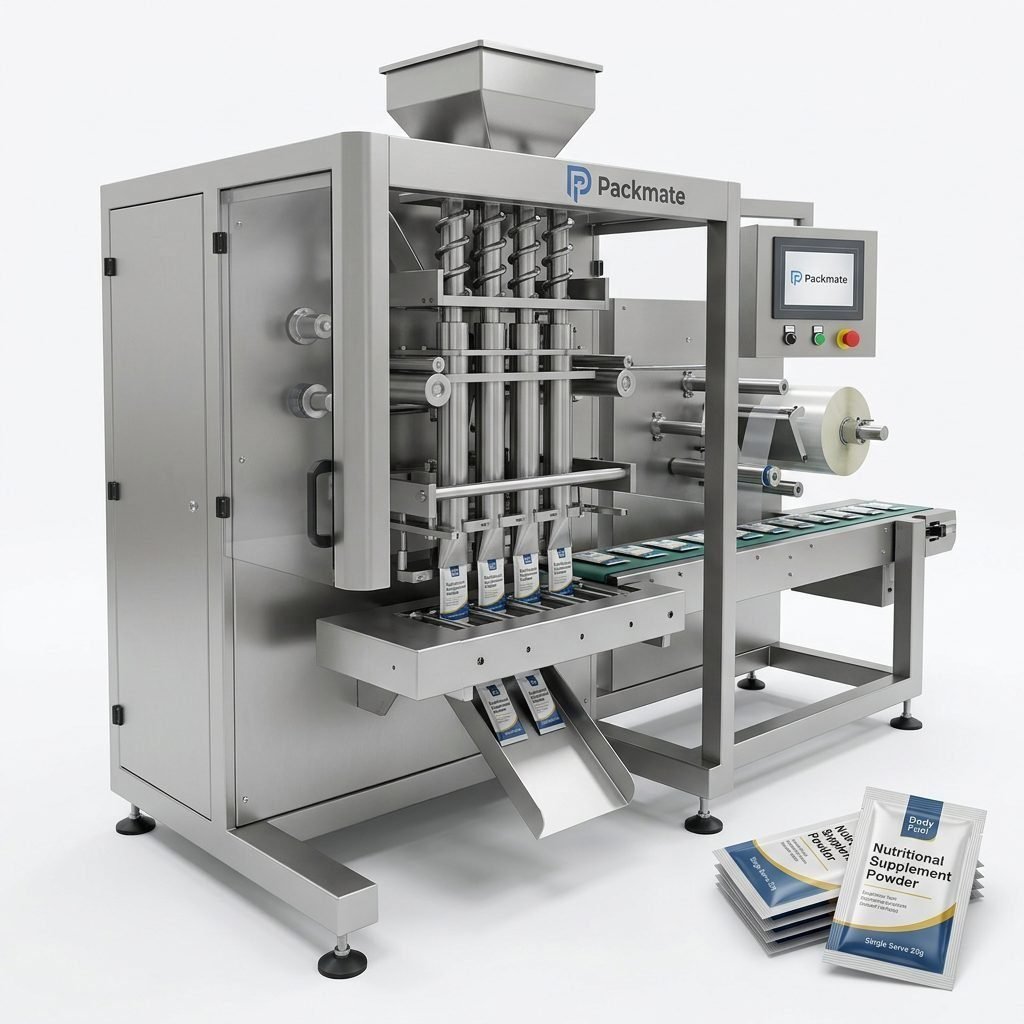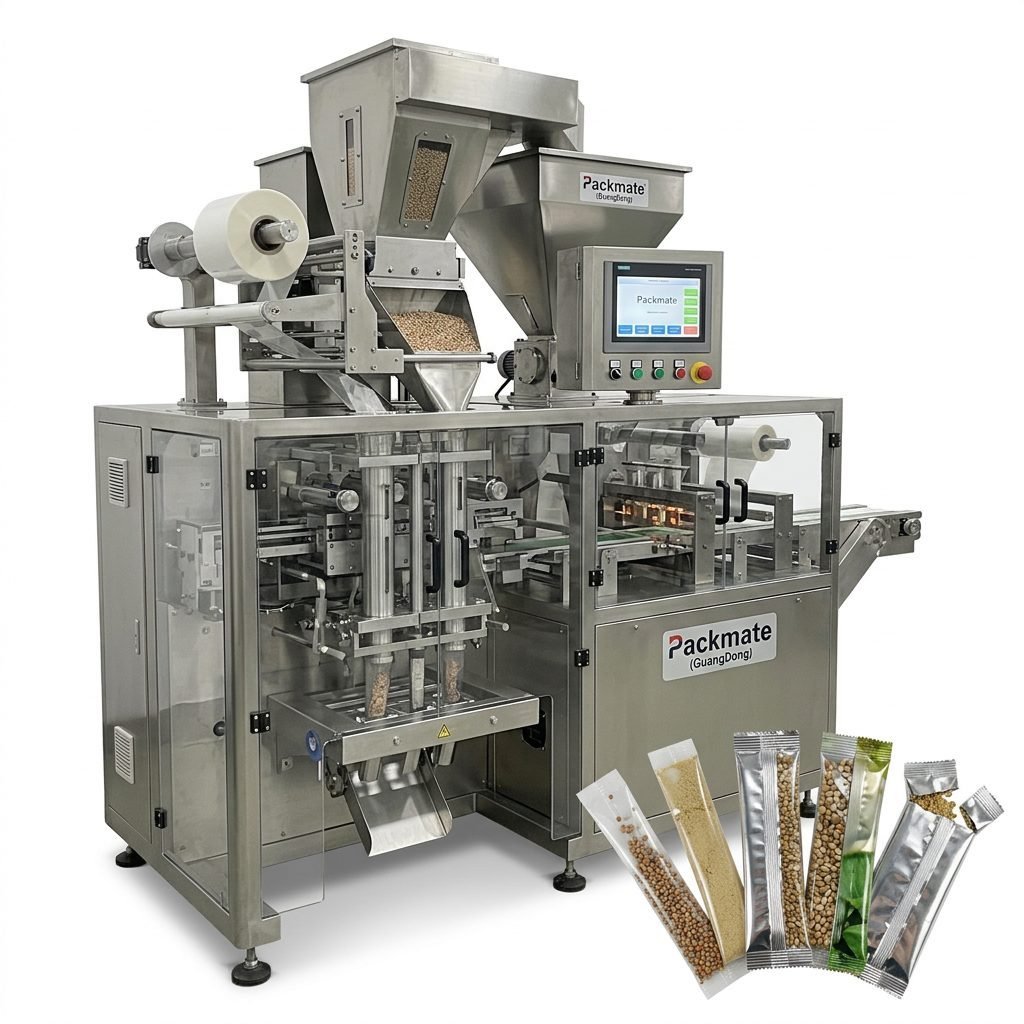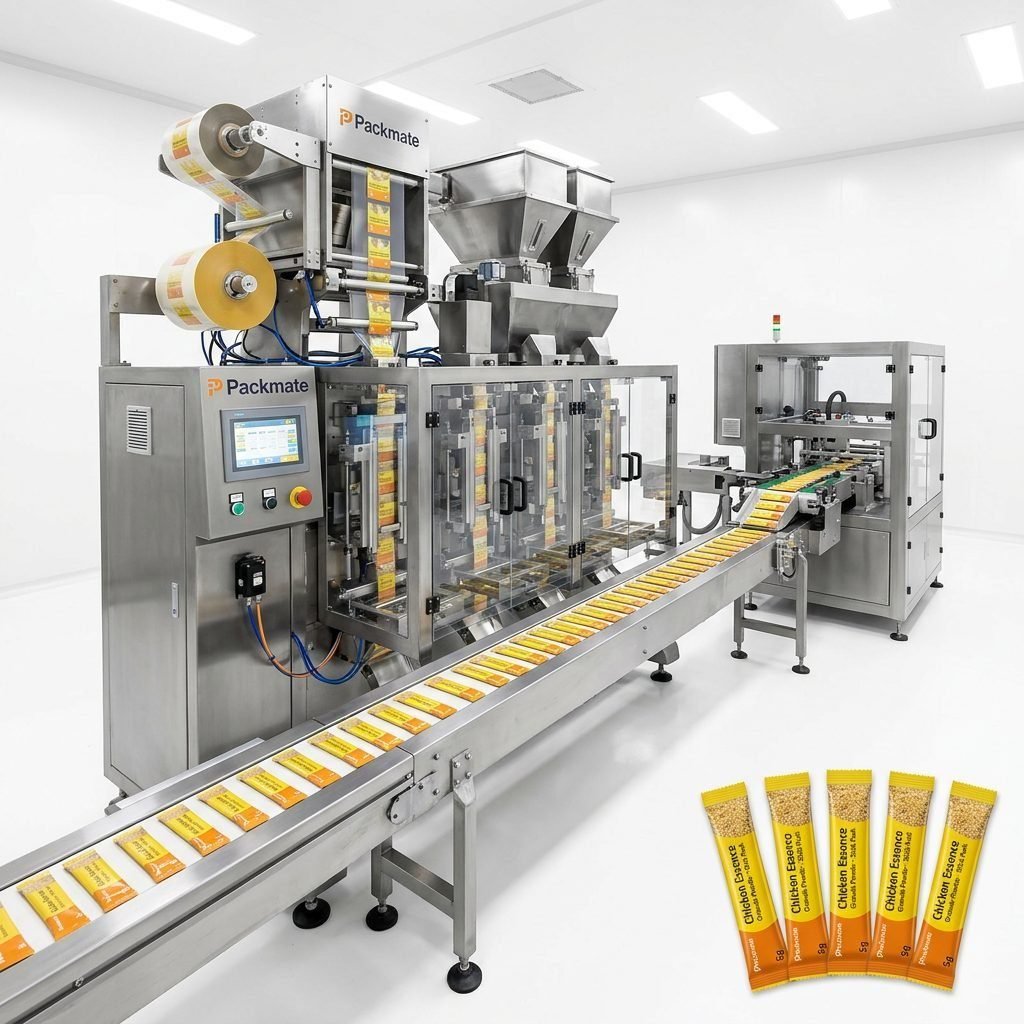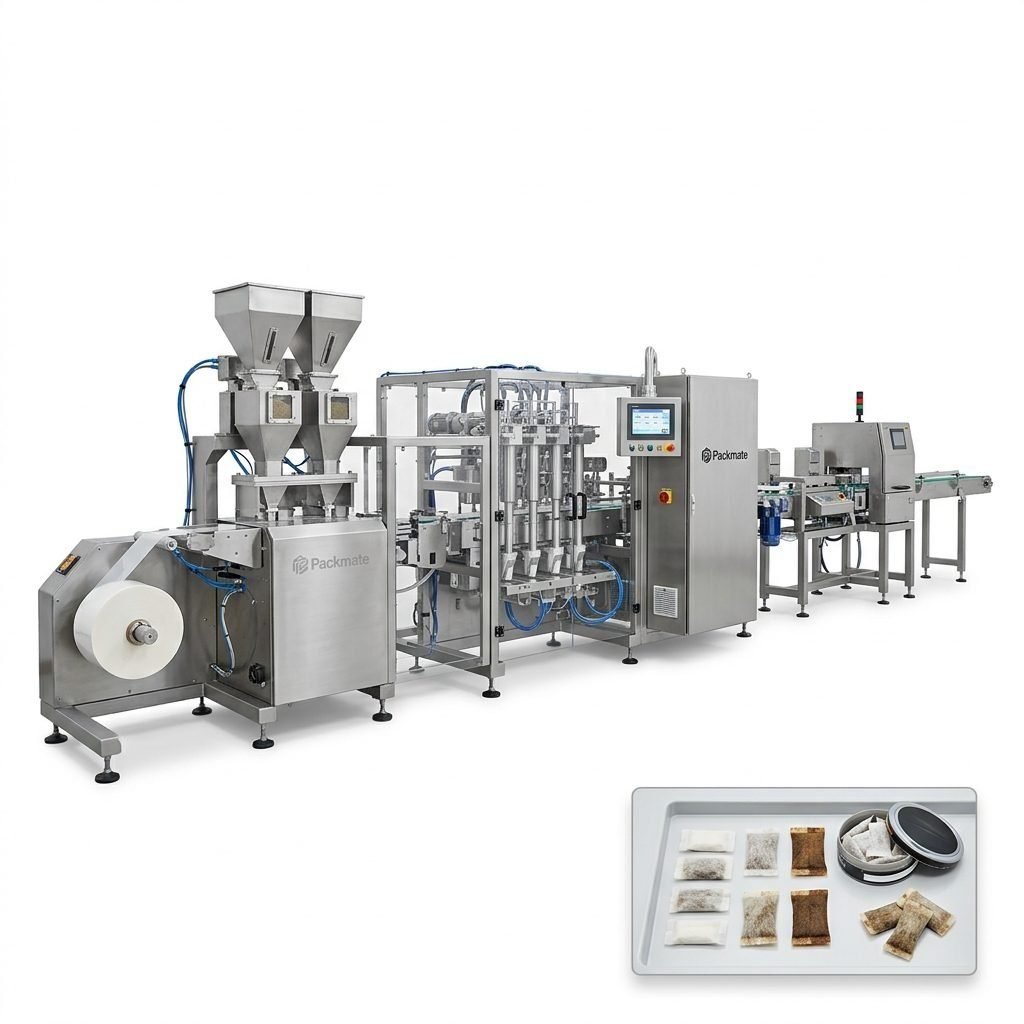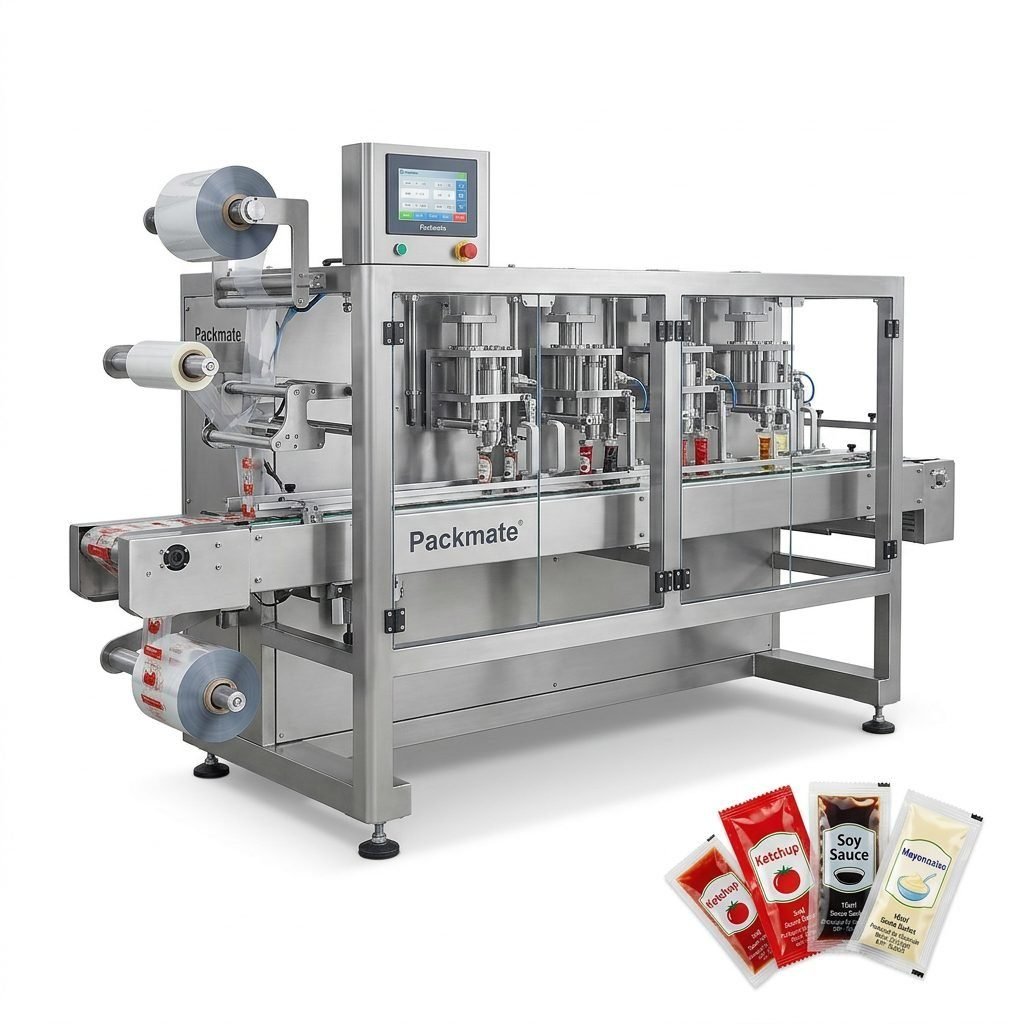
In the competitive world of food processing and retail, the presentation and preservation of your product are just as crucial as its quality. For businesses dealing with ground beef, investing in the right packaging machinery is a strategic decision that impacts efficiency, shelf life, and customer appeal. The best ground beef packaging machines automate the process, ensuring consistent, hygienic, and secure packaging that meets industry standards and consumer expectations.
Why Specialized Packaging for Ground Beef is Non-Negotiable
Ground beef presents unique packaging challenges. Its high susceptibility to oxidation and bacterial growth demands packaging that provides an excellent barrier against oxygen. Furthermore, the product’s texture and moisture content require machines that can handle potential leaks and ensure a tight, clean seal every time. Using general-purpose packaging equipment often leads to increased waste, product spoilage, and a compromised brand image. Specialized ground beef packaging machines are engineered to address these specific issues, incorporating features like modified atmosphere packaging (MAP) capabilities and precision sealing systems.
Key Takeaway: The primary goal is to extend shelf life and maintain the fresh, appealing red color of the meat. Machines with integrated gas flushing systems replace the air inside the package with a mixture of gases like carbon dioxide and nitrogen, dramatically slowing down spoilage and color deterioration.
Core Features to Look for in a Top-Tier Machine
When evaluating options for the best ground beef packaging machines, several critical features separate adequate equipment from exceptional investments.
1. Packaging Type Flexibility: Can the machine handle both vacuum skin packaging (VSP) and modified atmosphere tray sealing? VSP creates a second-skin appearance that locks in juices and provides a superior barrier, ideal for premium cuts. MAP tray sealing is perfect for retail-ready trays. The best machines often offer versatility.
2. Speed and Throughput: Output is measured in packages per minute. A machine’s speed must align with your production volume. For high-volume processors, multi-lane or rotary chamber systems are essential to maintain flow without bottlenecks.
3. Precision and Reliability: Consistent seal integrity is paramount. Look for machines with precise temperature controls, durable sealing bars, and reliable vacuum pumps. Downtime due to seal failures or mechanical issues directly impacts profitability.
4. Hygiene and Cleanability: Food safety is non-negotiable. Machines designed with smooth, stainless-steel surfaces, minimal crevices, and easy-access panels for cleaning will help you meet stringent HACCP and USDA standards.
5. User Interface and Automation: Modern machines feature intuitive touchscreen controls for easy operation and recipe storage. Higher levels of automation, including automatic film feeding and tray denesting, reduce labor costs and human error.
Integrating Your Packaging Line for Maximum Efficiency
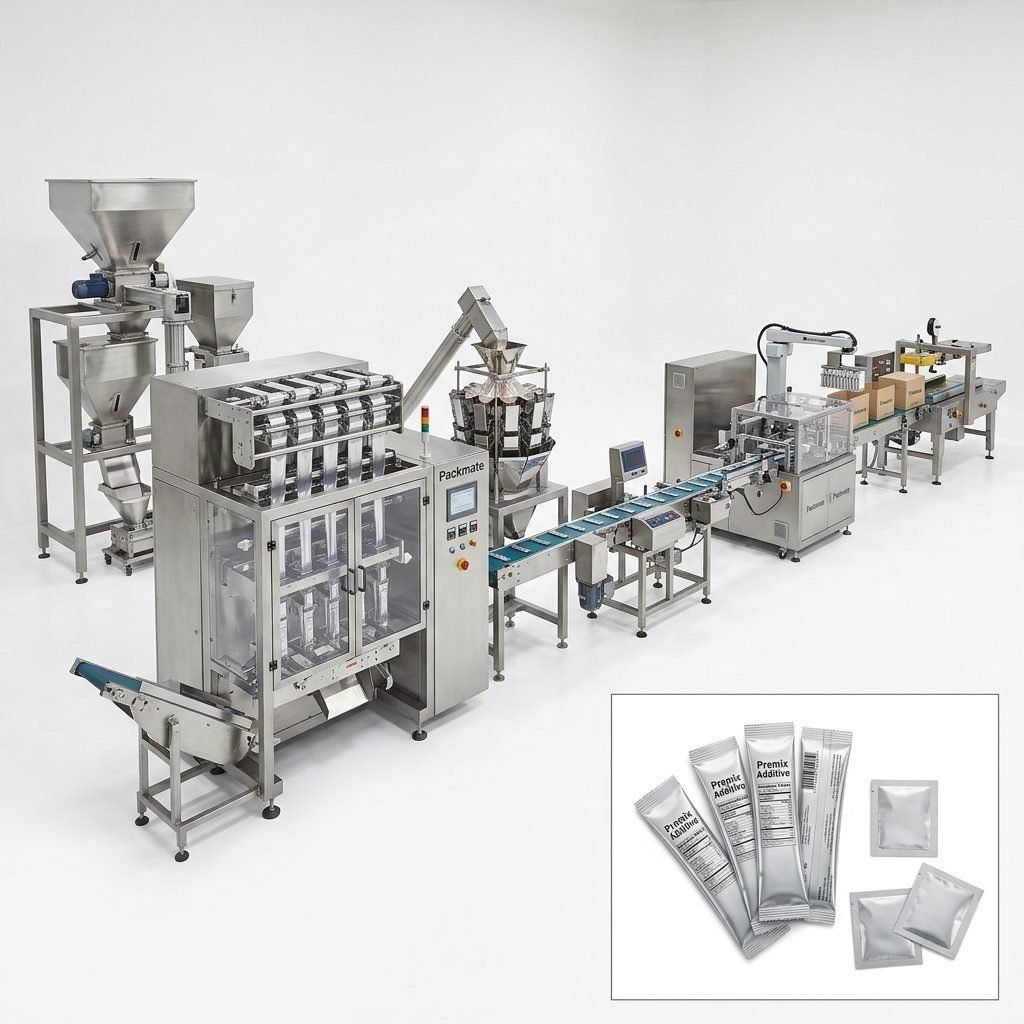
A packaging machine does not operate in isolation. Its performance is amplified when integrated into a complete filling and packaging line. This might include upstream equipment like grinders, mixers, and portioning systems, and downstream systems like checkweighers, labelers, and case packers. A synchronized line ensures a smooth transition from product preparation to final packaged box, maximizing overall equipment effectiveness (OEE).
The Role of a Trusted Manufacturer
Choosing the right equipment partner is as important as choosing the machine specs. A manufacturer with deep industry experience, like Packmate Machinery, brings invaluable expertise. With over 30 years in designing intelligent packaging solutions, they understand the nuanced demands of food products like ground beef. Their extensive product range and ability to provide turnkey solutions mean they can tailor a system to your exact needs, from a single machine to a fully automated line.
Their commitment is evident in a modern 20,000㎡ facility and a philosophy centered on quality and innovation—factors that translate into reliable, durable machinery for your business.
Making the Investment: Cost vs. Long-Term Value
The initial purchase price is just one part of the total cost of ownership. When searching for the best ground beef packaging machines, consider long-term value:
Operational Costs: Efficient machines use less energy and packaging film. Precise sealing reduces product giveaway and rework.
Maintenance and Support: Availability of spare parts and responsive technical support minimizes downtime. Manufacturers with a global service network offer peace of mind.
Scalability: Can the machine be upgraded or integrated with faster peripherals as your business grows? Investing in a modular system protects your investment for the future.
A slightly higher upfront cost for a more robust, feature-rich, and reliable machine from a proven supplier often yields a far greater return on investment through years of consistent, trouble-free operation.
Frequently Asked Questions (FAQs)
1. What is the main difference between vacuum packaging and modified atmosphere packaging (MAP) for ground beef?
Vacuum packaging removes almost all air from the package, tightly compressing the product. MAP replaces the air with a specific gas mixture (usually CO2 and N2). While both extend shelf life, MAP is often preferred for retail ground beef as it better preserves the meat’s natural red color and shape, making it more appealing on the shelf.
2. How do I determine the right machine speed for my business?
Calculate your current and projected daily/weekly production output in pounds or kilograms. Then, consider your desired package weight. A machine’s speed in packages-per-minute (PPM) must meet this output within your operational hours. Always factor in a buffer for future growth to avoid needing a new machine too soon.
3. What are the most critical maintenance routines for a ground beef packaging machine?
Daily cleaning and sanitization of all product-contact surfaces are mandatory. Weekly checks should include inspecting and cleaning the sealing bar, checking the vacuum pump oil level, and ensuring all sensors are clean and functional. Following the manufacturer’s scheduled maintenance plan for lubrication and part replacement is crucial for longevity.
4. Can one machine handle different package sizes and types of meat?
Many modern machines are highly flexible. With quick-change tooling for different tray sizes and adjustable film reel holders, they can switch between various ground beef package formats (e.g., 1lb trays to family-size packs). Some can also be configured to package other products like poultry or seafood, offering great production line versatility.
5. Where can I see these machines in operation or get a custom solution quote?
Reputable manufacturers often have demonstration facilities or showcase their equipment at global exhibitions. The best course is to contact them directly with your specific product details, output requirements, and packaging goals. They can then recommend the optimal machine or integrated line and provide a detailed proposal.