Introduction to Automatic Masala Packing Machine
Spices are the heart of culinary traditions around the world. Ensuring their flavor, aroma, and freshness is essential for both manufacturers and consumers. The packaging machine industry has revolutionized spice packaging, and the automatic masala packing machine is a key innovation. This machine is designed to boost production efficiency, maintain product hygiene, and provide precise packaging solutions for masala and other spices.
What Is an Automatic Masala Packing Machine?
⚡
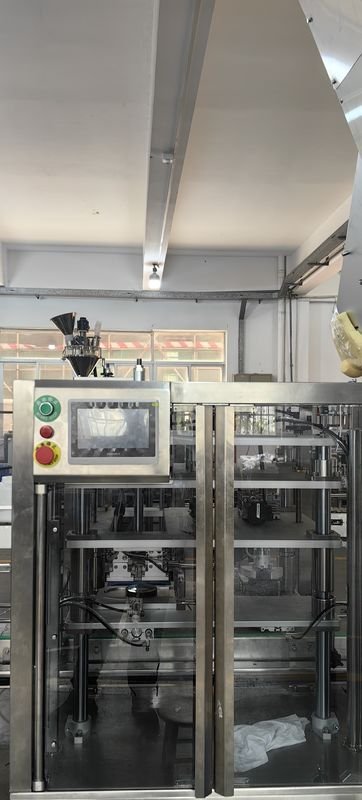
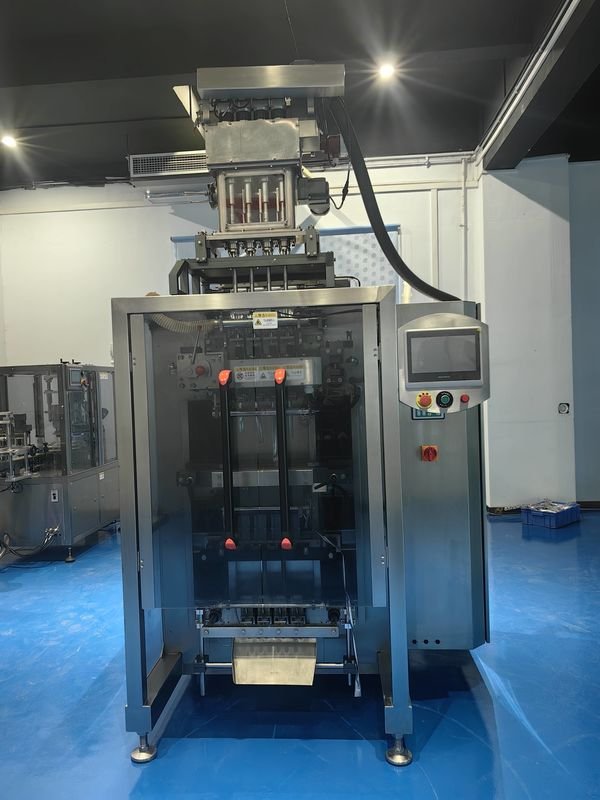
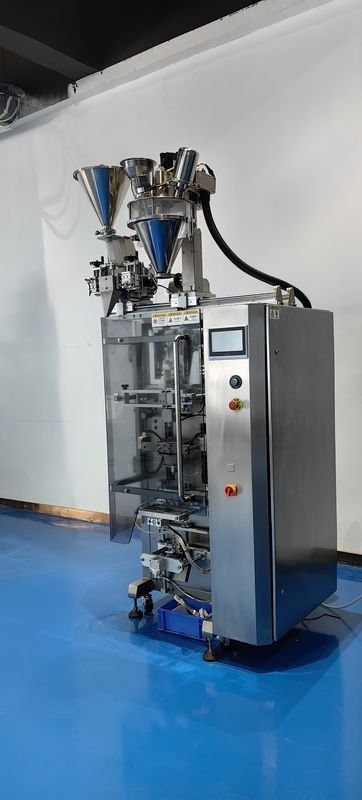
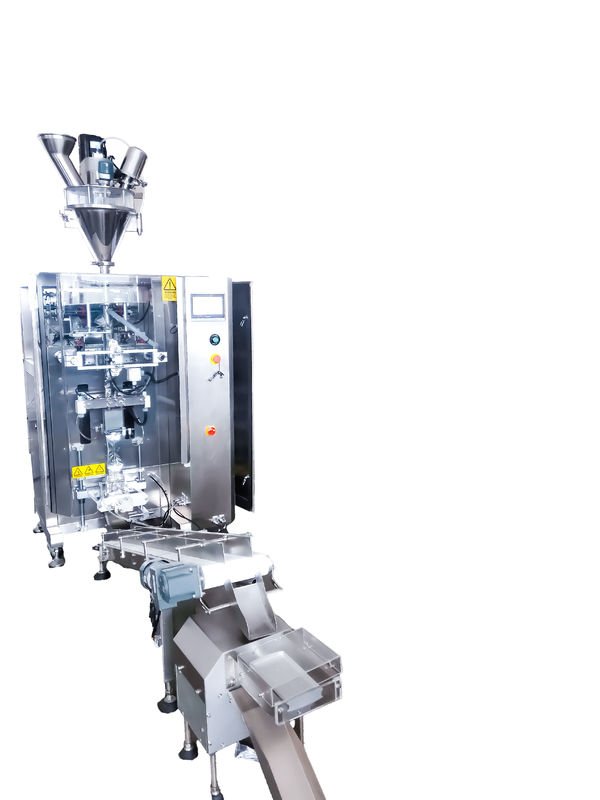
An automatic masala packing machine is a highly advanced piece of equipment designed to automate the process of filling, sealing, and packaging various types of spices such as masala, curry powders, and seasoning blends. These machines integrate technology and engineering to optimize packaging consistency, speed, and hygiene standards, making them essential for modern spice production lines.
An automatic masala packing machine is a highly advanced piece of equipment designed to automate the process of filling, sealing, and packaging various types of spices such as masala, curry powders, and seasoning blends. These machines integrate technology and engineering to optimize packaging consistency, speed, and hygiene standards, making them essential for modern spice production lines.
Key Features of Automatic Masala Packing Machines
- Precision Weighing & Dosing: Advanced electronic systems ensure every pack contains the exact quantity, minimizing waste and maximizing efficiency.
- High-Speed Operation: Capable of delivering hundreds of packs per minute, ideal for large-scale spice manufacturers.
- Multi-format Packaging: Supports pouches, sachets, pillow bags, and more, adapting to market and branding demands.
- Touchscreen Control Panel: Easy to operate, with customizable settings for different spice types and pack sizes.
- Hygienic Stainless Steel Construction: Complies with EU and GMP standards for food safety.
- Automated Error Detection: Integrated sensors for jam detection, film break, and product level alerts.
How Does the Machine Work?
🔧
The automatic masala packing machine operates via a continuous process. Raw spice material is fed into the hopper, weighed and dispensed automatically, then sealed into pre-formed packaging materials. The entire process is controlled via a PLC (Programmable Logic Controller) system, ensuring accuracy and reducing manual errors.
The automatic masala packing machine operates via a continuous process. Raw spice material is fed into the hopper, weighed and dispensed automatically, then sealed into pre-formed packaging materials. The entire process is controlled via a PLC (Programmable Logic Controller) system, ensuring accuracy and reducing manual errors.
Benefits of Using an Automatic Masala Packing Machine
- Enhanced Productivity: Automating the packaging process allows producers to meet higher demand with consistent quality.
- Reduced Labor Costs: Fewer operators are required, and the risk of human error is minimized.
- Superior Hygiene: Contactless packaging maintains spice purity and extends shelf life.
- Flexible Packaging Formats: Switch between different pouch sizes and pack styles with minimal downtime.
- Brand Value: Attractive, airtight packaging preserves both spice quality and brand reputation.
Automatic Masala Packing Machine Price: Factors and Range
💲
Price ranges for automatic masala packing machines vary widely, depending on several factors:
Price ranges for automatic masala packing machines vary widely, depending on several factors:
- Machine Capacity & Speed: Higher output machines generally cost more.
- Automation Level: Fully-automatic multi-head machines are priced higher than semi-automatic models.
- Build Quality & Certifications: Machines constructed with food-grade materials and international certifications (like CE & ISO) offer higher reliability and safety.
- Customization & Features: Additional features such as multi-format support, smart control panels, or advanced safety systems affect pricing.
Typical price range: From $5,000 to $50,000+, depending on the configuration and manufacturer reputation. For an accurate quote, consult a reputable supplier like Packmate (GuangDong) Co., Ltd.
Why Choose Packmate for Your Spice Packaging Needs?
🏆
Packmate (GuangDong) Co., Ltd. stands out as a trusted partner for intelligent packaging solutions for several reasons:
Packmate (GuangDong) Co., Ltd. stands out as a trusted partner for intelligent packaging solutions for several reasons:
- Over 22 years of expertise in packaging machine innovation and manufacturing
- Comprehensive R&D and engineering-driven design for stable, future-ready machines
- Strict quality control with CE & ISO certifications
- Global service networks for fast support and after-sales care
- Customization options to meet unique production requirements
Discover more about the latest packaging machine models and solutions for the spice industry.
Applications of Automatic Masala Packing Machines
- Masala powders and spice blends (curry, garam masala, etc.)
- Herbs and flavoring powders
- Seasoning mixes for snacks and ready-to-eat foods
- Pharmaceutical and healthcare powders (where applicable)
- Other granular or powdery food products
How to Choose the Right Automatic Masala Packing Machine
💡
Key considerations include:
Key considerations include:
- Required production capacity (packs per minute/hour)
- Type and size of packaging
- Level of automation required
- Budget constraints and ROI expectations
- Supplier reputation and after-sales support
Consult with experts at Packmate for tailored recommendations.
Conclusion: Elevate Your Spice Packaging with the Right Machine
Investing in an automatic masala packing machine is a strategic step for spice manufacturers aiming to enhance efficiency, maintain product quality, and scale up production. With advanced features, flexible formats, and robust performance, these machines are essential for modern food processing. Choose a reliable partner like Packmate to ensure your business stays ahead in the competitive spice market.
Frequently Asked Questions (FAQ)
What types of spices can be packed with an automatic masala packing machine?
These machines are versatile and can handle a wide range of powder and granular spices, including masala, curry powder, garam masala, chili powder, and other blended seasonings.
How do I maintain the machine for long-term performance?
Regular cleaning, timely replacement of wear parts, and following the supplier’s maintenance schedule are key. Packmate provides detailed maintenance guides and technical support.
Is it possible to pack different pouch sizes with one machine?
Yes, most modern machines support quick changeovers between different pouch sizes and styles, enhancing flexibility for manufacturers.
What certifications should I look for in a packaging machine?
Look for food safety and international certifications such as CE and ISO, which guarantee quality, reliability, and compliance with industry standards.
How can I get a price quote for a packaging machine?
Contact reputable suppliers like Packmate for a customized quote tailored to your production needs and machine specifications.