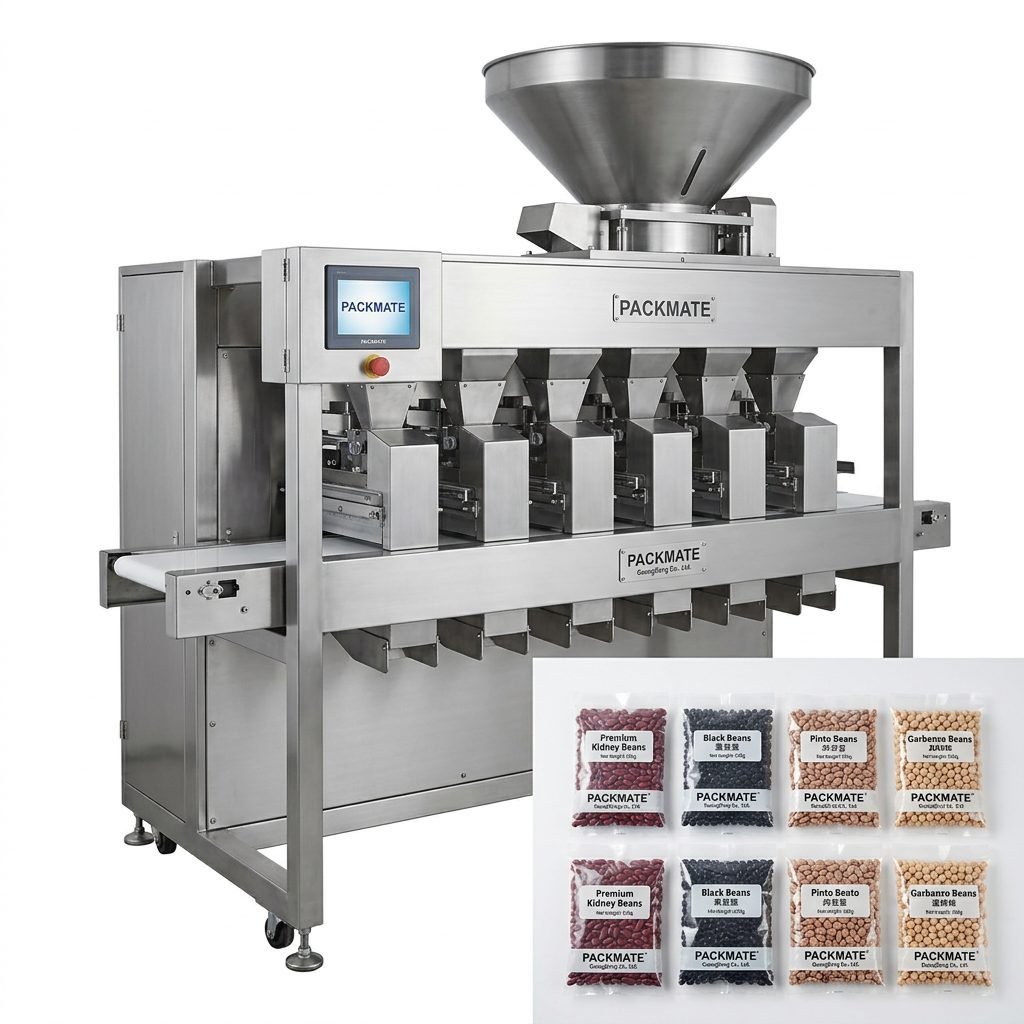
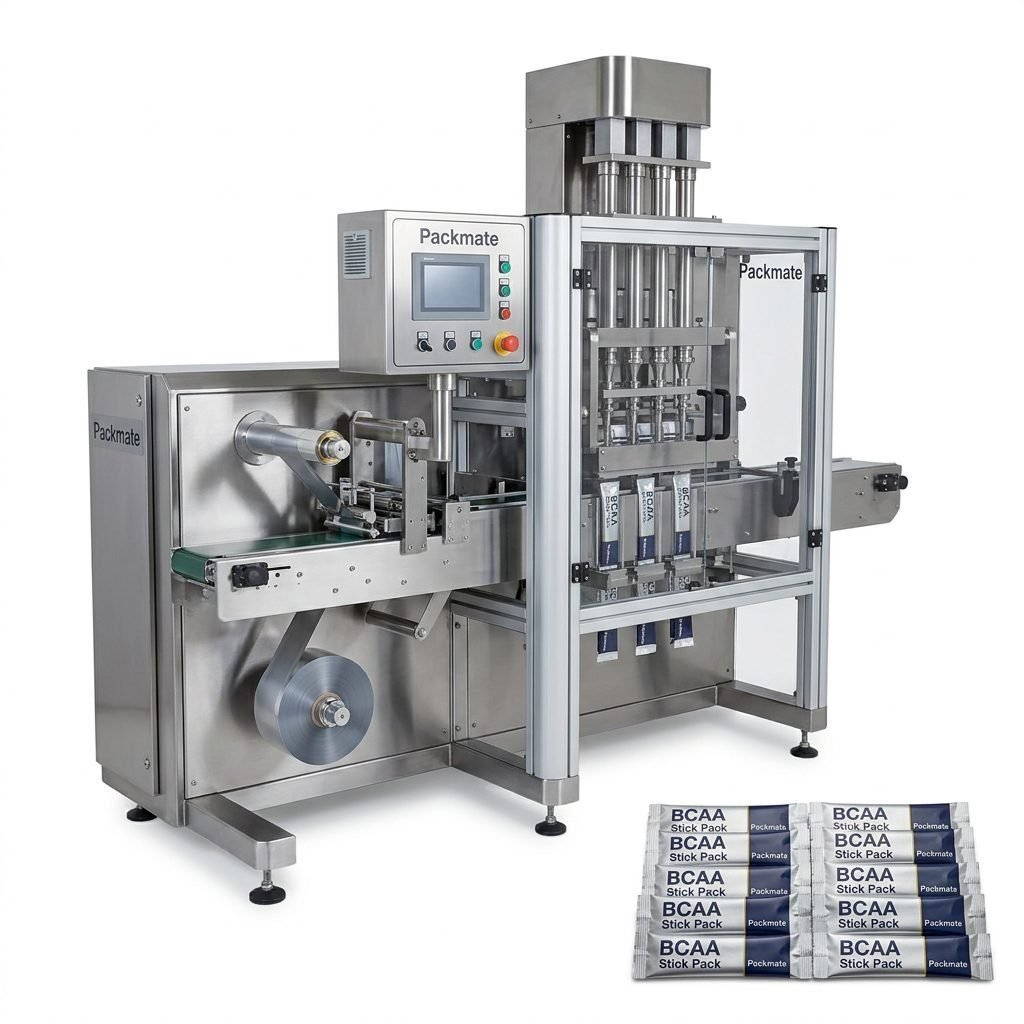
The German packaging machinery market stands as a cornerstone of Europe’s industrial landscape, renowned for its engineering precision, innovation, and unwavering commitment to quality. These values resonate deeply with Germany’s broader cultural ethos of ‘Gründlichkeit’ (thoroughness) and reliability. For businesses operating in sectors like food, pharmaceuticals, and consumer goods, understanding the prevailing trends and growth drivers in this sophisticated market is not just beneficial—it’s essential for maintaining a competitive edge and meeting the exacting standards of German consumers and regulators alike.
Key Market Trends Shaping the Industry
The market is undergoing a significant transformation, driven by technological advancement and shifting societal demands. Several key trends are at the forefront:
1. The Rise of Smart, Connected Packaging Lines
Industry 4.0, a concept pioneered in Germany, is fully integrated into the packaging sector. Modern machinery is no longer just mechanical; it’s part of an interconnected ecosystem. Smart sensors, IoT connectivity, and data analytics are now standard expectations. These technologies enable predictive maintenance, minimizing unplanned downtime, and provide real-time production data for optimizing efficiency and output. This aligns perfectly with the German industrial focus on process optimization and measurable results.
Sustainability as a Core Driver: Perhaps the most powerful trend is the shift toward sustainable packaging. German environmental consciousness, or ‘Umweltbewusstsein’, is exceptionally high, influencing both legislation and consumer choice. This drives demand for machinery capable of handling:
- Recyclable and mono-material films to simplify recycling streams.
- Biodegradable and compostable materials derived from plant-based sources.
- Lightweighting solutions that reduce material usage without compromising product protection.
2. Flexibility and Customization for Niche Markets
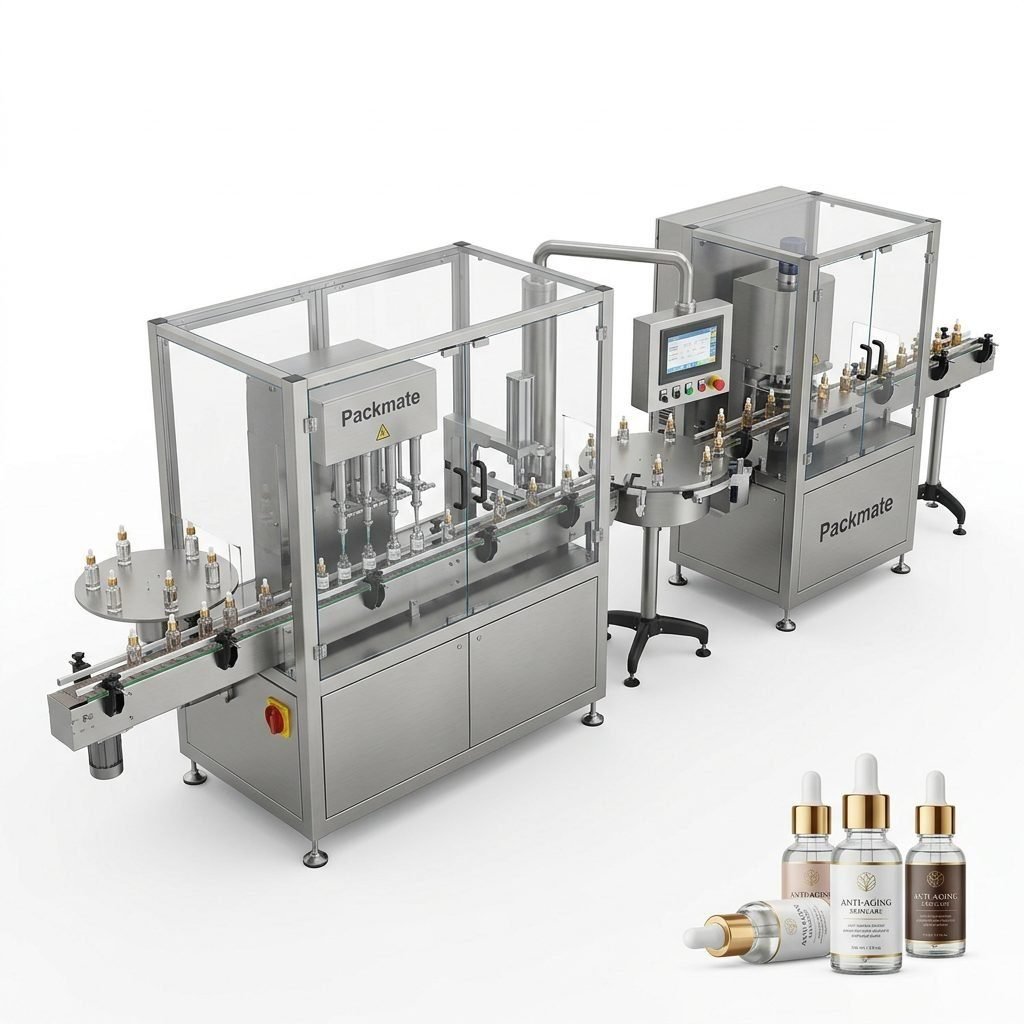
The era of rigid, single-purpose packaging lines is fading. German manufacturers, serving diverse global clients, require equipment that can adapt quickly. There is growing demand for modular packaging machines that allow for rapid changeovers between different package sizes, formats, and products. This is particularly crucial for sectors like premium food, nutraceuticals, and pharmaceuticals, where batch sizes may be smaller and product portfolios more varied.
3. Hygienic Design and Cleanliness Standards
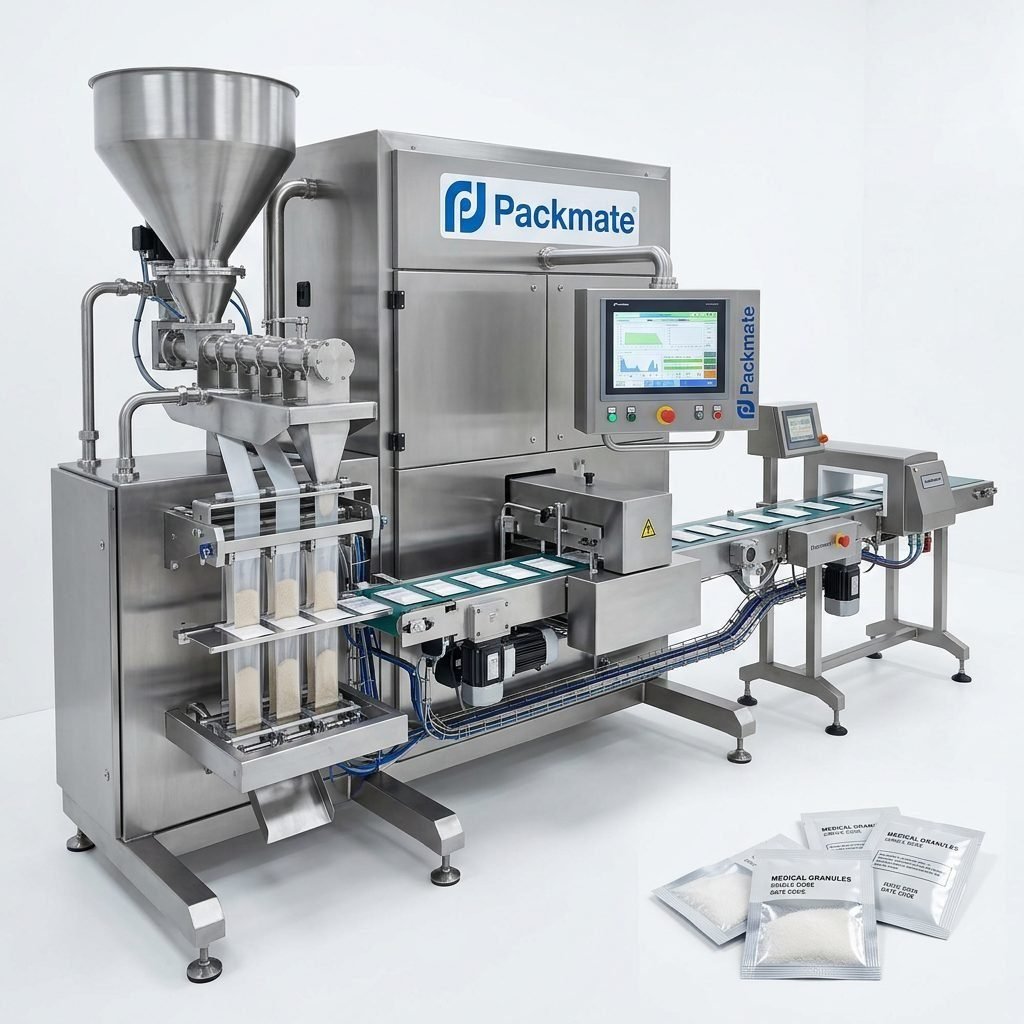
In industries such as pharmaceuticals, dairy, and meat processing, hygiene is non-negotiable. German engineering excels in creating machinery with clean, seamless designs that prevent bacterial harborage and allow for easy, thorough cleaning. This focus on hygienic design and compliance with stringent standards like EHEDG is a critical purchasing factor, reflecting the national priority on safety and quality assurance.
Growth Analysis and Future Outlook
The German packaging machinery market demonstrates robust growth, underpinned by several structural factors:
Export Strength: Germany is the world’s leading exporter of packaging machinery. This global footprint insulates the domestic industry from regional economic fluctuations and drives continuous innovation to meet international standards. Companies that succeed here often set the benchmark worldwide.
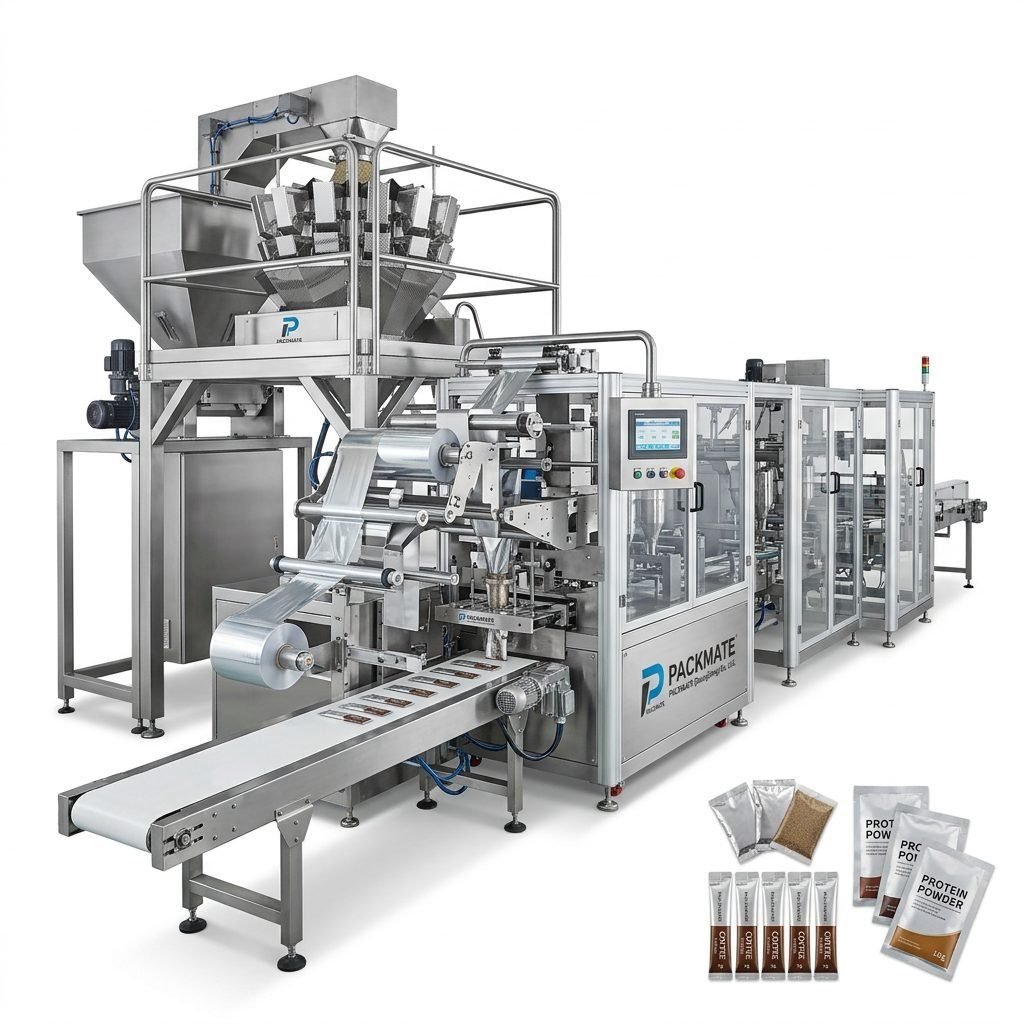
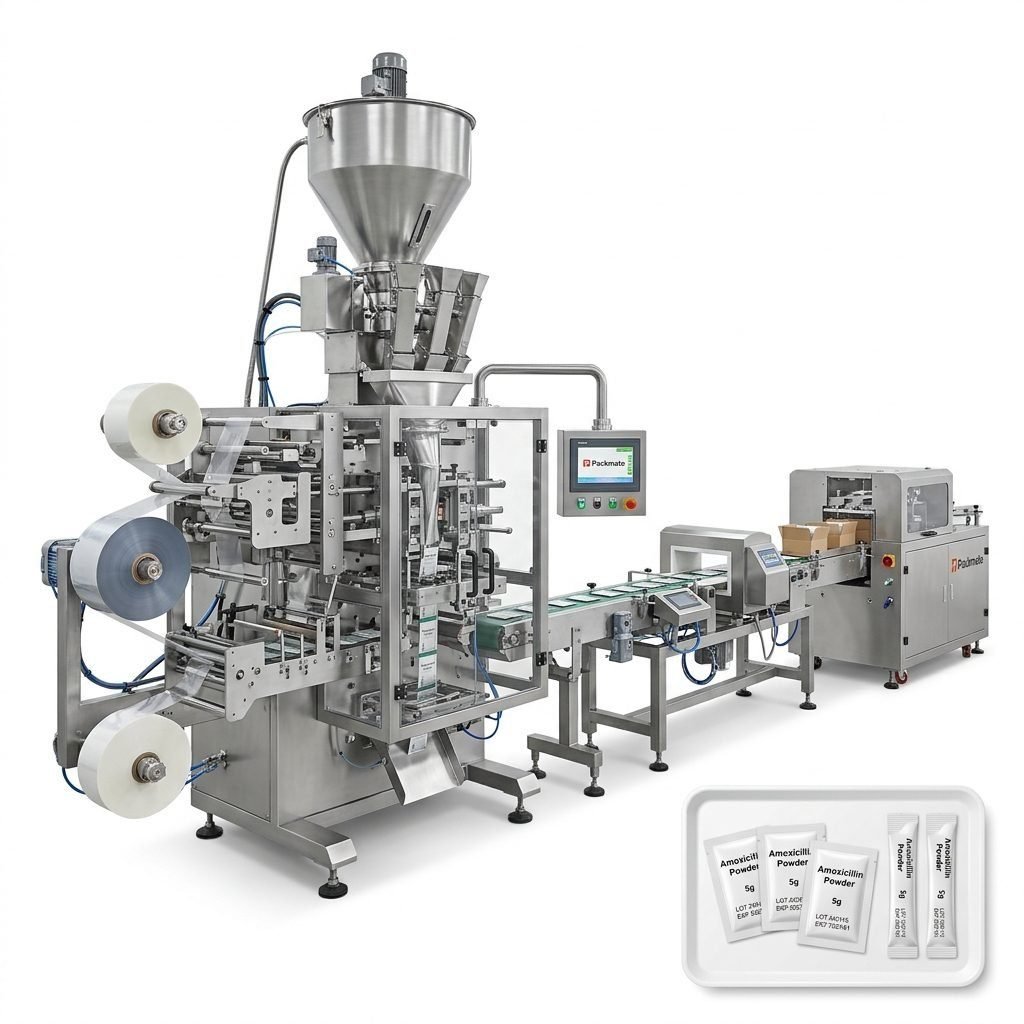
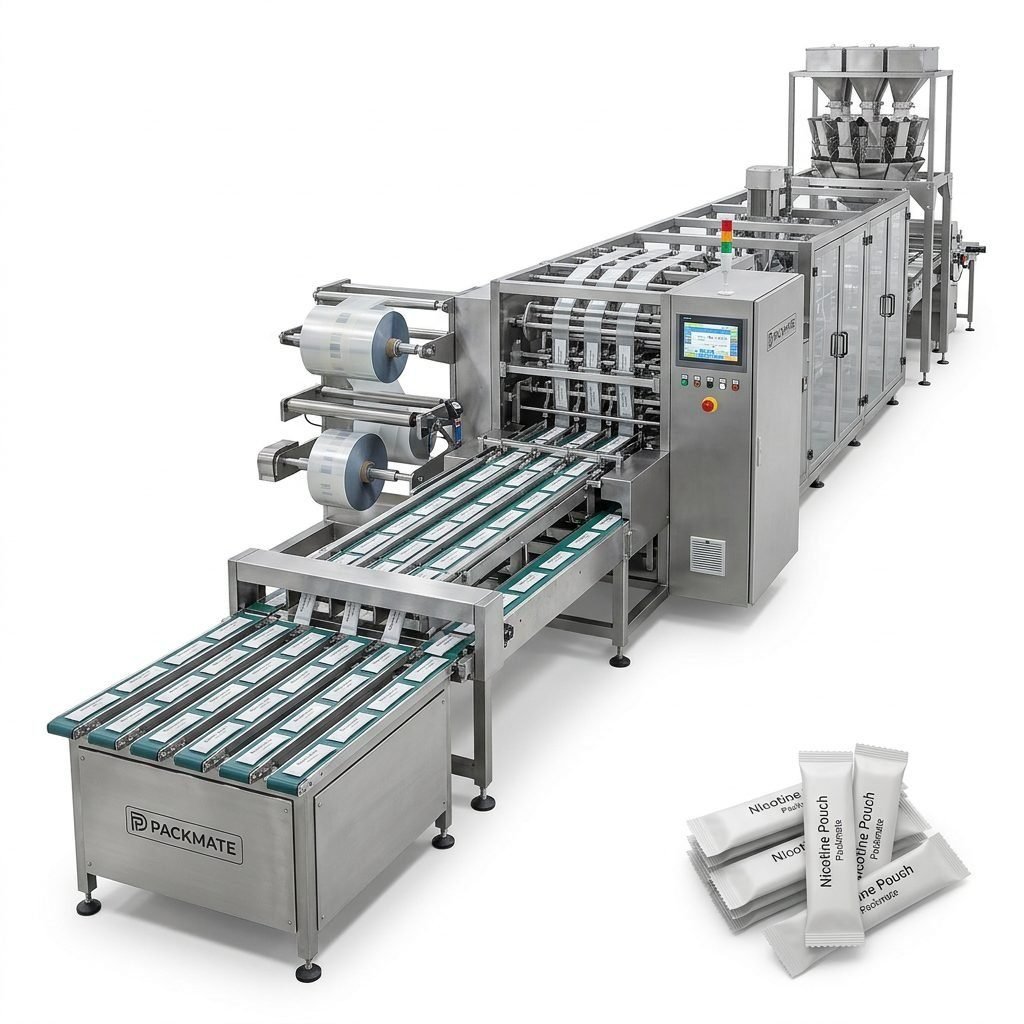
E-commerce and Convenience Packaging: The explosive growth of online retail has created a parallel demand for durable, secure, and efficient secondary packaging solutions. Simultaneously, the fast-paced lifestyle, even in efficiency-oriented Germany, fuels demand for convenient, single-serve, and on-the-go formats, which in turn drives investment in high-speed sachet and stick pack machinery.
The Role of Experienced Manufacturers
Navigating this complex and demanding market requires more than just a machine; it requires a partner with deep expertise. A manufacturer with a long-term commitment, like Packmate Machinery, brings invaluable stability and insight. With over 30 years of experience and a 20,000㎡ modern facility, such partners understand the nuances of integrating automation, ensuring hygiene, and achieving the precise output quality that German markets demand. Their journey from a focused workshop to a provider of complete turnkey packaging lines mirrors the market’s own evolution toward integrated, intelligent solutions.
Labor Market Dynamics: The shortage of skilled labor in Germany accelerates the adoption of automation. Packaging machinery that reduces reliance on manual tasks, through advanced robotics and AI-driven vision systems for quality inspection, is seeing increased investment. This trend towards automation dovetails with the cultural appreciation for precision and eliminating human error.
Conclusion: A Market Built on Precision and Progress
The Germany packaging machinery market is a dynamic fusion of tradition and innovation. It is shaped by the national character—valuing precision, sustainability, and engineering excellence—and propelled by global trends in digitalization, e-commerce, and personalized consumption. Success in this market hinges on partnering with equipment providers who not only offer advanced technology but also possess the proven experience and reliability to deliver solutions that meet the highest standards of performance, safety, and environmental responsibility. For global brands looking to make an impact, aligning with the trends and rigor of the German market is a powerful strategy for worldwide success.
Frequently Asked Questions (FAQs)
What are the most important features German buyers look for in packaging machinery?
German buyers prioritize engineering reliability, precision, energy efficiency, and seamless integration into Industry 4.0 smart factories. Compliance with EU safety and environmental regulations is a baseline requirement, not a bonus.
How is the sustainability trend specifically affecting machinery design in Germany?
It leads to demand for machines that can run thinner, recycled, or bio-based films at high speeds without compromising seal integrity. There is also a focus on machinery with lower energy consumption and designs that facilitate easy recycling of machine components at end-of-life.
Why is flexibility so crucial in the current German market?
The demand for product variety, smaller batch production (e.g., limited editions, personalized products), and the need to serve multiple export markets with different packaging norms make quick changeover capabilities and modular design key economic drivers for manufacturers.
What is the significance of “Made in Germany” for packaging machinery?
The label carries a strong connotation of quality, durability, and advanced engineering. It often justifies a premium price due to perceived lower total cost of ownership, superior after-sales service, and long-term reliability, which are critical for continuous production environments.
How can an international company best enter or expand in the German packaging market?
Success typically comes from partnering with established, reputable machinery suppliers who have a track record in Germany, ensuring full technical and regulatory compliance, and offering robust local service and parts support. Demonstrating a deep understanding of German ‘Qualitätsanspruch’ (quality standards) is essential.