In the fast-paced world of food production, maintaining product freshness while maximizing operational efficiency is a constant challenge. For bakeries, snack manufacturers, and food processors, the right bread packaging machine is not just a piece of equipment—it’s a critical component of brand reputation and business success. This guide delves into the key features, types, and considerations for selecting top-tier bread packaging machines that excel in preserving freshness and boosting production line efficiency.
Key Takeaways
• Freshness Preservation relies on machines with excellent sealing integrity and options for modified atmosphere packaging (MAP).
• Operational Efficiency is driven by high-speed automation, quick changeover capabilities, and minimal downtime.
• The right machine type—from vertical form-fill-seal (VFFS) to horizontal flow wrappers—depends on your product format and volume.
• Investing in a reliable machine from an experienced manufacturer like Packmate Machinery ensures long-term reliability and support.
The Critical Role of Packaging in Bread Freshness
Bread is a highly perishable product. Staling begins almost immediately after baking due to moisture migration and starch retrogradation. Effective packaging is the primary barrier against these elements. A superior bread packaging machine creates a consistent, airtight seal that locks in moisture, preventing the bread from drying out and becoming hard. Furthermore, many modern machines integrate Modified Atmosphere Packaging (MAP) technology. This process replaces the air inside the package with a mix of gases like nitrogen and carbon dioxide, significantly slowing down mold growth and oxidative rancidity, thereby extending shelf life from days to weeks.
Beyond gas flushing, the precision of the sealing process is paramount. Weak seals or inconsistent heat application can lead to micro-tears or incomplete closures, allowing air ingress and accelerating spoilage. Therefore, machines with precise temperature control, durable sealing jaws, and robust film handling systems are non-negotiable for freshness-centric operations.
Types of Bread Packaging Machines for Different Needs
Selecting the correct machine type is fundamental to achieving both freshness and efficiency goals. The main categories include:
1. Vertical Form-Fill-Seal (VFFS) Machines
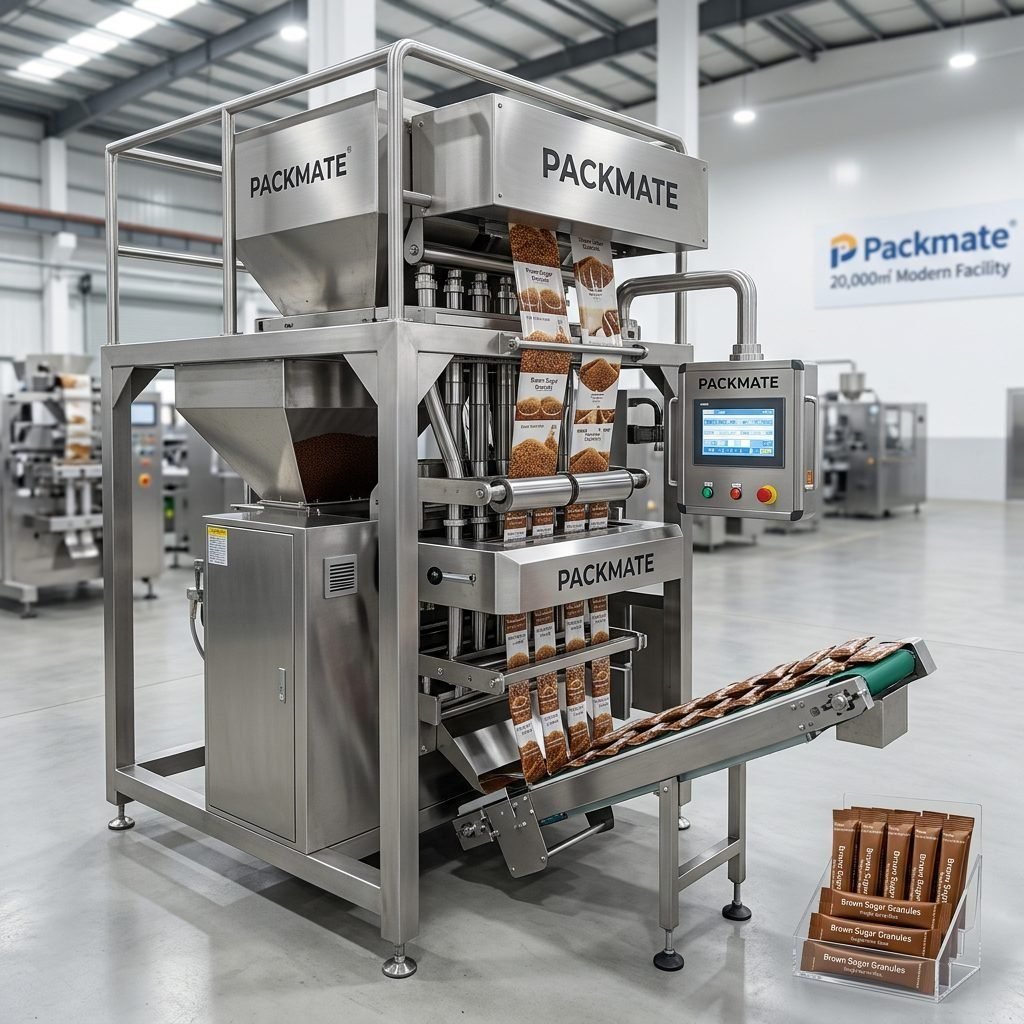
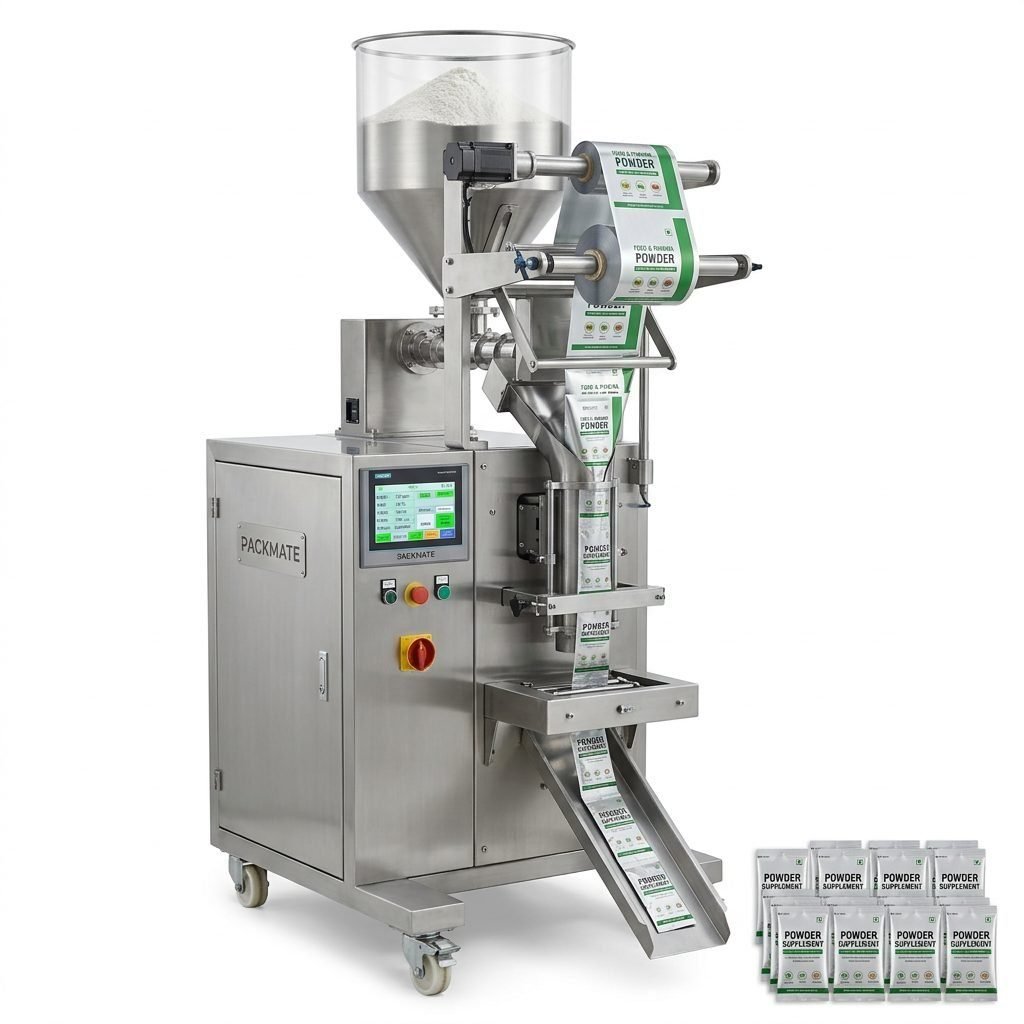
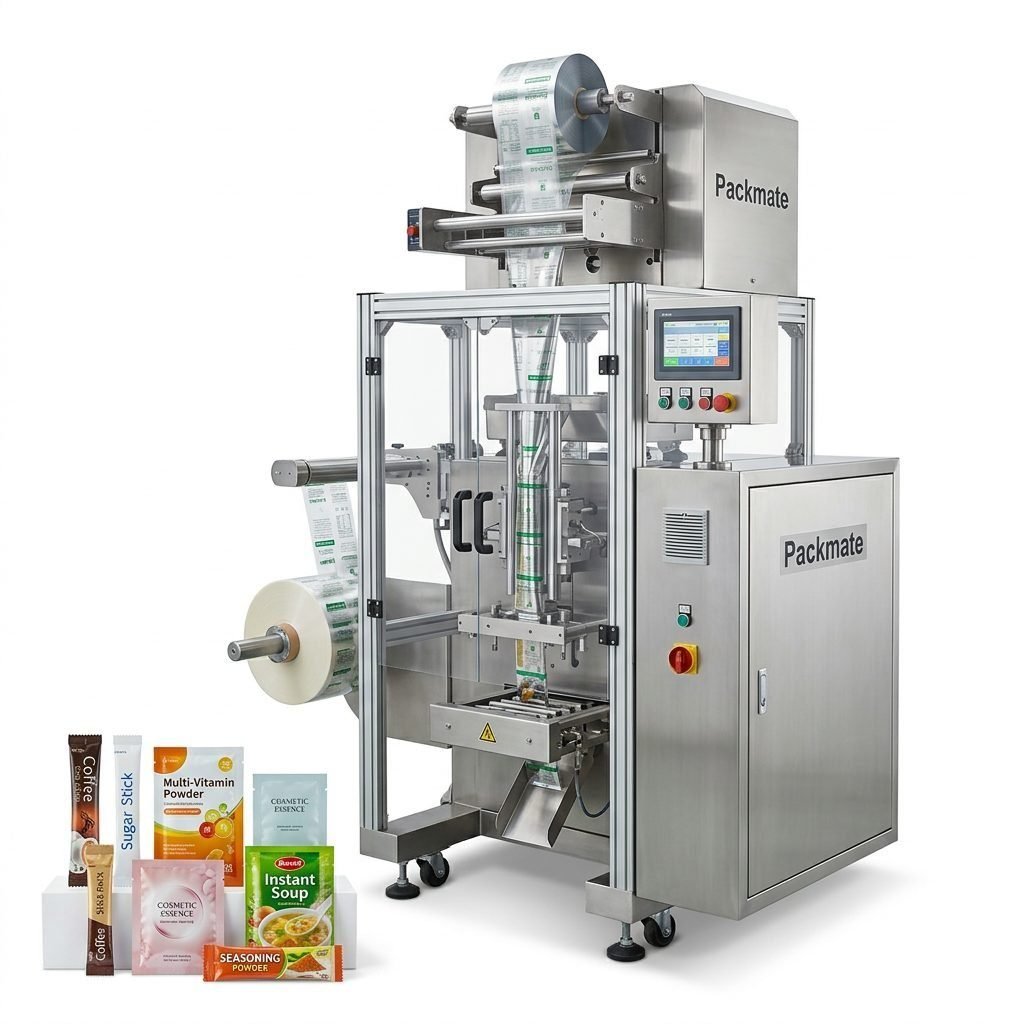
These are highly versatile and common for packaging sliced bread, buns, and rolls into pillow bags or gusseted bags. The machine forms a bag from a roll of film, fills it with the product, and seals it in a continuous vertical motion. VFFS machines are prized for their high speed, efficiency with flexible packaging materials, and relatively small footprint. They are ideal for high-volume production lines.
2. Horizontal Flow Wrappers
Perfect for individually wrapping long loaves, baguettes, or specialty breads. The product is placed on a sheet of film which is then wrapped around it and sealed along the bottom and ends. This style offers an attractive, tight presentation that is common in retail bakeries and for artisanal products. It provides excellent product visibility and protection.
3. Tray Sealing Machines
Used for packaging bread in pre-formed plastic or pulp trays, often with a clear film lid. This method is excellent for delicate pastries, muffins, or sliced bread where product protection and a premium presentation are key. When combined with MAP, tray sealers offer one of the longest possible shelf lives for baked goods.
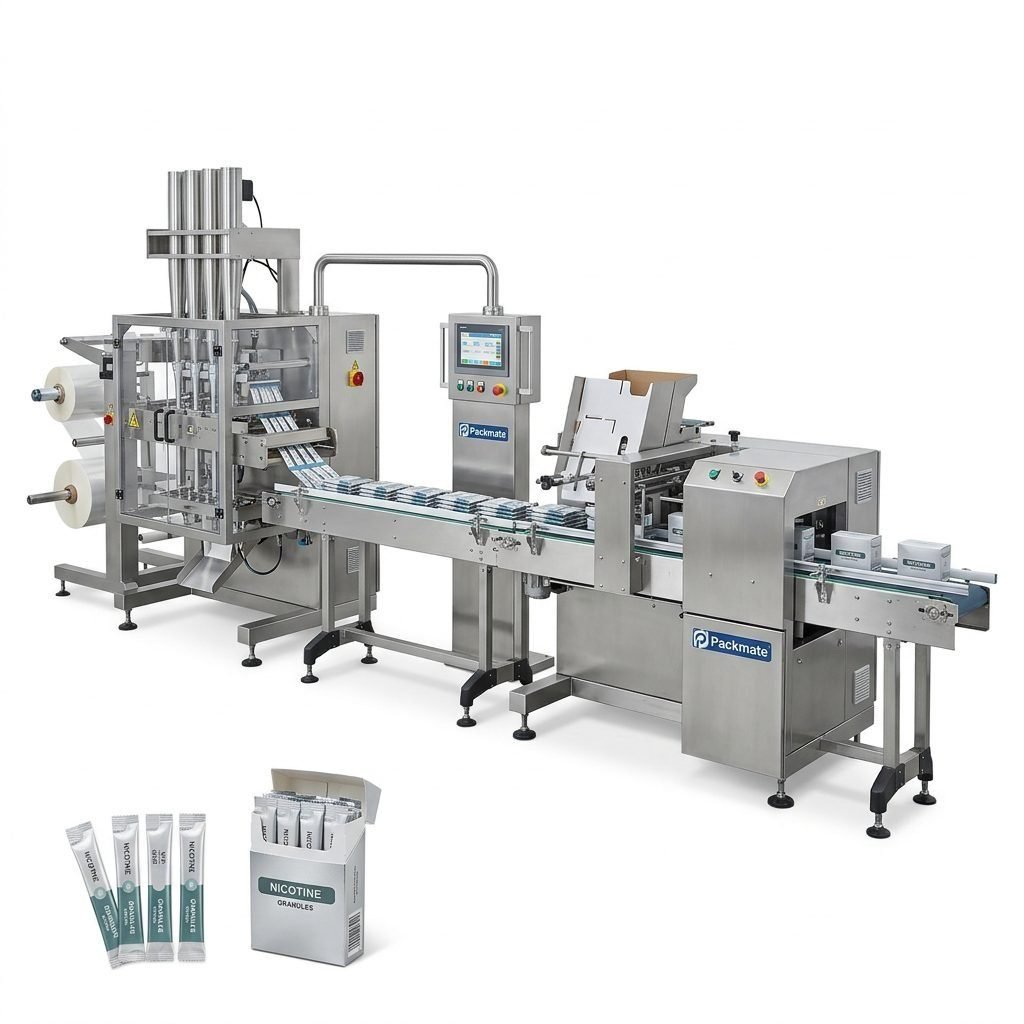
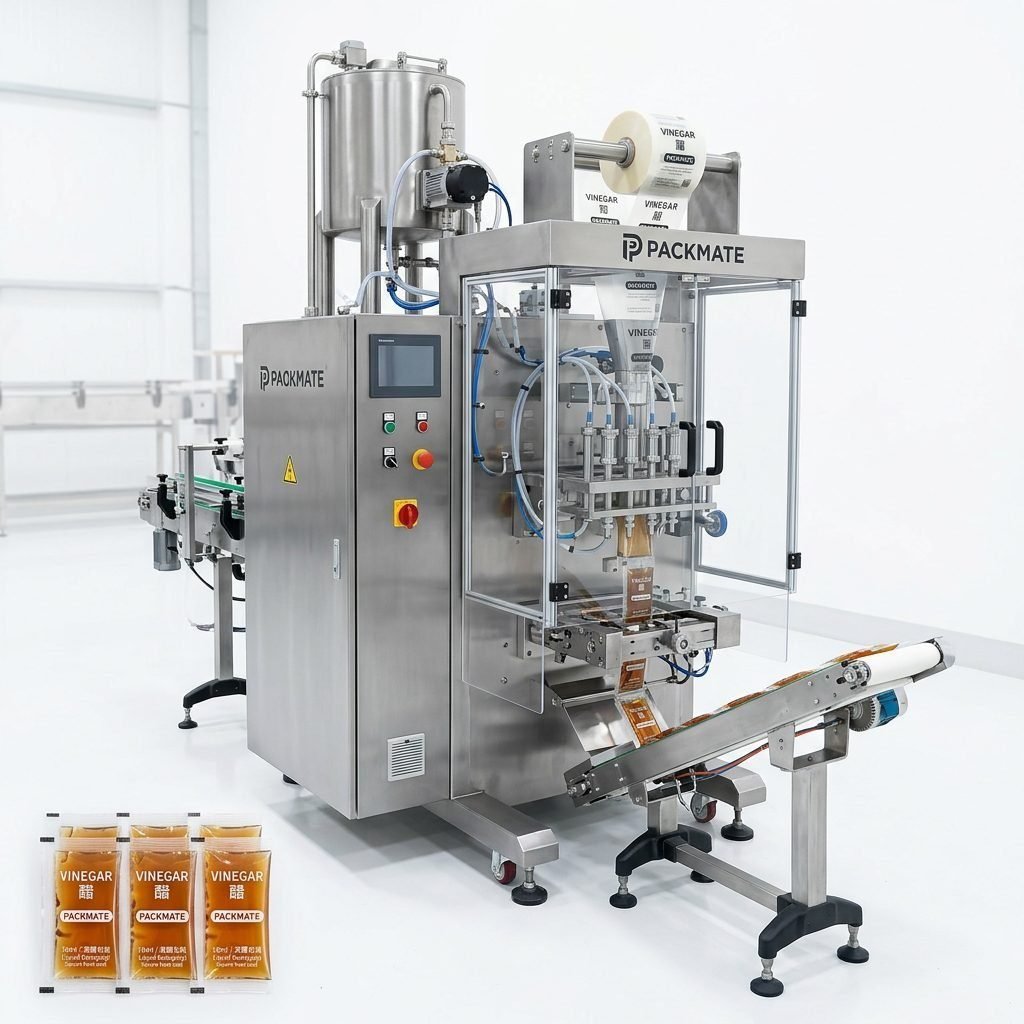
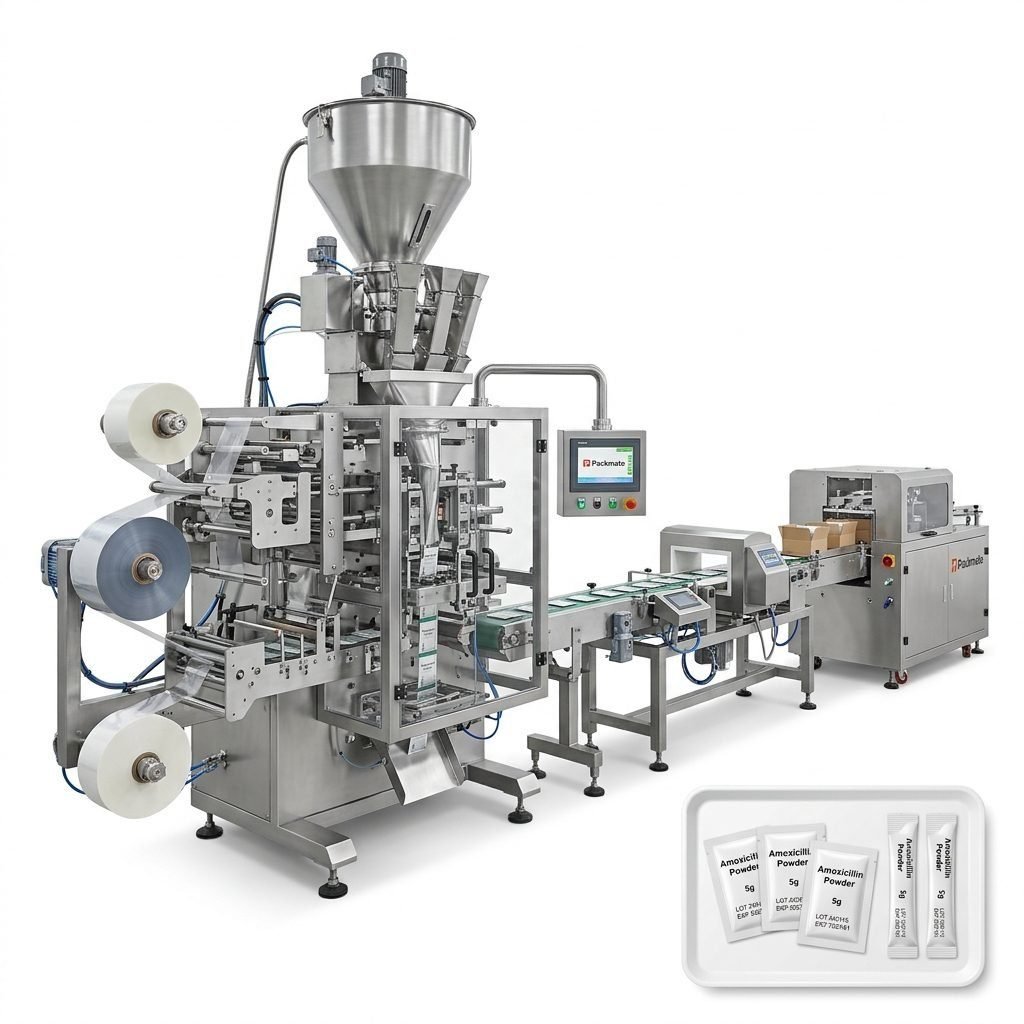
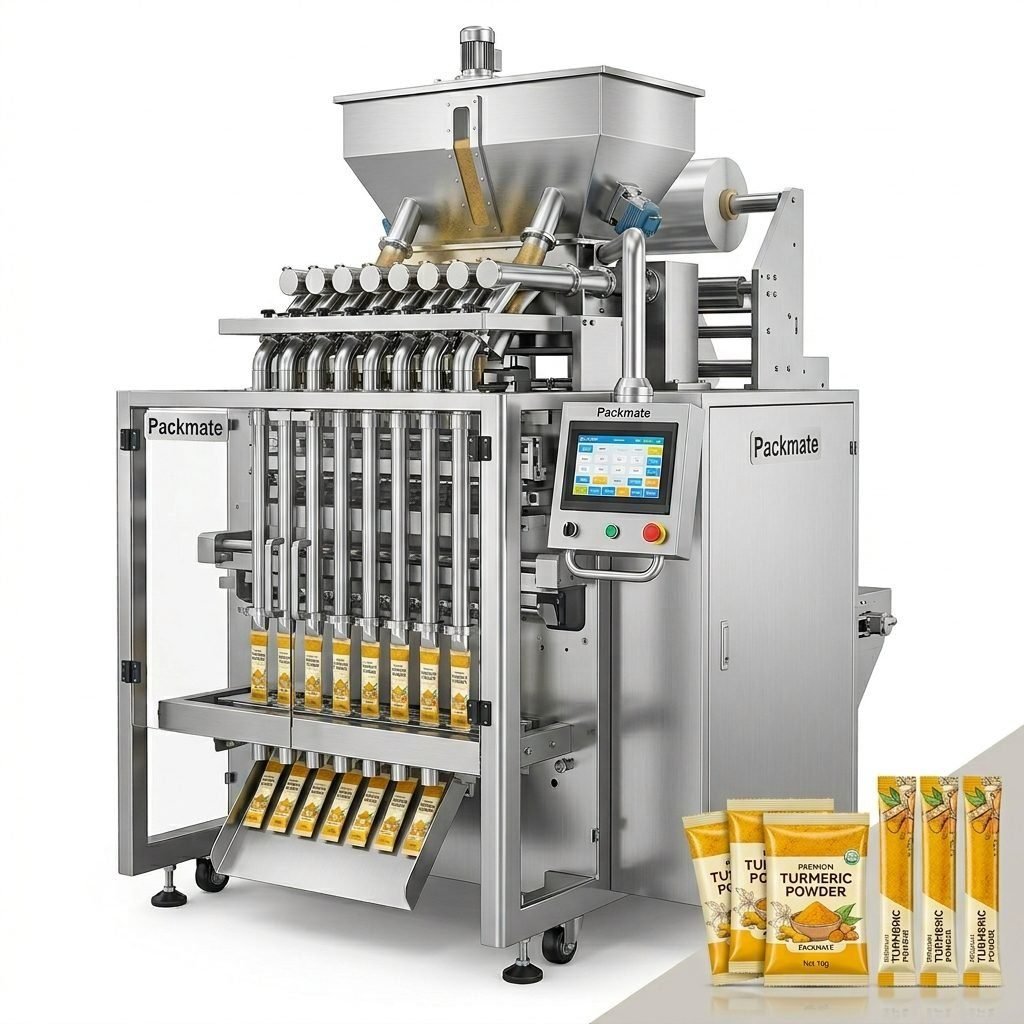
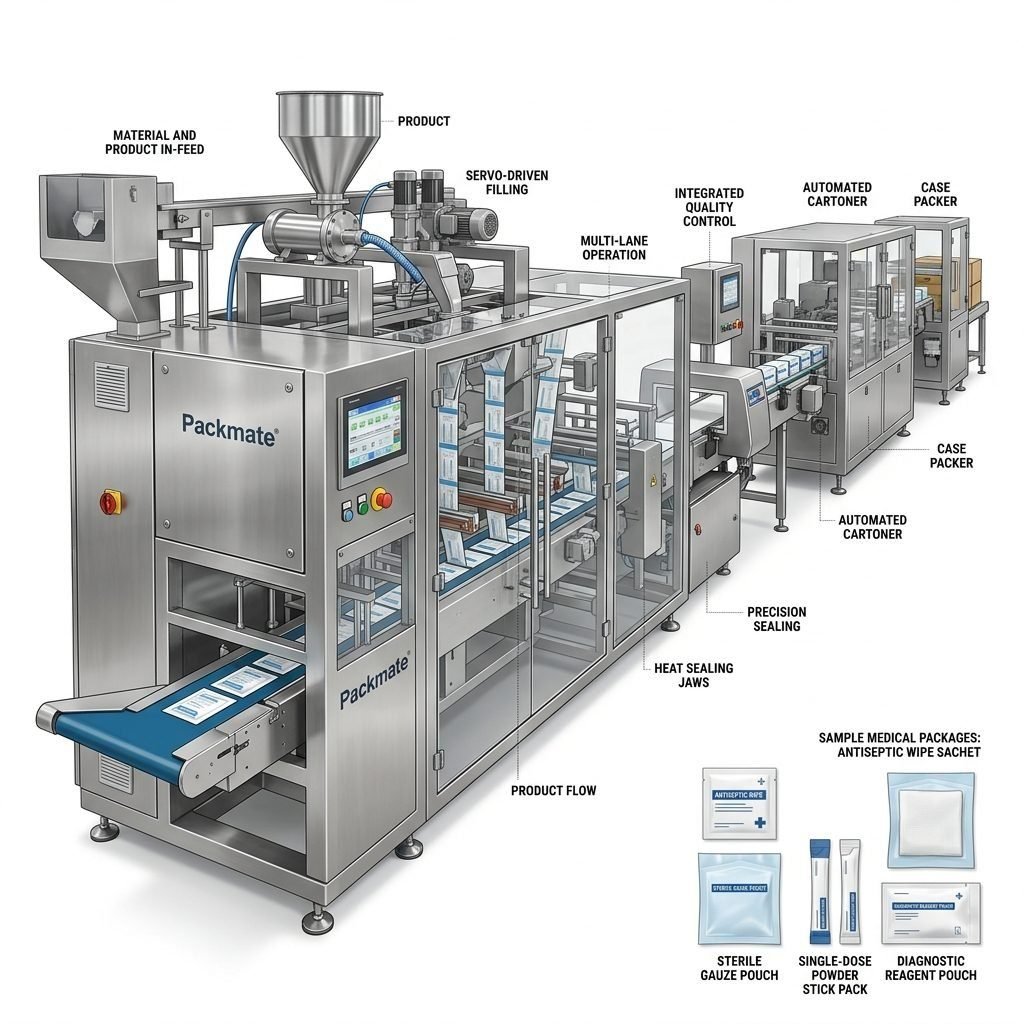
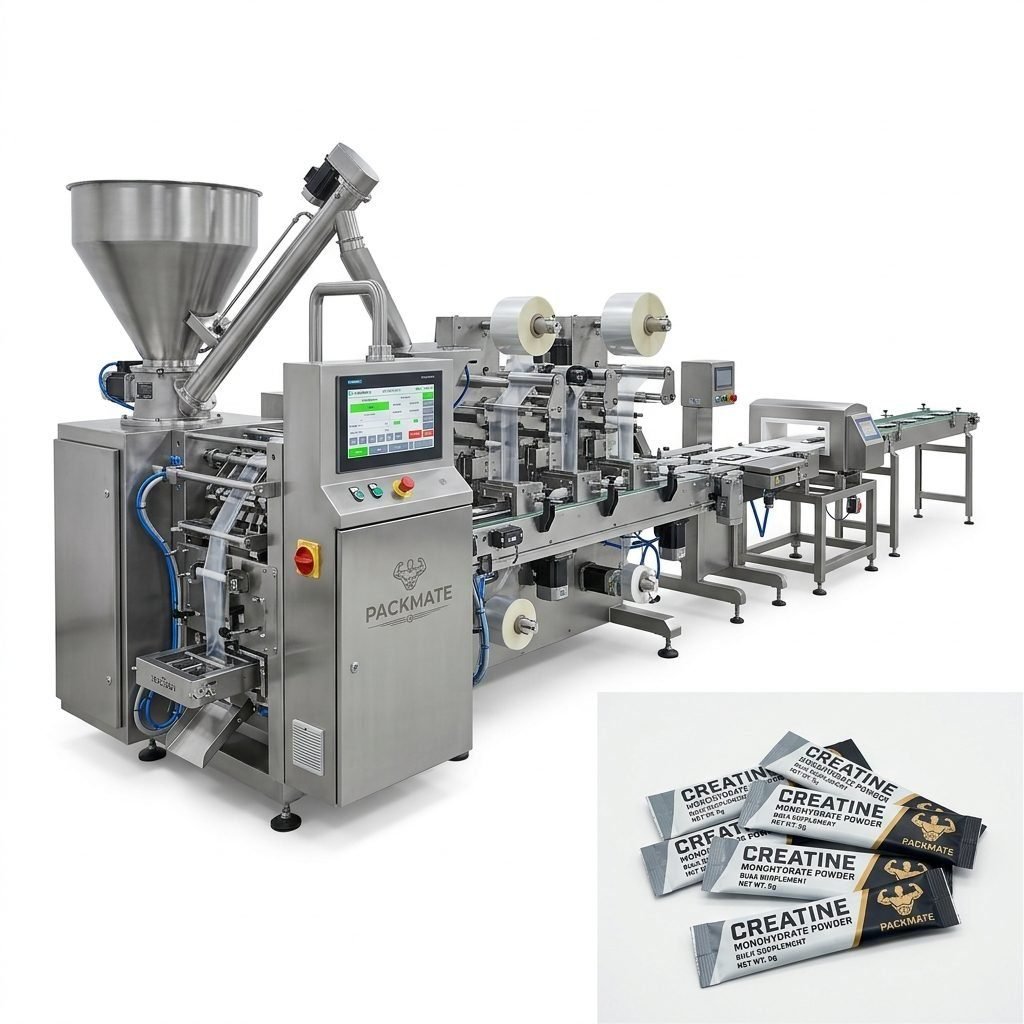
For businesses looking to package smaller units like snack packs or portion-controlled items, exploring specialized sachet and stick pack machines can open up new product lines and market opportunities.
Core Features for Maximizing Production Efficiency
Efficiency translates to higher output, lower labor costs, and better ROI. Key features to prioritize include:
Speed and Output Capacity: Measured in packages per minute (PPM), the machine’s speed must match your production targets. High-speed VFFS machines can often exceed 200 bags per minute for simple items.
Quick Changeover Systems: For bakeries producing multiple bread types or sizes, the ability to switch packaging formats rapidly is crucial. Look for machines with tool-less adjustments, digital size recall, and easy-access components.
Automation and Integration: Modern machines should seamlessly integrate with upstream equipment like slicers and conveyors and downstream systems like checkweighers and case packers. Features like automatic film splicing and fault detection minimize stoppages.
Durability and Ease of Maintenance: A machine built with high-grade stainless steel and robust components will have less downtime. Easy-to-clean designs and accessible service points are essential for food safety and maintenance efficiency.
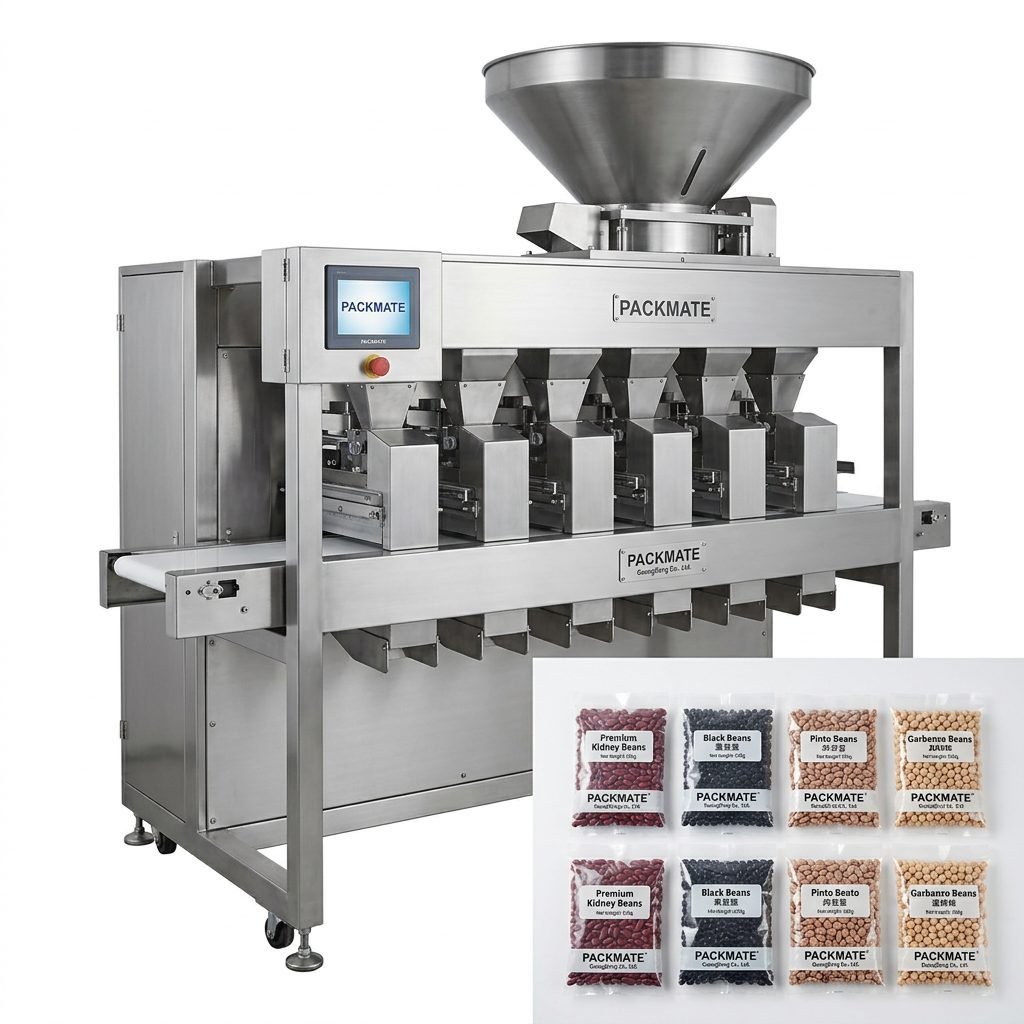
For comprehensive solutions that handle everything from weighing to final packaging, considering integrated filling and packaging lines can streamline your entire operation.
Choosing the Right Supplier: A Strategic Decision
The manufacturer behind the machine is as important as the machine itself. A supplier with deep industry expertise provides not just a product, but a solution. Packmate (GuangDong) Co., Ltd., with over 30 years of experience, exemplifies this principle. Their journey from a small workshop in 1993 to a company with a 20,000㎡ modern facility demonstrates a commitment to innovation and reliability in packaging automation.
Why Manufacturer Experience Matters
An experienced manufacturer like Packmate brings invaluable advantages:
• Proven Machine Reliability: Decades of R&D and real-world testing result in machines that perform consistently under demanding conditions.
• Customization Capability: They can often tailor machine specifications to handle unique bread shapes, sizes, or special packaging materials.
• Comprehensive Support: From installation and training to ongoing technical support and spare parts availability, a strong supplier partnership ensures your line keeps running smoothly.
• Future-Proof Technology: Established manufacturers invest in R&D, ensuring their machines incorporate the latest advancements in efficiency and food safety.
Reviewing a manufacturer’s case studies and project portfolio can provide concrete evidence of their capability in the bakery and food sector.
Essential Considerations Before You Buy
Before making an investment, conduct a thorough analysis:
Product Specifications: Precisely define your bread’s dimensions, weight, fragility, and packaging material (e.g., polypropylene, polyethylene).
Production Volume: Calculate your current and projected daily/weekly output to determine the necessary machine speed.
Factory Space and Layout: Measure your available floor space and ceiling height to ensure the machine and its peripherals will fit.
Budget and Total Cost of Ownership (TCO): Look beyond the initial purchase price. Factor in energy consumption, maintenance costs, expected lifespan, and potential cost savings from reduced film waste and higher efficiency.
Regulatory Compliance: Ensure the machine meets all relevant food safety and electrical standards for your region.
Frequently Asked Questions (FAQs)
Q1: What is the most important feature for keeping bread fresh in packaging?
The most critical feature is the machine’s ability to create a perfect, consistent, and airtight seal. This, combined with the option for Modified Atmosphere Packaging (MAP), provides the strongest defense against staling and mold.
Q2: How do I choose between a VFFS machine and a horizontal flow wrapper?
Choose a Vertical Form-Fill-Seal (VFFS) machine for high-volume packaging of items like sliced bread and buns into bags. Opt for a horizontal flow wrapper for individual wrapping of long loaves, baguettes, or when a more traditional wrapped presentation is desired.
Q3: Can one machine handle different sizes and types of bread?
Yes, many modern machines are designed for quick changeover. Look for models with tool-less adjustments, digital controls that save settings for different products, and modular components that can be swapped easily to accommodate various sizes and shapes.
Q4: Why is supplier reputation important when buying packaging machinery?
A reputable supplier ensures machine reliability, quality aftersales service, technical support, and availability of spare parts. Their experience often translates into better machine design and the ability to provide effective solutions for specific challenges, reducing long-term operational risks.
Q5: Where can I learn more about specific packaging machine models?
You can explore detailed specifications and applications by visiting a manufacturer’s product pages, such as the range of packing machines available, and request catalogs or consultations for tailored advice.